All posts by rightfromthestart

Fed Up With the Same Old Books for Your Kids? Try Something Different From Quirk Books.

monkey fartsI had never heard of Quirk books before but when I was approached to review a couple of their titles, the concepts grabbed me. As the name would suggest, Quirk books publish titles that are a little different. They are most well-known for the Worst-Case Scenario series and have a large catalogue of slightly off the wall books.

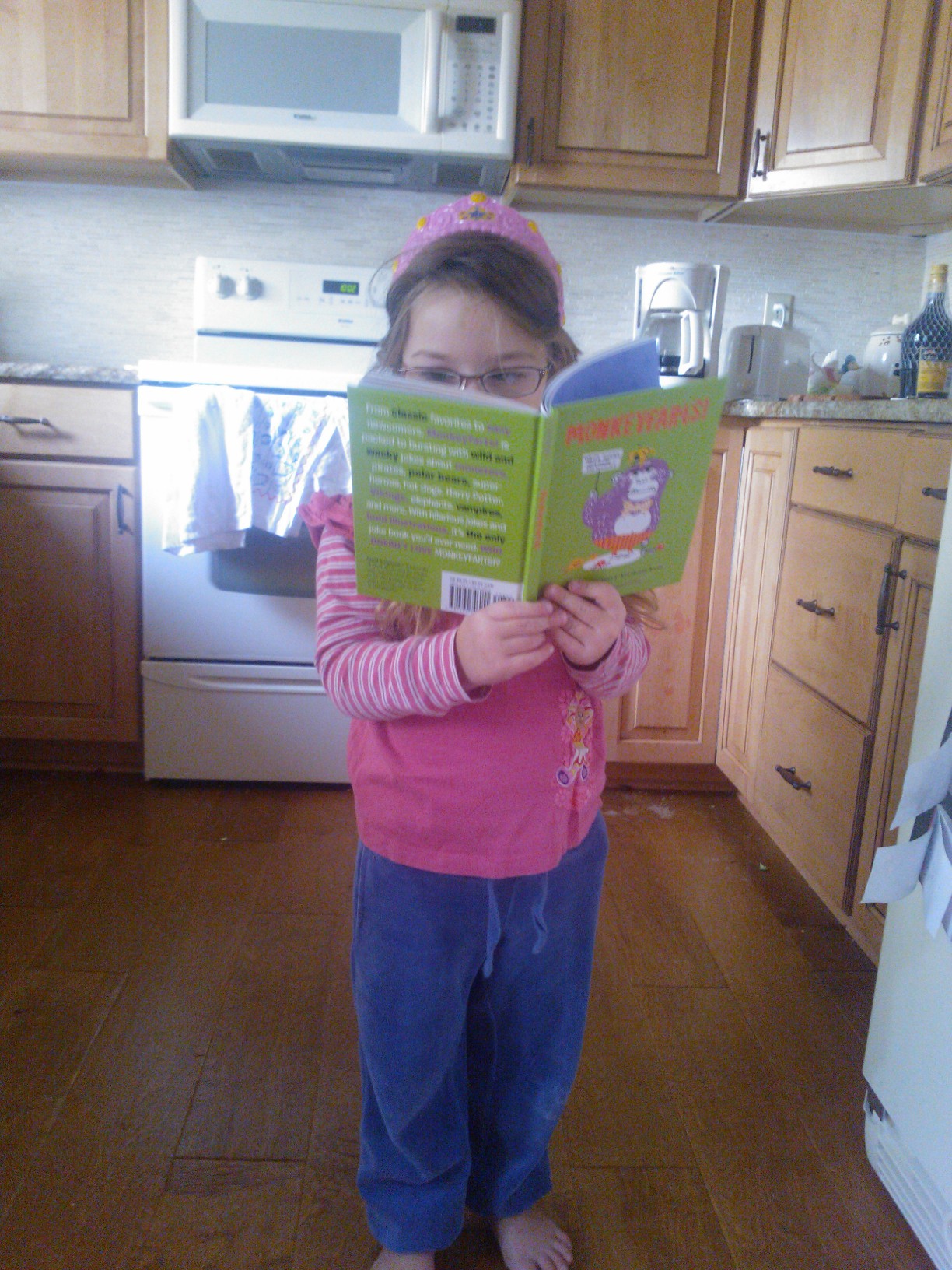
The first book I was asked to review is ‘Monkeyfarts – Wacky Jokes every kid should know’. My kids love jokes and joke books and we are always on the look out for new jokes so I knew this would be popular. The book begins with typical boyish toilet humour jokes that young boys will love and my girls did too. With a mixture of well-known one liners, longer story type jokes and old favourites that make you groan, there is something for everyone The book itself is a lovely little hardback edition, light durable and easy to hold. With a rrp. of £5.99 ($8.99 USD) it is very good value and ideal for a party present or stocking filler.
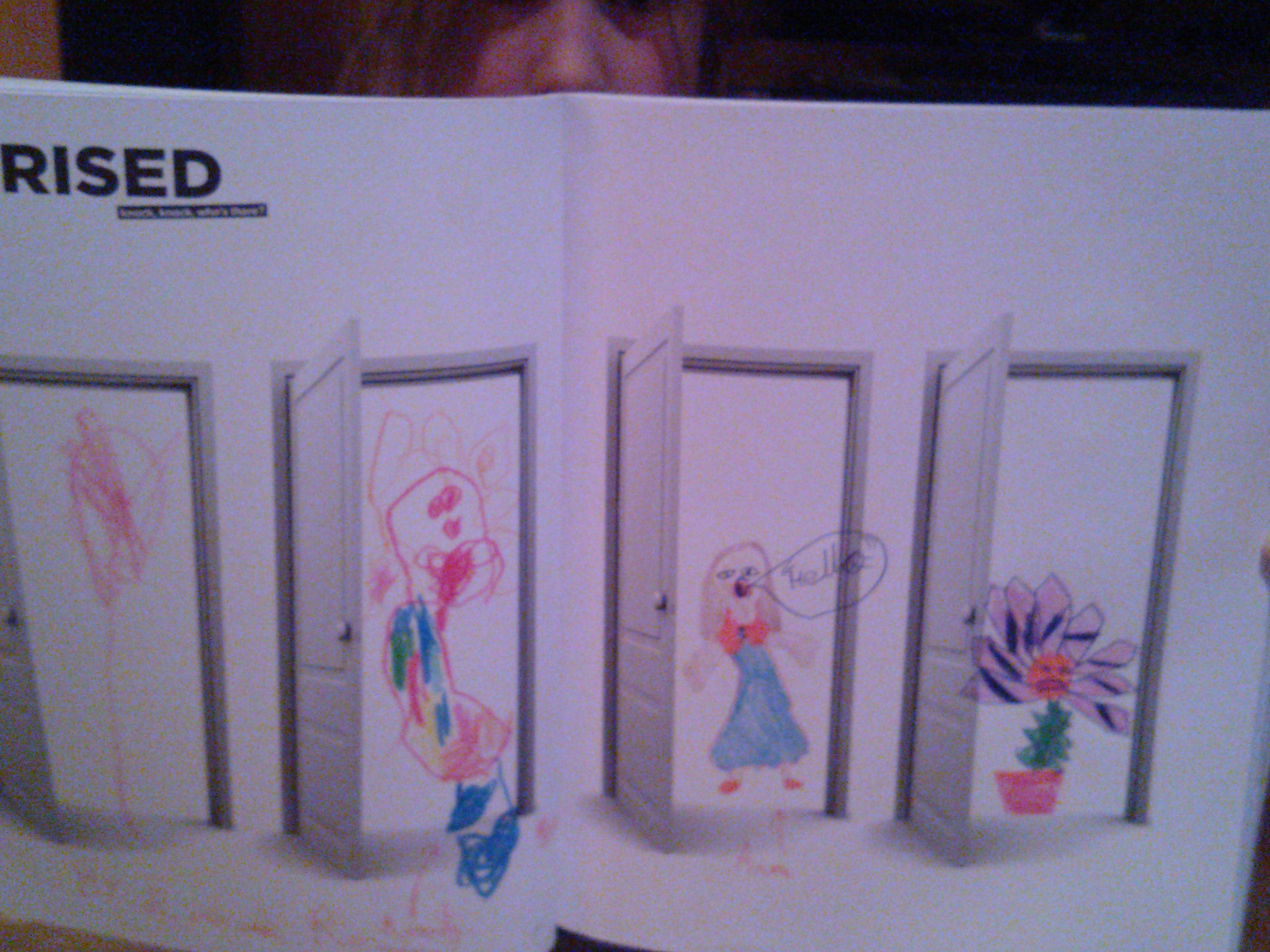
The second book would be attractive to children and adults alike. Fill in the Blank – An Inspirational Sketchbook contains a wealth of ideas to inspire creativity and design. Each page begins with the slogan ‘You are a….’ and then a design prompt. Some of my favourites include


  • You are a street artist – and won’t be arrested
  • You are at grandma’s – who’s in the family?
  • You are a genius – these ideas will make you rich
  • You are a tattoo artist – make your mark
  • You are an autobiographer – start telling the story of your life
  • You are in detention – confess your crimes

Most of the designs are for drawing but some involve writing or a combination of written and illustrated thought.
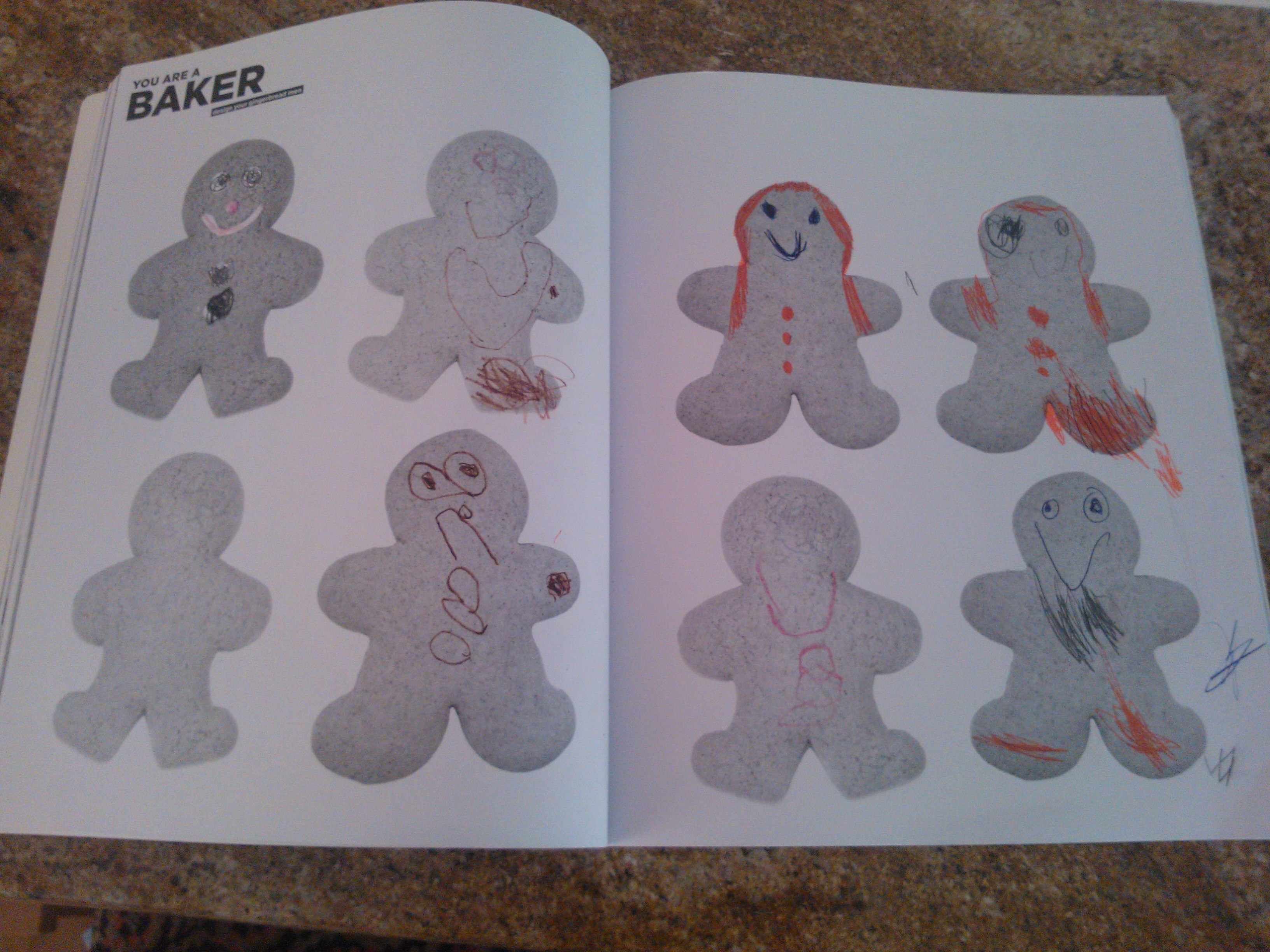
gingerbread menWe picked out some of the simplest pages for my 4-year-old, she loved designing ice-creams and she shared the gingerbread man page with her 8-year-old sister.

My 8-year-old loves this book, it is an inspired transition from colouring books for older children. There are some lovely projects that we could work on together and it is a wonderful way to encourage children to draw for pleasure. With such a huge variety of blanks, boys and girls of all ages will find plenty to hold their interest, from designing a hat to creating a city at the end of the road.

This would also make a great coffee table book, a resource for teachers or an interesting addition to a waiting room. Additional blanks can be downloaded from the Quirk website where you can also create a profile and share designs.

Fill in the blank is currently retailing on Amazon.co.uk for £11.70

Competition

I have one copy of each book to give away to my readers in the UK

Simply leave a comment stating which book you would like and one winner for each book will be drawn at random on 3rd November

Terms and conditions

This competition is only open to entries from residents of the UK

One entry per person

one additional entry can be made by commenting on rightfromthestart’s facebook page under the link to this post

winners will be notified by email and first names published on the site.

Preserving British Culture #1 Adjectives

”>
I was reading an article from The Guardian entitled ’My 2 Alien Life Forms’ ,in which the author Emma Beddington, discusses her experience of raising children in Brussels and her realisation that they have little understanding of British language and culture.  One would assume that raising children in an English-speaking country would not be too different from home. Your kids will more than likely grow up with a different accent and some new words for things but on the whole it’s not that different is it?

Having only been here a short time I realise it is. There are many things about living in America that give my children amazing experiences but there are some things that I  hear them do or say that set my teeth on edge.

This is the first of a number of posts outlining some of the ‘British’ things I would like to preserve.

Adjectives

Mum, R is talking American again!

This usually means my 3-year-old has said the word ‘Super’.  This seems to be the most over-used word in American English. Meals are ‘super-sized’, kids get ‘super-tired’, cars are ‘super-fast’ and people get ‘super-excited’ about everything.  When I hear the local children describe things, the word ‘super’ appears time and again, as if it’s the only adjective they know.

My 3-year-old has begun to correct herself when she uses it. We talked about it at the dinner table this week.

My friends say that they swing super high on the swing

I know, but we could say something more interesting like really, high or extremely high.

Or very high, … or up to the clouds.

That’s a good one, we could use similes – do you know what a simile is? * addressing my 8-year-old.

Yes it’s when you compare something to something else, like I swung as high as the sky.

Yes that’s it so what else could we say? …..

This became a fun game and seems to have worked to help them think about what they say.

There seem to be certain words that have become such a regular part of American English that they are perfectly normal.  To an outsider like me it simply looks like a lazy use of adjectives.

Yesterday I stood in a queue at a festival whilst my kids made a toy. A mum, who had clearly had enough, came to collect her child. The child wanted to decorate her toy but her mum said,

let’s decorate it at home, there aren’t many  pens here.

Her daughter showed her the toy she had made

That’s awesome

she said her tone of voice clearly portraying how unimpressed she was.

To American kids everything is awesome or super. Everything they do is greeted with ’good job’, I’m certain these words can have little effect.  I love the way the American’s encourage their kids with constant praise, I just wish they’d use a little imagination in their use of adjectives sometimes.

It has taken moving away for me to realise how rich the British vocabulary is. If you ever hear me use the word super, feel free to throw rotten vegetables at my head.

‘I Don’t Know How to Draw Ducks’ Feet’ – How to Support Young Childrens’ Drawing,

My 2 youngest children are obsessed by drawing. ‘Pens’, ‘paper’, ‘chalking’, ‘want to draw’ are common utterances from my one- year-old. I keep a supply of fresh paper in a low cupboard in my kitchen and a tin filled with pens, pencils, crayons and ballpoint pens. The girls also have a magnetic drawing board, aquadraw and pavement chalk in the garden. They love to draw on paper, cardboard boxes and each other. I also keep a supply of pens in the playroom high enough for my youngest not to reach. The children know that she is not to have pens unsupervised as she will draw on walls or furniture.

As I was unpacking boxes of books I came across the wonderful book It’s Not a Bird Yet: The Drama of Drawing
The book shares a number of stories of children’s drawing accompanied by photographs and examples. It attempts to guide teachers to extend drawing and parents to support children’s drawing without taking over.

The book talks about observing children as they draw, listening to what they say as they draw, to learn about the meaning they ascribe to it. When children draw for the first time you can see them marvel at the crayon making a mark on the paper. This also translates to other media, for example when I tried to hurry my toddler along as she bent down to play in the dried mud on the way home from the park, she remarked ‘I’m drawing!’

When you give children feedback as they point to their ‘scribbles’ and say ‘look’, this prompts further mark making. Children begin to assign meaning to their drawings far earlier than we think, often before they can really express it in words. My youngest who is almost 2 was drawing on her magnetic board, I could hear her talking to herself so decided to sit with her.

The video shows my daughter who is turning 4 and her frustration at not getting her drawing right. With help she comes up with her own solutions and is happy to start again.  My youngest who is almost 2 watches intently and joins in the conversation. The next part of the video shows my youngest daughter talking about the alphabet as she makes marks (something she has learned from her sister as she draws alongside her). The final clip is my youngest daughter ascribing meaning to her drawing and shows the suggestions her older sibling makes and how these extend her thinking.

Her elder sister is beginning to show an interest in writing. They often draw together and talk about the shapes they have drawn. I believe my youngest has learned a lot from drawing alongside her sister, she watches intently and copies her circles and lines.

Children often say they can’t draw things. I remember the Ursula Kolbe book was one of the fist things that made me think about alternatives to drawing for them. She explains that children see things differently to us so even if we draw for them we may not represent it in the way that they would like. This leads to a loss of confidence and the belief that their way is wrong. Often sharing drawing with other children is a good way around this as they will offer suggestions to one another. Giving hints helps, as does making children realise that it is okay to start again, artists make many drawings before they come to a finished product.

I save my children’s ‘best’ drawings, dating them to show progression. I am going to adopt a system recommended in the book; a folder with loose leaf transparent pockets so that the children can file their own favourite pictures and we can talk about them for years to come.

Pick Your Own Pumpkins at Remlinger Farms

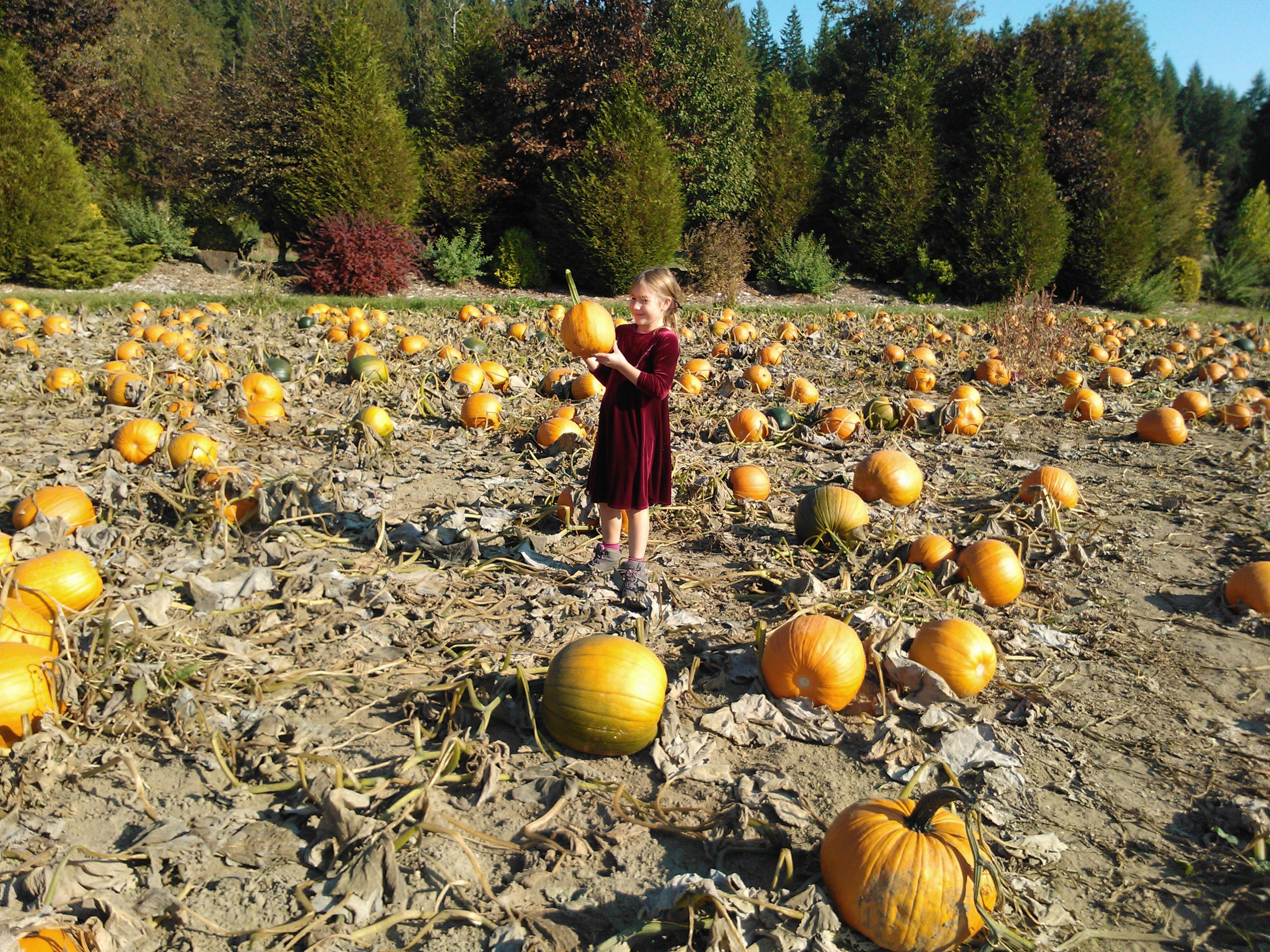
Look at all these pumpkins

My girls and I have spent a wonderful day at Remlinger Farms.  Considering that it was a full day out alone with my 3 young girls it was probably the least stressful day out I have had in a long time.

Admission was very reasonable at $8 per person (I’m not sure whether this was a special reduced price as  a higher price was quoted on the website) and this included a pumpkin each to take away.  Once we were in the farm everything was free of charge except feed for the animals.waving child

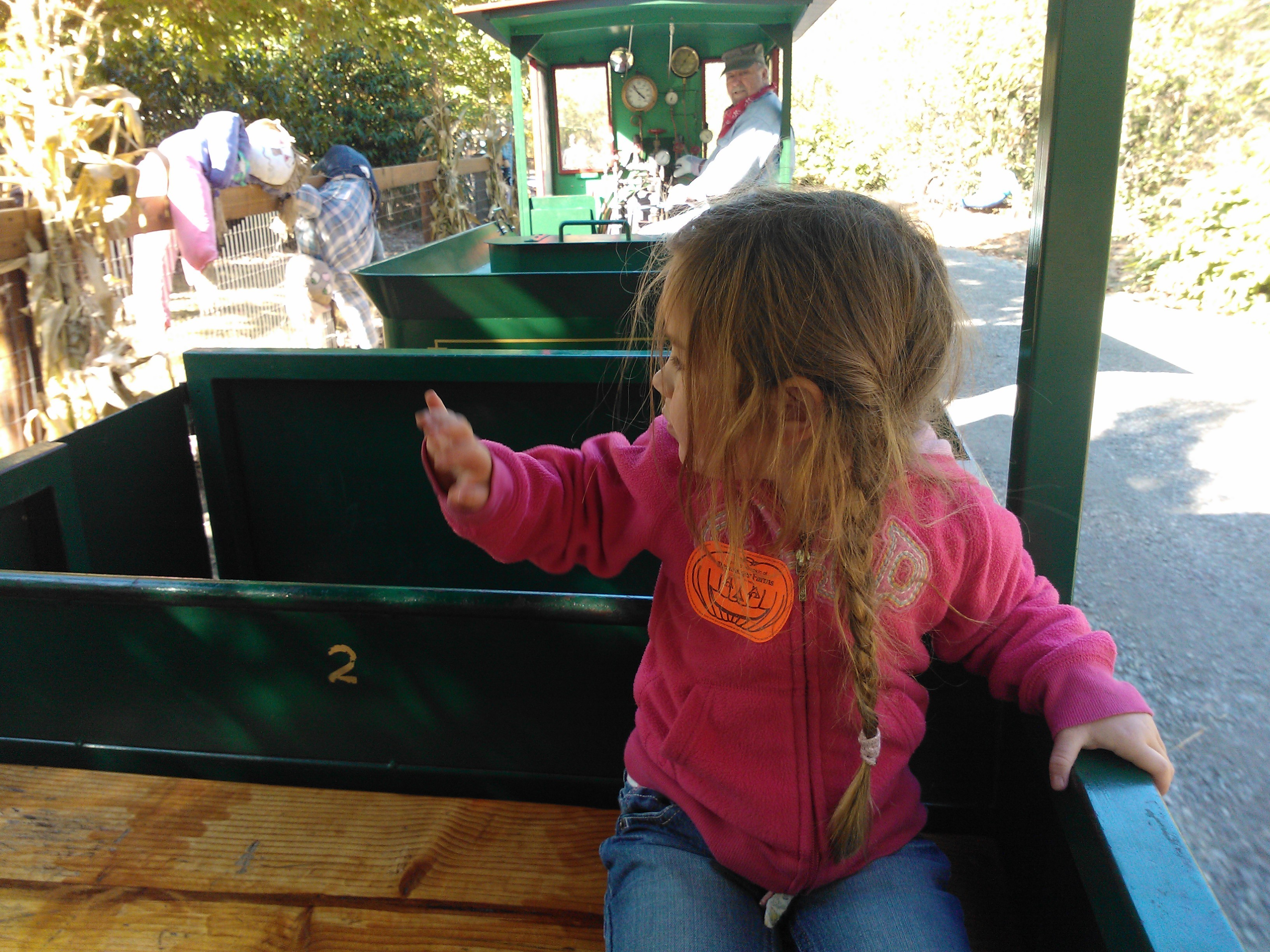
We began with a train ride in a little steam train that took us around the park. My 3-year-old waved at all the scarecrows en route and the horses and the lama.

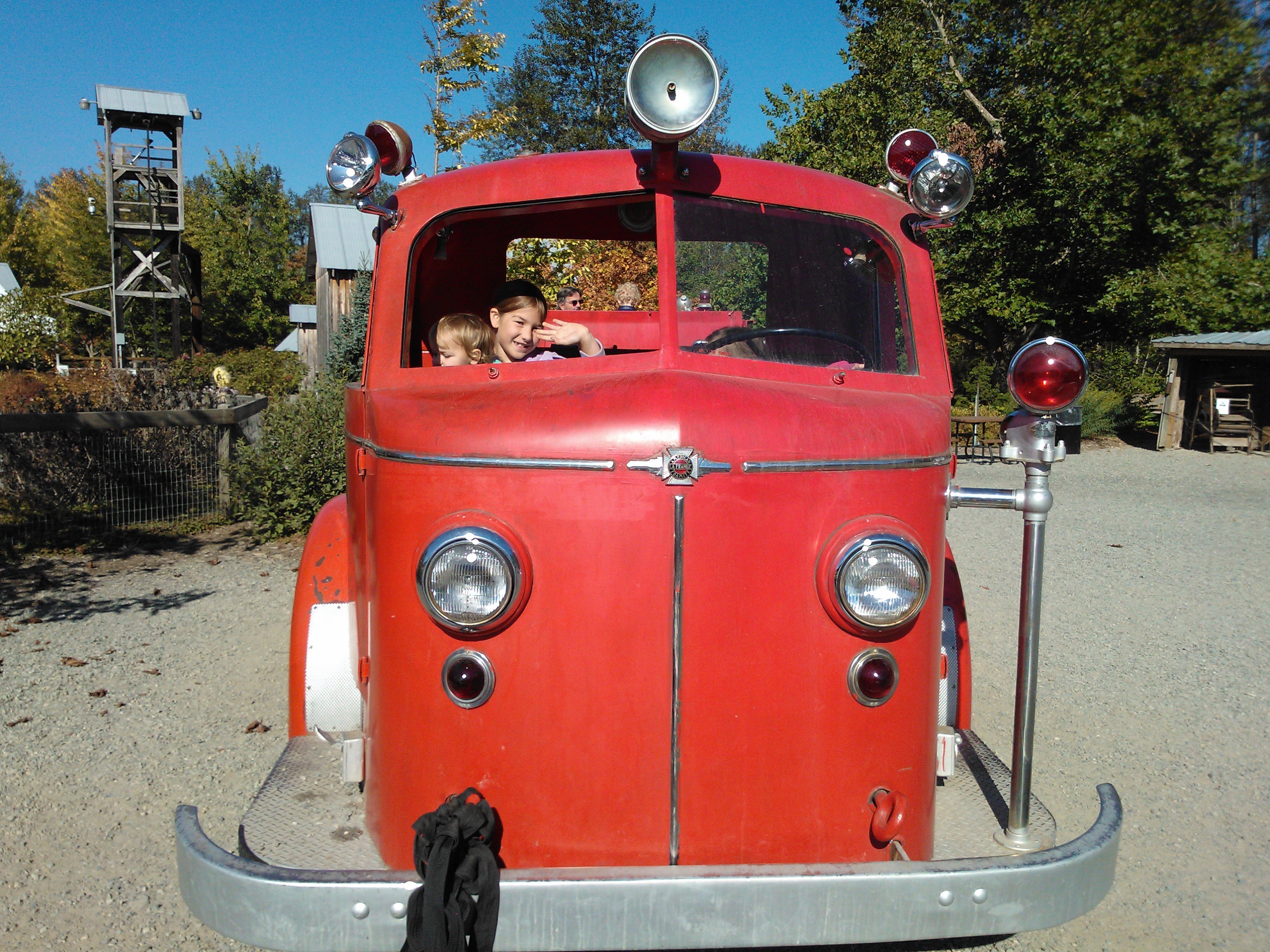
The playground near the station has an old fire engine and school bus for the children to play in. Some of the stalls selling kettle corn (I assume this is popcorn) and other treats were closed but that stops the kids nagging for food.

old fire truckTo the Far end of the playground is a Pioneer House and inside a lady dressed in traditional costume telling you how she lived.  It was quite amusing to watch my 8-year-old suitably unimpressed by the talk of how they lived before electricity,

‘ I’ve seen these before on one of my school trips and I think we had one of those coffee grinders in a science lesson in my old school’

They also have a great granddad who remembers what it was like before we had electricity so there were no big Wow moments there.  They loved the chickens ducks and geese in the garden however, especially the little chick.

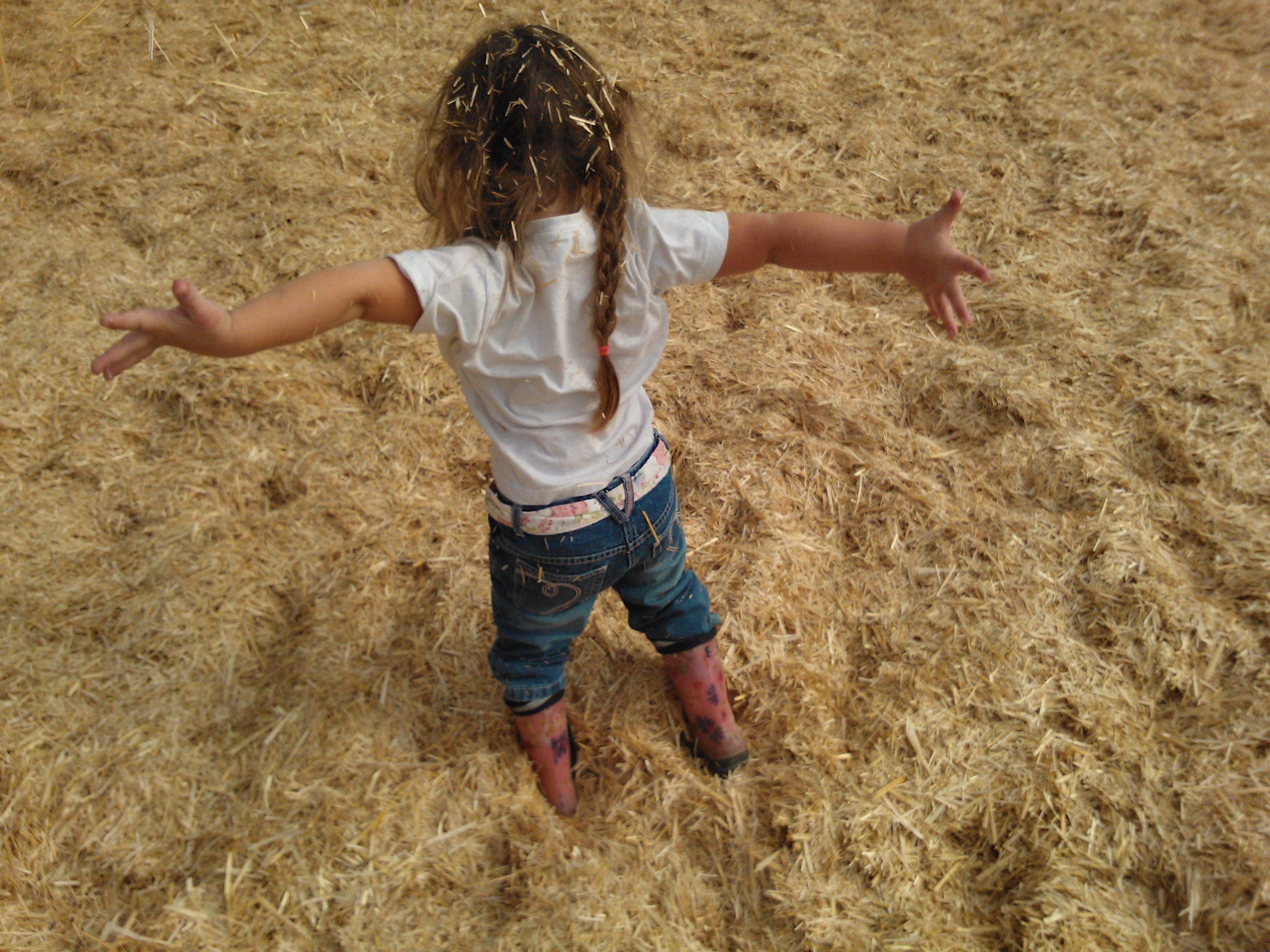
hay jumpMy little ones loved the hay jump and hay maze, they hid away in the middle of the maze and threw the hay around (until it went in my 3 year old’s mouth).

We fed the animals in the barn, the donkeys and goats were a real favourite.

You are not allowed to bring your own food into the farm but lunch in the café was good quality, the portions were generous and the kids meals included a cookie and drink. I had the chilli which was fresh and very good. In the UK we would often pay premium prices for food at tourist attractions but here a kid’s meal was $5.95 and my chilli was less than $5.

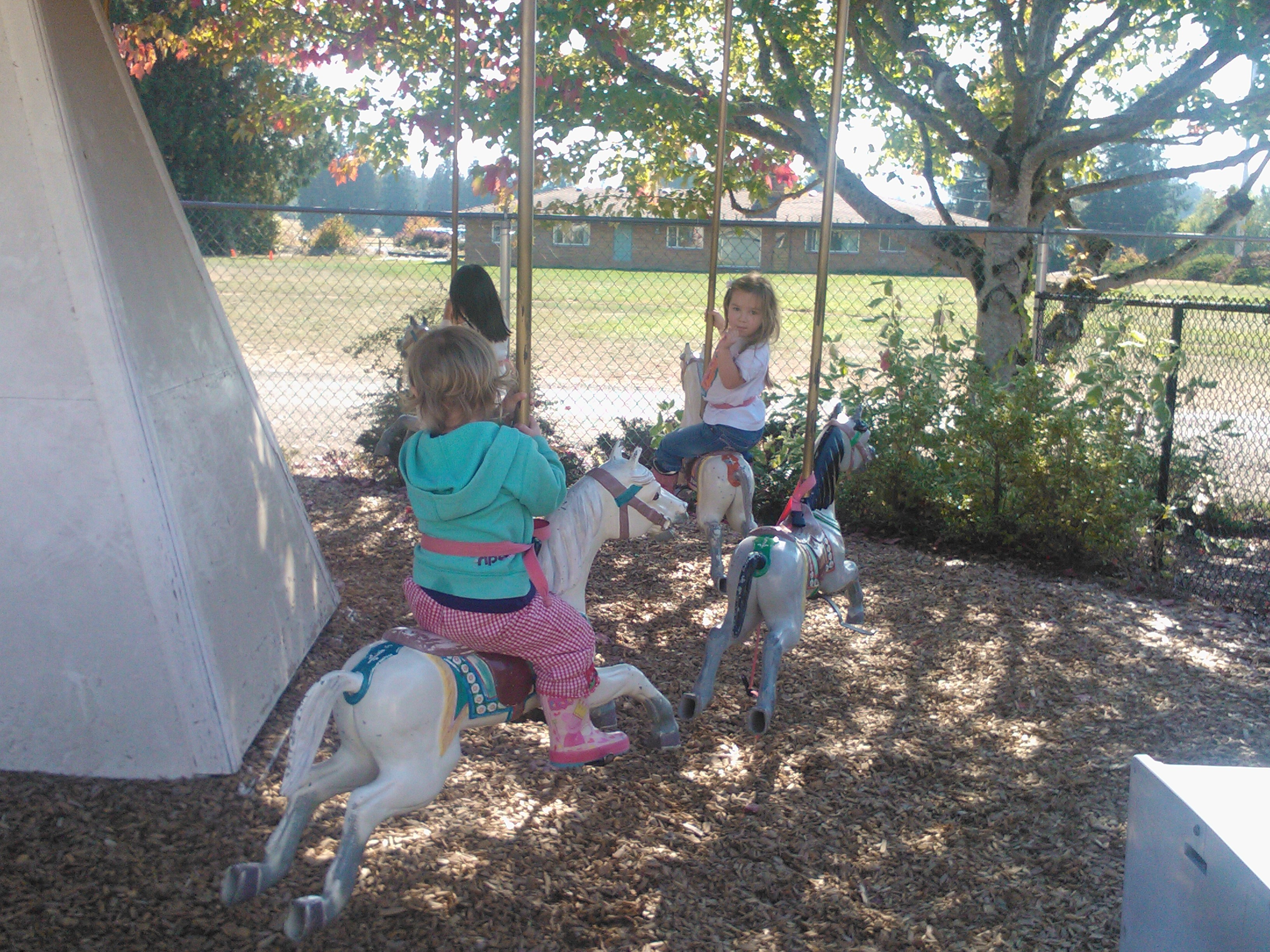
After lunch the children enjoyed the fairground rides. All of the rides are suitable for small children.  The attendants at the rides were really friendly and though there are height guidelines they were flexible and  let my 8-year-old (who was just above the height limit) and my 2-year-old (who was just below) go on all the rides together.  When I went on the barrels with my kids and told the attendant I didn’t really like spinny things but would make a sacrifice for my kids, he kept asking if I was okay .  Some of the rides were closed and a new mini roller coaster is in the process of being built , but there was plenty to amuse the kids.

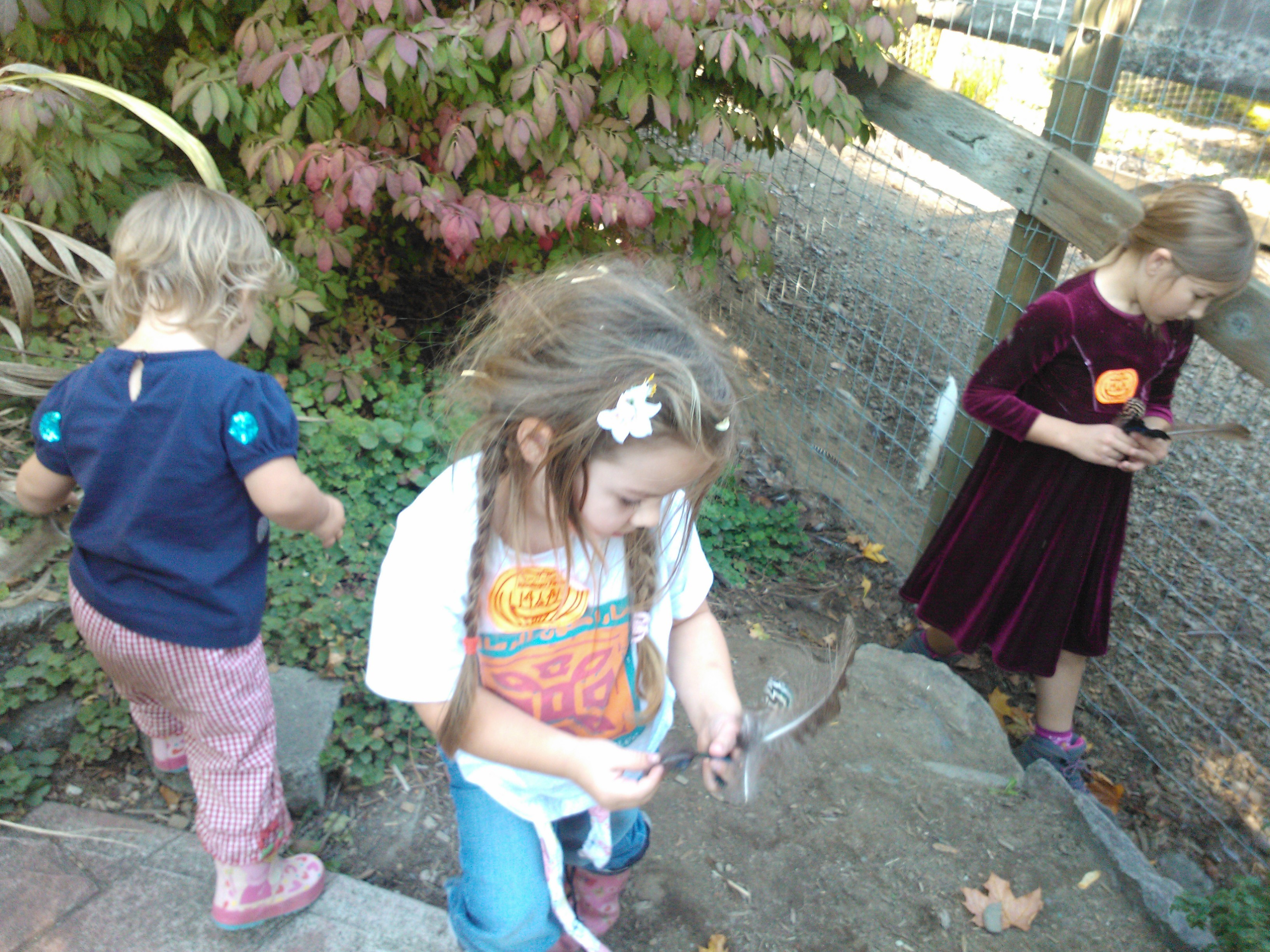
At the peacock enclosure we collected feathers to use for a fairy garden we are building for my daughters’ birthday party.

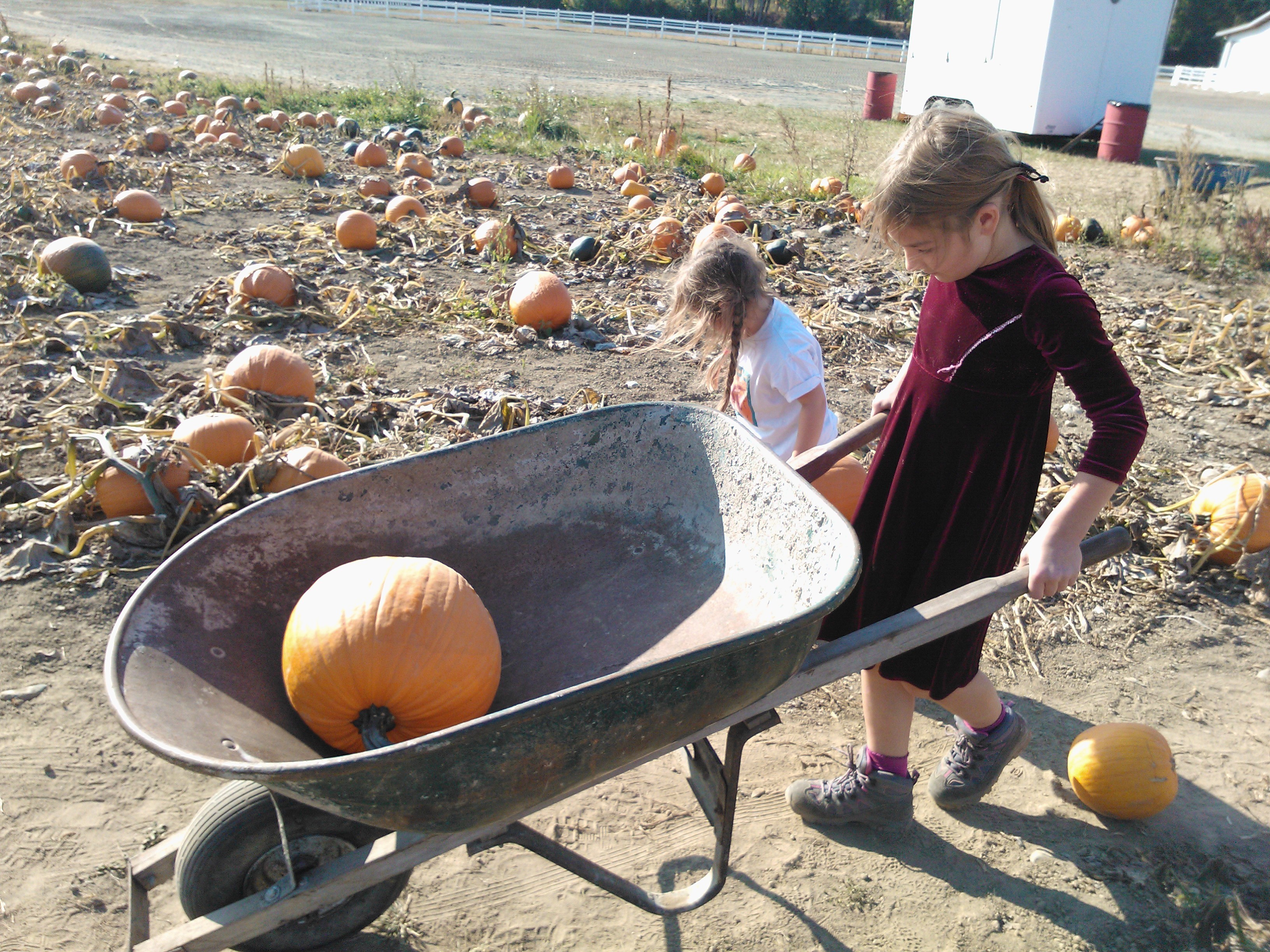
The children chose a pumpkin each to take home and then we took a drive to the pumpkin patch to see where they grew.  The girls tried to push the big wheelbarrow and found it very difficult. They chose a pumpkin each to pick from the field. We were surprised to find that the leaves are spiky and my youngest found it difficult negotiating her way around the leaves. I would imagine that for American children a field of pumpkins is fairly commonplace but for us it was a first and therefore very exciting. We are going to build a fairy house from the large pumpkin and cook with the smallest ones – I’m not sure about the others as they probably won’t keep until Hallowe’en.

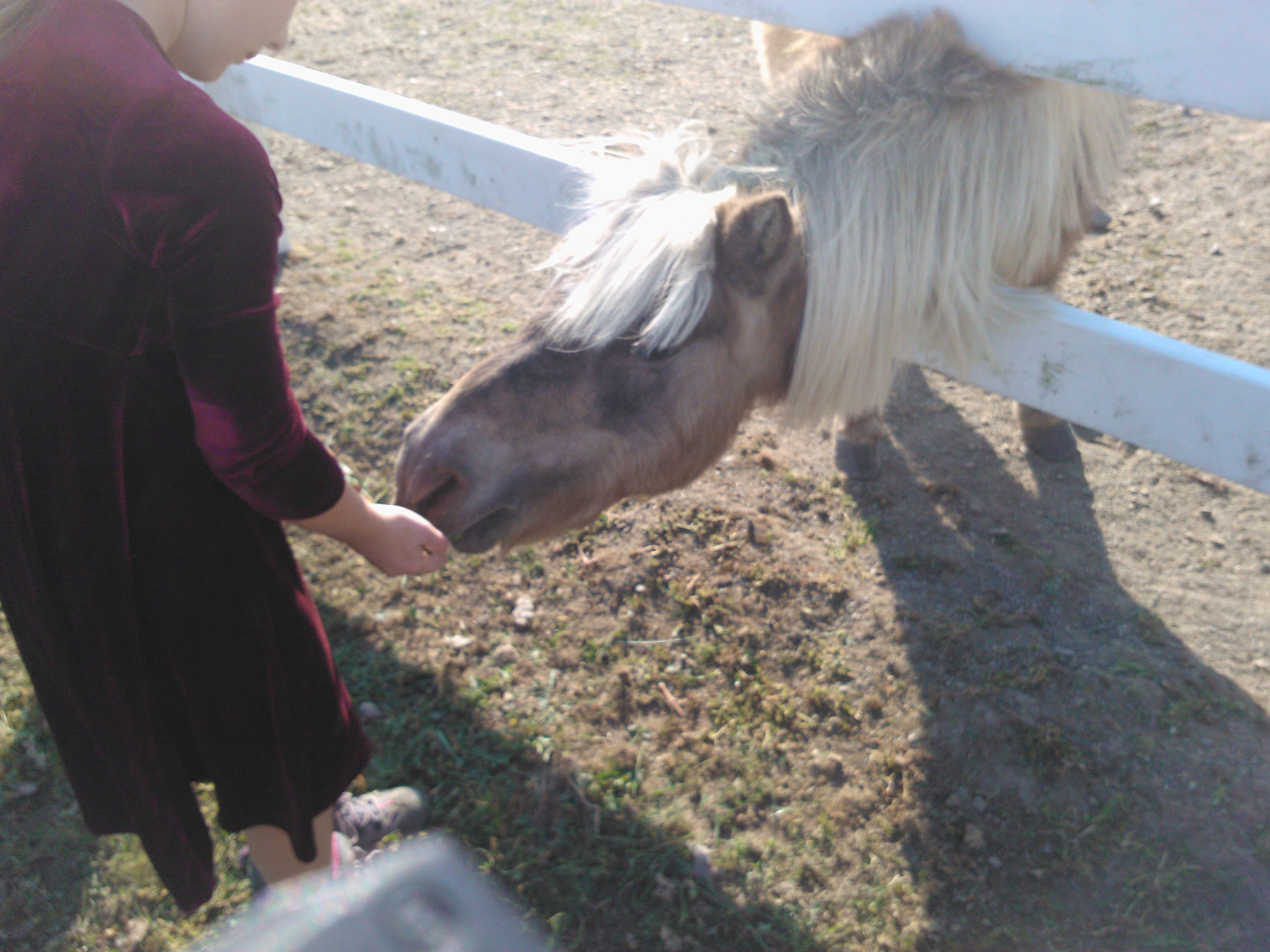
The day was rounded off nicely when we spotted horses to the other side of the field. The girls fed them grass and stroked them.

I’ll definitely be returning to Remlinger farm (I think my eldest thanked me about 10 times on the way home for taking them out) and can highly recommend it for families with young children.

Comparisons of Pre-School Education Around the World

When working as an early education consultant in the UK my colleagues and I would often look to other countries for inspiration.  We were in awe of the freedom and financial investment in early education in Scandinavia, drew on inspiration from Te Whariki the early childhood curriculum of New Zealand and were in awe of the pre-schools of Reggio Emilia in Italy. We recognised the investment in early education in the UK but were aware that there were also many things that could be improved.

On moving to the US, I expected early education to be different but was struck by the  number of commonplace things from UK early education that were seen as new and radical here. Washington State where I live has invested a huge amount of resources to early education but in 2011 only 8% of 4 year olds and 2% of 3 year olds were enrolled in state pre-school programmes (NIEER The State of Pre-school 2011). I now realise that I had much to be grateful for in the UK. My 3-year-old had 15 hours of state funded pre-schooling per week and I could use this flexibly. I knew that I could find a quality pre-school without having to put my hand in my pocket.

While weighing up the different systems I came across a recent report by the Economist Intelligence Unit (EIU),  Starting WellBenchmarking Early Education Across the World. The  EIU was commissioned to produce an index ranking pre-school provision across 45 countries. The Index looks at provision for children aged between 3 and 6, considering availability, affordability and quality of pre-school environments. Alongside the data, experts were interviewed and research reviewed to highlight key issues.

It will not come as a surprise that Finland, Sweden and Norway top the list due to long-term investment and prioritisation of Early Education which is embedded in their culture. What did come as a surprise however is that the UK is in fourth place. A number of factors contribute to the UK’s high-ranking:-

  • A legal right to pre-school education
  • A well-defined curriculum  and health and safety standards
  • parental involvement
  • an environment that ensures children are healthy and well nourished when they enter school.

Availability

The US ranks 24th in the Index. There are many quality pre-schools in the US but these are not available or affordable to everyone and the quality of provision is variable. A growing body of evidence suggests that investment in early education reduces costs later in the education system. The success of many European countries lies in the recognition of the value of early education meaning that even during recession, funding is unlikely to be pulled. In countries such as the US where  the government has not yet accepted responsibility for early education, budget deficits lead to cuts in early education funding.

Affordability

In general the countries that acknowledge the importance of early education are also those with the most affordable pre-schools. Chile(20th in the index) is a lower-income country yet 85 % of 3 year olds and 90% of 4 year-olds attend a pre-school of some kind. Public pre-school provision is free.  The funding has been put into providing provision but as yet has not been assigned to quality.  Teachers are not well qualified and there are no quality guidelines which drags the country down in the index.

Quality

The counties that rate highest in quality are those that pay the highest salaries and recruit the most highly qualified teachers. The other factor defining quality is the availability of well-defined guidelines and mechanisms for monitoring and supporting these, Finland, France, Sweden, New Zealand and the UK score highest on these points. New Zealand’s curriculum Te Whariki is successful because it embodies the values of its country and culture, many countries use it as a benchmark when designing their own curriculum. High performing countries in this measure also recognise the importance of Parental engagement. Belgium scores highly based on its statutory responsibility to work with parents and children and offer parenting programmes and support.

Education at a Glance 2012: OECD Indicators is an annual international comparison of education. The report states that whereas patterns of enrolment for primary and secondary education are similar  throughout the OECD, there is significant variation in early childhood education programmes. 79% of 4 year olds in OECD countries and 83% of those in the European Union are enrolled in early education programmes, this ranges from 95% in the UK, New Zealand, Norway and France to less than 60% in Australia, Canada, Brazil and Greece. OECD research found that demand for early childhood education for children aged 3 and under far outstripped supply. The research backs up findings in the Economist’s study that the absence of public funding leads to a greater risk of  variable quality or makes it only affordable to affluent families. In most European countries universal education for 3 to 6 year olds is generally accepted, in most of these countries early education is free and provided in school.

I am still coming to terms with living in a country where pre-school is a luxury for affluent parents rather than  a right for all children. There are many noteworthy programmes for the most needy children but a huge void for any families in the middle. There has been a lot of change in UK early education during the last 5 years and that has lead to a level of unease amongst professionals. Research like the above is sobering and helps me to realise how far we have come.

Why Hallowe’en is Really Scary

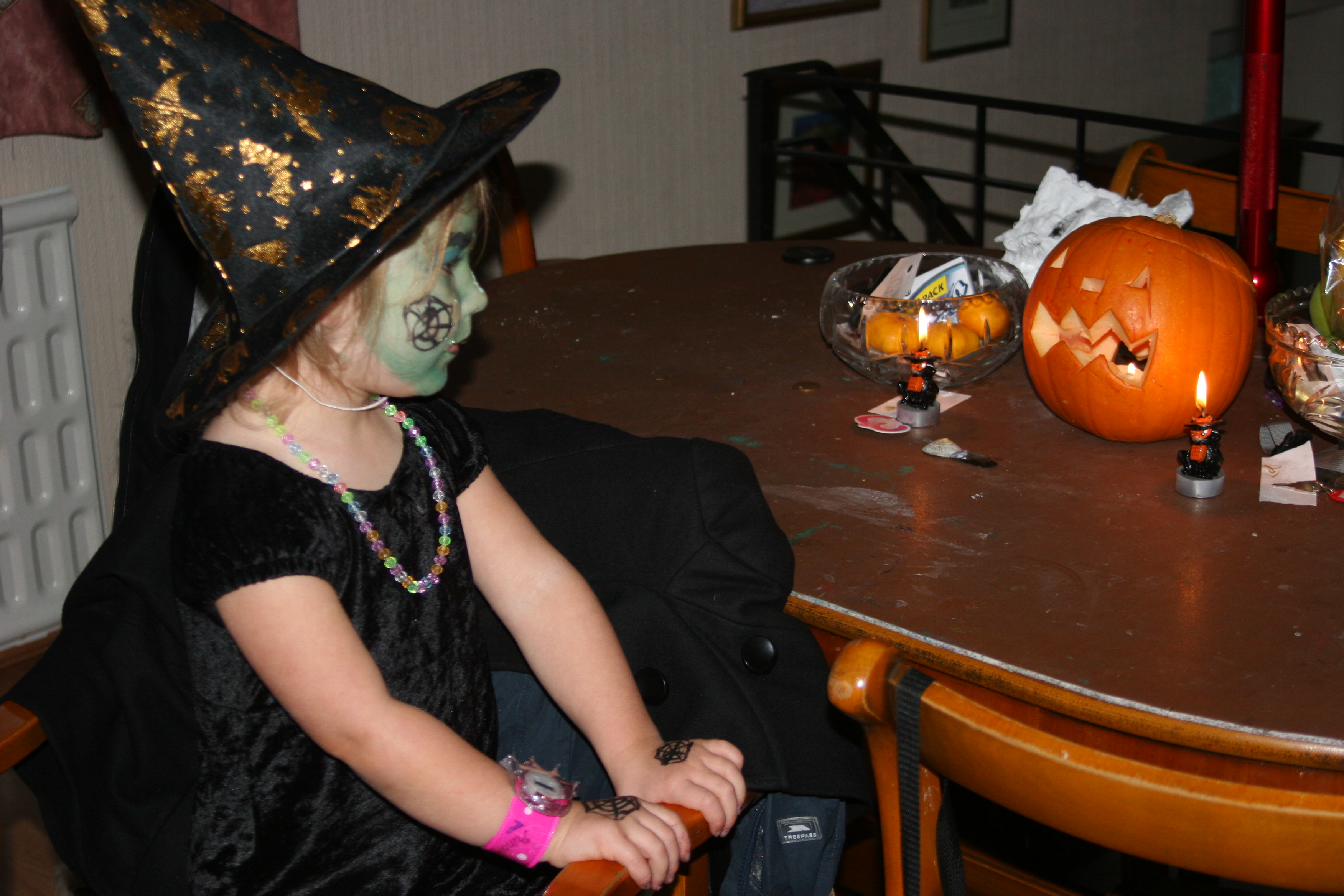
Call me a humbug but I’ve been a little relieved in the past few years that Hallowe’en isn’t that big in the UK.  My kids would dress up, sometimes go to a party, we’d carve a pumpkin and may go trick or treating to a few friends’ houses. We didn’t have many trick or treaters in our street so I could usually find something to give them without going mad.

Now we are in the US it is a whole other ball game.  The shops are filled with Hallowe’en decorations, costumes, crafts and sweets to the same level as Christmas in the UK. I’ve been told I need to stock up because we will get loads of kids at our door at Hallowe’en.  The idea of it all fills me with dread. Do I need to spend hours and money decorating my house? How many treats do the kids expect? What can I get away with without looking like the miserable British Family? Will a talking pumpkin suffice?

Can anyone help me understand what is socially acceptable?

Then there is Thanksgiving…….. What on earth is that one about??

Argghhhhh! It’s fun being the new girl.

Starting School the American Way

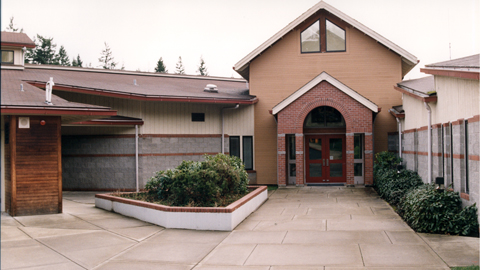
schoolMy 8-year-old started 3rd Grade this week.  She would have been starting Year 4 in the UK but they start school a year later here.  Finding a school place was simple as schools are allocated according to where you live, if you live within the school bus route you automatically get a place.

Preparation for school in the UK usually meant buying uniform and new shoes, labelling P.E kits and backpacks and organising dinner money.  Here it is different.  There is no school uniform. Children arrive at school on the first day in their new ‘school clothes’, a concept I don’t really understand. My children have clothes; they may wear them to school, to play in the garden or to go out at the weekend, they are not categorised into school and non-school. We don’t need to provide anything for P.E apart from a pair of ‘sneakers’.  Life should be easy, with very little to prepare but ……..

  • There is a huge list of school supplies to buy. Each year is given a list of stationery items to provide including ring binders, pens, pencils, glue and notebooks. Each item needs to be labelled and taken to school on the first day.
  •  When registering at school parents have to complete a form to prove that their children have received all the required vaccinations.  This meant that my daughter had to have a Hepatitis B vaccine before leaving the UK and another on arrival.  We also have to provide a letter from the doctor to prove she has had chickenpox or she will need the vaccine.
  • We attended an information meeting where the children were photographed for their records and we were given copious amounts of forms, signing us up for things I didn’t understand.

We visited school to meet the teacher the day before it started.  It was highly structured and organised. The teacher presented us with a list to follow, including finding a library book, completing an ‘about me’ form, reading through the rules together and finding various things in the classroom. As the meeting time came to an end a tannoy announcement told parents that it was time to leave the building.

On the first day my daughter came home with a folder inside which any correspondence is placed. It also contains her homework diary and reading record, a behaviour chart and a calendar that is completed each day at school showing both homework and things the parents need to do that evening.  I’m hoping this will help us both be a little more organised.

At curriculum evening the teacher outlined all the things they would be doing this year.  The teacher gave all the parents her email address and encouraged them to share any information about their child by email.  There is a website you can sign into as parent to check on your child’s progress and all work comes home at the end of each week marked with grades.  This open communication between parent and school is a very welcome change for me, I can’t imagine any school in the UK being quite that open.

I feel a little like a rabbit caught in the headlights as I begin to understand a system that is alien to me but we have had a good first week.  My daughter loves her teacher and gave school a 10.5 out of ten.

Up and Away: A BBC Newsround Special – Helping Children to Understand Those With Additional Needs

I used to work with children on the autistic spectrum.  My children often ask me about the children with whom I worked and autism in general. This is difficult to explain to young children.  ‘Up and Away’ I hope will address some of their questions and help them to see the world from a different perspective.

Up and Away: A Newsround Special airing on CBBC on Friday September 7th at 5pm  – hears the moving and often inspirational stories of children who have additional needs and have made the big step up to High School.

Presented by 14-year-old Royal Television Society award-winner Rosie King, the programme combines moving testimony from incredible characters with carefully crafted animation to illustrate that the big move up can be as liberating as it is scary.  Rosie has
Autism, and so has direct experience of the subject matter as she explains:
“I was born into a family with special needs and I didn’t really think it was
that big a deal until you realize that not everybody lives with these
disabilities. This programme shows how that huge moment that you might have been
dreading can be the best thing ever.”


Rosie hears the remarkable stories of Daniel who was picked on at Primary
School for having restricted growth and feared it would happen again at
Secondary School; Iyar who has Cerebral Palsy and faced the challenge of moving
up to High School from a Special School; and Callum whose visual impairment left
him vulnerable to bullying.

Daniel, Iyar and Callum’s have all faced up to their individual challenges.
Their inspirational stories show that while life in Secondary School can be
tough, most problems, even for those children who are different, disappear in a
few days.

I recently got back in touch with one of the families I worked with.  I worked with Tom who was autistic when he was 3 and 4 years old.  He was very good with numbers and letters and could read complex words by the time he went to school.  His comprehension however, was limited and his speech and social skills didn’t match his peer group. Tom is now 13 years old  and I wondered how he had coped in the school system.  His Mum said that academically he had always done well but they had worried that he wouldn’t fit in with the other children.  Tom was saved by being a skilled sportsmen, he is very popular at school and is having a positive experience.

I am looking forward to watching the Newsround Special and hope it will be an inspiration to children with additional needs and help all children understand the thoughts and feelings of children who are ‘different’.


Build a Mud Kitchen – Why Playing with Mud is Good For Children

mud kitchensWith limited toys and great weather,we have been playing  with natural materials and everyday objects. The children and I created a mud kitchen in the garden.

What is a Mud Kitchen?

A mud kitchen is an outdoor play kitchen for children to explore the properties of mud.  In a similar way to my own mud pie and mud drink making as a child, ( I remember filling up small dirt holes with water and tasting the mixture with a stick) the children mixed the mud in a kitchen made of recycled materials.  You could use a ready-made play kitchen but it isn’t necessary.

How to Build a Mud Kitchen

We made ours using various items we found around the house.  We made a shelf using bricks and a piece of wood, an oven from a cardboard box and collected containers from our recycling.  An old cupboard, table or sink would work equally well and I’m sure that when our stuff arrives from the UK we will find things to add.

Collect old kitchen utensils, pans and bowls from charity shops, friends or car boot sales. We put a sign on our fence next to the mud kitchen requesting items – no-one has donated yet but the children check for new additions every day. It is a good idea to place the mud kitchen near a fence or tree where the utensils can be hung – this way the kitchen will be nicely self-contained and easy to tidy.

The Benefits of Playing in the Mud

Children learn in a variety of ways; many children (particularly boys) prefer to play outdoors.  In most pre-schools I have visited in the UK indoor classrooms exist alongside outdoor classrooms.  Children who may not choose imaginative play  indoors may be attracted to the mud kitchen.  The mud kitchen is rich in learning experiences including learning the rules of good hygiene, exploring  the properties of mud, manipulating mud and tools with their fingers, measuring, imaginative play building on the children’s own experiences, finding out about bugs, problem solving and co-operation and sharing. Involve the children in the creation of the mud kitchen, they will come up with many ideas that adults may not have considered.

Health Benefits

To add weight to my argument I read an excellent post this week about the health benefits of playing in mud. The Children of the 90’s project at the University of Bristol recently reported a number of benefits for children who spend time outdoors. One study suggests that children who spend more time outdoors are less likely to develop short- sightedness and they also found that good levels of Vitamin D was linked to better health including mental health.  Another study from Bristol University in 2007 suggests that friendly bacteria contained in soil, activates neurons responsible for producing the brain chemical serotonin.  A lack of serotonin is thought to cause depression; playing with mud is therefore likely to improve children’s mental health.

Our Mud Kitchen

playing in the mudWe built our mud kitchen during August.  In the UK this is often the wettest month of the year but here in Washington State we have had a perfectly dry month.  This was probably not the best time to build a mud kitchen but as the seasons change the play will develop.

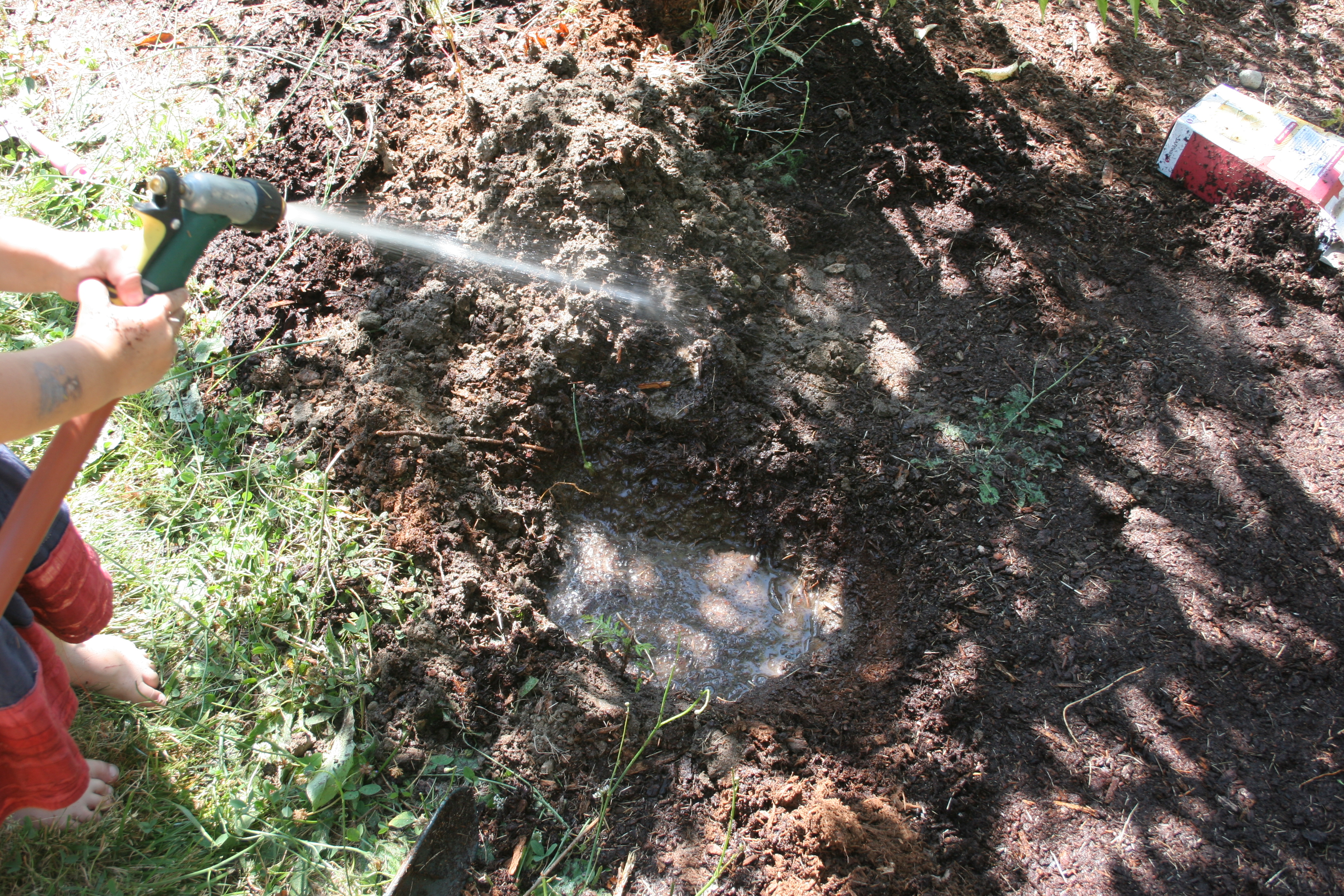
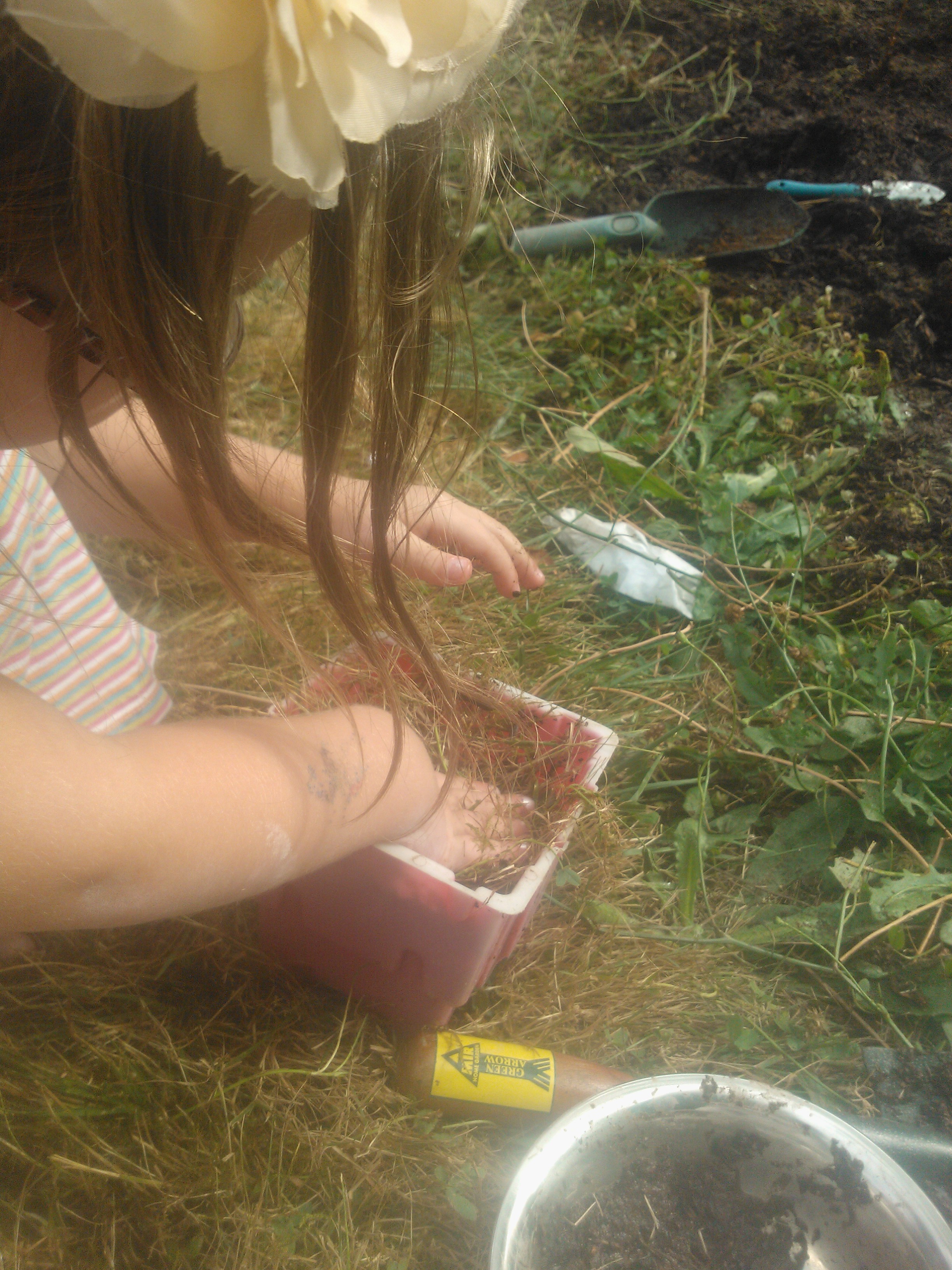
We built the kitchen in a patch of garden where there was plenty of soil but soon discovered that the top layer consisted of wood chippings from the surrounding Pine trees.  This was great for sprinkling and pouring but moulding cakes and pies had limited success. child hosing mudI suggested we dig a hole to reach the true soil under the surface, we  used the hose to  wet it.  Filling the hole with water attracted a flying insect that we hadn’t encountered before, the girls were apprehensive but interested in watching the creature.

We are making coffee powder

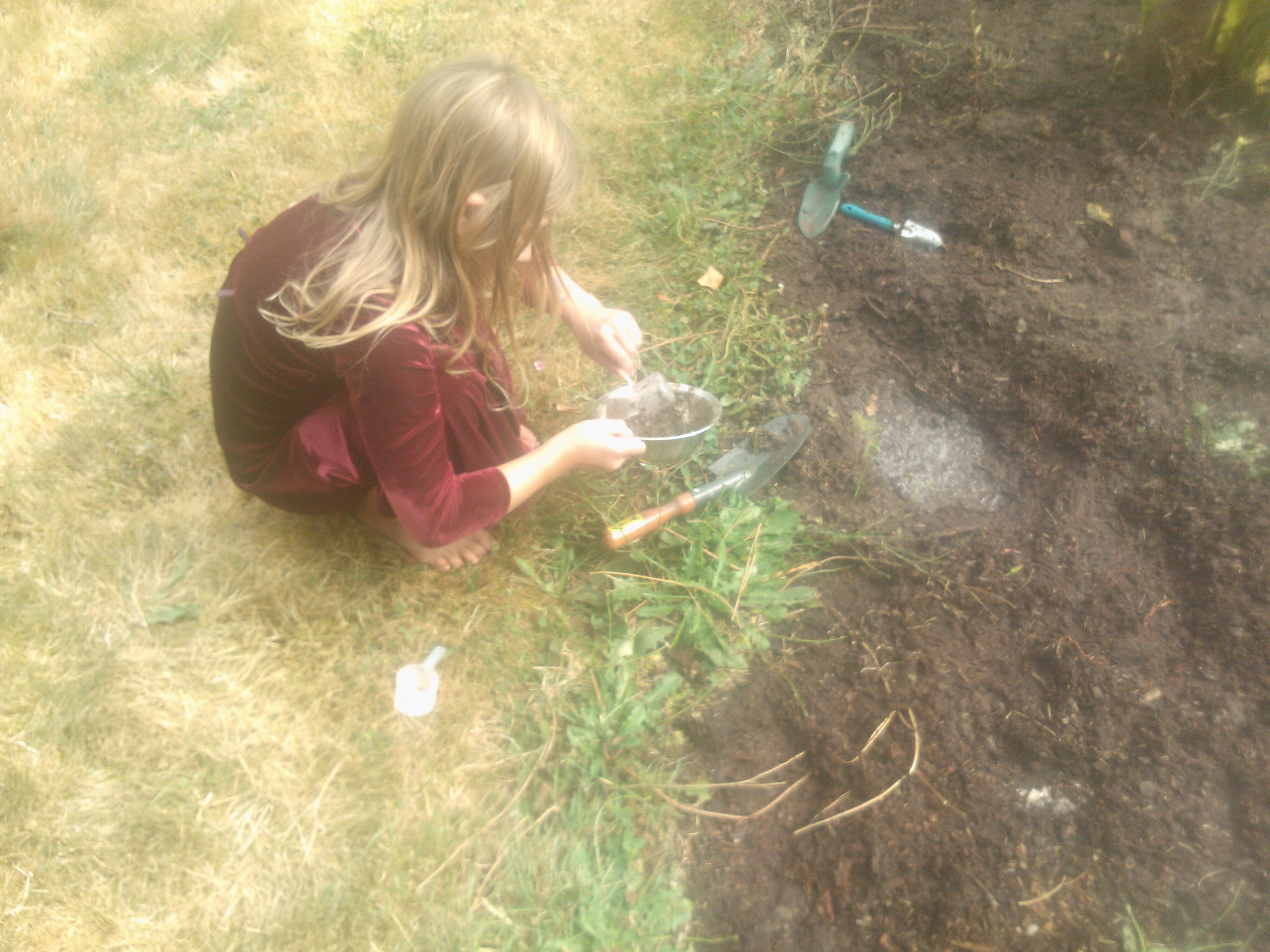
My 8-year-old who loves the idea of creating experiments or being an inventor, mixed the mud to make coffee.

I suggested she put it into the empty coffee container but she explained that it started wet and took at least a day to drain off before it could be transferred to the coffee container.

mud pies
‘It takes at least a day to drain off’

My 3-year-old preferred to make a cake. She sprinkled grass on the top.

I’m looking forward to the change in the weather and seeing how the play develops as the mud changes.

outdoor play
‘I’m decorating my cake. It’s chocolate.’


Do Children Need Toys?

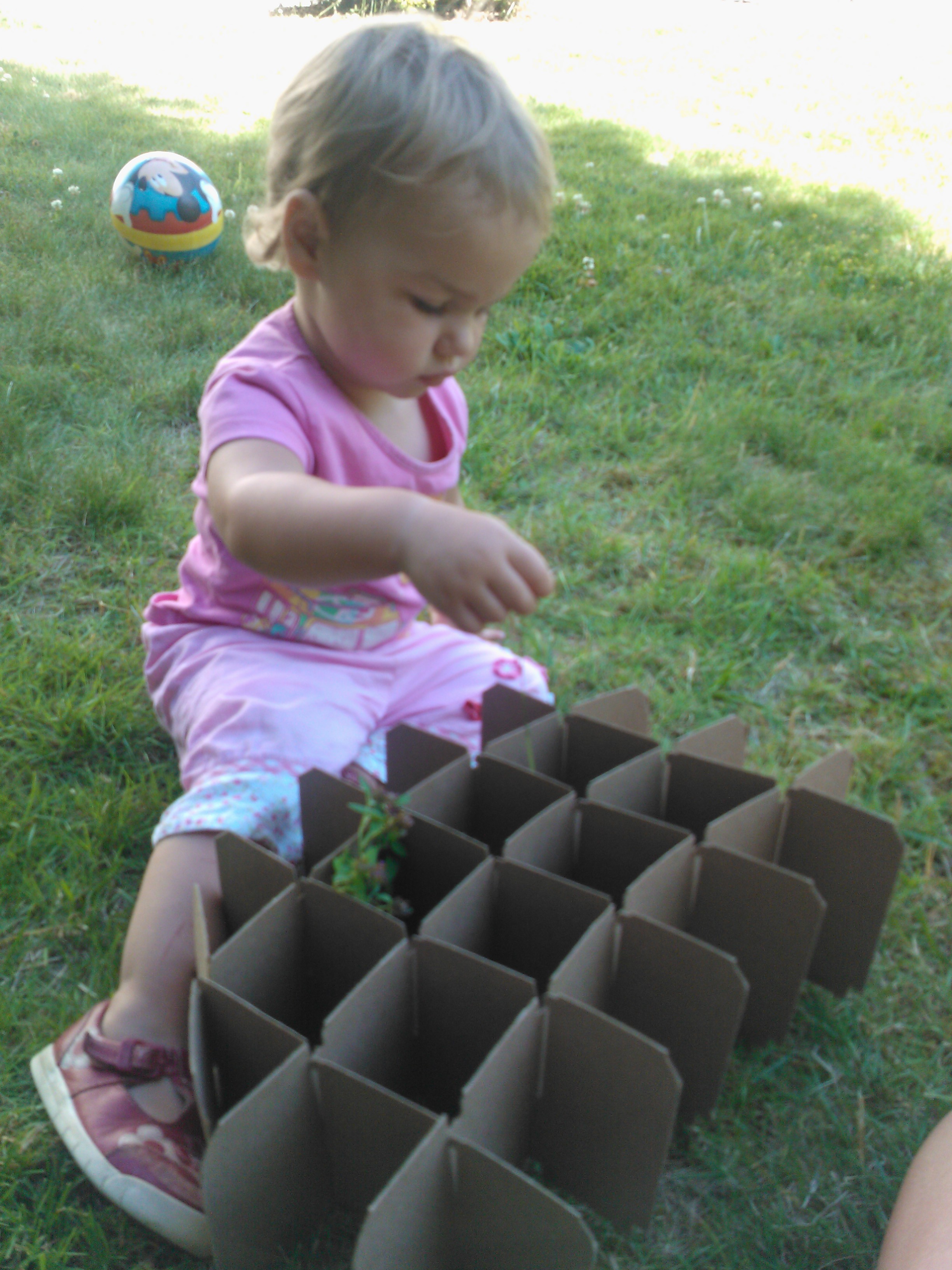
box sortingWe have been in the US for 6 weeks but our furniture and the majority of the childrens’ toys will not arrive for another month.  During this period we have become experts at finding things to play with from around the house.  We brought a small selection of basic toys – colouring pencils, scissors, a glue stick, paper, a ball and a few books, other than that we have made our own fun.  The other children in the street think it is strange to come to a house with no toys but if I am honest I don’t think there is a great deal that the children have missed.

I have been meaning to write a post about some of the household objects that we have played with for some time, but an article that I read yesterday made me look at it from a different perspective.  Sadaf Shallwani’s article Questioning Play and Child-Centred Approaches discusses her experience of teaching children in Pakistan.  Here, childrens’ learning was not built around pretend play but came from real experiences. Children would not learn to cook in a pretend kitchen but would be taught to use real kitchen utensils in a safe manner.

She also questions Western notions of child-centred education.  Early educators try to see the world through a child’s eyes and provide child-sized furniture and objects.  The value of using real objects is recognised in many highly-acclaimed pre-schools.  The schools of Reggio Emilia use many real-life scenarios as the basis for their projects and a colleague who visited the schools was surprised to find the children climbing onto adult-sized chairs and tables. A key philosophy of the Reggio Schools is the belief that children are capable.  With this in mind the teachers help the children to use real tools and objects. Similarly in the Danish Forest Schools that another colleague visited, young children were taught to use real tools and knives to whittle sticks and were free to roam in the woodlands and on the beach and trusted to return at the sound of a whistle.

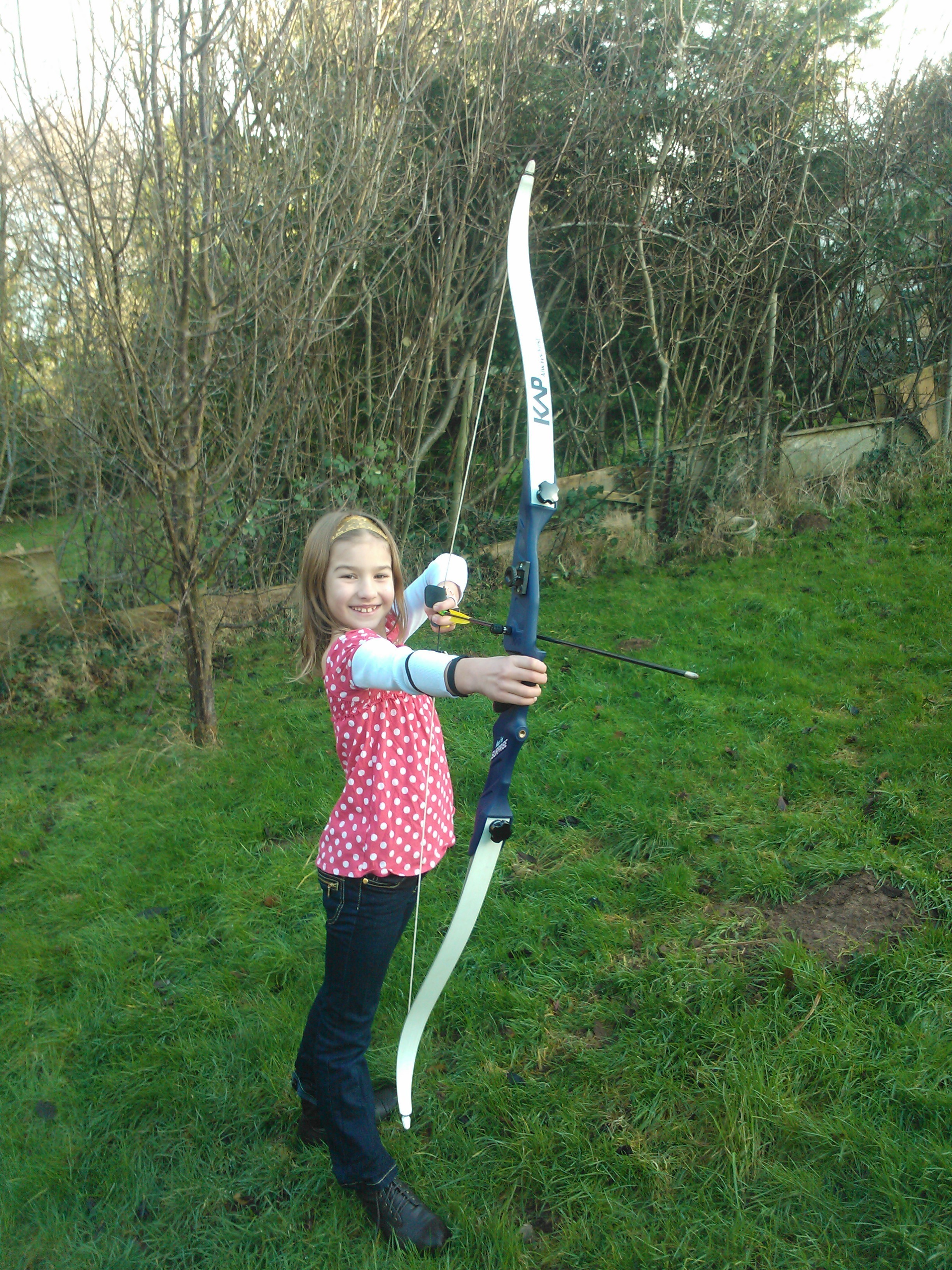
child with archery bowI remember as a child using real objects from my kitchen to play shops and tea parties.  Toy versions of everything are so readily available these days that it is easy to be drawn into the need to buy more and more. It is also easy to fall into the trap of believing that children need adapted versions of things for their own safety. If we trust them with real things, spending time explaining the risks and demonstrating how to use them properly, children are more safety-conscious than those who do not understand the danger of the real objects.

Not having toys has been a very useful exercise.  We have used things from around the house and recycled boxes and paper to create an Olympics and a mud kitchen, we have borrowed books from the library and we have played ball games and skipping.

Here are a few other objects we have utilised:-

Pistachio Nut Shells

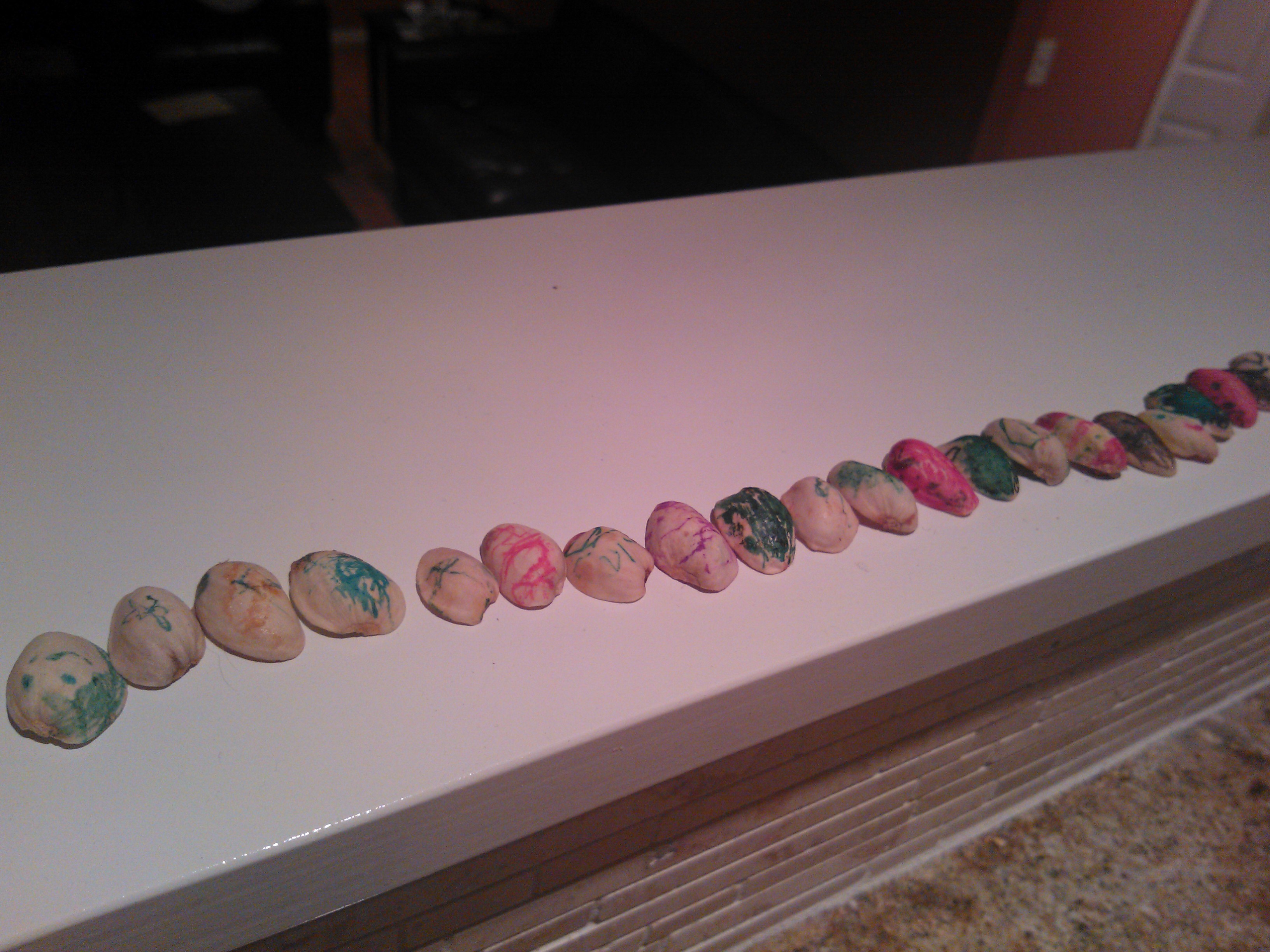
decorating shellsWe saved the shells from our pistachio nuts and the girls had great fun decorating them.  We coloured them so that we could make flowers and patterns and decorated some to look like ladybirds and other bugs.  My 3-year-old chose some pebbles from the garden to decorate as they weren’t quite so fiddly for her small hands.

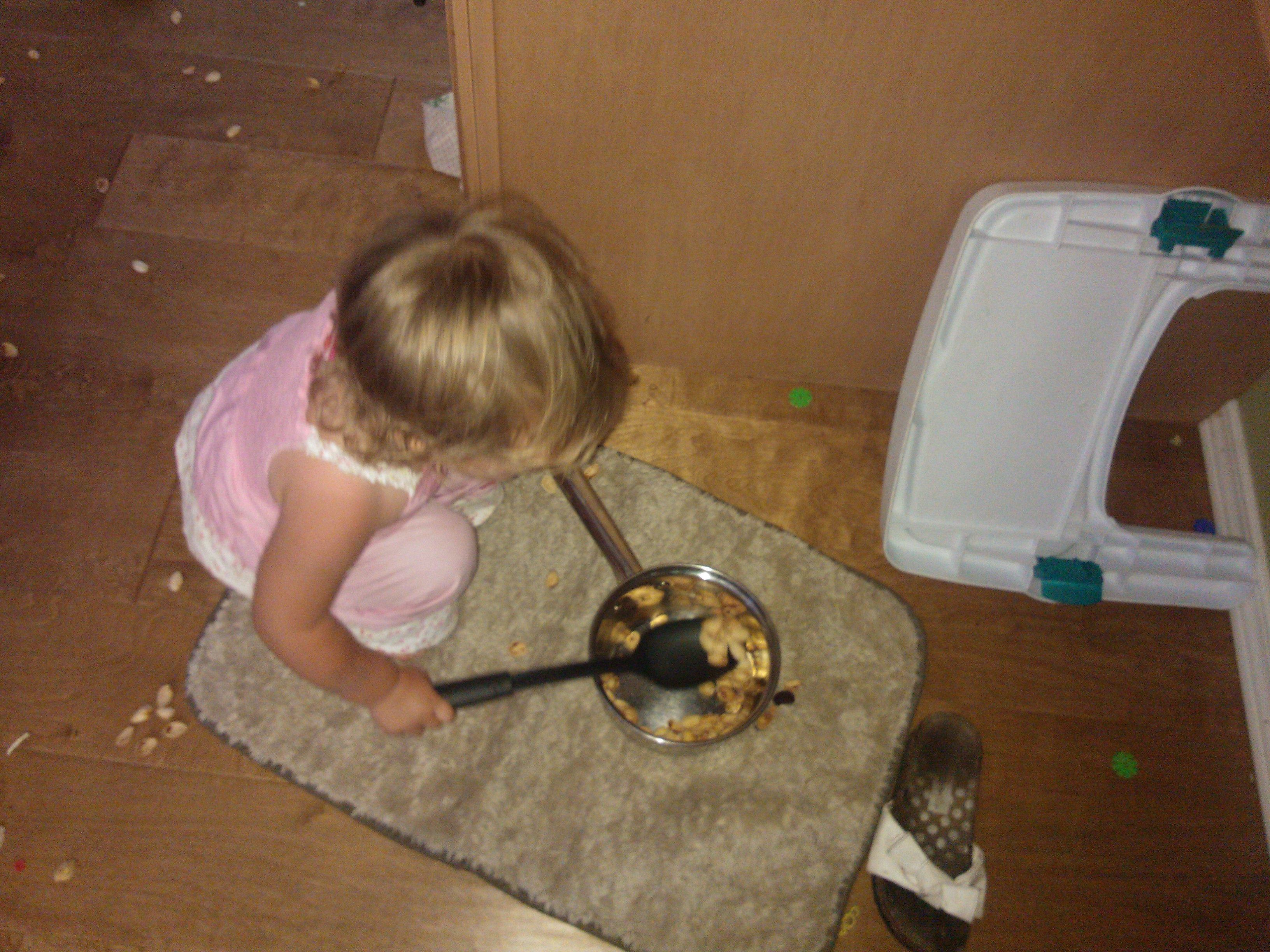
cooking with pistachio shellsOn another occasion I gave my 1-year-old the tub of shells along with a pan, spoon and a number of containers.  She enjoyed scooping them and transporting the shells from one container to another. She also liked the sound they made as they fell onto the floor.  As she walked they stuck to her feet so I showed her how to pick them up with her toes which she thought was very funny.

Coffee Filters

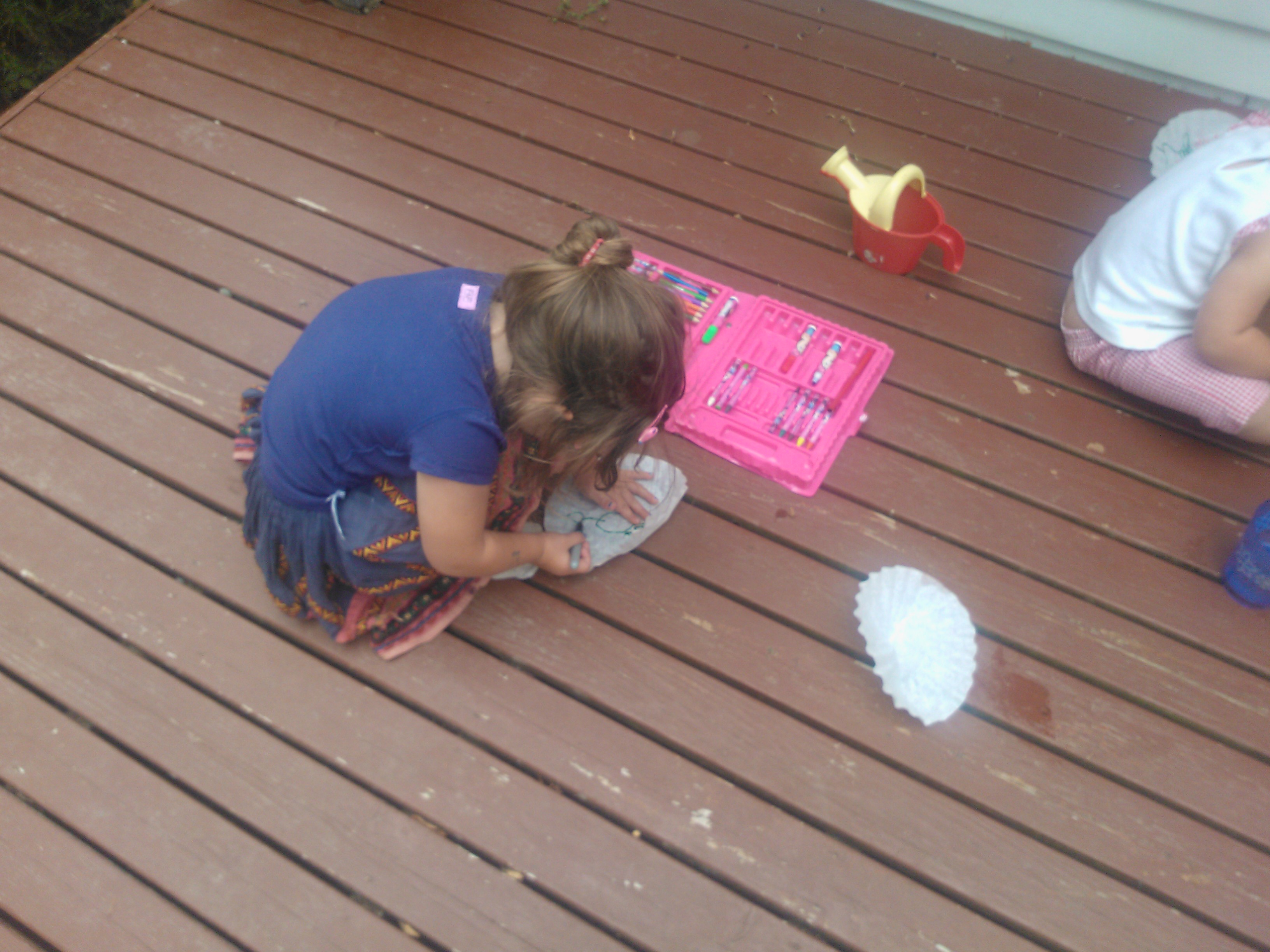
coffee filter picturesI remember doing this activity in science lessons at school.  I gave the girls felt tip pens and coffee filters and asked them to draw patterns on them.

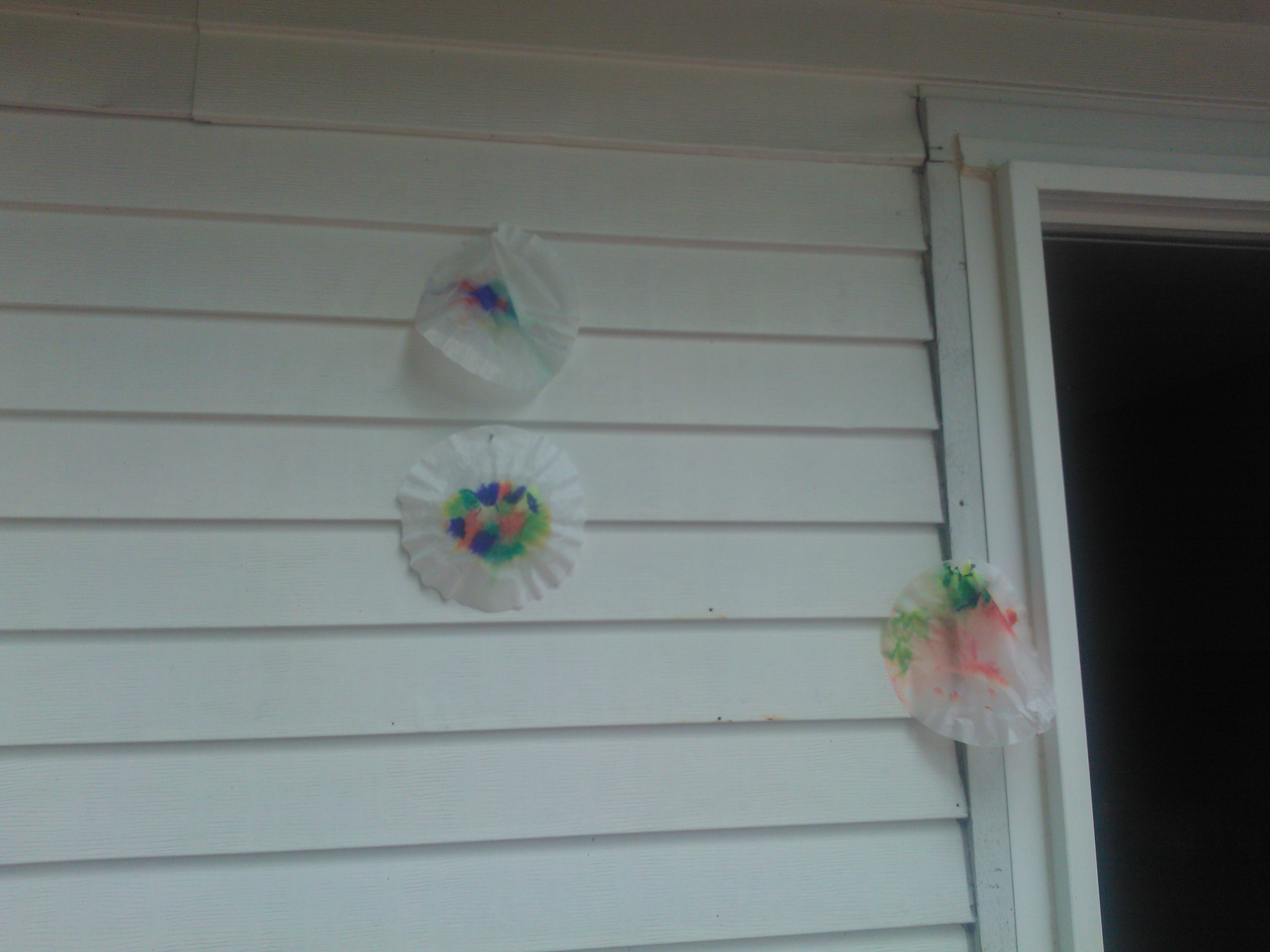
filter coffee pictures

When they had finished they were given a small pot of water and I showed them how to drip it on to the paper creating rainbow colours.

Paper

We kept newspapers and magazines with a view to making papier-mache.  The girls would like to enter a local parade on Saturday and I suggested they might be able to make papier-mache masks.

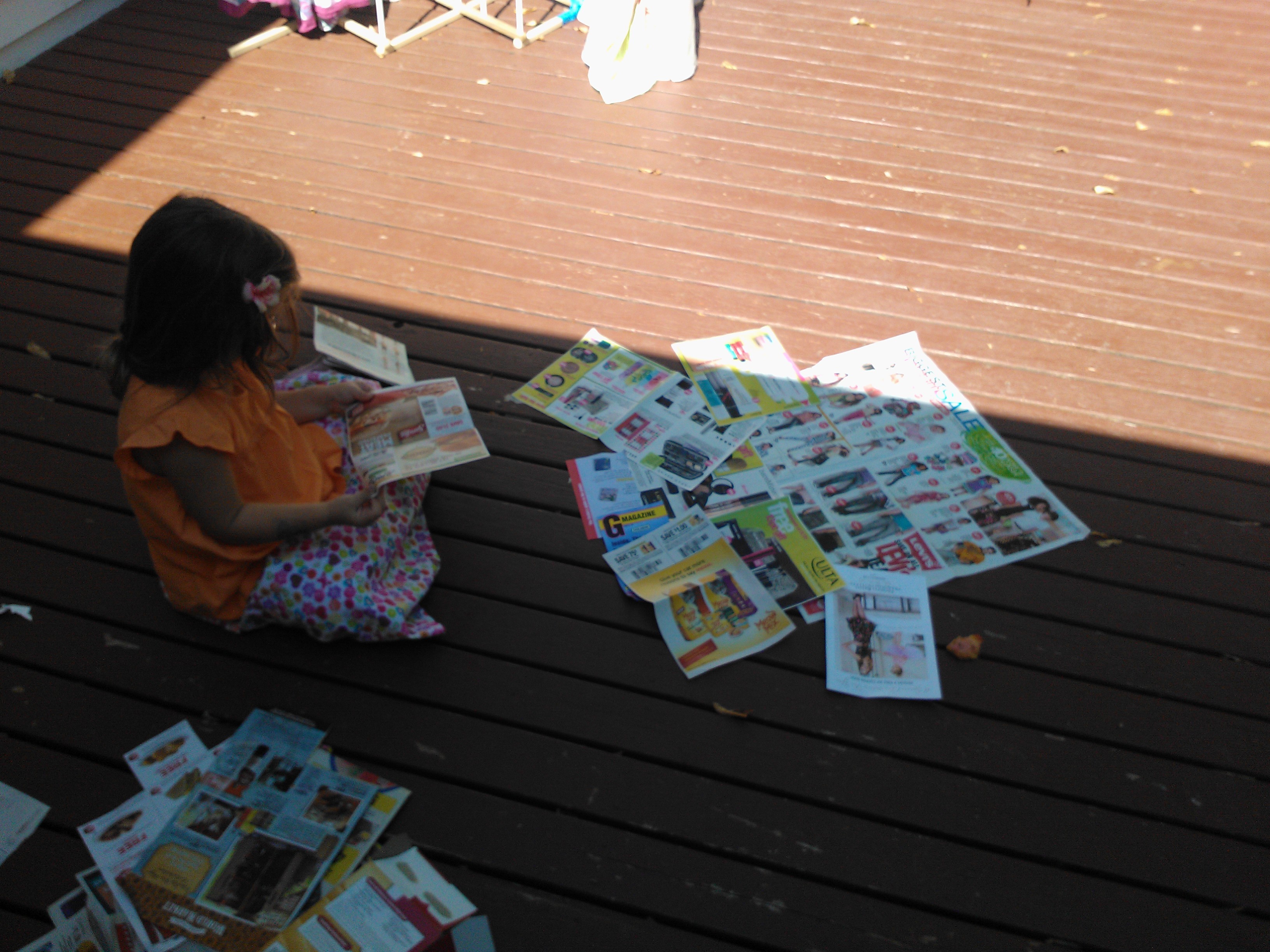
My 3-year-old had other ideas.  She decided to spread the paper across the floor. ‘I’m making a bed’ she said. making a paper bed

She had also made other things for her house by sticking boxes together

I’ve often felt that my house has been taken over by toys that the children hardly ever play with, so I’m not particularly looking forward to them all arriving.  I hope that  being creative with household objects will help us all to think about what we could use instead of buying yet another toy and maybe I can keep most of the toys in their boxes when they arrive.

Pin It