Category Archives: Life in the US

Pick Your Own Pumpkins at Remlinger Farms

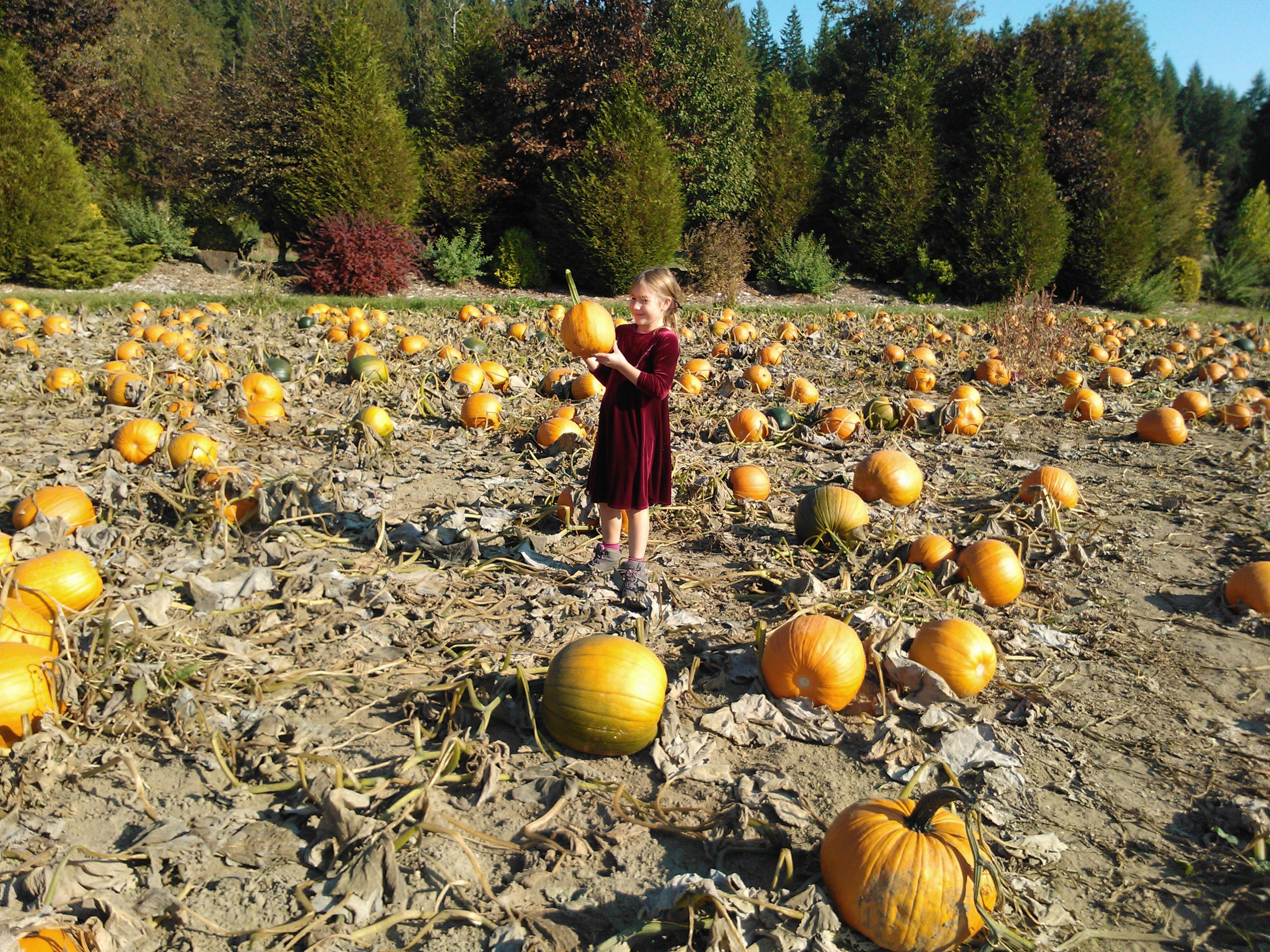
Look at all these pumpkins

My girls and I have spent a wonderful day at Remlinger Farms.  Considering that it was a full day out alone with my 3 young girls it was probably the least stressful day out I have had in a long time.

Admission was very reasonable at $8 per person (I’m not sure whether this was a special reduced price as  a higher price was quoted on the website) and this included a pumpkin each to take away.  Once we were in the farm everything was free of charge except feed for the animals.waving child
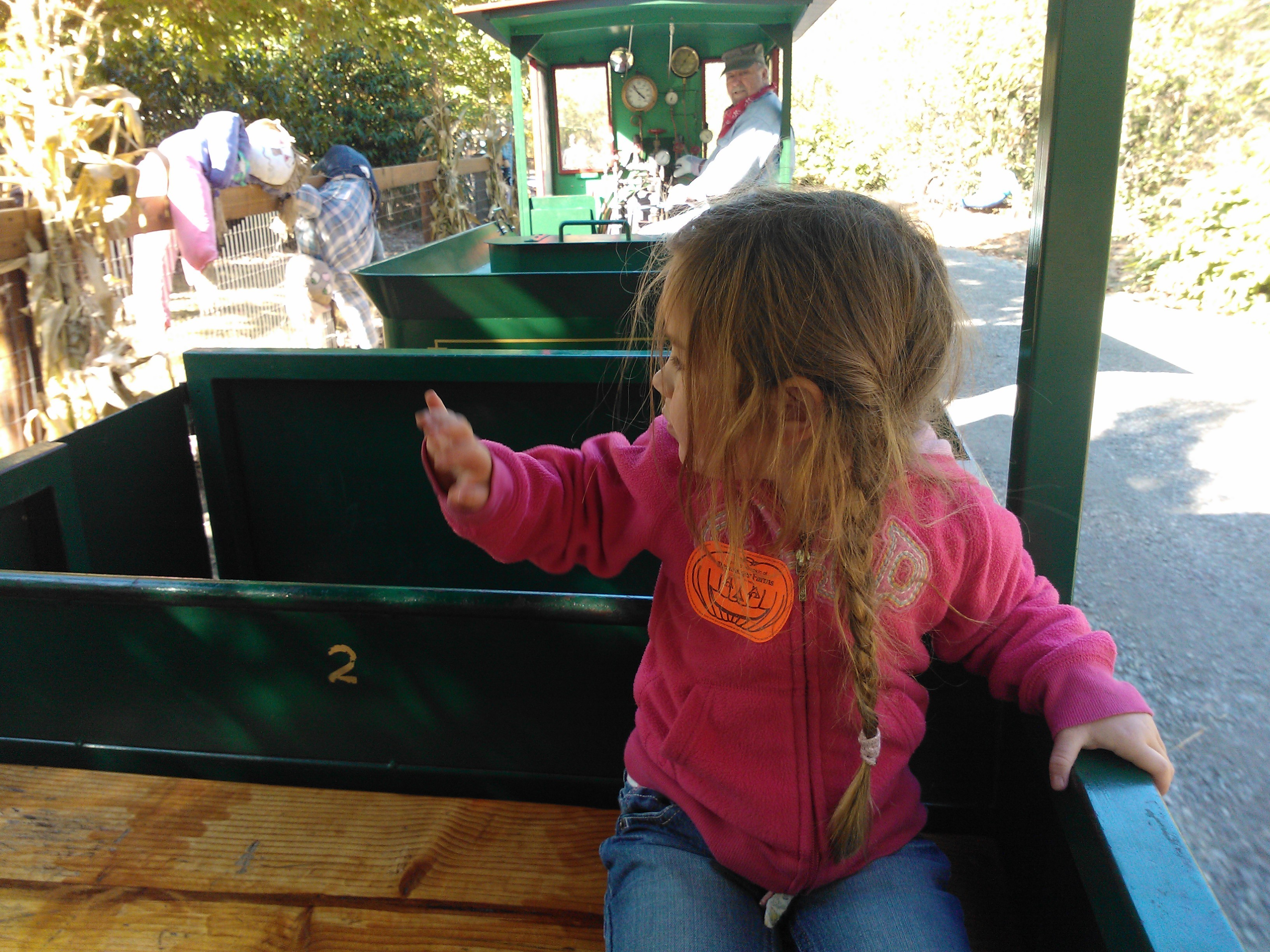
We began with a train ride in a little steam train that took us around the park. My 3-year-old waved at all the scarecrows en route and the horses and the lama.

The playground near the station has an old fire engine and school bus for the children to play in. Some of the stalls selling kettle corn (I assume this is popcorn) and other treats were closed but that stops the kids nagging for food.
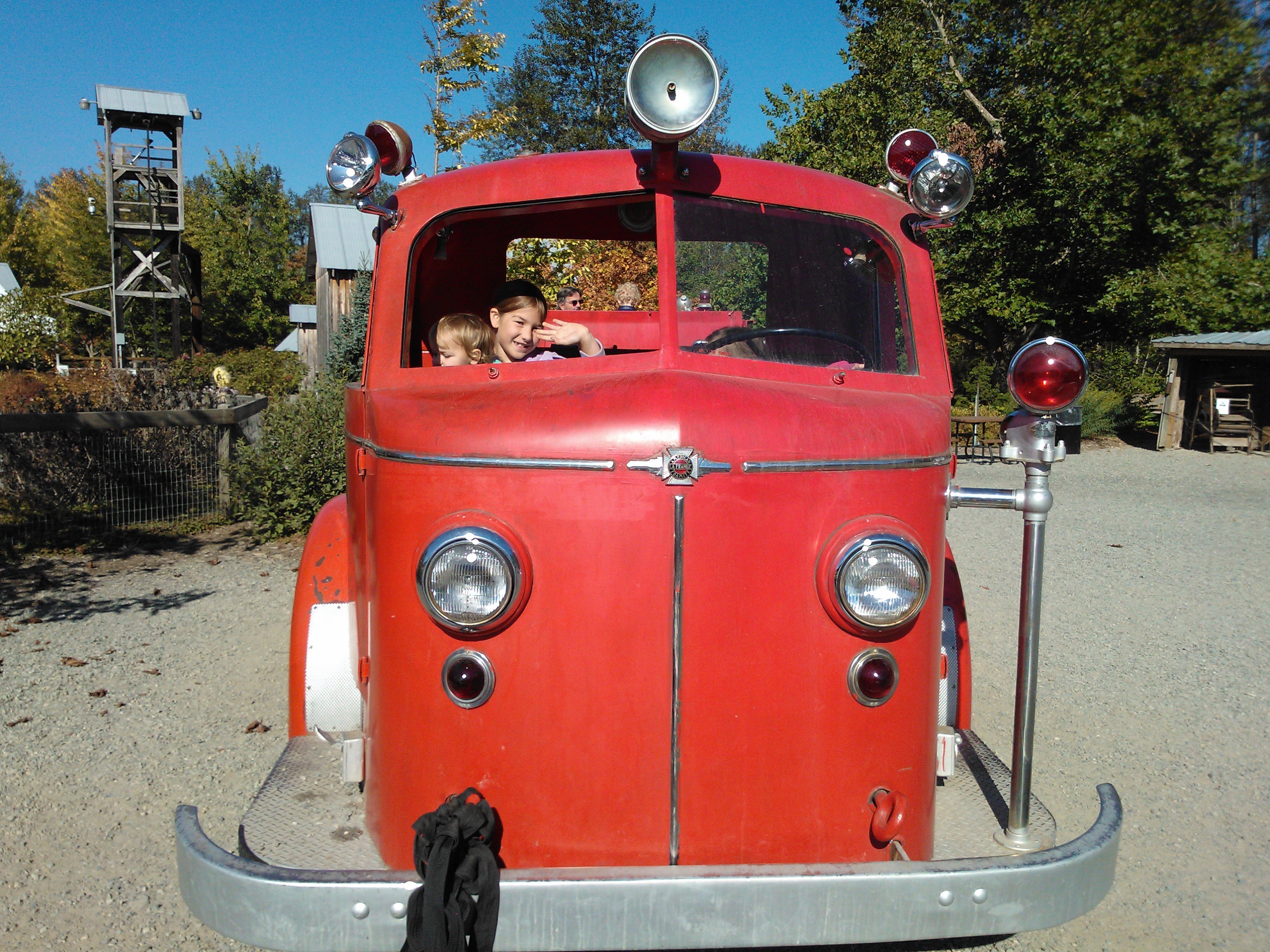
old fire truckTo the Far end of the playground is a Pioneer House and inside a lady dressed in traditional costume telling you how she lived.  It was quite amusing to watch my 8-year-old suitably unimpressed by the talk of how they lived before electricity,

‘ I’ve seen these before on one of my school trips and I think we had one of those coffee grinders in a science lesson in my old school’

They also have a great granddad who remembers what it was like before we had electricity so there were no big Wow moments there.  They loved the chickens ducks and geese in the garden however, especially the little chick.
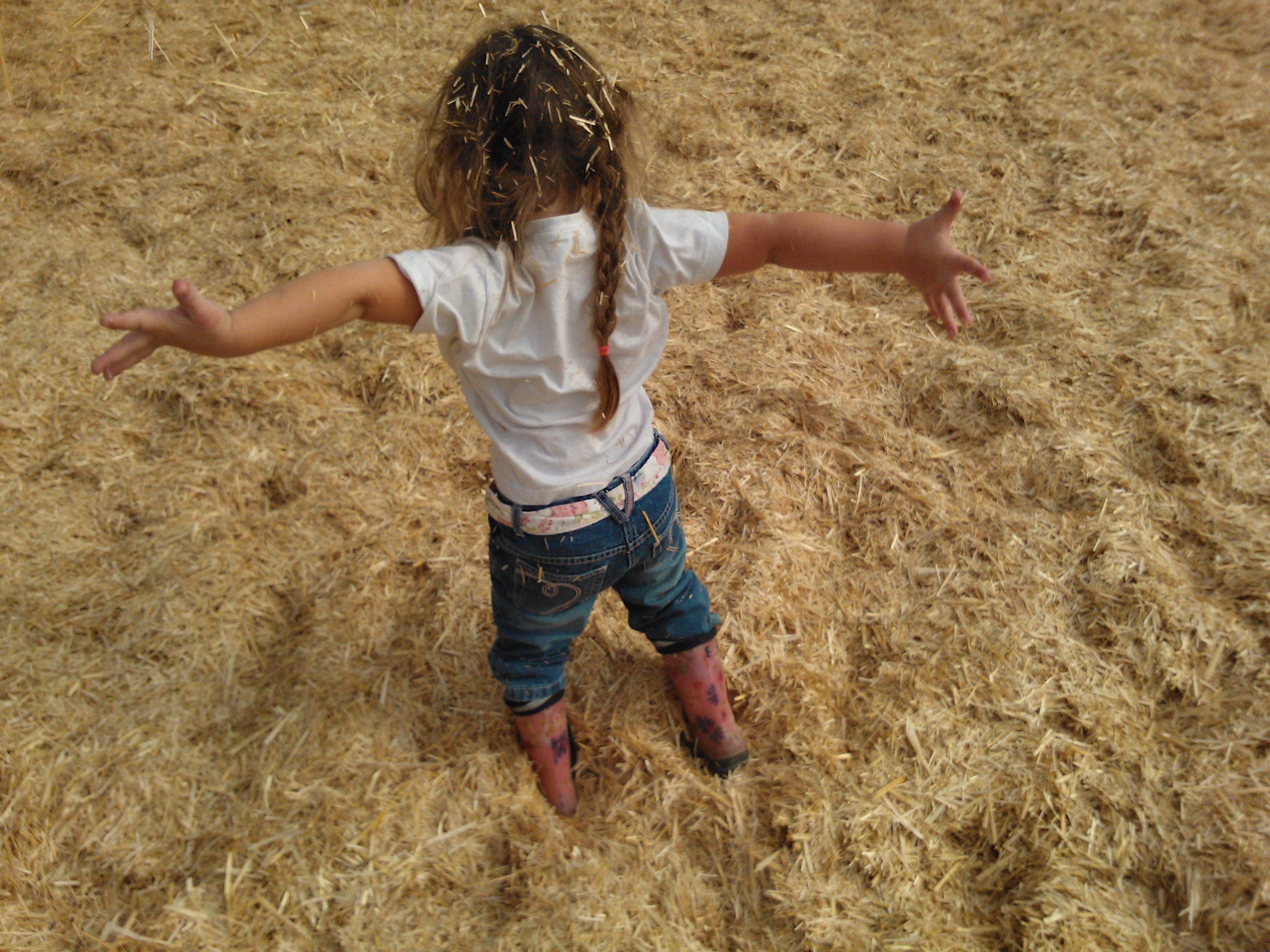
hay jumpMy little ones loved the hay jump and hay maze, they hid away in the middle of the maze and threw the hay around (until it went in my 3 year old’s mouth).

We fed the animals in the barn, the donkeys and goats were a real favourite.

You are not allowed to bring your own food into the farm but lunch in the café was good quality, the portions were generous and the kids meals included a cookie and drink. I had the chilli which was fresh and very good. In the UK we would often pay premium prices for food at tourist attractions but here a kid’s meal was $5.95 and my chilli was less than $5.
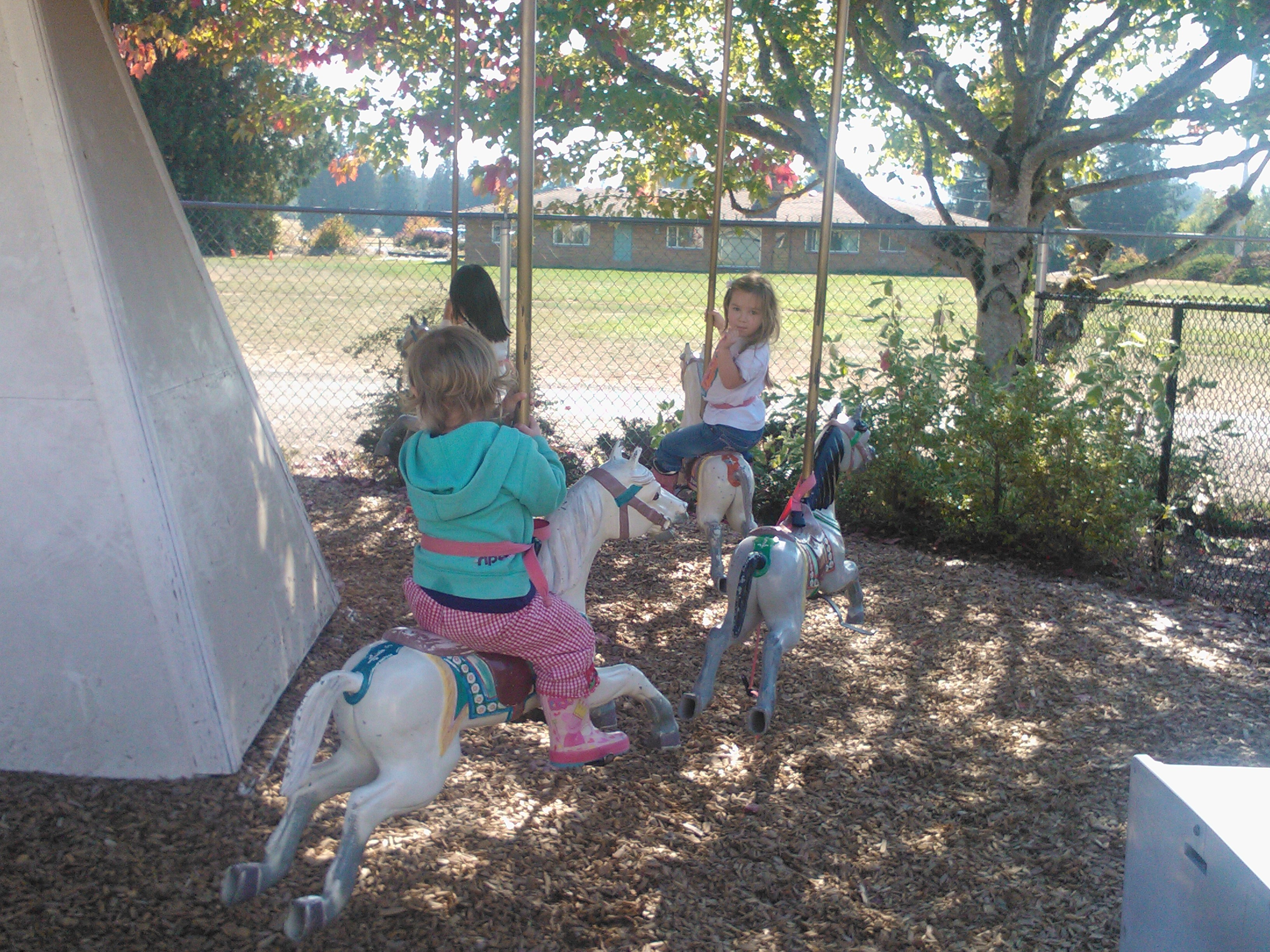
After lunch the children enjoyed the fairground rides. All of the rides are suitable for small children.  The attendants at the rides were really friendly and though there are height guidelines they were flexible and  let my 8-year-old (who was just above the height limit) and my 2-year-old (who was just below) go on all the rides together.  When I went on the barrels with my kids and told the attendant I didn’t really like spinny things but would make a sacrifice for my kids, he kept asking if I was okay .  Some of the rides were closed and a new mini roller coaster is in the process of being built , but there was plenty to amuse the kids.
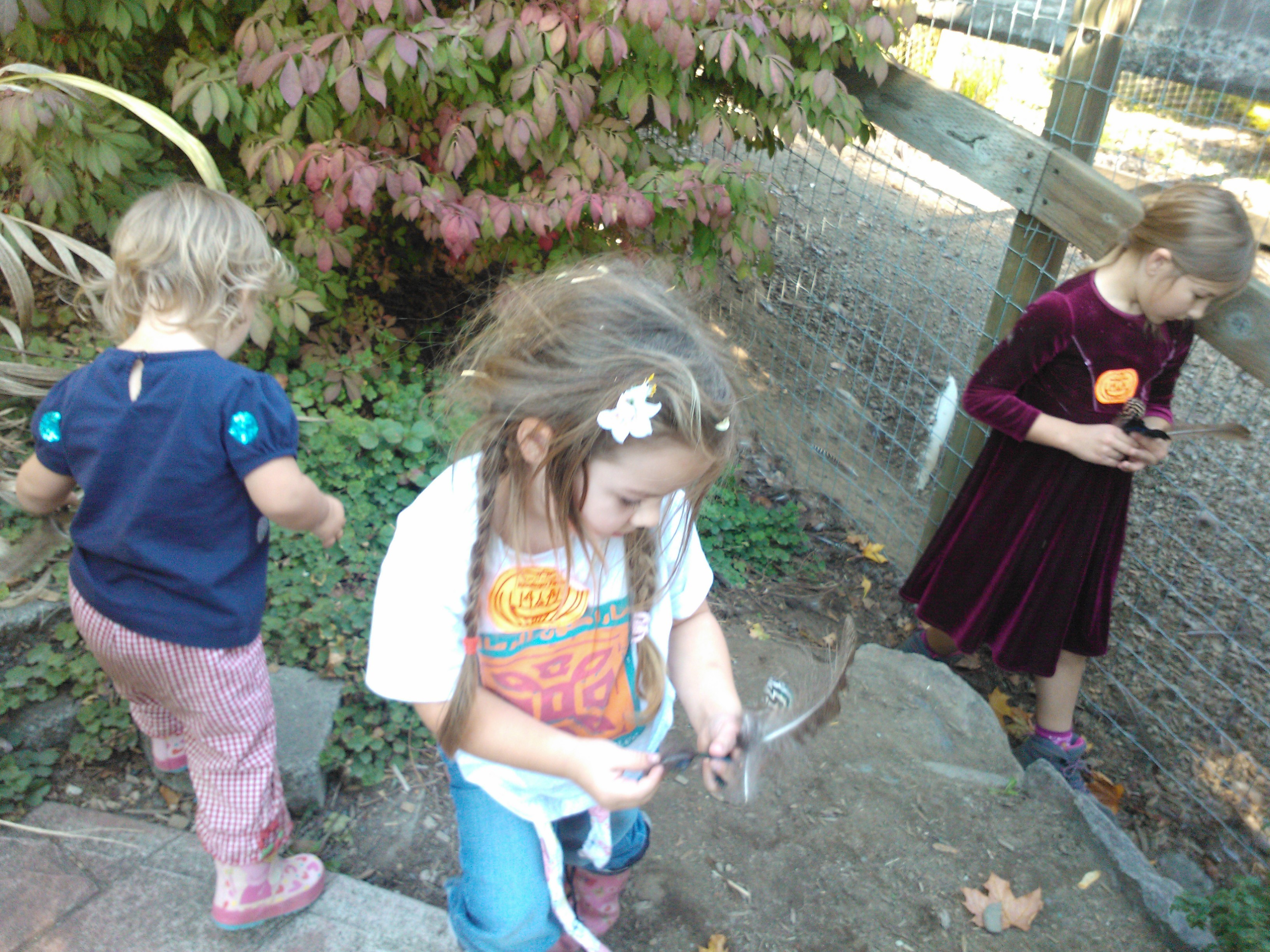
At the peacock enclosure we collected feathers to use for a fairy garden we are building for my daughters’ birthday party.

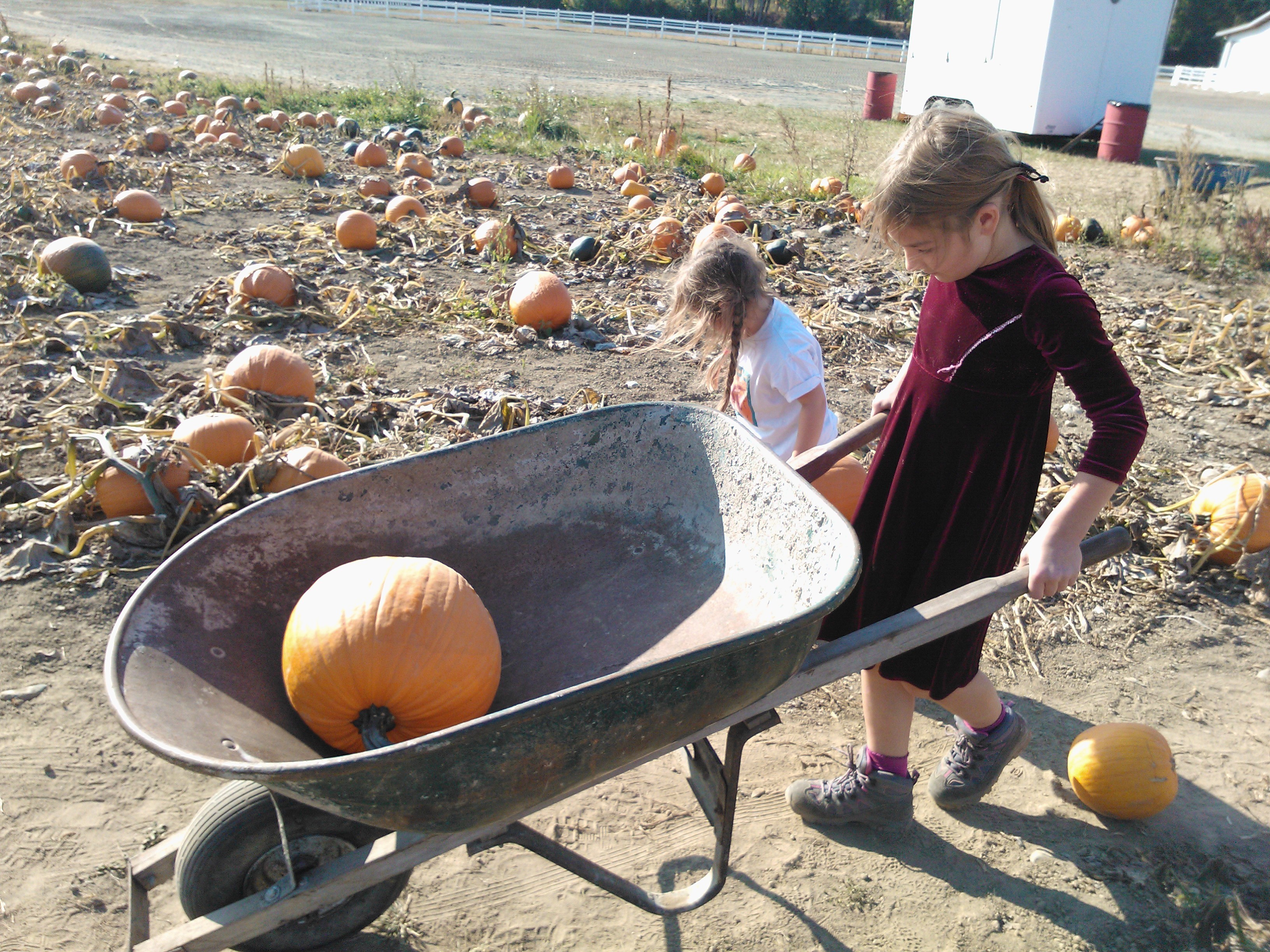
The children chose a pumpkin each to take home and then we took a drive to the pumpkin patch to see where they grew.  The girls tried to push the big wheelbarrow and found it very difficult. They chose a pumpkin each to pick from the field. We were surprised to find that the leaves are spiky and my youngest found it difficult negotiating her way around the leaves. I would imagine that for American children a field of pumpkins is fairly commonplace but for us it was a first and therefore very exciting. We are going to build a fairy house from the large pumpkin and cook with the smallest ones – I’m not sure about the others as they probably won’t keep until Hallowe’en.
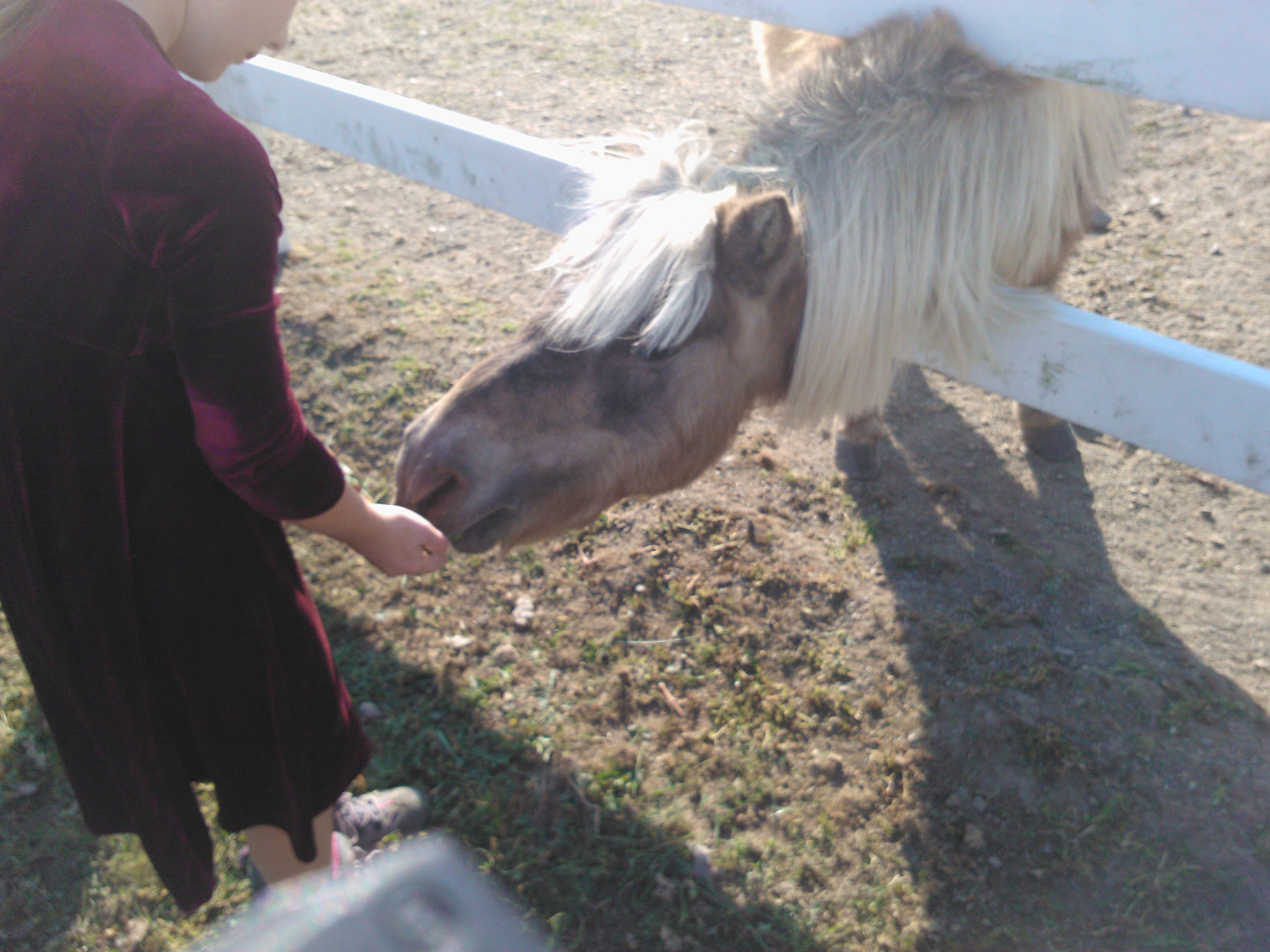
The day was rounded off nicely when we spotted horses to the other side of the field. The girls fed them grass and stroked them.
I’ll definitely be returning to Remlinger farm (I think my eldest thanked me about 10 times on the way home for taking them out) and can highly recommend it for families with young children.
Comparisons of Pre-School Education Around the World

When working as an early education consultant in the UK my colleagues and I would often look to other countries for inspiration.  We were in awe of the freedom and financial investment in early education in Scandinavia, drew on inspiration from Te Whariki the early childhood curriculum of New Zealand and were in awe of the pre-schools of Reggio Emilia in Italy. We recognised the investment in early education in the UK but were aware that there were also many things that could be improved.

On moving to the US, I expected early education to be different but was struck by the  number of commonplace things from UK early education that were seen as new and radical here. Washington State where I live has invested a huge amount of resources to early education but in 2011 only 8% of 4 year olds and 2% of 3 year olds were enrolled in state pre-school programmes (NIEER The State of Pre-school 2011). I now realise that I had much to be grateful for in the UK. My 3-year-old had 15 hours of state funded pre-schooling per week and I could use this flexibly. I knew that I could find a quality pre-school without having to put my hand in my pocket.

While weighing up the different systems I came across a recent report by the Economist Intelligence Unit (EIU),  Starting WellBenchmarking Early Education Across the World. The  EIU was commissioned to produce an index ranking pre-school provision across 45 countries. The Index looks at provision for children aged between 3 and 6, considering availability, affordability and quality of pre-school environments. Alongside the data, experts were interviewed and research reviewed to highlight key issues.

It will not come as a surprise that Finland, Sweden and Norway top the list due to long-term investment and prioritisation of Early Education which is embedded in their culture. What did come as a surprise however is that the UK is in fourth place. A number of factors contribute to the UK’s high-ranking:-

  • A legal right to pre-school education
  • A well-defined curriculum  and health and safety standards
  • parental involvement
  • an environment that ensures children are healthy and well nourished when they enter school.

Availability

The US ranks 24th in the Index. There are many quality pre-schools in the US but these are not available or affordable to everyone and the quality of provision is variable. A growing body of evidence suggests that investment in early education reduces costs later in the education system. The success of many European countries lies in the recognition of the value of early education meaning that even during recession, funding is unlikely to be pulled. In countries such as the US where  the government has not yet accepted responsibility for early education, budget deficits lead to cuts in early education funding.

Affordability

In general the countries that acknowledge the importance of early education are also those with the most affordable pre-schools. Chile(20th in the index) is a lower-income country yet 85 % of 3 year olds and 90% of 4 year-olds attend a pre-school of some kind. Public pre-school provision is free.  The funding has been put into providing provision but as yet has not been assigned to quality.  Teachers are not well qualified and there are no quality guidelines which drags the country down in the index.

Quality

The counties that rate highest in quality are those that pay the highest salaries and recruit the most highly qualified teachers. The other factor defining quality is the availability of well-defined guidelines and mechanisms for monitoring and supporting these, Finland, France, Sweden, New Zealand and the UK score highest on these points. New Zealand’s curriculum Te Whariki is successful because it embodies the values of its country and culture, many countries use it as a benchmark when designing their own curriculum. High performing countries in this measure also recognise the importance of Parental engagement. Belgium scores highly based on its statutory responsibility to work with parents and children and offer parenting programmes and support.

Education at a Glance 2012: OECD Indicators is an annual international comparison of education. The report states that whereas patterns of enrolment for primary and secondary education are similar  throughout the OECD, there is significant variation in early childhood education programmes. 79% of 4 year olds in OECD countries and 83% of those in the European Union are enrolled in early education programmes, this ranges from 95% in the UK, New Zealand, Norway and France to less than 60% in Australia, Canada, Brazil and Greece. OECD research found that demand for early childhood education for children aged 3 and under far outstripped supply. The research backs up findings in the Economist’s study that the absence of public funding leads to a greater risk of  variable quality or makes it only affordable to affluent families. In most European countries universal education for 3 to 6 year olds is generally accepted, in most of these countries early education is free and provided in school.

I am still coming to terms with living in a country where pre-school is a luxury for affluent parents rather than  a right for all children. There are many noteworthy programmes for the most needy children but a huge void for any families in the middle. There has been a lot of change in UK early education during the last 5 years and that has lead to a level of unease amongst professionals. Research like the above is sobering and helps me to realise how far we have come.
Why Hallowe’en is Really Scary

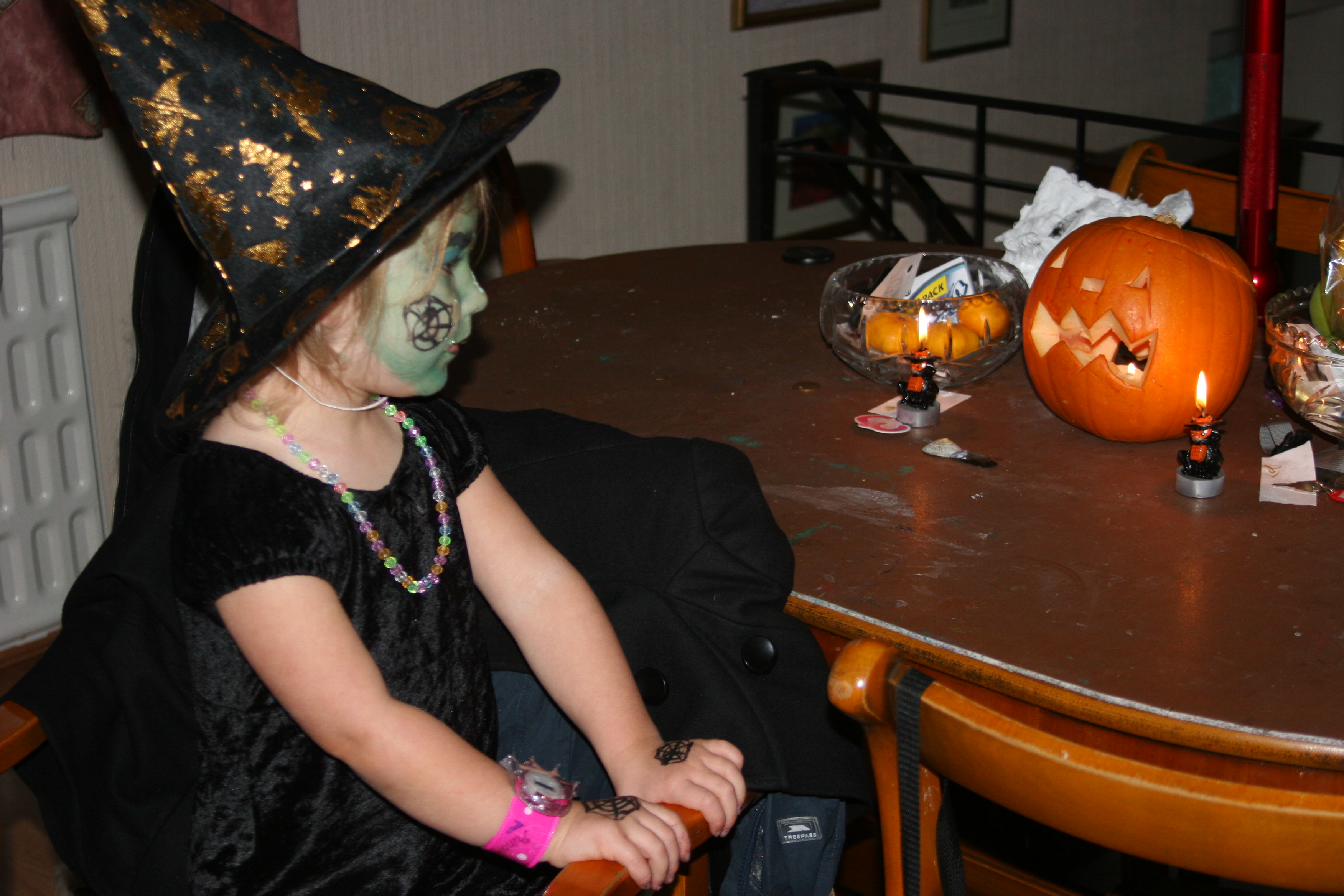
Call me a humbug but I’ve been a little relieved in the past few years that Hallowe’en isn’t that big in the UK.  My kids would dress up, sometimes go to a party, we’d carve a pumpkin and may go trick or treating to a few friends’ houses. We didn’t have many trick or treaters in our street so I could usually find something to give them without going mad.

Now we are in the US it is a whole other ball game.  The shops are filled with Hallowe’en decorations, costumes, crafts and sweets to the same level as Christmas in the UK. I’ve been told I need to stock up because we will get loads of kids at our door at Hallowe’en.  The idea of it all fills me with dread. Do I need to spend hours and money decorating my house? How many treats do the kids expect? What can I get away with without looking like the miserable British Family? Will a talking pumpkin suffice?

Can anyone help me understand what is socially acceptable?

Then there is Thanksgiving…….. What on earth is that one about??

Argghhhhh! It’s fun being the new girl.

Starting School the American Way

schoolMy 8-year-old started 3rd Grade this week.  She would have been starting Year 4 in the UK but they start school a year later here.  Finding a school place was simple as schools are allocated according to where you live, if you live within the school bus route you automatically get a place.

Preparation for school in the UK usually meant buying uniform and new shoes, labelling P.E kits and backpacks and organising dinner money.  Here it is different.  There is no school uniform. Children arrive at school on the first day in their new ‘school clothes’, a concept I don’t really understand. My children have clothes; they may wear them to school, to play in the garden or to go out at the weekend, they are not categorised into school and non-school. We don’t need to provide anything for P.E apart from a pair of ‘sneakers’.  Life should be easy, with very little to prepare but ……..

  • There is a huge list of school supplies to buy. Each year is given a list of stationery items to provide including ring binders, pens, pencils, glue and notebooks. Each item needs to be labelled and taken to school on the first day.
  •  When registering at school parents have to complete a form to prove that their children have received all the required vaccinations.  This meant that my daughter had to have a Hepatitis B vaccine before leaving the UK and another on arrival.  We also have to provide a letter from the doctor to prove she has had chickenpox or she will need the vaccine.
  • We attended an information meeting where the children were photographed for their records and we were given copious amounts of forms, signing us up for things I didn’t understand.

We visited school to meet the teacher the day before it started.  It was highly structured and organised. The teacher presented us with a list to follow, including finding a library book, completing an ‘about me’ form, reading through the rules together and finding various things in the classroom. As the meeting time came to an end a tannoy announcement told parents that it was time to leave the building.

On the first day my daughter came home with a folder inside which any correspondence is placed. It also contains her homework diary and reading record, a behaviour chart and a calendar that is completed each day at school showing both homework and things the parents need to do that evening.  I’m hoping this will help us both be a little more organised.

At curriculum evening the teacher outlined all the things they would be doing this year.  The teacher gave all the parents her email address and encouraged them to share any information about their child by email.  There is a website you can sign into as parent to check on your child’s progress and all work comes home at the end of each week marked with grades.  This open communication between parent and school is a very welcome change for me, I can’t imagine any school in the UK being quite that open.

I feel a little like a rabbit caught in the headlights as I begin to understand a system that is alien to me but we have had a good first week.  My daughter loves her teacher and gave school a 10.5 out of ten.

Do Children Need Toys?

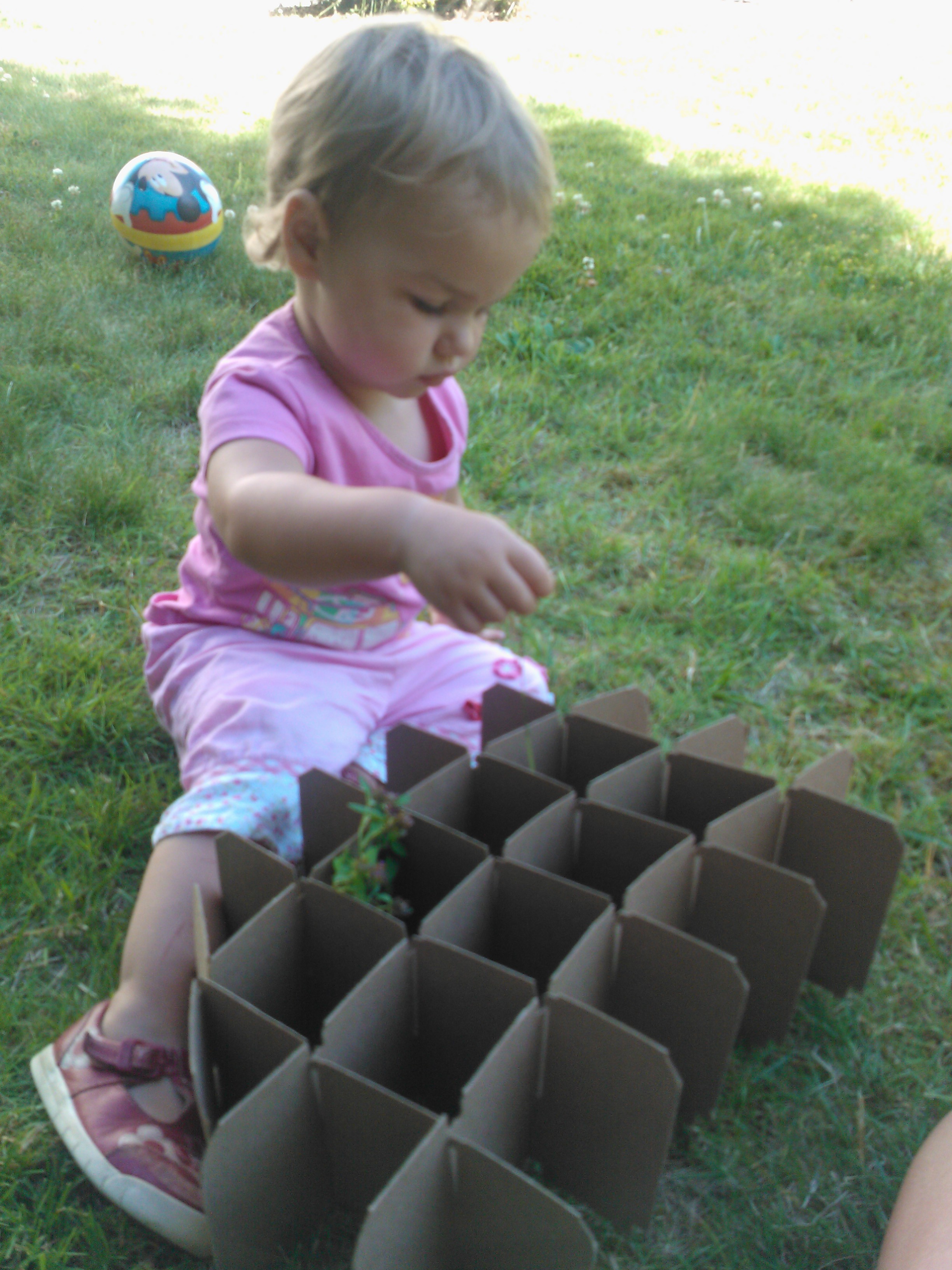
box sortingWe have been in the US for 6 weeks but our furniture and the majority of the childrens’ toys will not arrive for another month.  During this period we have become experts at finding things to play with from around the house.  We brought a small selection of basic toys – colouring pencils, scissors, a glue stick, paper, a ball and a few books, other than that we have made our own fun.  The other children in the street think it is strange to come to a house with no toys but if I am honest I don’t think there is a great deal that the children have missed.

I have been meaning to write a post about some of the household objects that we have played with for some time, but an article that I read yesterday made me look at it from a different perspective.  Sadaf Shallwani’s article Questioning Play and Child-Centred Approaches discusses her experience of teaching children in Pakistan.  Here, childrens’ learning was not built around pretend play but came from real experiences. Children would not learn to cook in a pretend kitchen but would be taught to use real kitchen utensils in a safe manner.

She also questions Western notions of child-centred education.  Early educators try to see the world through a child’s eyes and provide child-sized furniture and objects.  The value of using real objects is recognised in many highly-acclaimed pre-schools.  The schools of Reggio Emilia use many real-life scenarios as the basis for their projects and a colleague who visited the schools was surprised to find the children climbing onto adult-sized chairs and tables. A key philosophy of the Reggio Schools is the belief that children are capable.  With this in mind the teachers help the children to use real tools and objects. Similarly in the Danish Forest Schools that another colleague visited, young children were taught to use real tools and knives to whittle sticks and were free to roam in the woodlands and on the beach and trusted to return at the sound of a whistle.

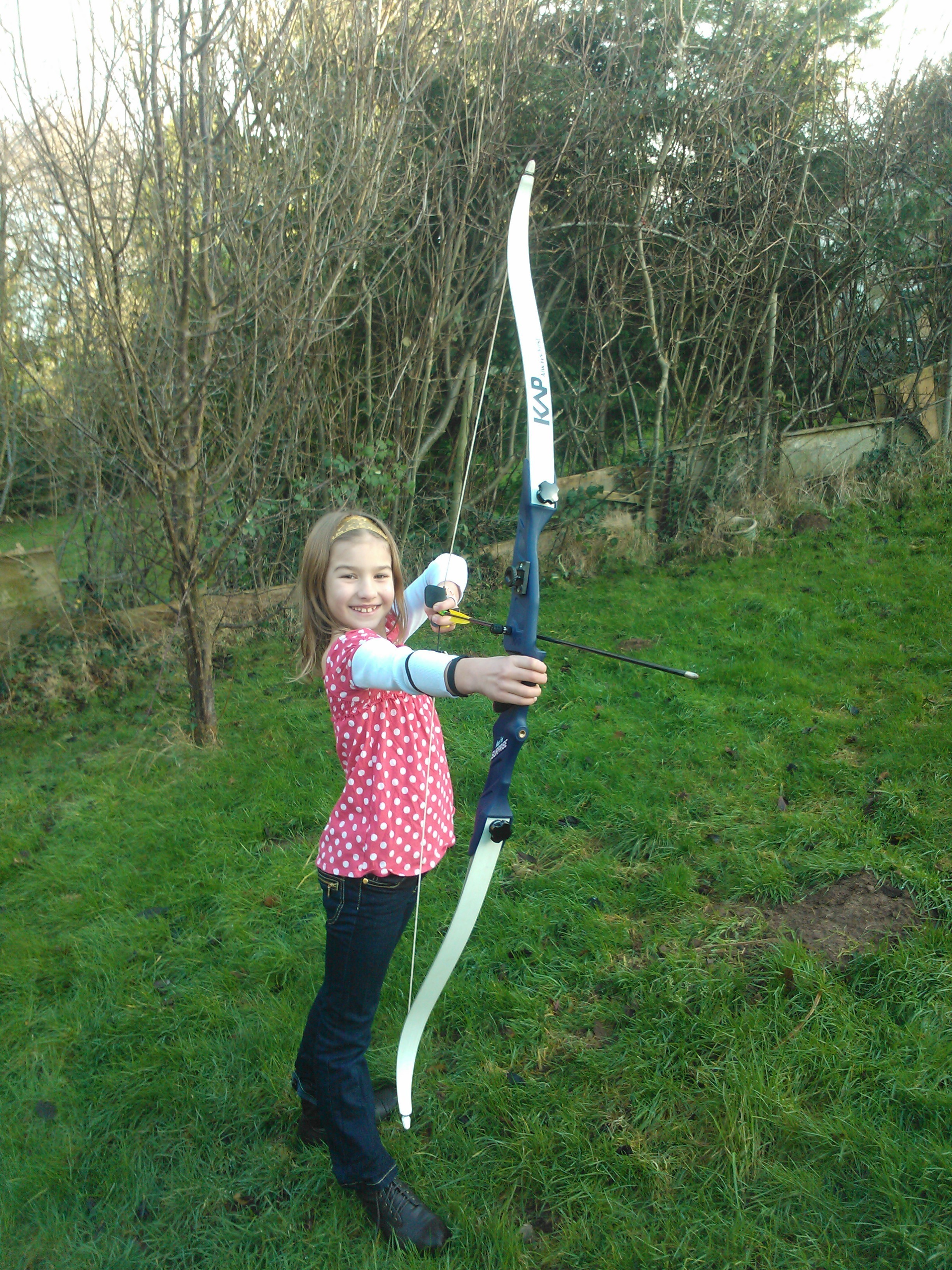
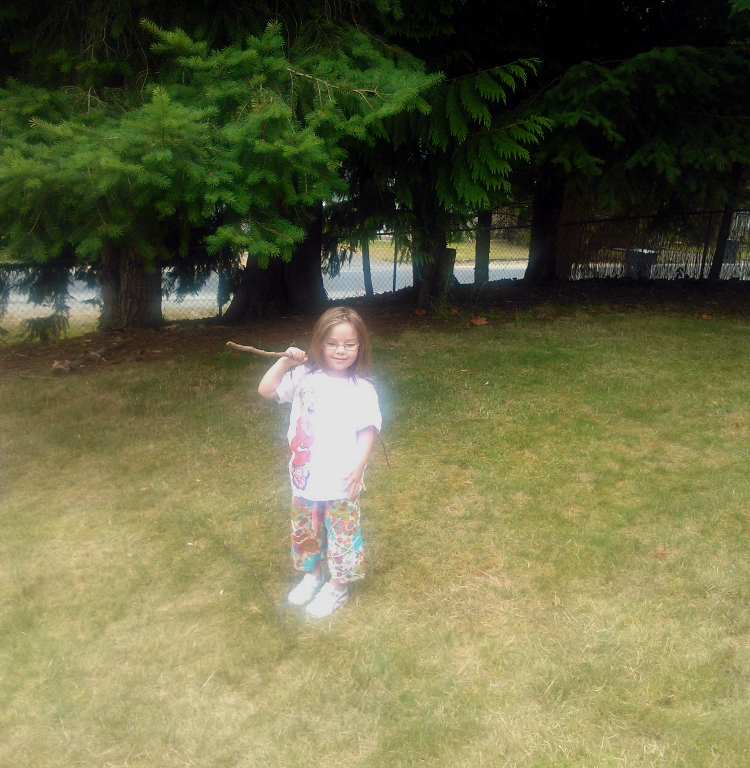
child with archery bowI remember as a child using real objects from my kitchen to play shops and tea parties.  Toy versions of everything are so readily available these days that it is easy to be drawn into the need to buy more and more. It is also easy to fall into the trap of believing that children need adapted versions of things for their own safety. If we trust them with real things, spending time explaining the risks and demonstrating how to use them properly, children are more safety-conscious than those who do not understand the danger of the real objects.

Not having toys has been a very useful exercise.  We have used things from around the house and recycled boxes and paper to create an Olympics and a mud kitchen, we have borrowed books from the library and we have played ball games and skipping.

Here are a few other objects we have utilised:-

Pistachio Nut Shells

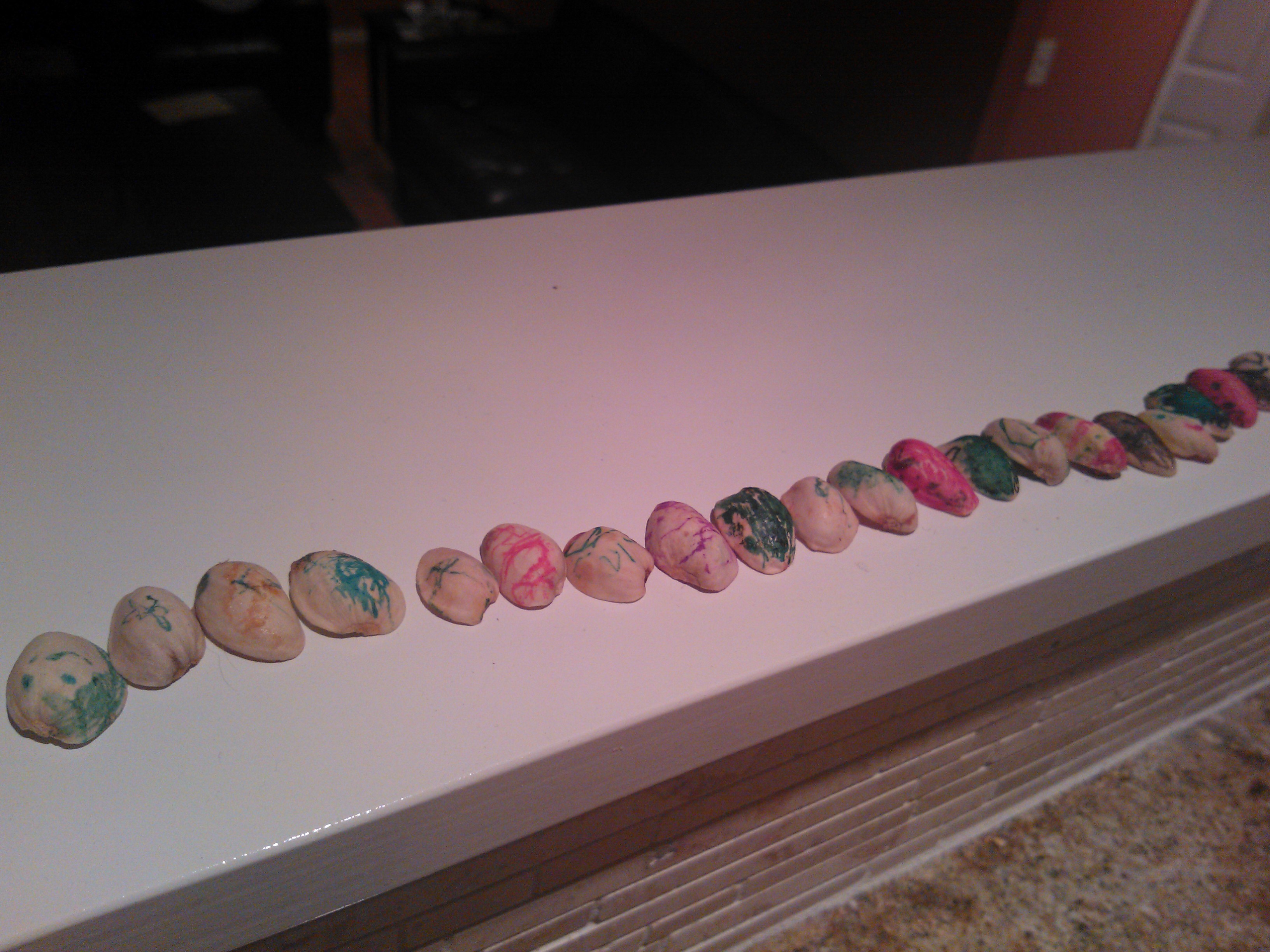
decorating shellsWe saved the shells from our pistachio nuts and the girls had great fun decorating them.  We coloured them so that we could make flowers and patterns and decorated some to look like ladybirds and other bugs.  My 3-year-old chose some pebbles from the garden to decorate as they weren’t quite so fiddly for her small hands.

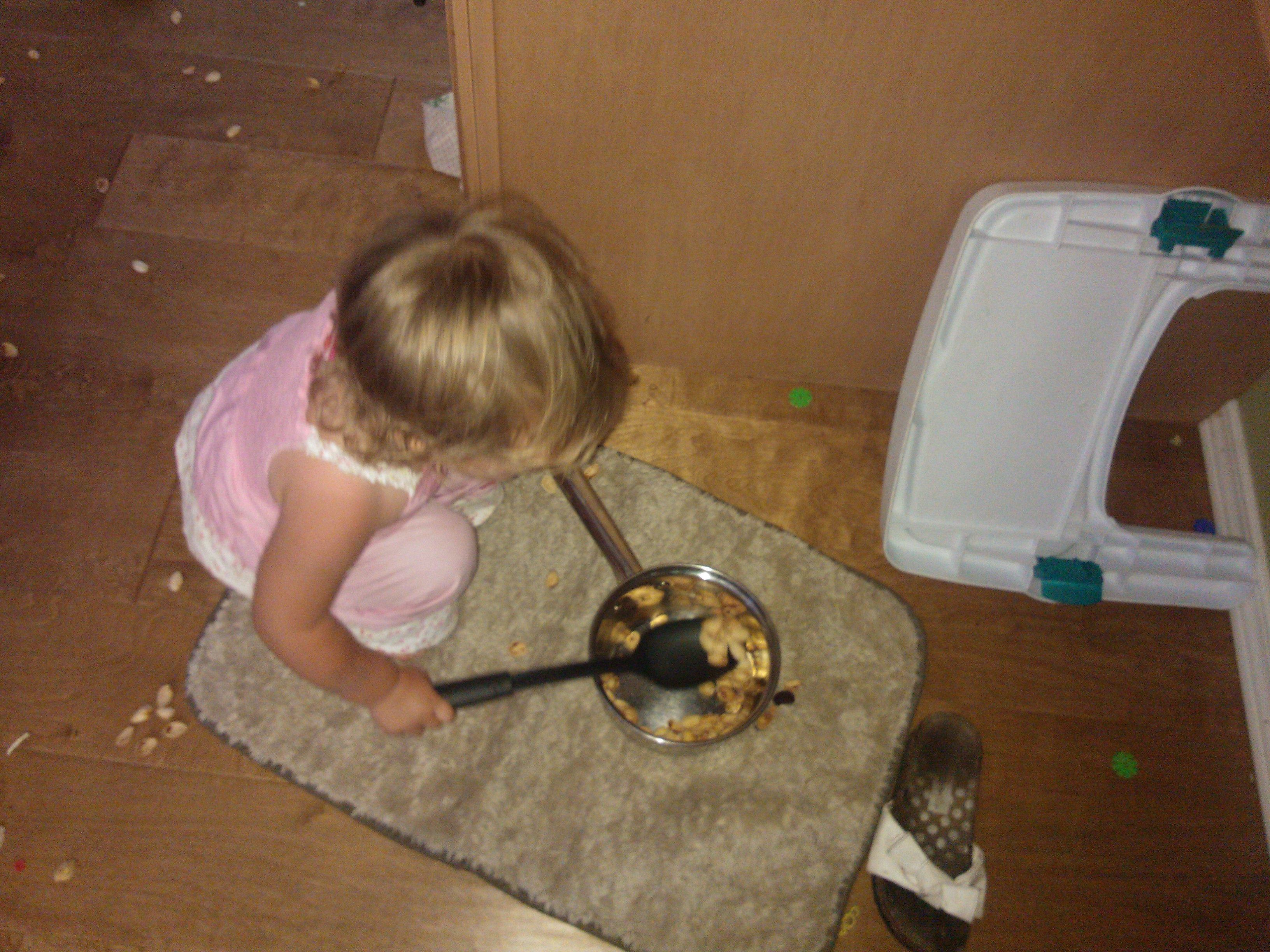
cooking with pistachio shellsOn another occasion I gave my 1-year-old the tub of shells along with a pan, spoon and a number of containers.  She enjoyed scooping them and transporting the shells from one container to another. She also liked the sound they made as they fell onto the floor.  As she walked they stuck to her feet so I showed her how to pick them up with her toes which she thought was very funny.

Coffee Filters

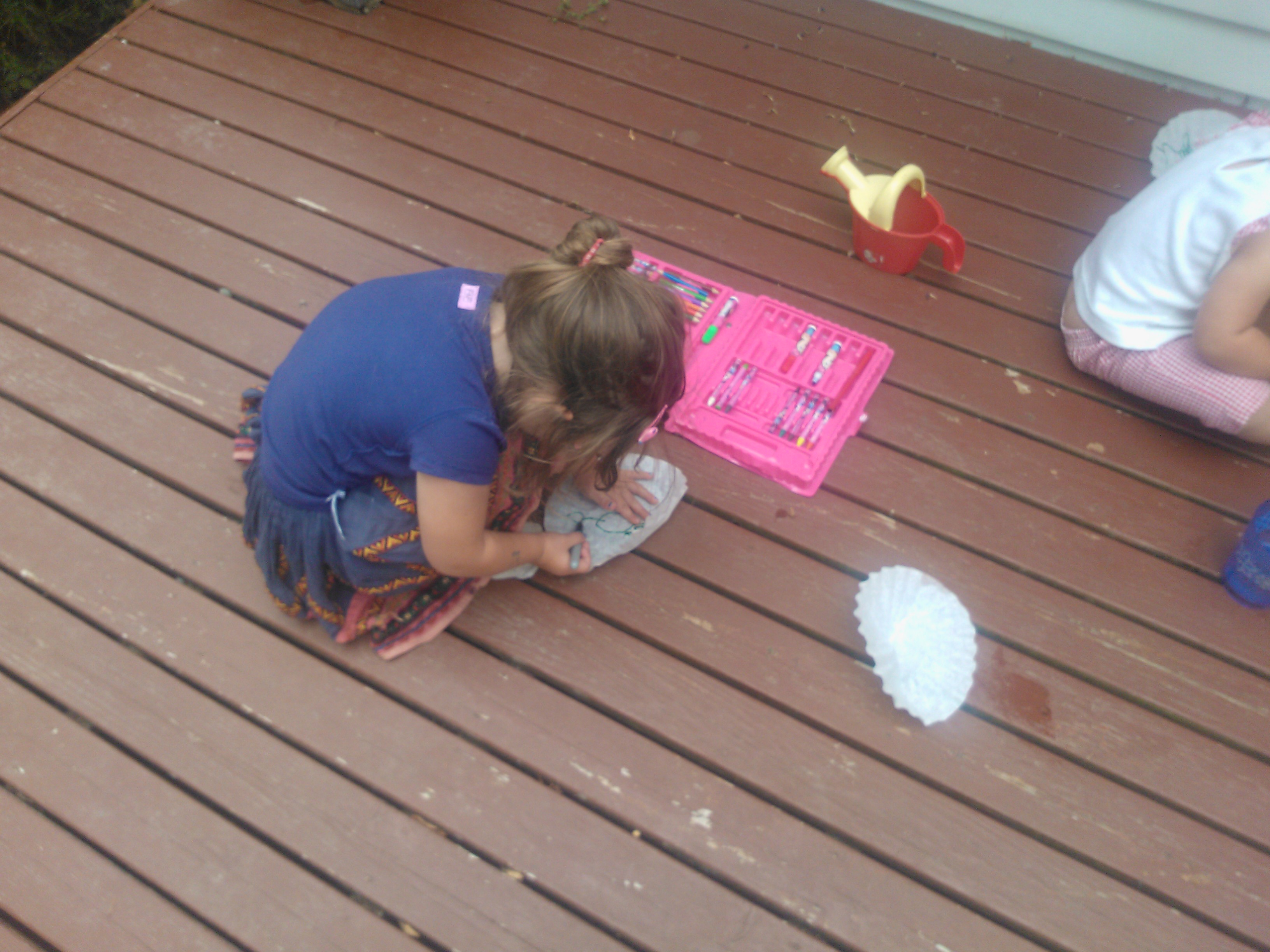
coffee filter picturesI remember doing this activity in science lessons at school.  I gave the girls felt tip pens and coffee filters and asked them to draw patterns on them.

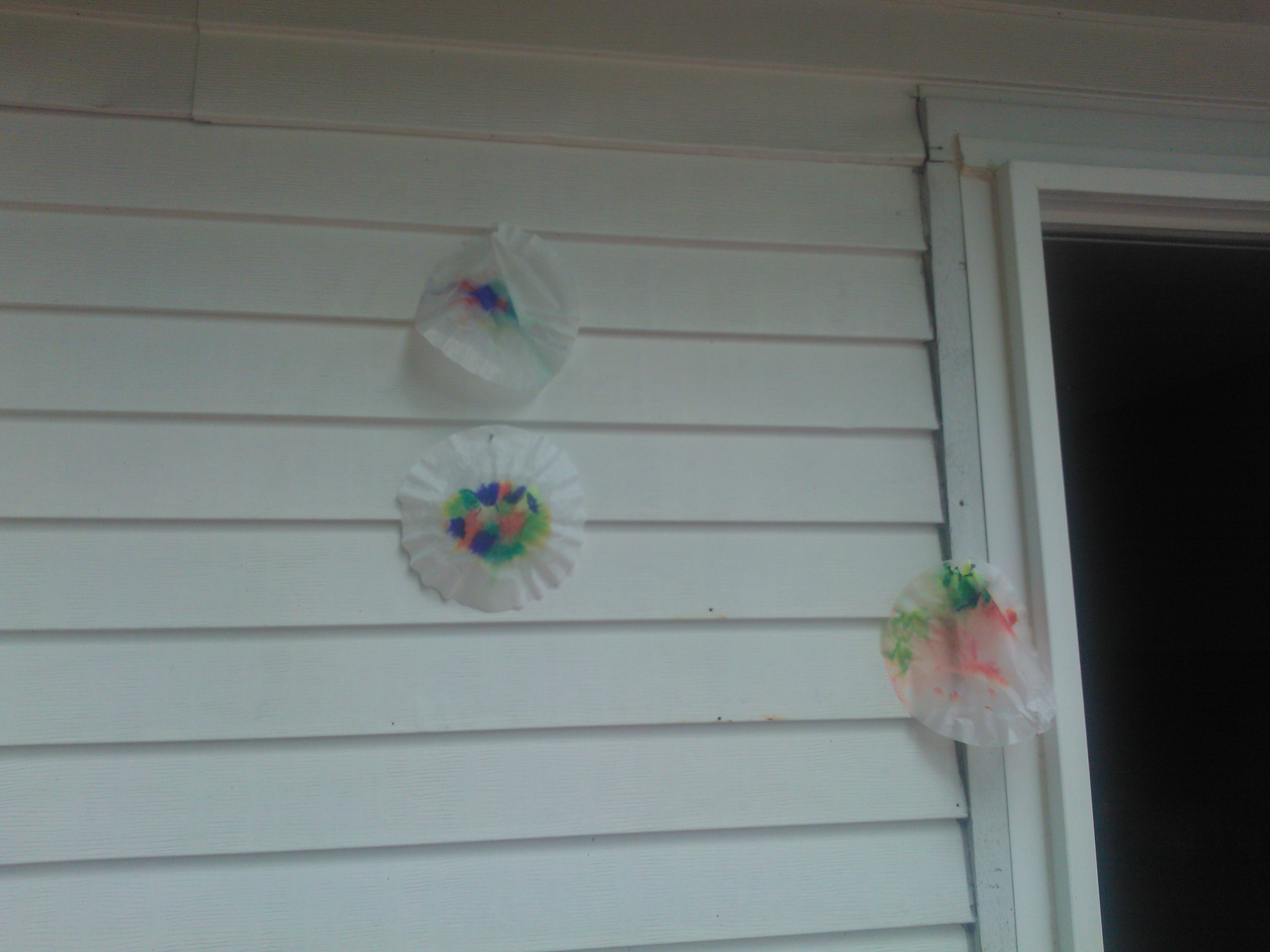
filter coffee pictures

When they had finished they were given a small pot of water and I showed them how to drip it on to the paper creating rainbow colours.

Paper

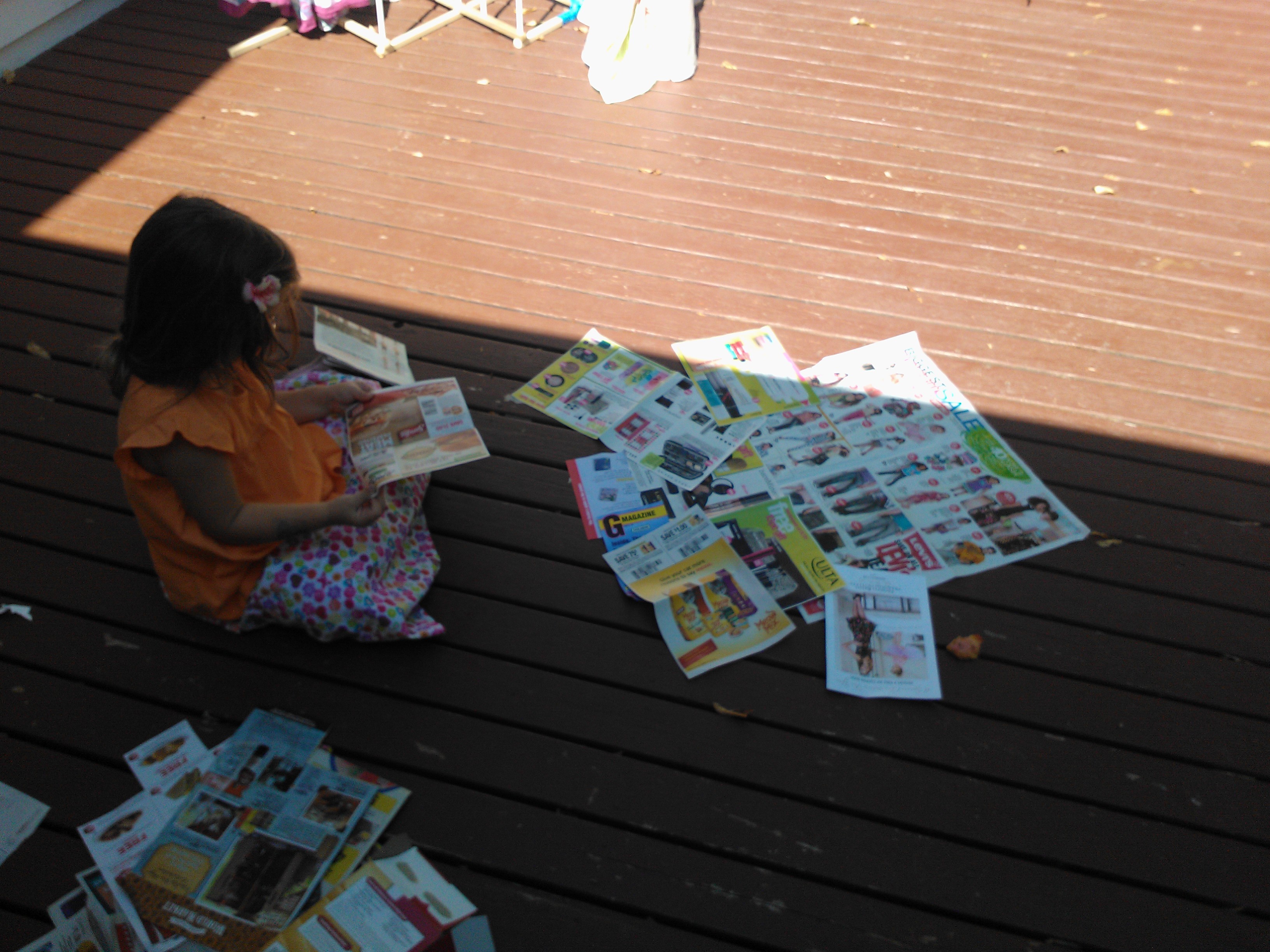
We kept newspapers and magazines with a view to making papier-mache.  The girls would like to enter a local parade on Saturday and I suggested they might be able to make papier-mache masks.

My 3-year-old had other ideas.  She decided to spread the paper across the floor. ‘I’m making a bed’ she said. making a paper bed

She had also made other things for her house by sticking boxes together

I’ve often felt that my house has been taken over by toys that the children hardly ever play with, so I’m not particularly looking forward to them all arriving.  I hope that  being creative with household objects will help us all to think about what we could use instead of buying yet another toy and maybe I can keep most of the toys in their boxes when they arrive.

Pin It

Ideas for Staging a Children’s Olympics

staging an Olympic medal ceremonyFollowing the Olympics from the US has been a little strange.  We’ve caught some of it live, some the following morning when we wake up and some just by following headlines, Facebook messages or Twitter feeds.  The children have been watching it with me and were particularly keen to catch Imogen Cairns from their Gymnastics Academy at home.

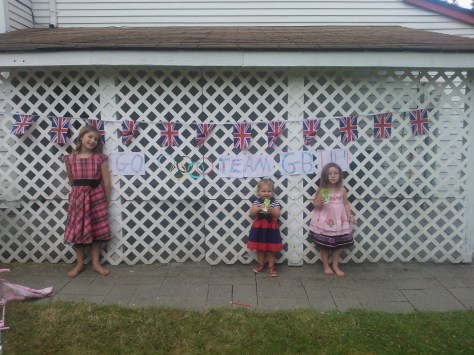
Being such a distance away we thought it was really important to make an effort to support our home team.  We hung our Union Jack Bunting in the garden and the girls made Olympic rings, copying the colours carefully and a sign supporting our team. We then talked about staging our own neighbourhood Olympics, Team GB competing against Team USA.

Team GB sign Olympics

My 8 year old made a list of all the events we could include.  I  ordered a pack of blank medals that the girls could colour and decorate and the girls spent a morning completing them.

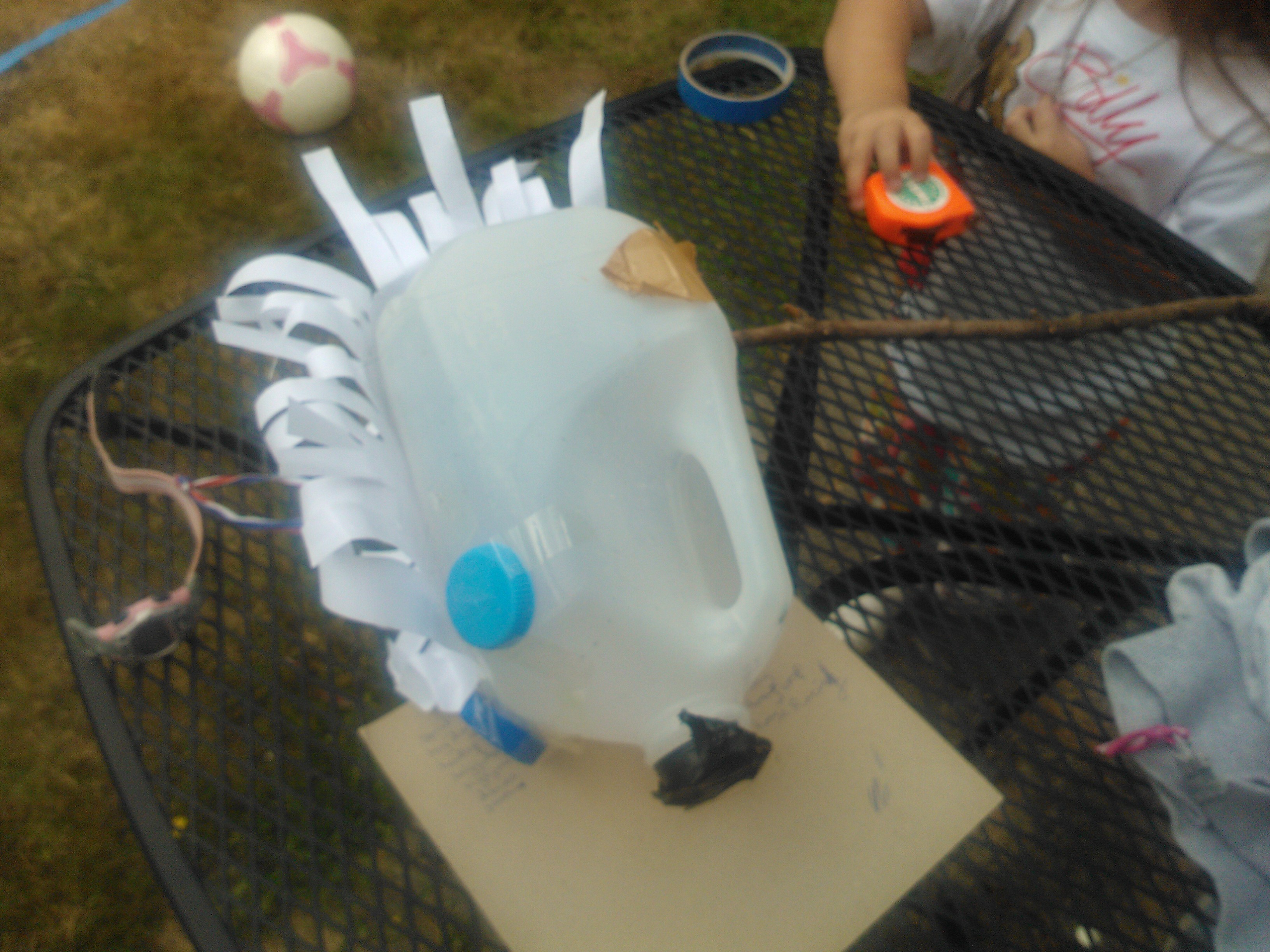
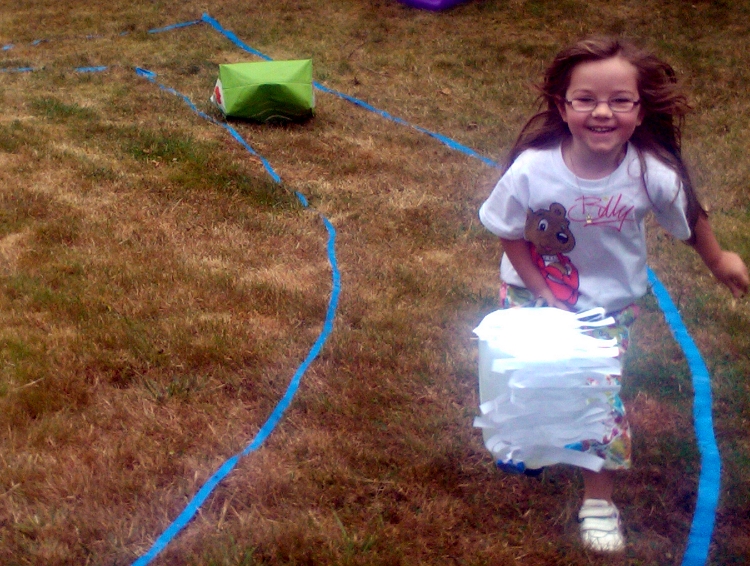
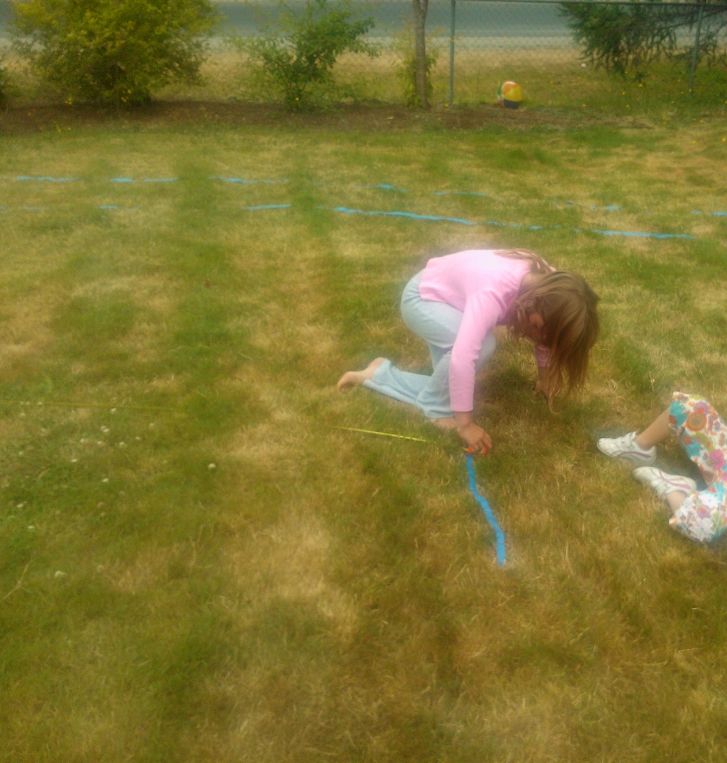
milk carton hobby horseWe made a hobby horse for the equestrian events using a stick from the garden and an empty milk carton. We then set to work marking out a track using masking tape.  A number of low level obstacles were found to act as fences for the show jumping and double up as hurdles.  We also found a straight stick to use as a javelin, a frisbee for discuss and a tape measure and stop watch for accurate results.

Event 1 – Show Jumping

children's olympicsJumping boxes with a hobby horse was quite difficult, my one year old preferred to drag the horse by her side but my 3 year old had a great time.  It didn’t matter to her that she didn’t win gold, she was very excited to stand on the podium (her bathroom stool) and receive her silver medal.  We sang the National Anthem and this has been a really good way for them to learn the words (perhaps I’ll leave the Welsh one until they are a little older).

Event 2 – Hurdles

This was my one year olds favourite event she stepped her way over all the obstacles and loved waiting for the Ready, Steady, Go.

Event 3 – Long Jump.

childrens OlympicsWe marked a place on the lawn where the children would begin their run up and another where they would begin their jump.  I explained that if their foot went over the line then the jump wouldn’t count and they managed to remain accurate every time.  The girls helped me to measure the jumps. My 8 year old fell over every time she jumped so there was a little bit of dispute over where we should measure her landing.

I thought you were meant to fall over, they did on the Olympics

I explained that the Olympic jumpers fall over because they jump such a long way and land in sand. I showed the girls on the tape measure how far an Olympic long jumper would travel and they were amazed.

Event 4 – Javelin

olympic playThe girls found it quite difficult to throw the javelin from their shoulder but managed a few good throws.  I showed them the technique I had been taught at school and my 3 year old who is still deciding whether she is left or right handed needed to work out which was her stronger arm.

Event 5 – Discus

To add a bit of variety I showed them how to spin around and then throw the frisbee.  It took quite a lot of practice as it kept landing at their feet or travelling in the wrong direction, which my 3 year old found hilarious.  Eventually both girls managed good throws, longer than the tape measure, so my 8 year old had to employ her adding skills.  My 3 year old was very proud to win Gold beating her sister by 1 inch.

Events 6 and 7 – Sprint and Long Distance Run.

To make it fair we gave my 3 year old a head start and during the long distance run my 8 year old ran an extra lap.  After winning comfortably she asked if she could race me – I finally won my own Gold Medal.

Our Track and Field Day is over.  Other events the girls want to stage over the next few days are football, tennis, volleyball, basketball, table tennis, gymnastics, boxing, and cycling. We completed our rowing and swimming at the weekend at the lake but the younger ones might enjoy making a cardboard box boat to row. We’ve had great fun and hopefully some of the neighbours will be able to join us tomorrow to get some real competition going.

  • Thanks to Vicki for the show jumping idea.


Things I Love About My New House That I Wish We’d Had in the UK

My new house in the US isn’t huge, it’s a fairly typical family home but over the past week I have felt myself walking around the house saying time and again ‘I love this house’. Why? Perhaps in part because none of my stuff has arrived yet so there is no clutter and some of the rooms are empty, it looks so clean and minimalistic which is very soothing. However, there is more to it than that, so much thought goes into the practicalities of a house here.  Here are my favourites:-

  1. Coffee Machines

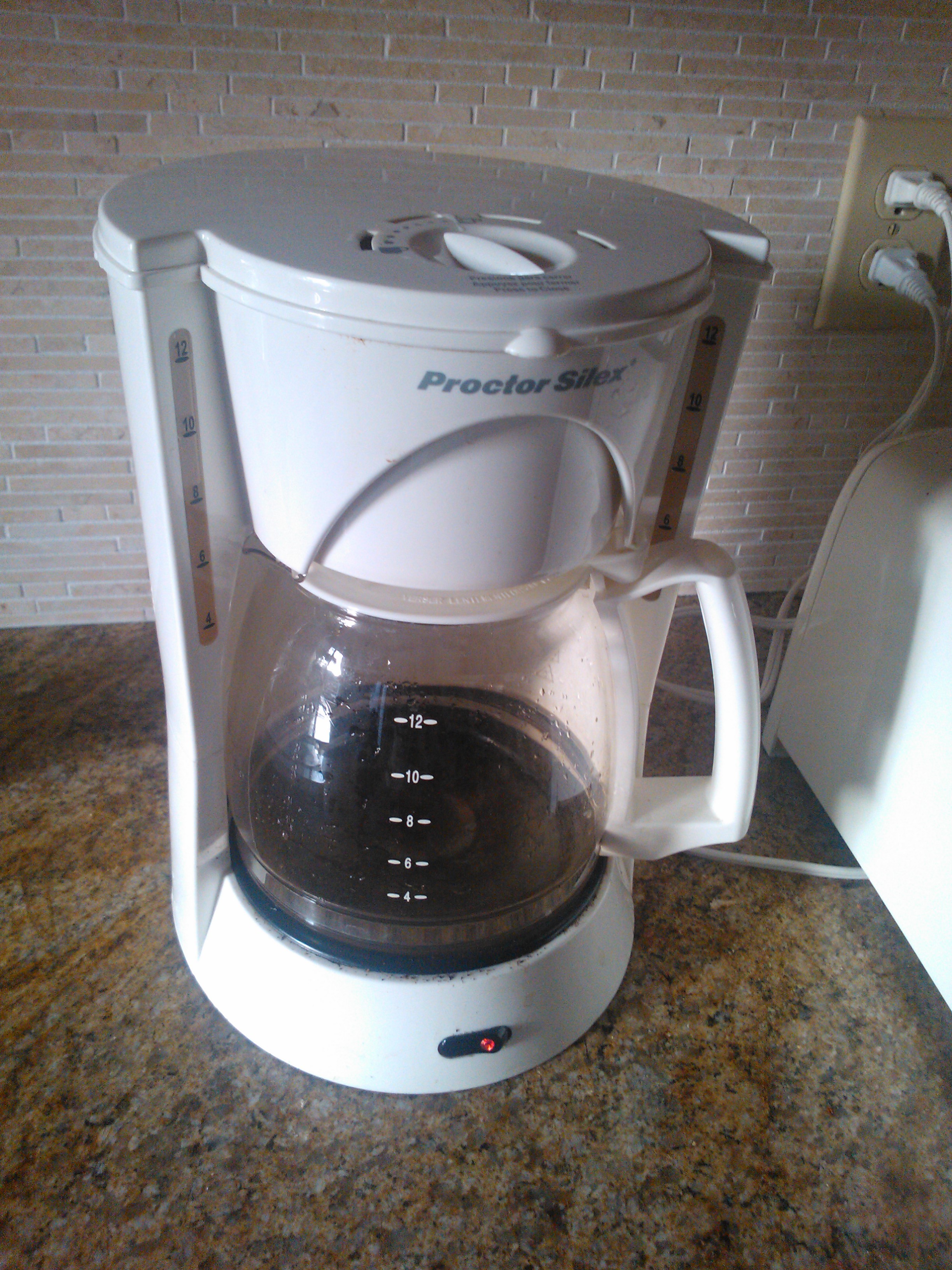
coffeeThe last few years have been a blur of late nights (unfortunately not partying) and muddling through days in a coffee fuelled haze.  Since my pregnancy with my 3rd daughter I have become a big coffee fan. Coffee is big here in Starbucks land. Not all households have kettles but you can be sure they will have a coffee maker.  The coffee makers are mess free as the coffee is contained in filter papers so no more trying to dispose of coffee grounds. Even better the coffee stays on a heated plate so you always have a hot coffee.  No more microwaved coffee for me then, simple but genius.


2.  Storage

storage
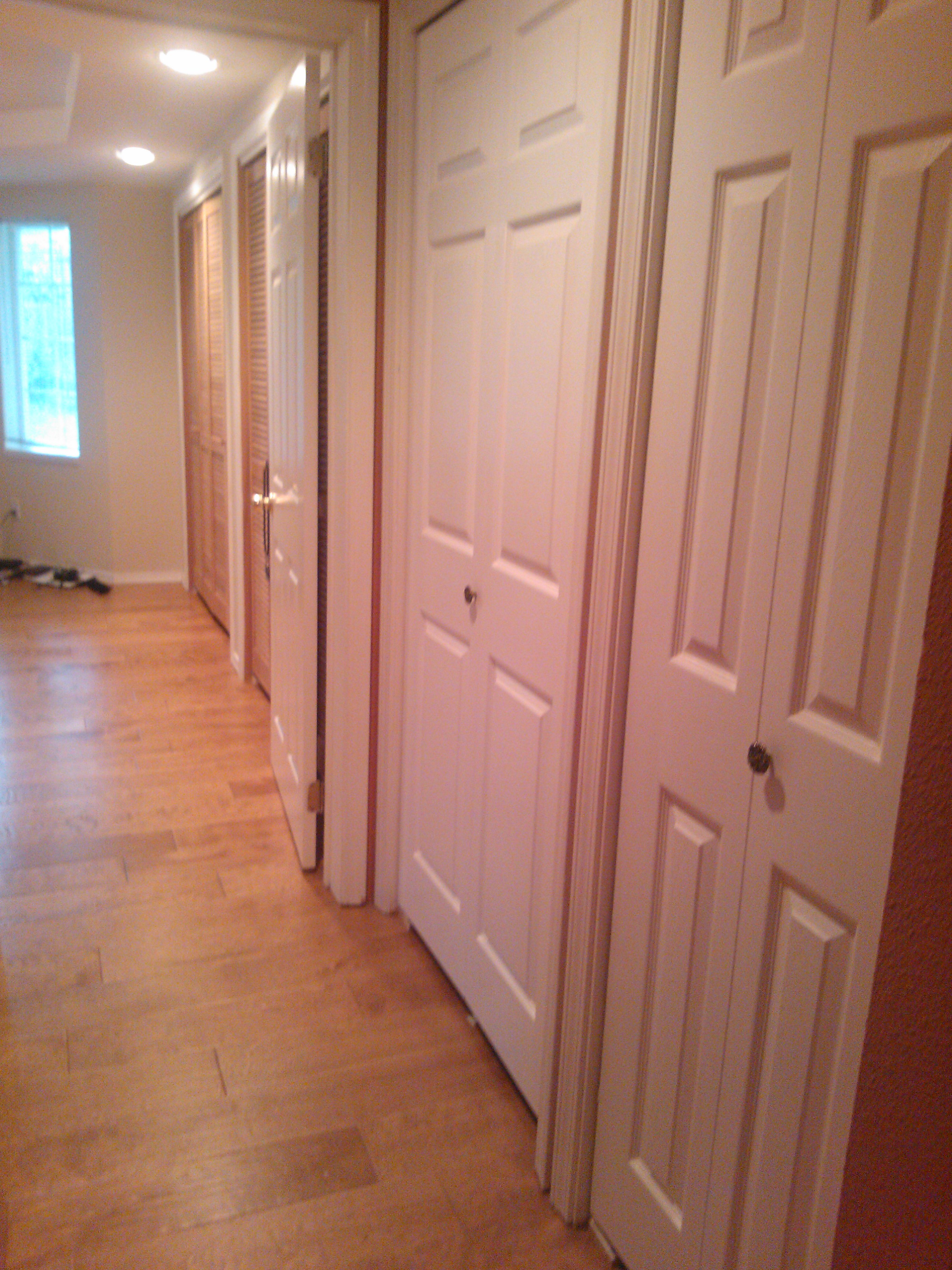
cupboards,cupboards and more cupboards

There are fitted cupboards in every room of this house. By the front door is a coat and shoe cupboard, each bedroom has fitted double wardrobes and the large bedrooms have 2, there is a linen cupboard in the utility room, a double cupboard outside our bedroom, a huge cupboard outside our kids bedroom plus another double wardrobe in the adjoining room attached.  When all our stuff arrives there should be loads of space to put the kids toys and general ‘stuff’ that I could never find a place for in the old house.  Here’s to a new me with a tidy and organised house.


3.  Bathrooms

double sinksMy 8 year old is delighted to have her own en suite (this also doubles up as a utility room with a huge top loading washing machine and tumble dryer)  my youngest 2  have their own bathroom and we have an en suite.  Multiple bathrooms are common here – it would be considered odd to have only 2.  Double sinks are in all the master bathrooms so no more fighting over sink space (the kids not me) and best of all are the multiple drawers and cupboards underneath the sinks.  No more piles of toiletries or bath toys on view, they will all fit inside the cupboards beneath the sinks.  My 3 year old removed all the toothbrushes, toothpaste etc. from her sinks a few days ago and put them in a drawer. It looks so tidy – I like what she is becoming (if we forget that she hid the soap). As an added bonus the bath in the children’s bathroom comes with a lever instead of a plug so there will be no more arguments about accidentally pulling the plug out.

The other thing I love about the bathrooms is that they have power sockets in them so my hairdryer and straighteners can live in the bathroom and the bedroom can be purely for relaxation.

4. Shower Curtains with Magnetic Bottoms

Okay, this one may be a little sad, but I love that our shower curtains have magnets in the corner that stick to the bath so you don’t have to worry about them flapping out of place and the bathroom floor getting soaked.


5. Huge Fridges

American fridges are popular in the UK but the door space is the biggest difference here.  The gallon cartons of milk fit comfortably into the door space, I could easily fit 4 of them in.  I have fresh produce and meat drawers leaving the rest of the space for important stuff like beer.

The recycling bins are huge wheelie bins here to cater for the giant cartons that go for recycling.


6. Fly Screens

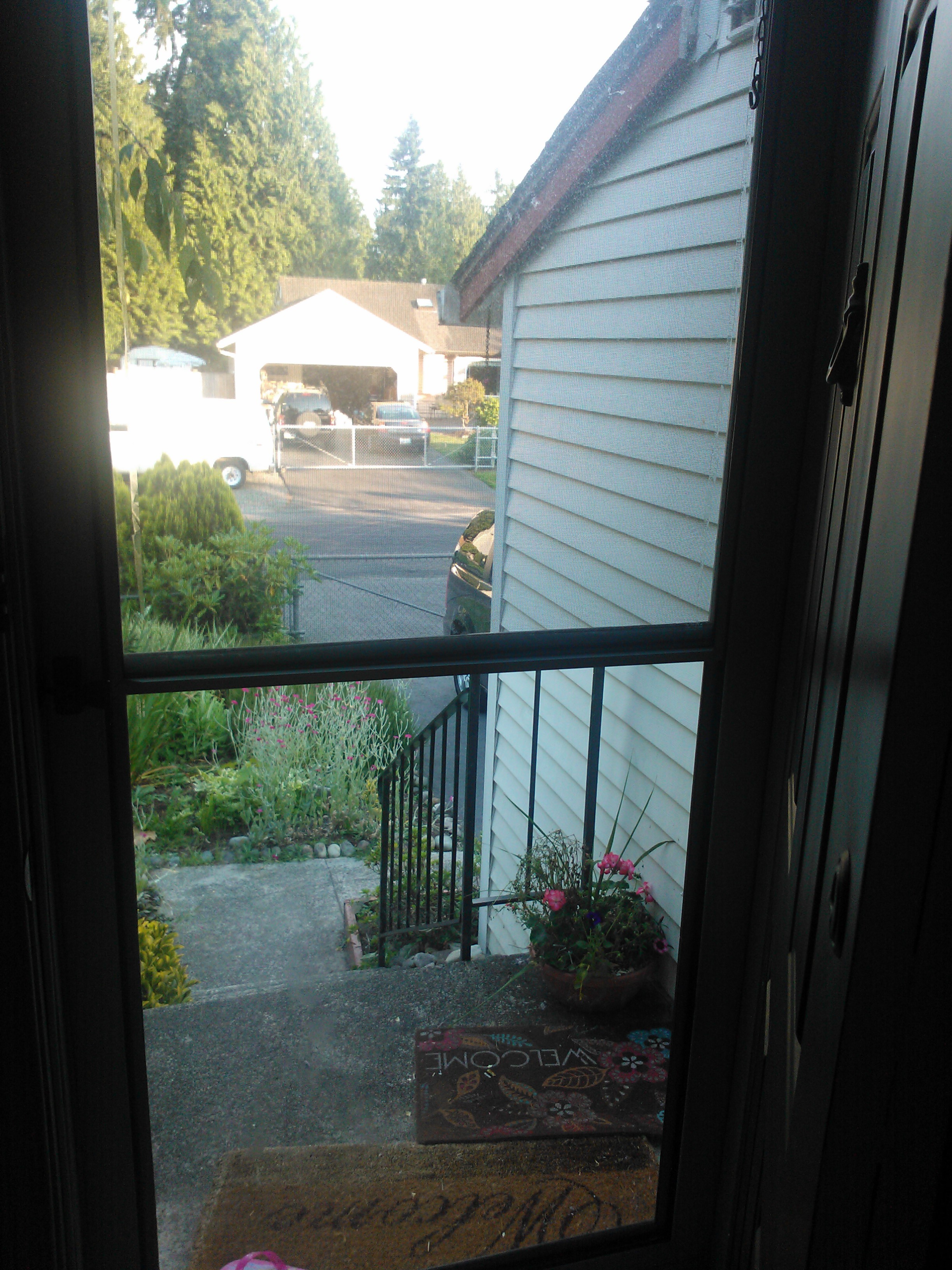
doorwayWe don’t need to worry about mosquitoes in the UK but in a house backing onto woodland we did have midges, daddy long legs and maybugs not to mention houseflies. Here every door and window has a fly screen so you can have the benefit of keeping the door open without the annoyance of flies.  They wouldn’t have been very useful in the UK this Summer but they would have been great in the past.

I love this house and I didn’t even see it before we moved in.

I’m Going to Live Here! … First Impressions of Seattle.

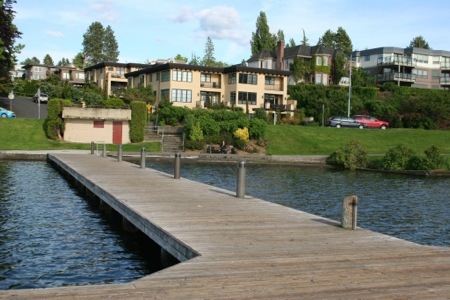
In a months time my family and I are moving, lock stock and barrel to Seattle. We have all been very excited but we are sad to say goodbye to good friends and family. It is a wonderful new chapter for us but also a little scary. This week I have had the chance to visit Seattle to plan for our move. I have been here for 6 days and apart from missing the kids, I don’t want to come home.

The biggest surprise is how beautiful it is, it is green, full of trees, mountains in the distance and tranquil lakes. It is a little like having your cake and eating it. You have all that a cool city has to offer, with the countryside right on your doorstep. You can be gazing at the lake front within 15 minutes of finishing work or travelling to the mountains within 40 minutes for skiing and beautiful scenery. Couple that with a family friendly culture with loads for the kids to do and lots of options for childcare, excellent schools, big houses, laid back people who love fitness and the outdoors; remind me why I would want to stay in the UK?

20120531-144528.jpg

It may be the excitement of something new but everyone I have talked to from here loves it too so it can’t be just that. Yes there are downsides – it rains a lot but as a Welsh girl I’m used to that. Other downsides are that I have to learn a whole new way of driving ( I’m sure that journey will lead to a few entertaining blogposts) and people here carry guns.

I get a similar feeling here to one I had when I visited Canada for the first time when I was 16 years old. I felt so at home there that I was moved to tears when my plane took off to go home. Here I am a few hours drive from Canada too, an added bonus.

20120531-145547.jpg

20120531-145652.jpg

20120531-145728.jpg

Turning 40 – Aging Well? Comparing Photoshoots 10 years on.

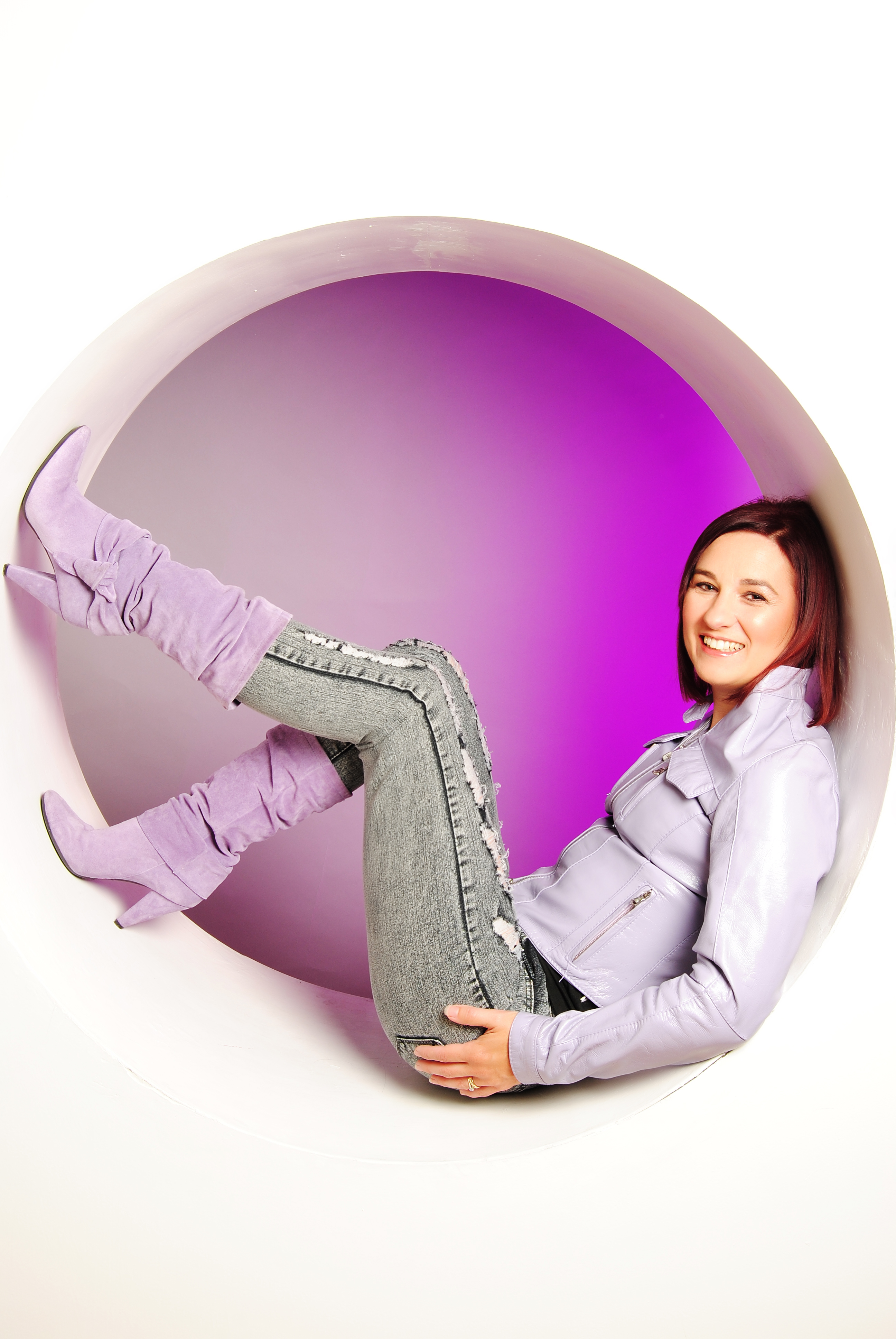
When I turned 30 a friend bought me a photo shoot as a gift.  The photos were stunning and  I’ve always kept one on my wall as inspiration for how I would like to look when I had finally finished my childbearing days.

When I was 30 I felt pretty good about the way I looked, I had just got engaged, was going to the gym regularly, eating healthily and was happy.  More recently however I have come to the conclusion that I have always been too self critical and never really accepted how amazing I looked.

This year I turned 40.  As clichéd as it is, I see this as a turning point.  I don’t want to have anymore children so I now have the opportunity to get my body back in shape, to build a career and to become me again.  I have just returned from a photo shoot for my 40th birthday. In the past 10 years I’ve had 3 kids and 2 miscarriages, I’ve got more wrinkles and spend a lot less time on looking good.  I rarely get a haircut and lots of my clothes are past their sell by date.  However, I have finally stopped beating myself up for not being as slim as I was in my 20’s. For the first time in a very long time I feel good about the way I look.  I think for a 40 year old with 3 kids, the youngest of whom is only 9 months , I look pretty damn good.

I kept the cat suit from the first photo shoot – I never really believed I would ever be able to wear it again, but today I proved myself wrong.  Ok, I’m not quite as slim as 10 years ago and I did need a bit of help from some Bridget Jones pants but I did it and I think I look pretty good .

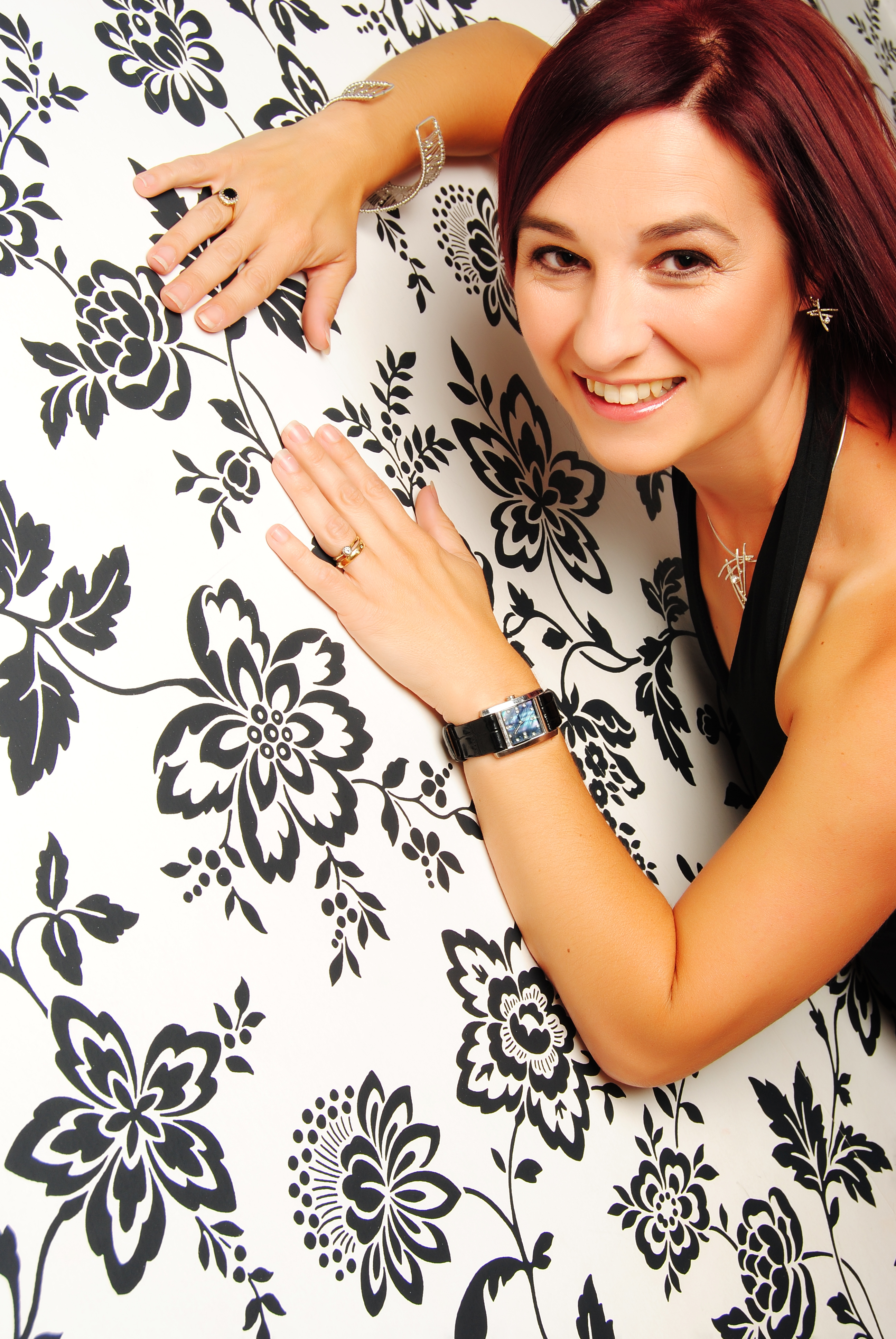
So here are some of the photos from my 30th


And the one’s I had taken today proving we can still look fabulous at 40

For anyone who wants a special gift for a special birthday I can highly recommend New ID Studios for a makeover photo shoot.  The shoot includes a hair wash, cut and style, makeup and the photoshoot. A lovely day out and a great way to boost your self esteem.

If You Go Down to the Woods Today – 10 Woodland Activities for Children

We had a lovely time today at Glenny Woods organised by our local Children’s Centre. Glenny Woods is a wonderful woodland centre owned by the Scouts Movement.  They have an indoor room with a veranda for when it is wet, an area for lighting fires with bench seating, adventure playground equipment and facilities for making dens.

However, even if your nearest wood doesn’t have these added facilities there are lots of simple fun things that you can do with children.  Try not to rush children on to looking at the next thing.  They may want to spend half an hour looking at a clump of moss or sliding down a muddy bank.  If you really want your children to appreciate and explore nature then allow lots of time and move at their pace (however frustrating this might be).

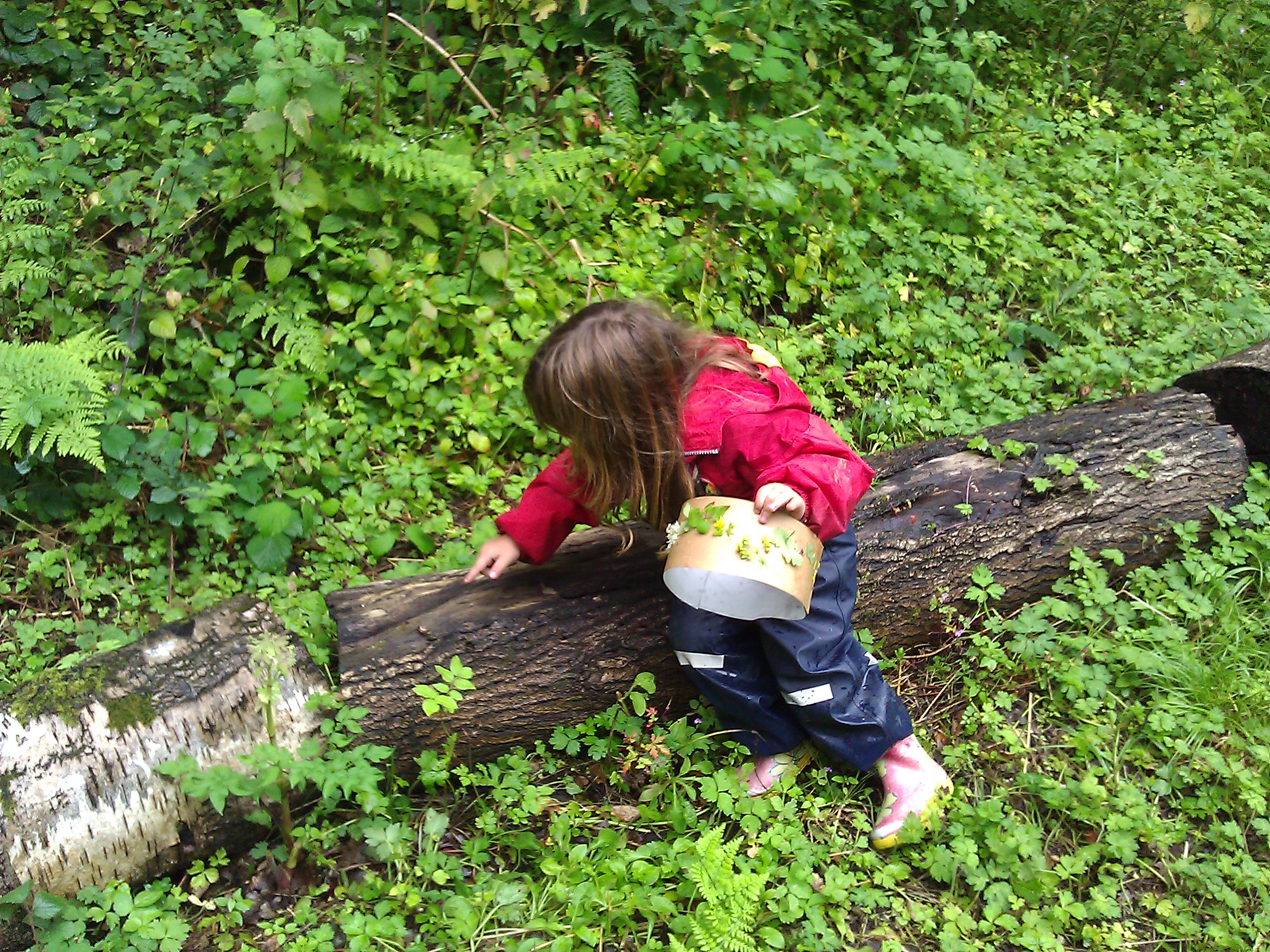
1. Give children a piece of cardboard with double sided sticky tape on and get them to make a hat collecting natural things.  This could be free choice or maybe have a colour theme.  You could ask children to create a pattern eg. large and small things or find specific items to make their hat.

WP_000553

2. Put double sided sticky tape around the top of your child’s wellies and ask them to collect items of interest and stick them to their wellies.

3. Take magnifiers or bug jars and look for creatures. Take photographs so that you can identify them when you get home.

Look Mummy I found a snail

WP_000552

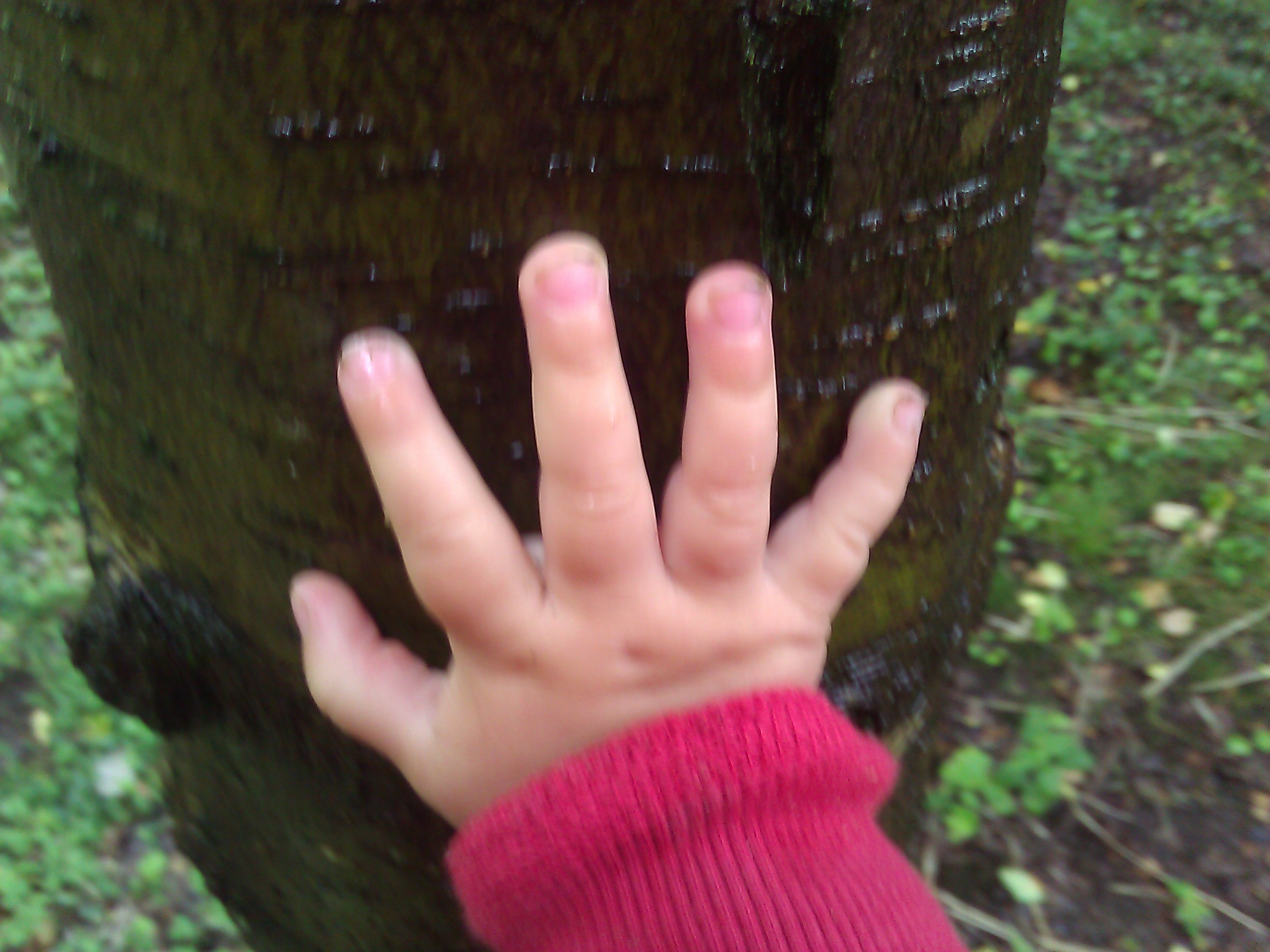
4. Young children will enjoy exploring the textures of things, moss, long grass, tree trunks, mud.  Give children a textural treasure hunt – find things that are soft, smooth, hard, spiky, slimy, cold, warm, rough etc. Make a feely box containing some of the textured things or use a blindfold and ask children to describe what they are touching.

hands on a tree.

5. Give children a piece of string and ask them to find and attach the following items: something natural, something manmade, something colourful, something heavy  and something with an interesting shape.  Hang a line of string between 2 trees and hang the completed pieces from it to make a natural work of art.

6. Build a fire, toast marshmallows on whittled sticks or bake potatoes in the bottom of the fire.

WP_000562

7. Go on a treasure hunt

WP_000568

8. Play in the mud.  Take tools and  to see what you might find or stamp and feel the texture of wet gooey mud. Find a stick and draw or write in the wet mud, or take large sheets of paper and use mud to paint with – use fingers or sticks to apply the mud.

3F16D16F

9. Collect natural materials to make a picture or sculpture .  Make a frame from sticks or stones and ask the children to make a picture inside it using what they have collected. For the youngest children let them arrange leaves into a nest or sticks or stones into a pattern.

Oct 07 045

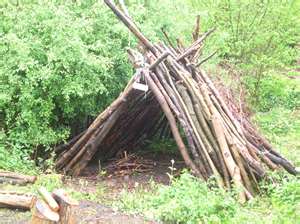
10. Build a den.  Use sticks and build a den in the style of Eeyore’s house.

You might also want to check out some of these ideas


Finding the alphabet in nature

Fairy houses in the woods

A natural playground

Children Connecting with nature

Mud faces