Category Archives: parenting

‘I Don’t Know How to Draw Ducks’ Feet’ – How to Support Young Childrens’ Drawing,

My 2 youngest children are obsessed by drawing. ‘Pens’, ‘paper’, ‘chalking’, ‘want to draw’ are common utterances from my one- year-old. I keep a supply of fresh paper in a low cupboard in my kitchen and a tin filled with pens, pencils, crayons and ballpoint pens. The girls also have a magnetic drawing board, aquadraw and pavement chalk in the garden. They love to draw on paper, cardboard boxes and each other. I also keep a supply of pens in the playroom high enough for my youngest not to reach. The children know that she is not to have pens unsupervised as she will draw on walls or furniture.

As I was unpacking boxes of books I came across the wonderful book It’s Not a Bird Yet: The Drama of Drawing
The book shares a number of stories of children’s drawing accompanied by photographs and examples. It attempts to guide teachers to extend drawing and parents to support children’s drawing without taking over.

The book talks about observing children as they draw, listening to what they say as they draw, to learn about the meaning they ascribe to it. When children draw for the first time you can see them marvel at the crayon making a mark on the paper. This also translates to other media, for example when I tried to hurry my toddler along as she bent down to play in the dried mud on the way home from the park, she remarked ‘I’m drawing!’

When you give children feedback as they point to their ‘scribbles’ and say ‘look’, this prompts further mark making. Children begin to assign meaning to their drawings far earlier than we think, often before they can really express it in words. My youngest who is almost 2 was drawing on her magnetic board, I could hear her talking to herself so decided to sit with her.

The video shows my daughter who is turning 4 and her frustration at not getting her drawing right. With help she comes up with her own solutions and is happy to start again.  My youngest who is almost 2 watches intently and joins in the conversation. The next part of the video shows my youngest daughter talking about the alphabet as she makes marks (something she has learned from her sister as she draws alongside her). The final clip is my youngest daughter ascribing meaning to her drawing and shows the suggestions her older sibling makes and how these extend her thinking.

Her elder sister is beginning to show an interest in writing. They often draw together and talk about the shapes they have drawn. I believe my youngest has learned a lot from drawing alongside her sister, she watches intently and copies her circles and lines.

Children often say they can’t draw things. I remember the Ursula Kolbe book was one of the fist things that made me think about alternatives to drawing for them. She explains that children see things differently to us so even if we draw for them we may not represent it in the way that they would like. This leads to a loss of confidence and the belief that their way is wrong. Often sharing drawing with other children is a good way around this as they will offer suggestions to one another. Giving hints helps, as does making children realise that it is okay to start again, artists make many drawings before they come to a finished product.

I save my children’s ‘best’ drawings, dating them to show progression. I am going to adopt a system recommended in the book; a folder with loose leaf transparent pockets so that the children can file their own favourite pictures and we can talk about them for years to come.

Up and Away: A BBC Newsround Special – Helping Children to Understand Those With Additional Needs

I used to work with children on the autistic spectrum.  My children often ask me about the children with whom I worked and autism in general. This is difficult to explain to young children.  ‘Up and Away’ I hope will address some of their questions and help them to see the world from a different perspective.

Up and Away: A Newsround Special airing on CBBC on Friday September 7th at 5pm  – hears the moving and often inspirational stories of children who have additional needs and have made the big step up to High School.

Presented by 14-year-old Royal Television Society award-winner Rosie King, the programme combines moving testimony from incredible characters with carefully crafted animation to illustrate that the big move up can be as liberating as it is scary.  Rosie has
Autism, and so has direct experience of the subject matter as she explains:
“I was born into a family with special needs and I didn’t really think it was
that big a deal until you realize that not everybody lives with these
disabilities. This programme shows how that huge moment that you might have been
dreading can be the best thing ever.”


Rosie hears the remarkable stories of Daniel who was picked on at Primary
School for having restricted growth and feared it would happen again at
Secondary School; Iyar who has Cerebral Palsy and faced the challenge of moving
up to High School from a Special School; and Callum whose visual impairment left
him vulnerable to bullying.

Daniel, Iyar and Callum’s have all faced up to their individual challenges.
Their inspirational stories show that while life in Secondary School can be
tough, most problems, even for those children who are different, disappear in a
few days.

I recently got back in touch with one of the families I worked with.  I worked with Tom who was autistic when he was 3 and 4 years old.  He was very good with numbers and letters and could read complex words by the time he went to school.  His comprehension however, was limited and his speech and social skills didn’t match his peer group. Tom is now 13 years old  and I wondered how he had coped in the school system.  His Mum said that academically he had always done well but they had worried that he wouldn’t fit in with the other children.  Tom was saved by being a skilled sportsmen, he is very popular at school and is having a positive experience.

I am looking forward to watching the Newsround Special and hope it will be an inspiration to children with additional needs and help all children understand the thoughts and feelings of children who are ‘different’.


Build a Mud Kitchen – Why Playing with Mud is Good For Children

mud kitchensWith limited toys and great weather,we have been playing  with natural materials and everyday objects. The children and I created a mud kitchen in the garden.

What is a Mud Kitchen?

A mud kitchen is an outdoor play kitchen for children to explore the properties of mud.  In a similar way to my own mud pie and mud drink making as a child, ( I remember filling up small dirt holes with water and tasting the mixture with a stick) the children mixed the mud in a kitchen made of recycled materials.  You could use a ready-made play kitchen but it isn’t necessary.

How to Build a Mud Kitchen

We made ours using various items we found around the house.  We made a shelf using bricks and a piece of wood, an oven from a cardboard box and collected containers from our recycling.  An old cupboard, table or sink would work equally well and I’m sure that when our stuff arrives from the UK we will find things to add.

Collect old kitchen utensils, pans and bowls from charity shops, friends or car boot sales. We put a sign on our fence next to the mud kitchen requesting items – no-one has donated yet but the children check for new additions every day. It is a good idea to place the mud kitchen near a fence or tree where the utensils can be hung – this way the kitchen will be nicely self-contained and easy to tidy.

The Benefits of Playing in the Mud

Children learn in a variety of ways; many children (particularly boys) prefer to play outdoors.  In most pre-schools I have visited in the UK indoor classrooms exist alongside outdoor classrooms.  Children who may not choose imaginative play  indoors may be attracted to the mud kitchen.  The mud kitchen is rich in learning experiences including learning the rules of good hygiene, exploring  the properties of mud, manipulating mud and tools with their fingers, measuring, imaginative play building on the children’s own experiences, finding out about bugs, problem solving and co-operation and sharing. Involve the children in the creation of the mud kitchen, they will come up with many ideas that adults may not have considered.

Health Benefits

To add weight to my argument I read an excellent post this week about the health benefits of playing in mud. The Children of the 90’s project at the University of Bristol recently reported a number of benefits for children who spend time outdoors. One study suggests that children who spend more time outdoors are less likely to develop short- sightedness and they also found that good levels of Vitamin D was linked to better health including mental health.  Another study from Bristol University in 2007 suggests that friendly bacteria contained in soil, activates neurons responsible for producing the brain chemical serotonin.  A lack of serotonin is thought to cause depression; playing with mud is therefore likely to improve children’s mental health.

Our Mud Kitchen

playing in the mudWe built our mud kitchen during August.  In the UK this is often the wettest month of the year but here in Washington State we have had a perfectly dry month.  This was probably not the best time to build a mud kitchen but as the seasons change the play will develop.

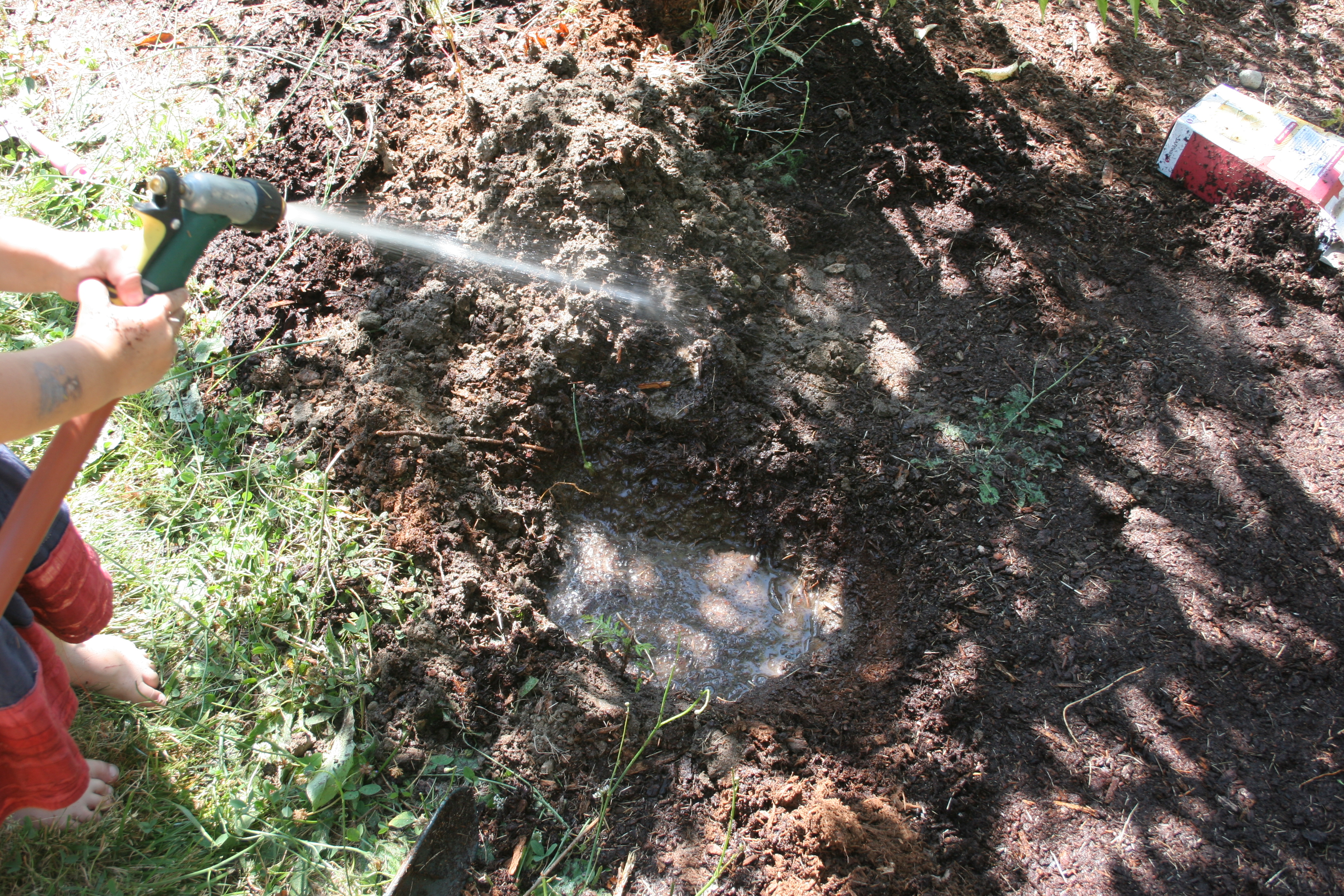
We built the kitchen in a patch of garden where there was plenty of soil but soon discovered that the top layer consisted of wood chippings from the surrounding Pine trees.  This was great for sprinkling and pouring but moulding cakes and pies had limited success. child hosing mudI suggested we dig a hole to reach the true soil under the surface, we  used the hose to  wet it.  Filling the hole with water attracted a flying insect that we hadn’t encountered before, the girls were apprehensive but interested in watching the creature.

We are making coffee powder

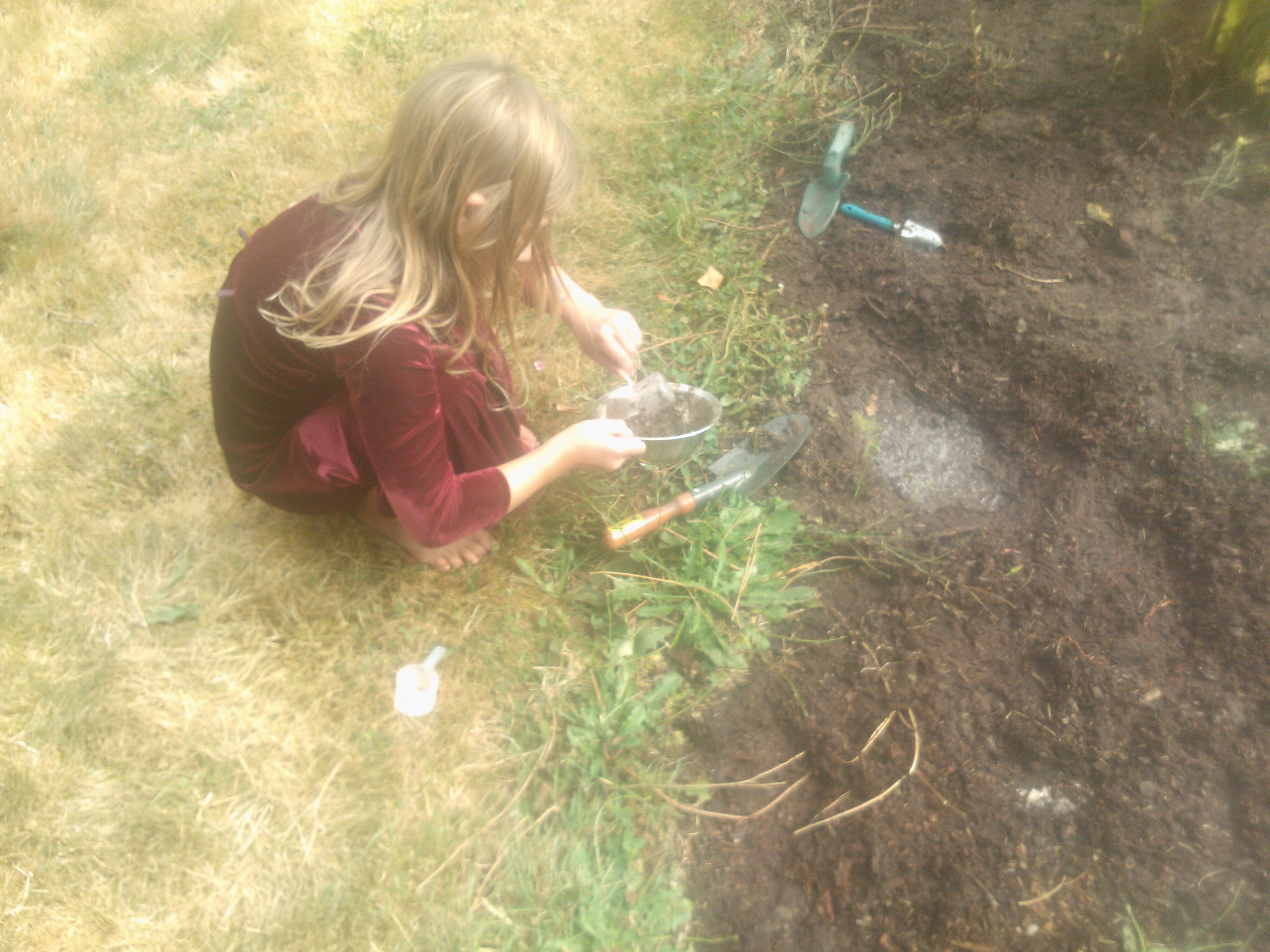
My 8-year-old who loves the idea of creating experiments or being an inventor, mixed the mud to make coffee.

I suggested she put it into the empty coffee container but she explained that it started wet and took at least a day to drain off before it could be transferred to the coffee container.

mud pies
‘It takes at least a day to drain off’

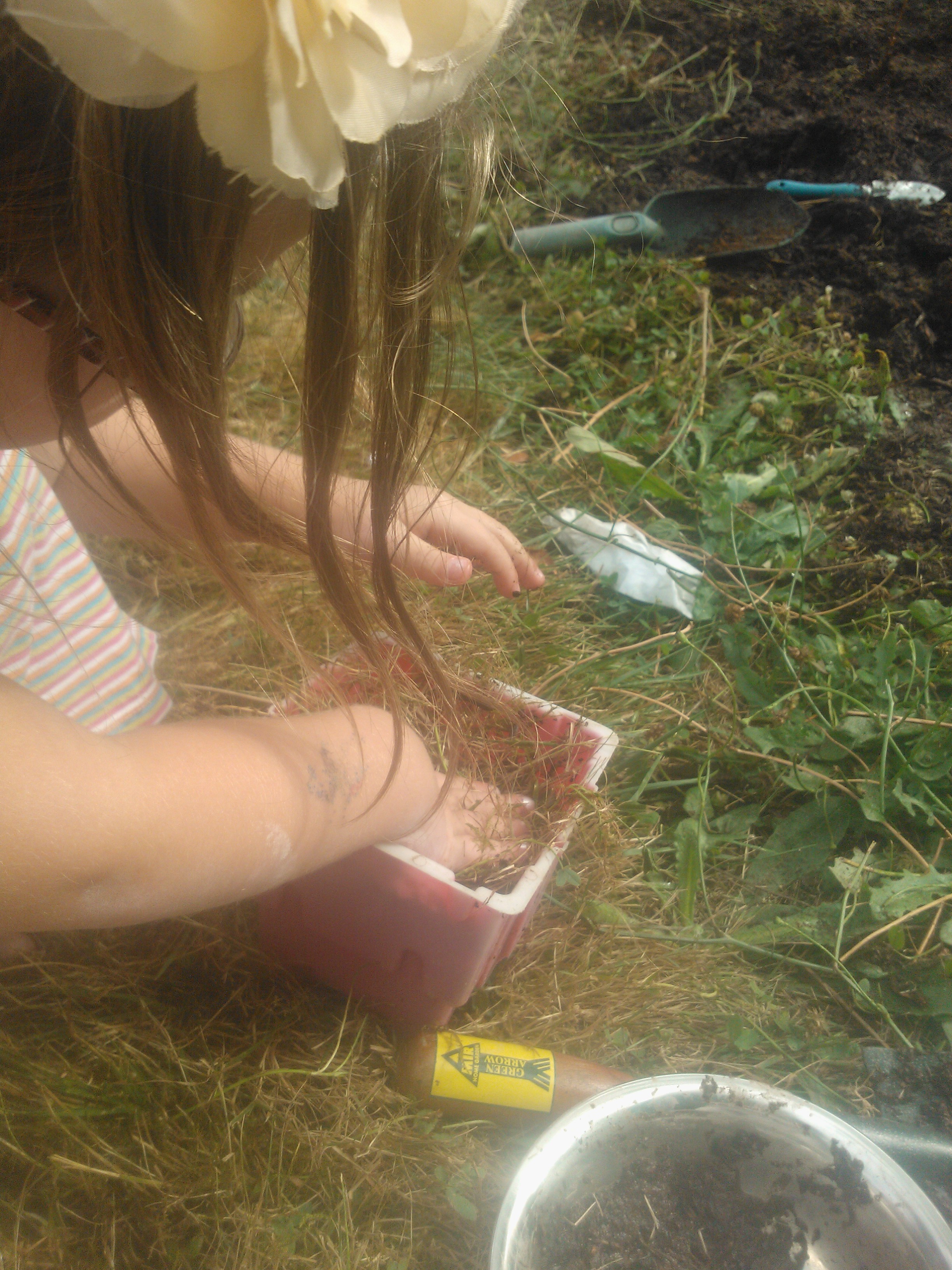
My 3-year-old preferred to make a cake. She sprinkled grass on the top.

I’m looking forward to the change in the weather and seeing how the play develops as the mud changes.

outdoor play
‘I’m decorating my cake. It’s chocolate.’


Do Children Need Toys?

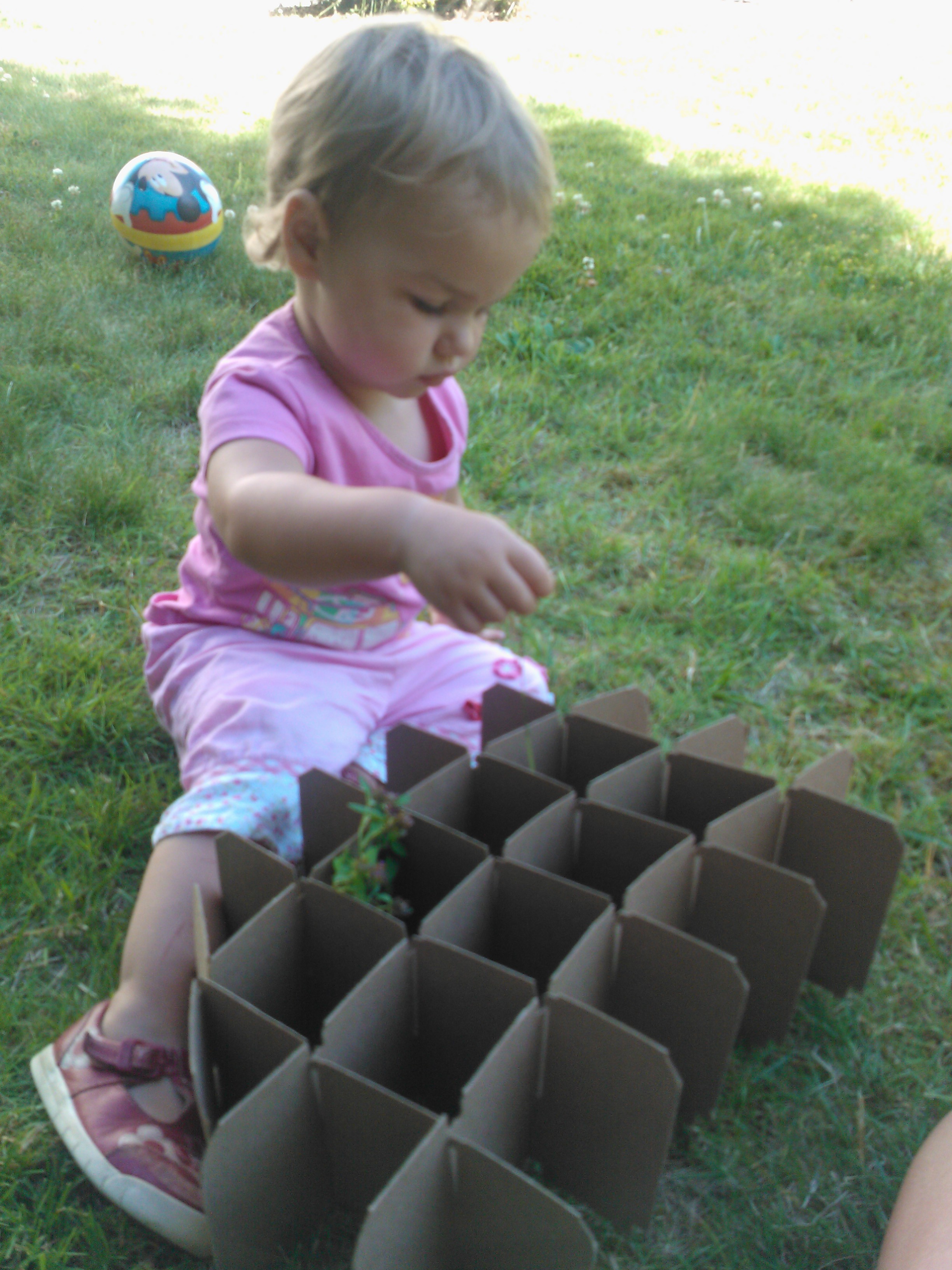
box sortingWe have been in the US for 6 weeks but our furniture and the majority of the childrens’ toys will not arrive for another month.  During this period we have become experts at finding things to play with from around the house.  We brought a small selection of basic toys – colouring pencils, scissors, a glue stick, paper, a ball and a few books, other than that we have made our own fun.  The other children in the street think it is strange to come to a house with no toys but if I am honest I don’t think there is a great deal that the children have missed.

I have been meaning to write a post about some of the household objects that we have played with for some time, but an article that I read yesterday made me look at it from a different perspective.  Sadaf Shallwani’s article Questioning Play and Child-Centred Approaches discusses her experience of teaching children in Pakistan.  Here, childrens’ learning was not built around pretend play but came from real experiences. Children would not learn to cook in a pretend kitchen but would be taught to use real kitchen utensils in a safe manner.

She also questions Western notions of child-centred education.  Early educators try to see the world through a child’s eyes and provide child-sized furniture and objects.  The value of using real objects is recognised in many highly-acclaimed pre-schools.  The schools of Reggio Emilia use many real-life scenarios as the basis for their projects and a colleague who visited the schools was surprised to find the children climbing onto adult-sized chairs and tables. A key philosophy of the Reggio Schools is the belief that children are capable.  With this in mind the teachers help the children to use real tools and objects. Similarly in the Danish Forest Schools that another colleague visited, young children were taught to use real tools and knives to whittle sticks and were free to roam in the woodlands and on the beach and trusted to return at the sound of a whistle.

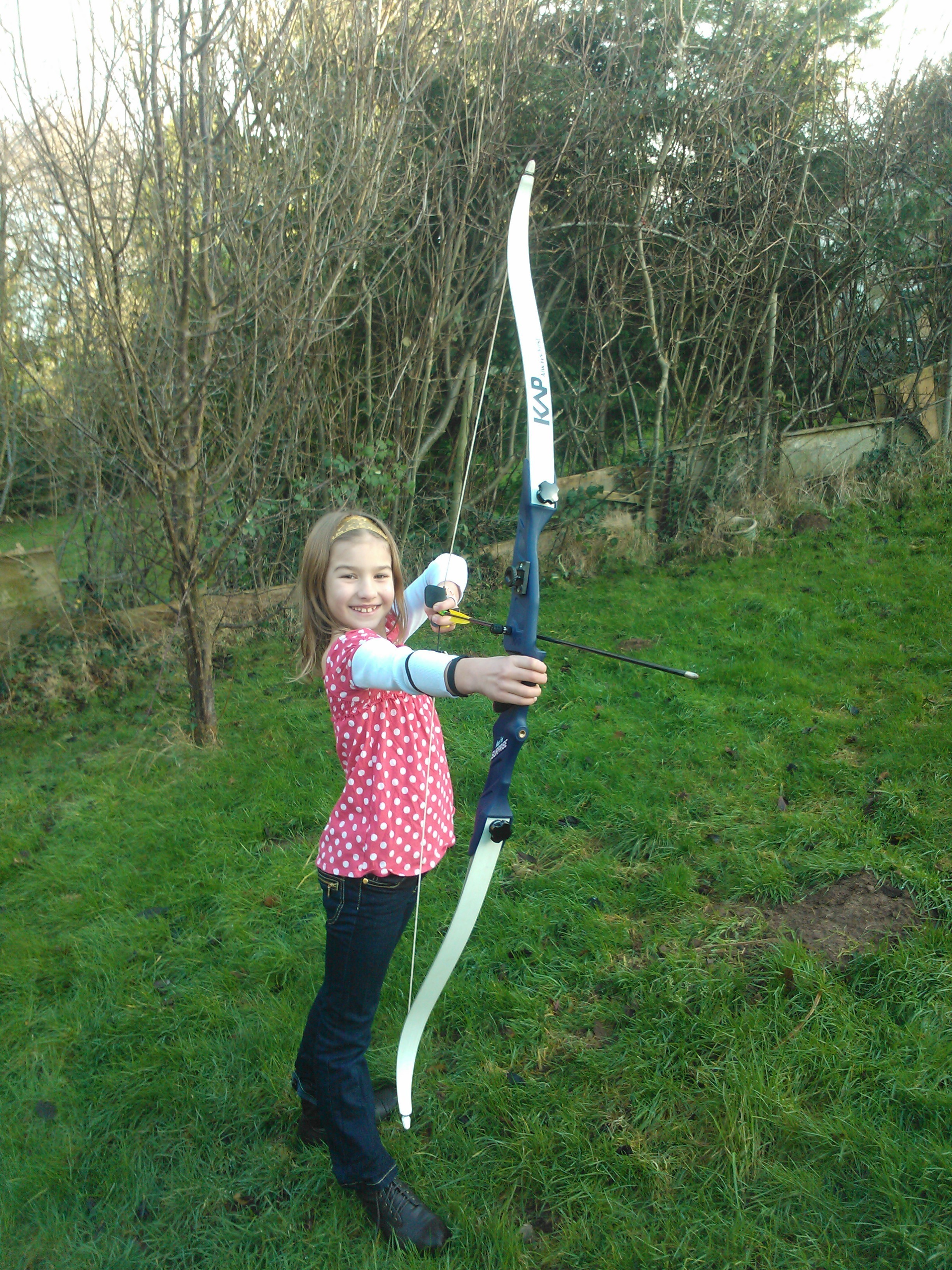
child with archery bowI remember as a child using real objects from my kitchen to play shops and tea parties.  Toy versions of everything are so readily available these days that it is easy to be drawn into the need to buy more and more. It is also easy to fall into the trap of believing that children need adapted versions of things for their own safety. If we trust them with real things, spending time explaining the risks and demonstrating how to use them properly, children are more safety-conscious than those who do not understand the danger of the real objects.

Not having toys has been a very useful exercise.  We have used things from around the house and recycled boxes and paper to create an Olympics and a mud kitchen, we have borrowed books from the library and we have played ball games and skipping.

Here are a few other objects we have utilised:-

Pistachio Nut Shells

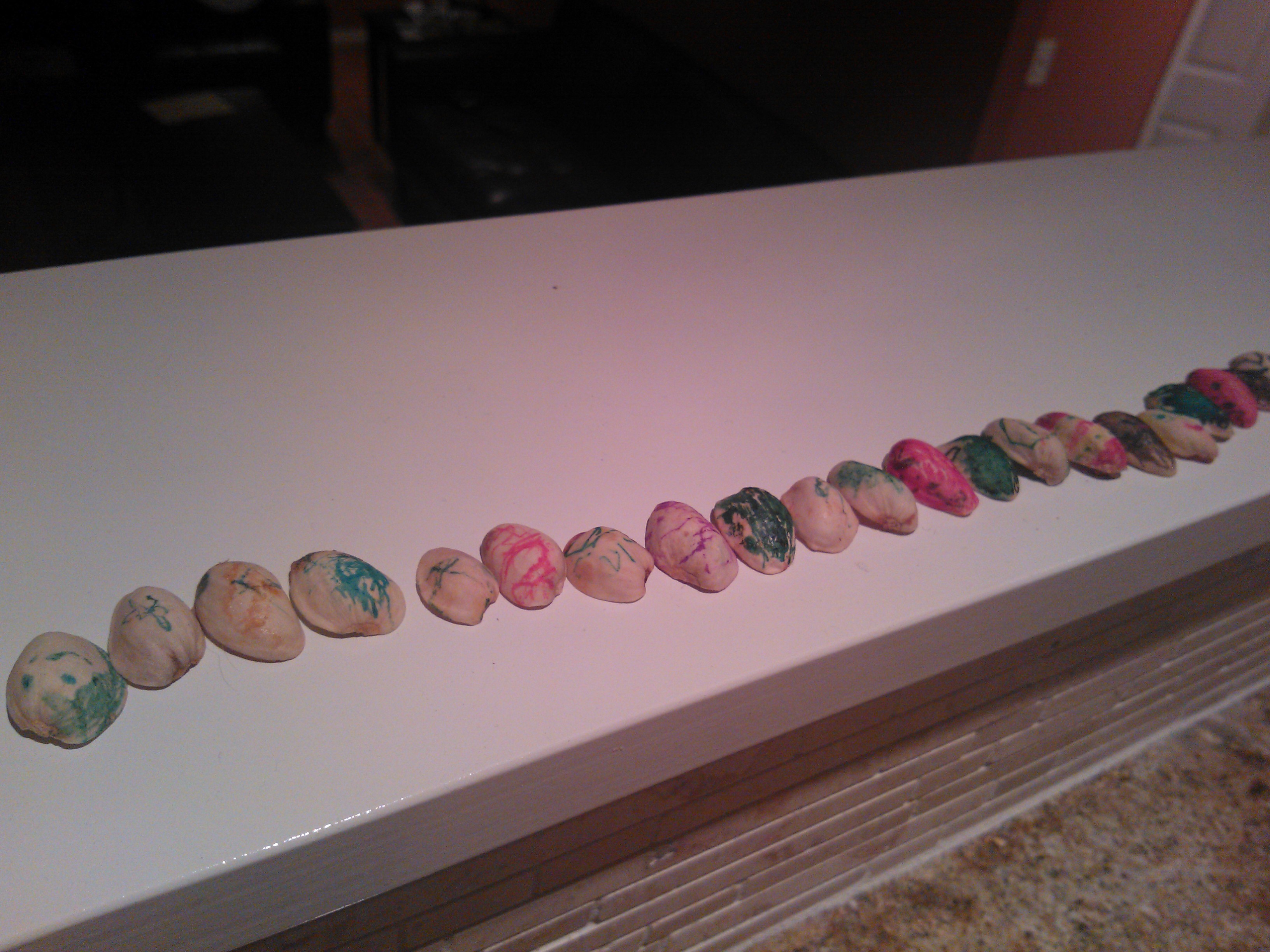
decorating shellsWe saved the shells from our pistachio nuts and the girls had great fun decorating them.  We coloured them so that we could make flowers and patterns and decorated some to look like ladybirds and other bugs.  My 3-year-old chose some pebbles from the garden to decorate as they weren’t quite so fiddly for her small hands.

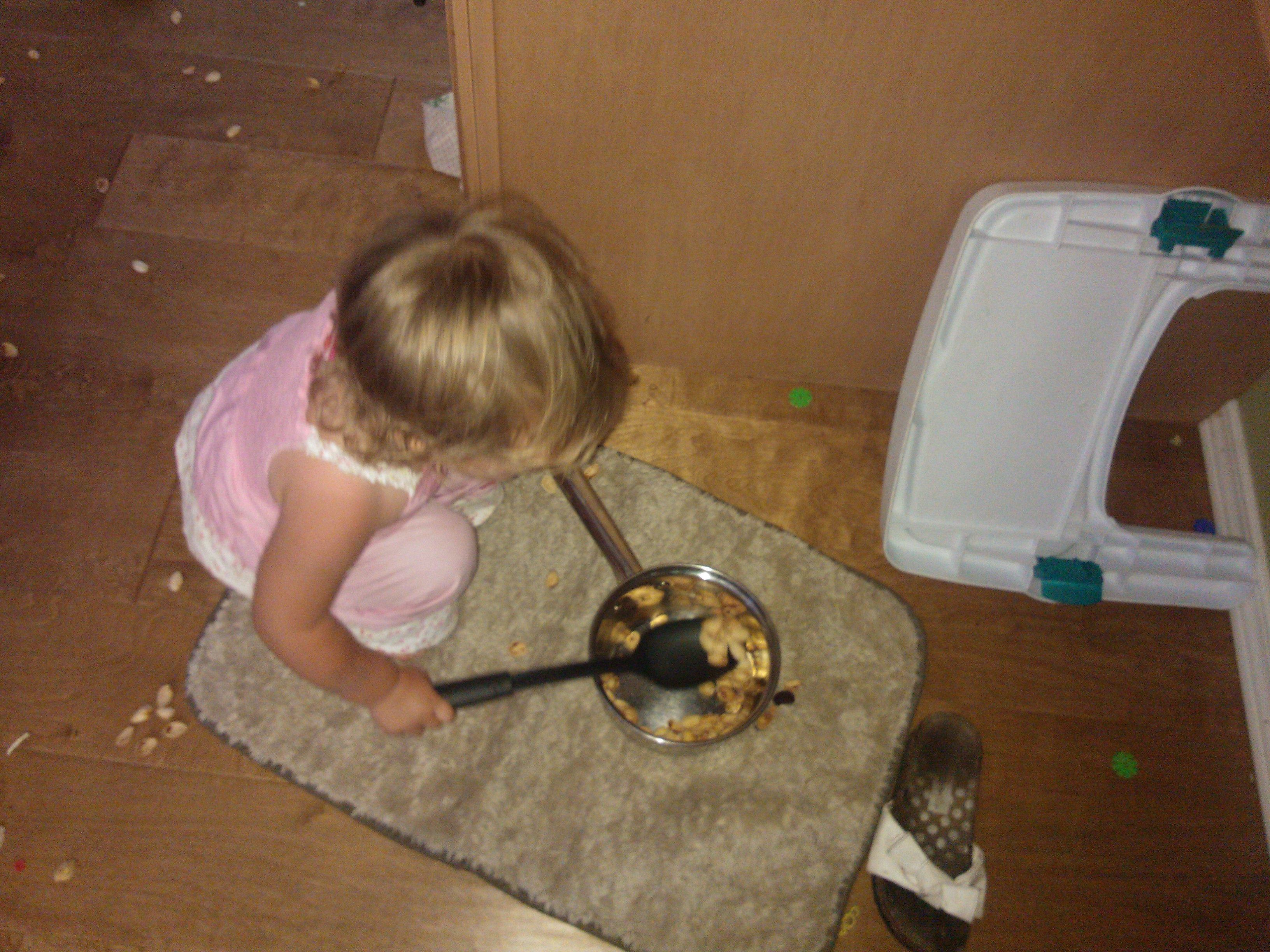
cooking with pistachio shellsOn another occasion I gave my 1-year-old the tub of shells along with a pan, spoon and a number of containers.  She enjoyed scooping them and transporting the shells from one container to another. She also liked the sound they made as they fell onto the floor.  As she walked they stuck to her feet so I showed her how to pick them up with her toes which she thought was very funny.

Coffee Filters

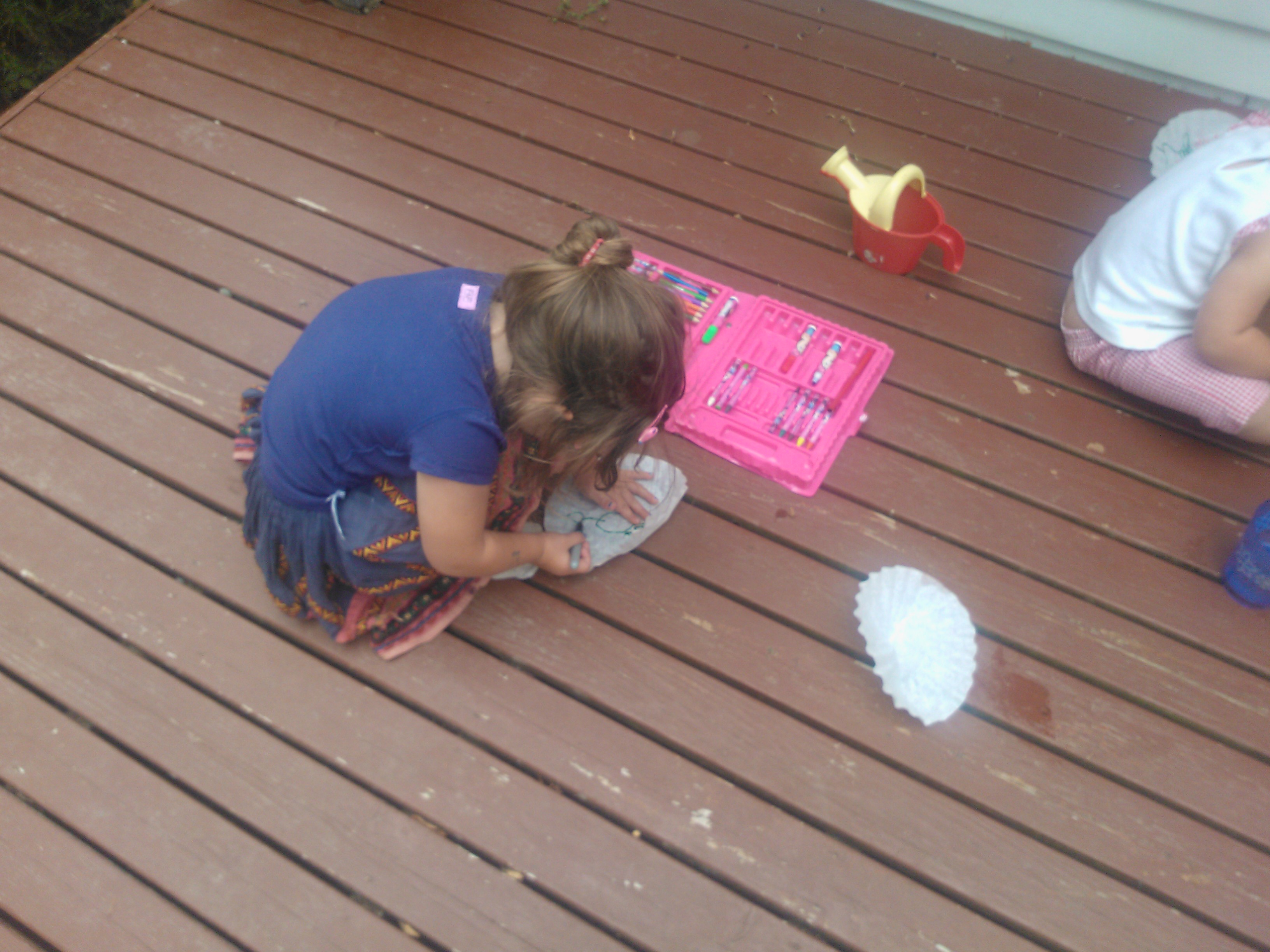
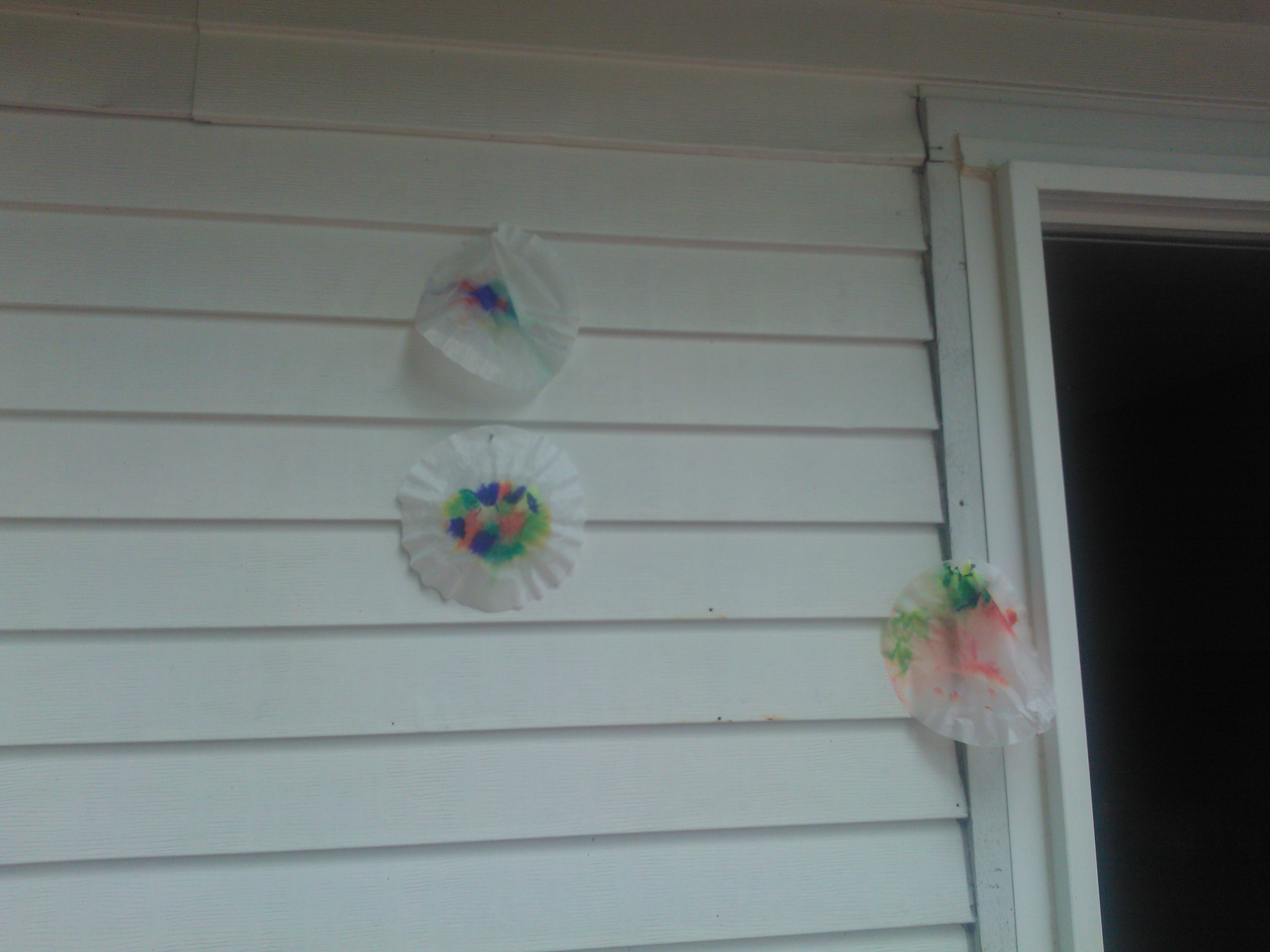
coffee filter picturesI remember doing this activity in science lessons at school.  I gave the girls felt tip pens and coffee filters and asked them to draw patterns on them.

filter coffee pictures

When they had finished they were given a small pot of water and I showed them how to drip it on to the paper creating rainbow colours.

Paper

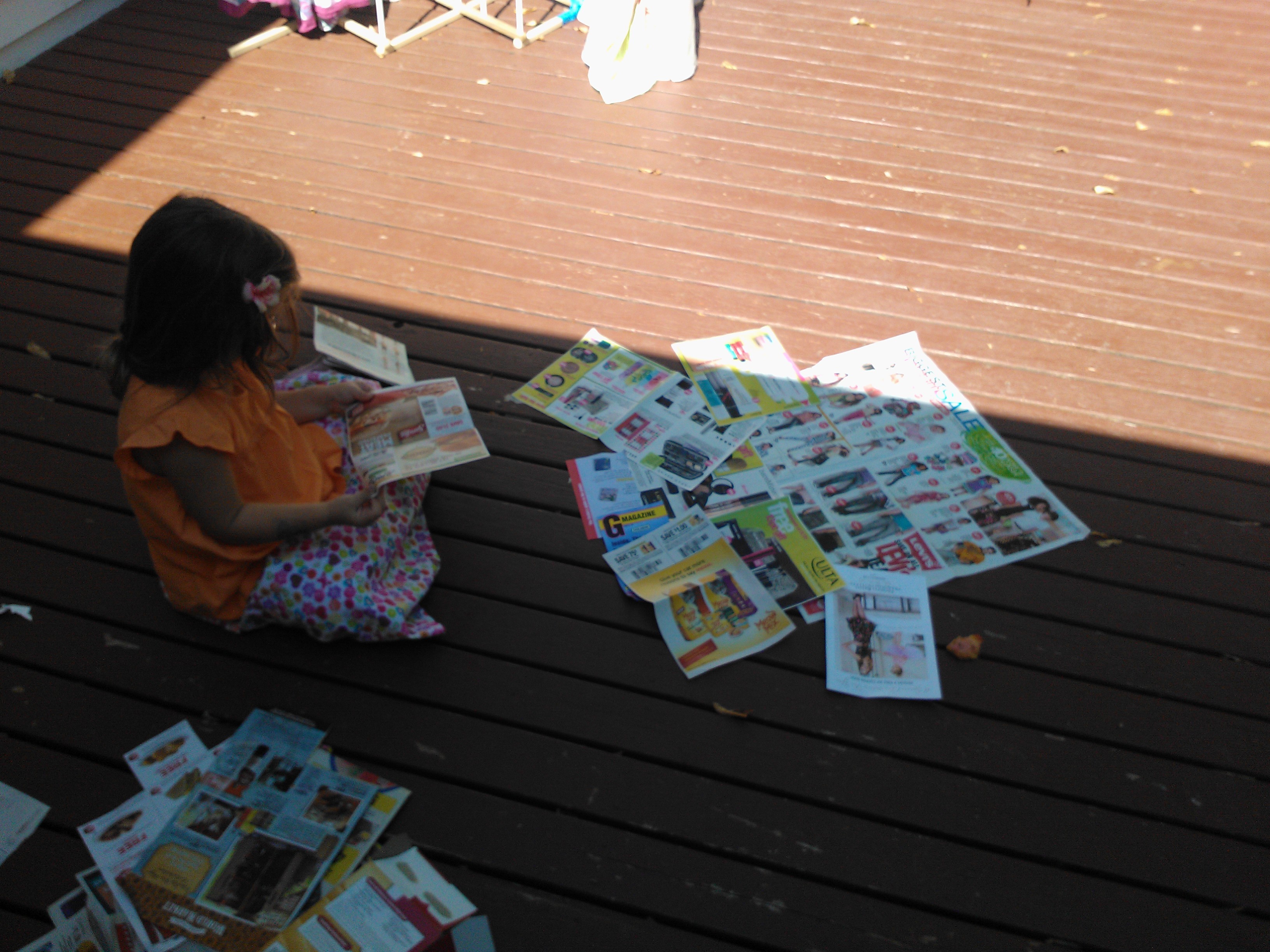
We kept newspapers and magazines with a view to making papier-mache.  The girls would like to enter a local parade on Saturday and I suggested they might be able to make papier-mache masks.

My 3-year-old had other ideas.  She decided to spread the paper across the floor. ‘I’m making a bed’ she said. making a paper bed

She had also made other things for her house by sticking boxes together

I’ve often felt that my house has been taken over by toys that the children hardly ever play with, so I’m not particularly looking forward to them all arriving.  I hope that  being creative with household objects will help us all to think about what we could use instead of buying yet another toy and maybe I can keep most of the toys in their boxes when they arrive.

Pin It

Ideas for Staging a Children’s Olympics

staging an Olympic medal ceremonyFollowing the Olympics from the US has been a little strange.  We’ve caught some of it live, some the following morning when we wake up and some just by following headlines, Facebook messages or Twitter feeds.  The children have been watching it with me and were particularly keen to catch Imogen Cairns from their Gymnastics Academy at home.
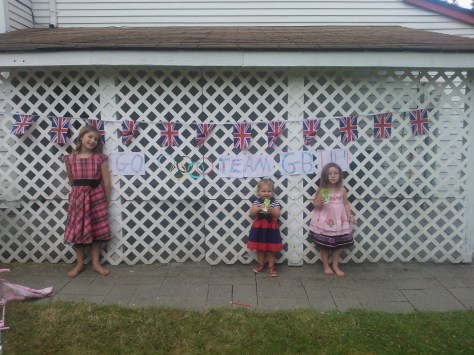
Being such a distance away we thought it was really important to make an effort to support our home team.  We hung our Union Jack Bunting in the garden and the girls made Olympic rings, copying the colours carefully and a sign supporting our team. We then talked about staging our own neighbourhood Olympics, Team GB competing against Team USA.

Team GB sign Olympics

My 8 year old made a list of all the events we could include.  I  ordered a pack of blank medals that the girls could colour and decorate and the girls spent a morning completing them.

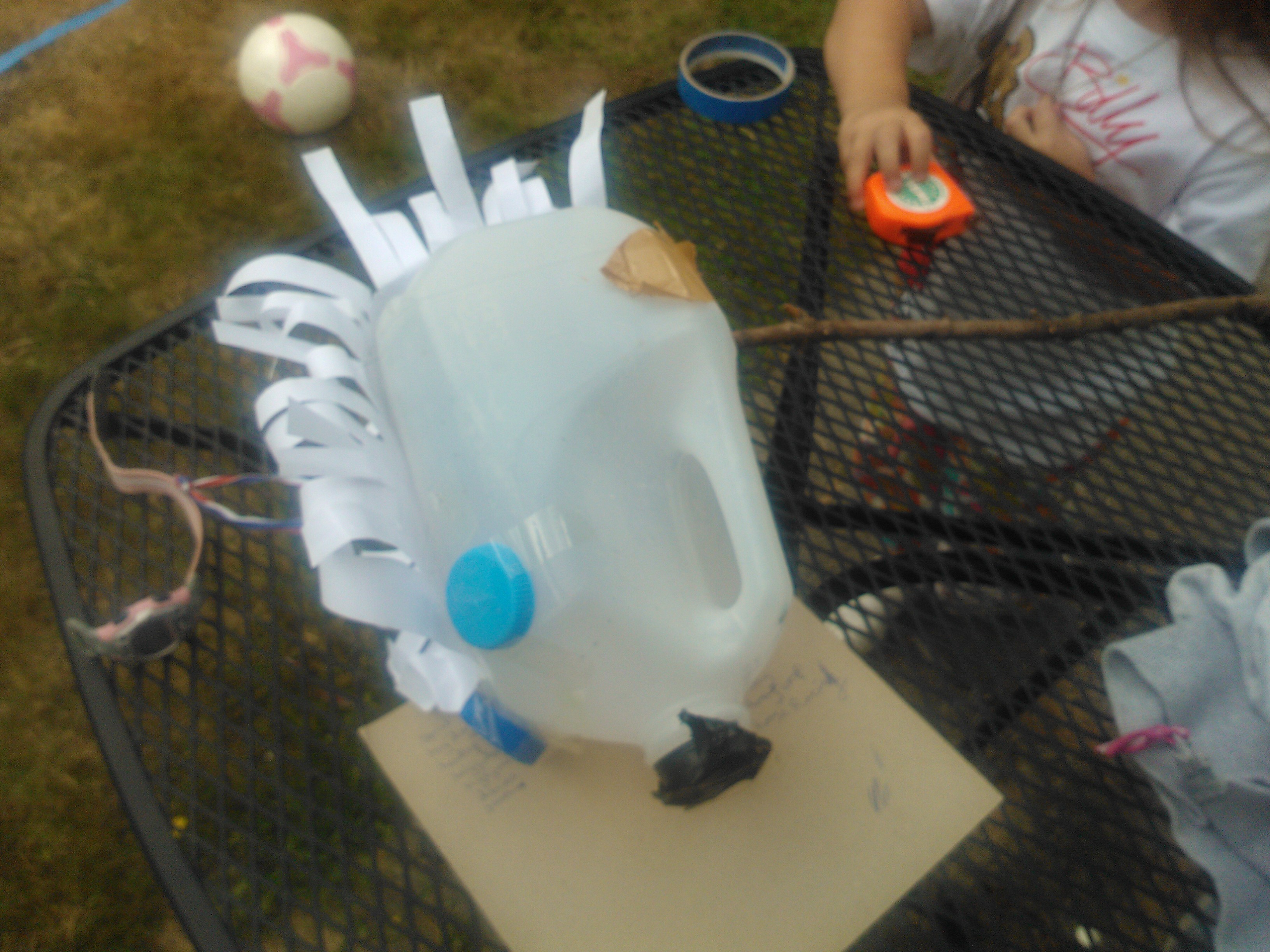
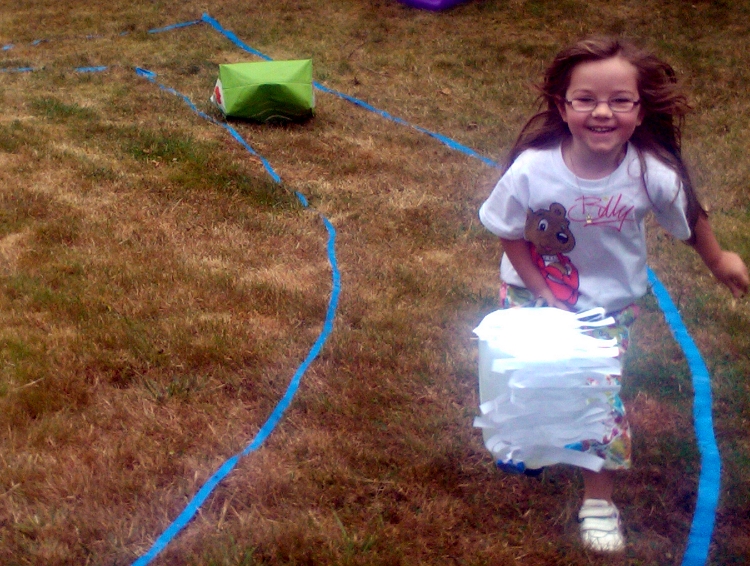
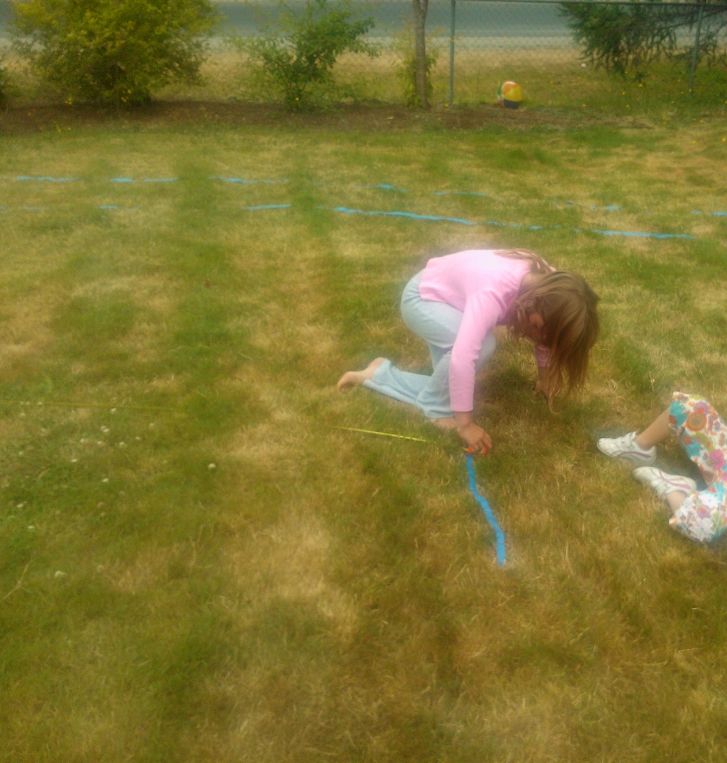
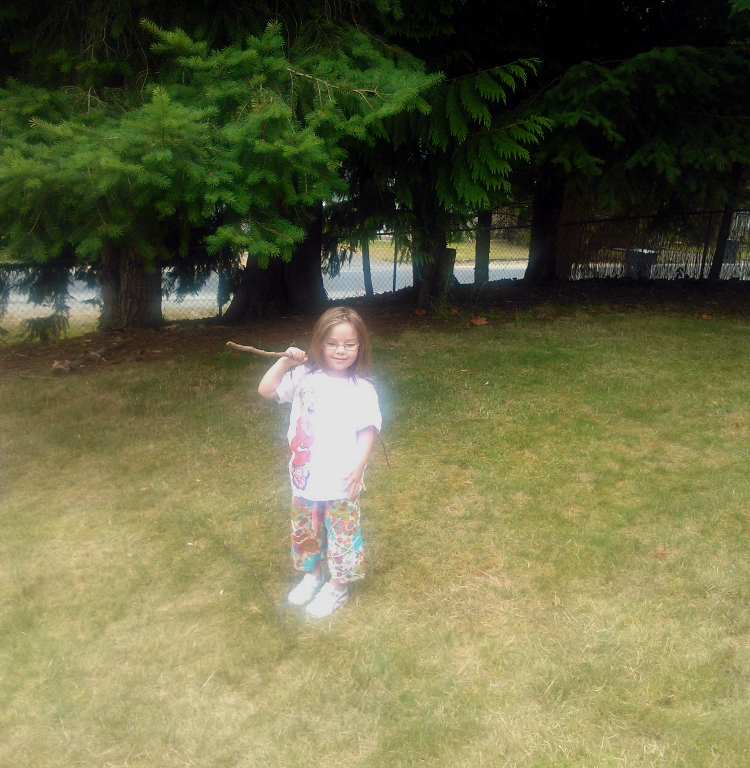
milk carton hobby horseWe made a hobby horse for the equestrian events using a stick from the garden and an empty milk carton. We then set to work marking out a track using masking tape.  A number of low level obstacles were found to act as fences for the show jumping and double up as hurdles.  We also found a straight stick to use as a javelin, a frisbee for discuss and a tape measure and stop watch for accurate results.

Event 1 – Show Jumping

children's olympicsJumping boxes with a hobby horse was quite difficult, my one year old preferred to drag the horse by her side but my 3 year old had a great time.  It didn’t matter to her that she didn’t win gold, she was very excited to stand on the podium (her bathroom stool) and receive her silver medal.  We sang the National Anthem and this has been a really good way for them to learn the words (perhaps I’ll leave the Welsh one until they are a little older).
Event 2 – Hurdles

This was my one year olds favourite event she stepped her way over all the obstacles and loved waiting for the Ready, Steady, Go.

Event 3 – Long Jump.

childrens OlympicsWe marked a place on the lawn where the children would begin their run up and another where they would begin their jump.  I explained that if their foot went over the line then the jump wouldn’t count and they managed to remain accurate every time.  The girls helped me to measure the jumps. My 8 year old fell over every time she jumped so there was a little bit of dispute over where we should measure her landing.
I thought you were meant to fall over, they did on the Olympics

I explained that the Olympic jumpers fall over because they jump such a long way and land in sand. I showed the girls on the tape measure how far an Olympic long jumper would travel and they were amazed.

Event 4 – Javelin

olympic playThe girls found it quite difficult to throw the javelin from their shoulder but managed a few good throws.  I showed them the technique I had been taught at school and my 3 year old who is still deciding whether she is left or right handed needed to work out which was her stronger arm.

Event 5 – Discus

To add a bit of variety I showed them how to spin around and then throw the frisbee.  It took quite a lot of practice as it kept landing at their feet or travelling in the wrong direction, which my 3 year old found hilarious.  Eventually both girls managed good throws, longer than the tape measure, so my 8 year old had to employ her adding skills.  My 3 year old was very proud to win Gold beating her sister by 1 inch.

Events 6 and 7 – Sprint and Long Distance Run.

To make it fair we gave my 3 year old a head start and during the long distance run my 8 year old ran an extra lap.  After winning comfortably she asked if she could race me – I finally won my own Gold Medal.

Our Track and Field Day is over.  Other events the girls want to stage over the next few days are football, tennis, volleyball, basketball, table tennis, gymnastics, boxing, and cycling. We completed our rowing and swimming at the weekend at the lake but the younger ones might enjoy making a cardboard box boat to row. We’ve had great fun and hopefully some of the neighbours will be able to join us tomorrow to get some real competition going.

  • Thanks to Vicki for the show jumping idea.


Goodbye UK – Parties and Holidays

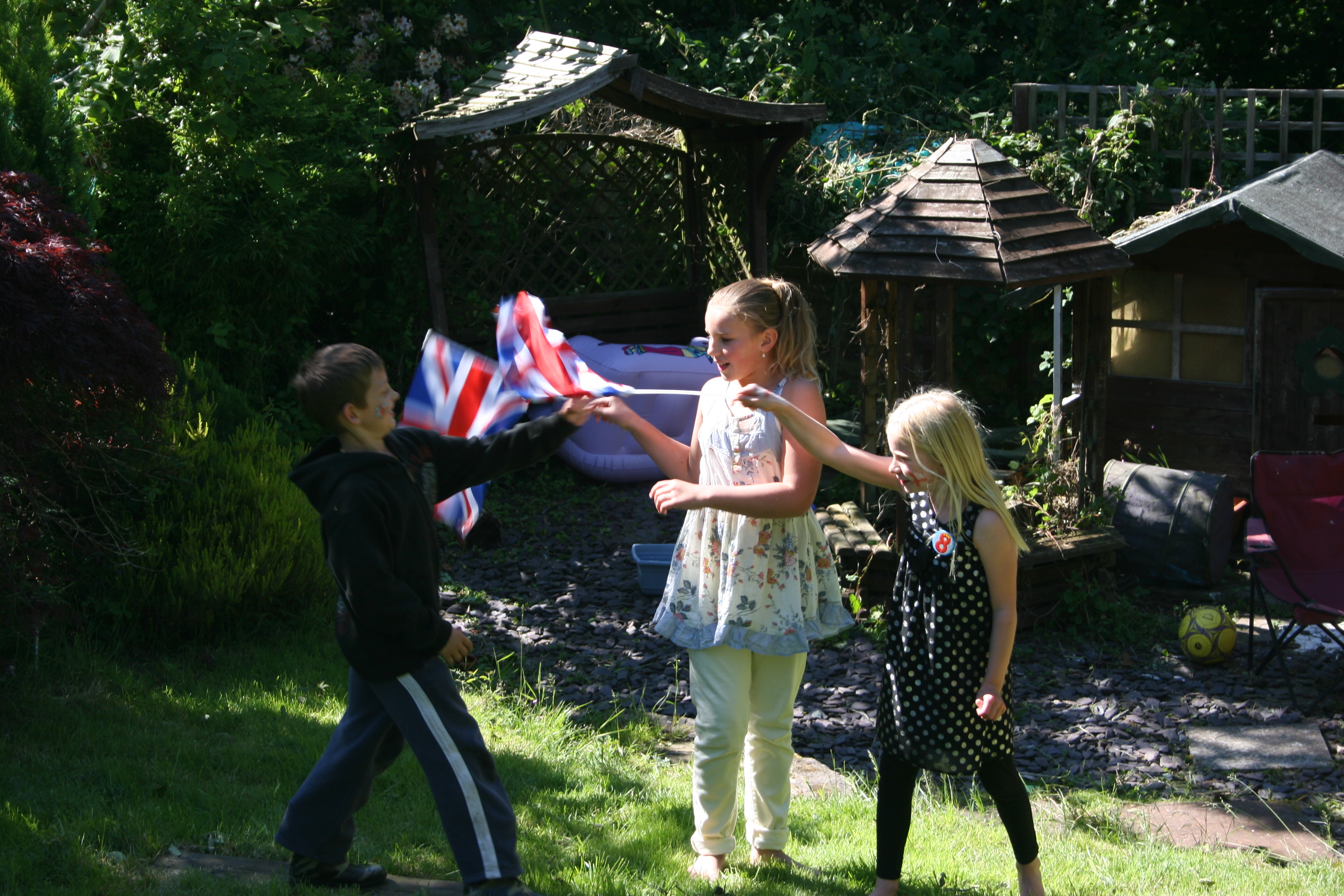
union flagI had a great response to my request for ideas for my British themed goodbye party yesterday.  Thanks to everyone who shared ideas, the party was a resounding success and stress free.  Using some of the ideas from the last post and some of her own, my 8 year old took control of the children’s party. She set up a stall painting faces and nails which kept a crowd of girls occupied for many hours.  A friend even spotted he’d had his name painted on his leg and in a haze of cocktails hadn’t noticed!

british face paintWe set up colouring sheets of Union flags and blank bunting inside (due to the wind) and my daughter decided to make this a competition.

Next, the races – sack races were really popular and prizes given out for the winners.sack race I hear egg and spoon races were abandoned because it became too difficult to control.

We had meant to set up biscuit decorating but I forgot and spotted the biscuits in the kitchen at the end of the night.  We’ll have to save that for another day.

The beautiful and unexpected weather made it the perfect British Garden Party, with good friends and neighbours and a few lethal cocktails.  We even had an appearance from my husband from the other side of the world thanks to Video Kinect.

To continue the British theme we are heading off for a great British holiday at Butlins this week.  Thanks to the Butlins parent ambassador programme we are heading to Bognor Regis for a 5 day break with my brother and his family.  My dad and step-mum are joining us for a true family farewell.  I believe the forecast is rain, so we will be sent off in true British fashion.

Will Changing Ratios for Childminders Improve Quality?

As I was driving yesterday a discussion came on the radio that took my interest. The discussion was regarding proposed changes to make Childcare in England more affordable and improve quality. Great, I’m a fan of both of those.
However, the proposal suggests that the way to achieve this is to allow childminders to care for more children, five under 5’s (two of which can be under 1).  Allowing childminders to care for more children would attract higher paid and therefore better qualified staff, in turn raising quality.

HOLD ON A MOMENT…..

Am I missing something here? I have three children (two under 5) and looking after three children on my own is hard work. If I met a woman with five children under 5 I would either think she was some kind of superwoman or look upon her with extreme pity. I am one of these supposedly highly qualified women they refer to, I have a teaching qualification, extensive experience in Early Education and Childcare and a masters degree in Psychology of Education. Even with all this knowledge and experience nothing on this earth would convince me to look after five children under 5 all day.

I have an amazing childminder and choose a childminder for my kids so that they have quality time with one carer.  My childminder loves children, they do loads of fun things and she is unflappable. I admire her calm demeanor on the school run with 6 children – my idea of hell. Maybe it’s just me who thinks this idea is bonkers and will reduce quality rather than raising it? To help decide I asked my calm collected childminder for her response.

It ended with

I bet you wish you hadn’t asked!

On the contrary, I’m pleased to say I’m not alone in questioning the proposals.

Well, I have 4 each day and I personally think it would be impossible to have 5 and give any good level of care. I am able to offer places to 4 as I have known the children a long time and they gel together very well. However if you had an unsettled child and were caring for 5 I think the others in the setting would suffer.

The report also states that the numbers of childminders have halved in the last 10 years. From my experience of training childminders when the EYFS was introduced in 2008, they were dropping in their droves because of the amount of admin and paperwork involved and the bureaucracy of  inspection.

This is echoed by my childminder

 …the so called revised EYFS isn’t less paperwork as they have now given childminders the job of doing the 2 year check previously done by the health visitors. Oh don’t get me started  !!!!  I either need to employ an office worker to do my paperwork or stop playing with the children in my care which is what I really enjoy.

I’m so lucky to have a childminder who puts the children first, affordability and quality – I’m not convinced you can have both.

You might also be interested in proposed changes to childcare ratios, for better or worse

Saying Goodbye to my Pink Nissan Figaro

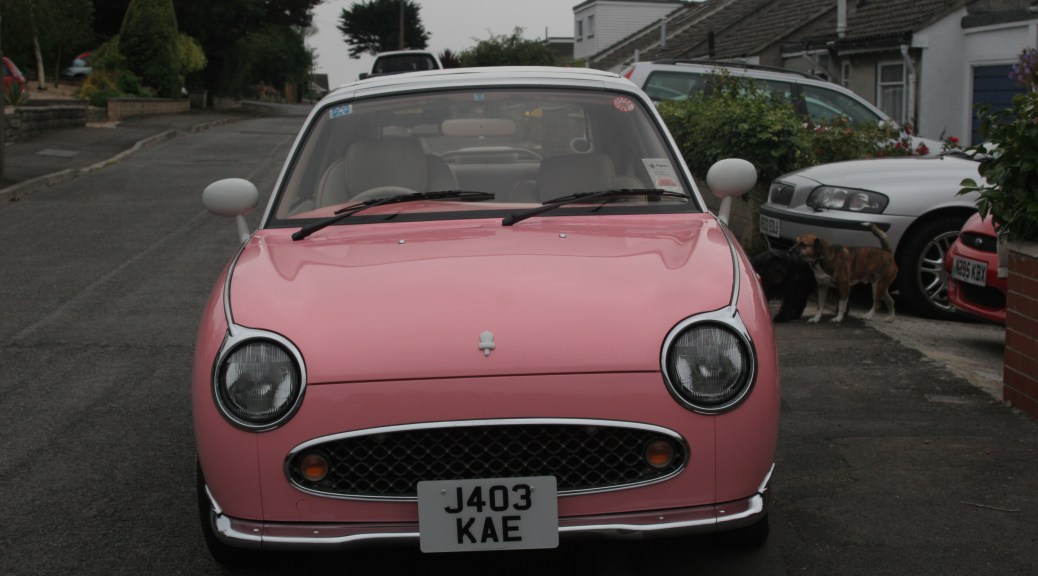
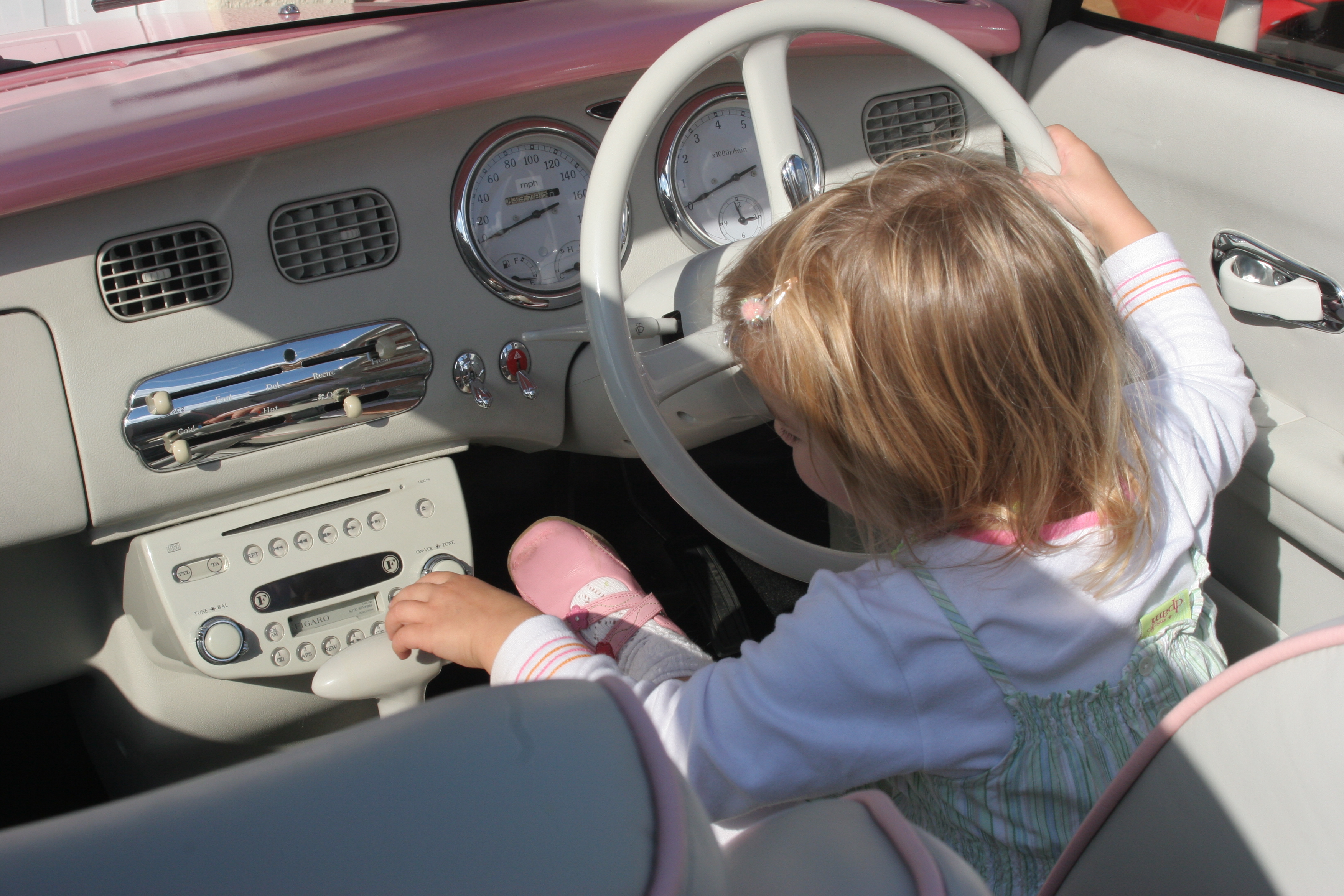
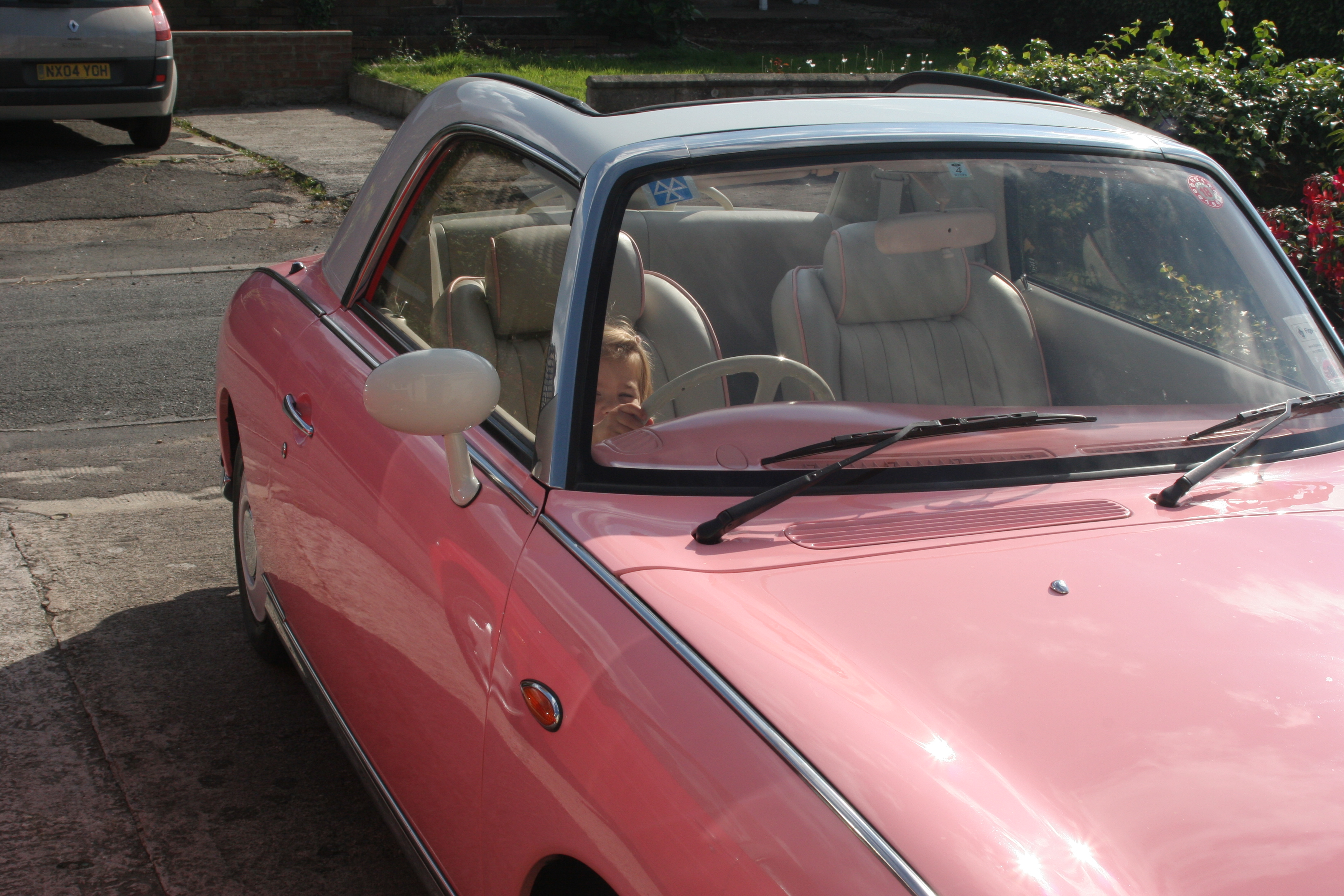
pink nissan figaroLast night  after living in my garage for 18 months, my beautiful Nissan Figaro finally saw the light of day.  As I drove it onto the driveway I felt sad that I will soon be saying goodbye to this wonderful car and the memories it holds.

I haven’t driven it since the birth of my 3rd child, trying to manoeuvre 3 small children in a tiny 2 door car became too impractical. I now drive a car from the other extreme, a huge 7 seater Chrysler Grand Voyager, practical, luxurious but lacking the sentimentality and character of my beloved fig.

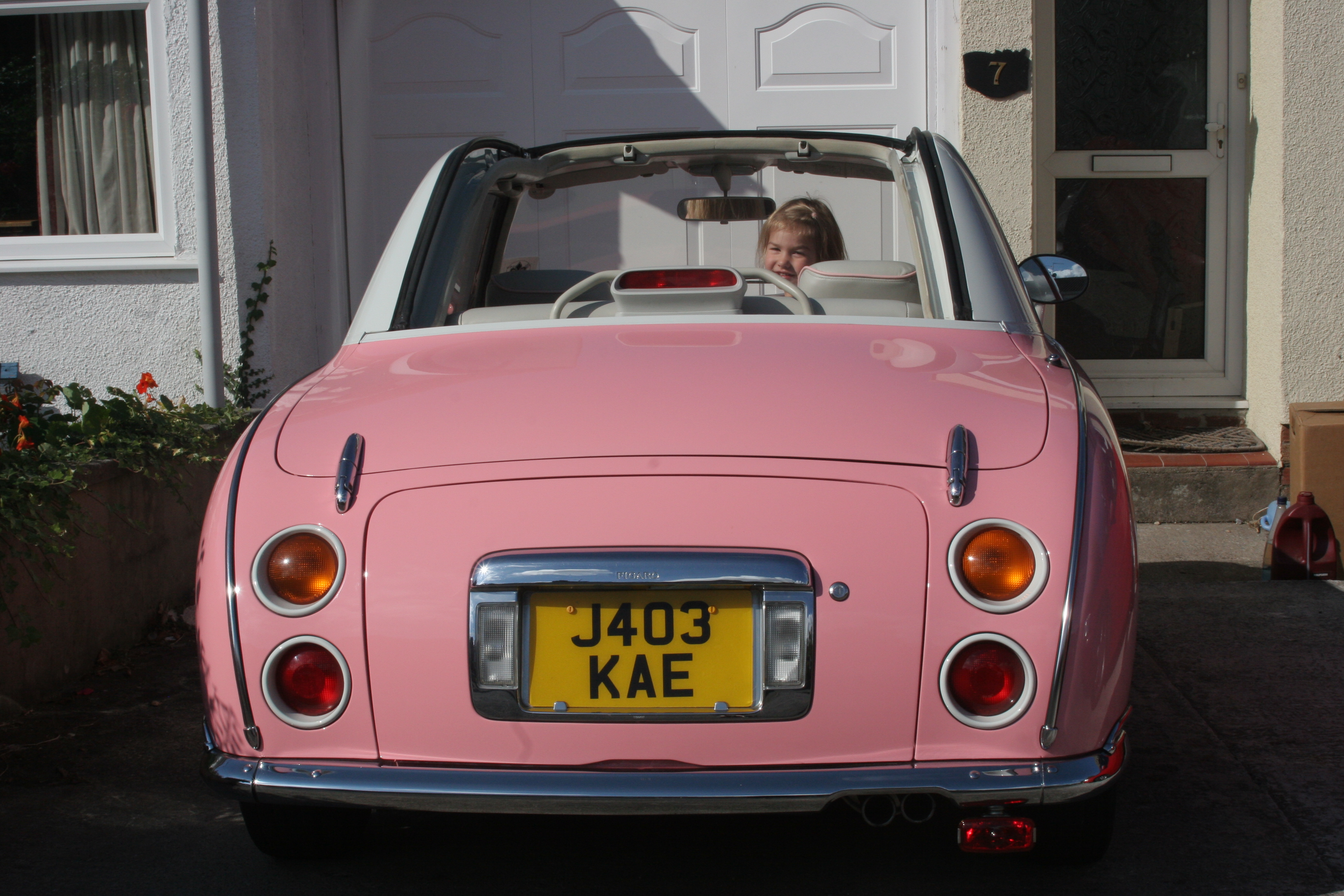
pink figaro rearThe Fig represents a life lost, as I smelt the leather and heard the familiar heavy clunk of the doors, I remembered the days when I went out to work, driving without children with the roof down in the sunshine.  Days when our then family of 3 would go out to the pub for lunch and watch as everyone stared at us, especially little girls).  My daughter was the envy of the town as she went out with mummy in her pink car.

Five years ago I was looking to replace my car and lots of discussion ensued. At the time we were trying for a second baby but after a few sad episodes it was uncertain whether this would actually happen.  My previous car was a cabriolet and I loved driving with the roof down in the summer so we looked at various cabriolets with boot space big enough for a buggy. Then one evening my husband asked what car I would choose if I could have any car.  This was easy, since seeing Figaros on the web I had fallen in love with their retro look and beautiful interior and the girly pink one was the one I coveted most.  Acknowledging that we shouldn’t put our lives on hold, my husband suggested I stop being practical and just go for what I really wanted.  I have to say I didn’t take much persuading.

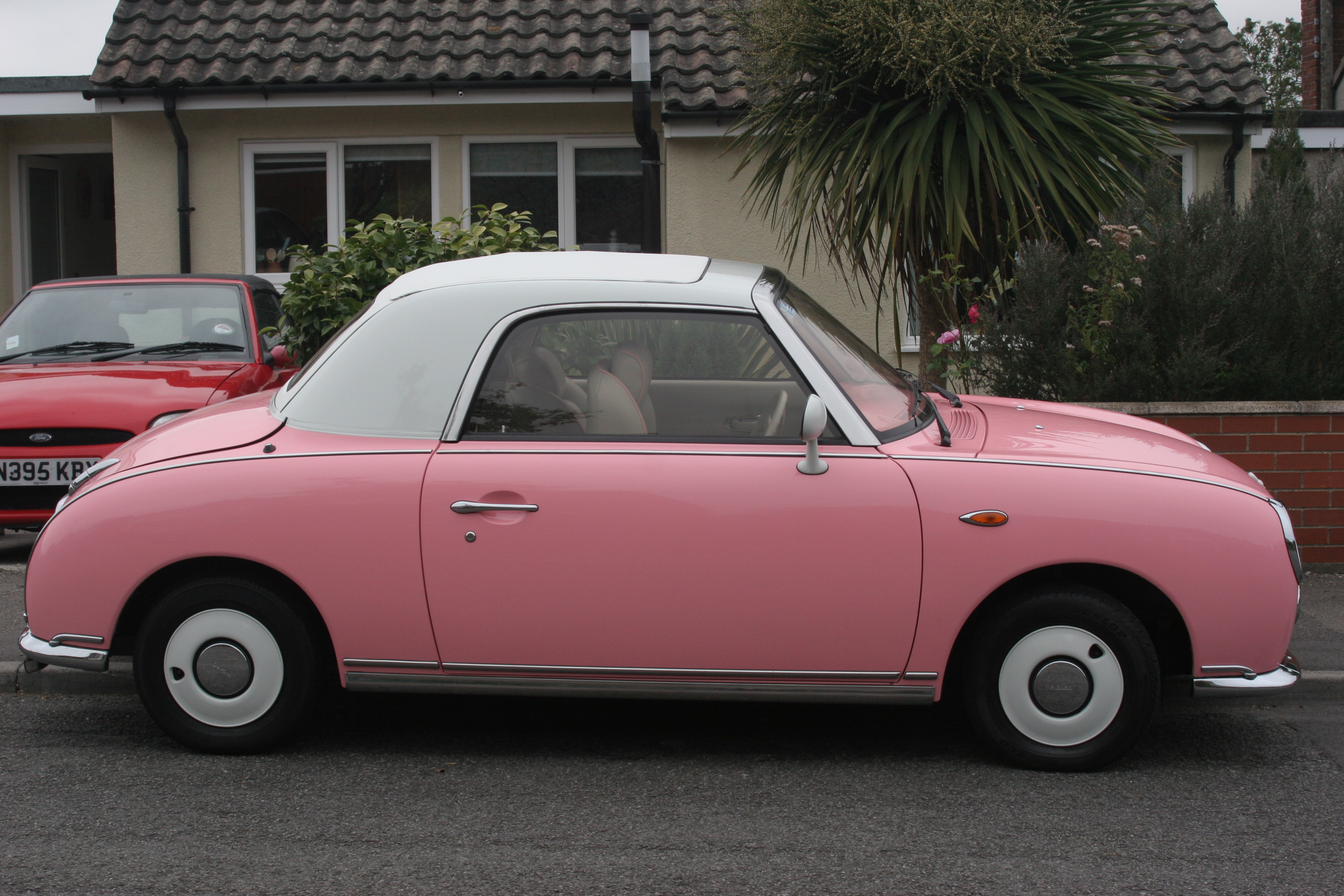
pink figaro side viewFigaros are imported into the UK from Japan where a limited number were produced in the early 1990’s for Nissan’s anniversary year.  Mine was shipped to the UK and refurbished  to a wonderful standard by Algy’s Autos.  Pink isn’t an original colour but it was made to order with pink piping on the leather seats and pink interior.  My Figaro is a 1991 model  and comes with air conditioning, electric windows and cd player.

Figaros and Babies

Soon after collection, I fell pregnant with my 2nd daughter. It was a great pregnancy car because there is loads of space in the front, and being an automatic, with my short legs I don’t have to squash up to the wheel to reach the clutch.

figaro interiorThere was no way that I was going to trade in the Figaro for a bigger car, so I spent time researching buggies that would fit into the tiny boot.  After trying pretty much every buggy Mothercare stocked I found the Quinny Zapp fitted in the top boot (the one that holds the roof when the top is open) and the frame could be used with a Maxi Cosi car seat to use from birth.  From 6 months old the smallest Maclaren buggy, the Volo, fits in the tiny bottom boot allowing  babies to be driven with the roof down (if they can cope with the wind).

The car has 4 seats; the back seats are small and don’t have a lot of legroom but are big enough for children, car seats or short people like myself.  A rear facing stage one car seat fits comfortably in the front passenger seat but can also fit in the back with a bit of manoeuvering.

For  Sale

pink nissan figaroI love my Figaro but as we are moving overseas I am going to have to let it go.  She has 48750 miles on the clock, has always been kept in a garage and has been wax-oiled underneath. As a 1 litre turbo  automatic she is not for speed freaks but for style and fun she is difficult to beat.  She is selling for a price of £7,000 ono.

In the meantime I am going to get her back on the road and my girls and I are going to enjoy her for the short time we have left.

How to Make Welsh Cakes for St. David’s Day

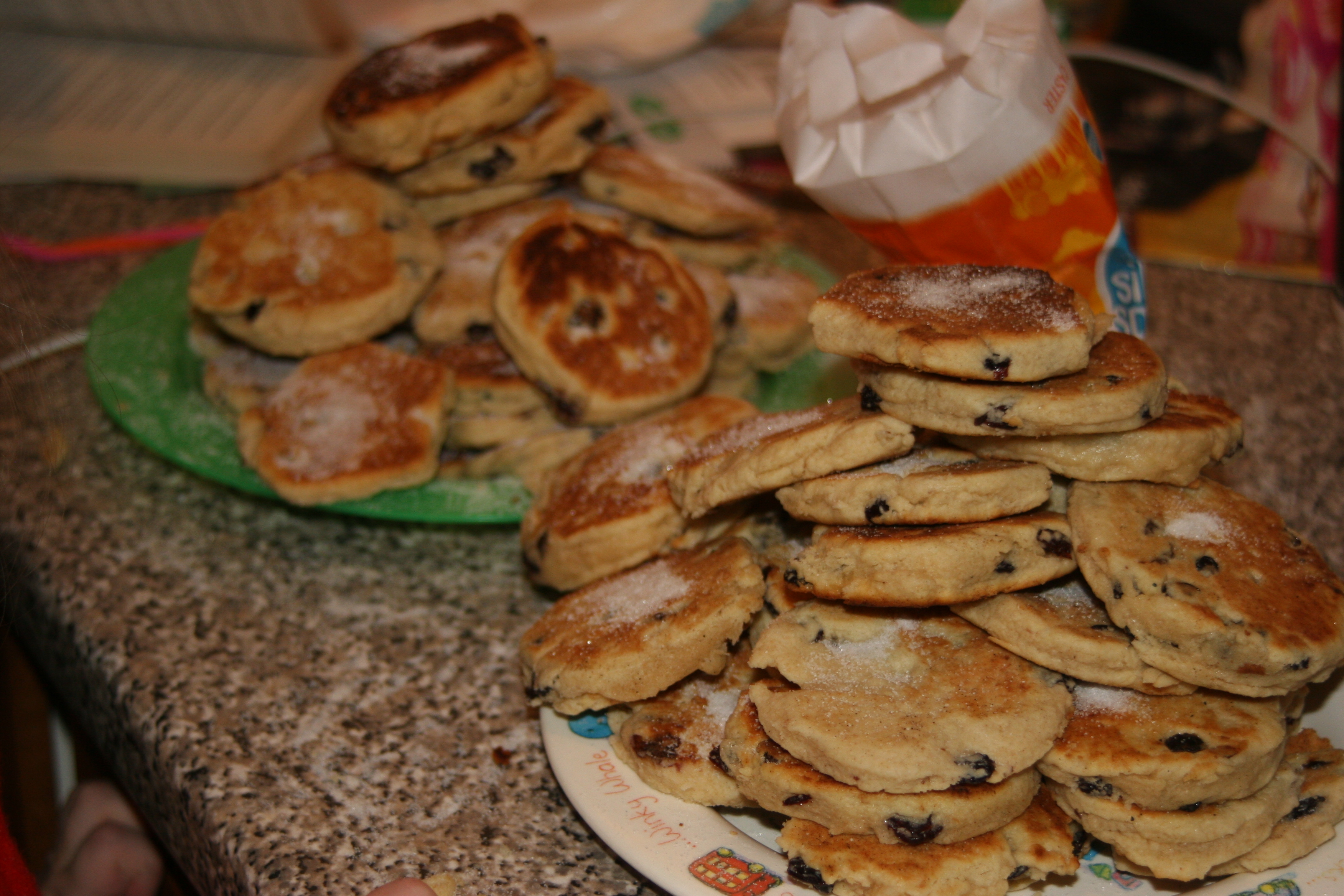
welsh cakesIt has become a tradition in my house that we make Welsh Cakes for St David’s Day.  As a child in Wales St David’s Day was a big event.  We would go to school dressed in traditional costume. The morning would involve a special assembly during which we sang Welsh songs and presented prizes for the Welsh themed art and craft activities we had been involved in. We even had a half day to mark the occasion.

Living in England, St David’s Day is a low key affair but I always wear my daffodil and make Welsh Cakes.

Ingredients (makes approx 24)

175g( 3/4 cup) butter and lard mixed

450g (2 cups) self-raising flour

175g (3/4 cup) caster sugar

1 tsp baking powder

1 tsp mixed spice

75g (1/3 cup) currants

2 eggs

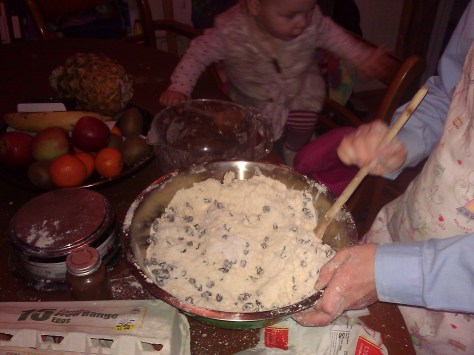
rub fat into flour
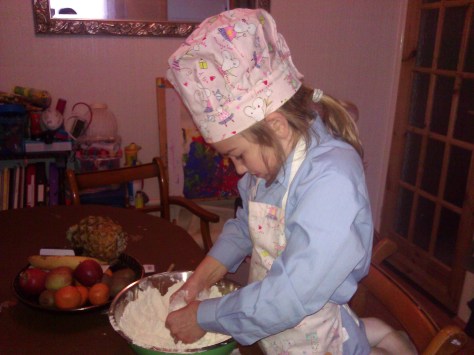
Step 1. Rub fat into flour (or tickle it)
baking
Step 2. Add the other dry ingredients.
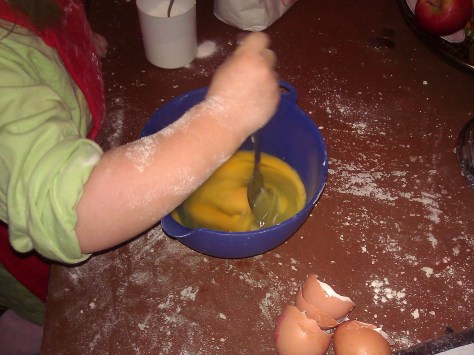
beat eggs
Step 3. Beat eggs and add to mixture
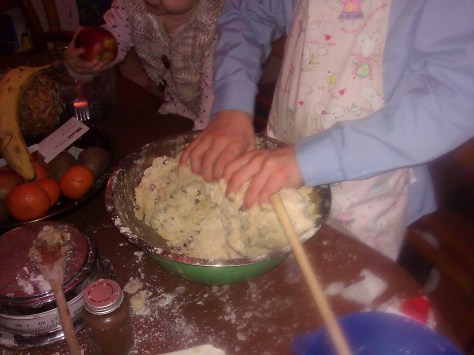
knead
Step 4. Knead into a dough

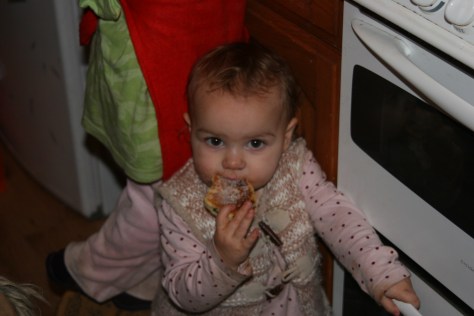
(Spot the baby cunningly stealing an apple).

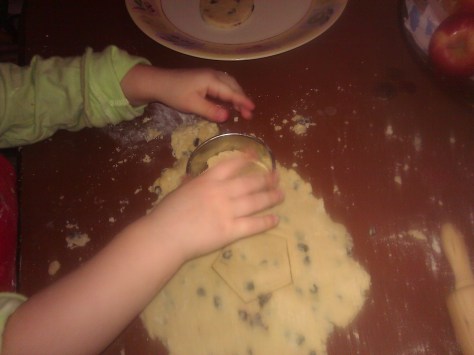
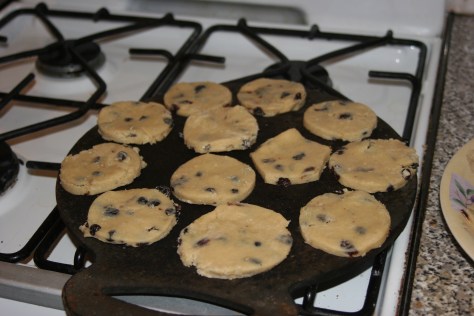
welsh cakes
Step 5. Cut out shapes
welsh cakes
Step 6. Cook on a griddle

Welsh cakes are traditionally cooked on a bakestone, a cast iron or steel griddle that would have been placed on the fire. If you don’t have one a heavy frying pan would suffice. Place it on the hob on a very low heat.

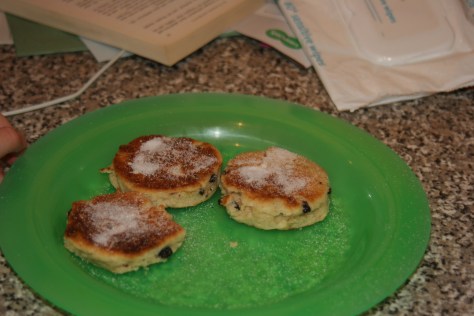
welsh cakes
Step 7. Sprinkle with sugar.
welsh cakes
Step 8. Eat

CBeebies -Tree Fu Tom (raising awareness of dyspraxia)

We have been  previewing a new CBeebies programme this week and we are very excited.  Not only because the wonderful David Tennant is voicing one of the main characters but also because it is well researched  and encourages children to actively participate in the story.

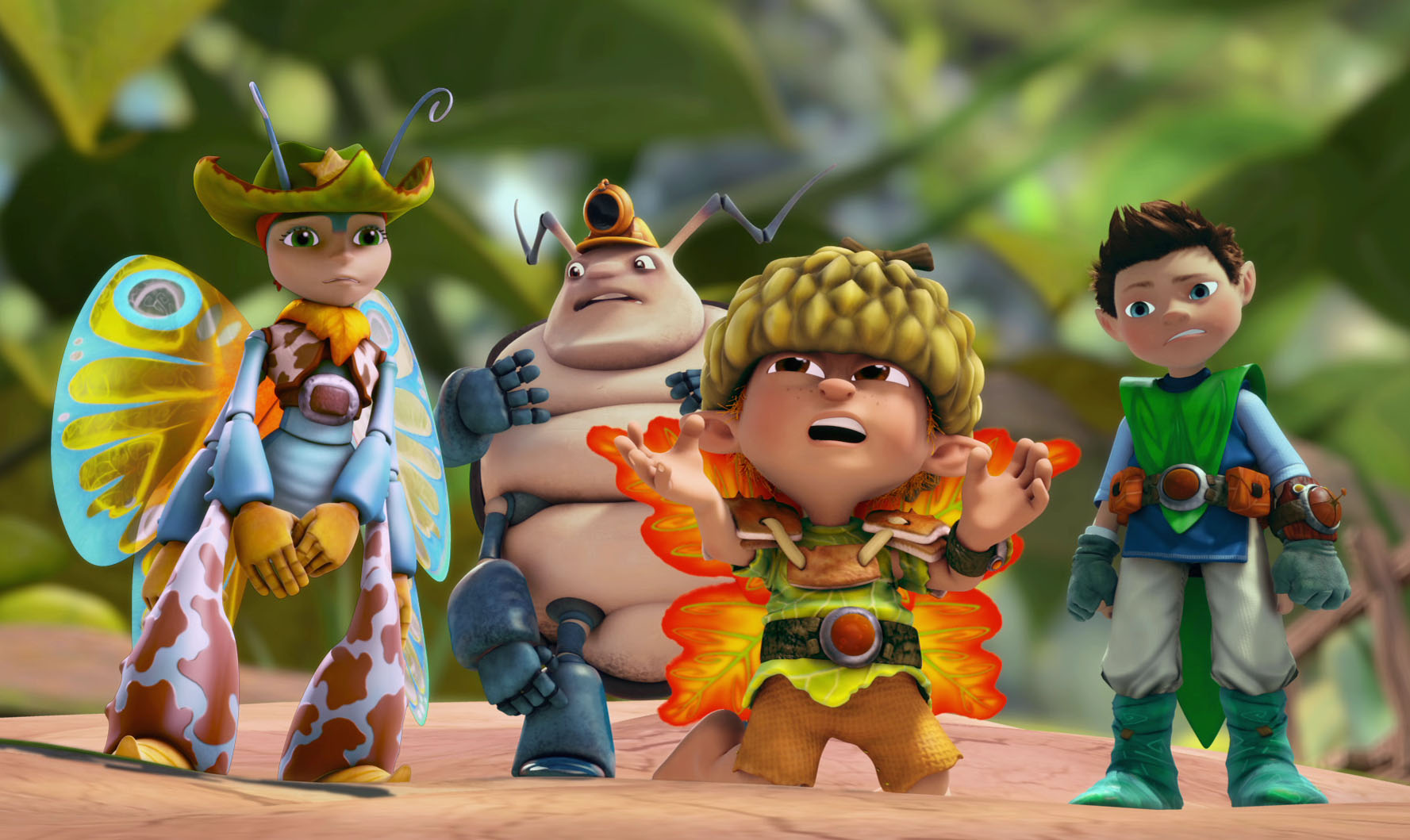
Former Doctor Who stars David Tennant and Sophie Aldred voice the lead characters Tom (Aldred) and Twigs (Tennant) in the new multi-platform fantasy action adventure series, Tree Fu Tom coming to CBeebies in March. Twigs is a wonderful character, beautifully animated, incredibly cute and full of vibrant energy.twigs


Aimed at four to six year olds, Tree Fu Tom is set in an enchanted world where movement creates magic. Tom appears to be a normal eight-year-old boy but putting on his magic belt and performing a special sequence of magic action-movements (known as Tree Fu) transforms him into a tiny but mighty magical super-hero.
All of the Tree Fu magic moves that children are encouraged to copy are developed from therapeutic techniques that are used to help children with movement disorders like dyspraxia, but are designed to assist and enhance the development of all participating children at a crucial time in their growth.

Magic is an essential part of Tree Fu Tom and children are encouraged to participate in the movement-based Tree Fu spells to affect the outcome of each episode. Dyspraxia Foundation movement specialists Sally Payne and Dr Lynda Foulder-Hughes worked closely with the series choreographer Nick Kellington to develop unique spell movement sequences that reflect the narrative of each story-line and which have a “cool” martial-arts type feel (which is particularly engaging for boys). However the programme is equally appealing to girls with its beautiful animation, captivating any girl who is interested in fairies and elves.

My girls loved it (it even drew my 7 year old away from CBBC for a moment).  I asked my 3 year old what she liked about it

 I likeded the bit where he did magic – he crouchded down and jumpded like frogs and it went magic.

Participation in the magic spells was clearly a hit with her.  The nature of the programme also lends itself perfectly to becoming a Kinect game, imagine how magical it would be to copy Tree Fu Tom’s movements, creating your own spells and going on a personal, fantastical journey.

Tree Fu Tom has his own online section which includes 6 action packed games  developed in consultation with a Senior Educational Psychologist.  There will also be further support in the CBeebies Grown Ups Section.

Tree Fu Tom and Dyspraxia
Dyspraxia and coordination difficulties are common, life-long conditions that affect up to 10 per cent of school-aged children (two per cent severely). It is an impairment of the organisation of movement and is the result of an immaturity in the development of the nervous system. This means that nerve signals are not transmitted effectively from the brain to muscles, affecting a person’s ability to perform movements in a smooth, coordinated way.
Understanding of the underlying causes of dyspraxia (also known as Developmental Coordination Disorder) is limited but children who are born early, who have a low birth weight or who have a family history of dyspraxia are more likely to have the condition.
Sally adds: “Awareness of dyspraxia remains low in comparison to other common developmental disorders. Tree Fu Tom offers a unique opportunity to raise the profile of this much missed and misunderstood condition.”
Children with dyspraxia have difficulty developing the movement skills that come naturally to their peers. They often have poor balance and postural stability; find it difficult to move their arms and legs in a coordinated manner; and struggle to use both sides of their body together. Without these foundation skills it is hard for them to carry out everyday activities such as walking up stairs without tripping, bending down to pull on socks, making marks with a crayon and using a knife and fork.
Their difficulties with movement skills can often lead to children with dyspraxia falling behind at school (despite, often, having above average IQs) and having additional social challenges at school – this is especially apparent for boys whose early social interactions tend to involve physical skill-based activities such as sports.

Having worked with children with Dyspraxia in the past, I see this as a wonderful opportunity to raise awareness and support children with the condition.

Tree Fu Tom starts on Monday 5th March on CBeebies .