Category Archives: play

The Changing Face of Literacy

As an Early Years teacher I have always capitalised on opportunities for literacy in everyday life. Making children aware and involving them in these things is often key to children viewing reading and writing as fun. Traditionally these would have been things like writing shopping lists, reading road and shop signs, mark making in diaries and calendars or following recipes.

However literacy in the real world is changing. Children these days are just as likely to see you read or write on your phone or laptop as they are to see you write a list or note.

This really hit home with me when I watched my 3 year old playing on my iPad a few weeks ago.  She asked if she could download an app called Dad book, designed for dads to record stories for their children.

But mummy it’s not doing anything

she said once it was downloaded.

No, someone has to tell the story and record it.

I replied.

I asked her 7 year old sister to record the story for her, they sat together as my 7 year old narrated the story.  When she was finished my 3 year old listened and then repeated the words as she had seen done with another app Pat the Cat .


What a great opportunity for playing with literacy for both children.  This made me think about all the other literacy activities my children tap into on the iPad.

My 3 year old is learning about the alphabet and phonic sounds using the wonderful Elmo loves ABC’s app.  This has loads of different levels of games all based around learning letter names and sounds and includes lots of  memorable Sesame Street clips.

Another favourite is Me Books a children’s picture book reader for classic Ladybird books.  Both my children enjoy following the stories and adding in their own sound effects. This is simple for the children to do and another great way of getting different aged siblings to share reading.

The Ladybird Touch and Say books are also a great way for my 2 year old to learn to read simple words and even my one year old loves the Baby Touch app.

My 7 year old loves creating her own stories and animations using Toontastic or Puppetpals and these are also simple for pre-schoolers to use with adult guidance.

We have even discovered new songs and rhymes through English Songs and Chants. My 3 year old loves this one and can be heard walking around the house reciting the chants and singing the songs.  The chants are excellent for teaching rhythm and steady beat, a concept I usually teach using Ros Bayley’s Beat Baby.  I wonder whether Ros has considered creating a Beat Baby app?

There are a number of things that I really appreciate about the way my children use technology to play and learn about literacy.

  • The children freely choose the literacy apps and never feel like they are learning literacy skills.  Everything they choose to play is fun and interactive.
  • The apps are an added dimension to their experience of literacy. They still love books and choose to read traditional books more often than  e-books, still love to write, tell and listen to stories.

Current touch screen technology is still a little small to offer good mark making experiences for the youngest children but the drawing apps are good fun for when they get a bit older and are able to work on a smaller scale.  I look forward to a time when I can roll out a big screen onto the floor and let the youngest children explore markmaking on a large scale.

I also think Kinect holds great possibilities for literacy. My children talk to their dad via video Kinect when he is not at home. There would be great potential for speaking and listening activities if they connected with other children from around the world and shared experiences about their life and culture.

My girls are avid readers, I’m not afraid that new technology will distract them from traditional literacy, but that it adds a richness to their lives and new possibilities for exciting literacy experiences.
Fun with Magic Snow

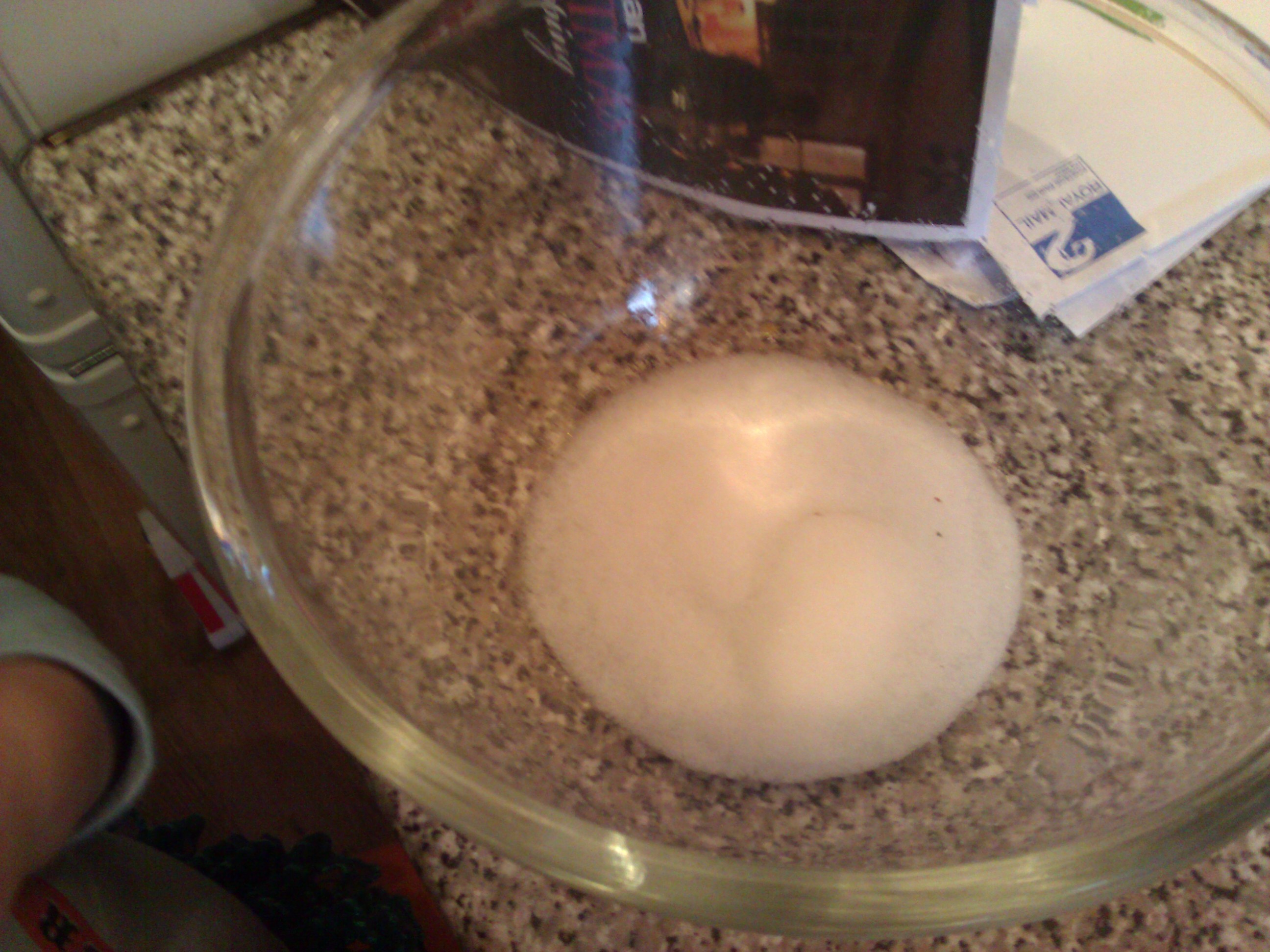
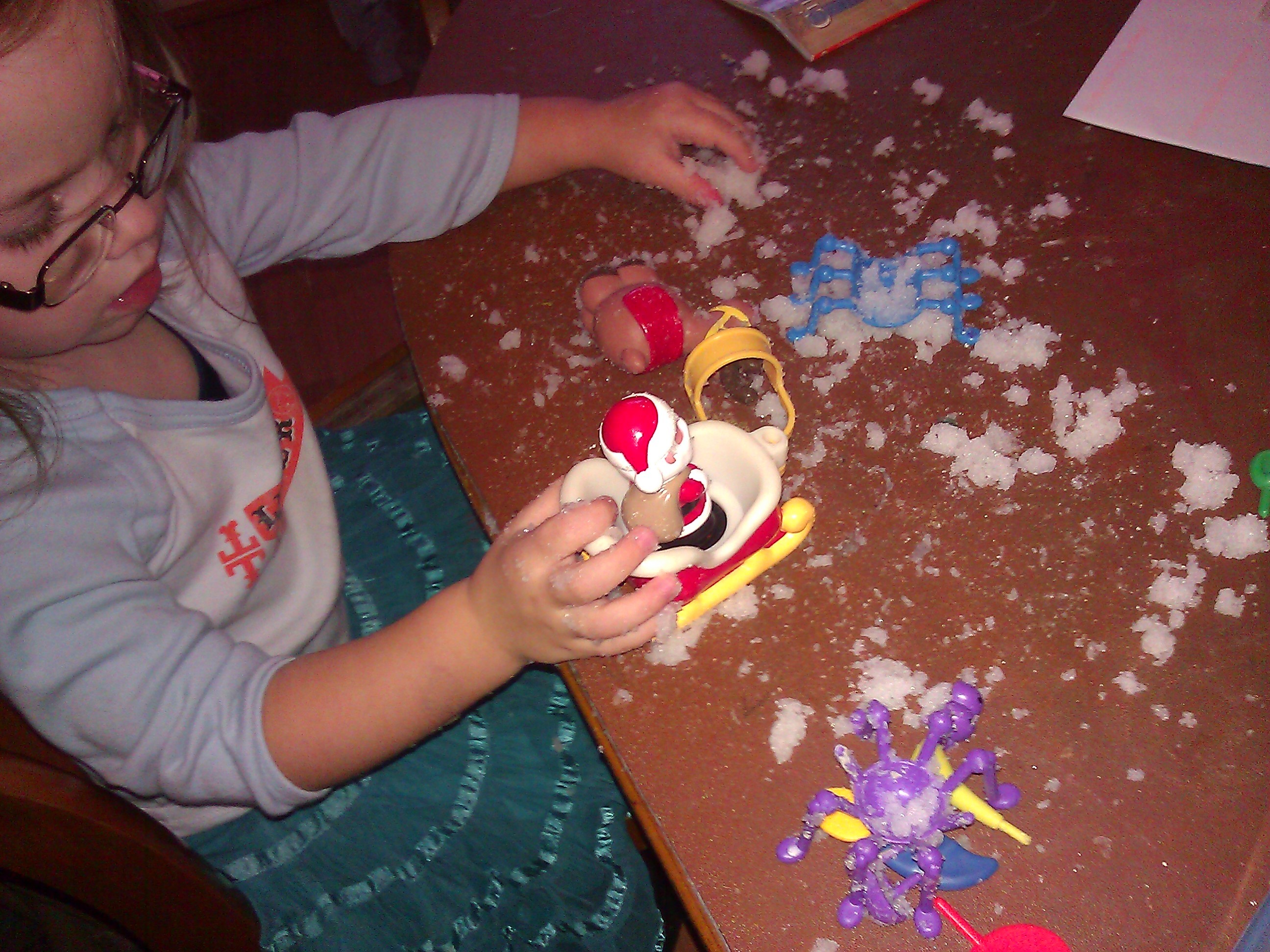
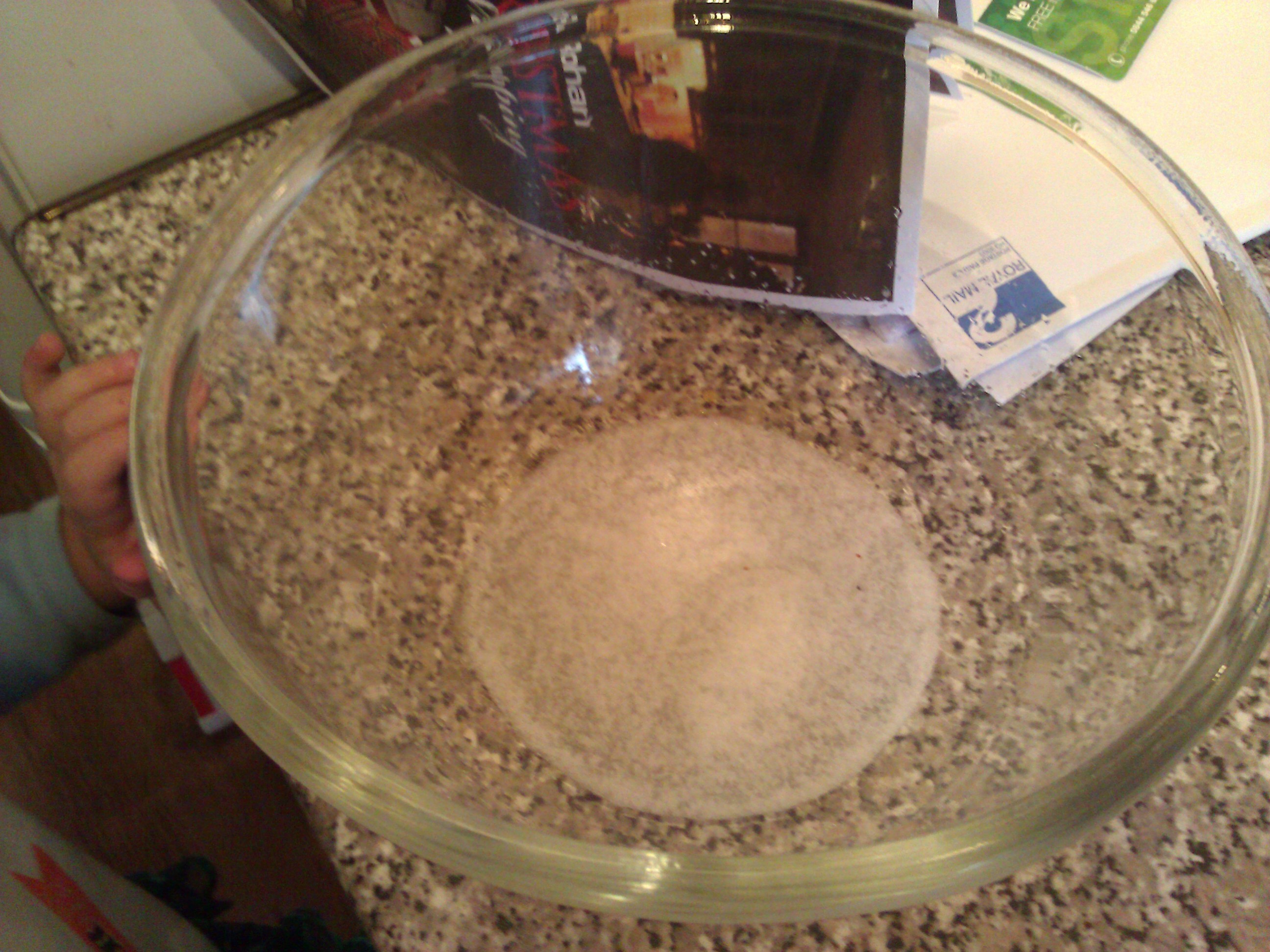
A few weeks ago, I picked up a tube of Magic Snow.  I have never seen this before but I thought it might be a nice Christmas play idea. It comes as a powder in a  test tube shaped container and when you add water to it, it expands to 100 times its original size to look like snow.

It feels really soft and just a little bit cold

You get all the fun of playing with ice and snow but it doesn’t melt or feel too cold on little fingers.

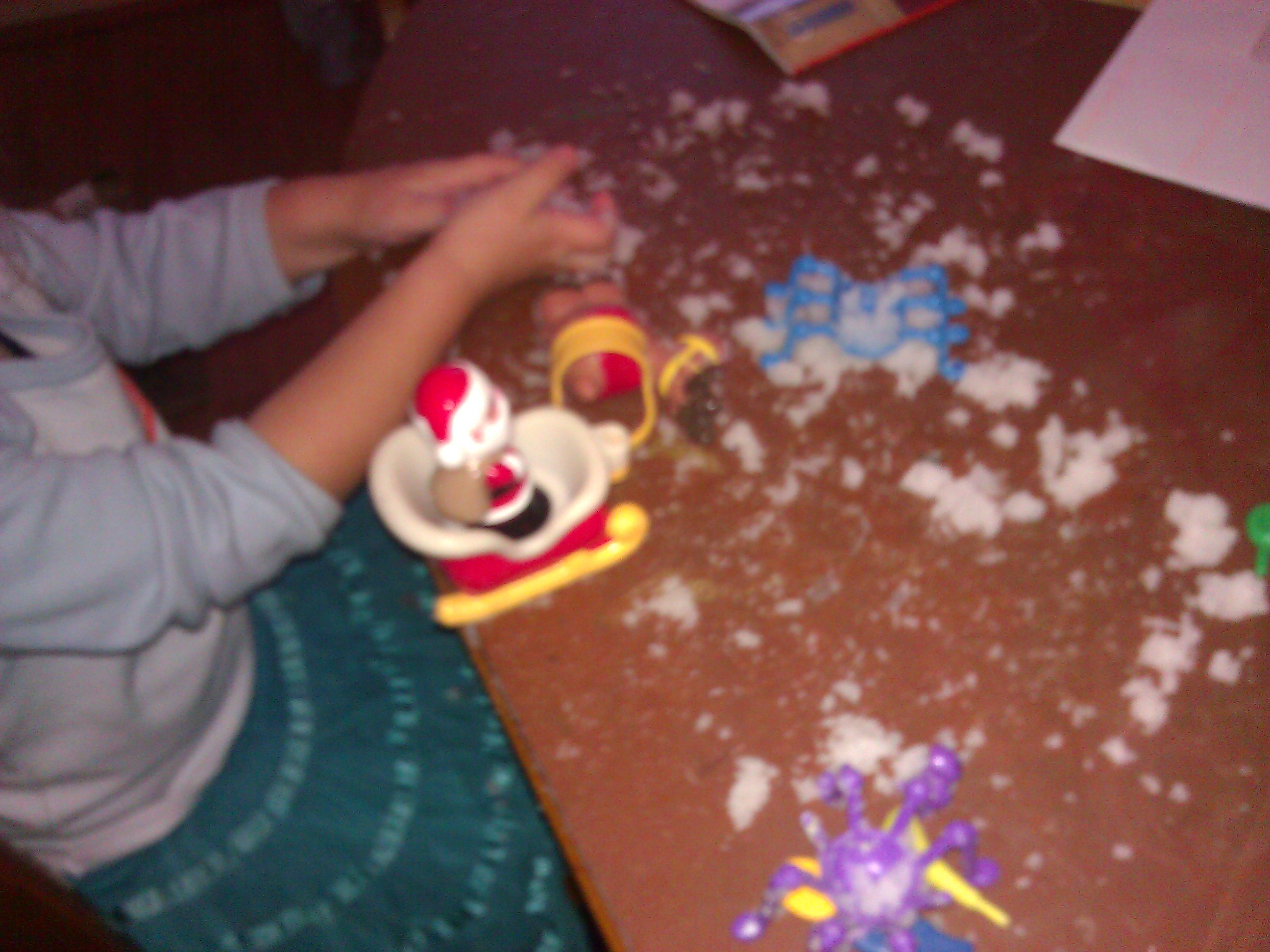
We tried to mould a snowman and make models with the snow.

Then we added the Happyland Christmas set

I’m putting snow in Father Christmas’ sleigh

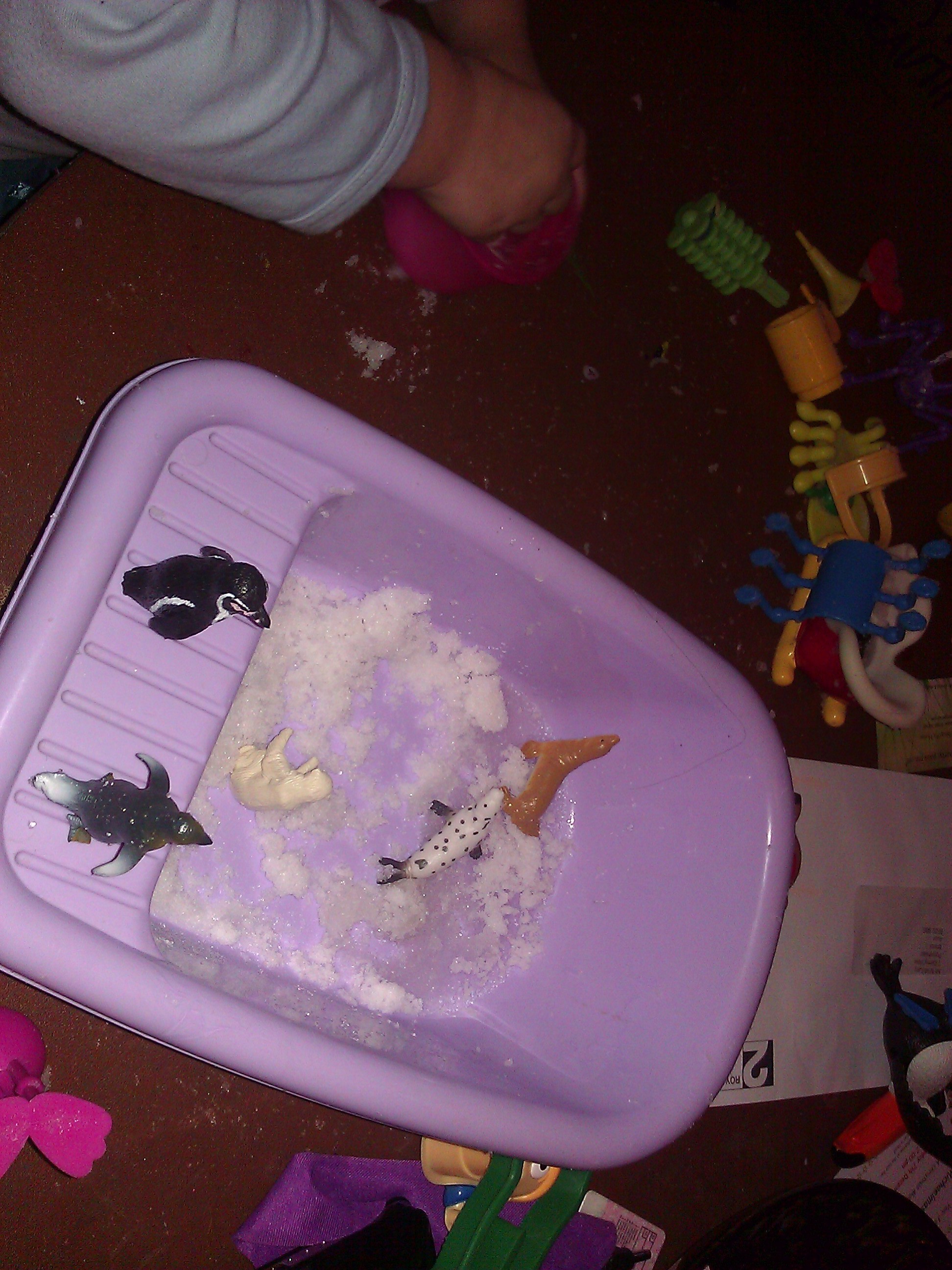
The snow was a big hit but was gradually creeping onto the floor and getting a bit slippery, so I suggested we put the snow in a tray.

We found some snow animals and the penguins slid around on the ice.

 We went out and left the snow in the tray for a few hours, it showed no signs of drying up during this time so I am hoping that we will get a few days play from this batch.  Magic snow is a big hit with my 3 year old who loves messy, tactile things and I’m sure it is an activity she will return to regularly in the lead up to Christmas.

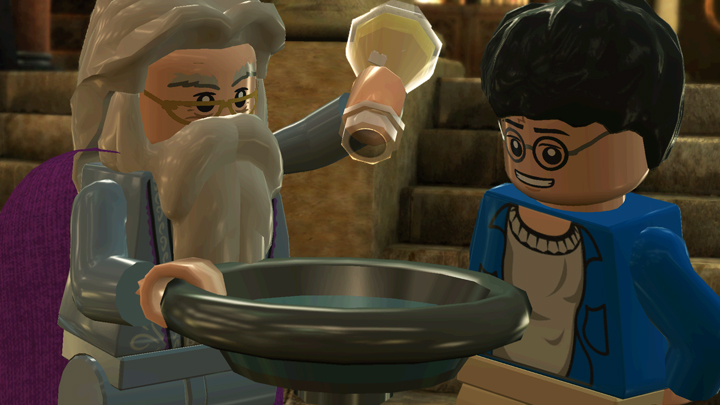
Lego Harry Potter 5-7 Years – A Review

My 7 Year old is steadily working her way through the Harry Potter books, so this game has arrived at an opportune moment.   Lego Harry Potter 5-7 years covers  the last 3 books of the series and as my daughter is currently reading the 6th book she was able to explain some of the characters to me (I only ever read to book 4).  We have a Star Wars  Lego game for the Nintendo DS which is a firm favourite so my expectations for this game were high.

My daughter played it alone and with a friend.  They took it in turns to complete and solve different problems, helping each other out along the way.  You can play the game with 2 controllers each player taking the part of a different character.  This feature works really well and stimulates lots of discussion. It also makes me realise how much better children are at these things than me.

It is a very long time since I spent any time playing video games.  This weekend I had a cold and decided to sit for 3 hours and play Harrry Potter 5-7 Years snuggled up in my quilt.  It was compelling and addictive and suitably challenging to keep me engaged.  I could have used my daughters help at some points as I wandered aimlessly in the dark trying to find a tap. We discovered the following day that she had turned the brightness down and it wasn’t supposed to be a night-time game at all!  I managed to complete the first level and played a little of the next level with my daughter the next day. I am suitably hooked.

The animations that tell the story in between each level are compelling and new characters appear as the game unfolds.  Each character has a special skill such as rebuilding blue Lego structures or using an invisibility cloak.

What was my 7 year olds opinion?

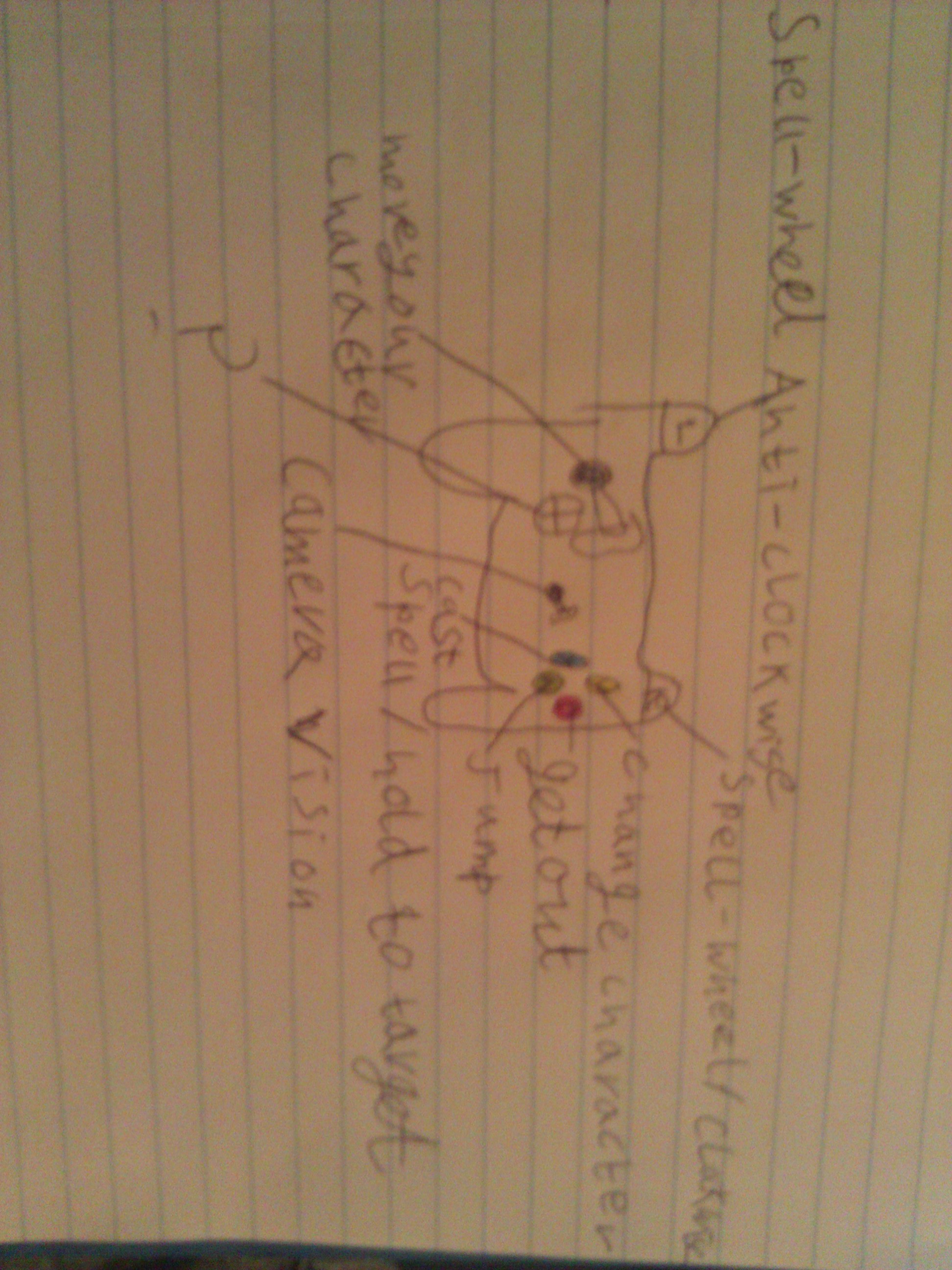
It is excellent because some characters can do some things which other characters can’t do and you can perform different spells just by pressing the spell-wheel button.

She has even drawn an image of how the controls work for the XBox 360 version.

The game lived up to my high expectations, my daughter is coming home from school and asking if she can switch it on and I am looking forward to playing it with her and on my own.  Good credit all round.


This review is based on the XBox 360 game, it is also available on other consoles.

A preview copy of the game was received for the purpose of the review.  No payment was received  for writing this review.

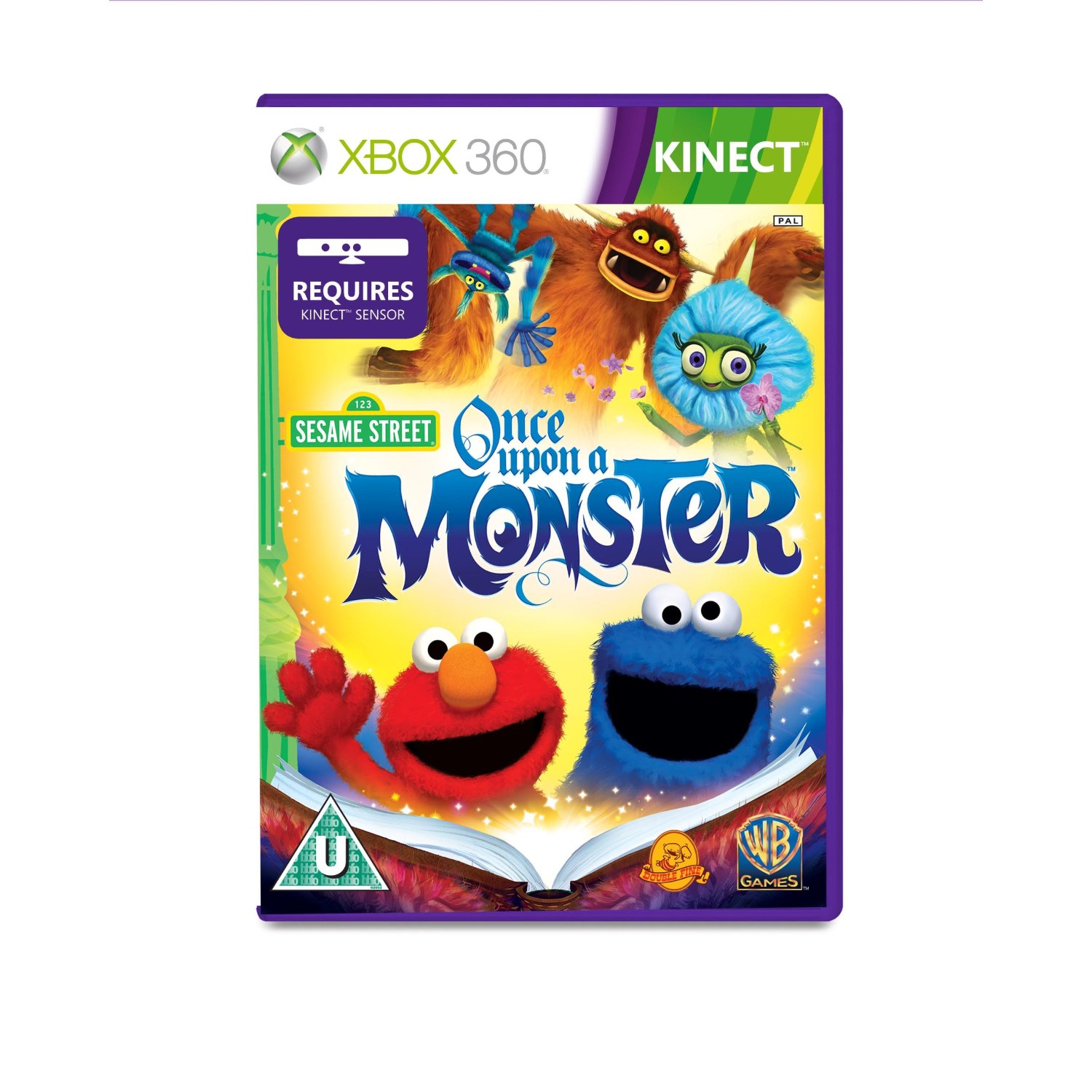
Sesame Street Once Upon a Monster on Kinect – A Review

I have been so excited about the forthcoming release of this game for a number of reasons.

  1. I am a huge Sesame Street fan and think it is the best in pre-school entertainment
  2. I have been waiting for a game that my 3 year old can play easily on Kinect.
  3. It is billed as a co-operative game and I would love to find  a game that my children won’t argue over.
  4. I am interested in evaluating its educational merit and whether or not it could be used in a pre-school classroom.

So when I was offered a copy to review I jumped at the chance.

The game centres around a story book ‘ Once Upon a Monster’ that Elmo and Cookie Monster jump into to embark on adventures.  As each chapter unfolds they encounter monster friends both new and familiar (Grover and Oscar) and help them to solve problems through a number of fun tasks.  The graphics and the story behind the game are captivating and we were all excited to see what would happen next.

The game is designed with drop in/ out co-operative play.  It can be played solo or with the help of an adult or sibling, if you decide to join in half way through a small monster appears in the corner of the screen and directs you to wave. This is great for young children as they often decide to wander off in the middle of a game but it doesn’t spoil the game for the other child. The game is only suitable for 2 children which means that it probably wouldn’t be suitable for use in pre-school unless you wanted to use it as an exercise in turn taking. I would like to see it adapted for 3 children, partly because I have 3 children and it would avoid one being left out and partly so that siblings could play with a parent to help if necessary.

With Kinect games I have found that my 3 year old has struggled to keep within the sensor.  There is a helpful built in feature with this game in that if the child  steps outside of the sensors limits a monster pops up and points in the direction that they need to move.

I had high hopes for this game as a controllorless game that my 3 year old would be able to use easily.  However I encountered a few problems which meant that she couldn’t play it independently.  To get inside the page of a book the monsters ask you to bring both arms together.  This worked really well when my 7 year old or myself did it but it didn’t seem to work for my 3 year old or her friend, even though they were making the correct movements. The other problem is that if you go too close to the sensor (or my one year old runs in the way) a menu pops up .  You need to wave on the back button to go back to the game.  My girls became frustrated because the sensor found it difficult to pick up which player was trying to direct it.

So far we have played the first of 6 chapters.  This centres on cheering up Marco the monster and helping him get to a birthday party.  The tasks along the way include running through the woods collecting objects and avoiding obstacles, flying to the tree tops to collect fruit with Grover, choosing outfits for Seamus the monster, drumming and my personal favourite disco dancing with Grover.

The usual response from my 7 year old when playing Kinect is to moan at her younger sister for getting in the way.  When she tried to join in yesterday my 7 year old complained and I told her that it was meant to be for 2 players.  The mood soon changed  to a lovely picture as my 3 year old watched her sister intently and copied her every move.  It is certainly fulfilling some of the games aim to foster a social and emotional curriculum in our household.

There could be a few tweaks to make it easier for young children to play but the game is engaging and  fun and my high expectations were not disappointed. I’m really looking forward to seeing what the other chapters have in store.

Sesame Street Once Upon a Monster is released on 14th October


All I Ever Really Need to Know I Learned in Kindergarten

WP_000447

Those of us working with young children are familiar with the term Foundations of Learning.  What does that really mean? For me, it means everything that gives us the capacity to learn, think, create, behave, communicate and build relationships. The things that you learn in the first 5 years remain with you for life, whether they are physical skills, values and beliefs or ideas and knowledge. This is why for me,early education is the most important and exciting phase.

With this in mind, I would like to share an excerpt from Robert Fulghum’s book All I Ever Really Need to Know I Learned in Kindergarten .  This was first introduced to me during my Master’s Degree.  When I look at my own children and the way they develop and learn every day, I am reminded of this piece.

Most of what I really need to know about how to live, and what to do, and how to be, I learned in kindergarten.  Wisdom was not at the top of the graduate school mountain, but there in the sandbox at nursery school.

These are the things I learned: share everything. Play fair. Don’t hit people. Put things back where you found them. Clean up your own mess.Don’t take things that aren’t yours. Say your sorry when you hurt somebody. Wash your hands before you eat. Flush. Warm cookies and cold milk are good for you. Live a balanced life. Learn some and think some and draw and paint and sing and dance and play and work every day some.

Take a nap every afternoon. When you go into the world, watch for traffic, hold hands and stick together.  Be aware of wonder. Remember the little seed in the plastic cup. The roots go down and the plant goes up and nobody really knows why, but we are all like that.

Goldfish and hamsters and white mice and even the little seed in the plastic cup – they all die. So do we.

And then remember the book about Dick and Jane and the first word you learned, the biggest word of all: LOOK. Everything you need to know is in there somewhere. The Golden Rule and love and basic sanitation. Ecology and politics and sane living.

Think of what a better world it would be if we all – the whole world – had cookies and milk about 3 o’clock every afternoon and then lay down with our blankets for a nap.  Or if we had a basic policy in our nation and other nations always to put things back where we found them, and cleaned up our own messes. And it is still true, no matter how old you are, when you go out into the world, it is best to hold hands and stick together.

So next time someone discredits you as ‘only playing’ or says ‘she’s just a mum’ or she only teaches little ones, stand firm in the knowledge that ours is the most important job in the world.

Fisher-Price Red Rover Game – A Review

My middle daughter is 3 next week and she has just become interested in games.  We have found some that occupy her and her friend but I am always on the lookout for more.

Today Red Rover arrived at our door.  This is a new Pre-school game by Fisher-Price that teaches colours, shapes, numbers and letters in a fun way.

My first pleasant surprise was to find that gone are the hours of removing fiddly packaging.  The security tabs have been redesigned so that they are quick and easy to remove.

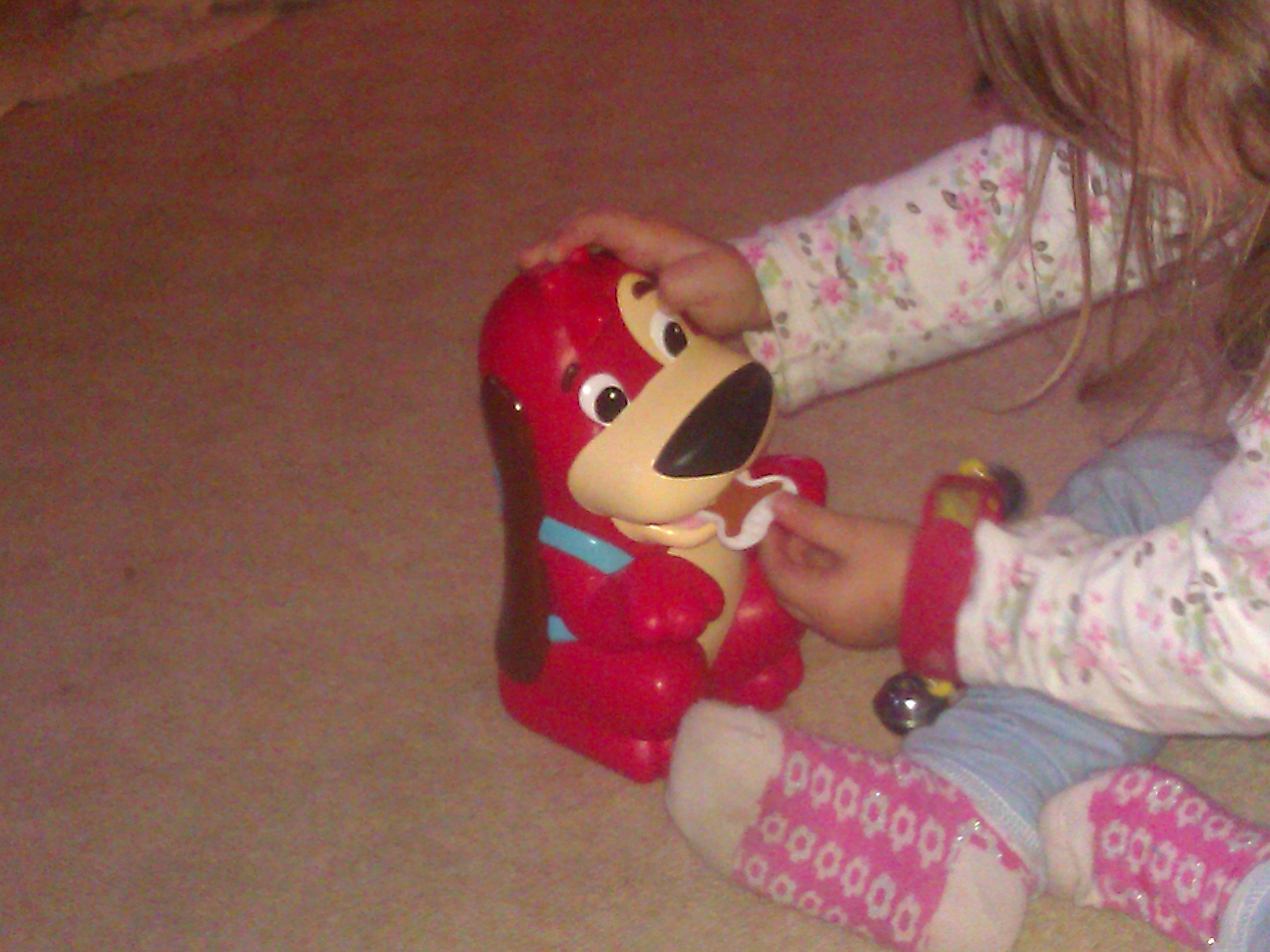
Red Rover the dog is sturdy and compact and wears a backpack to store all the bones that form part of the game.  This will make it easy to store and to put away without losing all the pieces.

The game begins by placing all the bones face down around the floor. Each bone has a colour and a shape, number or letter on it. You then press Red Rover’s nose to choose easy level (colour only), or hard which includes all the attributes.  Press Red Rover’s nose and he calls out a colour to find.  The children run around the room turning over the bones until they find the correct one.  Once they have found it they put it into Red Rover’s mouth and he tells them if they are correct.  If it is the wrong colour he says ‘Yeuchh’ which we thought was very cute. If they find the right one they get to keep that bone and the game continues.  If the correct bone is not found within a specific time the children are directed to return to Red Rover and he chooses another. The object of the game is to collect the most bones.

My kids loved it.  I had to encourage my 7 year old to let her younger sister find a few  bones when she got a little competitive, but they had fun together. I think I might give them a bag each next time as it was easy to forget the bones you had collected when engrossed in the fun of the game.  I love that it is an active game and it kept my lively pre-schooler engrossed. I envisage a few tears as the children compete to be the first to find a bone, but they’re all valuable lessons.

There were a couple of down sides.  As with many electronic toys the accent is American and American phrases such as two times rather than twice are used.  I would have preferred Red Rover to have had a British accent but it didn’t distract from the fun of the game.  The other point is that the letters on the bones were upper case.  I always teach lower case letters first and often wonder why toy manufacturers tend to use capitals.  Is it to familiarise children with the initial letter of their names?

My daughter is having a small 3rd birthday party next week and I will add this game to the list of party games.  A great fun way to encourage children to learn shapes, colours, numbers and letters.

TEDx London 2011 The Education Revolution

WP_000716

I was fortunate to attend TEDx London this weekend. This event was born from issues raised in Sir Ken Robinson’s 2010 TED talk and was designed to raise the question ‘ How can we bring on the Education Revolution?’

What can all those involved ACTUALLY  DO to ensure that the old and irrelevant in education is thrown out and  that we can build a new model of constant reinvention to ensure that  education provides what industry requires and more importantly what   young people need to flourish in today’s world.

I returned from TEDx London, my head buzzing with ideas, questions and things to explore.  Many of the underlying concepts were not new but were reiterated by passionate individuals and illustrated by exciting examples from the world of education. These were some of my highlights:-

The talks were split into 3 sections

  1. What’s Wrong / What’s Happening
  2. What’s Right
  3. What’s Next.

The first session began with a live feed from Sir Ken Robinson.  He discussed his views on the purpose of education

Economic – Education underpins the modern economy and for a modern economy there is a need for creativity and innovation.

 Cultural – Helping to understand each others cultures and relieve the problems of cultural mistrust.

Personal – Education is about individuals, it cannot be mechanistic and should encourage students to become engaged.  For this reason education should be personalised.

Sir Ken Robinson’s vision for change includes

  • Education that is personalised
  • Improvements in the motivation of both students and teachers
  • Education that is customised to the needs of the particular community or individual school
  • Education is about diversity and standardisation offends diversity.
  • Education is about partnership with great institutions and the community.

A number of these points were a common thread throughout the talks.  The importance of recognising children as individuals and encouraging, rather than stifling their talents and interests, came time and again. The need to motivate children and encourage them to think for themselves and the many possibilities that technology offers  also kept reappearing.

I consider myself fortunate to work in Early Education.  Active learning, teaching that stems from children’s interests and strengths and listening to the child’s voice are fairly widespread.  Learning is fun in the early years and it would be unusual to find a pre-school child who grumbled that school was boring. I hope that all education can take lessons from early education at its best.

Adam Roberts an 18 year old human rights campaigner talked about  critical thinking and how his mother’s encouragement to ask questions set him up for life. As young children we instinctively ask questions, but as we grow older children are often discouraged from questioning. This point was made even more strongly in Ewan McIntosh’s talk. Ewan explained the need for children to be problem finders rather than problem solvers.  He showed a group of 7 and 8 year olds who were asked to put on their own TEDx event.  The children were inspired to come up with their own questions, prompted by ‘have you ever wondered?’ The children came up with wonderful philosophical questions and the excitement and animation shown by the children was truly infectious

Another common thread was the potential for  embracing social media and technology in the classroom.  By doing this we are bringing the real world into the classroom rather than viewing education and school as separate to other aspects of life. Dan Roberts  believes strongly in education through technology and demonstrated some of the things his students at Saltash.net Community School are doing.


The What’s Right sessions showed a number of inspirational projects including:

History pin – building a history of real people and places using photographs and video footage.

A workshop from Seeper with a school for children on the autistic spectrum, showing how technology can motivate and engage children Dr Matt Whitby  showing how awe-inspiring science can be, through his off the wall science experiments.


Tim Exile – a musician who has invented a machine to create spontaneous electronic music using a variety of sounds.


The Final session involved speakers who are thinking in a new way and their pleas for like-minded individuals to join them in this journey.

Dougald Hine was inspirational.  He talked about change  with determination and self belief, a firm believer in making things  happen.

Emily Cummings the 24 year old inventor has been named Barclays woman of the year in 2009 and one of the top ten outstanding young people in the world in 2010.  She explained how her passion for designing began when her grandfather taught her to make things in his workshop. Teachers recognised her talent and entered her for competitions, harnessing her enthusiasm and giving her new goals.

Sir Ken Robinson closed the day with a plea to make alternatives a part of the mainstream.  A new vision for education including personalised learning, group activity, the closeness of the community and using and sharing talents.  Many of the case studies from young people at the conference showed that talents were often discovered and utilised outside of school.The community then has an important role to play in educating children The closing lines resonated with me

New technologies will make change possible.

Technology alone doesn’t do much, it’s what we do with it that matters.

There were some wonderful examples of what we do with technology and creative thinking.  I came away with lots of ideas and things that I wanted to share but also a feeling of uncertainty about what I can do to make a difference.  I want to share inspirational ideas and inspire others to try new ways of teaching.  Why?  I believe that we need to be able to use the tools that children are used to at home and that will form a large part of their future rather than sweeping them under the carpet .  Technology will not replace traditional play but will enhance it if we use it creatively. It gives opportunities for awe and wonder, for raising questions, self discovery and creative expression. My endeavour is to show this in practice and inspire others to do the same.


If You Go Down to the Woods Today – 10 Woodland Activities for Children

We had a lovely time today at Glenny Woods organised by our local Children’s Centre. Glenny Woods is a wonderful woodland centre owned by the Scouts Movement.  They have an indoor room with a veranda for when it is wet, an area for lighting fires with bench seating, adventure playground equipment and facilities for making dens.

However, even if your nearest wood doesn’t have these added facilities there are lots of simple fun things that you can do with children.  Try not to rush children on to looking at the next thing.  They may want to spend half an hour looking at a clump of moss or sliding down a muddy bank.  If you really want your children to appreciate and explore nature then allow lots of time and move at their pace (however frustrating this might be).

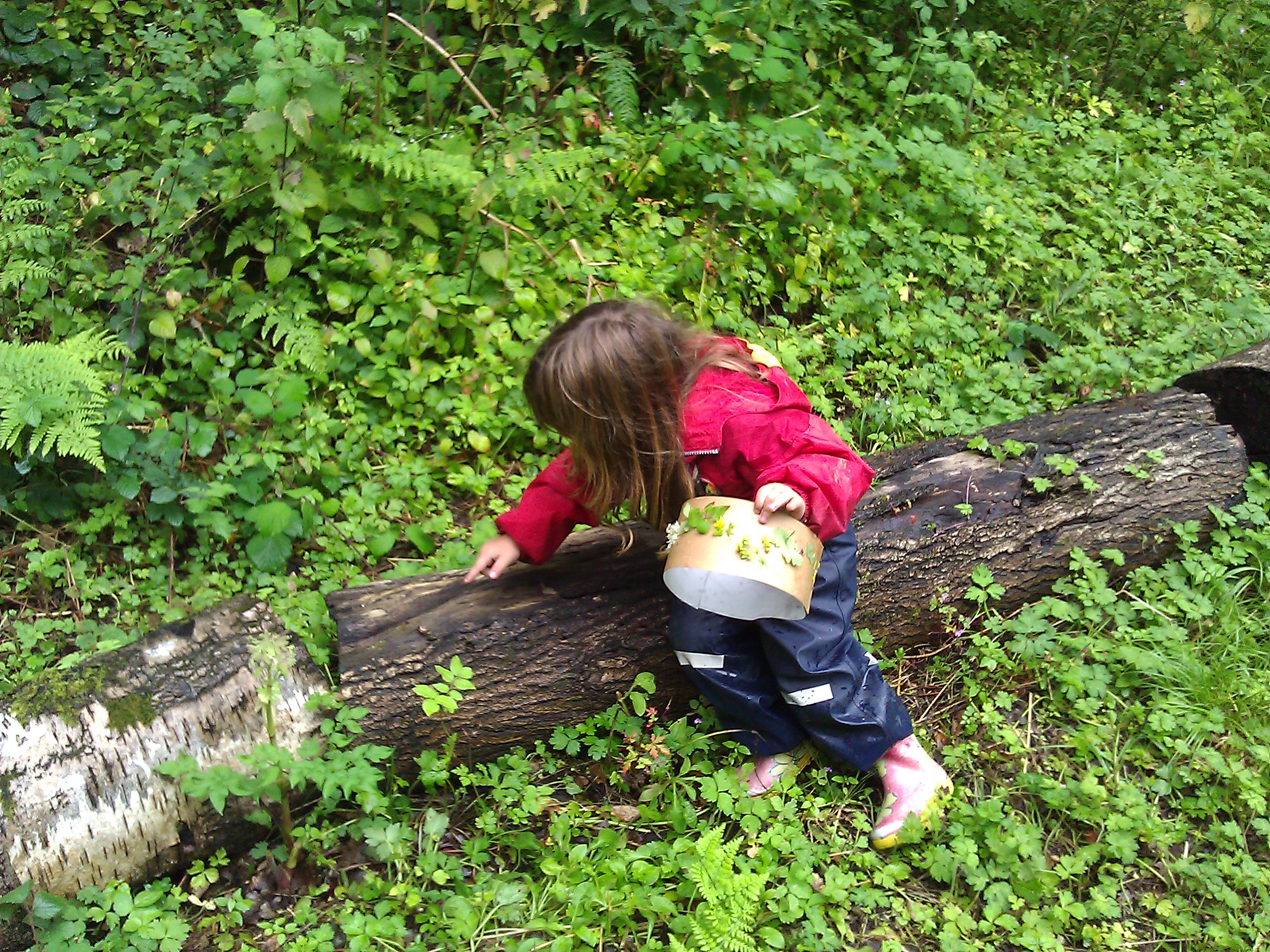
1. Give children a piece of cardboard with double sided sticky tape on and get them to make a hat collecting natural things.  This could be free choice or maybe have a colour theme.  You could ask children to create a pattern eg. large and small things or find specific items to make their hat.

WP_000553

2. Put double sided sticky tape around the top of your child’s wellies and ask them to collect items of interest and stick them to their wellies.

3. Take magnifiers or bug jars and look for creatures. Take photographs so that you can identify them when you get home.

Look Mummy I found a snail

WP_000552

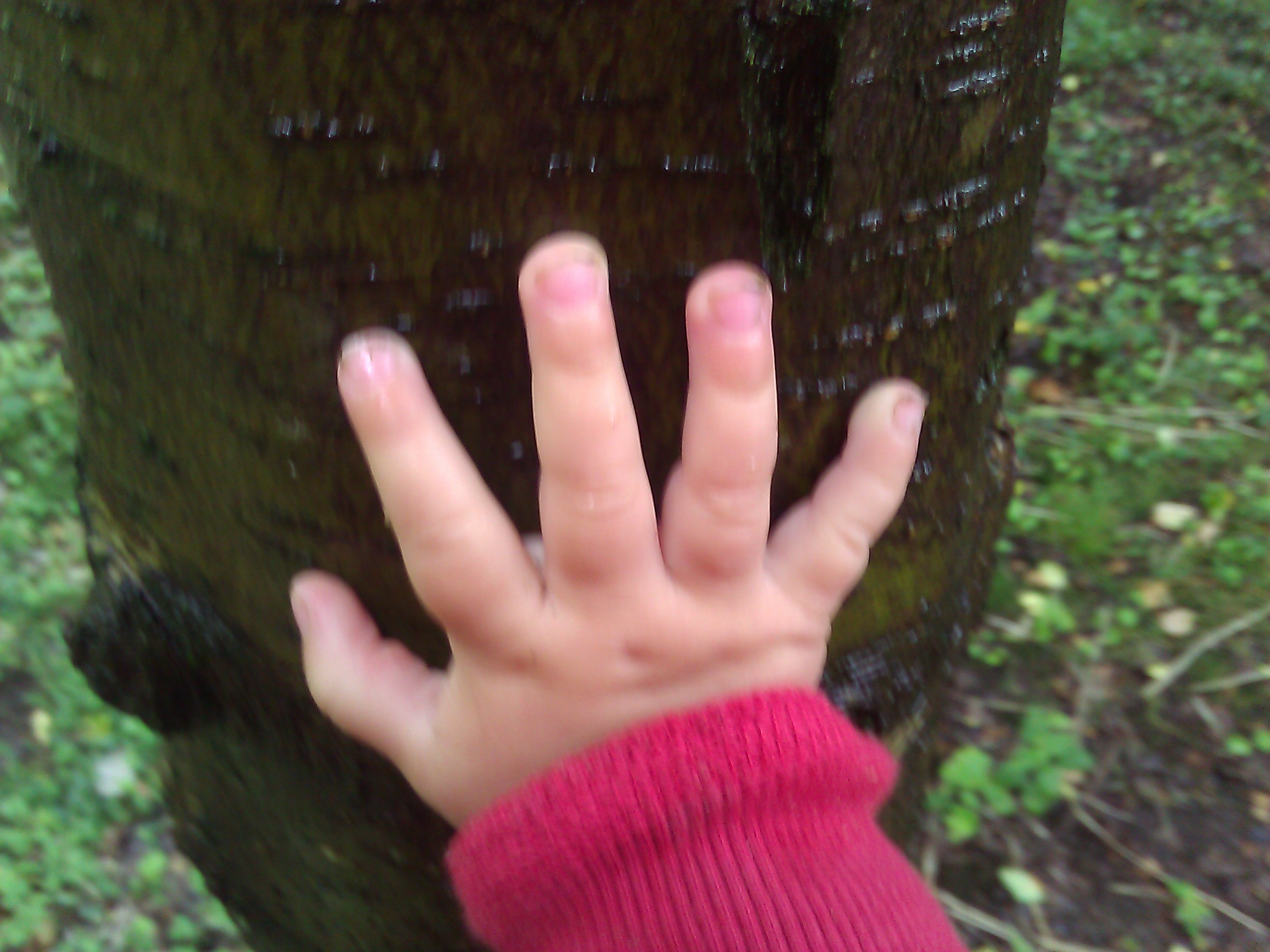
4. Young children will enjoy exploring the textures of things, moss, long grass, tree trunks, mud.  Give children a textural treasure hunt – find things that are soft, smooth, hard, spiky, slimy, cold, warm, rough etc. Make a feely box containing some of the textured things or use a blindfold and ask children to describe what they are touching.

hands on a tree.

5. Give children a piece of string and ask them to find and attach the following items: something natural, something manmade, something colourful, something heavy  and something with an interesting shape.  Hang a line of string between 2 trees and hang the completed pieces from it to make a natural work of art.

6. Build a fire, toast marshmallows on whittled sticks or bake potatoes in the bottom of the fire.

WP_000562

7. Go on a treasure hunt

WP_000568

8. Play in the mud.  Take tools and  to see what you might find or stamp and feel the texture of wet gooey mud. Find a stick and draw or write in the wet mud, or take large sheets of paper and use mud to paint with – use fingers or sticks to apply the mud.

3F16D16F

9. Collect natural materials to make a picture or sculpture .  Make a frame from sticks or stones and ask the children to make a picture inside it using what they have collected. For the youngest children let them arrange leaves into a nest or sticks or stones into a pattern.

Oct 07 045

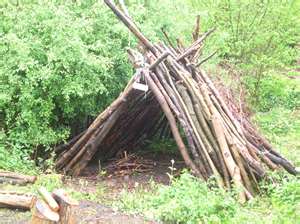
10. Build a den.  Use sticks and build a den in the style of Eeyore’s house.

You might also want to check out some of these ideas


Finding the alphabet in nature

Fairy houses in the woods

A natural playground

Children Connecting with nature

Mud faces


Monsters and Imaginary Friends

My 2 year old has recently become pre-occupied with monsters, sometimes she is a monster, sometimes there is a monster in the room but she mentions them at least once a day.  I was fairly sure that this was a developmental stage connected with how young children make sense of the world .

She has also started talking about a bat that lives in her bedroom.  There is a small cubby hole in her bedroom where the stairs cut in for our loft conversion – the bat lives in here.   When I questioned her about it further she said that there were 3 bats a baby (with her baby sister’s name) a daddy (with her daddy’s name) and a mummy called Rachel.  There are also 3 ogres that live in the cubby hole with them – they scare away monsters.

This story made me think about the connection between the whole monster obsession and imaginary friends.  When my eldest daughter was around 3 she had an imaginary friend ‘Piglet’ from Winnie the Pooh.  Wherever we went Piglet came with us and usually my daughter would pretend she was Roo and I was Kanga.

By a strange turn of events as I was thinking about these things and trying to find some information about the development of imaginary friends and foes in young children, Penny at Alexander Residence wrote a post about imaginary creatures.

Imaginary companions usually start appearing between the ages of two and a half to three, around the same time as children start to engage in complex fantasy play. This also signals the beginning of abstract thought.  Children are starting to replace physical objects for mental images, for example they can derive comfort from the thought of a teddy bear in addition to the physical object.  Their fears also begin to change from concrete things like dogs or vacuum cleaners to abstract concepts such as monsters. You could help children to have the power to conquer their fears by capitalising on this imagination and asking them to suggest what the monster might be afraid of and making a concrete object to represent it.

In my quest for information about imaginary friends and foes I found an interesting book about children’s imaginations, ‘ The House of Make Believe ‘ by Dorothy G Singer and Jerome L Singer. The book suggests that the key components to fostering creative children are

  • A key person who inspires play and accepts invention with respect and delight
  • a place for play
  • open-ended and unstructured time
  • simple objects to inspire the adventure

The book also discusses their research into imaginary friends.  They found that parents reported that children with imaginary friends were largely happier and more verbal than those children who did not have imaginary friends and that the children were not shy.  Imaginary friends are more prevalent amongst only or first born  children and they can help children to solve dilemmas.  Often they take the form of real characters from television or film in particular super heroes.

Charles Schaefer found that teachers of adolescents reported that their most creative pupils had imaginary friends as young children.  Imaginative children were more likely to have parents who valued imagination, curiosity, adventurousness and creativity.

So if your child has an entourage of imaginary companions don’t despair that they are disturbed or worried about something .  Develop the stories with them and enjoy it for the short period it lasts – I loved this imaginative phase with my first and I’m looking forward to the wonderful tales that my slightly bonkers 2 year old will unravel.

Free or Low Cost Summer Activities for Children

I was recently asked by Netmums to suggest some of my favourite free or low-cost ideas for keeping children entertained in the summer holidays.  Below are a small selection.

Things for Keeping  Active

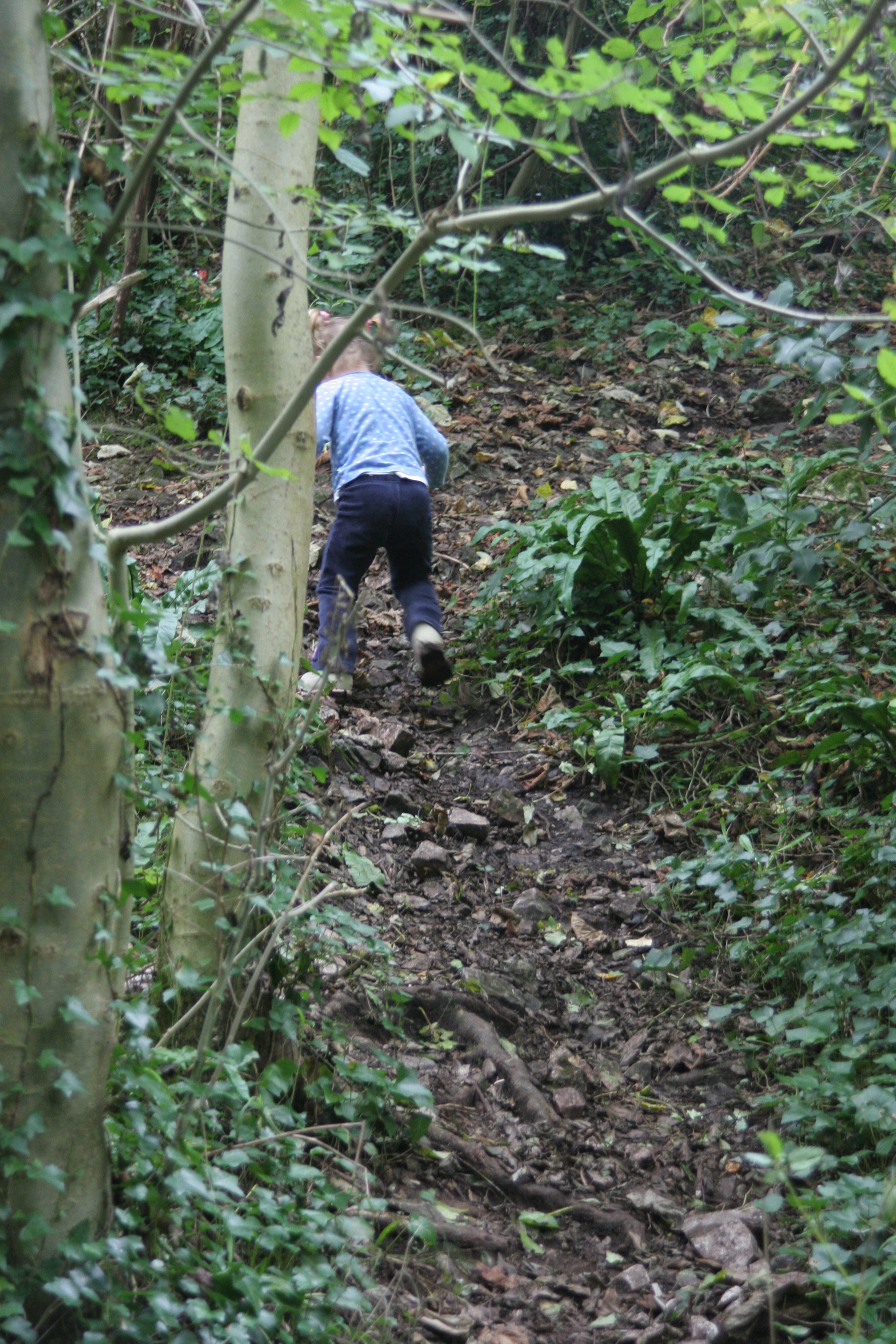
  •   We particularly like woodland walks where the kids like to disappear into the woods to explore and find things, play hide and seek , build dens or run away from monsters. Blaise castle woods are a big favourite because we can hide in the caves or follow the trail to the castle. My eldest called our local woods  the hundred acre wood and spent hours role playing various Winnie the Pooh scenarios. The Woodland Trust have some great free downloadable resources with ideas for playing in the woods, Summer  activities and free things to do with kids.

Oct 07 034

 Creative Fun
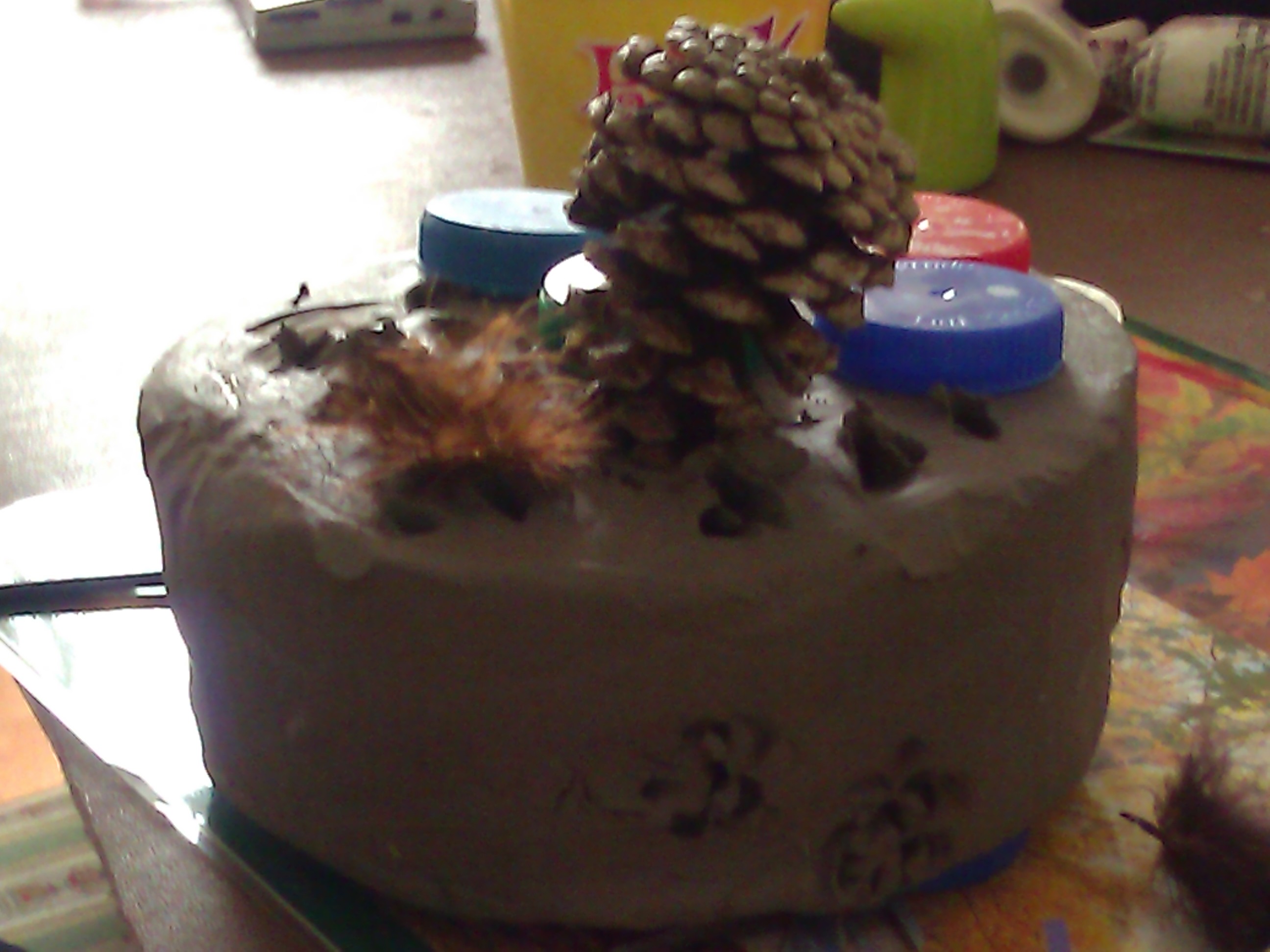
  • Give children a large piece of clay, for the younger children the bigger the better. Make it wet and squidgy and enjoy feeling the texture. Give them things to put in it, we use cocktail sticks, bottle tops, seeds, feathers, pebbles and shells. Older children can be taught to model clay around wire or make a flat tile with a picture on it.

WP_000318

  • The best summer activity I had as a child was with an empty large cardboard box, we slid on it and built things with it and spent the whole 6 weeks playing with nothing else.
  • The best creative play comes from being outdoors with natural materials,  in the woods, park, beach or even in the street. If your kids aren’t old enough or you’re not happy about them playing outside without adult supervision, take a group of children to an open space and sit at a distance from them so that they can develop their own play but you can still see them. My kids love digging, building dens, pretending to fish, making pretend dinner and many other scenarios.

warwick castle & sailing 099

  • Our local town has a flower show and the children love to enter the competitions, it gives them a sense of achievement and pride.
  • Give your kids pieces of material, old sheets, netting or even bin bags and get them to make clothes and have a fashion show – this was my favourite summer holiday game.
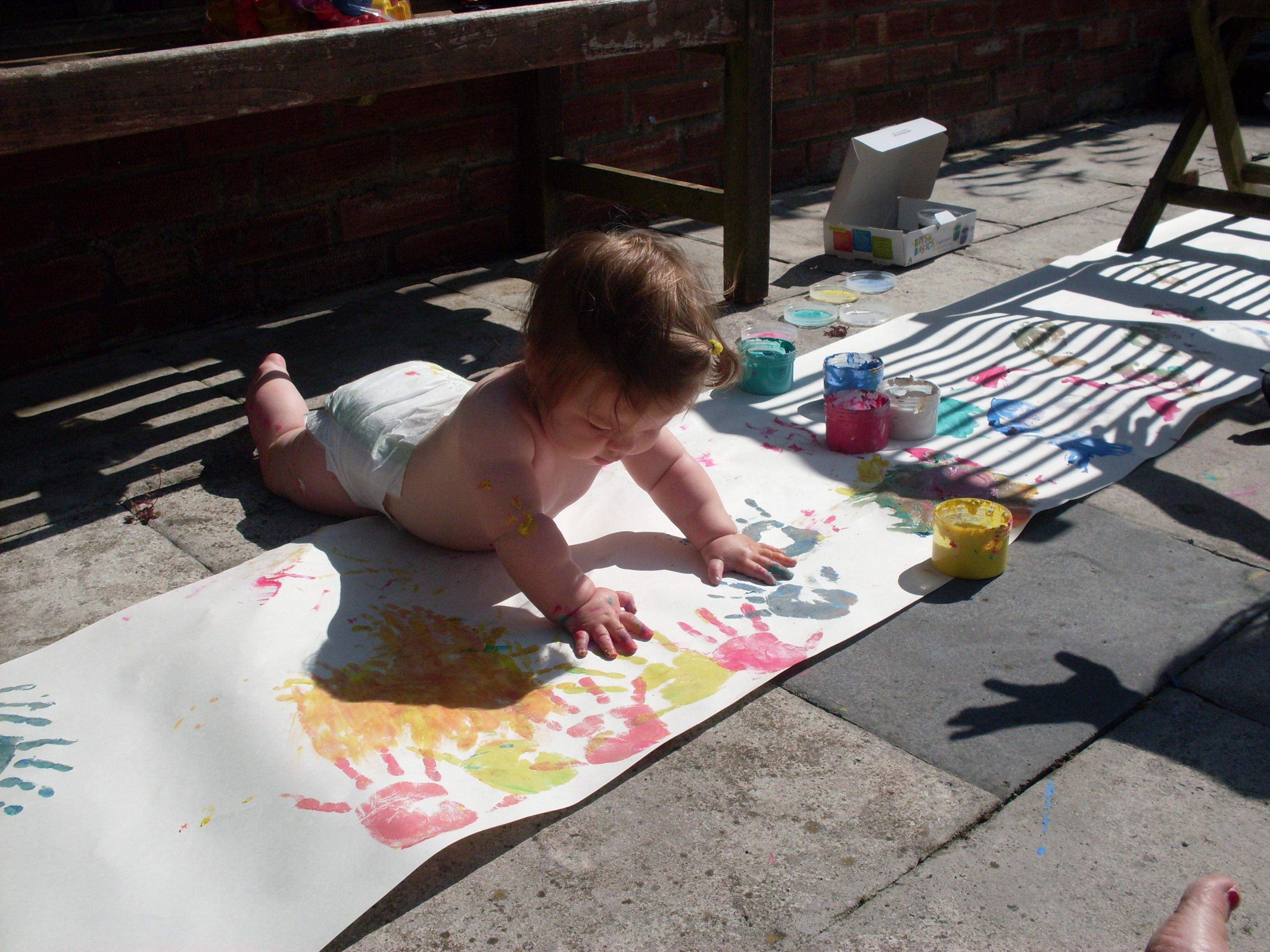
  • When its sunny it great to get a big roll of paper, spread it across the garden and let the kids paint , they can use hands, feet or whole bodies – great for babies too.

belly

Inspiring children
  • Children’s Festivals often give a number of inspirational ideas many are free or low cost.
  • We have been to some brilliant museum exhibitions and as museum entry is usually free it is a great day out. Our local museum has lots of activities for children of all ages to accompany the exhibits.
  • Go blackberry picking , picking your own fruit always leaves us inspired to come back and cook lots of yummy treats. In the US we pick huckleberries at the local park – they make delicious muffins.
 Keep them Laughing
  • Local councils often provide fun/play days in local parks, ours involve entertainment, games, activities and crafts – the children have lots of laughs.
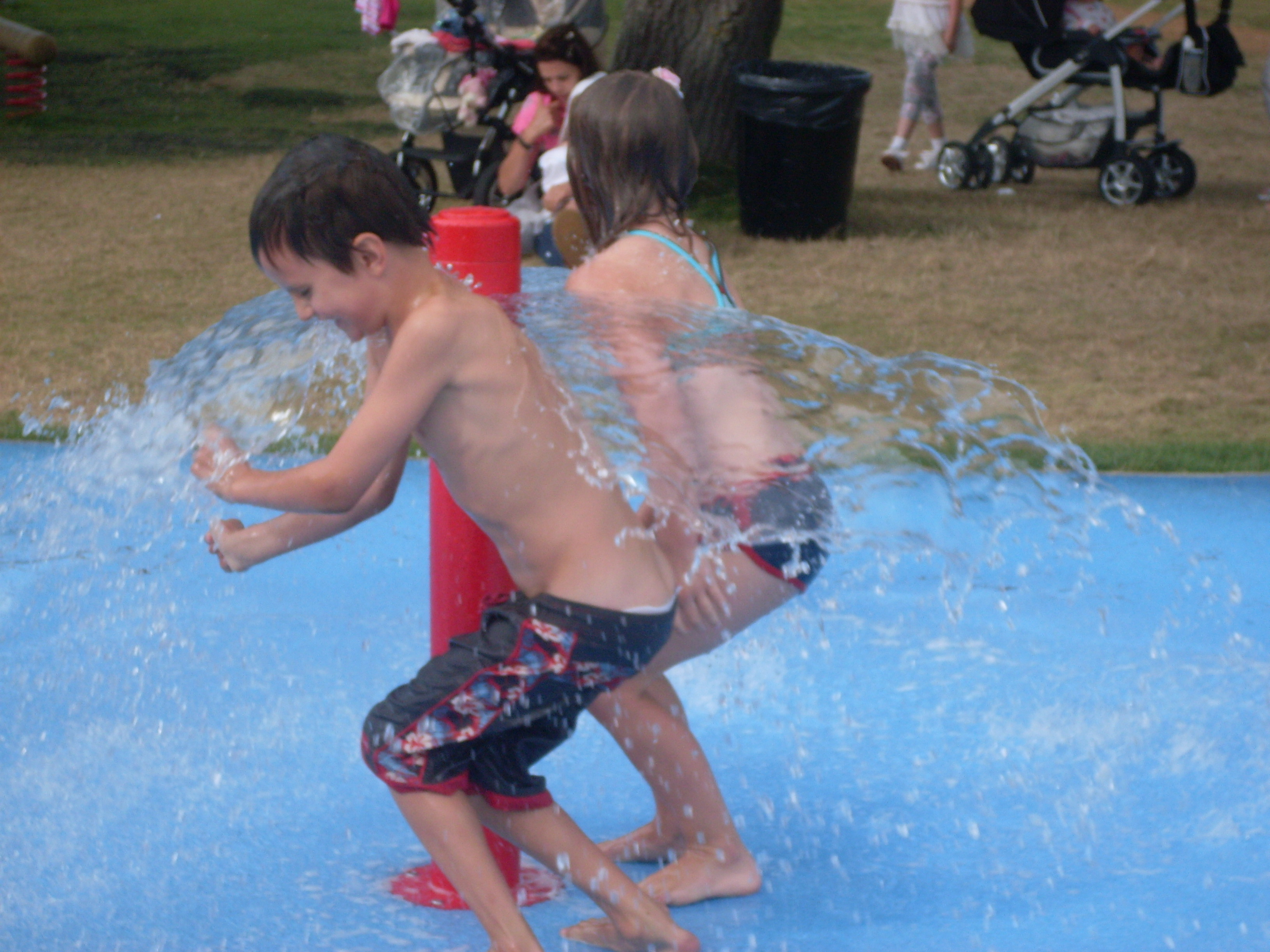
  • Get Wet – be it in a  water park, paddling pool, swimming, with a hose pipe, playing with water bombs or splashing in puddles in the rain – have a water fight and you can’t help but laugh. Weston Super Mare has a fantastic water park opposite the sea front and splash parks are really common in the US. Check out these Seattle Splash Parks.

022
I think sometimes we plan too much for kids, give them some freedom to make their own play, give them the chance to be with their friends and they will come up with some great ideas of their own.