Category Archives: pre schoolers

Outdoor Play: Nature Faces

I’ve got an idea Mummy. How about we get the plates we use for barbecues, collect lots of things from around the garden like leaves and sticks and stuff and make people.

Great idea. You could use things from the loose parts station too.

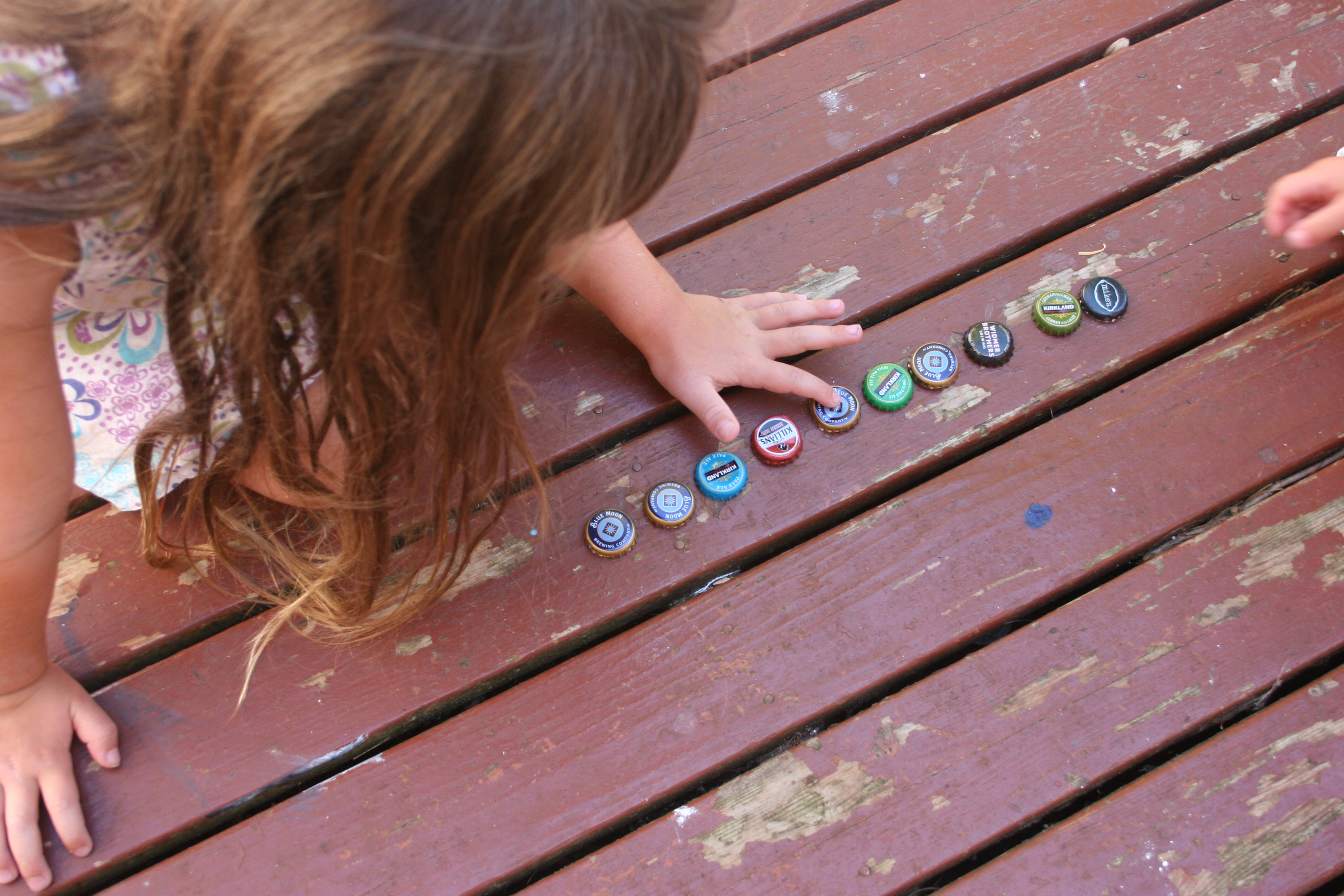
I know, we could use bottle tops for eyes. There are 4 of us so we need 8.

We need 8.  We have 10 let's throw 2 of them away. Now that's right.
We need 8. We have 10 let’s throw 2 of them away. Now that’s right.

Oh no! We are not allowed to pick leaves from the trees and it isn’t autumn. How will we get leaves?

Look there are some nice little yellow leaves on the floor. Where did they come from?

This tree up here.

cherry tree

That looks like a cherry tree, there are red fruit on it but they are very small.

I’ll pick one and see if there is a stone inside. Yes there is, they are cherries. We could use them for a nose.

My 2 year-old started making a face but soon became more interested in exploring what the glue did. She then brought her watering can and watered her face.

Just as with the clay my 2-year-old has very different interests and plays at a different level to her sisters but that never prohibits her joining in.

This slideshow requires JavaScript.

Why Clay is an Essential Material for Pre-Schools

clayWhen I taught at nursery school, clay was readily available to the children on a daily basis. I’ve seen very few pre-schools since that use clay daily.  Most settings use dough, but why not clay?

It may be that it is too expensive, dough can be made very cheaply but air drying clay is an expensive resource. If clay is stored and looked after properly however, and used to enhance the children’s play rather than simply to make models to take home this needn’t be the case.

How to store and look after air drying clay

It is essential to keep your clay damp.  Store  it in a bucket or  lidded container and place a damp flat rock in the bottom.  The clay should then be moulded into cubes smoothing out any cracks. Make a thumb sized hole in each cube and fill the hole with water.  Occasionally spray the clay with water.  The clay will keep for a considerable amount of time like this. Should you feel the clay drying out cover the clay with water and leave for 48 hours.

It was a rare exception when children asked for their creations to be dried, painted and taken home. Mostly they would build the blocks of clay on top of each other, stick things in it, roll it out, and bash it with hammers and were happy to put it back in the clay bin at the end of the session.  Occasionally we would have a focused activity on techniques like pattern making, how to join 2 pieces of clay together or moulding around wire. A group of 4-year-olds worked on a long-term project about self portraits . They looked closely at their faces in the mirror and drew a number of self portraits with adult guidance to enhance the detail. These were transferred to clay models. The accuracy with which they translated their drawing into the representation in clay was astonishing.

The Benefits of Playing with Clay

  • Clay inspires creative thinking
  • Clay is far stronger and more malleable than dough which makes it far better for modelling.
  • Children (and adults) find working with clay engrossing
  • Clay can offer children emotional contentment, they can knead and manipulate the clay to ease anxieties.
  • Children with lots of energy or displaying aggression can dispense some of this on a large block of clay. You can hit a piece of clay with force without it disintegrating to nothing.
  • Children are able to problem solve by making mistakes and working out how to fix them.

The Developmental Stages of Working with Clay

0-2 Years 

For these children large blocks of clay are best, the bigger the better. Lay a piece of plastic sheeting on the floor and allow the children to experience the clay with their whole bodies, they can sit on it, make impressions in the clay and pull pieces off. It might be better served as an outdoor activity with this age-group but it depends on your space. Allow the children to explore the clay with their hands, build towers with clay blocks or offer tools if they are reluctant to touch it.

2-3 Years

Experiment with the different things that clay can do. Let them build, flatten, roll, pile and stick objects in the clay.  A finished product is not necessary at this age, allow them to integrate loose parts from the environment. Investigate what happens when you spray the clay with water.

3-4 Years

Some children will be ready to make simple models so you could begin to demonstrate how to join 2 pieces of clay together. Many children will prefer to use clay in their imaginative play, making cakes or lots of tiny peas. Include small world objects with the clay perhaps rolling out a flat piece for the play people to walk on or build a rocky swamp for the dinosaurs. Continue to introduce natural materials.

4-5 Years

Children will now begin to build things for their small world play, chairs for the house or shelters for the animals.  Once the children are confident you could set them projects like build a bridge for the Billy Goats Gruff or a bed for the 3 Bears. Clay can now be used to support mark-making teach children to draw and write on clay with sticks, twigs or blunt pencils.

5+ years

The children will be keen at this age to make a finished product. Show the children examples of clay sculptures as inspiration.  Encourage them to translate both imaginative and observational drawings into clay models. Support group work, building one large co-operative model.

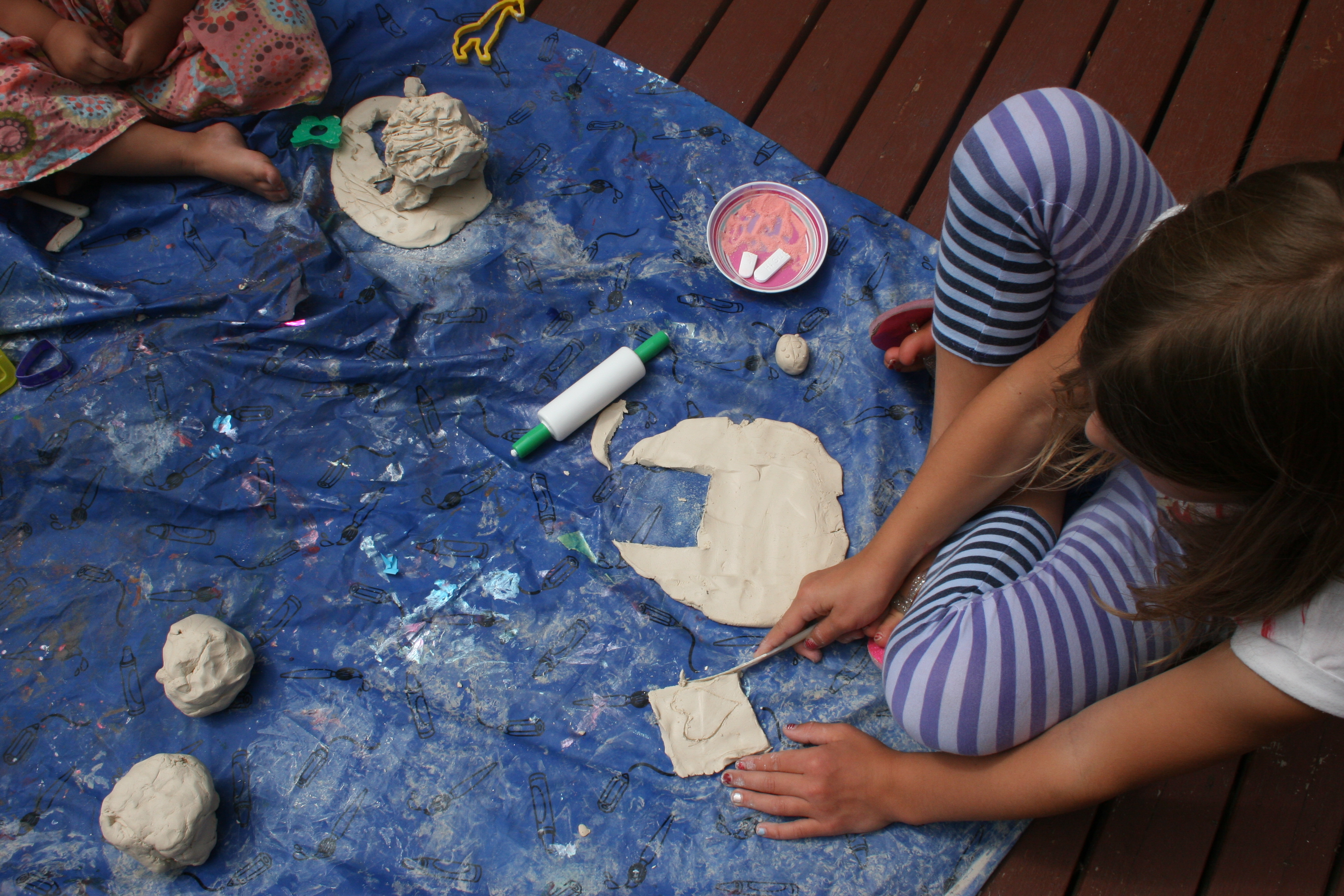
You will see in the gallery below how my children of different ages play with the clay. My 9-year-old goes straight into making a model, while her 4-year-old sister starts by making a pizza, practicing rolling and cutting. She soon copies her sister and starts to make a bowl. Both girls encounter problems with their models and work out how to fix them. My 2-year-old is happy to squish the clay, making marks with knives and then moves the pieces around the garden, collecting loose parts and piling blocks together.

This slideshow requires JavaScript.

Ideas for Teaching Literacy through Play – Painting with Feathers

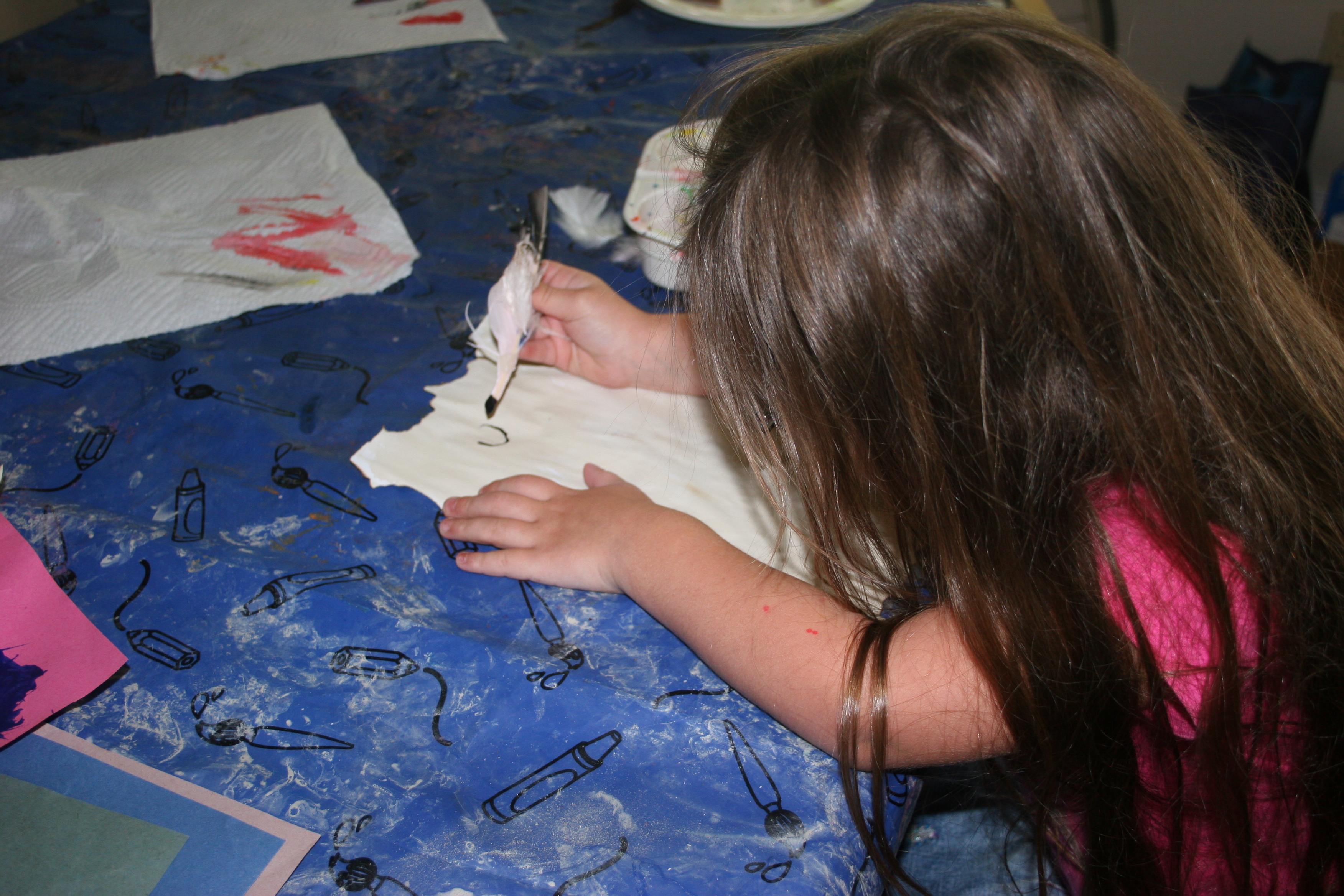
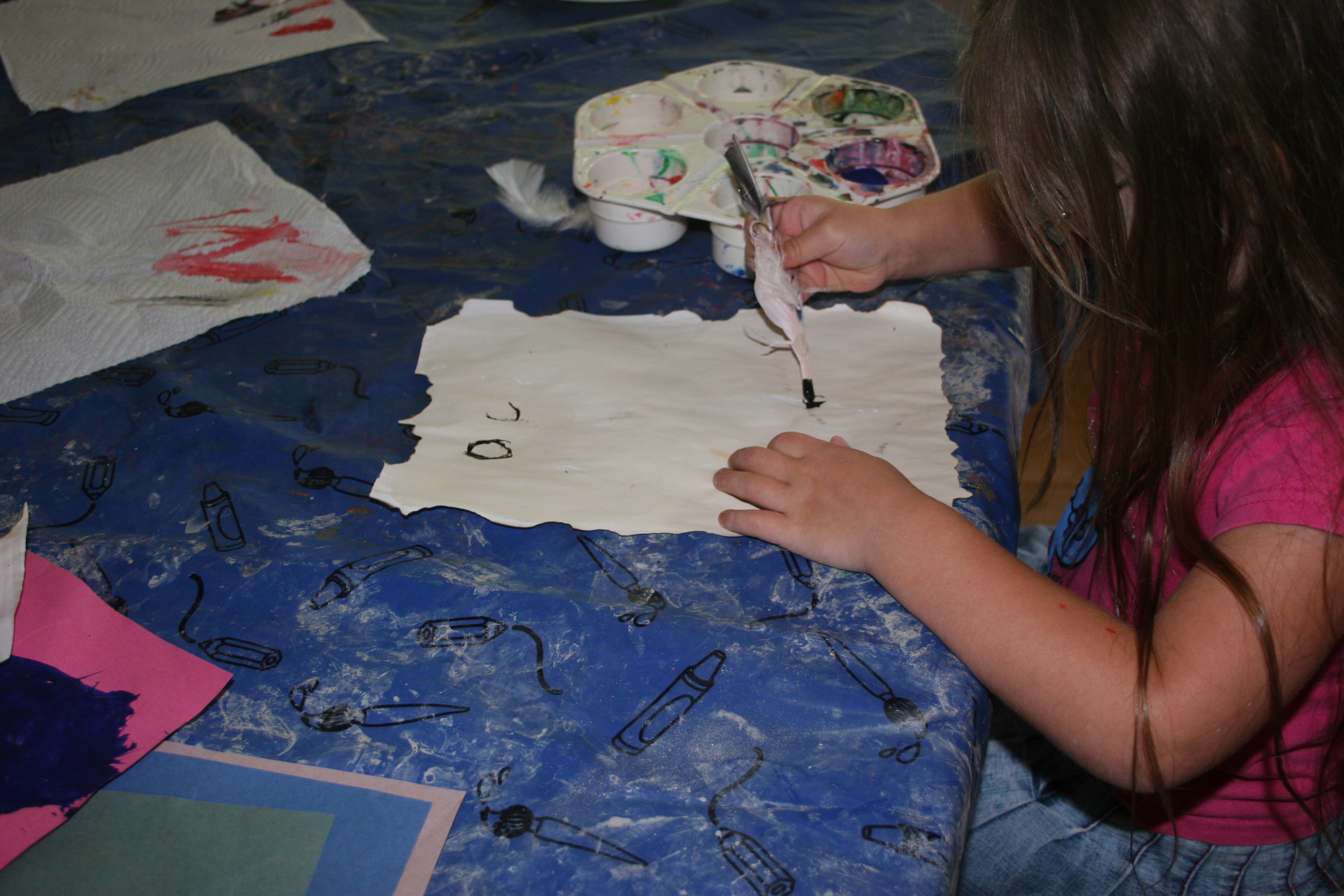
painting with feathersOn the way home from school we were talking about quills. My Harry Potter obsessed 9-year- old had made a quill by putting a biro refill into a feather.

My four-year old asked

Do we have any ink?

No but we can use paint.

We painted with feathers when I was little didn’t we?

We can do that tomorrow if you like. We could use the Peacock feathers we collected at Remlinger Farm.

This slideshow requires JavaScript.

I set the paints up with a few feathers.


My 2-year-old suddenly declared

I wrote the word ‘buh’

Buh for bat.

She has been playing a Sesame Street alphabet game on the iPad and is beginning to talk about letters and letter sounds.

Her 4-year old sister asked

How do you spell bat?

How do you think you spell it? What does it begin with?

Buh

That’s right and what other sounds are in bat?

Bat….    t

Yes, so what is the middle letter?

Bat…b…a…t…..    a.     B..a..t spells bat.

After a little bit of impromptu literacy I had a brain wave. The girls are really interested in pirates at the moment and I thought we might be able to do some writing with feathers, make a pirate map or maybe we could make a wizard’s spell.

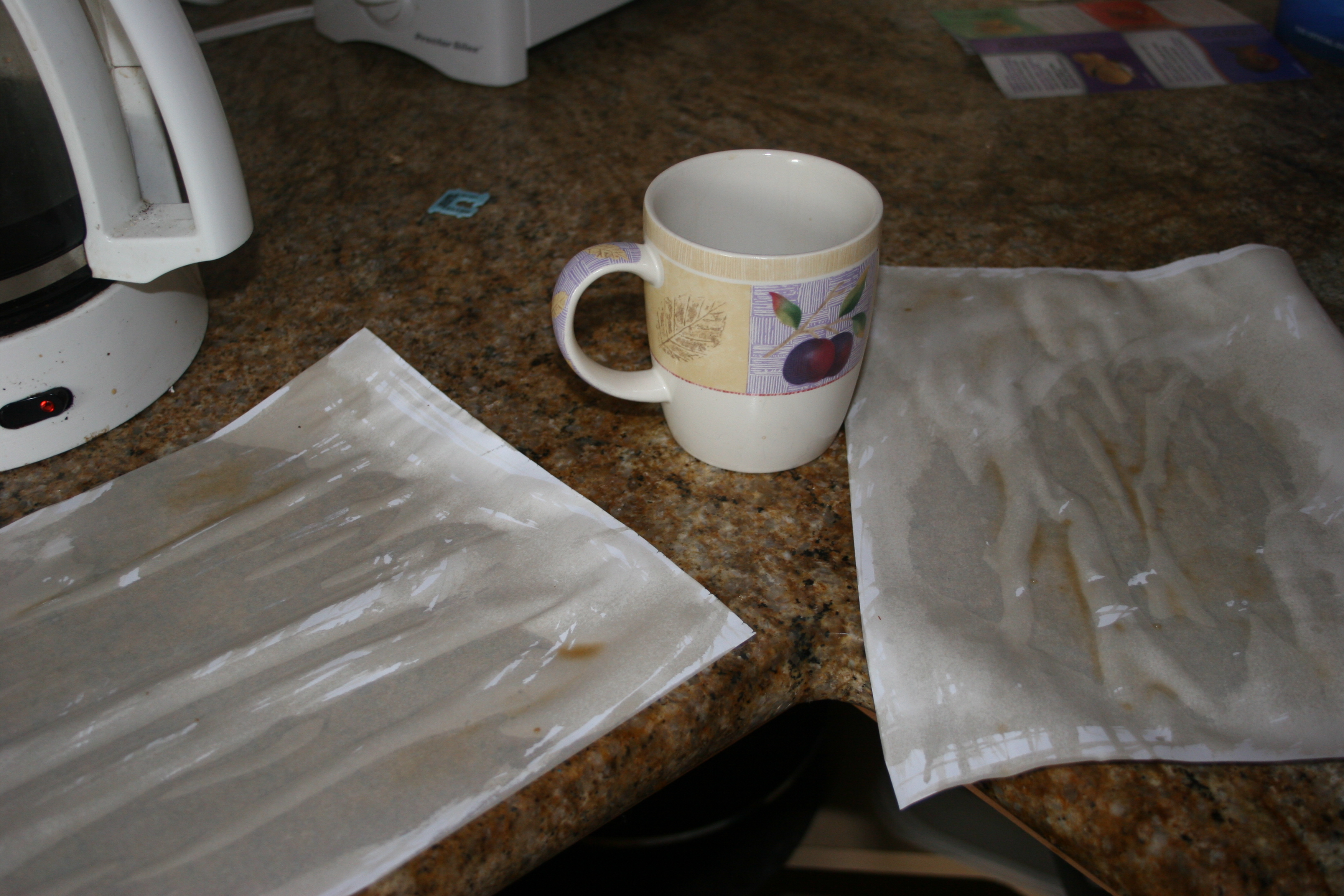
I stained paper with coffeemaking paper look old

When it was dry I singed the edges to make it look like an old scroll.


I asked the girls what they would like to do. They decided on a Wizard’s spell.

It will be funny because we don’t even know how to read and write……………. Maybe Wizards write differently to people.

quills

writing with a quill

I think this would be a great way to encourage boys in their mark making.

  • Set up a desk in a role play pirate ship with ink and quills
  • Make a spell book for children to add their own spells
  • Add a few feathers and a small pot of paint to your mark making area
  • Make treasure maps and encourage the children to mark the treasure with an X.

Literacy for under 5’s shouldn’t be about sitting at a table learning letters, tracing over letters or using flashcards. It can be brought into any aspect of play and when children are ready and interested in letters and sounds they will talk about it, ask questions and experiment. Make it fun, make it relevant and they will learn.

Outdoor Play: When They Would Rather Play with Sticks and Stones (The Theory of Loose Parts)

child playing in the dirt
I hid my stick, can you find it?

I laughed to myself as I watched my 2-year-old playing in the borders, hiding a stick in the bushes and drawing in the dirt.  A few feet away was a very expensive sensory playground with musical instruments, water features and a little bear cave. It was very impressive, but the lure of a stick was just too great. Given the choice I’m sure regardless of the expensive equipment we provide, most children are happy with a stick, a pile of stones, or a tub of water.

My eldest was obsessed with tiny stones when she was small. Everywhere we went she would stop to pick them up or take them home in her pockets. If we were in the garden she would make collections of little stones and spend hours moving them from one place to another. She was very young at the time but I never stopped her for fear that she may swallow them. I simply made sure I was sat nearby so that I could see what she was doing.

playing with loose parts
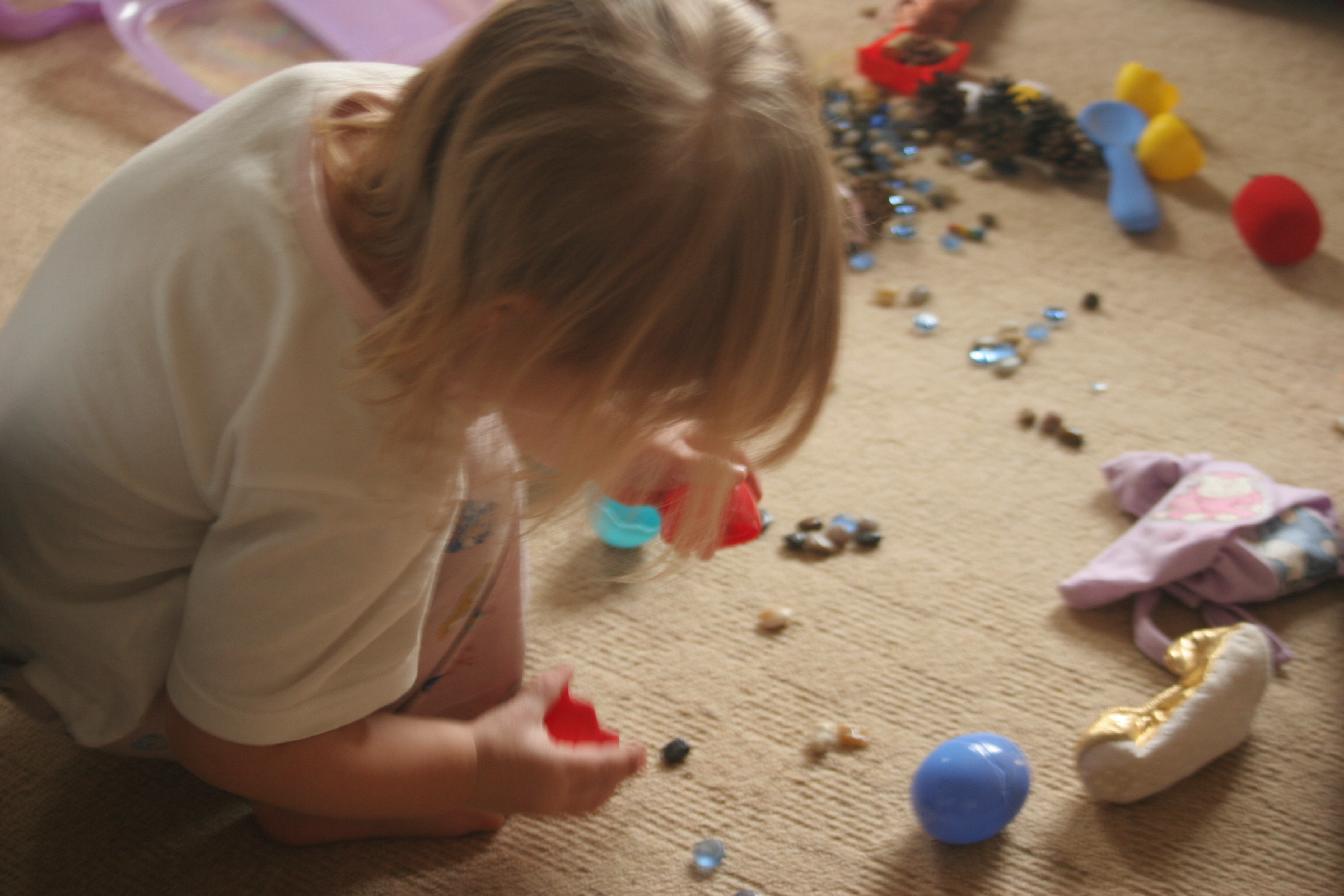
filling eggs with stones and glass beads.

My 2-year -old loves sticks. We have 2 rules:

  • No sticks in the house
  • Do not point sticks at people’s eyes.

Sometimes they are magic wands, Sometimes fishing rods or sometimes simply something to carry around. Every stick is greeted with equal excitement.

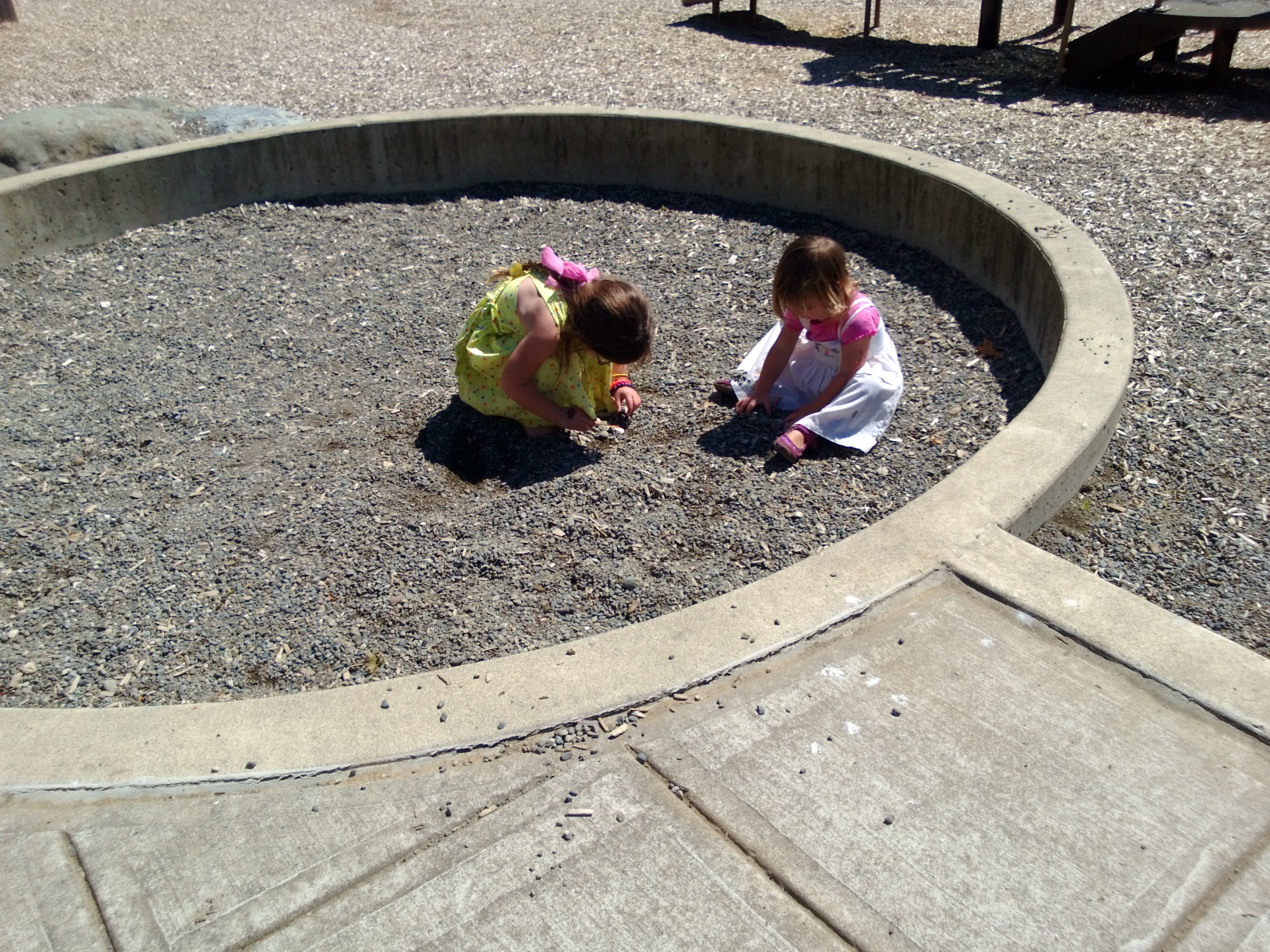
playing in the dirtAll 3 children play for hours in the sand pit. When I first moved to the US I didn’t think the girls would like the grey, gravelly play sand they have here. I was wrong, they love it as much, if not more than the fine golden sand we had in the UK. Even at the park they chose to play in the dirty gravel rather than on the equipment.

The Theory of Loose Parts

In 1972 the architect Simon Nicholson devised the Theory of Loose Parts. It grew from the notion that all children love to interact with variables. Variables can be anything from materials and shapes to media such as gases and fluids and are used to discover, invent and have fun. The theory of loose parts is as follows

‘In any environment, both the degree of inventiveness and creativity, and the possibility of discovery are directly proportional to the number and kind of variables in it.      (Nicholson 1972)

Put simply, the playground with static play equipment will not offer a child the opportunity to discover and create their own scenarios as freely as one that is less predictable or restrictive and offers moveable objects that can interact with the child’s play. A swing is a swing but the gravel can be a home for a bug, fairy dust, a cake, something to draw in, a track for a car and other endless possibilities.

We have the perfect garden for playing with loose parts, with an abundance of trees, pine cones, stones, dirt etc. I decided to organise these a little to see if it would change the way the children played with them.

Storage for Loose Parts

garden equipmentWe had an old clothes horse in the garden that was waiting for a purpose. I bought a few hanging baskets and hung them on the clothes horse along with a few other baskets I  had found. I also clipped a variety of containers to the clothes horse using  an underwear dryer (we also use this for drying paintings).

Using the clothes horse means that it is fully portable making  it easy to move out of the rain or to the sandpit, paddling pool or lawn .

The Slide show illustrates some of the things we collected .

This slideshow requires JavaScript.

Other ideas for loose parts that can be stored outdoors

  • sticks, twigs
  • glass beads, marbles, buttons, bells, beads
  • feathers
  • lolly sticks
  • pegs
  • acorns, conkers and seeds,
  • string
  • large things like pallets, tyres, flowerpots, fabric, boxes, pots and pans, tubes, guttering, bamboo canes, bricks, planks, logs, driftwood.

I love to see the children using their environment to stimulate imaginative and creative play. Here are some of my favourites.

Learning for Life

Country Kids from Coombe Mill Family Farm Holidays Cornwall

Outdoor Play: Making Potions


This slideshow requires JavaScript.

My eldest daughter has been an avid potion maker all her life.  We are always finding concoctions in her bathroom and when she was young she would leave them on the windowsill of her bedroom or on the side of the bath and if you knocked them off whilst having a relaxing bath the cold would give you the shock of your life.  She is now a huge Harry Potter fan, having read all of the series 4 times and her potions are taking on new meaning. Her younger sister is following in her footsteps. Now that the weather is nicer I set up a little potion station for them in the garden – they love it.

It is a great  sensory play activity and science experiment, they got their hands in, testing and smelling the potions and used all kinds of things from the garden. Best of all I love how the imaginary play scenarios evolved.  I suggested to my 9-year-old that she might like to make a book of potion recipes.

‘Yes’ she exclaimed excitedly, ‘ But we’ll need about 70 pages, the McClary recipe book’


This slideshow requires JavaScript.

Country Kids from Coombe Mill Family Farm Holidays Cornwall

Autism Awareness Month: Parenting a Child on the Autistic Spectrum # Story 3: The Wilkins Family–A Step Parent’s Story.

188974_210144349012735_4390559_nThe Wilkins family; Kirsty, Mark and Connor(4). Kirsty separated from Connor’s father when he was small. Kirsty and Mark lived in Local Authority housing and were expecting a child together. Connor received a diagnosis of autism at the age of 3 years 2 months. A home tutor visited the home for 2 sessions per week focusing largely on behaviour and communication.  Connor attended full time nursery in a specialist nursery school with a support worker.

Causes of Stress

Kirsty had no experience of parenting a child without ASD thus it was difficult to say whether or not it was more or less stressful.  Parenting any child was difficult but when she compared him to other children his behaviour was better.

“I wouldn’t change him for the world, it (autism) is part of him, part of his characteristics.”

The only aspect that she found more difficult than parenting a ‘normal’ child is that he required more supervision because he had no sense of danger.

1. Communication/Understanding

The majority of Connor’s difficult behaviours stemmed from communication problems. Connor understood simple sentences and commands and spoke in short phrases, though some of it was difficult to understand. Kirsty found it frustrating that he didn’t understand what she was saying and that she couldn’t always understand him. His language improved since attending nursery full time and having input from speech therapists, a play worker and tutor but Kirsty still found it difficult.

Connor’s lack of understanding meant he would do things that were not allowed but had no concept of why it was wrong.  He would take food from the fridge just before mealtimes or play with the toilet and bathroom products.

They couldn’t ask him what he was doing because he was unable to answer; they had to go into the room to check what he was doing.

“With a ‘normal’ child you can say don’t touch that and they will say ‘why?’. With Connor you say it is hot and he has to touch it to find out what hot means”

As Connor’s understanding improved and he was able to ask for things he became a much happier child and therefore family stress reduced.

2. Disobedience

Mark didn’t find Connor’s behaviour stressful, but the effect that this had on Kirsty was.   Kirsty felt that there were a number of behaviours that Connor only displayed for her,

“He is like any kid, he will play up for his mum”.

This included running away and when Kirsty said ‘no’ to him he treated it as a game,

“Sometimes I feel like I am always yelling at him, I know it’s not his fault but then I feel stressed because I feel guilty for yelling at him….it’s a no win situation”.

Kirsty also acknowledged that if Connor started the day badly this affected her stress levels all day. If she began the day badly, small things caused her stress that wouldn’t usually.

Mark and Kirsty felt that Kirsty’s family had a tendency to give in to Connor and allowed him to do things that they wouldn’t normally allow. They feel that because of this it was difficult to set boundaries for his behaviour.

3. Going to Public Places

Going anywhere outside of the house was particularly stressful for Kirsty. She didn’t drive and anytime she walked Connor anywhere he would run away and has no road sense.  Kirsty avoided going places on her own. Kirsty’s mum would take Connor out because she had a car and often had Kirsty’s sister to help.  His behaviour improved, he stopped wearing reins and would walk around shops without running. The difficulty for Kirsty was getting him to the shops in the first instance.

4. Concerns about the New Baby

Kirsty worried that when the new baby was born Connor would regress. He liked to imitate babies and animals therefore the family worried that he would want to wear nappies or have a dummy like the baby. The family prepared him for the baby by talking to him, involving Connor in shopping for the baby and decorating the baby’s room. Nursery,his tutor and play worker also encouraged  imaginative play using baby dolls.

Coping Strategies and Support
1. Support from Professionals

Kirsty felt that all professionals were extremely supportive. Since Connor attended full time nursery his understanding and behaviour improved significantly. He developed many good habits such as eating different foods and sitting still for a period of time. Having a tutor and play worker come to the home  helped Connor to cope with new people. In the past he was frightened of people outside of the family but he became more sociable. Kirsty also found the tutor valuable as a source of information. Mark felt that if Connor continued to progress at the same rate as he had in the last 6 months then they would not have any significant worries about his future.

2. Support from Parents

Kirsty felt able to turn to her mum for advice and as a primary school teacher she often had useful strategies. Kirsty’s mother looked after Connor overnight every Wednesday; this gave Kirsty a regular break, which she found particularly helpful.

A Wish List for the Future

Kirsty and Mark couldn’t recommend any further/ different support as they valued all the help they got from professionals. The only thing that might help slightly would be for Kirsty to be on her own less so that when she was feeling stressed she could take a few minutes to calm down without being in the heat of the situation.

Story 2 is a Single Parent’s Perspective and Story 1 Taking Time off Work

Disclaimer: all names are pseudonyms.

Autism Awareness Month: Parenting a Child on the Autistic Spectrum # Story 2 : The Simpson Family–A Single Parent’s Perspective

autism awareness monthThe Simpson family are Leanne, Chloe (age 6) and Robert (age 3). Leanne separated from the children’s father before Robert was born. Robert received a diagnosis of autism when he was 2 years 4 months. The main concerns at this time were communication and social interaction. Leanne also felt that she needed a lot of information because she knew very little about autism. Robert attended pre-school for 5 mornings per week supported by a tutor, a tutor also visited at home.

Causes of Stress

Leanne felt that parenting a child with ASD wasn’t significantly more stressful than parenting any other child but different things caused her stress. The knowledge that he would always be autistic in particular changed the way she thought about things.  Once she knew that he was autistic she felt unable to allow him to be content to do his own thing, there was pressure  to ‘get him to do things’ so that he would reach his full potential’.

  1. Smearing

Robert as a very tactile child  often sought sensory stimulation, including tickling, walking on bricks and exploring paint, water and sand with his hands. Often, when he had dirtied his nappy he would play with the contents and smear it over the room. This usually only occurred when he was on his own. At night Robert wore an all in one pyjama suit with the fastenings sewn together so that he couldn’t  get his hands in his nappy. This worked well,  and Robert stopped smearing every night. Leanne felt that bathing him after an incident was offering him a reward because he enjoyed baths. Leanne avoided  this and instead made minimal fuss and put Robert in the shower (which he disliked).

The most stressful aspect of this behaviour was that it had to be dealt with alone. Leanne felt that school would help with other things, like communication but this was primarily a home problem.

2. Communication

On the whole the most stressful aspect of parenting a child with ASD was communication.

“Smearing is the most stressful thing day by day but communication is the most stressful thing on the whole”

Robert’s inability to communicate was less stressful than his inability to understand. It was often possible to guess what Robert wanted or offer alternatives.

Robert’s communication improved significantly since his home tutor first became involved. Initially Robert’s only form of communication was to push Leanne towards desired objects.   A picture exchange system (PECS) was introduced to enable Robert to exchange a picture for a desired object. Initially this was very difficult for Robert to grasp and although he was able to pass one card to an adult he could not make a choice between 2 or more. Eventually Leanne discovered that he was interested in fridge magnets, the pictures were mounted on magnetic strips and placed on the fridge. Desired objects were placed out of Robert’s reach and each time he would reach for something Leanne would ask ‘What does Robert want?’ whilst signalling to the pictures. Robert quickly learned to pass the correct picture spontaneously. Robert developed a wide range of vocal sounds and used some words in context including ‘go’ and ‘again’.

3. Going to Public Places

There were 2 difficulties when taking Robert to public places: –

  1. Throwing himself on the floor and refusing to walk .
  2. Grabbing things from shop shelves.

Robert had a large pushchair that was generally used when Robert went out. This enabled Leanne to visit a variety of places that would not otherwise be possible. However, Leanne was anxious that as he got older it would be less appropriate to take him out in a pushchair. When Robert was expected to walk even short distances (e.g. from the car to his sister’s school) he would drop to the floor and refuse to move. Leanne’s main strategy for dealing with this was to walk away and wave good-bye, Robert usually responded by following. When this didn’t work Leanne tried to make it into a game. Robert enjoyed playing ready, steady go games and running on the word ‘go’. The game was used to encourage him to walk.

4. Impact on Siblings

Chloe was old enough to be aware that Robert was autistic but Leanne found  it difficult to explain things to her in a comprehensive manner,

“Only the other day she said ‘if I was autistic Robert wouldn’t be’, which is quite hard.”

As a single parent it was also difficult to go to places that Chloe would like to visit. Leanne found it difficult to cater for both of their needs.

5. Diagnosis

The diagnostic process in itself was not stressful but Leanne felt that her health visitor/doctor did not prepare her for a diagnosis of autism,

“When they were asking me questions that I know now was to do with autism, nobody mentioned to me at all; it could be this, which meant that when I did go to the paediatrician and they said it probably was autism it shocked me”.

Leanne would have liked to have been prepared for the possibility so that she could have found more information.

6. Nursery and Schooling

Finding the right nursery place for Robert was stressful for Leanne. Robert was offered a place at a specialist nursery from September but in the meantime Leanne felt it would be valuable to attend a local pre-school to see how he would interact with other children. Many of the pre-schools she visited didn’t feel right, as it seemed they had no experience of autism and were less than enthusiastic about taking him. On the contrary Hawthorn’s pre-school had experience of autism and appeared very flexible in their approach.

After a few weeks at the pre-school Leanne became worried because nursery workers gave comments that they were unhappy about Robert attending without a support worker,

“Hawthorn’s was a complete nightmare that really did stress me out…knowing what I do now I wouldn’t have put him in that school”.

With time and negotiation Leanne felt more comfortable about Hawthorn’s but feels that it was an unnecessary burden.

Leanne was also worried about choosing the right school for Robert; she felt that ultimately it was her decision but that it was a huge weight on her shoulders,

“If you get the right school and the right help then wherever he goes in life that will help him get to the highest potential, because that will be the majority of his learning.”

Coping Strategies and Support

1. Professional Support and Information

The Support Leanne had from professionals was particularly valuable, the most notable of these being his home tutor and the Early Bird course. These helped share information about autism and suggested strategies for dealing with problem behaviour.

Leanne had a particularly good experience with her Early Bird group. The group of parent’s bonded particularly well and they continued to support one another and meet socially both with and without their children.

The most important contribution from the home tutor was the introduction of PECS. Leanne felt that she needed to be taught from scratch how to communicate with Robert and the regular contact with the tutor helped. They also helped Leanne to see what Robert was capable of,

“Before I used to say he is never going to do that, it’s taught me not to think that way”

Having someone to talk to on a regular basis, particularly someone with knowledge of autism and experience with other children was invaluable. The flexibility of the early intervention programme and informal relationship with the tutor meant that there was no pressure,

“You feel like you aren’t on your own”.

2. Support from Friends

Leanne’s close friend Helen had a child slightly older than Robert who was also autistic. They spent a lot of time together both with and without the children. Leanne often telephoned Helen when she was having a particularly stressful time. Helen had first hand experience of autism and the practical advice she gave was refreshing,

“I don’t want to hear ‘aah’, I want to hear ‘yes I’ve been through that as well’ ”.

A Wish List for the Future

Leanne would like to continue having someone help her develop strategies for dealing with Robert’s behaviour.

If Leanne could have any additional help the most useful thing would be to have a regular break.  Someone looking after the children for one night per week would give Leanne something to look forward to.  It would be important that she could trust the person caring for her children, being sure they were safe would help her relax.  Leanne felt  support of this kind was lacking, her parent’s would baby-sit but never have the children overnight.

“ If you don’t have anything to look forward to it is a constant thing. If you’re having a bad week, which you do, and your child’s having a bad week as well you can see no end to it.”

As a single parent this is particularly important. Single parents are more likely to require  respite care and support from other families.

Story 1 : Taking Time off Work Story 3: The Step Parent’s Perspective

Disclaimer: all names are pseudonyms.

8 Things a Child Can Learn From Playing Golf.

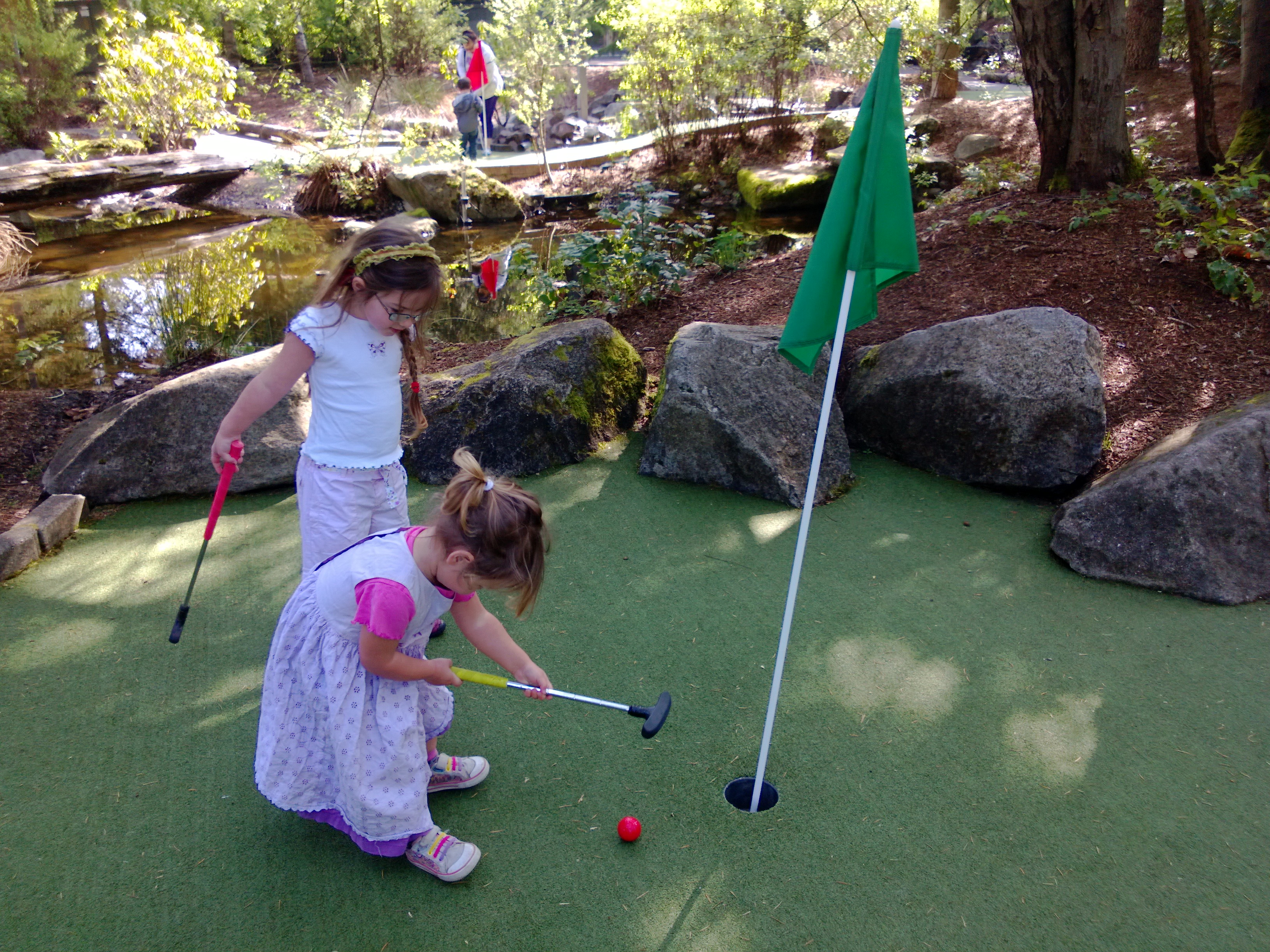
willows run put put courseToday I met with a group of mums and their toddlers to play golf at the pitch and put, Willows Road Golf Course. All of the children were new to golf and most of the children were below the age of 2.  My girls had a brilliant time – my 4-year-old even asked if she could come back tomorrow.

Before 11am under 12’s can play the 18 hole pitch and put for $5. The beautiful setting meant that my 2-year-old, who lost interest after a few holes had plenty to keep her occupied.

There were lots of opportunities for learning too:

  • Number recognition as we moved around the holes
  • Recognising colours – who has the red ball? What colour flag do we have this time?
  • Reading signs – Please rake your footprints, keep on the path.
  • Gross motor skills – how do you hold the club? You need to hit it hard to get it up hill.  What is the best way to get it in the hole?
  • Counting – how many shots did you take that time?
  • Writing – filling out a score card.
  • Vocabulary – What is the stick called again? I’m in the bunker.
  • Turn- taking and awareness of others.

We’ll definitely be doing it again, a great way to spend a sunny morning.

Outdoor Play: Making Muddy Footprints Isn’t Always Easy.

I had a bit of alone time with my middle daughter. We thought it might be fun to try to make muddy footprints.

Do you want to make shoe prints or do it in bare feet.

Her face lit up

Bare Feet!

In Seattle it rains a lot. Finding soft mud shouldn’t be a problem….

But then it is still only just outside of winter and we still have frosty mornings.

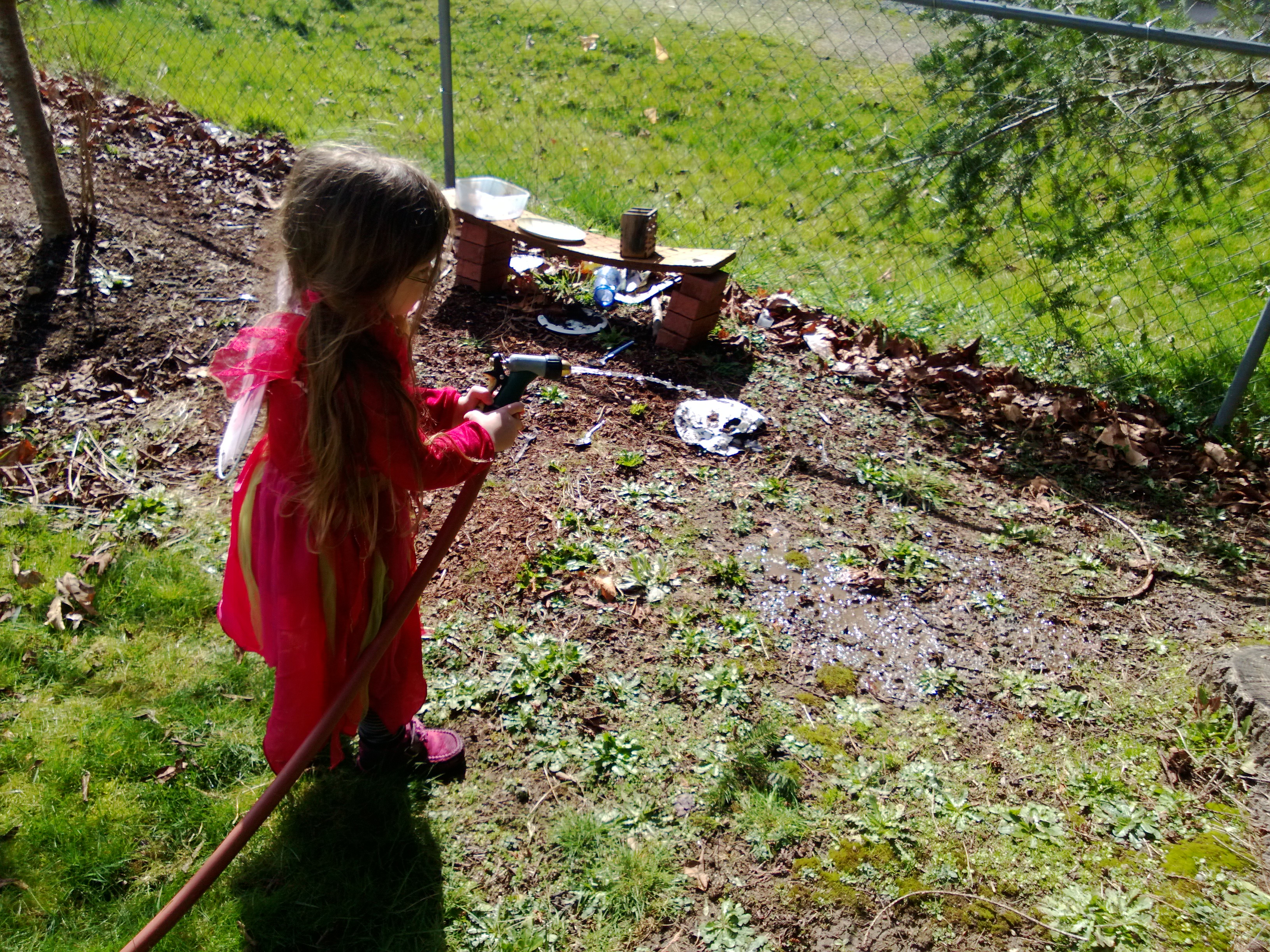
child with hose

The mud didn’t look much like we would be able to make footprints. We decided to wet it with the hose.

We tried again.

standing in mud

It’s not working.

How about we dig a bit and try to find the clay-like mud?

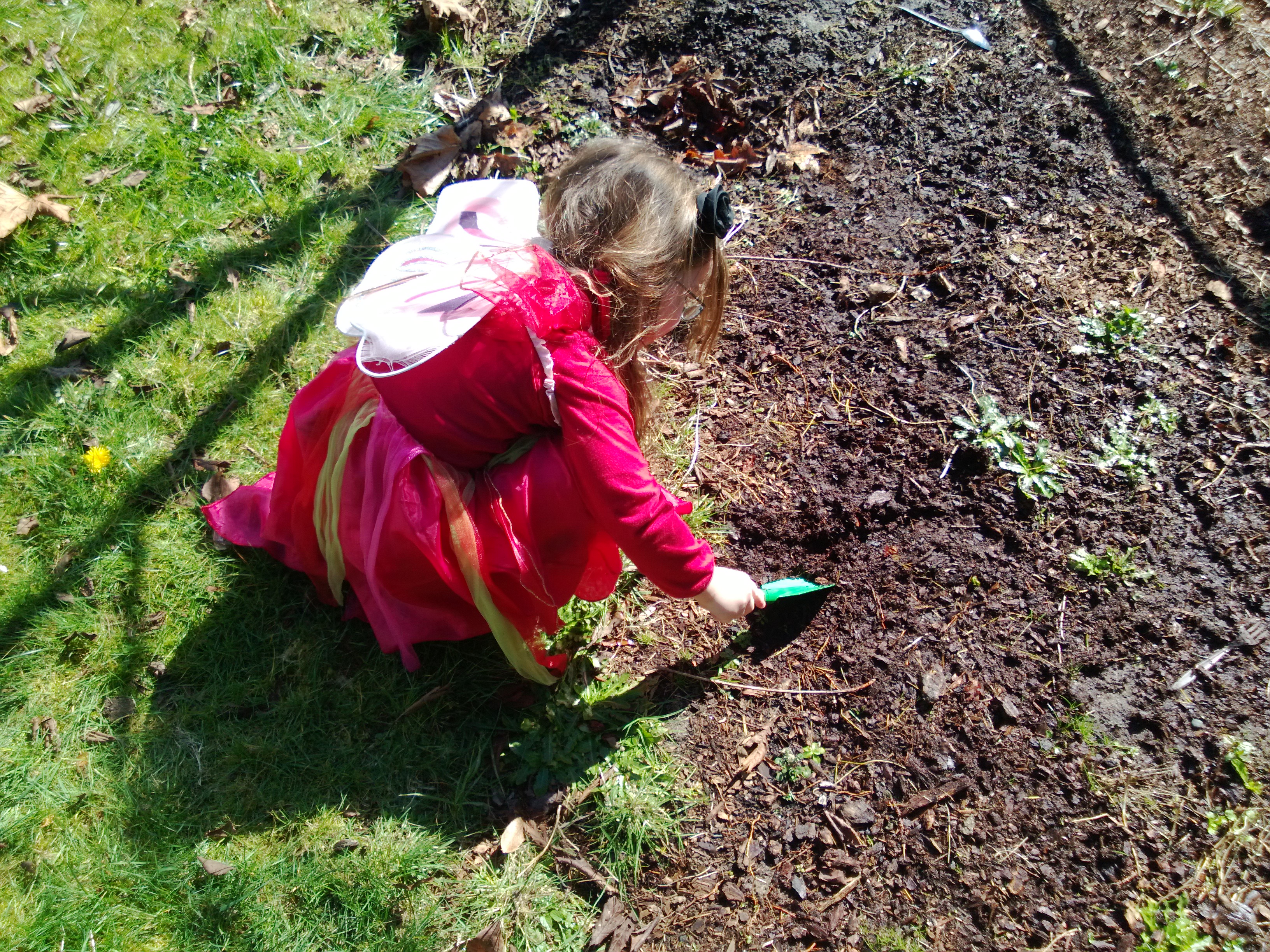
We found trowels and proceeded to dig.

digging in mud

Let’s add a bit more water now.

wet mud

We tried again.

Now it’s too wet! It doesn’t work properly.

mudHow about we try to smooth it out and make it flat and then see what happens?

playing in mud

Press your foot in

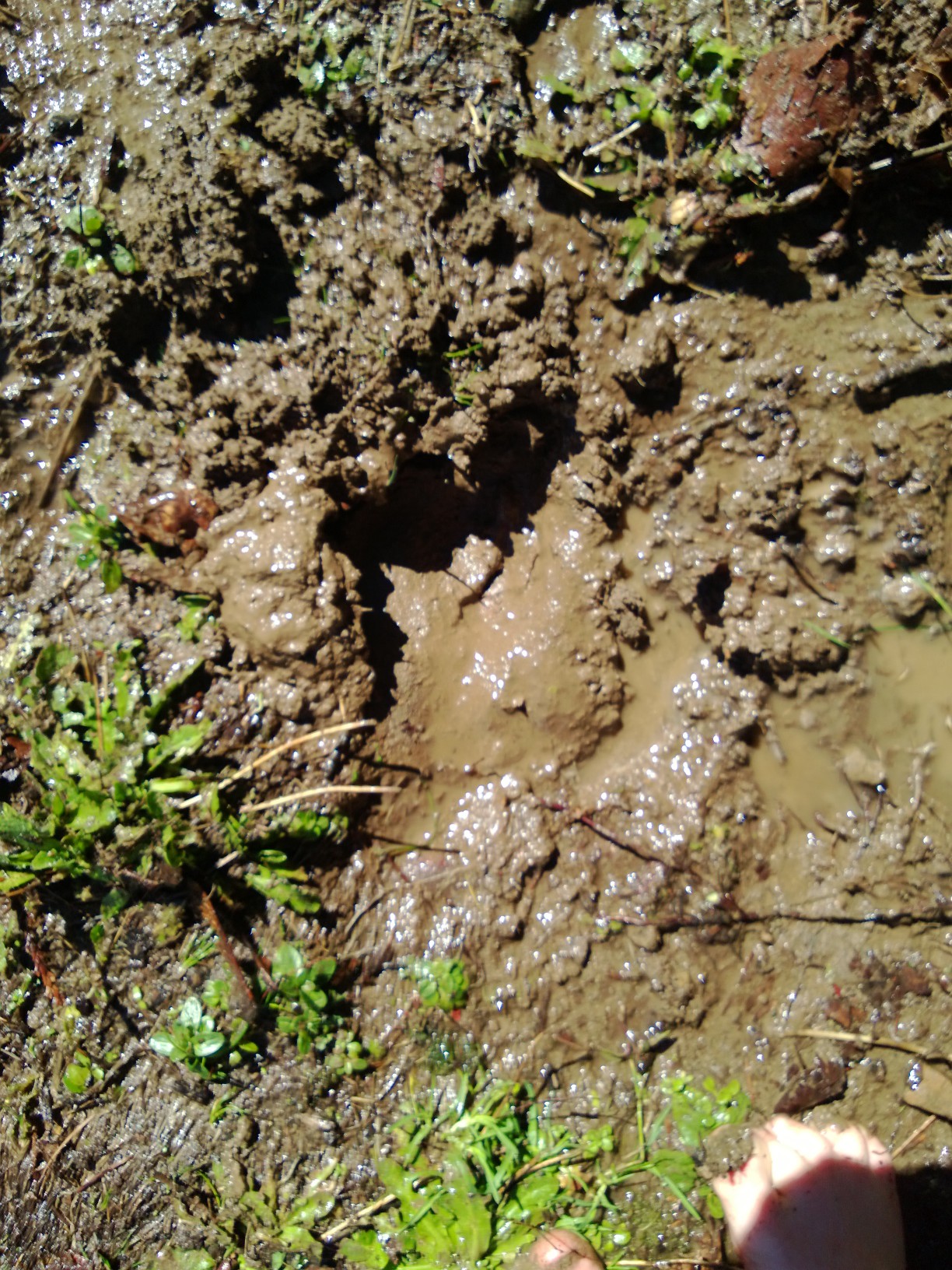
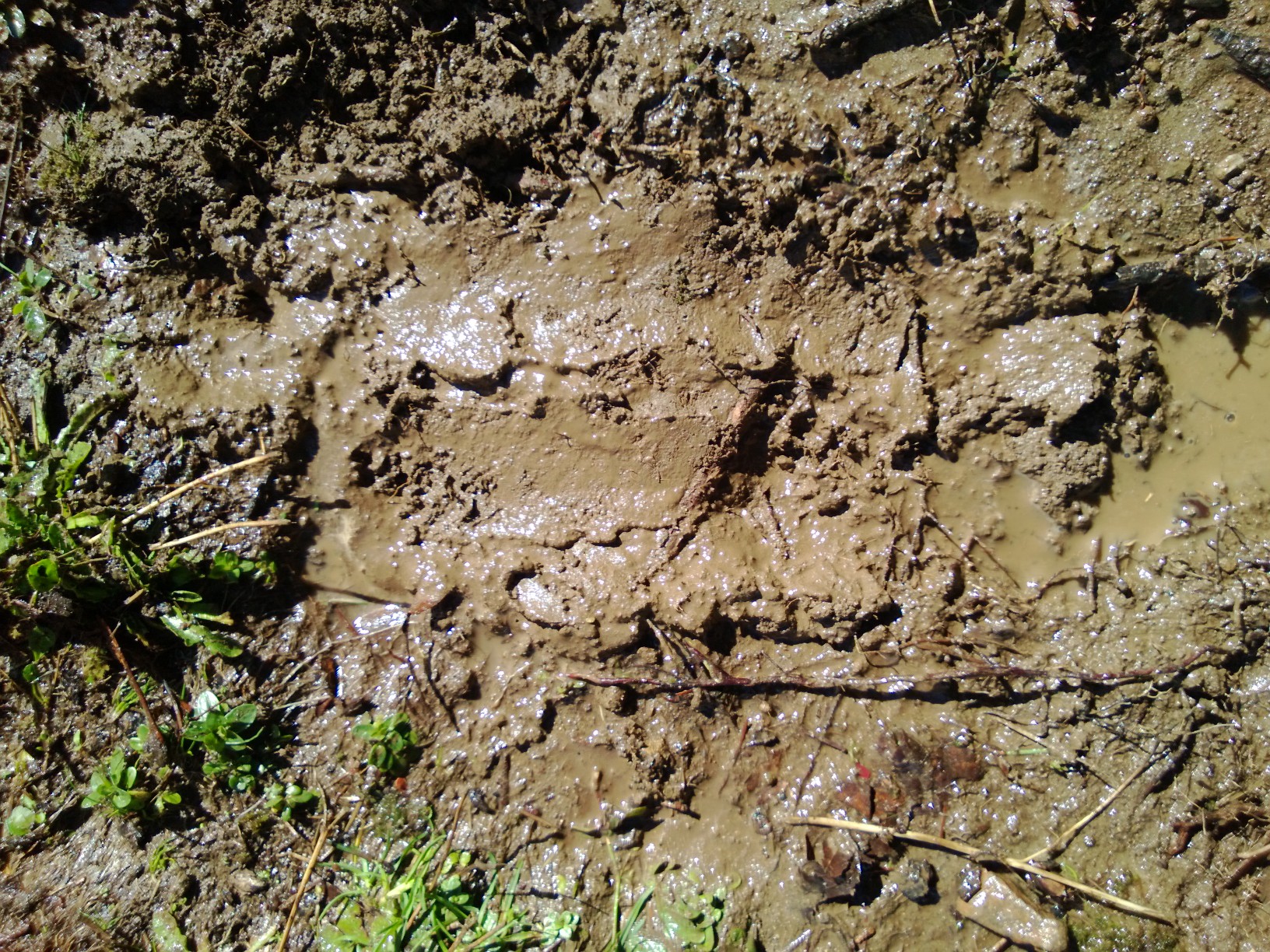
footprints in mud

Look it worked.

mud playWe can try again in the Summer or in another bit of mud. Can you wash my foot with the hose?

It’ll be cold

I like it cold.

Country Kids from Coombe Mill Family Farm Holidays Cornwall

10 Hungry Caterpillar Inspired Activities

To celebrate the 40th birthday of one of the world’s most famous picture books, I have 10 Hungry Caterpillar inspired activities.

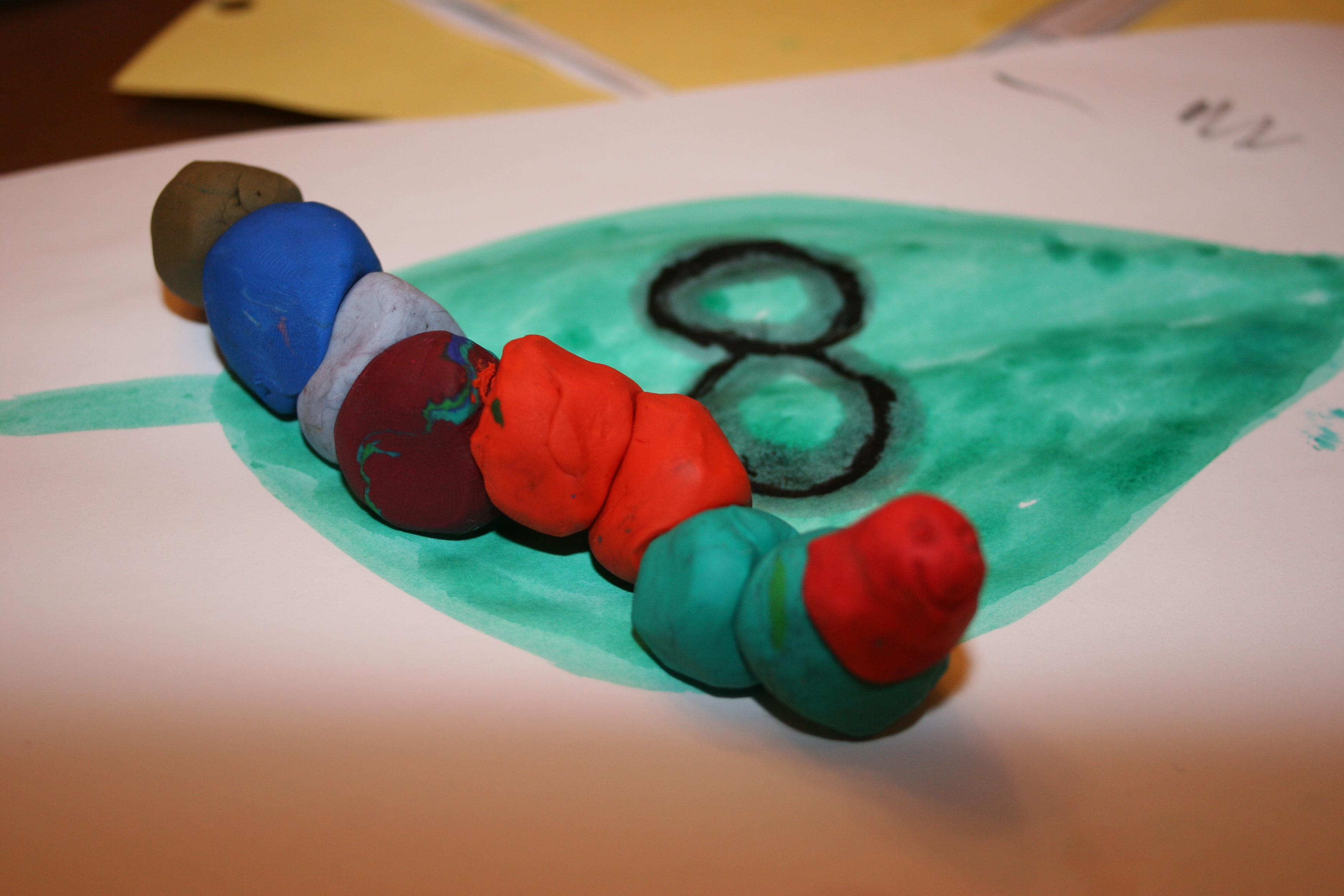
  1. clay caterpillarMaths: Build caterpillars from dough or clay. Count the number of segments that make up the caterpillar. Play a matching game – place the correct caterpillar on the leaf with the matching colour or number of segments.

2. Imaginary Play: My eldest followed an enveloping schema for years. She would hoard things in little bags and containers and if you ever left anything around that she could climb into, you would find her inside. On one occasion I left a fabric storage bin in her room. She promptly climbed inside declaring that she was in her cocoon and soon emerged as a beautiful butterfly. Provide material, boxes, play tunnels, blankets, wings and deely boppers.

3. Song and Rhyme: Sing the caterpillar on a leaf song or sit behind your child and pretend to crawl a caterpillar up their back.  Teach them to ask ‘Whose that climbing up the garden wall?’ and you reply in a caterpillar like voice ‘It’s me’ said the caterpillar ‘I’m learning how to crawl’.

4.painting butterflies Paint symmetrical butterfly pictures: I’m sure we all remember these from school days. Paint on one side, fold the paper over to create a symmetrical print on the other.  This can also work well by painting a piece of string, placing it between the folded paper and then pulling it out whilst the paper is still folded.

5. Movement: Read the Hungry Caterpillar and give the children movements to follow during the story. Egg – curl up in a ball, caterpillar – crawl along the floor moving to eat different types of food,  big fat caterpillar – stretch out wide, cocoon – spin slowly then hang their head between their legs, staying very still, butterfly – flap their wings and fly.

6. Discovery – it is a little cold yet but once the weather is warmer, grow your own butterflies. We have done this very successfully using kits from Insectlore. It is fascinating to watch how quickly the tiny caterpillars grow and then instinctively hang upside down. You soon get to recognise when the butterflies are ready to emerge and can feed them indoors for a day or 2 before releasing them into the garden. The species that they use tend to stay within your local area for a few days after being released so you can spot them in the garden.

Find out about the butterflies and caterpillars that can be found in your locality, and print pictures of more exotic species.

7. Food: Make a fruit salad using the fruits eaten by the Hungry Caterpillar or taste some of the more unusual foods he ate.  We are a big juicing family so we are going to make Hungry Caterpillar juice using:

1 apple

2 pears

3 plums

4 strawberries

5 oranges

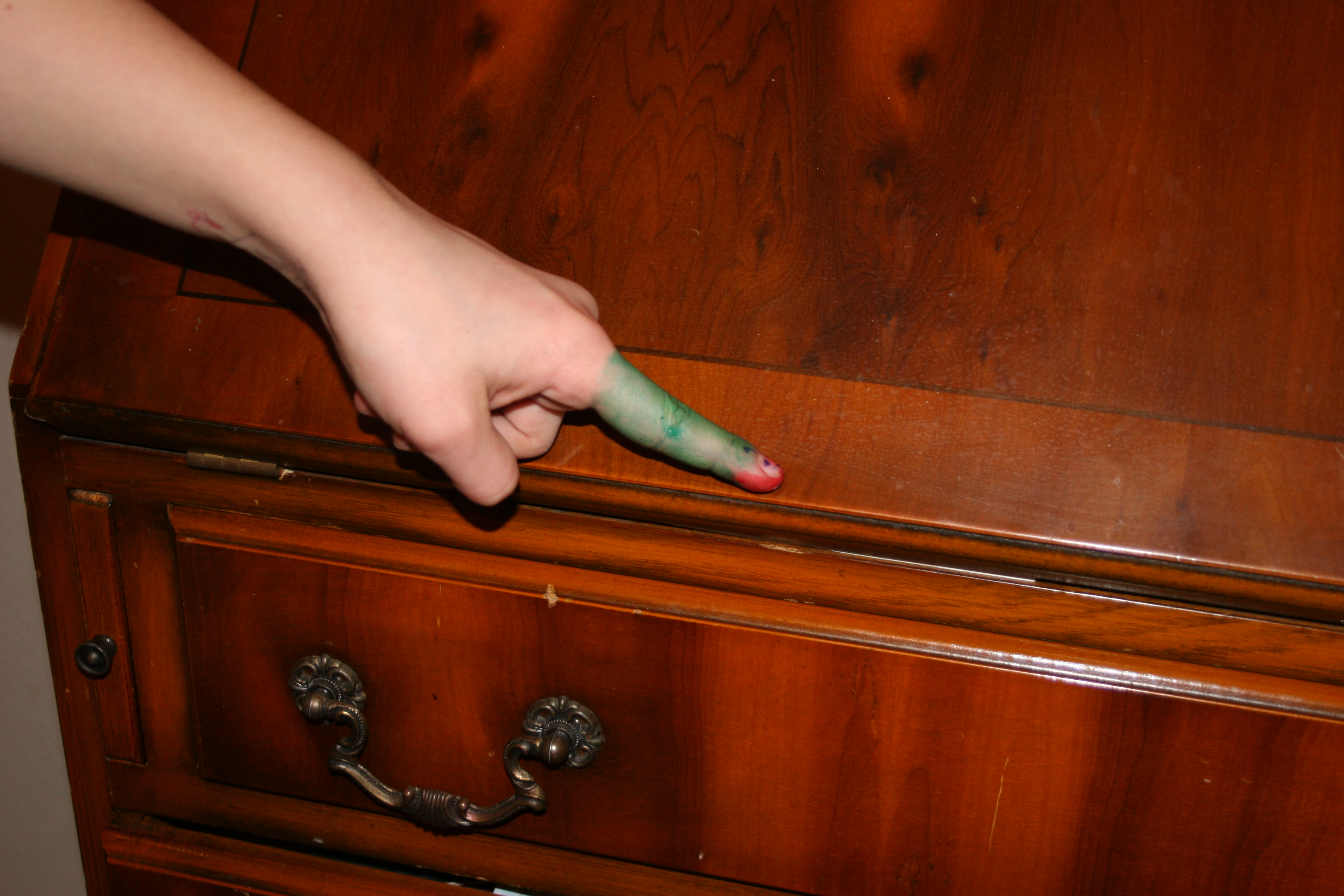
 8.finger caterpillar Maths: Turn your finger into a crawling caterpillar and measure things in caterpillar steps.measuring caterpillar

9. Outdoors – Grow a butterfly garden. I saw some amazing butterflies in our garden last year that are fairly commonplace in this area. I’m definitely going to learn about how I can attract them this year.

10. Visit a Butterfly Farm. I can highly recommend the butterfly house at Bristol Zoo and Felinwynt Rainforest Centre in West Wales.  In Seattle there is the Butterfly House at the Pacific Science Centre . Feel free to add any recommendations in the comments.

And don’t forget to read the book……