Often as parents we are unsure about introducing children to poetry, fearing that it is difficult to understand. My children however love poetry and will often choose to read it rather than prose. A new CBeebies programme Magic Hands launching soon will make poetry even more accessible to children.
CBeebies Magic Hands is a brand new and groundbreaking series for the channel featuring poetry translated into British Sign Language.
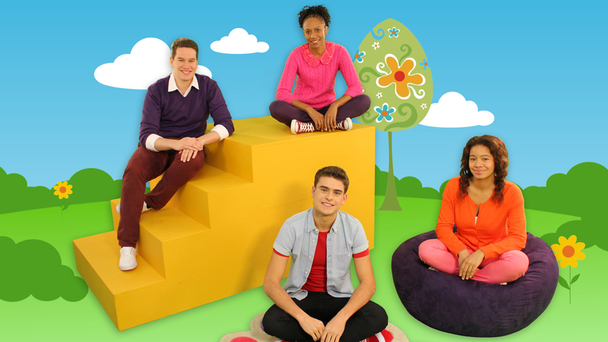
A co-commission with BBC Learning, Magic Hands presents modern and classic poetry for children in a way that has never been seen before. Across the series, the Magic Hands presenting team – Ashley, Donna, Aimee and Simon – perform some of the best children’s poetry entirely in British Sign Language (BSL).
From Robert Louis Stephenson to Roger Stevens and Michaela Morgan, the programmes are fun, five-minute packages that mix sign language, the spoken word, music and vibrant animation to bring the poems to life and capture the imaginations of both deaf and hearing children.
The series is made for CBeebies by Remark Ltd, a company that is owned, staffed and run by people who are deaf.
Series producer, Judith Bunting, says: “Translating modern and traditional poems for children into BSL on such a scale is a first. There are deaf poets and deaf theatre companies but no national television company has ever tried translating children’s poetry into BSL.
The Magic Hands presenters are all new to television and have been profoundly deaf since birth. On set they worked with professional interpreters along with the series’ artistic director, Jean St Clair, and both deaf and hearing production crew.
Each episode of Magic Hands is based around a single verse, interpreted for children. The selection comes from poets including Christina Rossetti, Kenn Nesbit, Gareth Lancaster, Henry Wadsworth Longfellow, Katharine Pyle, Charles Kingsley, James Carter, Sarah Coleridge, Maya Angelou, Rabindranath Tagore and Grace Andreacchi as well as Shakespeare.
Controller of CBeebies, Kay Benbow, says: “We are delighted to bring Magic Hands to CBeebies. The mix of sign language, music and lively animation creates spellbinding poetry that we are sure all our young viewers will enjoy.”
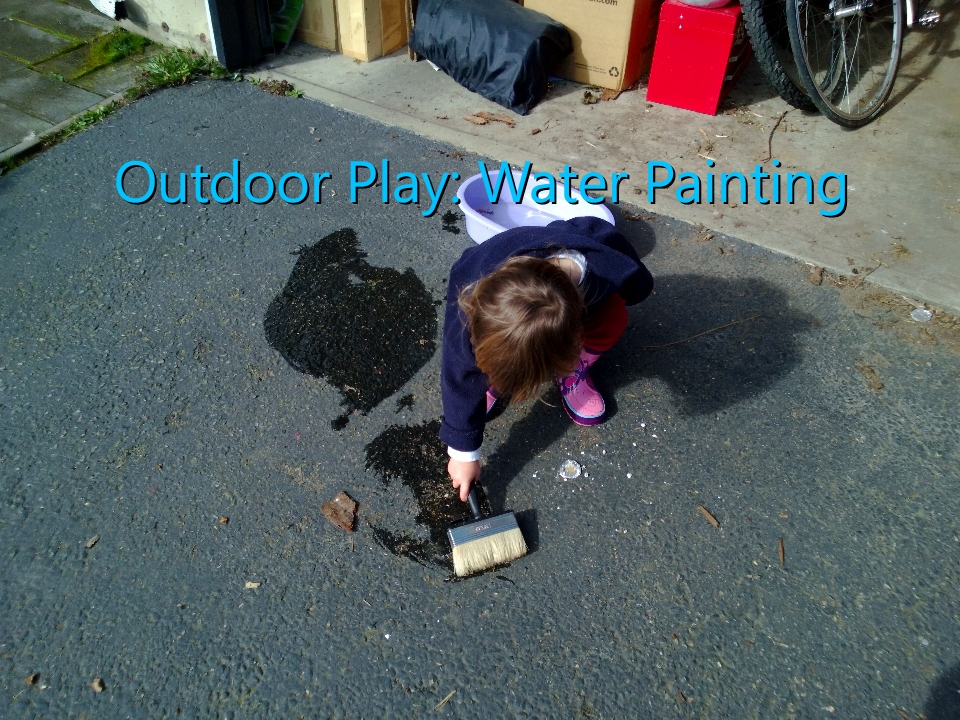
Getting my children to put things away when they are finished is often a struggle but sometimes it has its advantages. A tub and paintbrush were left on the driveway. After a few rainy days it inevitably filled with water. My 2-year-old picked up the brush, dipped it in the tub and proceeded to paint the garage.
On a sunny day she returned to the tub but couldn’t find her paintbrush. I brought a selection from the garage and as she discovered the different lines the brushes made. Painting on a dry driveway was a very different experience. I later found a paint roller – below are her remarks as she played.
My Children are big fans of Beat Baby and love to play rhyming games. Some of these activities and the way they help with early literacy development are documented in a previous post about Musical Games . Recently we were reading Ros Bayley’s Action Raps and then continued to make up some of our own.
After a few rhymes with me leading the way, my 4-year-old decided to have a try.
Having recently discovered some of the amazing hikes in the Seattle area we are really keen to encourage the children to appreciate the wonders around them. My kids love outdoor play, especially in the woods but a 4 mile steep hike can be hard work for an 8, 4 and 2-year old. To keep them going on our last hike I asked them to see how many letters of the alphabet they could spot in the surrounding area. The letters had to be found in nature and they weren’t allowed to create a letter by moving an object.
Here are some of the letters we found
X
t
V
Y
C
B
L
U
The view from the top is always worth it (and the promise of snacks).
My idea of the perfect family Christmas is a little clichéd but involves mince pies, mulled wine, a roaring fire and singing around the piano. This is becoming a reality in our house. With an array of instruments including piano, guitar, clarinet and saxophone and a whole family who enjoy singing and music, we are loving making and recording music together. When I was asked if I would like to review Jingle Bells, from music-for-kids, I thought it would be a good chance to add Christmas songs to our repertoire.
The Jingle Bells book and CD features 18 well-known Christmas carols and songs. The book is nicely presented with each song displaying the notes of the melody plus chords written along the top. There is also a handy chord chart at the back of the book for both guitar and ukulele. Being a beginner, I photocopied the chord sheet to make it easier to reference while I was playing guitar. With my basic guitar skill, I found that there were a few too many chord changes to play many of the tunes with confidence but with most songs you could leave some of the chords out.
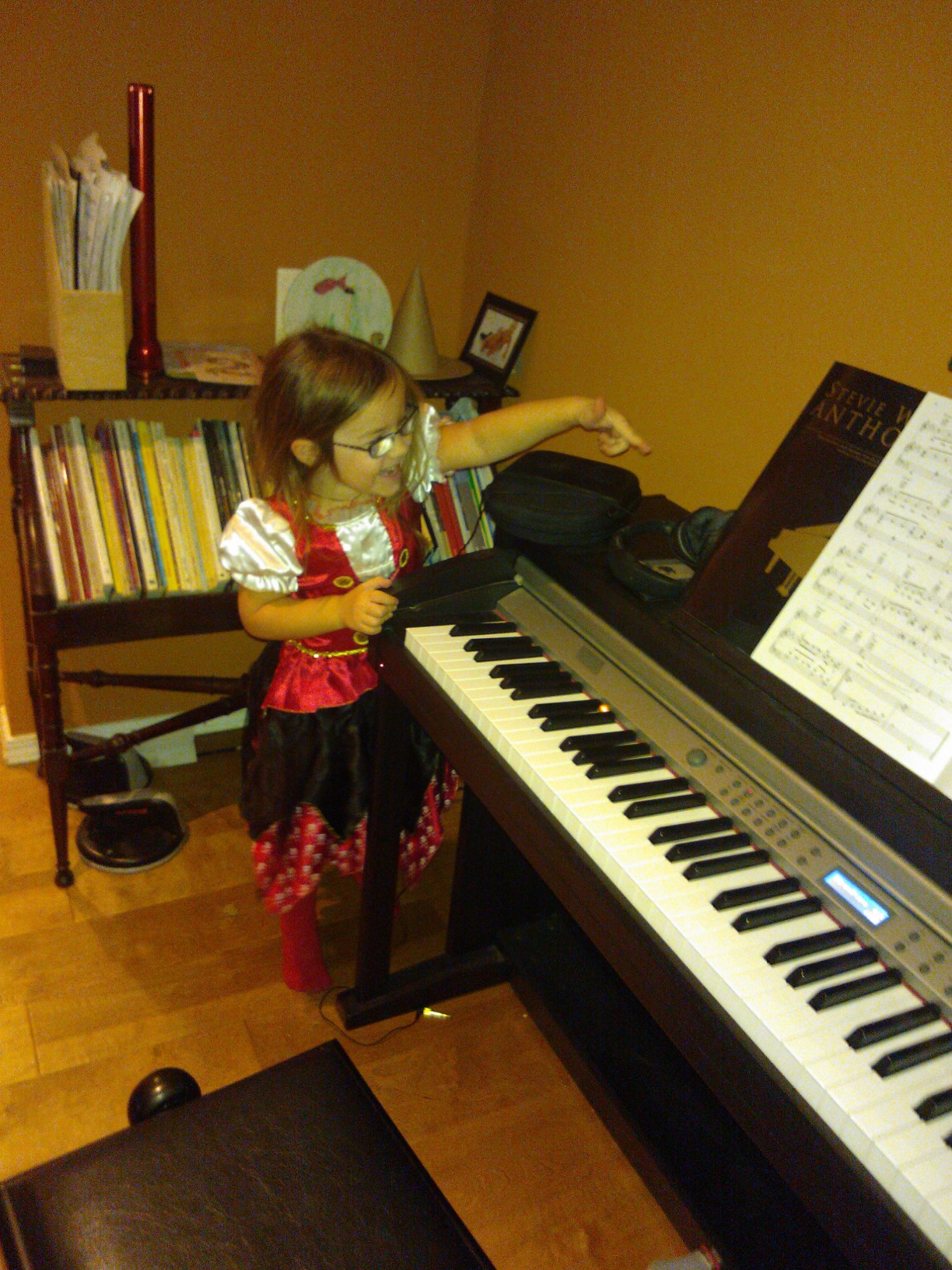
The piano music is basic (right hand melody and chords) and was great for my 8-year-old to practice sight-reading and play a simple tune . The chords could be added by a more experienced pianist to play accompaniment, I even managed to sing along to my own rudimentary playing during silent night.
The CD contains all the songs in the song book and is a nicely sung collection of Christmas carols. Younger children may find the keys too high.
My little ones enjoyed filling out the sticker pages and singing along to Jingle Bells while their sister played the recorder. I was disappointed that there weren’t more songs for the little ones like ‘Rudolph the Red Nosed Reindeer’, ‘When Santa got Stuck up the Chimney’ or ‘Away in a Manger’. They joined in with Jingle bells and We Wish you a Merry Christmas and there are a few other simple melodies that they could learn but I would have liked to have seen more simple songs that weren’t carols.
If you are looking for a simple book and CD of traditional Christmas Carols, at £7.95 this is excellent value.
No payment was a received for this review, a copy of the material was received for review purposes.
Many of us provide elaborate parties for children under the age of 5 and then find that they are happy just ‘playing’. I’ve adapted my parties over the years. I found that before the age of 3 my children were happy to have one or 2 friends visit to play games and eat cake. Even when they were a little older they mostly enjoyed a few crafts, games and dancing.
According to a recent study by I CAN the communication charity, my children are not unusual. In a survey of 1500 parents they found that the top 5 party pursuits for under-5’s were:-
Dancing games like Musical Chairs, Musical Statues and Musical Bumps
Party games like Pass the Parcel and Pin the Tail on the Donkey
Playing outdoors with other children
Eating party food
Singing and rhyming games like the Hokey Cokey and Row, Row, Row Your Boat
I CAN Communication Advisor, Kate Freeman said “The top five activities all involve communicating and socialising with their friends – from pass the parcel, which boosts turn-taking and listening skills to singing and rhyming games like the Hokey Cokey. This type of activity enhances children’s understanding of the structure and meaning of language – and there is no better environment for a child to develop their confidence than with a group of friends and adults in a relaxed and fun setting like a party”. Furthermore, mealtimes and snack times are a fantastic opportunity for young children to continue to develop communication skills.
Fun games to play at parties to develop children’s communication skills include:
Singing and rhyming songs – a great way to help children learn vocabulary and have fun making music together
Playing clapping games (Pat-a-Cake) – to help children to develop their coordination, control and movement as well as learning vocabulary and social skills
Word Games (Simon Says and I Spy) – to help to develop children’s vocabulary about the world around them and to listen to instructions (These games can be adapted to easier versions for younger children)
Turn taking games (Pass the Parcel) – to help children to learn when to talk and when to listen
Games like musical statues to encourage children to listen carefully. Listening skills can be developed further by saying ‘Stop’ in a quiet voice instead of pausing the music.
Imaginative play like toys’ tea parties help children to expand their language.
When I was teaching in nurseries we often used to play ‘ring games’ like ‘Farmers in the Den’ and ‘Hokey Cokey’ if we had bad weather and it was difficult for the children to play outside. They were always a firm favourite. The children also loved playing picnics or tea parties.
I CAN is inviting nurseries, pre-schools, childminders or community groups to take part in their annual fun and educational event . This year I CAN is partnering with Entertainment One to make its pre-school character Humf the brand ambassador. The 2013 Chatterbox Challenge:Mad Chatter’s Tea Party with Humf asks groups to organise sponsored tea parties where children can join in with popular songs and rhymes to develop their communication skills in an enjoyable way. I organised an event years ago with my pre-school music group. We learned new songs and the children were awarded stickers and certificates for their achievements.
The singing and rhyming activities for the 2013 Chatterbox Challenge: Mad Chatter’s Tea Party with Humf have been developed by I CAN speech and language therapists and teachers. Lesson plans, which include Humf and his friends in the activities and illustrations, link to key aspects of the new Early Years Foundation Stage including Communication and Language, Physical Development, and Personal, Social and Emotional Development. All the activities are aimed at supporting and developing children’s speech and language skills.
Being involved with the Chatterbox Challenge: Mad Chatter’s Tea Party with Humf encourages children to think about communication, whilst helping support those who find talking and understanding difficult.
Chatterbox Challenge week is 1st – 8th March 2013 and most groups will be holding their Tea Party with Humf during this week, though groups can actually take part at any time during 2013.
To register and get involved in this year’s Chatterbox Challenge:Mad Chatter’s Tea Party with Humf, go to www.chatterboxchallenge.org.uk
A few years ago I ran training sessions for early educators and parents on communication, language and literacy. Many of the resources we recommended, including the excellent dvd Chatter Matters, came from the Communication charity I CAN. One of the key messages of this training was that ‘reading and writing float on a sea of talk.’
Kate Freeman, I CAN Communication Advisor and experienced paediatric speech and language therapist says:
Given the right support, many children learn to talk without too much effort. There’s a golden age for learning to talk – this is before 5½ and so skills learnt at this age bring great benefits later on. Evidence has shown the early years to be a vital time for supporting all children’s communication, as well as a time to identify any difficulties and put support in place to improve a child’s overall life chances.
I was very excited to review I CAN’s latest resource Chatting with Children. This is a really nicely presented set of 30 cards with activities for promoting speaking and understanding for children aged 3-5. The activities are simple and require no specialist resources. Some are copying or guessing games of the kind we often play in the car, some require household objects and a couple that I played with my 4-year -old and 2-year-old used our musical instruments box . These games would be great for including in my music groups.
Each card has ideas for making the activity easier if your child is struggling or more challenging if it is too simple. The activities are equally suitable for large groups or one child. They are a great resource for families and could provide a wealth of ideas for small group times at pre-school. Many of the cards remind me of games I played with the autistic children I worked with, helping them extend their vocabulary and comprehension and categorise language. These cards would have been an invaluable resource for these families.
The cards focus on a number of skills, listening, developing vocabulary, social skills and understanding what is said. The games are varied and can be played for a few minutes or half an hour or more. My 4-year-old loved the listening games, playing hide and seek with our timer and listening carefully for the soft tick to help us find it and making sounds with household objects and guessing what they might be.
Chatting with Children is also available as part of a brand new boxset being launched this month by I CAN – the Early Talkers Boxset (£19.99). The boxset contains the original Babbling Babies and Toddler Talk as well as the new Chatting with Children, and has been created especially for parents and Early Years practitioners supporting babies, toddlers and young children in learning to talk.
The three packs between them, contain activities for children from birth to school age. I was so impressedthat I am going to order the box set for my brother to play with his one year old twins.
Chatting with Children is available in paperback for £7.99 paperback and hardback for £12.99 .
All proceeds go towards I CAN’s work with the 1.2 million children in the UK who have long-term speech, language and communication difficulties. To purchase Chatting with Children or the Early Talkers Boxset comprising all three activity card sets visit http://www.ican.org.uk .
This is not a sponsored post, a copy of chatting with children was received for review purposes
Kate’s Top Tips for Chatting with Children aged 3-5 years old
• Be quiet Take time to talk to each other in a quiet room. Turn off the TV and radio, and shut the door to block out any other background noises. Children have to learn to block out background noises, so they need a quiet environment to focus on the sounds they hear.
• Be face-to-face Help young children to see your face – make sure you’re at the same level as them. Sit or crouch opposite them as they play, or sit them on your lap. Sit opposite the child so you’re face-to-face with them. Being face-to-face means that the child can see you and your facial expressions. Also, you can see them and their responses and reactions to the games you play together or the conversations you are having.
• Don’t rush – take plenty of time Young children take longer than adults to process what they hear – sometimes up to 12 seconds. They need plenty of time to respond to you.
• Be patient Young children can easily lose interest in what you’re doing – this is perfectly normal, especially for 3-year-olds. Don’t worry – just stop the game that you’re playing together and try again another time.
• Be prepared for anything Follow the child’s lead and adapt the game or conversation to fit in with what they’re doing. This can help maintain attention on particular games.
• Ditch the dummy A dummy gets in the way of attempts to talk during conversations and games. Children of 3 and over don’t need to use a dummy.
• Use the language you naturally use at home It’s important that you speak naturally to young children; this helps develop their language skills.
• Enjoy it This is a special time together, so have fun playing, chatting and learning about each other.
There has been a common thread on early education forums recently about how best to share information with parents. Parents are the child’s first educators and most good early education settings will look for ways to share learning journeys with parents. There could be barriers; some busy parents want to rush away without spending time conversing, other families are hard to reach, English is not their first language or they may feel uncomfortable about talking to teachers but it is important to understand a child’s home background and to support learning at home.
Put yourself for one moment in the shoes of a parent who drops their child to your setting at the start of the day and won’t see them again until it is almost bedtime. Imagine you are a parent who has stayed at home with your child for 5 years to suddenly find them in full-time school. Most young children will find it hard to remember what they have done during the day, leaving parents feeling completely out of touch with their child’s world. I remember when my daughter started school for the first time and feeling sad because I was no longer in control of her influences.
Many pre-schools are really good at sharing information. The key worker system means that staff know the children well and nurseries are generally happy to invite parents into the classroom and spend time talking to them. As Karin remarks
Thanks to the thorough keyworkers and pre-school staff we knew everything that went on every day.
Karin talks about the new learning journey parents experience when their children start school as she is learning to be a big school mum and asks
‘ how on earth can we find out what they are getting up to?’
As a parent there are a few simple things that can help. Start by asking very specific questions – Did you like the story you read today? What was your favourite thing that happened today? Who did you play with at playtime?
Chat to the other parents in the playground, children usually tell different stories and you may start to piece things together.
Encourage your child’s teacher to help you to find out by suggesting some of the things below. Start your discussion with it would be really helpful if …
As teachers there are things we can do to help. When parents feel valued and a part of their child’s learning and fully informed about what, why and how their children are learning, it is less likely that there will be a feeling of them and us.
Here are some of the ideas I have seen working well in practice
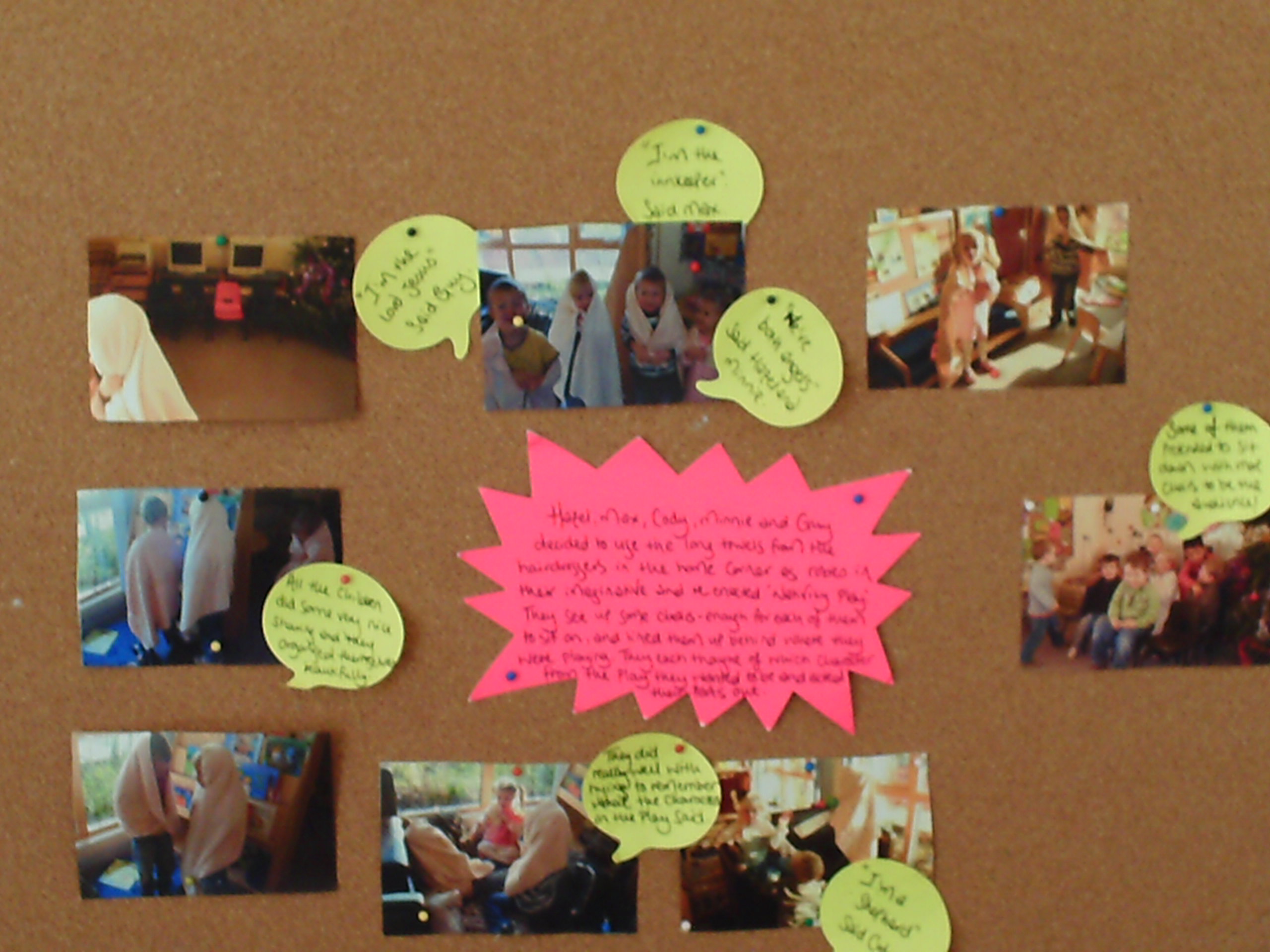
Documenting learning
The pink writing in the centre sets the scene, ‘ A group of children decided to use the large towels from the hairdressers in the home corner to re-enact the Nativity Play. They set up some chairs for each of them to sit on and lined them up where they were playing. They each thought of which character from the play they wanted to be and acted their parts out. ‘ The comments around the edge describe the learning in more detail, All the children did some nice singing and organised themselves carefully. They did really well at remembering what the characters in the play said. Some of them wanted to sit on chairs and be the audience. ‘We’re both angels’ ‘I am the Innkeeper’ ‘I am the Lord Jesus’
In my opinion this is the most effective way of showing parents what their children are doing. Documentation tells the story of what children have been doing by representing the stages of learning, using photograhs, anecdotes from the children, examples of work and teacher analysis. In this way parents can see what their child is doing, what they are learning and why they are doing it. Carlina Rinaldi president of Reggio Children in Italy says,
documentation is more than simply assessing or displaying the work of the children. “One of my definitions of documentation is that it is first of all an act of love,”
This describes perfectly the warmth that emanates from the documentation in Reggio Emilia – it is like shouting from the rooftops – look at what our children are doing. Isn’t it fascinating? Come and join in. Many good examples of documentation of children’s learning can be found in the projects of Sightlines Initiative.
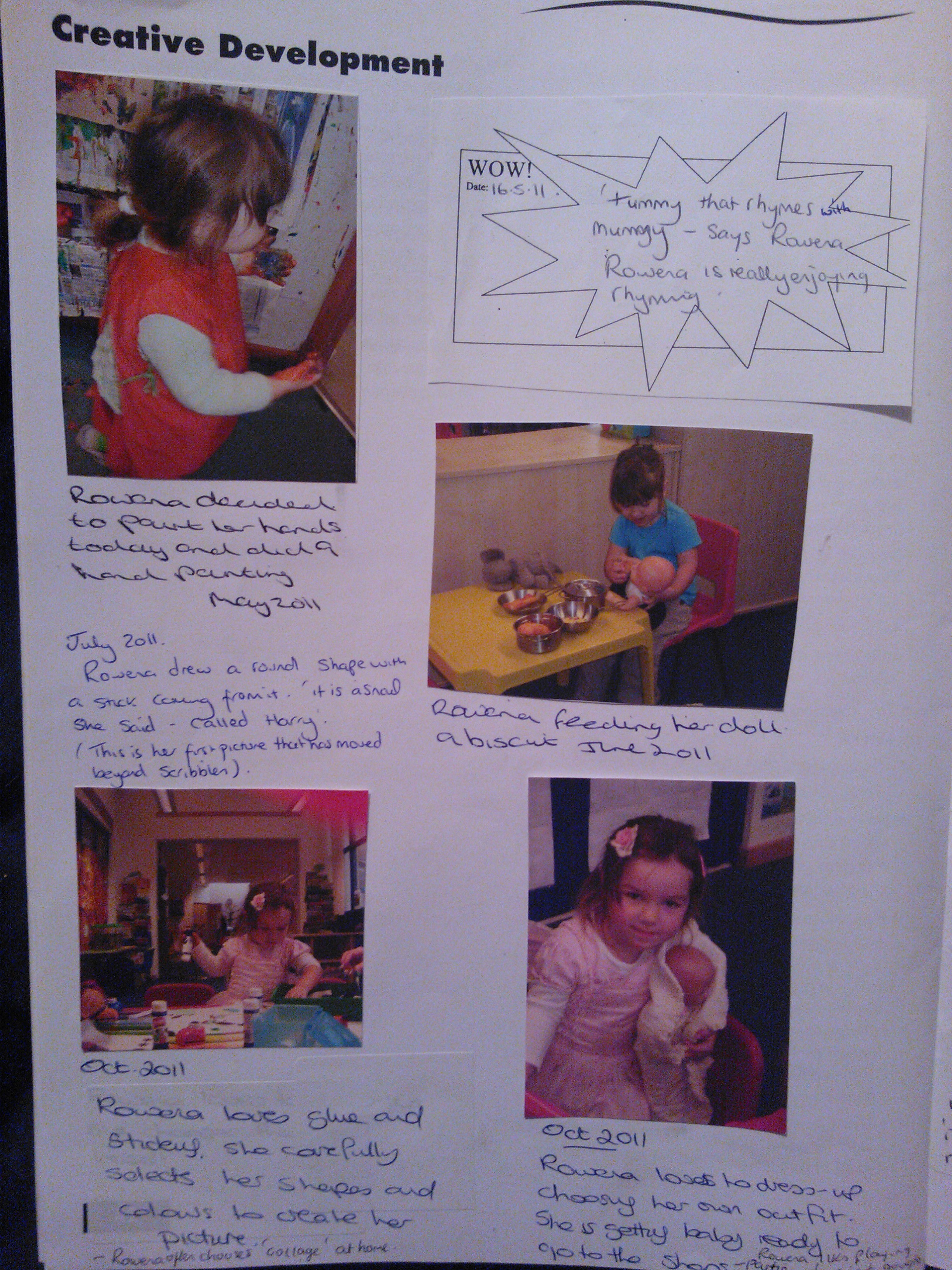
Learning Diaries
The pictures tell the story of the child’s fascinations and the teacher annotates explaining the learning that took place. The Wow moment was added by a parent about learning that had occurred at home. Parents can also comment on the learning at pre-school to show how this matches with what they do at home.
Learning diaries have been available for every Foundation Stage child (up until the end of their first year at school) in the UK since 2008. These show the learning journeys of individual children through photographs, children’s comments and teacher analysis of learning. The diaries are an excellent record of progress and should move with the children when they go to school. Parents should be made aware that they are available to be viewed at all times and encouraged to comment about learning at home.
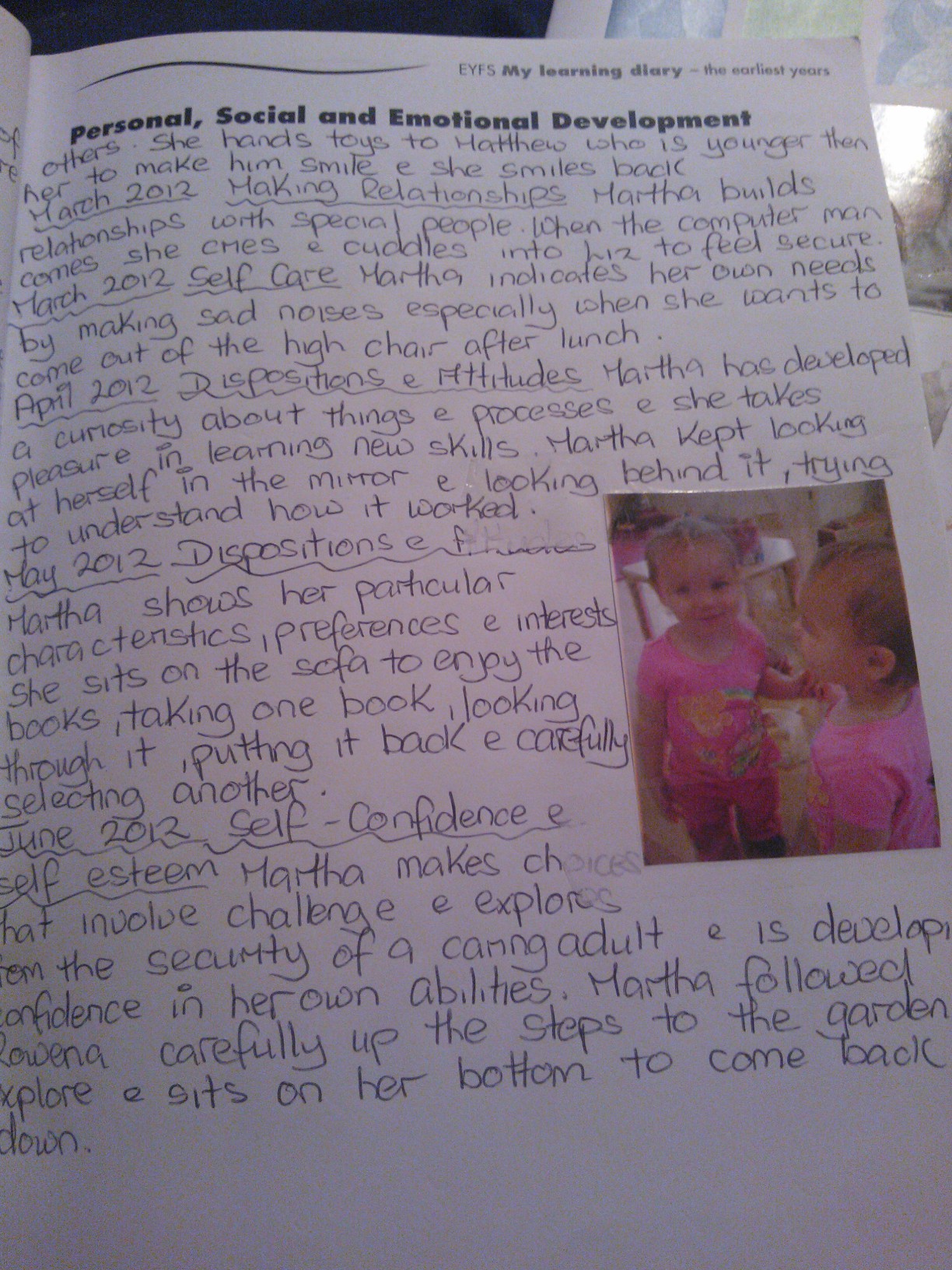
An example of a learning diary extract for a child under 2.
Learning diaries work best when they are, as the title suggests, a record of children’s learning. My first encounter with learning diaries was when working with children with additional needs, as a way of understanding what was happening at home and how that translated into their behaviour at school. In my experience this shared aspect of the diary is sometimes missed. Emphasise that this is the child’s book and it is important that everyone involved with the child shares information to build up a complete picture of the child.
Daily Timetable
If parents are struggling to get information from their children about the day at school it can be useful to display a timetable. Some specific information is also helpful, such as today we read this story or we looked at seeds and berries.
Using Technology
Not all will agree but I think that modern technology could revolutionise the way we build partnerships with parents. Allowing parents access to your email (preferably not your personal one) is a great way of sharing experience though I would suggest creating guidelines. Perhaps suggest that the email is for sending anecdotes about events or things they have been doing at home that they may like to share or build on in class. Teachers could send photographs to parents during the day of their children’s learning or maybe create an online version of the learning diary? I once had a childminder who even in the days before smartphones sent my daughter home with a sheet of thumbnail photos depicting what she had been doing that day. This meant so much and gave me a great starting point for talking about her day.
Open door policies.
In my experience most pre-schools and schools profess to have an open-door policy but in reality it means little. Many encourage parents to help at school and this is a great way of understanding what children are doing at school. However for working parents and those with younger siblings this is not always an option.
Most nurseries and pre-schools invite parents in to the classroom to collect their child. Parents have the chance to familiarise themselves with the environment, children can show their parents what they have been doing and there is a chance to talk to the staff. It surprised me when my daughter started at a school based nursery that children were handed to parents at the door and we weren’t invited in.
It can help parents to feel a part of their child’s day if the room remains set up at the end of the day and they are able to wander around with their child talking about what they have learned. Clearly this can be difficult if younger siblings start to play with toys or children don’t want to leave, so simply leaving one or 2 things out is sufficient. Outlining rules about this being a talking/sharing time not a play time should also help along with setting a clear time for leaving. Not all children/parents will want to stay every day. Perhaps encourage a parents’ rota for helping clear away.
The benefits of the above are plentiful
Parents will not continually demand information from you about their children as they will feel better informed.
Parents will be less anxious about their children if they feel a part of their life at school/nursery.
The children will be more likely to share what they have done with their parents by proudly showing their documentation and learning diaries.
Children can encourage parents to contribute to learning diaries creating a clear picture of the child for the teacher.
Photographs are a wonderful way of sharing information with families for whom English is not their first language.
Parents will feel better equipped to support their child’s learning at home.
With thanks to North Somerset Early Years advisory team, Liz Maggs, Hilltop Pre-School and Early Birds Nursery – Long Ashton for images and learning diary extracts.
This Christmas we decided to take a break from our traditional way of doing things. We visited Butlins Minehead Resort courtesy of the Butlins Mums Ambassador Programme. We usually spend Christmas at home, but I can thoroughly recommend a Christmas Butlins break for taking the hassle out of Christmas and spending quality time with your family. We did many things on the break that are not unique to Christmas, these will feature in a later post. This is our diary of the special things that are available on a Christmas Butlins break.
23rd December
We checked in at our Gold apartment and were immediately greeted by some lovely added touches. The dining table was laid with a Christmas cloth, wine glasses, crackers and a bottle of bubbly and when the children checked out their bedrooms they found a lovely little gift each on their bed.
(Not pictured on a Butlins bed)
We then headed to the Yacht Club for dinner. The children were given Christmas cookies on arrival while we were allocated our table (guests keep the same table for the duration of their break). The dining experience was a real highlight of the break. Not only did I not have to cook but the quality, quantity and choice of food was excellent. Food and drink were on a self-serve basis and the children enjoyed coming to make their own choice of food and using the machines to get drinks. The meals ranged from 3 -5 courses and included a bottle wine . Our meet and greet host Mark also deserves a special mention for his exuberance and energy and for going out of his way to make sure we were happy. The children loved his illuminated tickling stick.
Christmas Eve
Butlins had a special visit from 2 of Santa’s reindeer and we visited them in the morning.
The girls and I spent the afternoon in the Skyline Pavilion. We watched the puppet show and danced with Angelina Ballerina but the highlight was Bjorn the Polar Bear. This amazing animatronic polar bear was so responsive and lifelike that the children were captivated.
One girl was chosen to be the first to interact with Bjorn and when she called his name he turned and walked towards her. All the children had a chance to hold their hand out for Bjorn to move towards them to be stroked and as a finale he rose onto his hind legs when the audience clapped and made a noise like a seal.
The snow globe looked like great fun with its simulated snowstorm, character photo shoots were scheduled here during the day. Unfortunately, by the time we considered going in (on Tuesday) it had lost some of its juice and the snow wasn’t falling and blowing properly so we decided to give it a miss. Next time I’ll make sure we get in early.
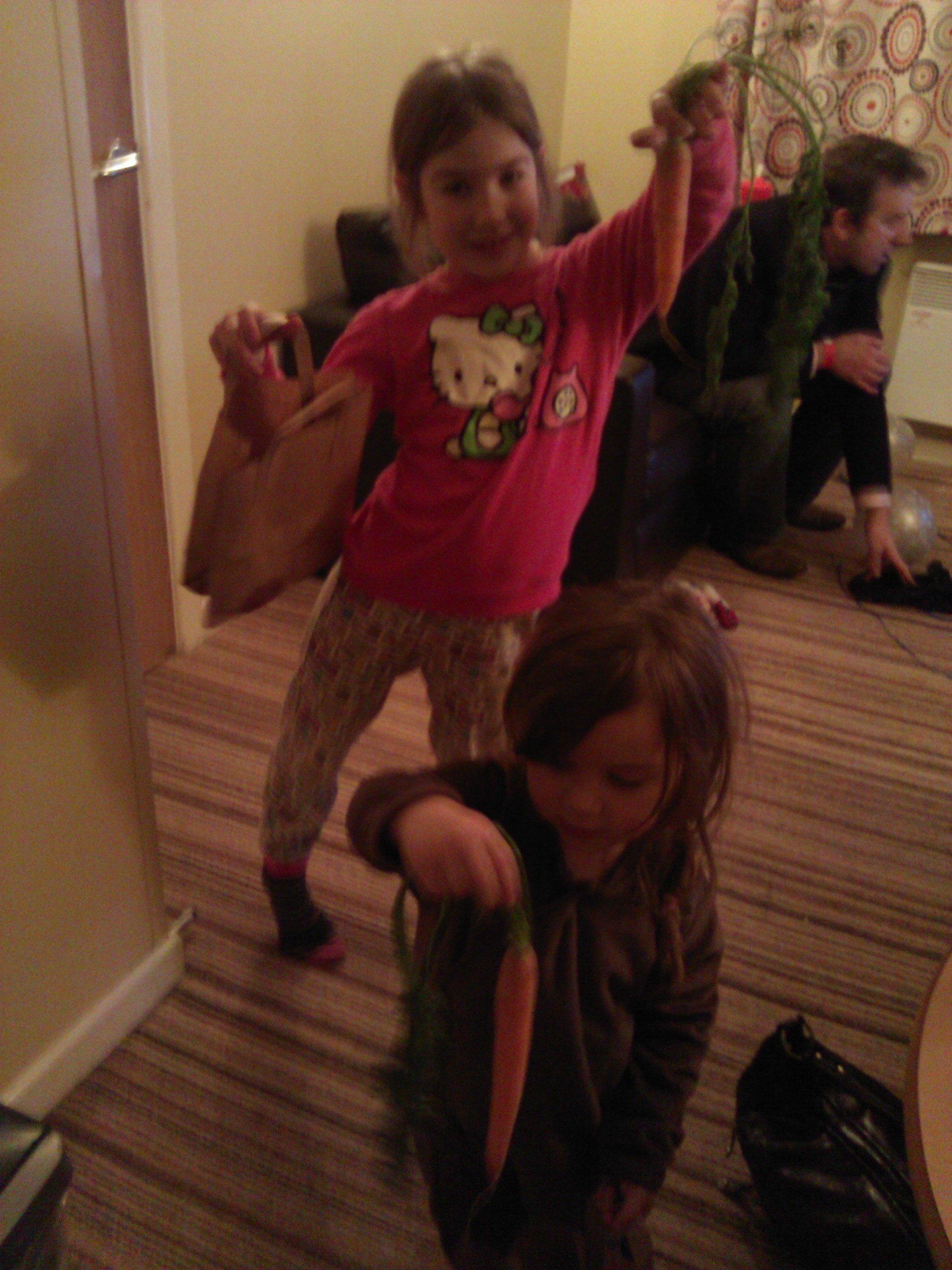
During the afternoon the housekeeping staff visited with a bag each containing a carrot for the reindeer and a mince pie for Father Christmas.
The girls filled out their letters to Santa included in the welcome pack. We intended to post them on our way to Father Christmas but by this point the post box had closed and we were too late. I believe had we been on time the girls would have received a personalised letter from Father Christmas.
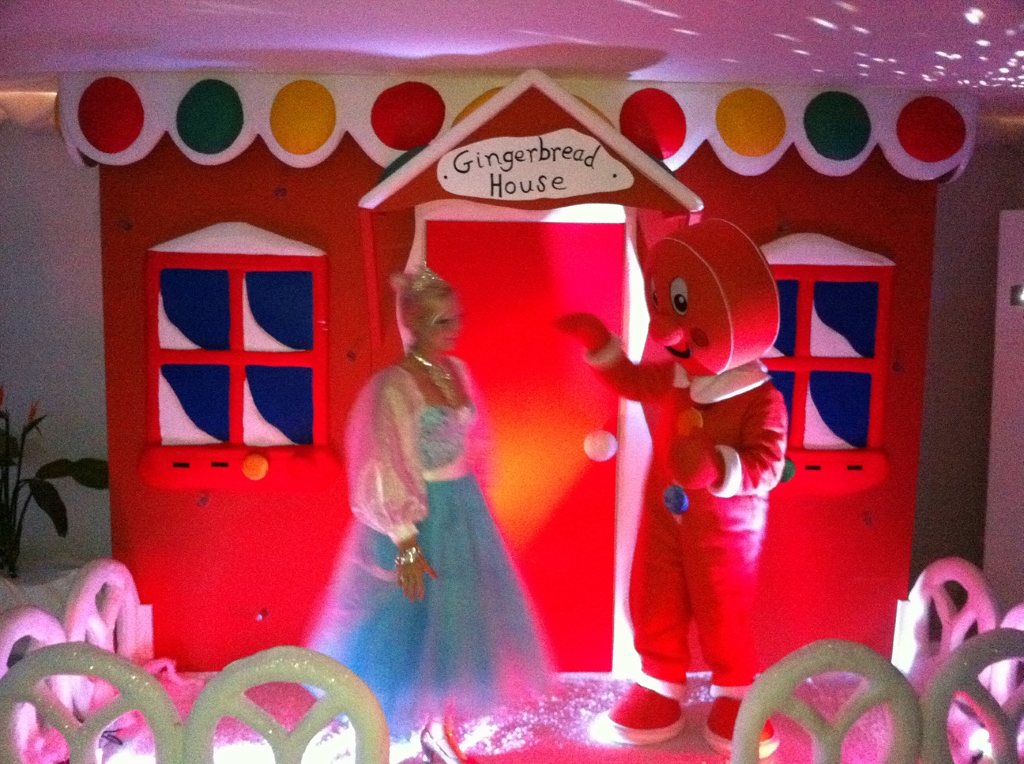
We had a pre-booked time slot to visit Father Christmas in his Enchanted Forest. The children loved being met by the Gingerbread Man and a fairy as we entered the Forest and each had a good quality gift from Father Christmas (this incurred no extra charge).
On the way to dinner we caught the end of the firework display and my 3 year old who is afraid of fireworks was very brave.
After dinner we headed to Reds for a few drinks, and to catch the Take That tribute band. This was followed by an Adele tribute and Beatles tribute, but these were a little late for our kids.
When back in the apartment the girls hung their stockings on the tree ( we took a small table top Christmas tree with us) and put out the carrots and mince pies along with Santa’s magic key (Butlins apartments don’t have chimneys).
All of the Butlins staff went out of their way to help during our stay, this included the security man who helped carry presents to our chalet at 4am. As a minor suggestion if you are considering a Christmas break at Butlins, leave some of the presents at home. The time and space it took to load, unload and unwrap all the presents was a little overwhelming!
Christmas Day
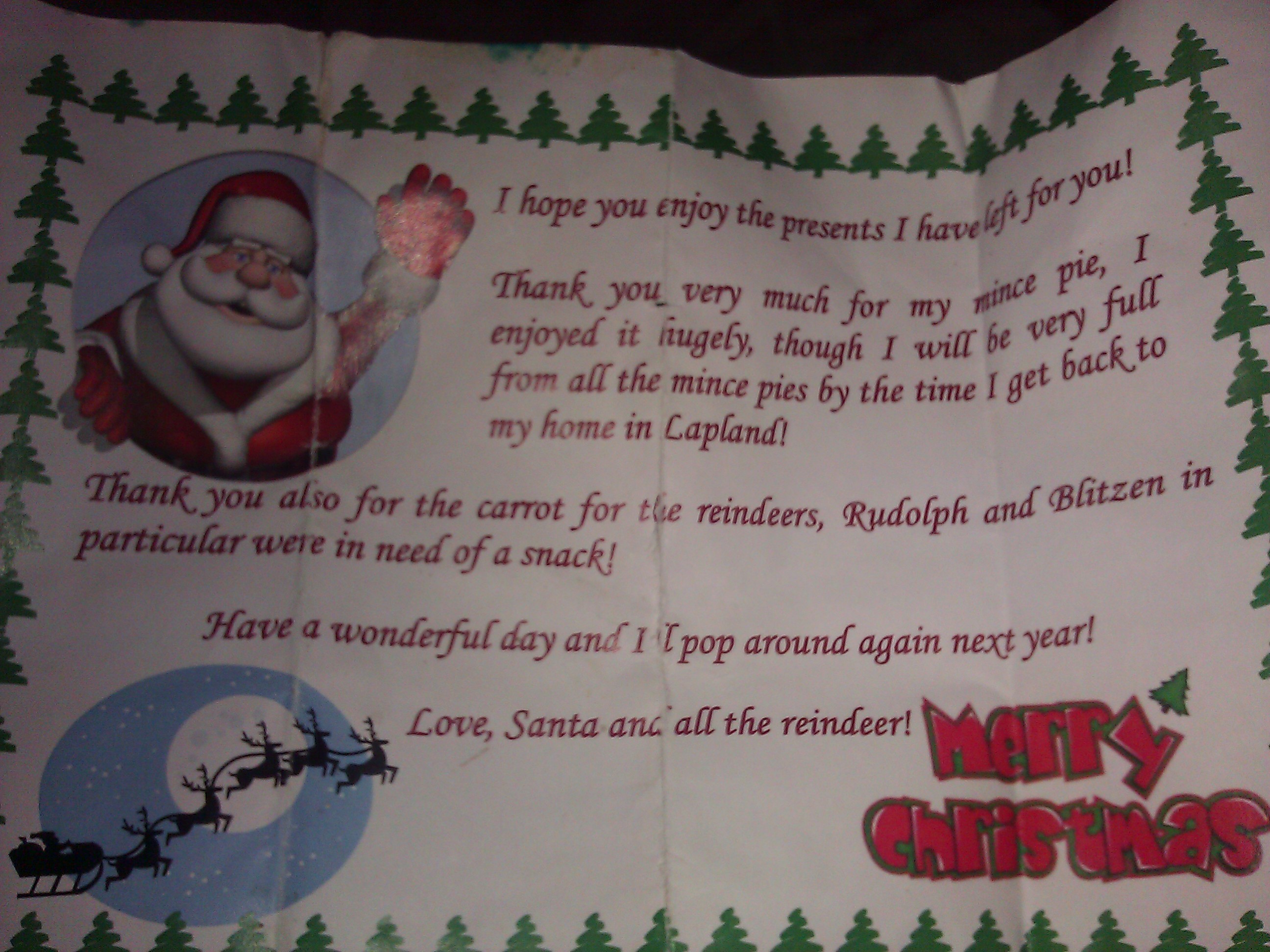
The girls woke up very excited that Father Christmas had visited Butlins. Remarkably, we managed to get the girls to breakfast before opening any presents. On opening the door they found this note from the man himself.
The morning was taken up opening presents and we headed for Christmas dinner during the mid afternoon. Today the little table in the entrance was laden with chocolates, fruit and nuts and a glass of Bucks Fizz for the grown ups. Our places were adorned with crackers, chocolates, a box of party poppers, rocket balloons and streamers, a bottle of fizz (yay!) and a little wrapped present for the baby. We unwrapped it to find a Billy Bear bowl – very useful as I had been feeding her snacks from a china bowl in the apartment up until this point.
The meet and greet staff soon arrived with children’s crackers and Billy Bear cups for each of the children. A traditional 5 course Christmas Dinner left us all suitably satisfied, before heading back to the apartment for my Christmas Dr Who fix.
In addition to regular Christmas television, the Butlins television channel showed the Redcoats favourite Christmas movies, this helped to keep the children amused.
Boxing Day
Today was our pre-booked time slot for the pantomime Aladdin. This was great fun and the girls really enjoyed it. It wasn’t too long and included plenty of catchy songs.
We spent the afternoon at the funfair before coming into the warm for coffee and hot chocolate while the girls enjoyed softplay.
For the evening entertainment we made our way to Reds for a Robbie Williams and Girls Aloud tribute and a bit of a boogie. The girls had made friends with some of the children we met at the restaurant and stayed up late dancing and playing with them.
27th December
Time to check out and say goodbye. I can highly recommend a Christmas break at Butlins. It was great to focus on the children at Christmas rather than visiting and entertaining. I would love to do it again with a large family gathering …. I wonder if I can persuade my family to book for next year?
This Christmas break was in Gold Standard accommodation with the Premium Dining package (Dinner, Bed and Breakfast) at Minehead Resort.
At the time of visiting my children were aged 7,3 and 1.
As an Early Years teacher I have always capitalised on opportunities for literacy in everyday life. Making children aware and involving them in these things is often key to children viewing reading and writing as fun. Traditionally these would have been things like writing shopping lists, reading road and shop signs, mark making in diaries and calendars or following recipes.
However literacy in the real world is changing. Children these days are just as likely to see you read or write on your phone or laptop as they are to see you write a list or note.
This really hit home with me when I watched my 3 year old playing on my iPad a few weeks ago. She asked if she could download an app called Dad book, designed for dads to record stories for their children.
But mummy it’s not doing anything
she said once it was downloaded.
No, someone has to tell the story and record it.
I replied.
I asked her 7 year old sister to record the story for her, they sat together as my 7 year old narrated the story. When she was finished my 3 year old listened and then repeated the words as she had seen done with another app Pat the Cat .
What a great opportunity for playing with literacy for both children. This made me think about all the other literacy activities my children tap into on the iPad.
My 3 year old is learning about the alphabet and phonic sounds using the wonderful Elmo loves ABC’s app. This has loads of different levels of games all based around learning letter names and sounds and includes lots of memorable Sesame Street clips.
Another favourite is Me Books a children’s picture book reader for classic Ladybird books. Both my children enjoy following the stories and adding in their own sound effects. This is simple for the children to do and another great way of getting different aged siblings to share reading.
The Ladybird Touch and Say books are also a great way for my 2 year old to learn to read simple words and even my one year old loves the Baby Touch app.
My 7 year old loves creating her own stories and animations using Toontastic or Puppetpals and these are also simple for pre-schoolers to use with adult guidance.
We have even discovered new songs and rhymes through English Songs and Chants. My 3 year old loves this one and can be heard walking around the house reciting the chants and singing the songs. The chants are excellent for teaching rhythm and steady beat, a concept I usually teach using Ros Bayley’s Beat Baby. I wonder whether Ros has considered creating a Beat Baby app?
There are a number of things that I really appreciate about the way my children use technology to play and learn about literacy.
The children freely choose the literacy apps and never feel like they are learning literacy skills. Everything they choose to play is fun and interactive.
The apps are an added dimension to their experience of literacy. They still love books and choose to read traditional books more often than e-books, still love to write, tell and listen to stories.
Current touch screen technology is still a little small to offer good mark making experiences for the youngest children but the drawing apps are good fun for when they get a bit older and are able to work on a smaller scale. I look forward to a time when I can roll out a big screen onto the floor and let the youngest children explore markmaking on a large scale.
I also think Kinect holds great possibilities for literacy. My children talk to their dad via video Kinect when he is not at home. There would be great potential for speaking and listening activities if they connected with other children from around the world and shared experiences about their life and culture.
My girls are avid readers, I’m not afraid that new technology will distract them from traditional literacy, but that it adds a richness to their lives and new possibilities for exciting literacy experiences.

 Often as parents we are unsure about introducing children to poetry, fearing that it is difficult to understand. My children however love poetry and will often choose to read it rather than prose. A new CBeebies programme Magic Hands launching soon will make poetry even more accessible to children.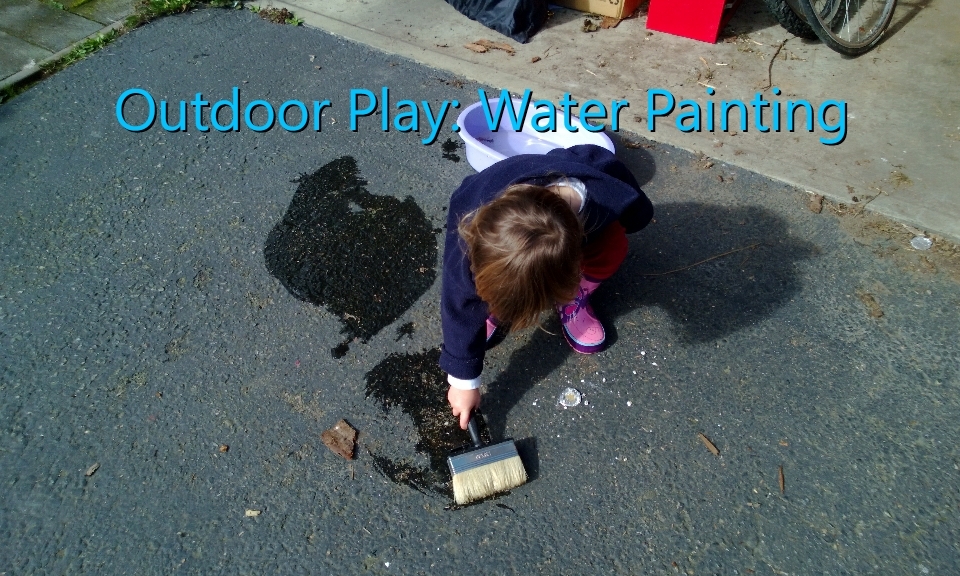
















 Right from the Start