Category Archives: Uncategorized

A Digital Postcard from TeamHonk – Celebrating 25 Years of #GoodWork for Comic Relief

GoodWork

One of the things I love about the blogging world is the people I have met. I don’t find making friends easy but I’ve made some great new friends through blogging.  One such friend Penny is part of Team Honk; 3  bloggers on a trip to Ghana to mark the 25th Anniversary of Red Nose Day.  Comic Relief are celebrating the progress of Africa and the difference the money raised by the public has made, both in Africa and here in the UK.

I remember the first Red Nose Day, walking around school as a 6th form student sporting the famous Red Nose. Now I feel old.

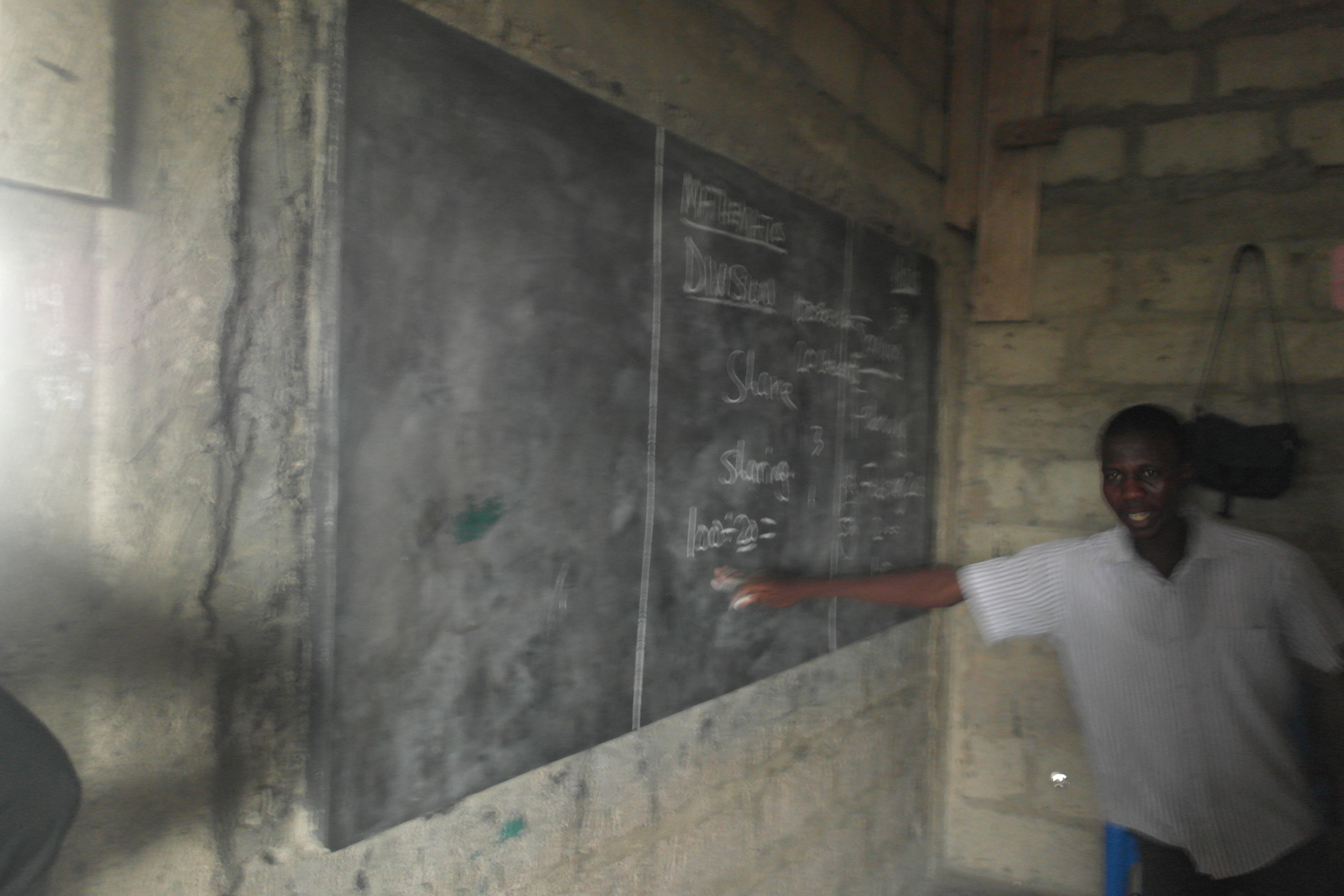
This is a digital postcard sent from TeamHonk (www.mammasaurus.co.ukwww.aresidence.co.ukwww.mummybarrow.com)  during their travels with Comic Relief in Ghana celebrating #goodwork.
school in Ghana
This school is on the edge of a slum in Accra. A slum that is home to 75,000 people. All of whom that we saw waved, high fived us, and wanted to show us their homes. The school has 250 pupils ranging from 2 to 16 and was started 10 years ago.

For  the past 25 years the money raised through Red Nose Day has been changing the  lives of the poorest and most disadvantaged people in the UK and Africa. Let’s  Keep Up the Good Work. Find out how at rednoseday.com

Our First American Christmas

xmasHaving experienced our first American Christmas, many people have asked about the differences.  Without our family and friends Christmas was always going to be different. In some ways Christmas was more relaxing without rushing off to visit relatives and in others  a little of the Christmas spirit was lost.  The good thing is that with Skype and Video Kinect we were able to talk to family and friends at various points through the day and the grandparents were able to watch the kids open their presents.

The Christmas tradition here is different in many ways, some take a little getting used to whilst others are a breath of fresh air.

Holidays

It took me a while to get used to the American reference to Holidays rather than Christmas. At first it seemed too politically correct. Being invited to a Holiday party and school letters referencing Holiday gifts was very odd. The lack of emphasis on any one festival is nice but still feels a little strange; for me it will always be Christmas.

I took the children to see the switching on of the Christmas lights at the City Hall.  This turned out to be simply turning on the Christmas tree lights, accompanied by a school choir singing songs about snow and jollity but not the traditional Christmas carols I expected.   It appeared at first that the word Christmas was a taboo but over time I began to hear Christmas references more frequently.  I read an article by a Jewish lady talking about how tiresome it was as a child to  be asked what Santa was bringing and have to explain her faith time and again. I’m beginning to see the merits of the term ‘Holidays’ but I’m not a full convert yet.

Decorations

Christmas decorations and lights started to go up in the neighbourhood as soon as Thanksgiving was over. Outside decoration seems to be as important as indoor, yet somehow it’s all a bit more tasteful than the UK . No house looks like it’s been adorned with the contents of Poundland. Lights are put around the roof or to light a pathway, beautifully lit ornaments are placed on lawns and every door displays a Christmas wreath.  Perhaps it’s just that the houses and plot sizes are bigger that avoid them looking like they’ve been spewed on by the tinsel fairy. I’m slowly trying to blend in, I turned my old garland that I made when we were first married into a wreath and hung it on the front door and I’ve put a snowflake light in the window. Next year I think I need to research in advance how to power all the outdoor lights and decorations so we can sparkle with the best of them.

Food

Once Thanksgiving was over I expected the supermarkets to be full of Christmas food. We found Christmas cookies, candy canes and egg nog but where were the beloved mince pies? It appears that Christmas cookies are an American tradition. Not gingerbread cookies or spicy lebkuchen that we would associate with Christmas but ordinary sugary cookies in Christmas shapes. Traditionally they were hung on the Christmas tree and left out for Santa.

My kids love mince pies, we would eat them every day from when they appeared on the shelves until we had exhausted our stack of reduced ones from the January sale. When the cashier at Waitrose told us that their bakery stock individual ones year round, the girls jumped for joy and we would sometimes pop in for a treat. So how would we cope this year?
After searching around and almost going as far as making mincemeat from scratch, I  was relieved to find a jar of Robinsons mincemeat. The girls and I made a batch of mince pies. My pastry was a disaster, even the dog worried he may break his teeth. So I resigned myself to a Christmas without mince pies. That is until I discovered the delights of Cost Plus World Market, where we found mince pies (all be it at $7 a box) along with Christmas crackers, Christmas pudding, Cadburys biscuits, pickled onions and other treats like Marmite and Birds custard. We were all set for a traditional Christmas.

Snow

hyak sno parkOne of the best things about living here in the Winter is that a 40 minute drive takes you to snow. You have all the fun and beauty of snow without any of the inconvenience. We had a wonderful time at Hyak Snow Park tobogganing and building snowmen  and the view was just like a scene from a Christmas Card. Perfect for my 4-year-old who believes that there is always snow at Christmas.

Gifts and Cards

Rather than sending Christmas cards, the neighbours left little treats like cookies and chocolate brownies on our doorstep. What a great idea, this is definitely something we should adopt in the UK. We baked a batch of mince pies (they were substantially better than the first batch) and the girls and I delivered them to the neighbours on Christmas Eve.

In all our first Christmas in America was pretty special  and hopefully in future years we will have family or friends to share it with us.

A Musical Family Christmas with Jingle Bells Music Book

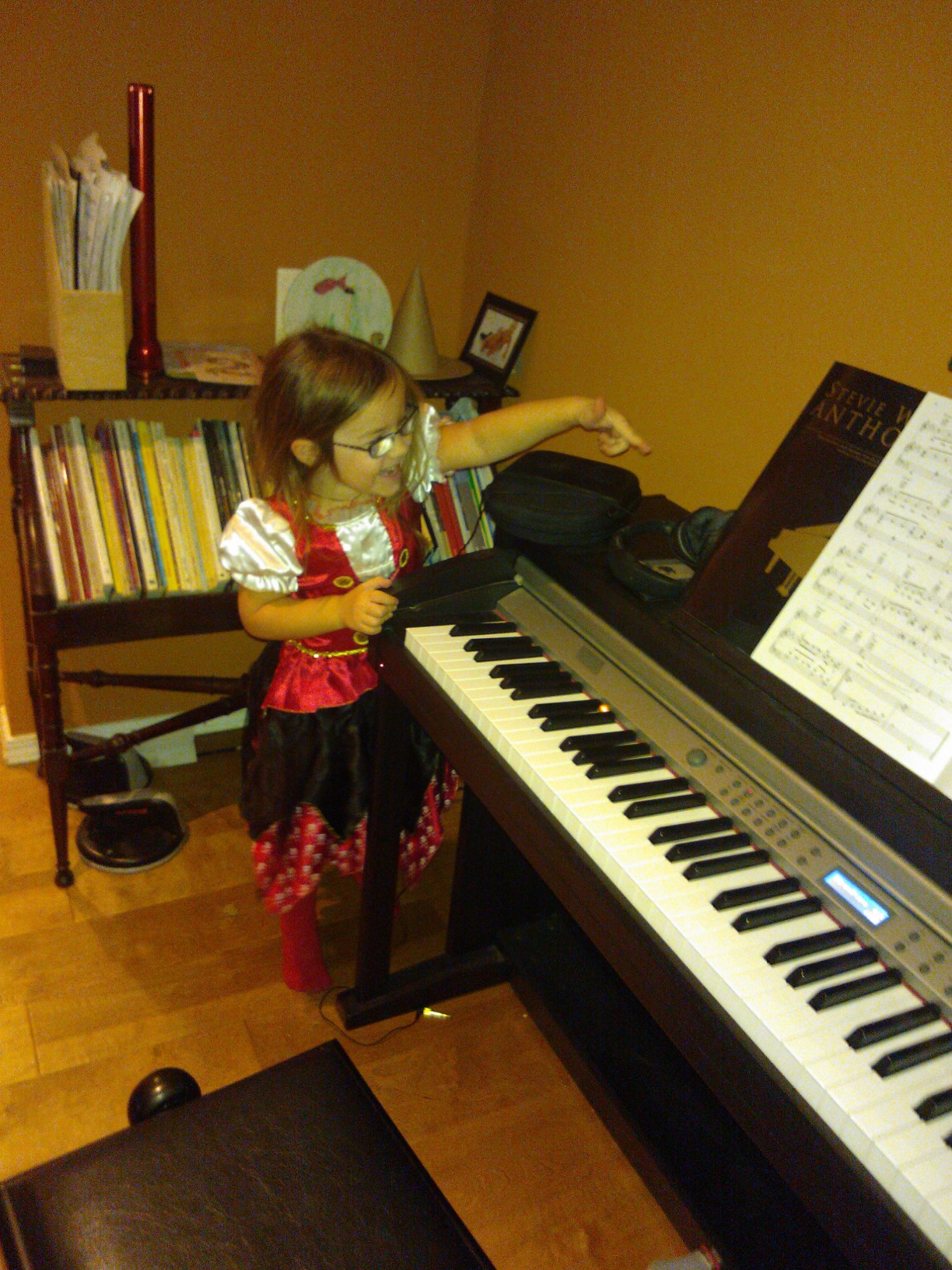
mfk100089My idea of the perfect family Christmas is a little clichéd but involves mince pies, mulled wine, a roaring fire and singing around the piano. This is becoming a reality in our house.  With an array of instruments including piano, guitar, clarinet and saxophone and a whole family who enjoy singing and music, we are loving making and recording music together. When I was asked if I would like to review Jingle Bells, from music-for-kids, I thought it would be a good chance to add Christmas songs to our repertoire.

The Jingle Bells book and CD features 18 well-known Christmas carols and songs. The book is nicely presented with each song displaying the notes of the melody plus chords written along the top.  There is also a handy chord chart at the back of  the book for both guitar and ukulele. Being a beginner, I photocopied the chord sheet to make it easier to reference while I was playing guitar. With my basic guitar skill, I found that there were a few too many chord changes to play many of the tunes with confidence but with most songs you could leave some of the chords out.

The piano music is basic (right hand melody and chords) and was great for my 8-year-old to practice sight-reading and play a simple tune . The chords could be added by a more experienced pianist to play accompaniment, I even managed to sing along to my own rudimentary playing during silent night.

The CD contains all the songs in the song book and is a nicely sung collection of Christmas carols. Younger children may find the keys too high.

mfk100089_lb02_iMy little ones enjoyed filling out the sticker pages and singing along to Jingle Bells while their sister played the recorder.  I was disappointed that there weren’t more songs for the little ones like ‘Rudolph the Red Nosed Reindeer’, ‘When Santa got Stuck up the Chimney’ or ‘Away in a Manger’.  They joined in with Jingle bells and We Wish you a Merry Christmas and there are a few other simple melodies that they could learn but I would have liked to have seen more simple songs that weren’t carols.

If you are looking for a simple book and CD of traditional Christmas Carols, at £7.95 this is excellent value.


No payment was a received for this review, a copy of  the material was received for review purposes.

Proposed Changes for UK Childcare – For Better or Worse?

This week a BBC article Ministers’ Plan Childcare Change   outlined the UK governments proposals for reducing the cost of childcare.

Alongside making some provision tax deductible, other proposals include

  • increasing the number of children a childminder can care for.
  •  improving their qualification level in a bid to maintain quality.

It seems however, that there are a number of flaws in their thinking.

‘Ms Truss has pushed for reform to regulations imposed on child minders to
increase the number of child minding places. If more places can be provided for
parents, then the Conservatives believe prices might start to come down.’

Yet in a later paragraph:

‘Downing Street sources said Liberal Democrat and Conservative figures alike were
now convinced that looser ratios mean nurseries can take more children on which
could see staff paid more, and so greater quality staff attracted.’

I’m not sure that increased wages for early years workers and a lower cost to parents can be achieved without a significant investment of government funds.

It seems to me that the government believe that by increasing the number of children childminders can care for, they will attract more people to the profession, as they will be able to earn more.  However they are also proposing changes to the qualifications needed to become a childminder in a bid to maintain quality.

In my experience of working with childminders, this is what I think will happen. A proportion of very good childminders will be scared off by the thought of having to achieve yet another qualification, losing many of our oldest and most experienced childminders. Those that stay may take on extra children but once they are better qualified and have factored in the added expense of having more children (e.g. equipment, larger car) and the additional challenges of caring for a large number of children under 5, they are likely to quite rightly increase rather than decrease their hourly rate. Some childminders will decide that their quality depends on taking fewer children, therefore not achieving the desired increase in childcare places.  Some will be attracted to the industry I’m sure but how attractive really is looking after 5 children under the age of 5 on your own?

In my opinion these proposals reduce parental choice.  I like many women chose to send my children, in their first years, to a childminder.  I chose this for my children because I felt a home environment where my children could experience many of the things they did with mummy, would be the easiest transition.  I also chose a childminder because they could play with a few other children but have the individual, loving attention they needed from one adult.  My children love their childminder in the way they would an aunt or a close friend of the family. I’m worried that this would be lost once the number of children is raised significantly above the size of the average family.

My mother was a childminder when I was growing up. The children she cared for (never more than 2 at a time) became an extension to our family, they called her ‘aunty’.  Childminders these days take on far more children in a bid to fulfil demand for places and to earn a decent wage, if the ratio is increased again will there be any  ‘aunties’ left? Please UK government don’t take away parental choice.

These are my thoughts, what are yours?

Sign the petition to avoid changes to childcare ratios.

Activities to Build Children’s Language Development from Ages 3-5.

A few years ago I ran training sessions for early educators and parents on communication, language and literacy. Many of the resources we recommended, including the excellent dvd Chatter Matters, came from the Communication charity I CAN. One of the key messages of this training was that ‘reading and writing float on a sea of talk.’

Kate Freeman, I CAN Communication Advisor and experienced paediatric speech and language therapist says:

Given the right support, many children learn to talk without too much effort. There’s a golden age for learning to talk – this is before 5½ and so skills learnt at this age bring great benefits later on. Evidence has shown the early years to be a vital time for supporting all children’s communication, as well as a time to identify any difficulties and put support in place to improve a child’s overall life chances.

I was very excited to review I CAN’s latest resource Chatting with Children.  This is a really nicely presented set of 30 cards with activities for promoting speaking and understanding for children aged 3-5. The activities are simple and require no specialist resources. Some are copying or guessing games of the kind we often play in the car, some require household objects and a couple that I played with my 4-year -old and 2-year-old  used our musical instruments box . These games would be great for including in my music groups.

Each card has ideas for making the activity easier if your child is struggling or more challenging if it is too simple. The activities are equally suitable for large groups or one child. They are a great resource for families and could provide a wealth of ideas for small group times at pre-school. Many of the cards remind me of games I played with the autistic children I worked with, helping them extend their vocabulary and comprehension and categorise language. These cards would have been an invaluable resource for these families.

The cards focus on a number of skills, listening, developing vocabulary, social skills and understanding what is said. The games are varied  and can be played for a few minutes or half an hour or more.listening games My 4-year-old loved the listening games, playing hide and seek with our timer and listening carefully for the soft tick to help us find it and making sounds with household objects and guessing what they might be.
Chatting with Children is also available as part of a brand new boxset being launched this month by I CAN – the Early Talkers Boxset (£19.99). The boxset contains the original Babbling Babies and Toddler Talk as well as the new Chatting with Children, and has been created especially for parents and Early Years practitioners supporting babies, toddlers and young children in learning to talk.

The three packs between them, contain activities for children from birth to school age. I  was so impressed that I am going to order the box set for my brother to play with his one year old twins.

Chatting with Children is available in paperback for £7.99 paperback and hardback for £12.99 .

All proceeds go towards I CAN’s work with the 1.2 million children in the UK who have long-term speech, language and communication difficulties. To purchase Chatting with Children or the Early Talkers Boxset comprising all three activity card sets visit http://www.ican.org.uk .


This is not a sponsored post, a copy of chatting with children was received for review purposes

Kate’s Top Tips for Chatting with Children aged 3-5 years old

Be quiet Take time to talk to each other in a quiet room. Turn off the TV and radio, and shut the door to block out any other background noises. Children have to learn to block out background noises, so they need a quiet environment to focus on the sounds they hear.

Be face-to-face Help young children to see your face – make sure you’re at the same level as them. Sit or crouch opposite them as they play, or sit them on your lap. Sit opposite the child so you’re face-to-face with them. Being face-to-face means that the child can see you and your facial expressions. Also, you can see them and their responses and reactions to the games you play together or the conversations you are having.

Don’t rush – take plenty of time Young children take longer than adults to process what they hear – sometimes up to 12 seconds. They need plenty of time to respond to you.

Be patient Young children can easily lose interest in what you’re doing – this is perfectly normal, especially for 3-year-olds. Don’t worry – just stop the game that you’re playing together and try again another time.

Be prepared for anything Follow the child’s lead and adapt the game or conversation to fit in with what they’re doing. This can help maintain attention on particular games.

Ditch the dummy A dummy gets in the way of attempts to talk during conversations and games. Children of 3 and over don’t need to use a dummy.

Use the language you naturally use at home It’s important that you speak naturally to young children; this helps develop their language skills.

Enjoy it This is a special time together, so have fun playing, chatting and learning about each other.

 

‘I Don’t Know How to Draw Ducks’ Feet’ – How to Support Young Childrens’ Drawing,

My 2 youngest children are obsessed by drawing. ‘Pens’, ‘paper’, ‘chalking’, ‘want to draw’ are common utterances from my one- year-old. I keep a supply of fresh paper in a low cupboard in my kitchen and a tin filled with pens, pencils, crayons and ballpoint pens. The girls also have a magnetic drawing board, aquadraw and pavement chalk in the garden. They love to draw on paper, cardboard boxes and each other. I also keep a supply of pens in the playroom high enough for my youngest not to reach. The children know that she is not to have pens unsupervised as she will draw on walls or furniture.

As I was unpacking boxes of books I came across the wonderful book It’s Not a Bird Yet: The Drama of Drawing
The book shares a number of stories of children’s drawing accompanied by photographs and examples. It attempts to guide teachers to extend drawing and parents to support children’s drawing without taking over.

The book talks about observing children as they draw, listening to what they say as they draw, to learn about the meaning they ascribe to it. When children draw for the first time you can see them marvel at the crayon making a mark on the paper. This also translates to other media, for example when I tried to hurry my toddler along as she bent down to play in the dried mud on the way home from the park, she remarked ‘I’m drawing!’

When you give children feedback as they point to their ‘scribbles’ and say ‘look’, this prompts further mark making. Children begin to assign meaning to their drawings far earlier than we think, often before they can really express it in words. My youngest who is almost 2 was drawing on her magnetic board, I could hear her talking to herself so decided to sit with her.

The video shows my daughter who is turning 4 and her frustration at not getting her drawing right. With help she comes up with her own solutions and is happy to start again.  My youngest who is almost 2 watches intently and joins in the conversation. The next part of the video shows my youngest daughter talking about the alphabet as she makes marks (something she has learned from her sister as she draws alongside her). The final clip is my youngest daughter ascribing meaning to her drawing and shows the suggestions her older sibling makes and how these extend her thinking.

Her elder sister is beginning to show an interest in writing. They often draw together and talk about the shapes they have drawn. I believe my youngest has learned a lot from drawing alongside her sister, she watches intently and copies her circles and lines.

Children often say they can’t draw things. I remember the Ursula Kolbe book was one of the fist things that made me think about alternatives to drawing for them. She explains that children see things differently to us so even if we draw for them we may not represent it in the way that they would like. This leads to a loss of confidence and the belief that their way is wrong. Often sharing drawing with other children is a good way around this as they will offer suggestions to one another. Giving hints helps, as does making children realise that it is okay to start again, artists make many drawings before they come to a finished product.

I save my children’s ‘best’ drawings, dating them to show progression. I am going to adopt a system recommended in the book; a folder with loose leaf transparent pockets so that the children can file their own favourite pictures and we can talk about them for years to come.

Comparisons of Pre-School Education Around the World

When working as an early education consultant in the UK my colleagues and I would often look to other countries for inspiration.  We were in awe of the freedom and financial investment in early education in Scandinavia, drew on inspiration from Te Whariki the early childhood curriculum of New Zealand and were in awe of the pre-schools of Reggio Emilia in Italy. We recognised the investment in early education in the UK but were aware that there were also many things that could be improved.

On moving to the US, I expected early education to be different but was struck by the  number of commonplace things from UK early education that were seen as new and radical here. Washington State where I live has invested a huge amount of resources to early education but in 2011 only 8% of 4 year olds and 2% of 3 year olds were enrolled in state pre-school programmes (NIEER The State of Pre-school 2011). I now realise that I had much to be grateful for in the UK. My 3-year-old had 15 hours of state funded pre-schooling per week and I could use this flexibly. I knew that I could find a quality pre-school without having to put my hand in my pocket.

While weighing up the different systems I came across a recent report by the Economist Intelligence Unit (EIU),  Starting WellBenchmarking Early Education Across the World. The  EIU was commissioned to produce an index ranking pre-school provision across 45 countries. The Index looks at provision for children aged between 3 and 6, considering availability, affordability and quality of pre-school environments. Alongside the data, experts were interviewed and research reviewed to highlight key issues.

It will not come as a surprise that Finland, Sweden and Norway top the list due to long-term investment and prioritisation of Early Education which is embedded in their culture. What did come as a surprise however is that the UK is in fourth place. A number of factors contribute to the UK’s high-ranking:-

  • A legal right to pre-school education
  • A well-defined curriculum  and health and safety standards
  • parental involvement
  • an environment that ensures children are healthy and well nourished when they enter school.

Availability

The US ranks 24th in the Index. There are many quality pre-schools in the US but these are not available or affordable to everyone and the quality of provision is variable. A growing body of evidence suggests that investment in early education reduces costs later in the education system. The success of many European countries lies in the recognition of the value of early education meaning that even during recession, funding is unlikely to be pulled. In countries such as the US where  the government has not yet accepted responsibility for early education, budget deficits lead to cuts in early education funding.

Affordability

In general the countries that acknowledge the importance of early education are also those with the most affordable pre-schools. Chile(20th in the index) is a lower-income country yet 85 % of 3 year olds and 90% of 4 year-olds attend a pre-school of some kind. Public pre-school provision is free.  The funding has been put into providing provision but as yet has not been assigned to quality.  Teachers are not well qualified and there are no quality guidelines which drags the country down in the index.

Quality

The counties that rate highest in quality are those that pay the highest salaries and recruit the most highly qualified teachers. The other factor defining quality is the availability of well-defined guidelines and mechanisms for monitoring and supporting these, Finland, France, Sweden, New Zealand and the UK score highest on these points. New Zealand’s curriculum Te Whariki is successful because it embodies the values of its country and culture, many countries use it as a benchmark when designing their own curriculum. High performing countries in this measure also recognise the importance of Parental engagement. Belgium scores highly based on its statutory responsibility to work with parents and children and offer parenting programmes and support.

Education at a Glance 2012: OECD Indicators is an annual international comparison of education. The report states that whereas patterns of enrolment for primary and secondary education are similar  throughout the OECD, there is significant variation in early childhood education programmes. 79% of 4 year olds in OECD countries and 83% of those in the European Union are enrolled in early education programmes, this ranges from 95% in the UK, New Zealand, Norway and France to less than 60% in Australia, Canada, Brazil and Greece. OECD research found that demand for early childhood education for children aged 3 and under far outstripped supply. The research backs up findings in the Economist’s study that the absence of public funding leads to a greater risk of  variable quality or makes it only affordable to affluent families. In most European countries universal education for 3 to 6 year olds is generally accepted, in most of these countries early education is free and provided in school.

I am still coming to terms with living in a country where pre-school is a luxury for affluent parents rather than  a right for all children. There are many noteworthy programmes for the most needy children but a huge void for any families in the middle. There has been a lot of change in UK early education during the last 5 years and that has lead to a level of unease amongst professionals. Research like the above is sobering and helps me to realise how far we have come.

Starting School the American Way

schoolMy 8-year-old started 3rd Grade this week.  She would have been starting Year 4 in the UK but they start school a year later here.  Finding a school place was simple as schools are allocated according to where you live, if you live within the school bus route you automatically get a place.

Preparation for school in the UK usually meant buying uniform and new shoes, labelling P.E kits and backpacks and organising dinner money.  Here it is different.  There is no school uniform. Children arrive at school on the first day in their new ‘school clothes’, a concept I don’t really understand. My children have clothes; they may wear them to school, to play in the garden or to go out at the weekend, they are not categorised into school and non-school. We don’t need to provide anything for P.E apart from a pair of ‘sneakers’.  Life should be easy, with very little to prepare but ……..

  • There is a huge list of school supplies to buy. Each year is given a list of stationery items to provide including ring binders, pens, pencils, glue and notebooks. Each item needs to be labelled and taken to school on the first day.
  •  When registering at school parents have to complete a form to prove that their children have received all the required vaccinations.  This meant that my daughter had to have a Hepatitis B vaccine before leaving the UK and another on arrival.  We also have to provide a letter from the doctor to prove she has had chickenpox or she will need the vaccine.
  • We attended an information meeting where the children were photographed for their records and we were given copious amounts of forms, signing us up for things I didn’t understand.

We visited school to meet the teacher the day before it started.  It was highly structured and organised. The teacher presented us with a list to follow, including finding a library book, completing an ‘about me’ form, reading through the rules together and finding various things in the classroom. As the meeting time came to an end a tannoy announcement told parents that it was time to leave the building.

On the first day my daughter came home with a folder inside which any correspondence is placed. It also contains her homework diary and reading record, a behaviour chart and a calendar that is completed each day at school showing both homework and things the parents need to do that evening.  I’m hoping this will help us both be a little more organised.

At curriculum evening the teacher outlined all the things they would be doing this year.  The teacher gave all the parents her email address and encouraged them to share any information about their child by email.  There is a website you can sign into as parent to check on your child’s progress and all work comes home at the end of each week marked with grades.  This open communication between parent and school is a very welcome change for me, I can’t imagine any school in the UK being quite that open.

I feel a little like a rabbit caught in the headlights as I begin to understand a system that is alien to me but we have had a good first week.  My daughter loves her teacher and gave school a 10.5 out of ten.

Do Children Need Toys?

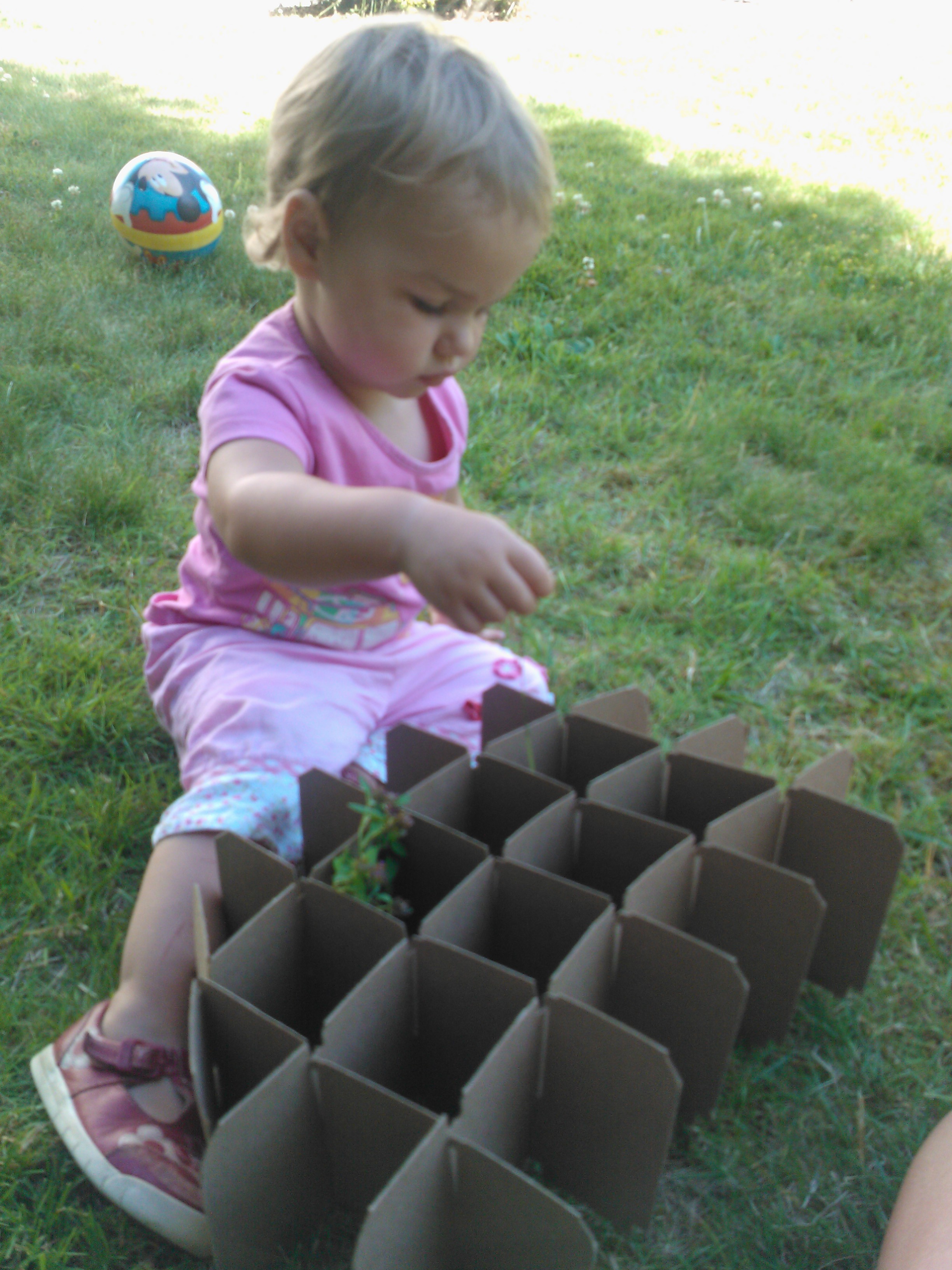
box sortingWe have been in the US for 6 weeks but our furniture and the majority of the childrens’ toys will not arrive for another month.  During this period we have become experts at finding things to play with from around the house.  We brought a small selection of basic toys – colouring pencils, scissors, a glue stick, paper, a ball and a few books, other than that we have made our own fun.  The other children in the street think it is strange to come to a house with no toys but if I am honest I don’t think there is a great deal that the children have missed.

I have been meaning to write a post about some of the household objects that we have played with for some time, but an article that I read yesterday made me look at it from a different perspective.  Sadaf Shallwani’s article Questioning Play and Child-Centred Approaches discusses her experience of teaching children in Pakistan.  Here, childrens’ learning was not built around pretend play but came from real experiences. Children would not learn to cook in a pretend kitchen but would be taught to use real kitchen utensils in a safe manner.

She also questions Western notions of child-centred education.  Early educators try to see the world through a child’s eyes and provide child-sized furniture and objects.  The value of using real objects is recognised in many highly-acclaimed pre-schools.  The schools of Reggio Emilia use many real-life scenarios as the basis for their projects and a colleague who visited the schools was surprised to find the children climbing onto adult-sized chairs and tables. A key philosophy of the Reggio Schools is the belief that children are capable.  With this in mind the teachers help the children to use real tools and objects. Similarly in the Danish Forest Schools that another colleague visited, young children were taught to use real tools and knives to whittle sticks and were free to roam in the woodlands and on the beach and trusted to return at the sound of a whistle.

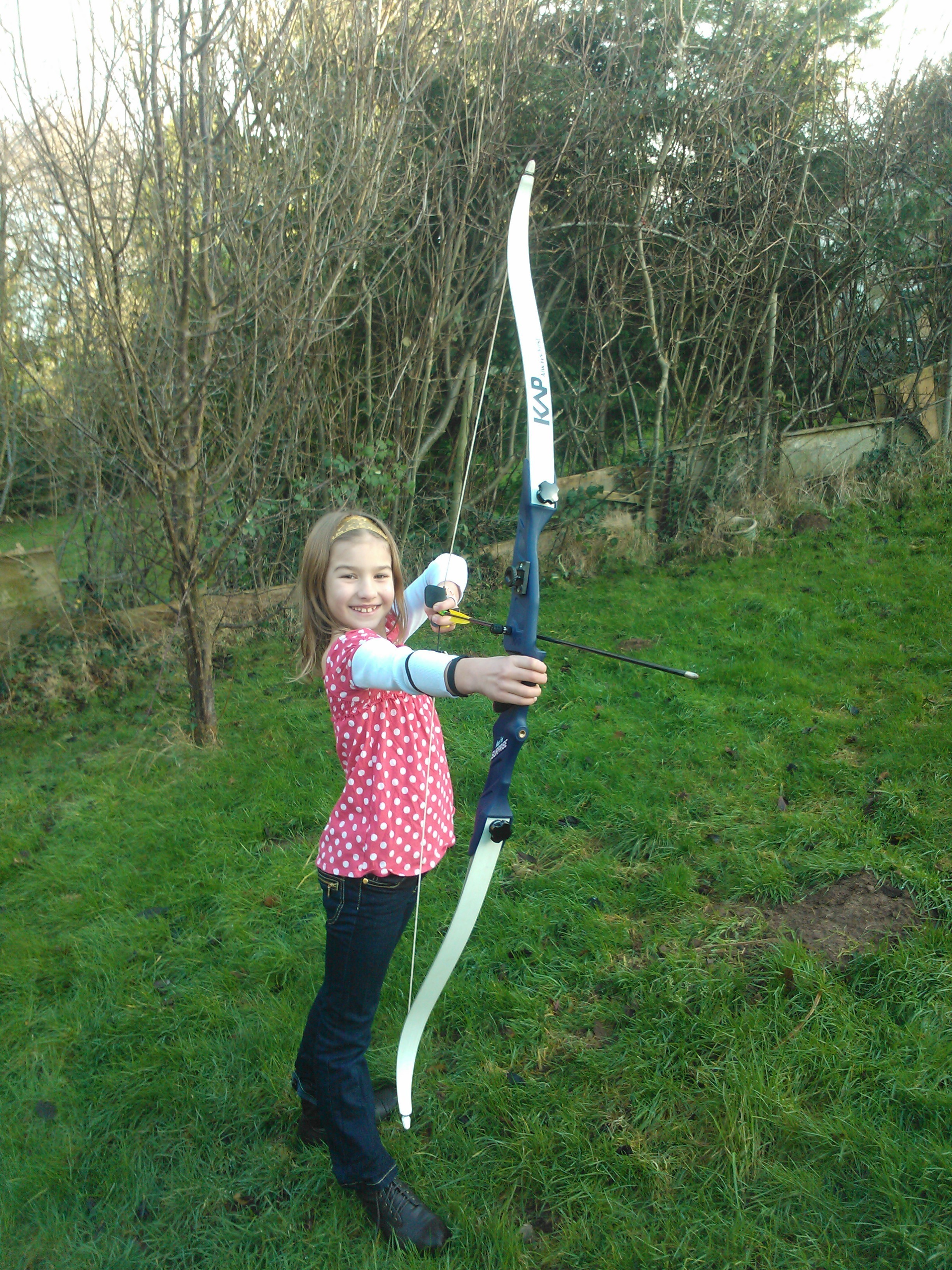
child with archery bowI remember as a child using real objects from my kitchen to play shops and tea parties.  Toy versions of everything are so readily available these days that it is easy to be drawn into the need to buy more and more. It is also easy to fall into the trap of believing that children need adapted versions of things for their own safety. If we trust them with real things, spending time explaining the risks and demonstrating how to use them properly, children are more safety-conscious than those who do not understand the danger of the real objects.

Not having toys has been a very useful exercise.  We have used things from around the house and recycled boxes and paper to create an Olympics and a mud kitchen, we have borrowed books from the library and we have played ball games and skipping.

Here are a few other objects we have utilised:-

Pistachio Nut Shells

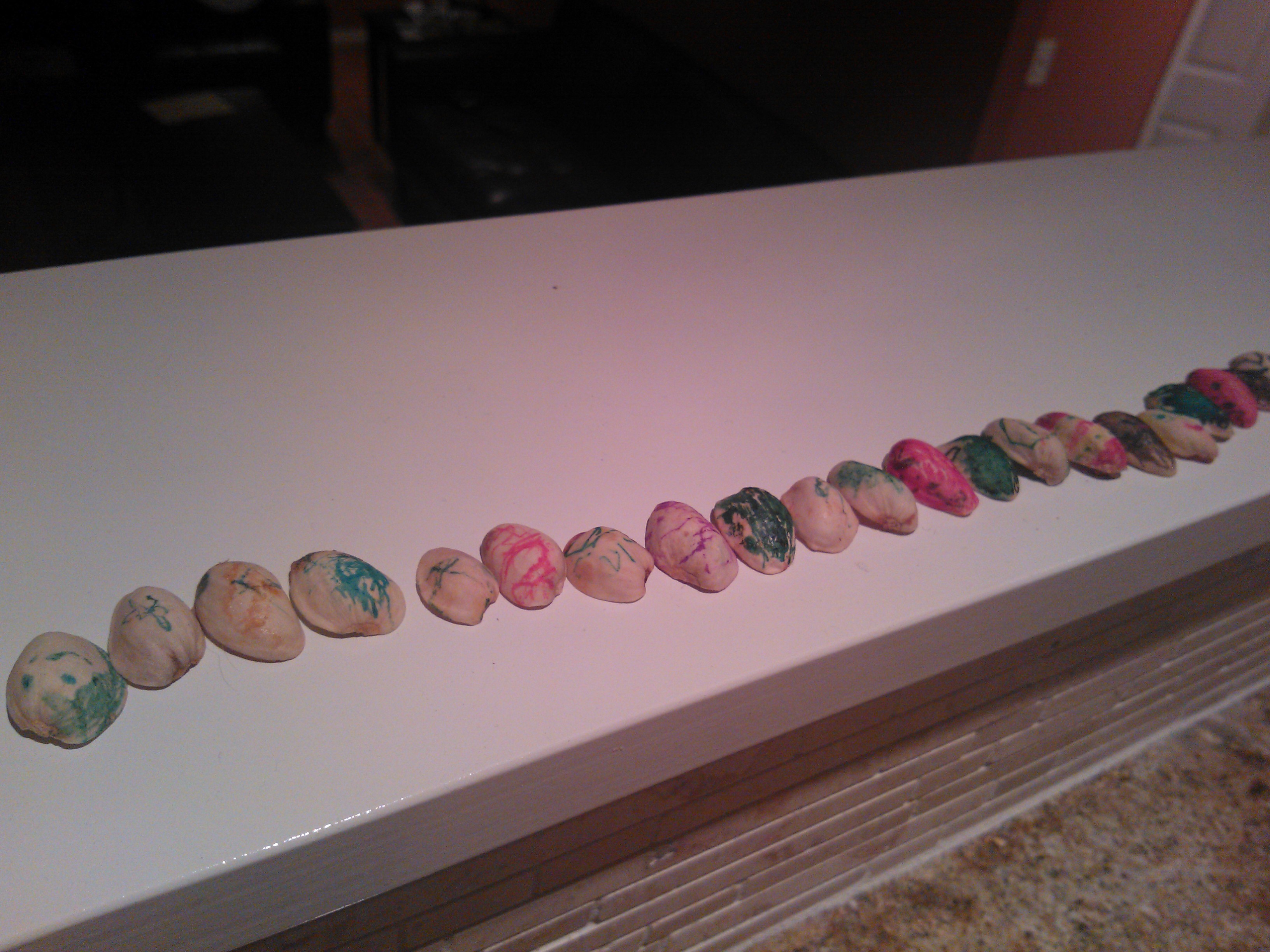
decorating shellsWe saved the shells from our pistachio nuts and the girls had great fun decorating them.  We coloured them so that we could make flowers and patterns and decorated some to look like ladybirds and other bugs.  My 3-year-old chose some pebbles from the garden to decorate as they weren’t quite so fiddly for her small hands.

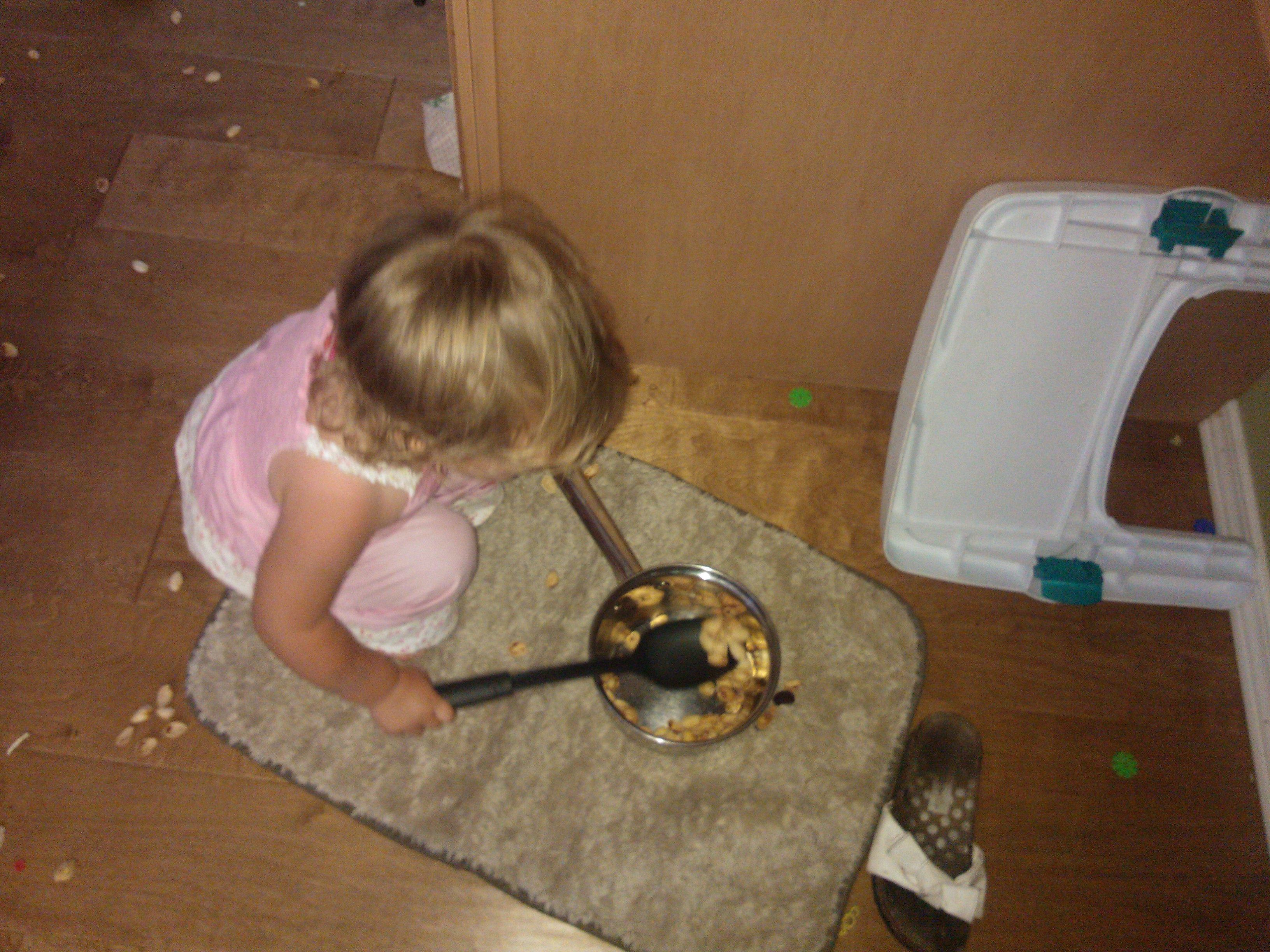
cooking with pistachio shellsOn another occasion I gave my 1-year-old the tub of shells along with a pan, spoon and a number of containers.  She enjoyed scooping them and transporting the shells from one container to another. She also liked the sound they made as they fell onto the floor.  As she walked they stuck to her feet so I showed her how to pick them up with her toes which she thought was very funny.

Coffee Filters

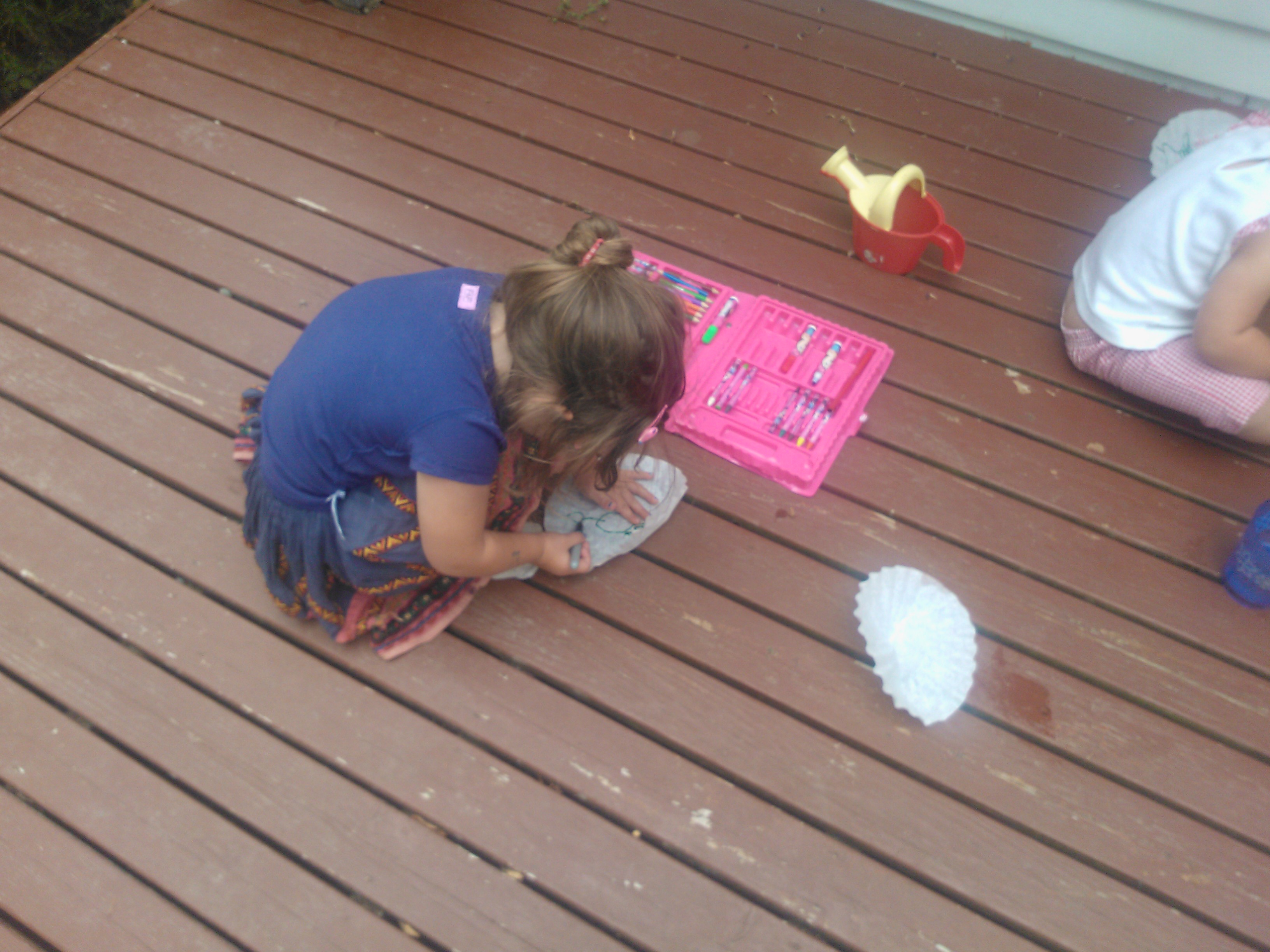
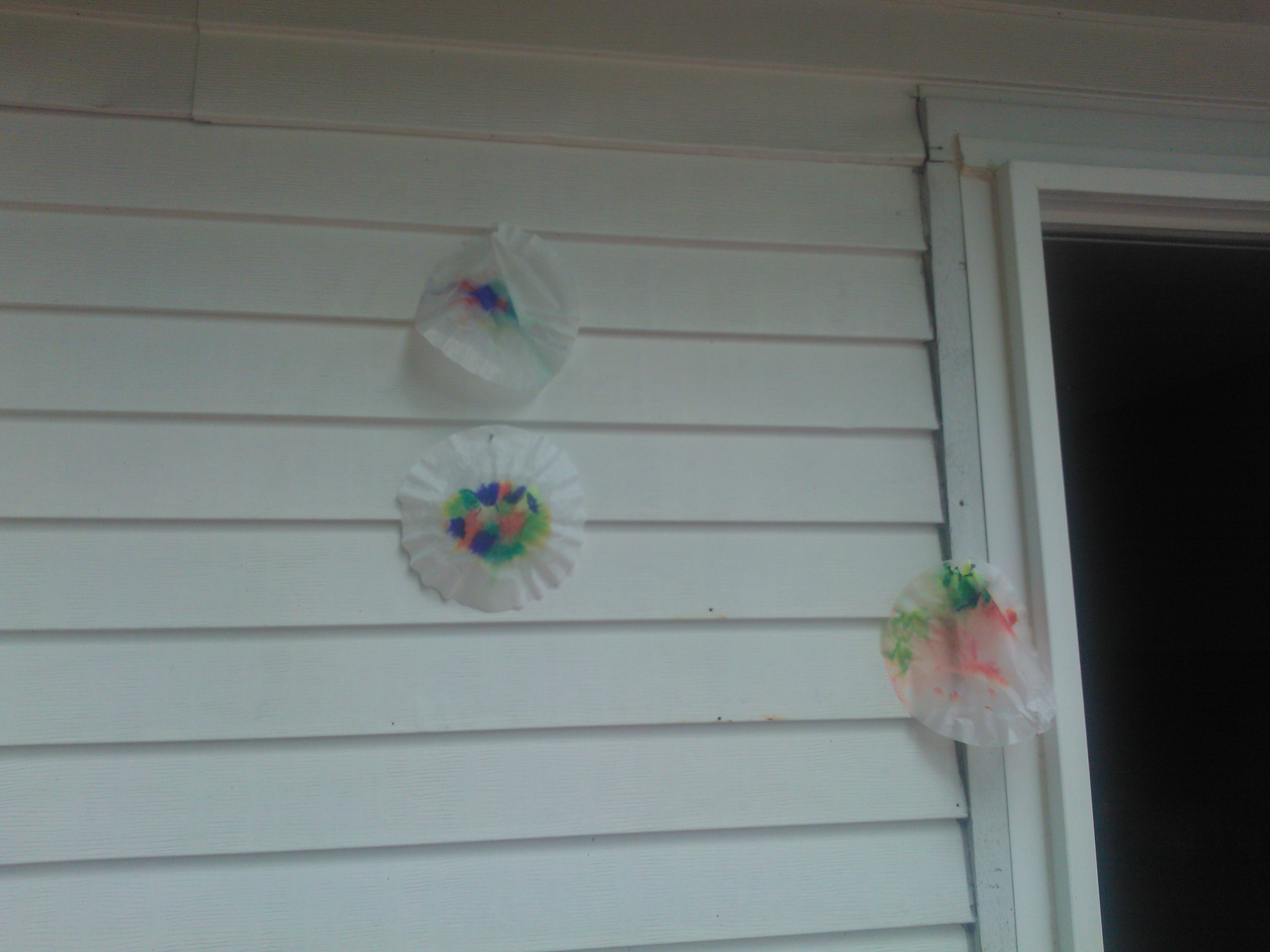
coffee filter picturesI remember doing this activity in science lessons at school.  I gave the girls felt tip pens and coffee filters and asked them to draw patterns on them.

filter coffee pictures

When they had finished they were given a small pot of water and I showed them how to drip it on to the paper creating rainbow colours.

Paper

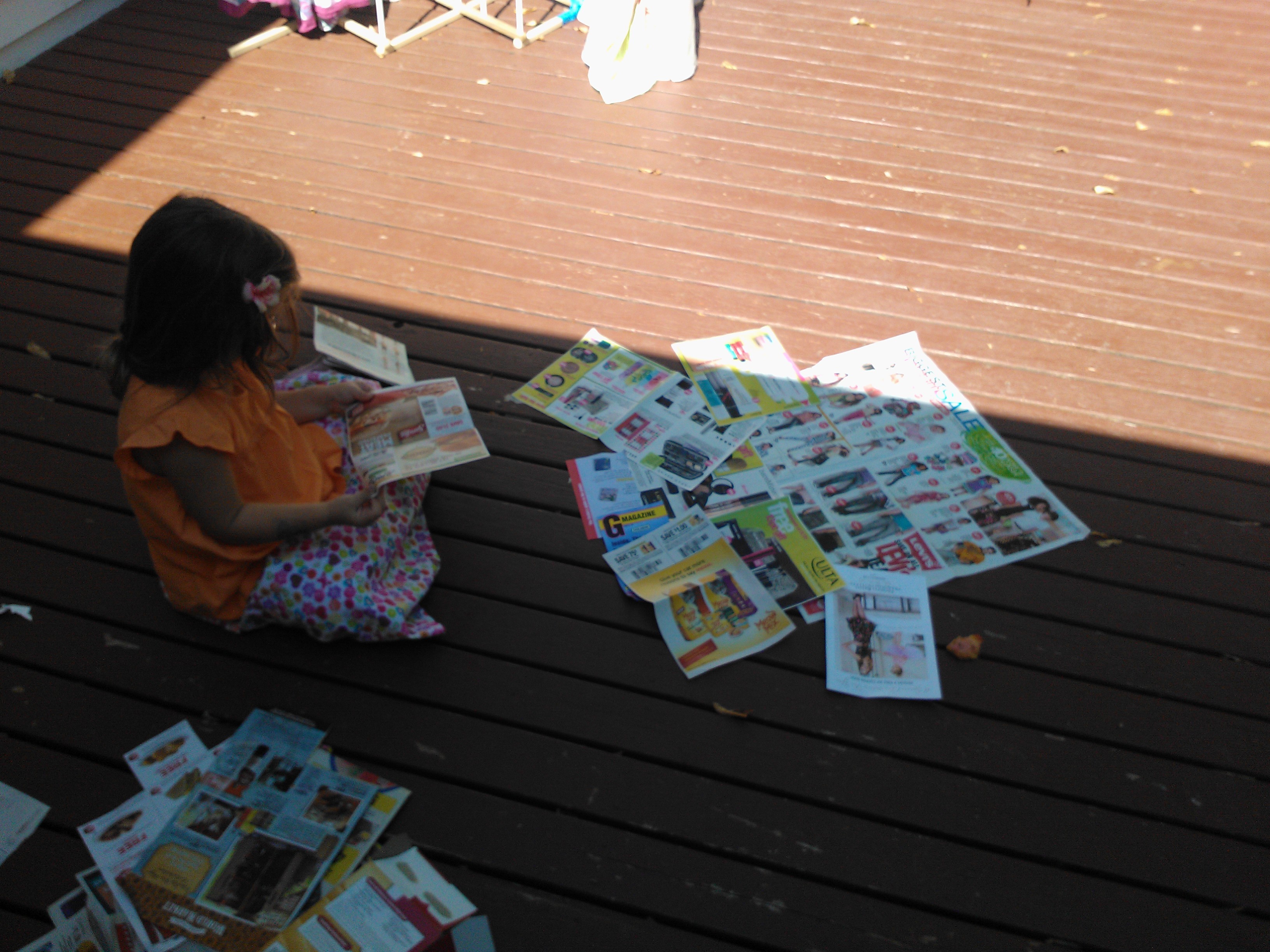
We kept newspapers and magazines with a view to making papier-mache.  The girls would like to enter a local parade on Saturday and I suggested they might be able to make papier-mache masks.

My 3-year-old had other ideas.  She decided to spread the paper across the floor. ‘I’m making a bed’ she said. making a paper bed

She had also made other things for her house by sticking boxes together

I’ve often felt that my house has been taken over by toys that the children hardly ever play with, so I’m not particularly looking forward to them all arriving.  I hope that  being creative with household objects will help us all to think about what we could use instead of buying yet another toy and maybe I can keep most of the toys in their boxes when they arrive.

Pin It

Ideas for Staging a Children’s Olympics

staging an Olympic medal ceremonyFollowing the Olympics from the US has been a little strange.  We’ve caught some of it live, some the following morning when we wake up and some just by following headlines, Facebook messages or Twitter feeds.  The children have been watching it with me and were particularly keen to catch Imogen Cairns from their Gymnastics Academy at home.

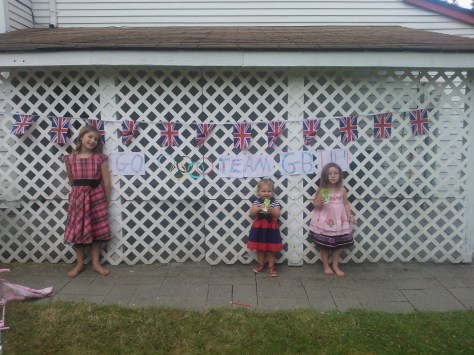
Being such a distance away we thought it was really important to make an effort to support our home team.  We hung our Union Jack Bunting in the garden and the girls made Olympic rings, copying the colours carefully and a sign supporting our team. We then talked about staging our own neighbourhood Olympics, Team GB competing against Team USA.

Team GB sign Olympics

My 8 year old made a list of all the events we could include.  I  ordered a pack of blank medals that the girls could colour and decorate and the girls spent a morning completing them.

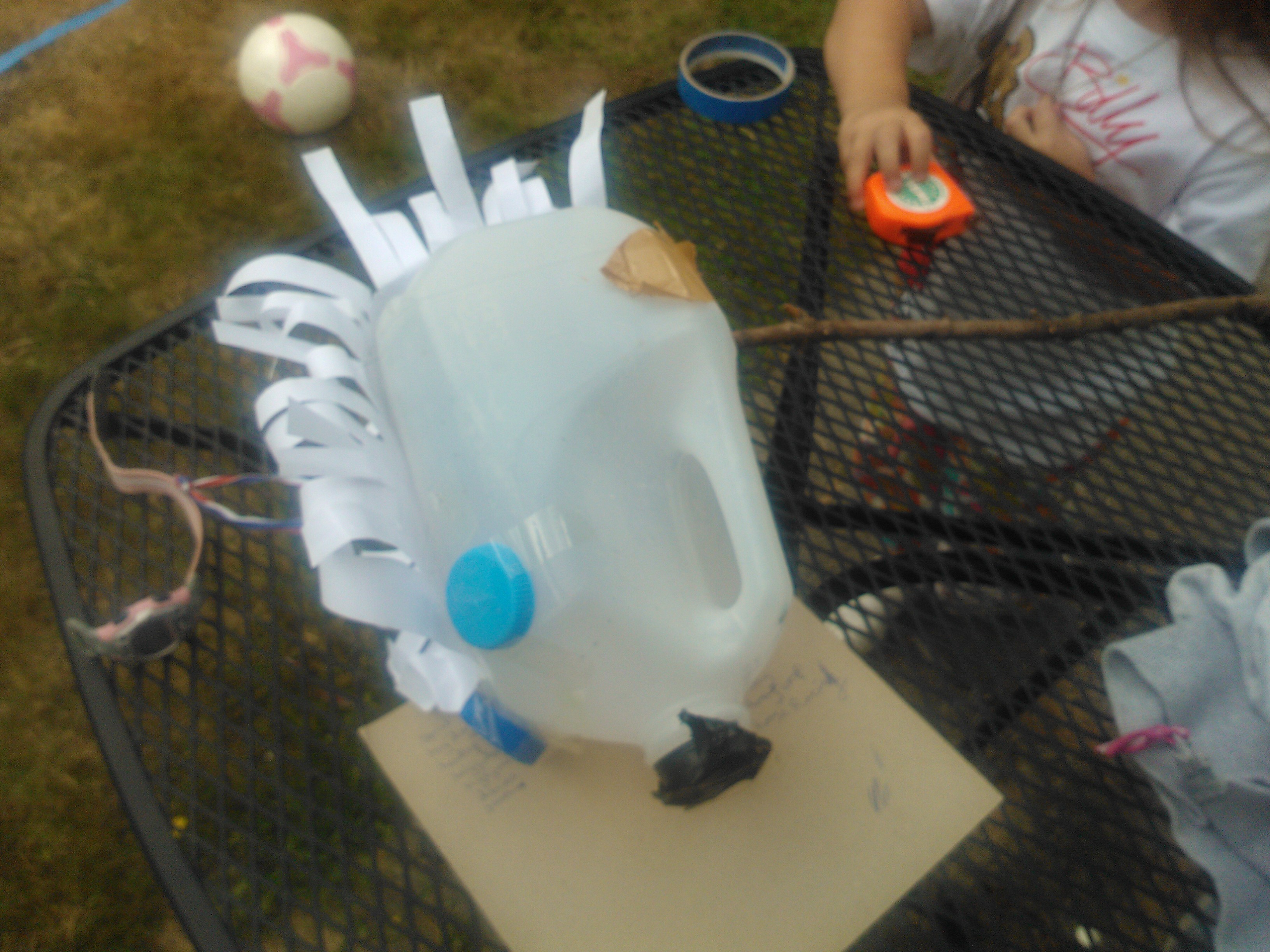
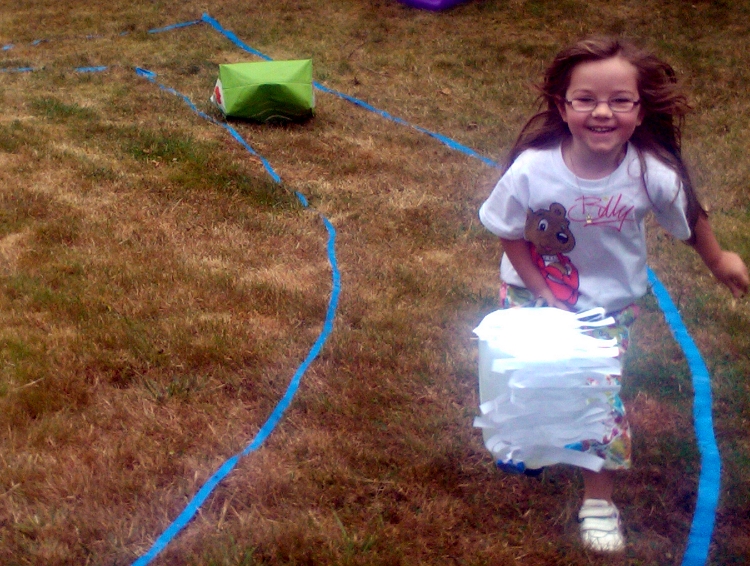
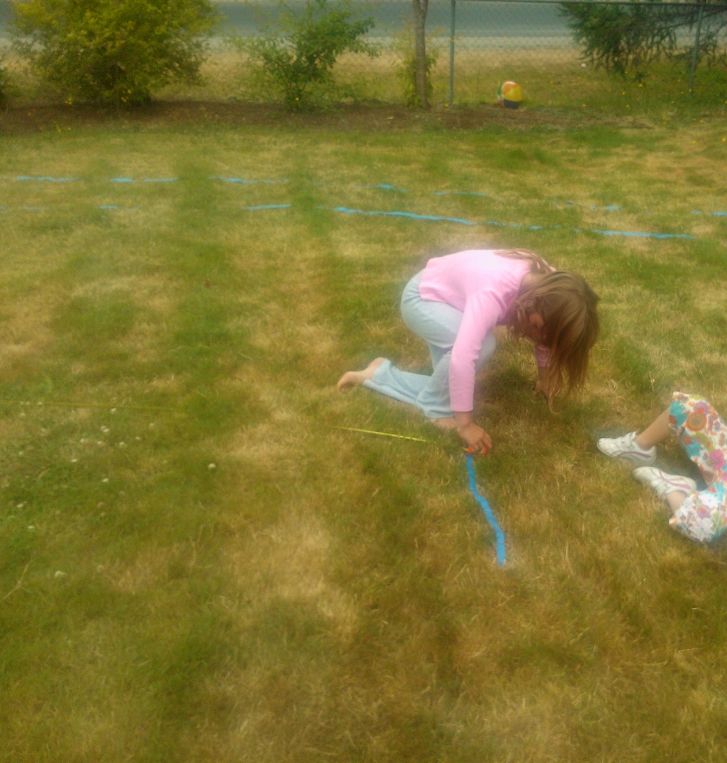
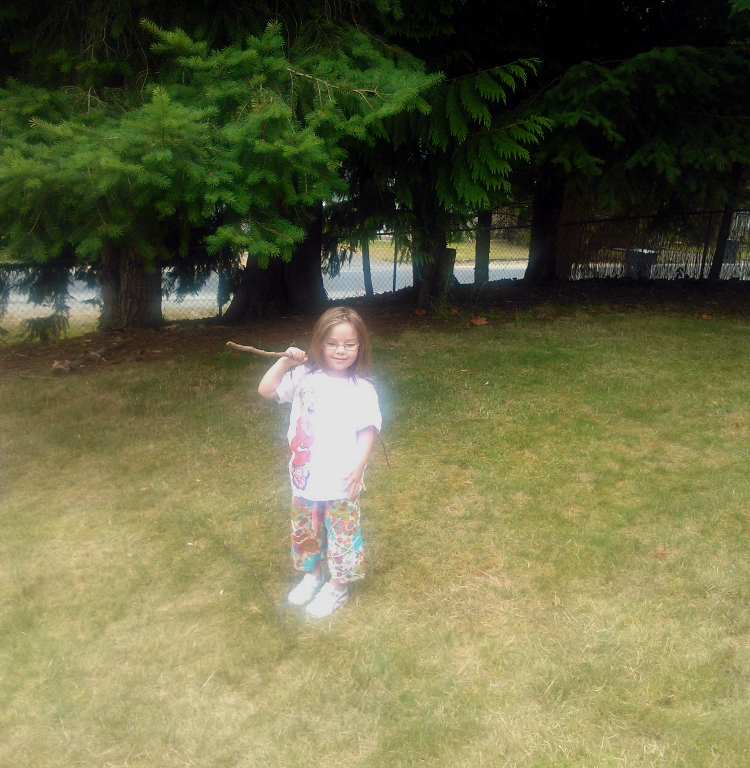
milk carton hobby horseWe made a hobby horse for the equestrian events using a stick from the garden and an empty milk carton. We then set to work marking out a track using masking tape.  A number of low level obstacles were found to act as fences for the show jumping and double up as hurdles.  We also found a straight stick to use as a javelin, a frisbee for discuss and a tape measure and stop watch for accurate results.

Event 1 – Show Jumping

children's olympicsJumping boxes with a hobby horse was quite difficult, my one year old preferred to drag the horse by her side but my 3 year old had a great time.  It didn’t matter to her that she didn’t win gold, she was very excited to stand on the podium (her bathroom stool) and receive her silver medal.  We sang the National Anthem and this has been a really good way for them to learn the words (perhaps I’ll leave the Welsh one until they are a little older).

Event 2 – Hurdles

This was my one year olds favourite event she stepped her way over all the obstacles and loved waiting for the Ready, Steady, Go.

Event 3 – Long Jump.

childrens OlympicsWe marked a place on the lawn where the children would begin their run up and another where they would begin their jump.  I explained that if their foot went over the line then the jump wouldn’t count and they managed to remain accurate every time.  The girls helped me to measure the jumps. My 8 year old fell over every time she jumped so there was a little bit of dispute over where we should measure her landing.

I thought you were meant to fall over, they did on the Olympics

I explained that the Olympic jumpers fall over because they jump such a long way and land in sand. I showed the girls on the tape measure how far an Olympic long jumper would travel and they were amazed.

Event 4 – Javelin

olympic playThe girls found it quite difficult to throw the javelin from their shoulder but managed a few good throws.  I showed them the technique I had been taught at school and my 3 year old who is still deciding whether she is left or right handed needed to work out which was her stronger arm.

Event 5 – Discus

To add a bit of variety I showed them how to spin around and then throw the frisbee.  It took quite a lot of practice as it kept landing at their feet or travelling in the wrong direction, which my 3 year old found hilarious.  Eventually both girls managed good throws, longer than the tape measure, so my 8 year old had to employ her adding skills.  My 3 year old was very proud to win Gold beating her sister by 1 inch.

Events 6 and 7 – Sprint and Long Distance Run.

To make it fair we gave my 3 year old a head start and during the long distance run my 8 year old ran an extra lap.  After winning comfortably she asked if she could race me – I finally won my own Gold Medal.

Our Track and Field Day is over.  Other events the girls want to stage over the next few days are football, tennis, volleyball, basketball, table tennis, gymnastics, boxing, and cycling. We completed our rowing and swimming at the weekend at the lake but the younger ones might enjoy making a cardboard box boat to row. We’ve had great fun and hopefully some of the neighbours will be able to join us tomorrow to get some real competition going.

  • Thanks to Vicki for the show jumping idea.