
Tag Archives: play

Free or Low Cost Summer Activities for Children

I was recently asked by Netmums to suggest some of my favourite free or low-cost ideas for keeping children entertained in the summer holidays.  Below are a small selection.

Things for Keeping  Active

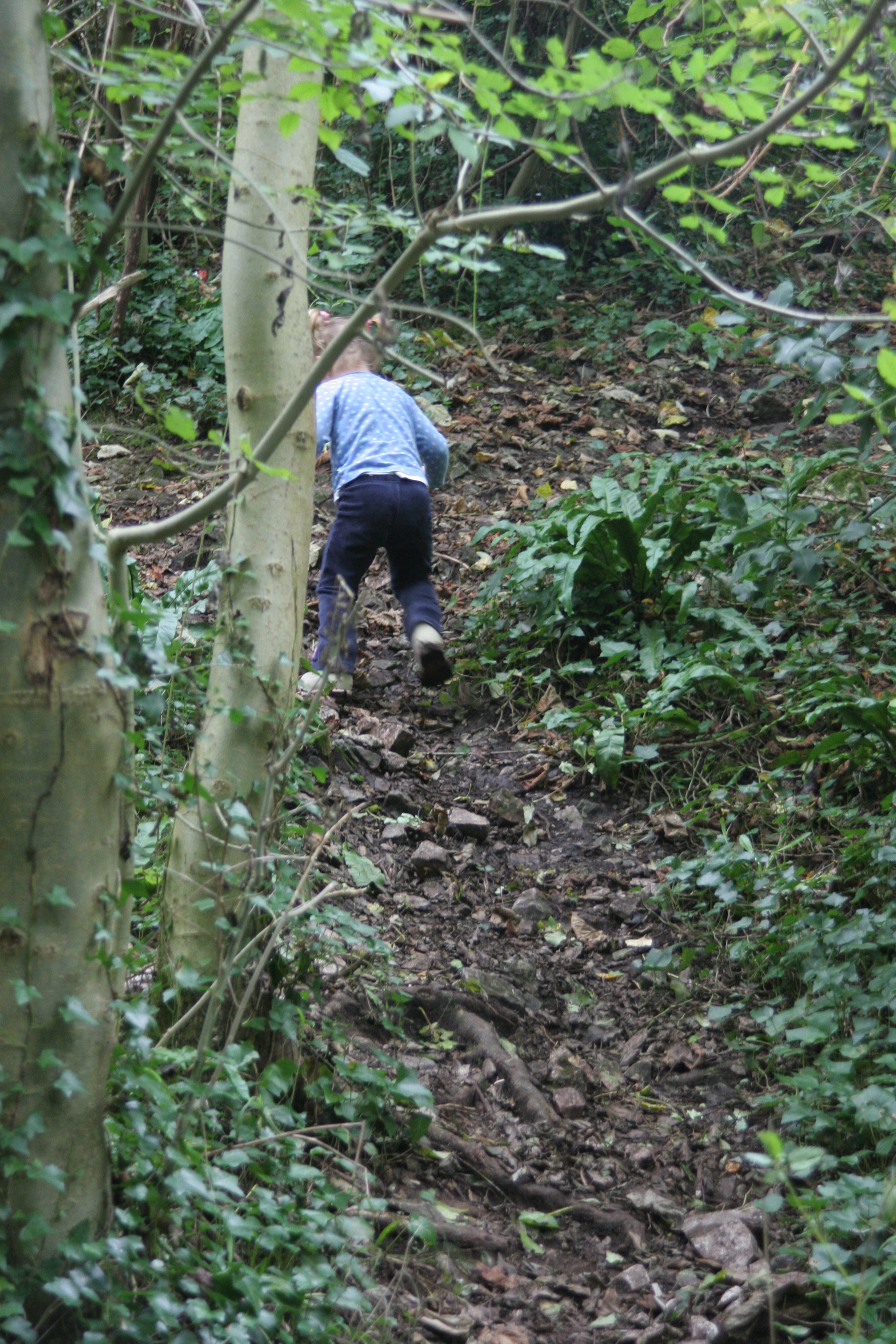
  •   We particularly like woodland walks where the kids like to disappear into the woods to explore and find things, play hide and seek , build dens or run away from monsters. Blaise castle woods are a big favourite because we can hide in the caves or follow the trail to the castle. My eldest called our local woods  the hundred acre wood and spent hours role playing various Winnie the Pooh scenarios. The Woodland Trust have some great free downloadable resources with ideas for playing in the woods, Summer  activities and free things to do with kids.
Oct 07 034

 Creative Fun
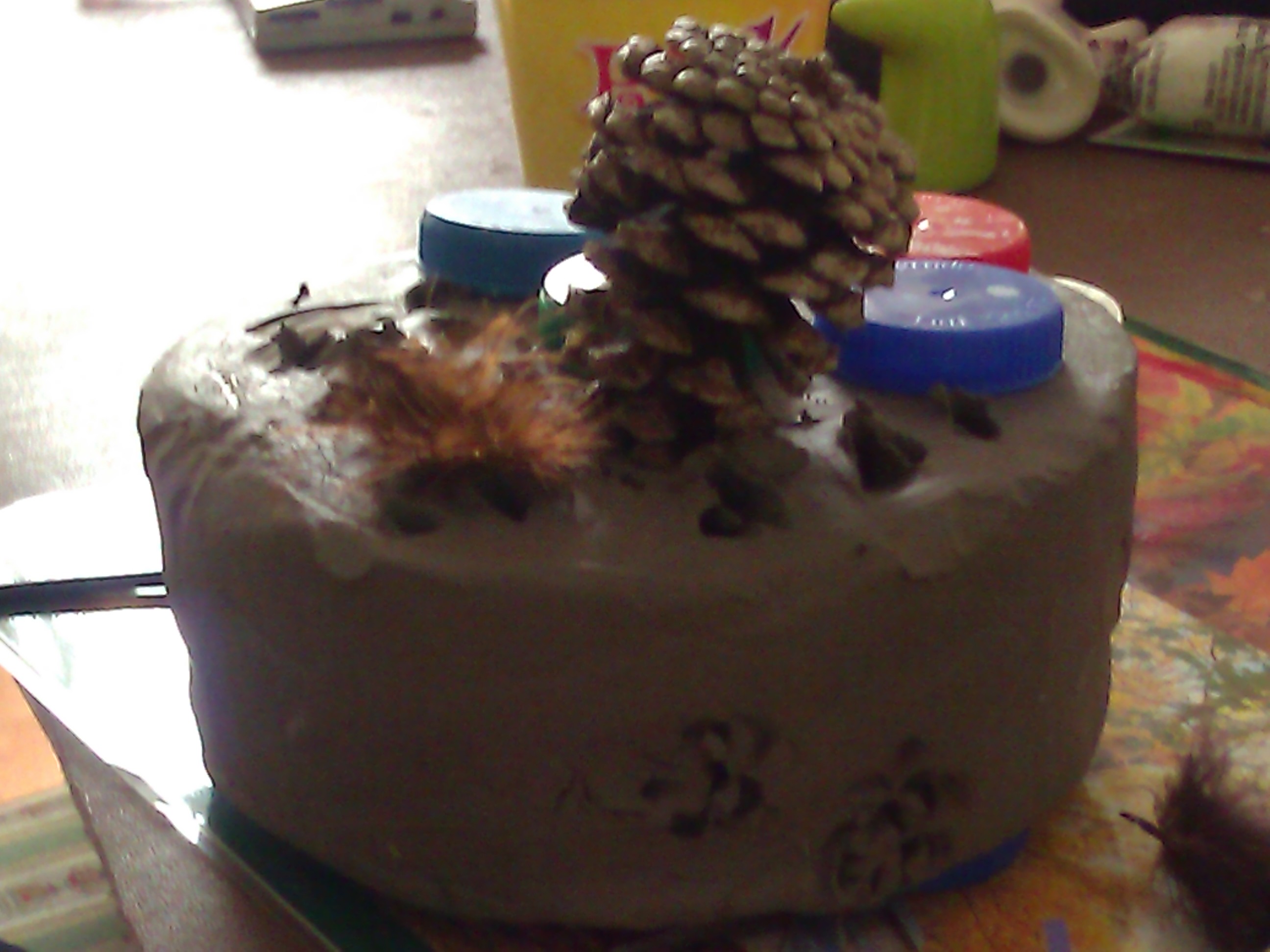
  • Give children a large piece of clay, for the younger children the bigger the better. Make it wet and squidgy and enjoy feeling the texture. Give them things to put in it, we use cocktail sticks, bottle tops, seeds, feathers, pebbles and shells. Older children can be taught to model clay around wire or make a flat tile with a picture on it.
WP_000318

  • The best summer activity I had as a child was with an empty large cardboard box, we slid on it and built things with it and spent the whole 6 weeks playing with nothing else.
  • The best creative play comes from being outdoors with natural materials,  in the woods, park, beach or even in the street. If your kids aren’t old enough or you’re not happy about them playing outside without adult supervision, take a group of children to an open space and sit at a distance from them so that they can develop their own play but you can still see them. My kids love digging, building dens, pretending to fish, making pretend dinner and many other scenarios.

warwick castle & sailing 099

  • Our local town has a flower show and the children love to enter the competitions, it gives them a sense of achievement and pride.
  • Give your kids pieces of material, old sheets, netting or even bin bags and get them to make clothes and have a fashion show – this was my favourite summer holiday game.
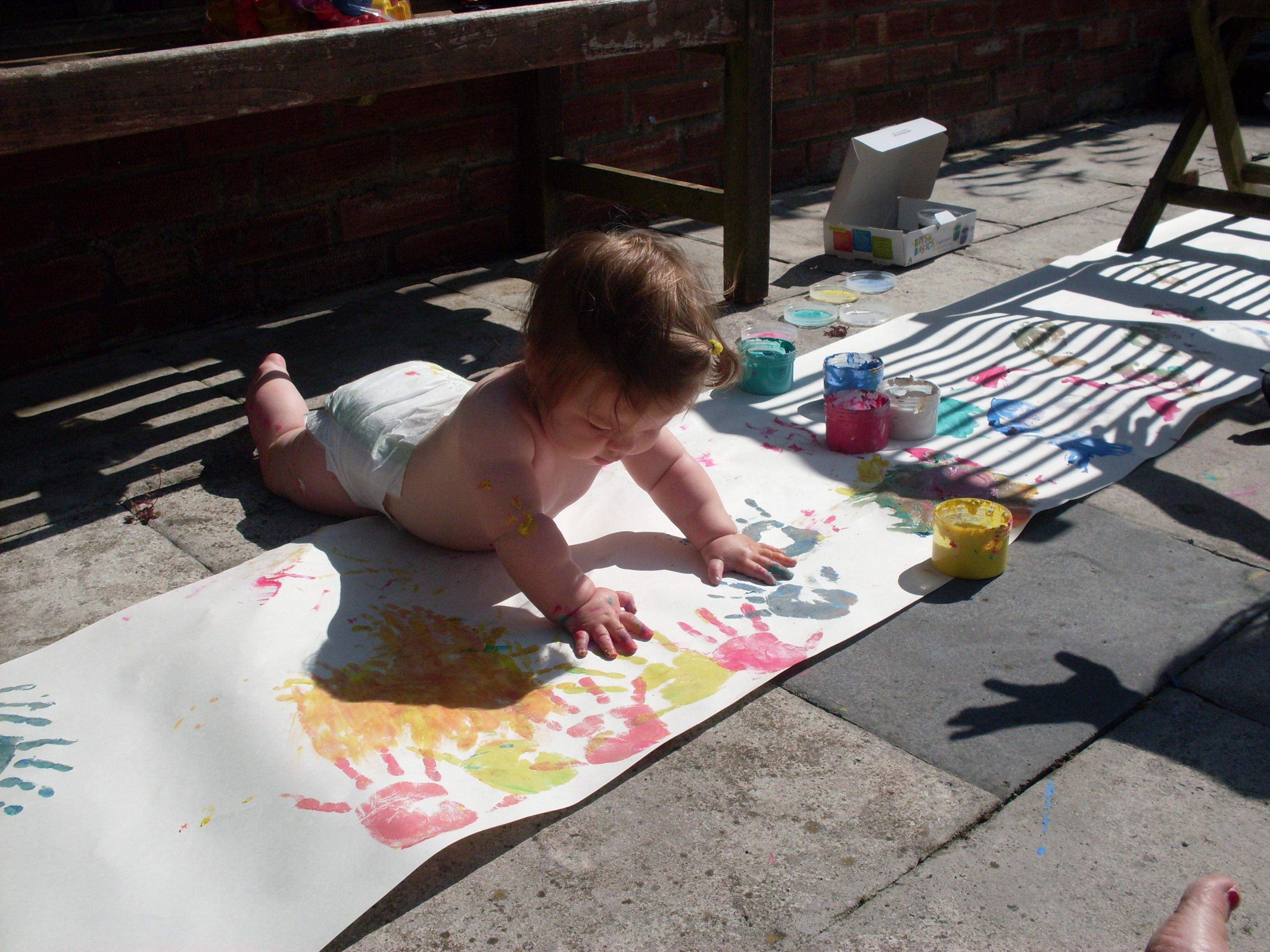
  • When its sunny it great to get a big roll of paper, spread it across the garden and let the kids paint , they can use hands, feet or whole bodies – great for babies too.
belly

Inspiring children
  • Children’s Festivals often give a number of inspirational ideas many are free or low cost.
  • We have been to some brilliant museum exhibitions and as museum entry is usually free it is a great day out. Our local museum has lots of activities for children of all ages to accompany the exhibits.
  • Go blackberry picking , picking your own fruit always leaves us inspired to come back and cook lots of yummy treats. In the US we pick huckleberries at the local park – they make delicious muffins.
 Keep them Laughing
  • Local councils often provide fun/play days in local parks, ours involve entertainment, games, activities and crafts – the children have lots of laughs.
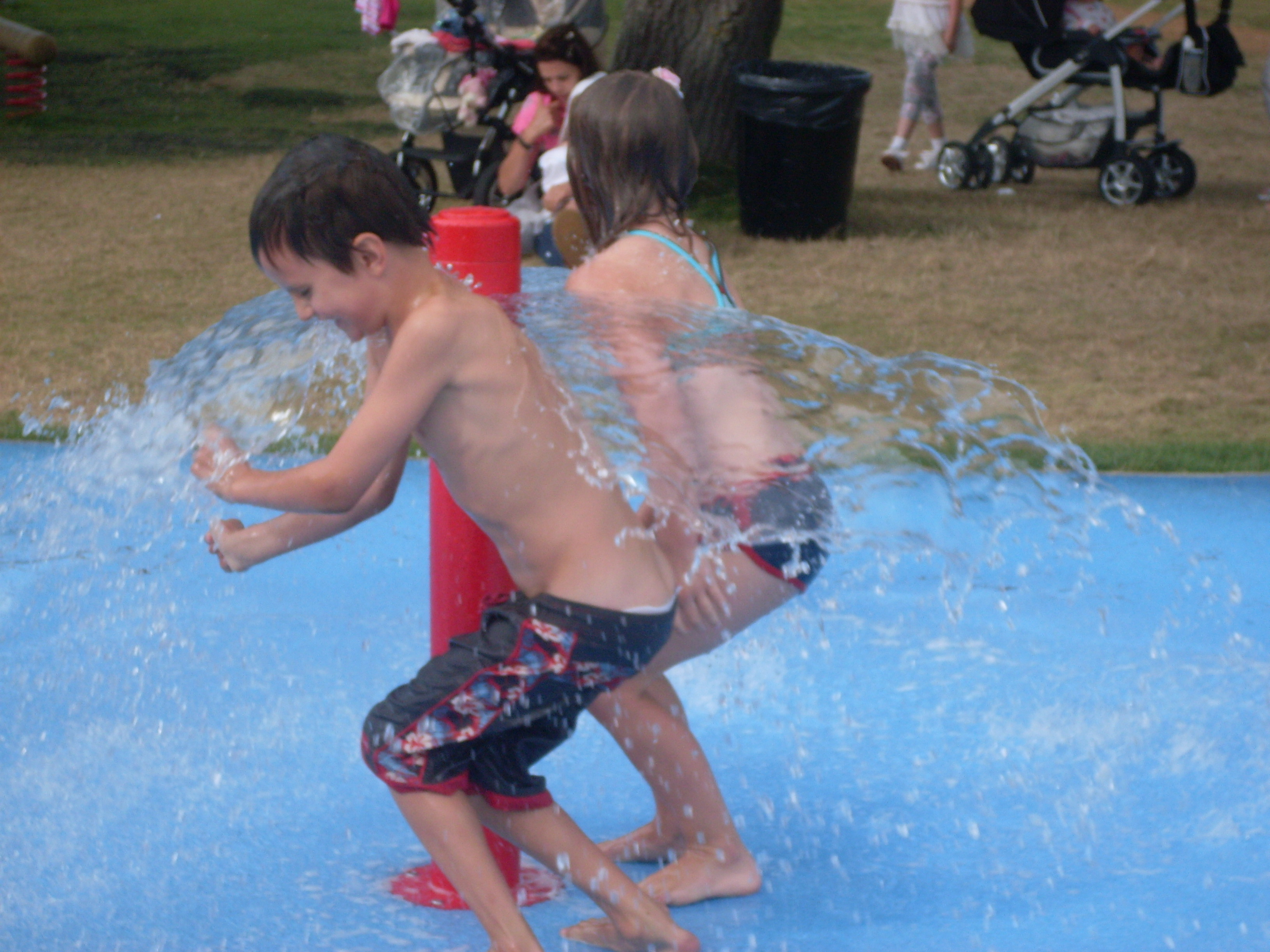
  • Get Wet – be it in a  water park, paddling pool, swimming, with a hose pipe, playing with water bombs or splashing in puddles in the rain – have a water fight and you can’t help but laugh. Weston Super Mare has a fantastic water park opposite the sea front and splash parks are really common in the US. Check out these Seattle Splash Parks.
022
I think sometimes we plan too much for kids, give them some freedom to make their own play, give them the chance to be with their friends and they will come up with some great ideas of their own.

I see and I forget, I hear and I remember,I do and I understand.


The Chinese proverb above illustrates the common practice of active learning in early years education, except that maybe we would say ‘ I play and I understand’.

Early years educators are often criticised for having an easy job, because all we do is play.  I would argue that play is one of the most important things we do, not only as children, but also into adulthood.  Play gives us freedom as it is one of the few things that we do that has no external goal.  Play is both therapeutic and a way of self regulating experience (Jennings).  In play we can select our own materials and are free to choose what to do with them, helping  to work out solutions to conflicts and understand one’s self.  Maybe we should all take time out from our busy lives to play.

As an adult I rarely play, we might play with our children, but generally this is following their agenda or playing a rule based game.  How many of us play for play’s sake ? Why don’t we build dens in the woods or take out a lump of clay and model with it?

I was once on a course with Jenny Moseley who asked us to sit for 5 minutes with an egg.  We had to stay in our own space and were allowed to do whatever we liked with the egg in that time.  Who would have thought that a simple egg could be so absorbing?  It became my complete focus for that 5 minutes and we were then asked to put our thoughts on paper to share with others – the words poured out of me without hesitation.826egg

I think that real understanding is achieved through more than just play.  If we look at some of the most highly respected early years establishments, in particular the pre- schools of Reggio Emilia,  there is one thing that sets them apart.  The schools founder Loris Malaguzzi describes the teachers role as learning and relearning with the children. A favourite saying is ‘catching the ball that the children throw us’. That is not simply asking the children to tell you what the teacher already knows but retaining what the children give with a sense of wonder.  We can learn a lot about the way children think by listening to them.  Often they are viewed as funny or cute comments – like when my 2 year old saw manure on the road and asked ‘Mummy has the road done a poo?’, but these little comments tell us a lot about the way children think.

In the pre-schools of Reggio Emilia  projects are based around what the children say and do.  They would go that extra step to give the children a complete experience .  A project on supermarkets for example, led them to not only visit during the day but also when the shop was closed, helping to encourage further discussion and enhance the children’s play.  In the Reggio schools understanding is not achieved through simply ‘doing’ but also by having the chance to reflect and build on those experiences. It is important that when children ask questions we ask what they think and that their interpretation is seen as important.  It is not the answers that are important but the process of discovery.

In our own work as teachers and parents we can learn so much from our children if we listen , share and take time to reflect both alone and together. In our own lives too , if we take time to step back and really absorb ourselves in something as with the egg exercise, we learn far more than rushing around doing things. Rather than always focusing on the present, the reflection time helps us to work out what to do next.  I believe therefore that the proverb should be

I see and I forget

I hear and I remember

I do and with reflection I understand.

For further information on Jenny Mosley’s work  http://www.circle-time.co.uk

For further information regarding the schools of Reggio Emilia  http://www.sightlines-initiative.com/