All posts by rightfromthestart

Using Characters and Themes to Inspire Early Learning.


Using Characters and Themes to Inspire Early Learning  supports practitioners in planning and resourcing topics based around popular themes in the early years. Each theme is introduced through a ‘spark’. The ‘sparks’ are an object, or group  of objects, found in the classroom, for example a magic seed.  The projects then develop by presenting letters, posters, postcards etc. from a characters ( these can be found in the appendix of each section).  The characters in the book have been invented by the writers, Jo Ayers and Louise Robson but I see no reason for not utilising other familiar, book, TV or film characters.

Each chapter introduces a new character and theme, including pirates, knights and castles and people who help us.  For those settings who revisit these themes every year, the sparks and resources presented in the book would offer an exciting new angle for engaging the children.

Who is it for?

The book is targeted at teachers in the 3-5 age group, personally I felt some of the themes and activities were more suited to the upper age group, but I would still use the sparks with a younger group and adapt activities to their level and to fit the classroom environment.

How Does it Work?

The book emphasises planning with the children after igniting the initial spark, gathering evidence from comments, questions, observations, photographs and recordings.

The introduction states that topics were chosen based on gathering children together and asking them about their favourite interests.  I would have liked clearer descriptions of the  children’s involvement in the planning, as some of the topics felt more adult directed than others.  In a session which began by finding a mysterious seed, an alien is grows in the seed but it is also mentioned that this could also be an insect.  I would have liked to have seen a description of the thought process behind the decision to make it an alien. Did the children decide it was an alien?  There is a good mind map in the appendix showing the children’s comments and questions which explains this to a certain extent, but I would have liked a little more clarification as to how these comments and questions fed into planning.

The Activities

The chapters are clearly laid out and contain plenty of photographs and support materials.  I would have preferred to see the support materials alongside the description of the activity rather than in the appendix ,as I found flicking between the two distracting. The scenarios weren’t always easy to visualise without reading the materials in the appendix.

I particularly loved the Nancy the Knight and Lord Lawrence chapter for a meaningful approach to the topic of castles. I felt the description of this topic flowed well and the activities were hands on and playful.  I could also see how the children led the learning in this topic.

Who would Benefit Most From this Book?

The book would be a great resource for settings following a topic based approach. It would add wonder and awe to familiar topics and I can see it working really well in reception, kindergarten or year 1 classrooms.  I love the idea of the sparks and think these could also be useful in settings that use more in the moment planning.  With a bit of imagination, one could listen and observe the children, discover their interests and invent a character and scenario that would help them answer questions or develop their interests further. This book would be a great starting point for doing that..  For a theatre person like myself, I can easily imagine adopting this approach in the classroom but it may not be for everyone.

What Did I Think

I love the approach but wish the book was laid out a little differently. I really wanted to hear the story of how each project developed, to hear the children’s voices and see how the children’s ideas and questions led to the next stage of the project or even perhaps how different classes adapted the same scenarios but in different ways.

There is plenty in the book for those who would like to try this approach by following scenarios that work for others or for those who want to try this fun approach but adapt it in their own way.  I think it would be a great addition to a teaching library for new teachers, teachers looking to add a but of fun to their curriculum or those looking for a different approach to topic based learning.

The authors are keen to see how settings are adapting their approach on their social media channels  – Facebook and Twitter
 

Personalised Books for Your Easter Basket

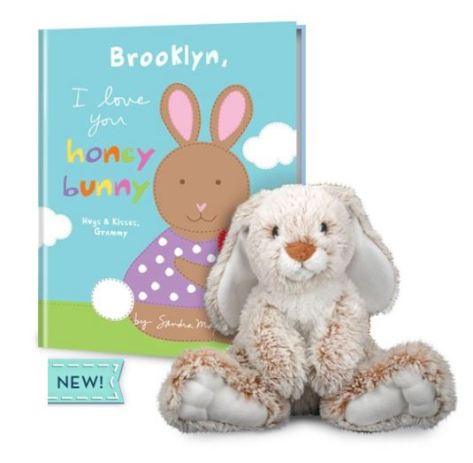
If, like me you like to find a gift for Easter that isn’t chocolate, a book is always a great option.  Put Me in the Story have gorgeous personalised books, available as stand alone books or gift sets with a soft toy, making an extra special Easter gift.

I Love You Honey Bunny & Plush Gift Set


I often shy away from personalised books because the stories are a bit dull, but these are sweet stories with your child appearing as a character in the book. The stories are well written and include favourites like National Geographic, Pete the Cat, Curious George and Lemony Snicket.  You can add a dedication on the cover and a photograph of your child if you wish.

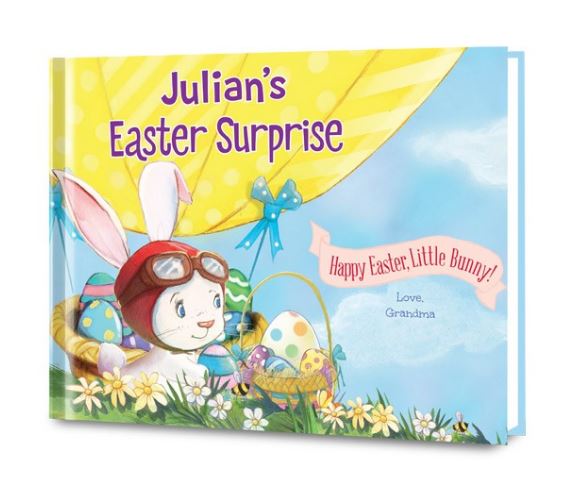
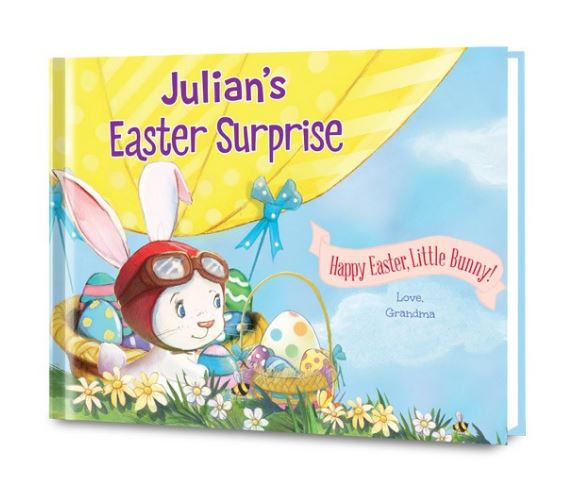
Put me in the Story offered me a book to try out – I chose “An Easter Surprise”.

An Easter Surprise

AN EASTER SURPRISE / AN EASTER SURPRISE AND PLUSH GIFT SET

$19.99 paperback, $34.99 hardcover ,$44.99 gift set

This takes your little one on an egg-hiding adventure around the world.  An Easter Surprise gives your child the chance to plan his or her very own Easter mission. Soaring as high as the moon in a hot air balloon, delivering eggs all over town, and stashing tasty treats all down the streets, your little one will be thrilled at the surprise twist in this Easter adventure.

The story is a simple, sweet, rhyme and features your child  as the Easter bunny. There is a challenge to find all the hidden eggs in the book  that I know my six-year-old is going to love. I think this could be a book that will be returned to time and again.

There are sweet books for slightly younger children, I LOVE YOU HONEY BUNNY is a lovely book to remind children how much you love them and for those who would rather celebrate Easter as a religious festival there is MY FIRST BOOK OF PRAYERS.

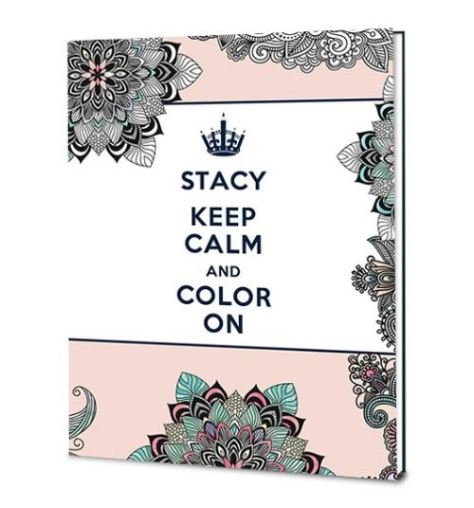
You can also personalise colouring books for older kids KEEP CALM AND COLOR ON: FOR YOUR INNER CREATIVE  and KEEP CALM AND COLOR ON: FOR STRESS RELIEF


Keep Calm and Color On For Your Inner Creative

There is still time to order for Easter but if you miss the boat, there are many other options for celebrating other occasions.  Personalised books are available for delivery to the US, Canada and the UK.

Disclaimer – a sample personalised book was provided for writing this post.


The March of the Vegetables in Duvall

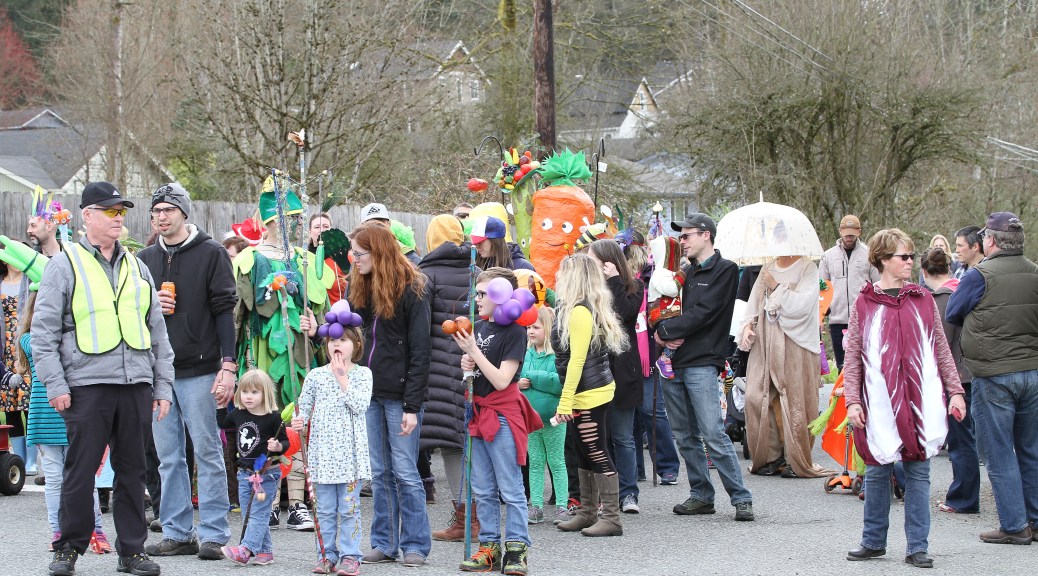
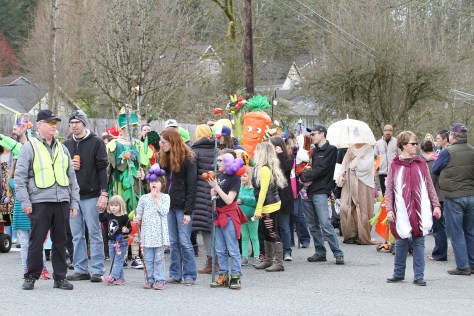
This weekend we were invited to the March of the Vegetables, a community event in Duvall to support Snoqualmie Valley farmers.

IMG_4243

The event began with a parade for vegetables. My family found the idea of dressing as a vegetable suitably hilarious and loved the comment on the website – What if I don’t want to be a vegetable?  Local artists have been working with the community over the past few weeks, to create costumes and props – some were really imaginative and some simple, such as a man covered in branches to look like a tree.

IMG_4227

A kind lady handed us some beetroot seeds. I love beetroot so will look forward to planting them.

IMG_4324

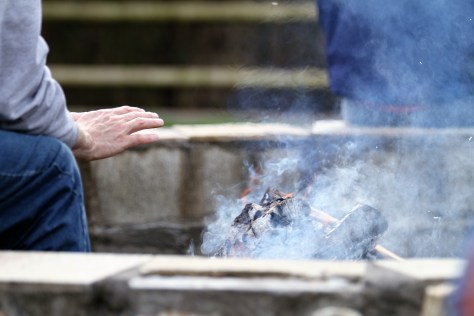
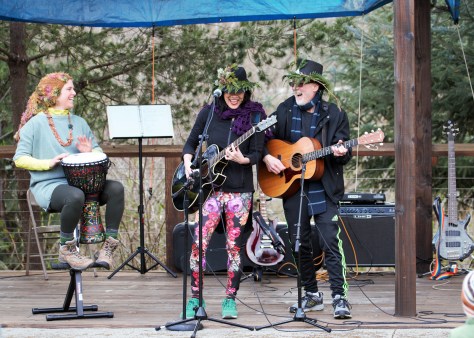
The parade made it’s way to Depot Park where local farmers and artists had stalls.  There was live music and a fire pit to keep warm, beer, wine and hot apple cider and lots of smiling faces.

IMG_4343

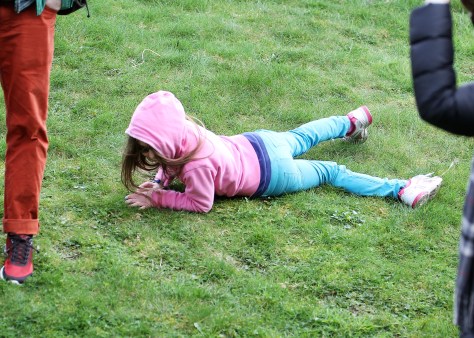
The kids made their own entertainment by rolling down the bank which quickly got muddy.  I observed two boys lying face down in the mud, smearing it over their faces.

IMG_4280

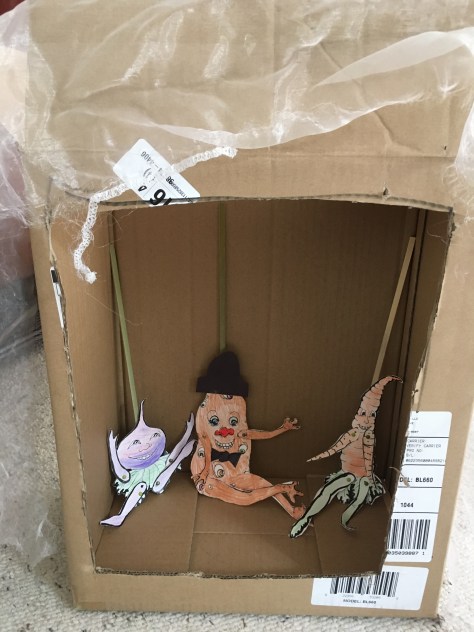
My daughter enjoyed making a hat and puppets with a local artist and the little ones made a puppet theatre to put them in, when they got home.

IMG_1059

I love these little community events as we all need an excuse to get out and celebrate during rainy March.  We’ll definitely head back next year.

 Photographs by Michael McClary

Holi – The Festival of Colour

I used to work with a wonderful teacher who celebrated Holi with the children every year by covering their clothes and throwing powder paint around our art room.  It was always a favourite time of the year but we thought him very brave for taking it on indoors.

Holi

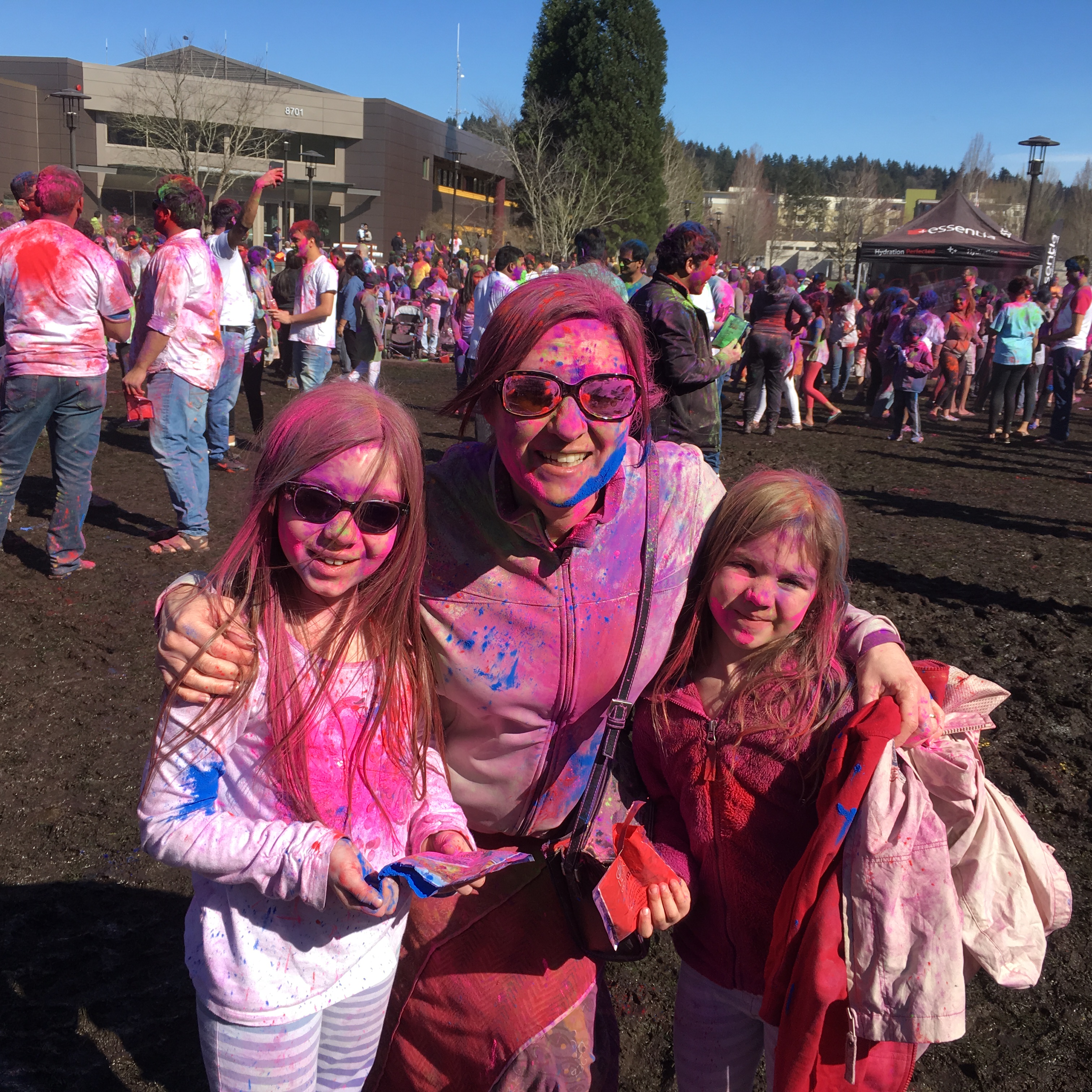
Since then, I’ve always thought my kids would love to be involved in the celebrations.  This year I took them to the Festival of Colour at Redmond City Hall.  This is how they describe the festival,

The festival does not recognizes any bars of caste, class or creed. Drenched in colors, everybody comes to resemble each other losing their original self. This is the beauty of this festival. Its uniqueness lies in the fact that this festival treats everybody at par, all differences dissolve in the colored water that flows in plenty in it.

Holi calls to put an end to any hard feelings that might have cropped up during the year. People apply color and give each other a friends hug as they greet Holi, the tradition is called, ‘Holi Milan’. It is strongly believed that even enemies turn friend on the day of Holi.

Holi announces the arrival of spring and the passing of winter. The festival breathes an atmosphere of social merriment. People bury their hatchets with a warm embrace and throw their worries to the wind. Every nook and corner presents a colorful sight. Young and old alike are covered with colors (red, green, yellow, blue, black and silver). People in small groups are seen singing, dancing and throwing colors on each other.

Two bags of coloured powder costs $5 on the day and slightly cheaper if you book in advance.  Other packages are also available, for those who want additional colours, t-shirts or food.  We chose two bags each which was plenty for at least an hour of fun.

Holi

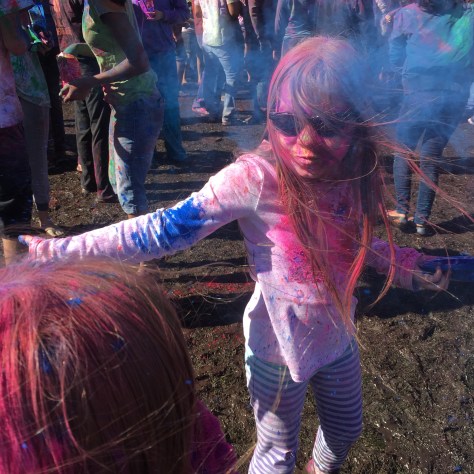
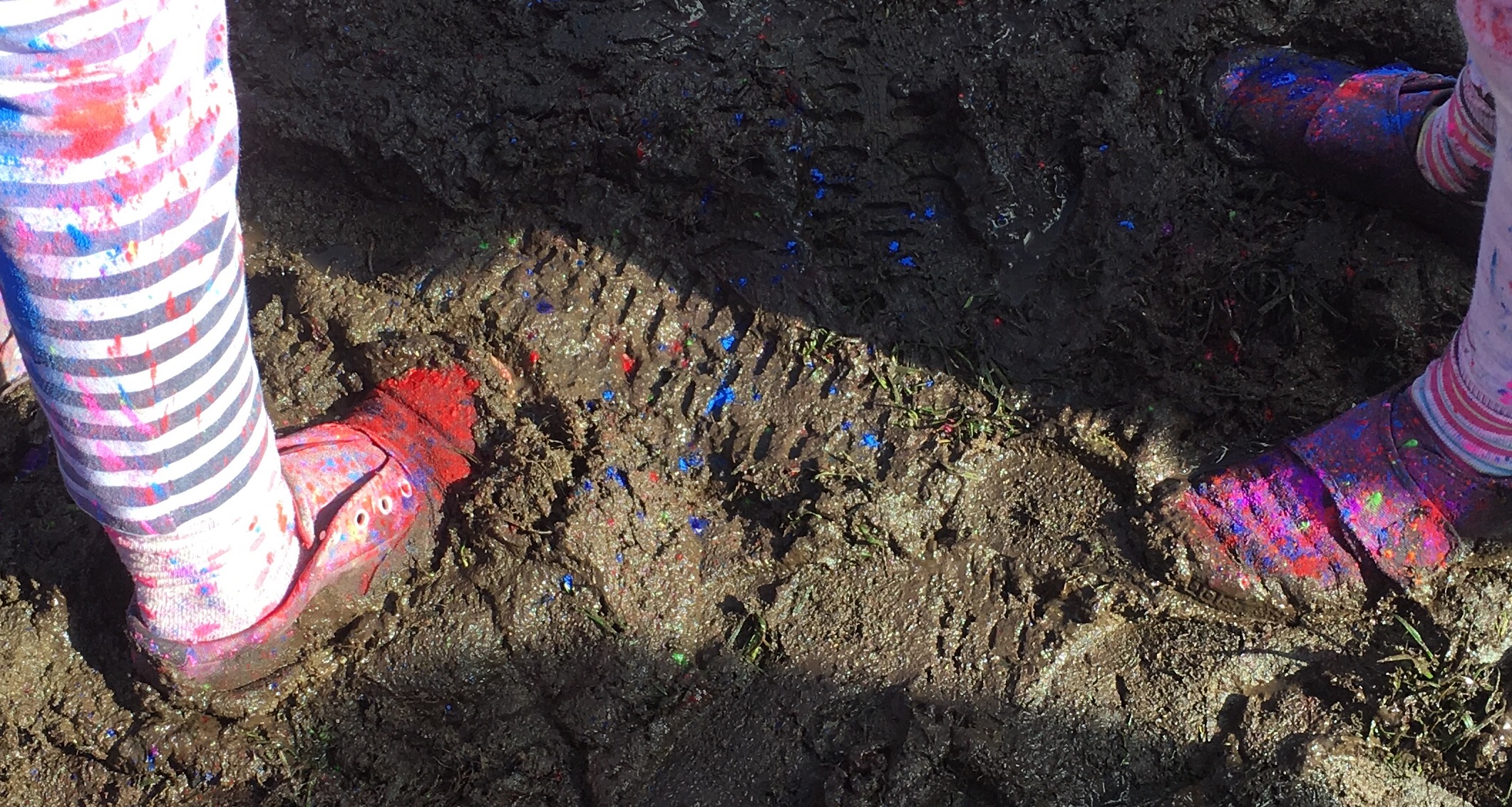
Wading in mud, music and dancing and throwing coloured powder at each other – it was pretty much my kids idea of Heaven. Strangers greeted them with cries of Happy Holi as they daubed colours onto their face.

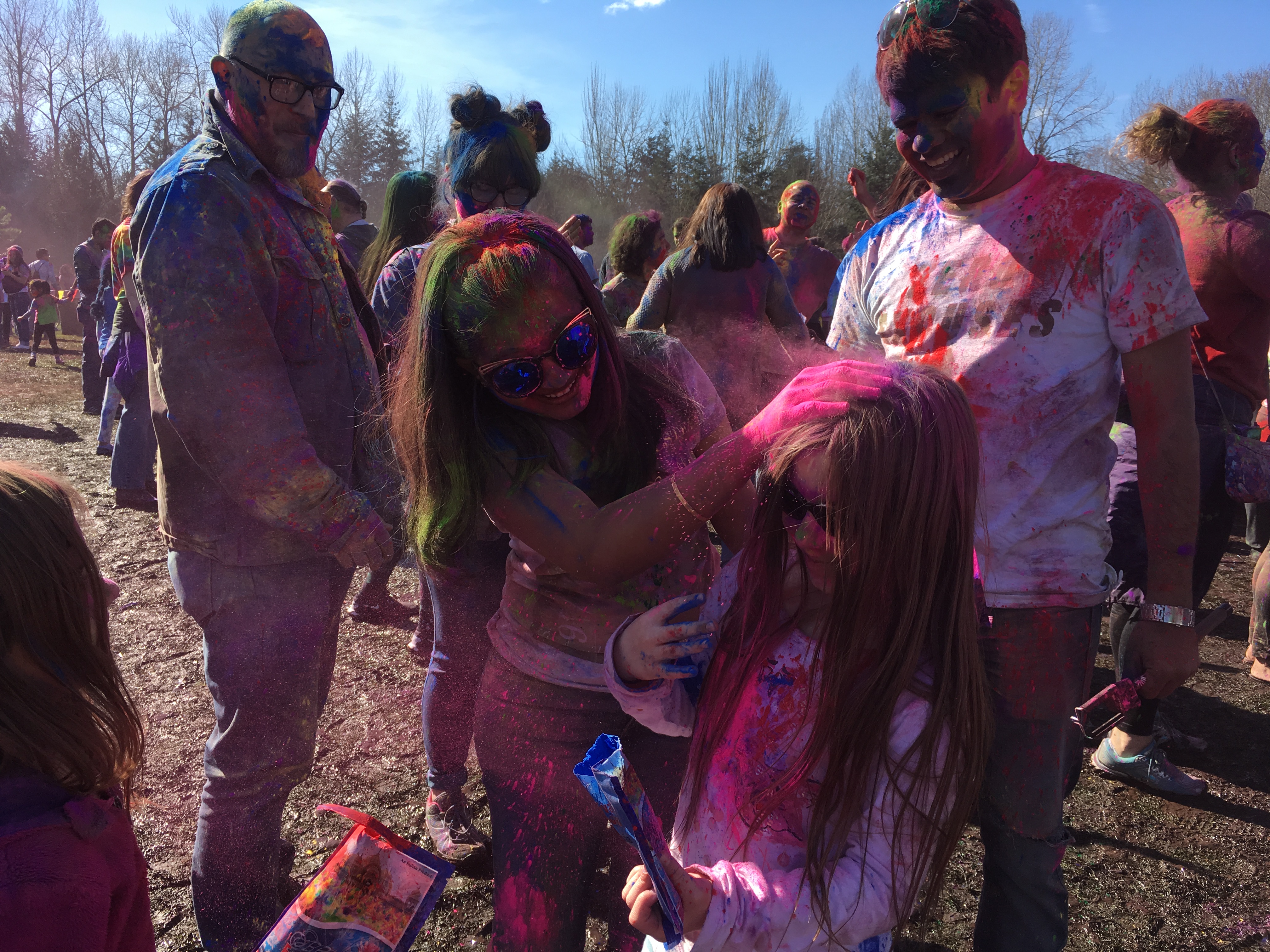
They competed to see who could get the most colourful hair.

And their favourite part was the countdown.

All topped off with a bit of dancing.


Mess, music, fun and friendship, essential ingredients for the best festivals .

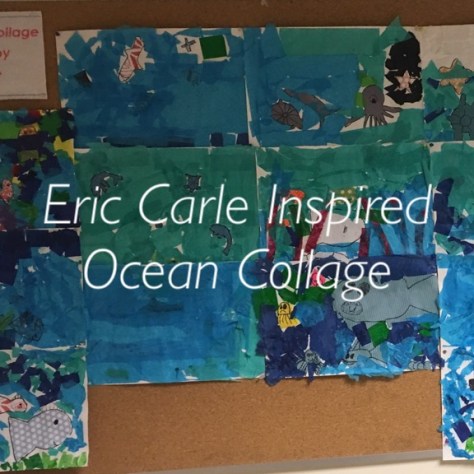
Collage Inspired by Eric Carle.

Eric Carle collage

A friend recently gave me a beautiful book about illustrators and the story behind their work.

The cover design of Artist to Artist was the inspiration for my art project for 2nd grade. I read the Eric Carle section of the book with interest and looked up videos of Eric Carle explaining how he creates his illustrations.

Materials

Various shades of blue tissue paper

Scrap book paper

glue and scissors

black sharpie

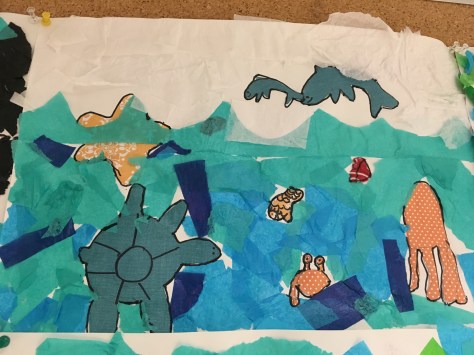
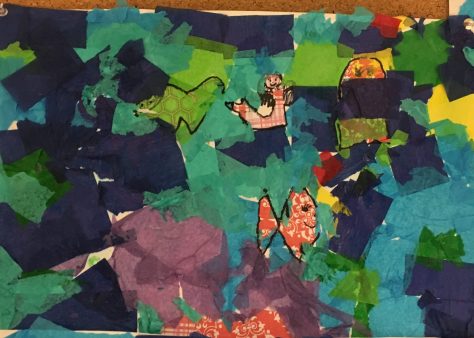
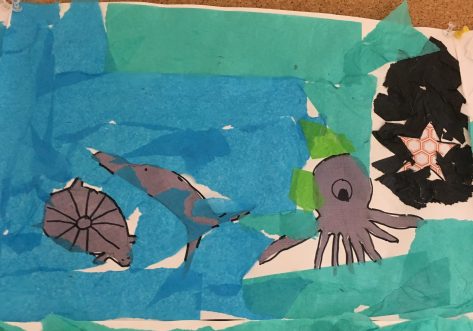
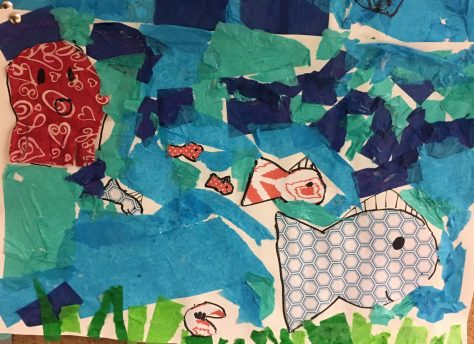
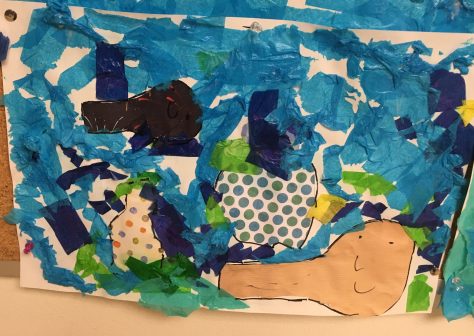
After watching the video with the children, I explained our under the sea themed collage.  The children would draw and cut out sea creatures using scrap book paper and then the sea around it (or over the top if they preferred) would be made using a collage of tissue paper.

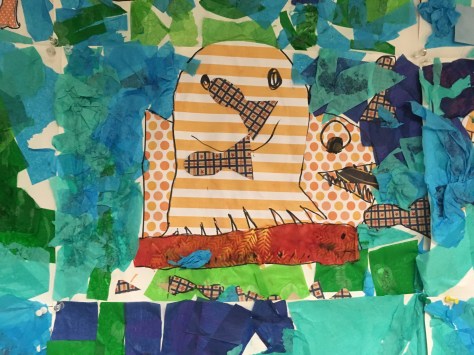
The children chose their paper , drew sea creatures of their choice, cut them out , drew features with a sharpie and stuck them onto their paper.

IMG_0960

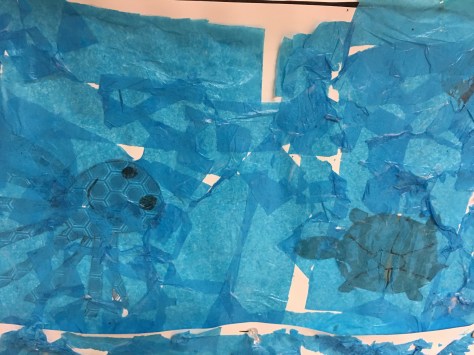
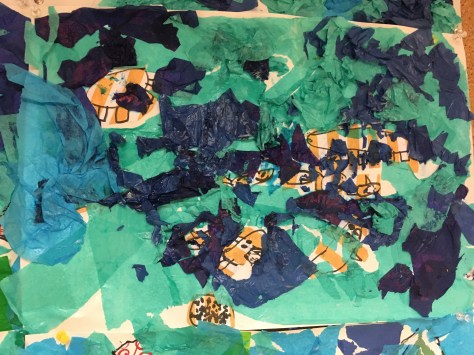
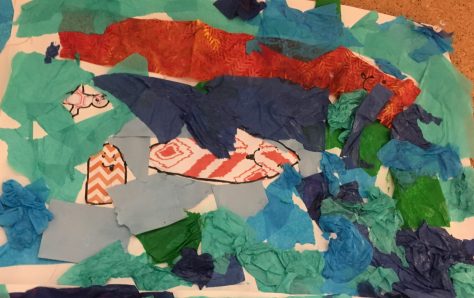
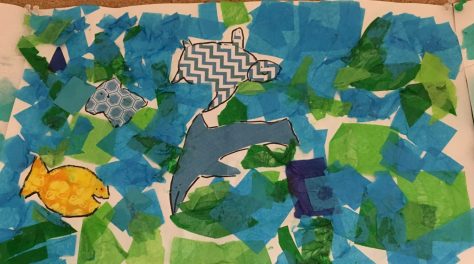
Following this the children added different colours of tissue by tearing it into strips or small pieces to make the Ocean.  I showed them how they could put a thin layer over their creature to show it was under the sea and give it a shadowy effect or collage around the creatures.

IMG_0952

Some children didn’t want to have sea creatures in their picture and instead chose to draw stones or shells.

under the sea collage

I explained that we would combine the pictures to make a complete under the sea scene.  Some had clear ideas as to where their picture should fit into the display. This child for example asked if the dolphins could be jumping out of the ocean and used white tissue to make the foamy waves, her picture was placed at the top.

IMG_0953

Once the pictures were dry, I coated them with modpodge. This gave them a varnished effect and helped loose bits of tissue to lay flat.

IMG_0961

One observation I have made with this class is that often I come away feeling that some children have been so carried away with the process that the finished product feels rushed and very messy.  I wish we could have a process session before making a product as I do with Kindergarten .  However, my main observation is, even when I feel some children’s projects really will not come together properly, somehow they always do.  Every child has a different idea (which I encourage) and somehow they all work in different ways in the end.

IMG_0962IMG_0963Eric Carle inspired collageocean Eric Carle collageEric Carle Ocean collageIMG_0959

And once they were all put together they looked like this.

FullSizeRender - Copy

We have an art walk later in the year. I intend to add a 3-D art project to this piece and hang it, so it looks more complete.

Alex and Eliza: A Love Story – Young Adult Novel for Hamilton Fans

Alex and Eliza is a young adult novel, documenting the love story between Alexander Hamilton and Eliza Schuyler.  Written by best-selling author Melissa De La Cruz, it is likely to be a popular choice for young Hamilton fans. Netgalley  offered me a sneak peek of the first 4 chapters. Will Hamilton fans be disappointed?

The prologue gives an interesting historical insight into the Schuyler family history. As a  prologue should, it left me wanting  to read more . The opening chapter introduces the Schyuler sisters.  Their portrayal is different to the girls presented in Hamilton the Musical.  Eliza is the central character and the author clearly has a strong emotional attachment to her . She is presented as both clever and beautiful, very principled and caring little about the common frippery of young girls seeking a husband. Angelica, certainly in the first part of the book, does not appear to be the leader of the sisters (although she is also described as beautiful, intelligent and the boldest of the sisters) and seems more interested in looking beautiful and attracting men than more intellectual pursuits.  Eliza is independent of her sister in the novel in comparison to her portrayal in the musical. This is also reflected in her initial meeting with Alexander, where her clever use of wordplay puts Alexander down a peg or two. The characters are immediately likeable and interesting and have enough depth to make you care about them.

I was interested in my teenage daughter’s view, as an avid Hamilton fan who has researched the history behind the Hamilton story intensively.  I personally like the way the Schuyler sisters were portrayed but wasn’t sure how close the representation would be to her understanding of the sisters.  She liked it and didn’t find the different portrayal from the musical annoying, as I had wondered she might. She said that she found the switch between the traditional use of language used by the characters and the more modern narrative voice strange at first, I personally didn’t notice a strong switch in tone. My daughter liked it and wanted to read the rest of the book but wasn’t chomping at the bit because she only had the first four chapters.

To be honest that was also my opinion, I liked it, the characters were compelling and I would like to finish reading the book but I wasn’t desperate to read it in one sitting which is always my benchmark for my favourite books. Perhaps only having four chapters and already knowing the main plot was a factor, so I’m still looking forward to reading the rest of the book.

Alex and Eliza is available to pre-order with a release date on 11th April 2017.


Pre-order on Amazon.com

Pre-order on Amazon.co.uk


This post contains affiliate links. No payment or product was received for review purposes.

The Legacy of the Opies:Playtimes, an Online Collection from the British Library Documenting 100 Years of Children’s Songs, Rhymes and Games.

Following my recent post about traditional playground games, by chance I came across this wonderful collection from the British Library.  For a play enthusiast like me, it equates to giving my kids free rein with the pick n’ mix.

The collection includes over 100 video and audio clips of children’s play, articles and video about the history of play and how it translates to modern times and teaching resources for KS1 and 2 (elementary age).

The Playtimes website is part of a wider research project entitled Children’s Games and Songs in the New Media Age.  The project sought to preserve play traditions and investigate how these types of play continue to be used in the modern age. The project digitised the Opie collection of games and songs created in the late 1960’s through to the early 1980’s, capturing the games and songs of children across the UK.  The majority of the recordings were made by Iona Opie as she travelled the country recording in playgrounds and schools, estates and parks. These visits were often unplanned and Iona described how she would simply wind down her car window and ‘follow the sound of children playing’.  The project also carried out a two-year study of children’s playground culture today.

Many of the videos are narrated by Michael Rosen and others are animations created by schoolchildren.

I’m fascinated by traditional games and their rhythmic quality so I have ordered Opie’s books of rhymes and games and some of her research findings to learn more.  What a treasure trove!

Picture Books: Future Releases to Look Out for in 2017

A Pattern for Pepper by Julie Kaulis

 Click on image for link for US readers.
 Click on image for link for UK readers

I absolutely love this one. Pepper visits a dress-maker who is making her a dress for a special occasion.  Pepper can’t decide which pattern she should choose for the fabric, so the dressmaker shows her different patterns, explaining their origins and meanings.  Julie Kraulis’ illustrations are adorable; delicately drawn with a simple colour pallet of blue, white and red. The patterns form the background to the illustrations as they are explained in the text, merging text and illustration beautifully. This would make a wonderful read-aloud story to introduce pattern to young children.  I learned a lot!  Available for pre-order, release date 1st August 2017.

Further Activities

1. Bring in different fabrics – can the children identify any of the patterns in the story?  Are there any other patterns? Do all patterns have names?  Make a matching or sorting game.

2. Ask the children to create their own pattern (limit the colours so they focus on the pattern element).  What do you call your pattern and why?

3. Creative writing : what is the story behind your pattern – this could be done orally for pre-writers.

4. Discover fashion designers, look at sketches and photographs of fashion shows. Create designs from pieces of material and scrap materials and role-play a fashion show.

5. Investigate how textiles are made both in modern times and in the past – visit a mill or find a visitor who can spin wool.

6. Practice cutting out pieces for a pattern, laying them on fabric and drawing and cutting around them.  Perhaps try sewing the pieces together with small groups of children or cut them in paper and see if the children can piece them together with tape to make a garment.

Different? Same! by Heather Tekavec illustrated by Pippa Curnick

 Click on image for link for US readers

Link for UK Readers

This non-fiction title, highlights  differences between animals and then asks the reader to stop and think about how they might be the same.  The simple repetitive pattern of the text encourages children to look closely at the animals and predict their  similarities, before it is announced in the text.  This makes it a lovely interactive  book to share with young children.  The illustrations are bright and bold.  At the end of the book, you will find additional activities and further descriptions of the animals featured in the book.

Available for Pre-order: Publication date 2nd May 2017.

Further Activities

  1. Sort other things into same and different groups e.g. fruit and vegetables, transport, natural materials, household objects.
  2. How are you the same as other children in your class/family? How are you different?
  3. Play a guessing game – show four objects and work out how they relate to one another.
  4. Explore animal skins, shells and /or feathers or choose two objects of the same category and describe them orally for young children and in writing for older children.

Where Will I Live by Rosemary McCarney

Click on image for link for US readers

Click on image for link for UK readers
This powerful photo-based picture book for young readers, written by Rosemary McCarney, Canada’s Ambassador to the United Nations, tells the story of the hundreds of thousands of children around the world who have been forced to flee their homes due to war and terror.  The photographs are stunning, and depict the hardships these children face and their resilience without being disturbing to young children.  The text and photographs work together to explain the plight of refuges to young children in a completely age appropriate manner.  A perfect book for introducing a difficult topic to young children.

Available for pre-order: publication date 4th April 2017.

Future activities for this one will undoubtedly arise from the children’s questions.

Disclaimer: This post contains affiliate links

Mud,Mud, Glorious Mud: Why you Should Embrace Mud Play.

img_0926

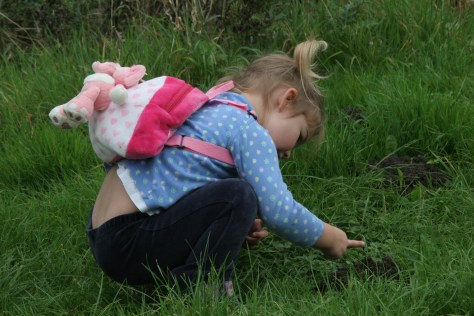
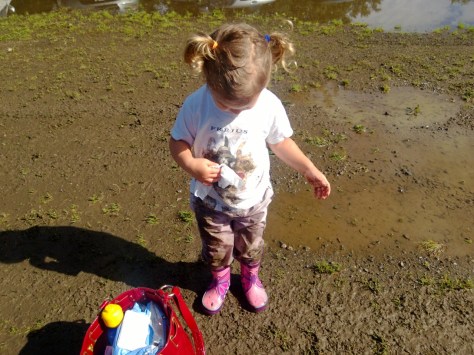
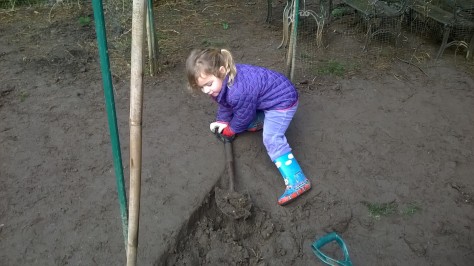
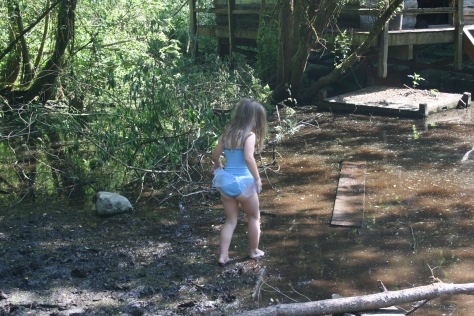
I’ve never been able to avoid playing in dirt with my kids, nor have I ever wanted to. From the youngest age the girls would pick up small stones from the ground or carry sticks.  I would walk the dogs at the local park and my daughter would gravitate towards a dirt patch and spend the whole time absorbed with the dusty dry mud. At other times, she would stop at every mole hill in the meadow, exploring it with her fingers.

oct-07-024

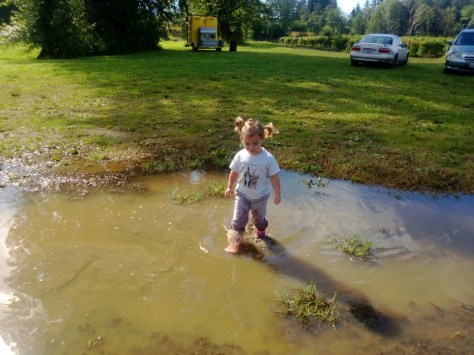
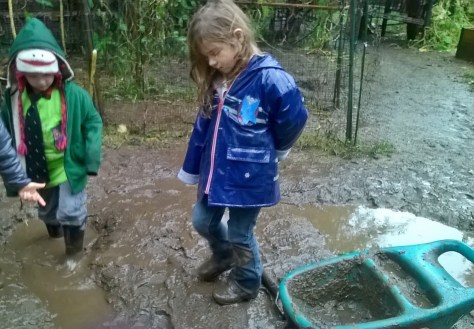
As for muddy puddles – regardless of footwear they are just too tempting to resist.

puddles

muddy

I was very lucky to find a preschool for my youngest that embraces mud play.

ducklings

IMG_0617
The swamp


playing in mud
The mud patch – building rivers and streams


If you can’t enjoy getting dirty when you are a child then when can you?

planting

international mud day
I want it to have hair like mine.
dr mazes farm
digging for worms

footprints in mudWP_000447mud kitchens

Mud play isn’t just fun, it is also great for children’s health and development. Check out my article in Parentmap to find out more.

Preserving Traditional Playground Games

wp_20160324_009Four years ago, all of our worldly goods were packed onto a container to make the journey to our new home in the US.  We wouldn’t see them again for 10 weeks.

The children packed a small case each with colouring pencils, paper, a few books and a cuddly toy. They were without any other toys for the whole of the summer.

This was an amazing opportunity to be creative with things around the house.  We decorated pistachio nut shells, made pictures with coffee filters, built a mud kitchen and hosted our own Children’s Olympics. In some ways I wished it could be like this all of the time and once the toys arrived I was selective about what I unpacked.

The most popular activity however, was learning playground games from my childhood. I explained how  I didn’t have equipment or toys in my school playground, when I was a child. We played our own games, which we would also play in the street at home.  I am very conscious that if we don’t pass games down to our children they may be lost forever and I’m glad that our lack of toys gave me an opportunity to resurrect them.

wp_20150723_001


There has been concern for some time that children no longer play outside. The good old Seattle or British weather doesn’t help. Couple this with the constant lure of TV and electronic media and it can be hard to get kids outdoors. Teaching them  a new game was a great way to get my children outdoors and they often ask me to teach them more. I really must make a point of doing that now that they are a little older.

One of my  play sessions for pre-schoolers involved teaching them simple games, like What’s the time Mr Wolf?, Please Mr Crocodile and the Bean Game.  I was surprised at how many were new to local families. After seeing how much my children enjoyed traditional games I was intrigued to see if any other parents remembered games from their childhood, most didn’t.

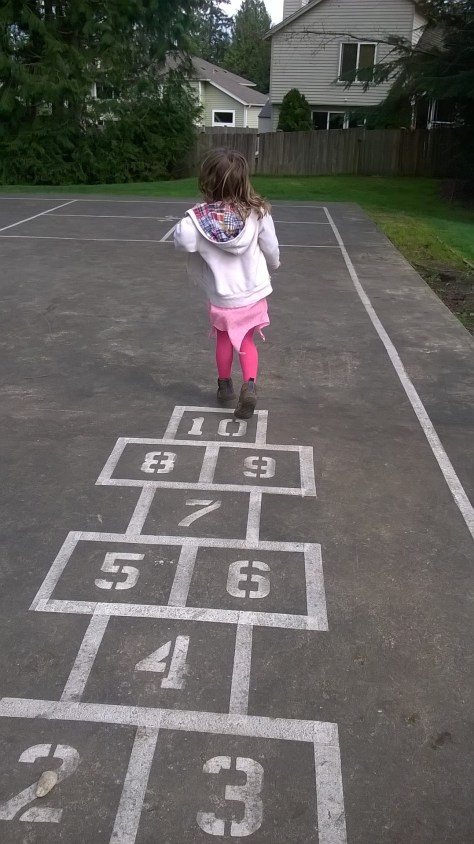
We played some of the more popular games; hopscotch on the driveway, skipping rhymes, What’s the time Mr Wolf but also some less well known games.


wp_20130716_001-2
Polo

Polo

This was my kids’ favourite.

  • One child is it and stands at one end of the garden (as kids we used to play it in the road and run to the other side of the street).
  • They call out a category to the other players on the other side of the garden such as animals or colours.
  • Each player quietly chooses something from that category and a nominated player calls them out – let’s say dog, pig and cow.
  • The player who is  it chooses one, e.g. ’dog’ and the player who is‘ dog ‘races them  across to the other side and back.
  • The first player back to their place shouts ‘polo’ and is it the next time.


Red Letter

  • One child is it and the other children stand at the opposite side of the playground.
  • The person who is it chooses a red letter and tells the players what it is.
  • She then calls out a letter – the players take one step for each time that letter occurs in their name.
  • The first player to get to the caller is  it the next time.
  • If the caller calls the red letter, she chases all the players back to the start, if one is caught then they are it.


Ice-cream

  • The person who is it stands with their back to the other players.
  • The other players stand on the opposite side of the garden and edge closer to the person who is it.
  • The person who is it turns around at intervals.
  • The players freeze when she turns around. If they are caught moving they go back to the start.
  • If anyone reaches the other side, they touch the person who is it, on the back and shout ice-cream, she then chases the players and if anyone is caught they are it.


Please Mr Crocodile

  • One player is the crocodile. The other players stand on the opposite side and recite

Please Mr Crocodile May we cross the water, to see the queen’s daughter, who fell in the water, 100 years ago. Which colour must we wear?

  • The crocodile chooses a colour and any children wearing that colour have to run to the other side without being caught by the crocodile.
  • If they are caught, they become the crocodile.

I’m sure that there are many other playground games that I have forgotten over time. Many of them will be unique to British childhood so perhaps I should write them in a book to preserve a piece of British heritage for my children.


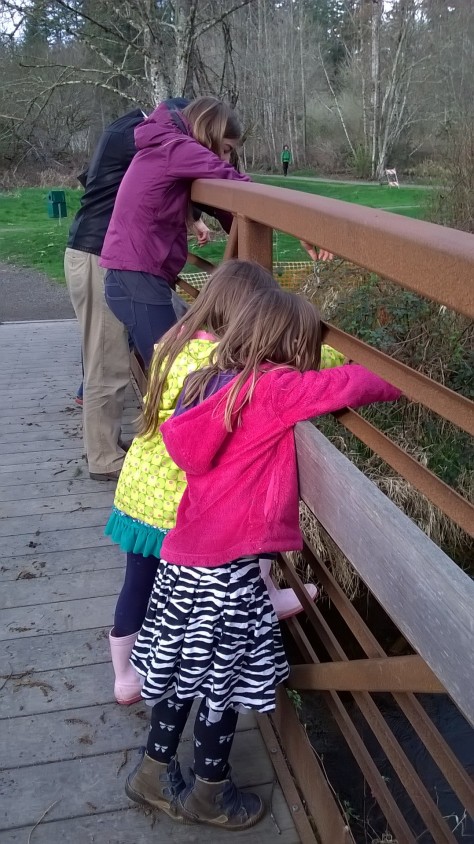
pooh sticks
Pooh Sticks

If we can’t remember the rules to our childhood games then they are in danger of being lost forever. I’d love you to share any games you can remember and if there are any lunch supervisors out there perhaps you could make it a mission to bring traditional games back to the playground.

I have a list of games I’m going to teach to my kids this spring particularly mob, and elastics (we got the elastic from Ikea recently) now that they are old enough to play.