Category Archives: early education & play

Bainbridge Art Museum: Not Just for the Grown-Ups

Occasionally, you come across an unexpected treasure. Anticipating a fleeting look around the Bainbridge Art Museum with the children in tow, I was pleased when the assistant greeted the children warmly and entrusted them with a task.  The children were given a list of thirty animals that were hidden in Nancy Thorne Chambers’ ceramic installation ‘A Story Place’.  If they could find them all, they would be rewarded with a special prize.

A story place - Bainbridge art MuseumMotivated by the prize at hand they made their way to the exhibit.  They worked together to find the life-sized animals , studying every angle of the exhibit. They were captivated by the detail and wondered how something so delicate was made and transported to the museum.  The animals are reminiscent of  Beatrix Potter characters and took me back  to my childhood passion for those stories.
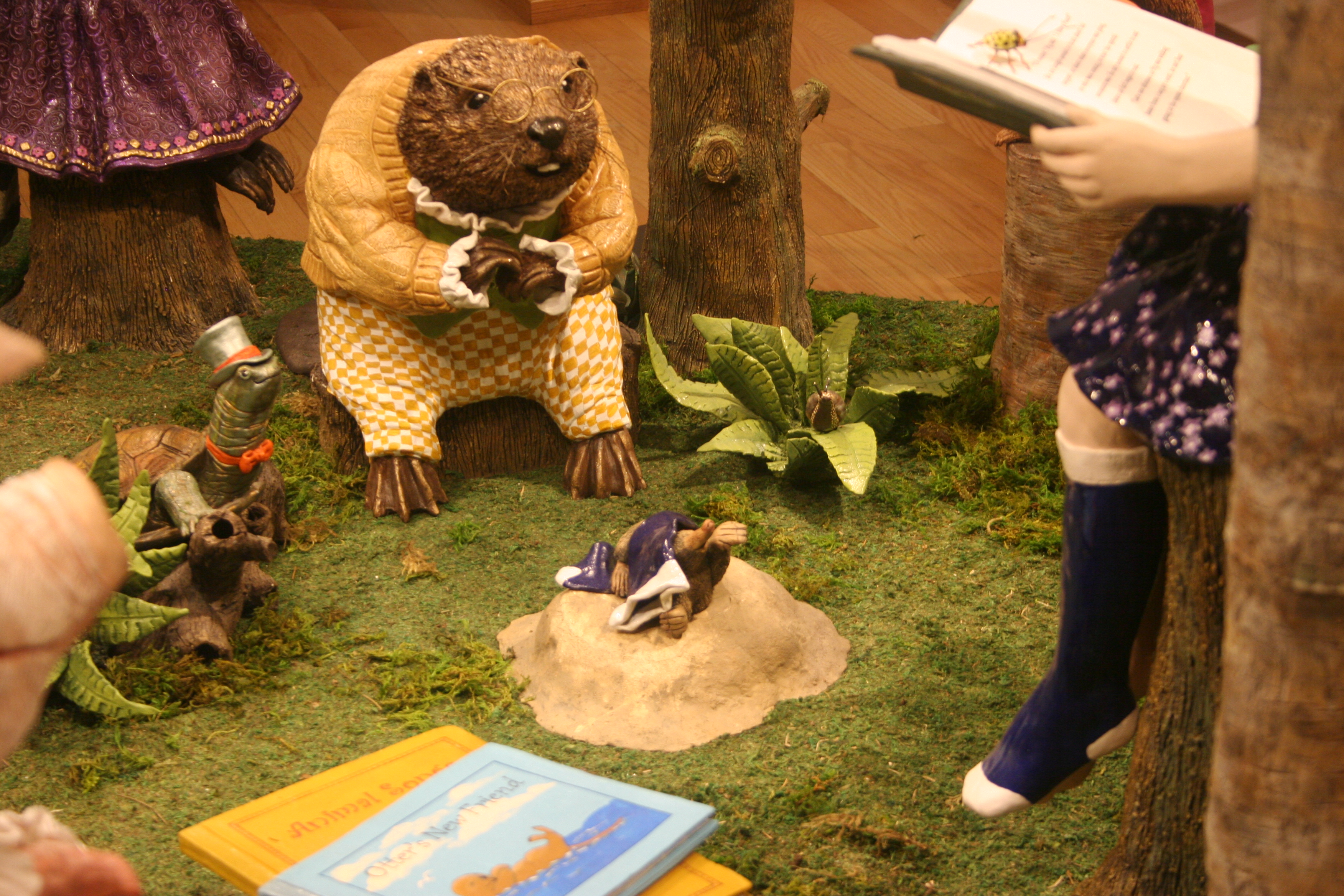
The story place mole and Beaver

My favourite piece was the mole wrapped up in the girl’s sock and the children loved the girl and boy mouse, huddled together with their tiny tea tray.

the story of the story place

A Story Place remains at Bainbridge Art Museum until June and is worth seeing if you are visiting Bainbridge Island with children.  Entry to the museum is free of charge so visiting this installation alone is worthwhile.

The children were equally compelled by the adult exhibits.  It’s easy to assume that children will find art galleries boring but their fascinated faces reminded me that children often find pleasure in unexpected places.
bainbridge art museum

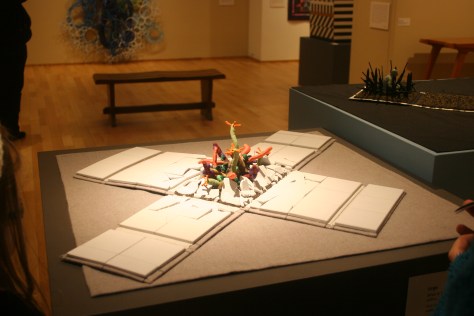
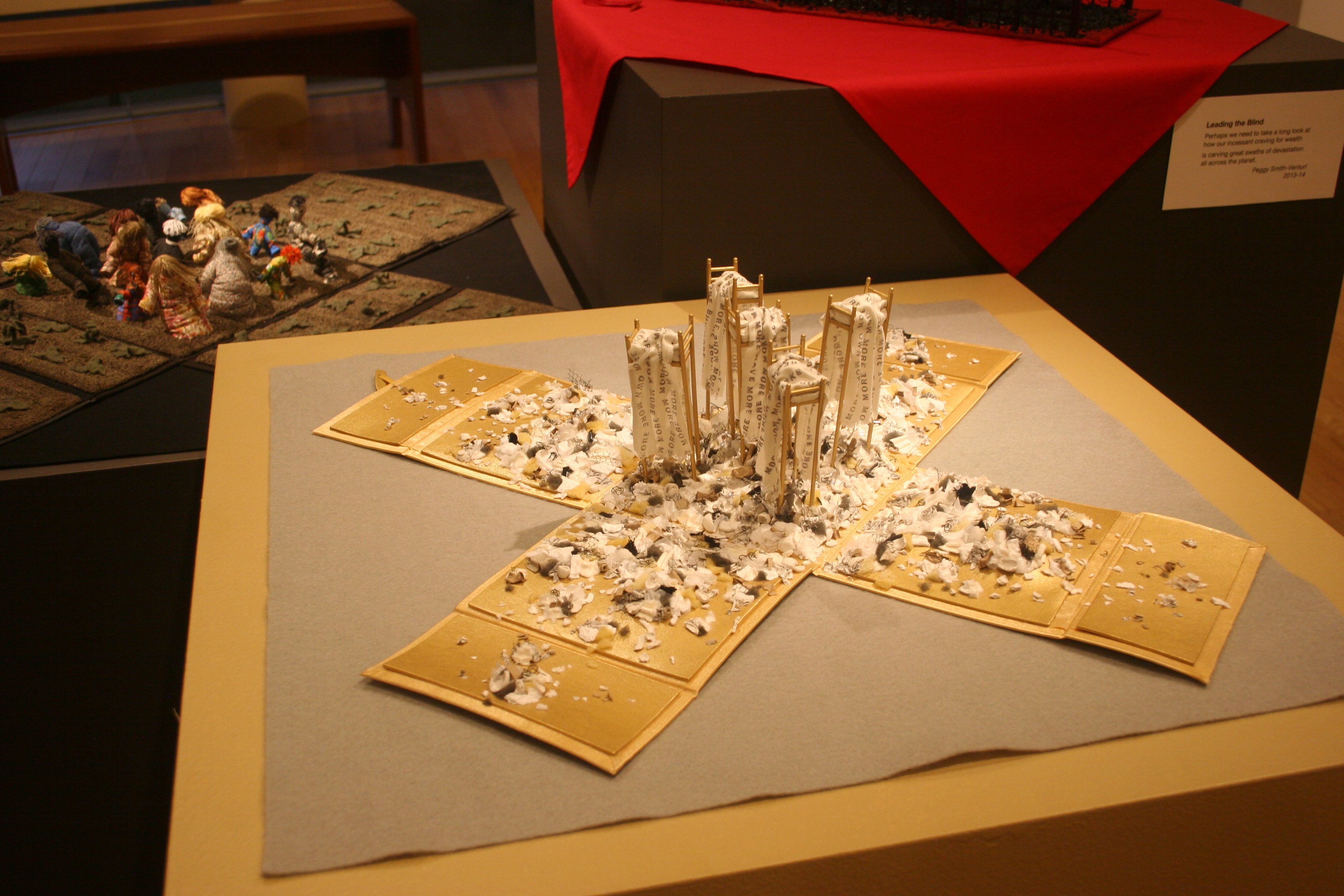
They were mesmerised by models that fold into boxes by Nancy Smith-Venturi and wouldn’t leave until they had seen the slide show of the whole collection.

IMG_1245

IMG_1246

The younger children wanted to understand  each of the models and read the descriptions with interest.
IMG_1242

‘What does this one say?’ asked my youngest pointing to a textile on the wall.  I read the description. ‘How does it look like wind?’ she asked. ‘It could be because it moves’ I replied ‘ but you might see something different, you don’t have to see the same thing as the artist.

The girls were completely absorbed by the museum and we spent a leisurely few hours there.  I think we may have discovered a new passion.

* Children aged 5,7 and 11.

5 Picture Books to Inspire Children’s Art Projects

Art is not part of the curriculum in our school district, instead all elementary art lessons are taught by parent volunteers.  Once a month I volunteer to teach in my daughter’s class.  A monthly art lesson seems a little piecemeal and I often wish that there was time to delve deeper into projects. With this in mind, I often teach lessons that inspire children to discover a new medium or learn about an unfamiliar type of art.  Picture books can be a good starting point. Below are some of my favourites .

  1. The Noisy  Paint Box
My children are fascinated by abstract art. I recently introduced them to the works of Kandinsky after they created abstract art on our mirror table. This book tells the story of Kandinsky’s life as an artist and explains how he expressed his feelings and senses through painting.  As a boy he felt he could hear the paint box hissing and at a classical music concert saw colours and shapes before his eyes, that expressed the music.

After reading the book,encourage children to paint what they feel as they listen to a piece of classical music. Discuss their feelings and document some of their comments with the painting.  Try playing different genres of music to see how their reactions change and explore together how this was reflected in their painting. A large scale collaborative painting to music could develop this theme further.  Explore the differences in expression and how they all fit together to make a complete painting.

2. Korgi 

The captivating black and white illustrations in this textless graphic novel inspired this project about monsters.  The drawings here were in charcoal but pencil drawing or pen and ink would work equally well.


3. The Mr Men

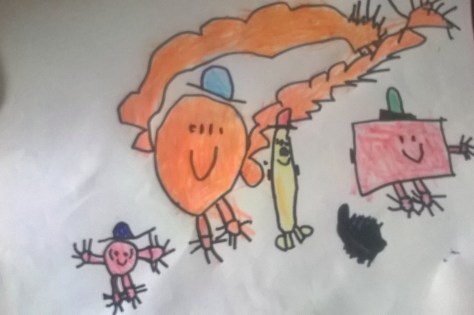
Strangely, the Mr Men have been one of the girls favourite things to draw and  model for some time.  The book’s back cover displaying all the Mr Men make it easy for them to choose a Mr Man to copy.

WP_20151119_001 1

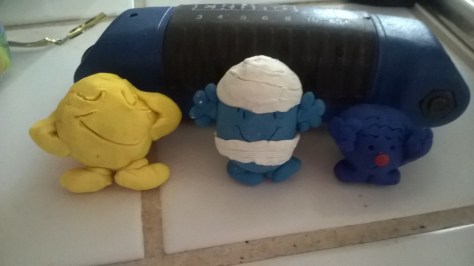
They used polymer clay to make 3D representations. Their simple forms make them perfect for introducing young children to polymer clay or modelling smaller characters.  It also helps them to see how their drawings can be translated into a 3 dimensional model.

Mr Men polymer clay models

They even created their own Mr Man – Mr Tae Kwondo.

Mr Tae kwondo


4. How are you Peeling?

We loaned this book from the library and it was a firm favourite.  On each page fruit and vegetables are photographed to represent an expression or emotion.  It has inspired us to search the supermarket for interesting vegetables and would be even more fun if you grow your own. It would make a wonderful photography project.

5. Leaf Man

Leaf Man is a good introduction to collage and art using natural materials.  The story of leaf man is illustrated using photocopies of leaves on a colourful torn paper background.  We used this for an art lesson in my daughter’s Kindergarten class and here are some of the finished projects.


 Further Suggestions

The Tiny Seed – paint flicking

The Hungry Caterpillar – collage (Eric Carle describes how he creates his pictures in this slideshow.)

Camille and the Sunflowers – a story about Van Goch


Why Singing and Dancing Promote Social Skills and Friendship

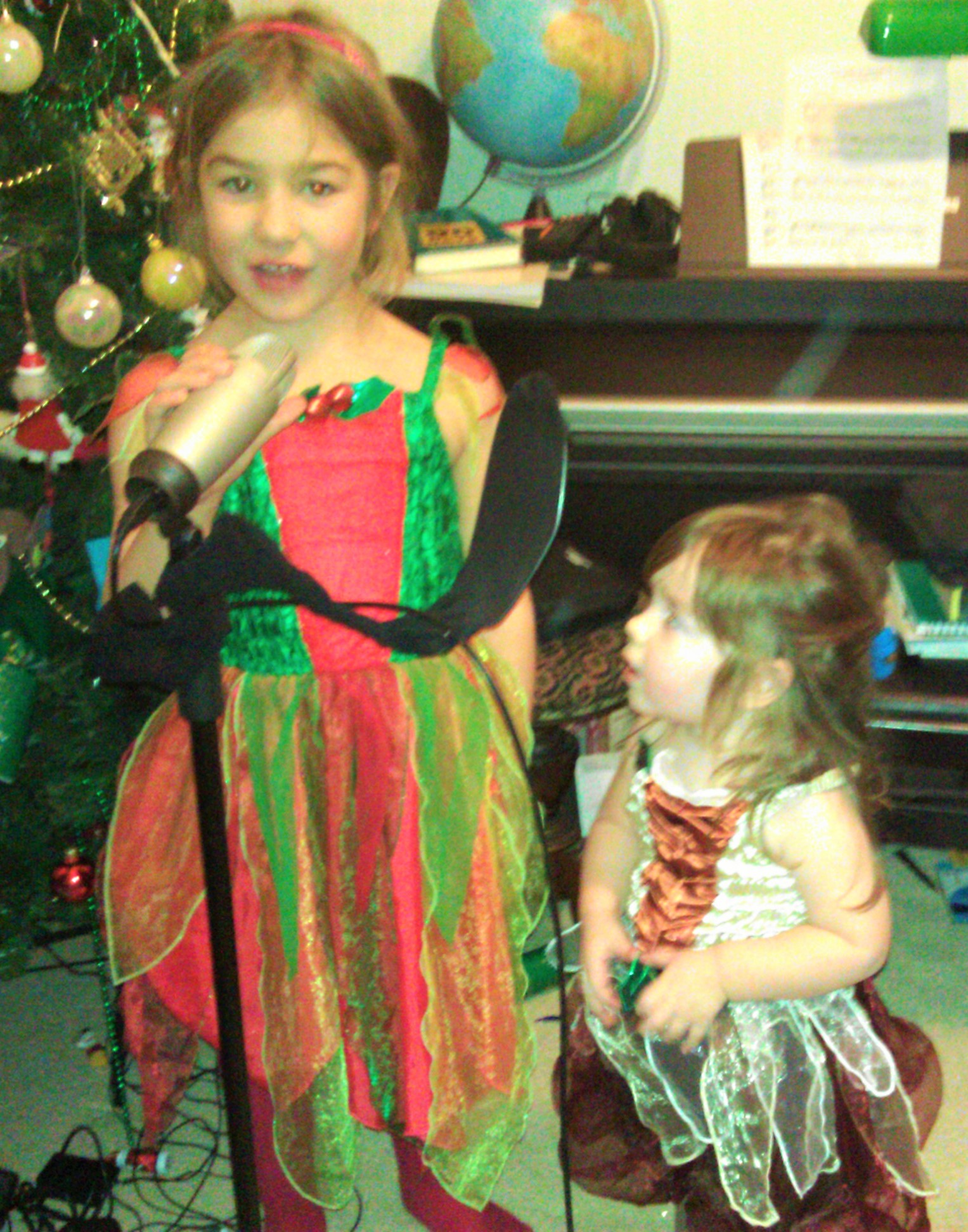
singing kidsResearch has shown that singing increases happiness and emotional well-being.  People feel happier after singing than simply listening to music, probably due to the release of neurochemicals in the brain.

It isn’t news to me that singing lifts your mood.  The quiet teenager that would skip along the road after my weekly singing lesson, head held high and ready to conquer the world is testament to that. When I sang I came alive, through singing I could truly let go. I grew up loving musicals, perhaps because it is perfectly acceptable to sing and dance down the road in a musical and everyone is always happy.

Singing as a group has additional benefits, according to recent research from Oxford University.    Singing in a group encourages social bonding, and singing groups form friendships more quickly than in other group activities. Group dancing also produces similar results, suggesting that a shared musical experience and working together are key factors.  Many of my closest friends were made during my musical theatre days and joining choir was the perfect way to meet people and make friends, when moving to a new country.  A large proportion of the ladies in my choir joined because they were new to the area and wanted to meet new people, whilst sharing their passion for singing. Perhaps if we mix in a little dance we will be even closer?

Singing is a natural way for parents to bond with babies .  As a singer, I instinctively sang to my newborn babies when I was alone with them for the first time.  Often a parent will get their first reactions from a baby when they sing to them. Smiles, laughter, calming, eye contact or gesture can all be encouraged through singing.

When my eldest was born, I felt privileged that as an early education teacher, I  knew lots of songs to share with my baby. With this in mind, I started a baby music group with my antenatal group. My aim was to reach out to others and introduce them to songs that they could share with their babies.  With hindsight, this not only helped the babies but also gave this group of new mothers the chance to socialise, at one of the most vulnerable times of their life. As new mothers singing to their babies, it didn’t matter if they felt they ‘couldn’t sing’  and we quickly built strong friendships.

Group singing was an important part of my teaching day and something I was very comfortable leading.  This confidence wasn’t shared by all the teachers but some approached singing time with enthusiasm and energy, even if they believed their own singing voices to be terrible. The children responded to the teachers who could have fun and draw them in, musical proficiency was never a factor. Singing in a group is a fundamental part of many preschool settings and is one of the ways in which children learn to work together. In order to create a unified sound the children have to listen to one another and share in the experience together.

Young children are instinctively drawn to music and dance and sing without restraint. This usually remains with them until the age at which they become self-conscious and concerned about whether they are good enough. Reluctance to sing may also arise as singing becomes  performance focused rather than purely for pleasure.

One of my favourite memories of Christmas time, was the year my great aunts came to visit my grandparents. The sisters sat around the keyboard as my Auntie played and we all sang for hours.  That family togetherness is difficult to replicate in other situations. My great aunts grew up in the era before television, when singing around the piano was part of everyday life.  I believe that it is important for children to see that singing (and dancing) isn’t about winning a talent show.  Sing along to the radio on car journeys, make up silly songs or fire up some karaoke videos and sing along.

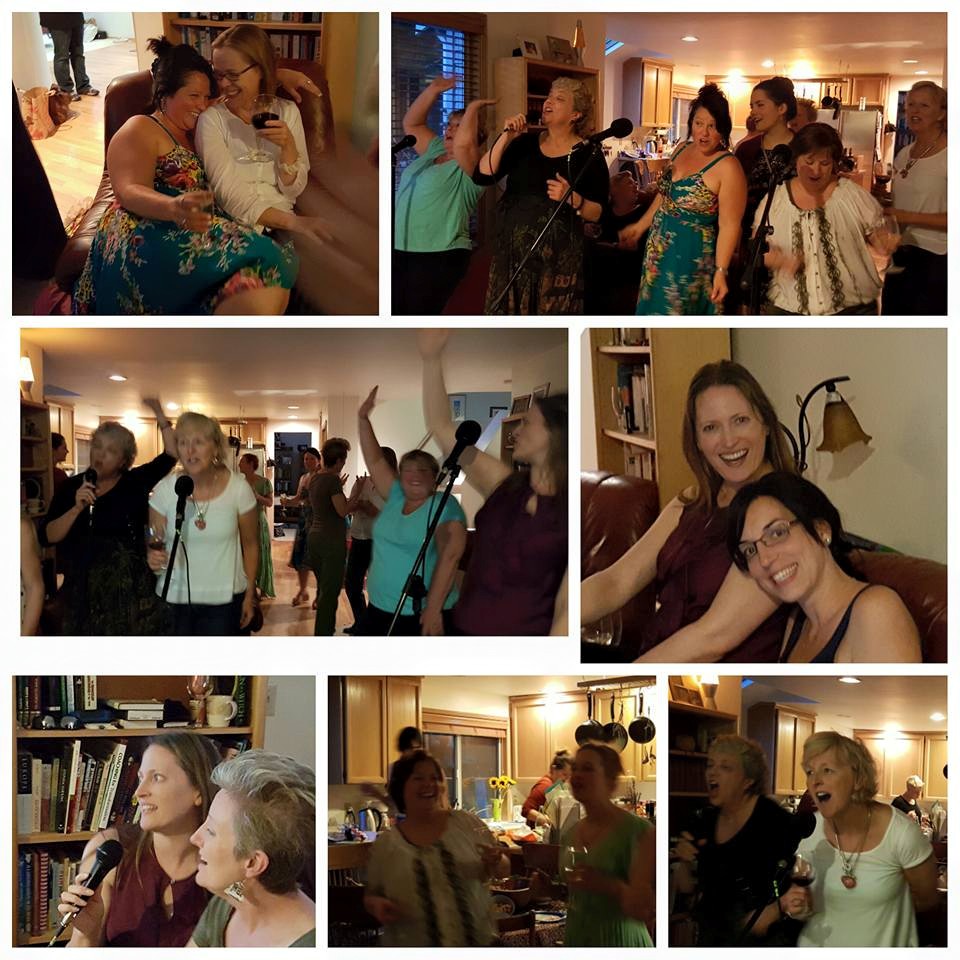
When we have friends around it nearly always ends up with a round of karaoke and it has paved the way to some of the best parties. I love that young and old, singers and non-singers join in and it is always accompanied by laughter and friendship.singing

The Elephant and the Bad Baby: Why DoToddlers Like Repetitive Books?


All 3 of my girls had the same favourite book at the age of 2. I didn’t encourage it, but somehow ‘The Elephant and the Bad Baby’ by Elfrida Vipoint hit the spot for all of them.
The story is highly repetitive, so much so that it drove my husband insane every time he read it. It is also quite long.
So why would it be so popular?

The repetitive text is most likely what they love the most.

Repetition is important for young children as it helps them to remember and learn. Knowing what comes next is comforting in a generally unpredictable world. Small children love repetition, it means that they can join in and demonstrate how much they know. As they hear the story language time and again, they come to anticipate words and phrases and will insert the vocabulary if the reader pauses at key points, as seen in the video clip.  They will even correct you if you get it wrong (as I did).   Children, as they become older, memorise repetitive books and can be seen to be ‘reading’  them to themselves, before they can actually read the text.  This is a very important starting point for learning to read.

Other repetitive books:

We’re Going on a Bear Hunt – Michael Rosen

The Very Busy Spider – Eric Carle

Peepo – Allan Ahlberg

Hairy Maclary – Lynley Dodd

Farmer Duck – Martin Waddell

A Squash and a Squeeze – Julia Donaldson

The Little Red Hen

Dear Zoo – Rod Campbell

Bark George – Jules Feiffer

9 Spider Web Activites for Children

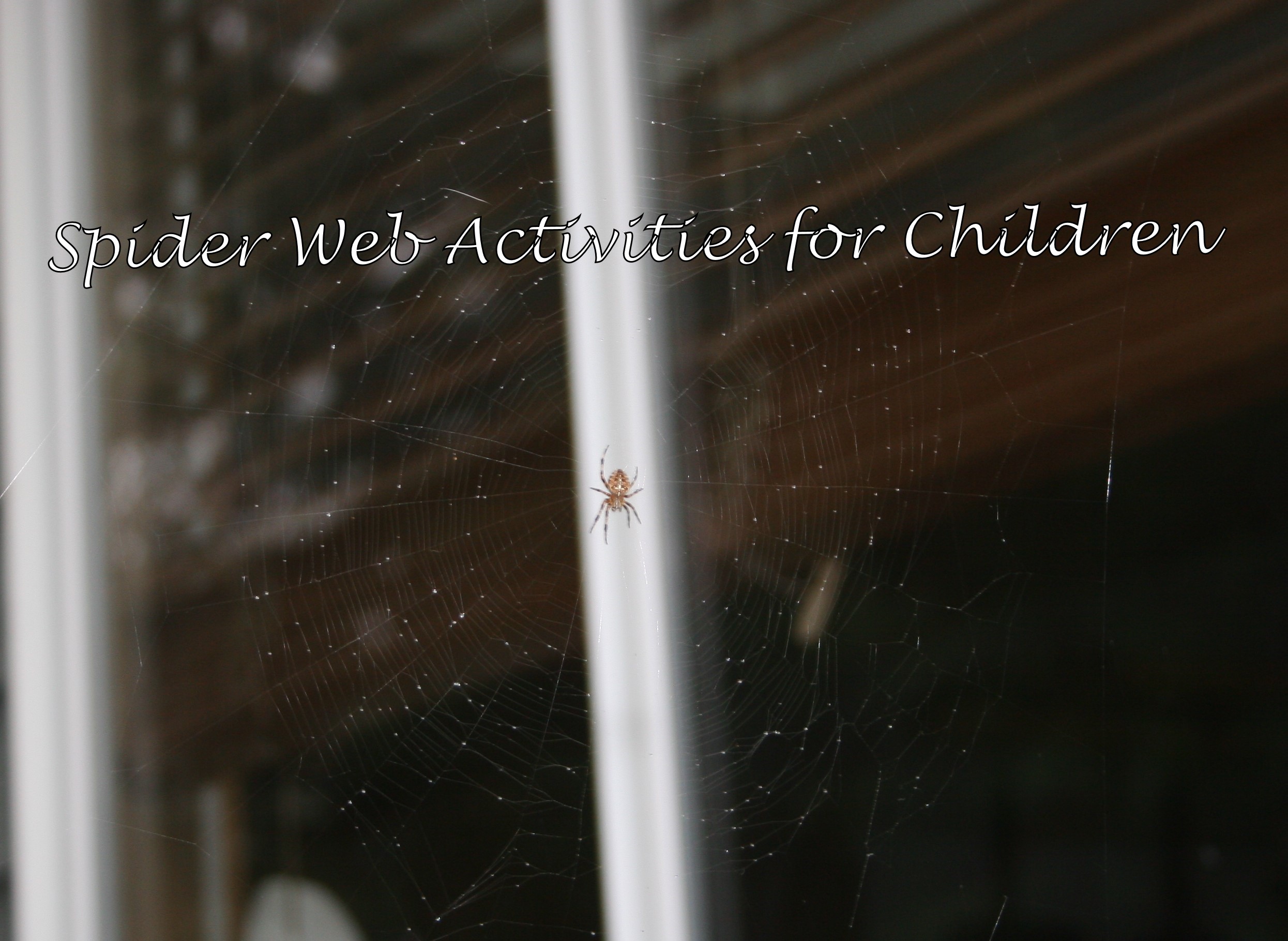
spider web activities

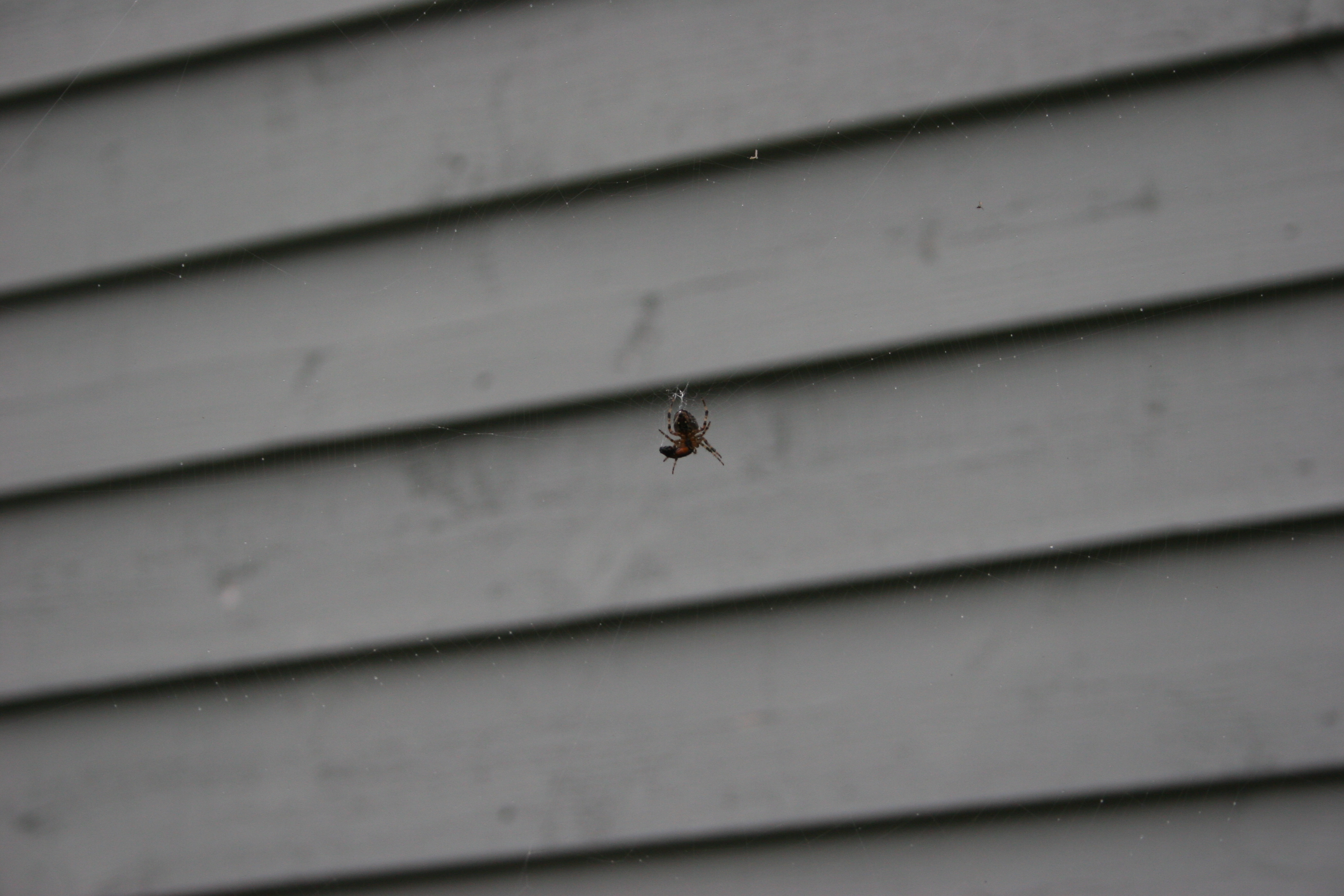
This time of the year there are spider webs everywhere. We stopped to watch a spider devouring a fly on our walk home from school and one has built a web right outside our window, so we watch his antics everyday. If your children are interested in spiders or you are looking for spider activities for Hallowe’en, here are a few we have tried.

  • Tie sticks together into a star shape and weave a web  with wool or string around them, wrapping around each stick as you go.

spider web

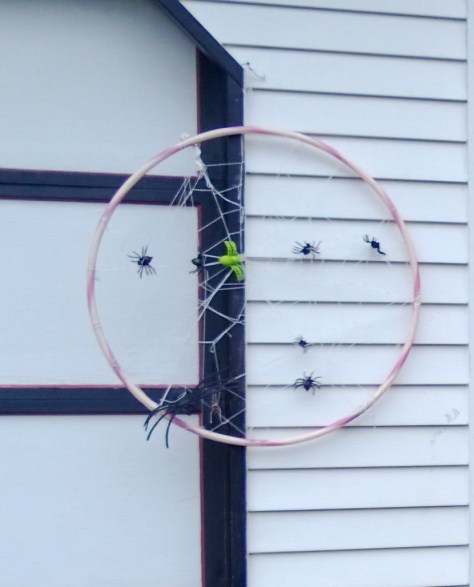
  • Weave a spider web inside a hula hoop for a large-scale decoration.

spider web on a hula hoop

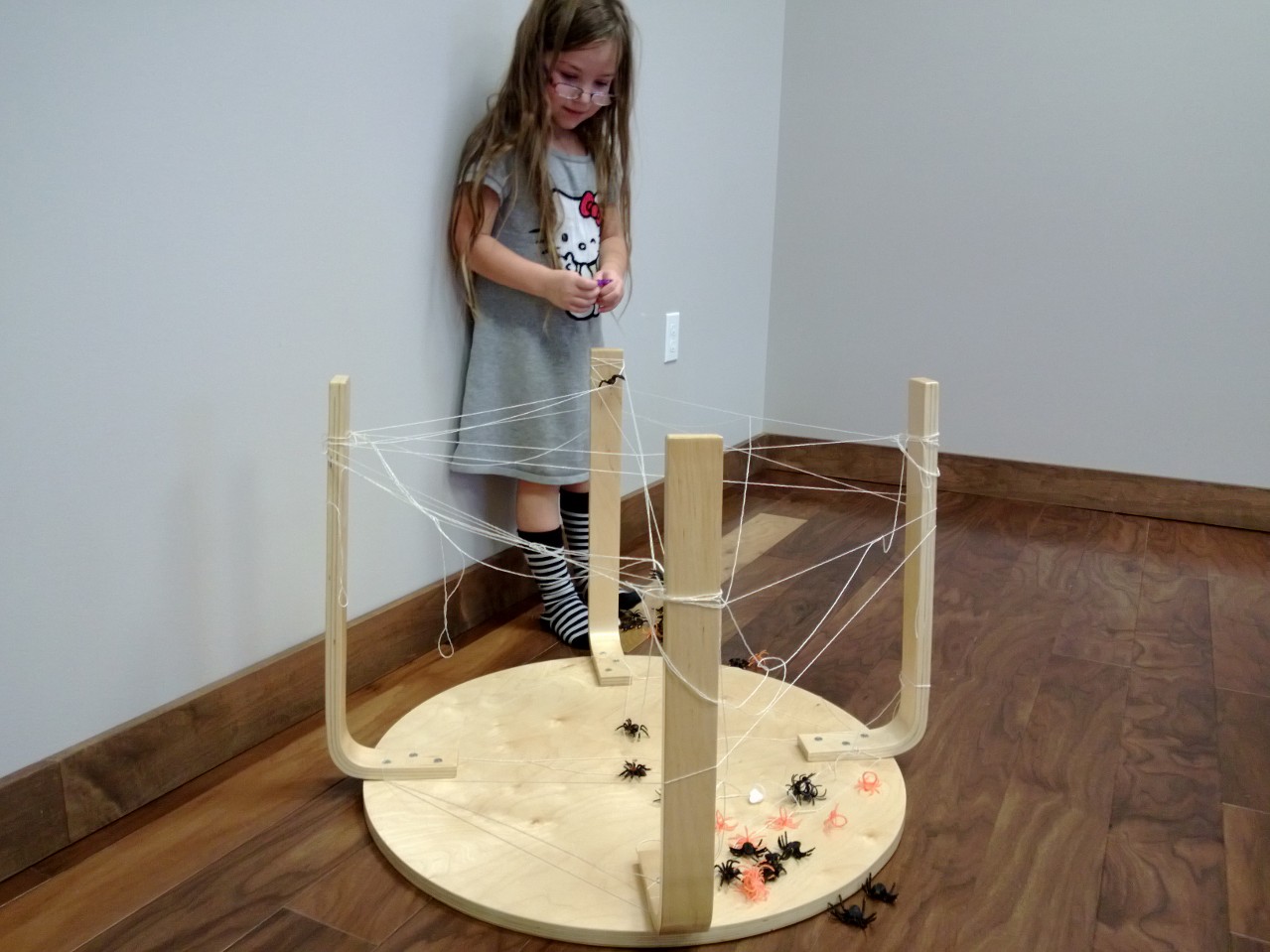
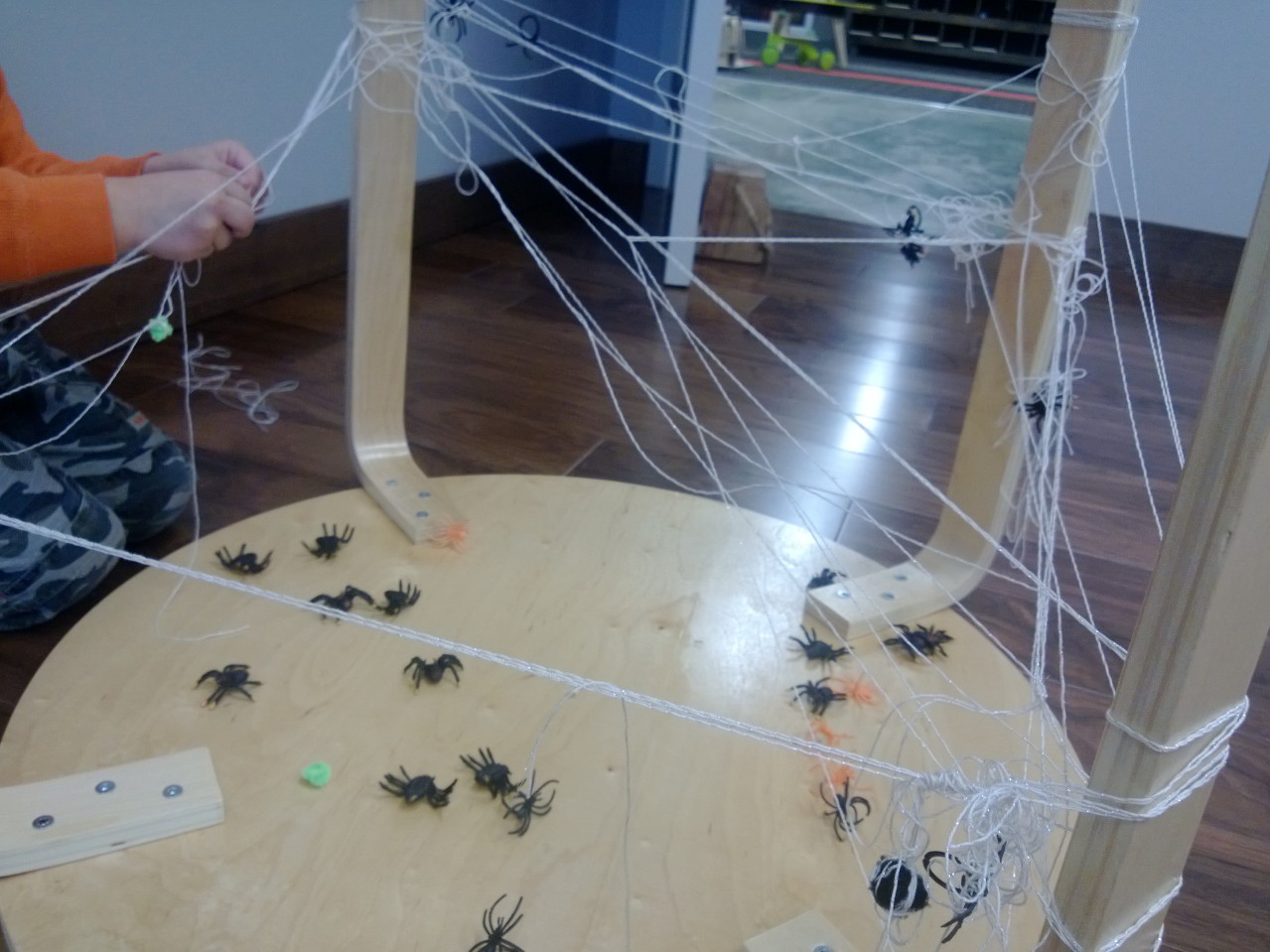
  • Turn a round table upside down and give the children a ball of string or yarn to make a web around the table legs.
table spider web
spider web on table
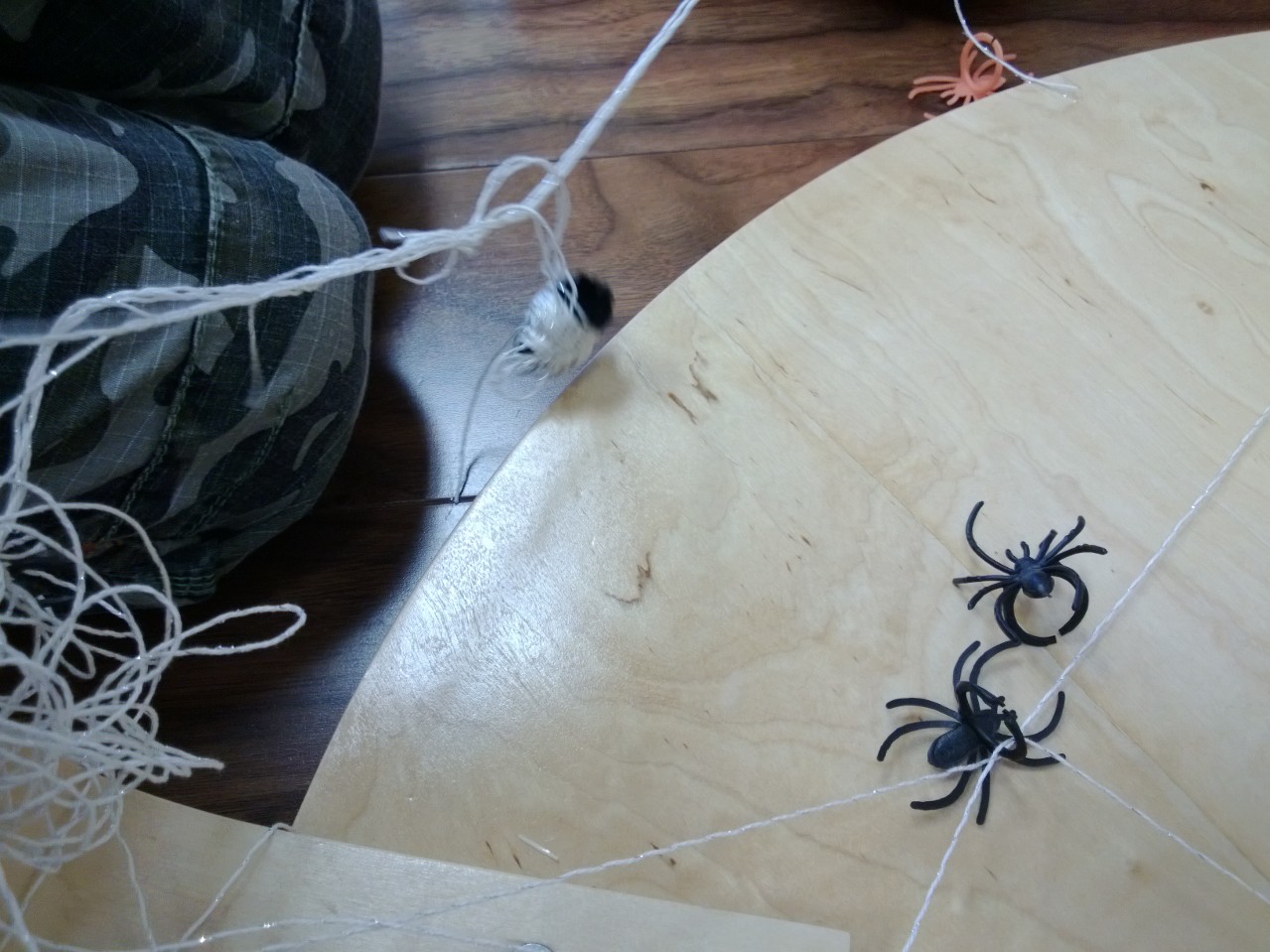
This child had watched the spider wrap up it's prey, so hung these around the web.
This child had watched the spider wrap up it’s prey, so hung these around the web.
  • Make a Velcro web and bugs from old socks or pairs of tights.   Throw the bugs at the web and see how many  get stuck.
velcro spider web
Spider web game At-Bristol
  • Sing the elephant and the spider web song
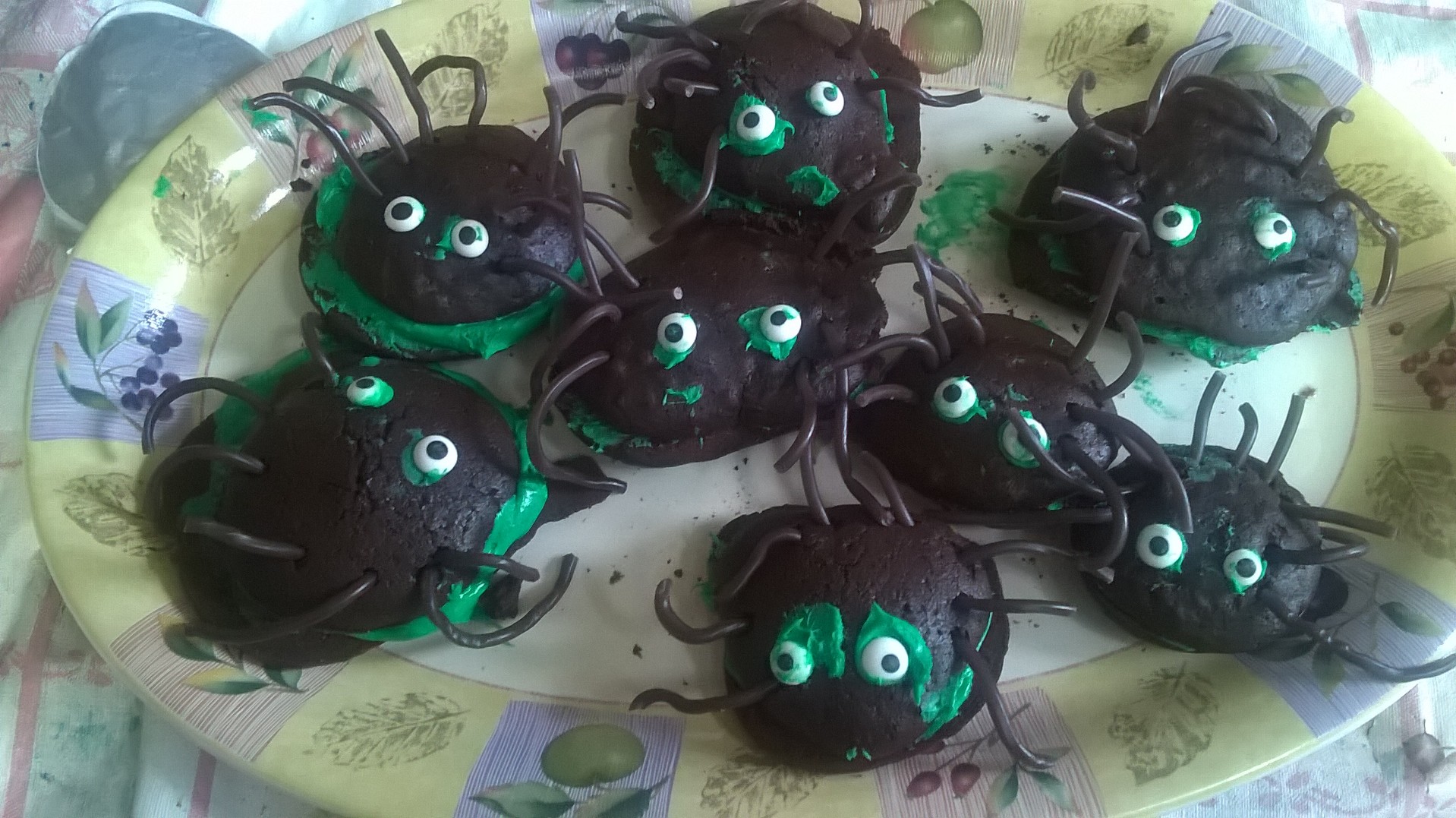
  • Pipe an icing spider web onto a plate and make spider cakes to fit inside.

spider cakes

  • Find a spider web to climb inside
dr mazes farm
Giant spider web at Dr Maze’s farm
  • Read books about spiders

  • Observe real spider webs
spider eats fly

The End of an Era – Goodbye Under 5’s

As an early education consultant, today is a momentous day. Tomorrow is my youngest daughter’s 5th birthday and so, after 11 and a half years, this is the last day I will have children under 5.

A few years ago I looked forward to the day when my children would be growing up but today I am a little sad for all the things I will miss.

  1. Their chubby little faces and hands
striped hat

2. Watching them play

3. Cute drawings

child's drawing

4. Messy faces

Finished!
Finished!

5. Thumb suckers

thumb

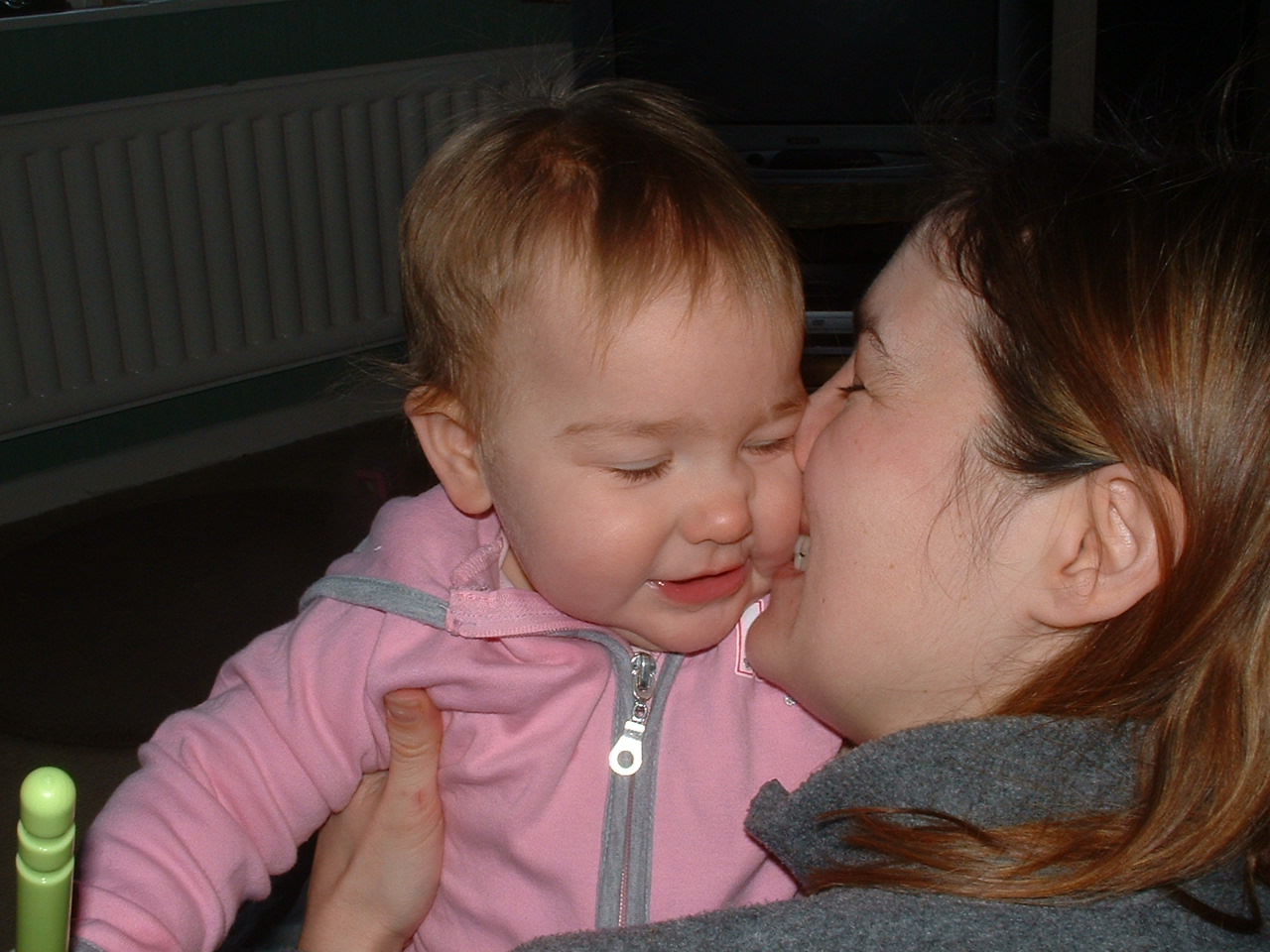
6. Kisses, cuddles and holding hands

mother kissing baby

7. Having a constant companion

pap

8. Learning to sing

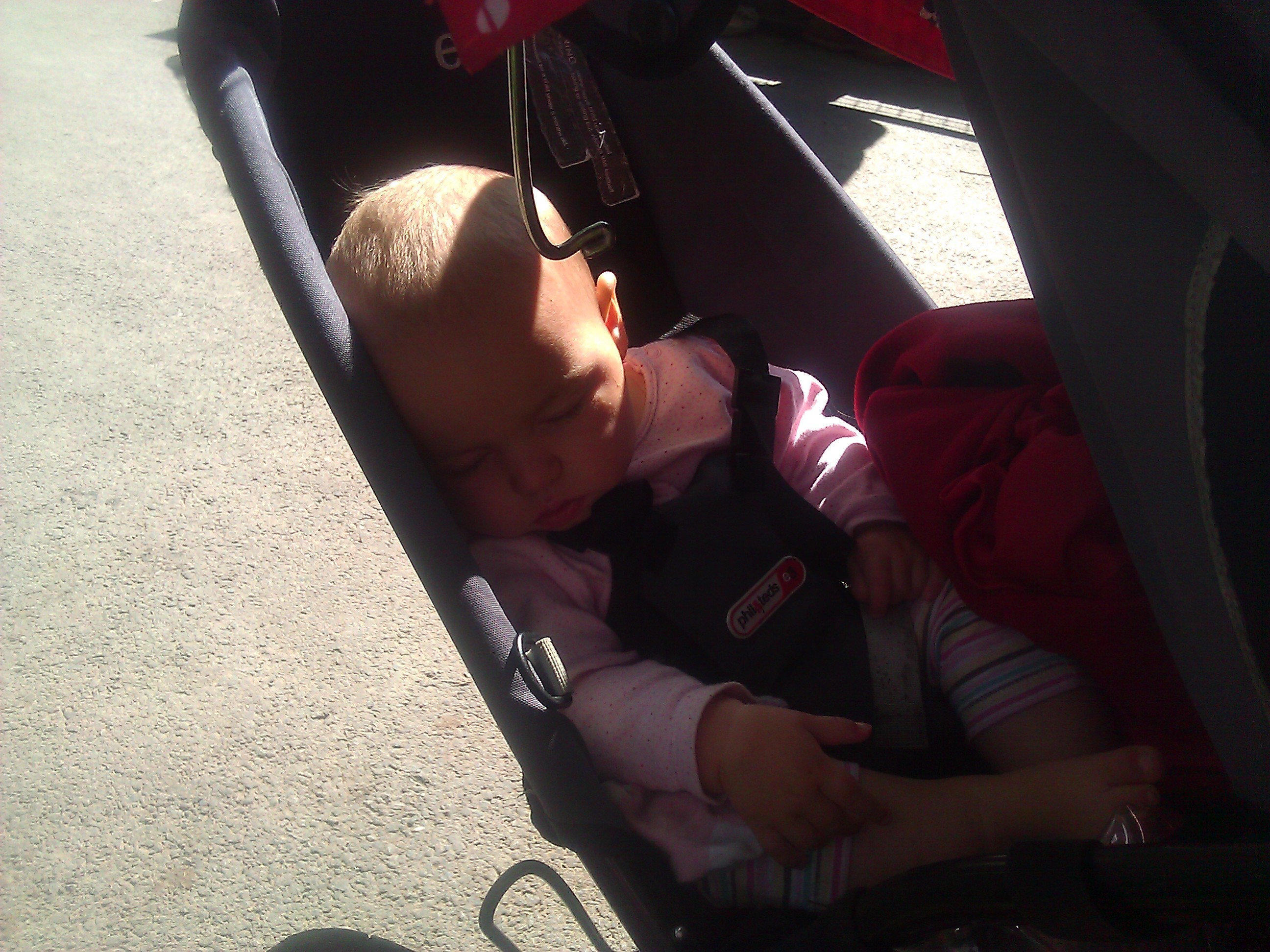
9. Sleeping babies

Had enough now mum
Had enough now mum

10. Everything about this

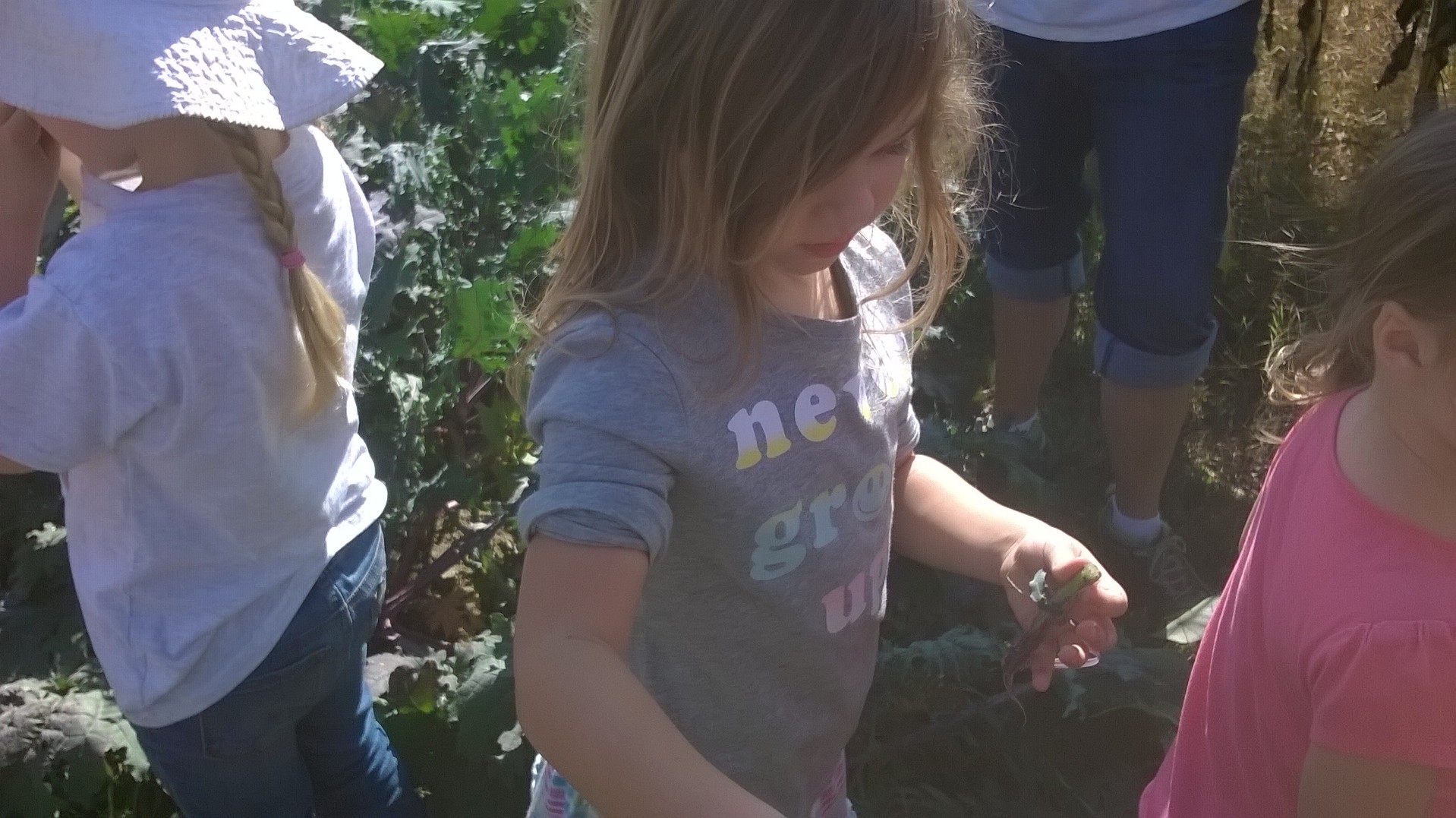
Luckily, I have almost a year before she goes to school, so lots of time left as a pre-schooler. Happy Birthday little one and as your t shirt says ‘Never Grow Up’
never grow up

Goals, Early Literacy and What is Really Important?

alphabetOne of the biggest parental concerns when children start school is how easily their child will learn to read.  This eagerness to give children the best start is driving academic instruction at an early age.  I recently heard of a school that had under 2’s learn flashcards, before they could move into the 2’s classroom. This anxiety about children reaching goals is often well-intentioned but it is a little like teaching a child to walk before they can stand.

Research suggests that there is a strong correlation between a child’s vocabulary and how easily they will learn to read.

Years of research has  told us that language is the foundation for literacy. Children arriving at school with lower levels of oral language proficiency, for whatever reason, are therefore at a distinct disadvantage for learning.

explain Professor Courtenay Norbury and Debbie Gooch in their article “Too much too soon? What should we be teaching 4-year-olds?” They recommend that the first year of school, is focused on developing these oral skills.

In Finland, children are only taught to read in kindergarten if they are able and interested. A far cry from the expectation that children will read in the US and UK systems. If the academic benefits aren’t convincing enough, then recent research from Stanford University suggests delaying kindergarten and prolonging play are also beneficial to a child’s mental health.

What about those children who already have the foundational skills for reading?  Would they be left behind if a play based curriculum without direct reading instruction was introduced? My belief is that most children who have developed an interest in reading and have the foundational skills, will read quickly and easily. Children who are ready to read, will have individual attention and not have to complete easy worksheets with the rest of the class,  in a school system that is released from the constraints of ensuring all children will learn to read in their first year. The teacher will be able to support those children to develop their literacy in a meaningful way.

If we want our children to be interested and skilled in literacy what are the most important factors? My article for Parentmap ‘What’s really important in early literacy?’ explores this further.

I sometimes wonder what parents aspirations are for their children.  If we constantly drive them towards academic goals and achievements, to extra credits, advanced classes and better colleges so that they can have careers that demand long working hours but good pay, what message are we giving children? That working hard, earning money and being successful are important at the expense of life experience, family life, fun and hobbies?  I wish it were easier to stop worrying about what our children will achieve and think more about what sort of people they will be.

Hallowe’en Activities: Spells and Witches Brew

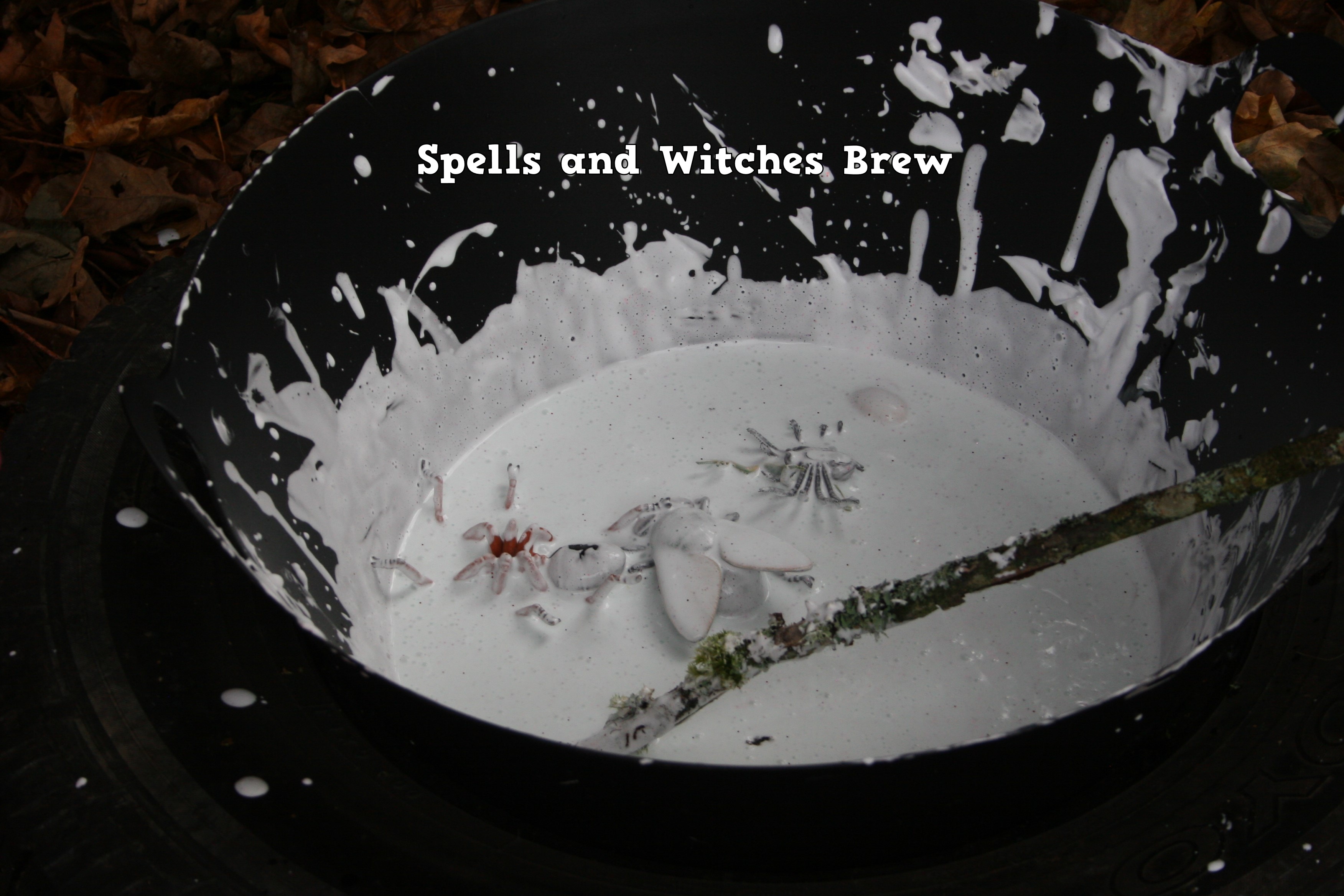
spells and witches brew

One of my favourite Hallowe’en activities as a teacher was creating spells and dancing around the cauldron. The children were transfixed by the iron cauldron that emerged from the kitchen and wondered if it might belong to a real witch. Dressed in witches hats and cloaks, we would imagine fantastical ingredients and create spells that would transform us into dragons, frogs or birds, that would make us fly, shrink or become invisible. It was a fun way to explore rhyme, share ideas and use our imaginations. We left ‘spell books’ in the mark making area and the home corner became a witches cave complete with potion bottles, spell books and jars of bugs, bats and frogs.

My girls love to make potions, so when I told them about it, they loved the idea but wanted to make a real witches brew.

tin foil wand


To start, we made wands from tin foil and chose witches hats and capes. Tin foil wands are simple to make if you have limited time; wrap tin foil around a pencil or simply roll and scrunch the foil into your desired shape.   If you are more ambitious, make wands from sticks by stripping off the bark, adding ribbons or painting them in special colours. I also like these Harry Potter wands from Red Ted Art

With wands in hand, they chose ingredients to go into the brew.  They didn’t think witches and wizards used shaving foam or cornflour to make a spell, so they chose gruesome alternatives.  Flour became giant’s dandruff, hair gel was ogre snot and fuzzy balls became warts.

spell

The girls wrote down their ingredients so they could remember the order in which to add them .

quill writing

It didn’t matter that my youngest is only just beginning to write, she found her own way.

potion recipe

spell ingredients

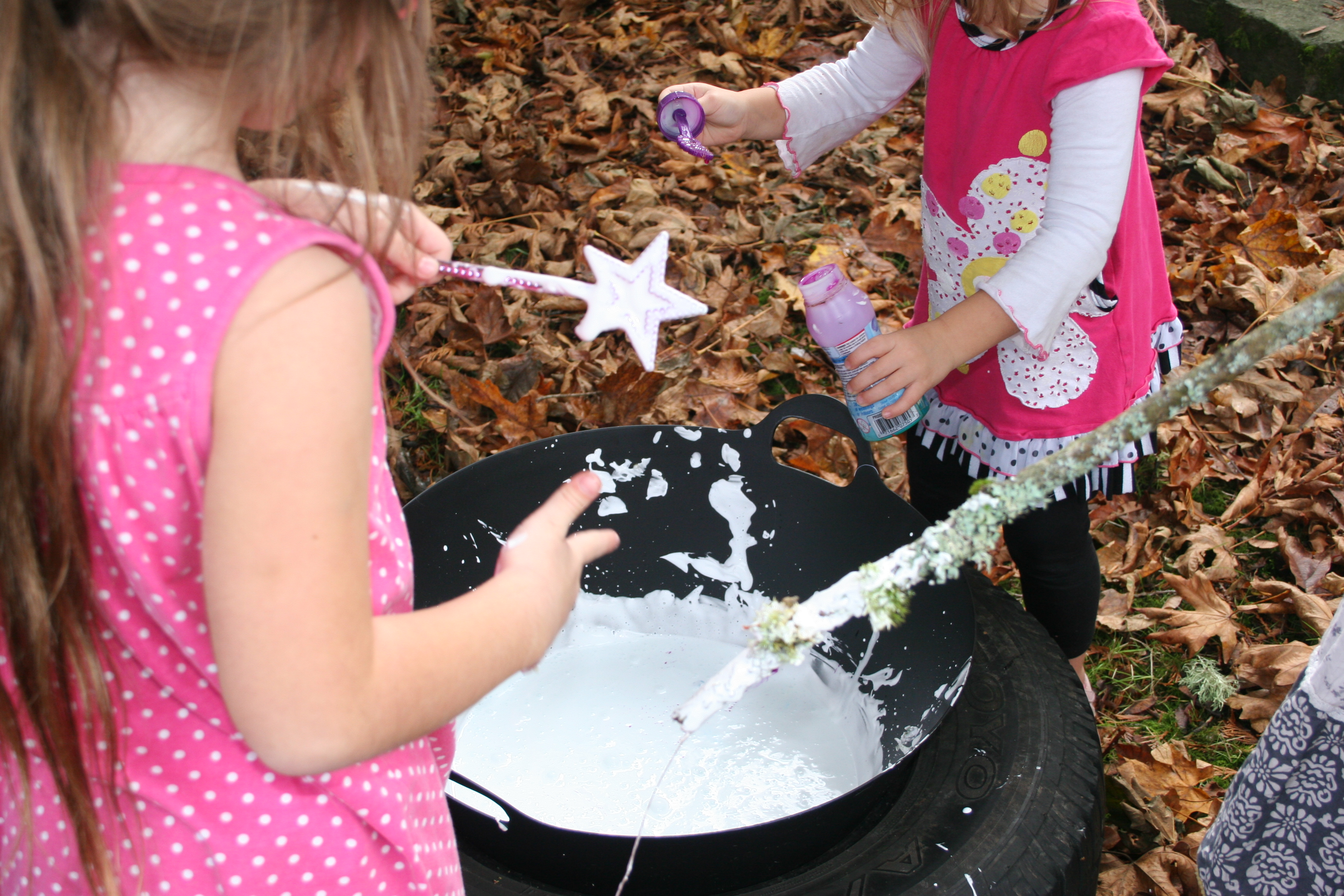
Armed with spells, wands and witches hats, they made their way outside to the cauldron at our potion station. One by one, they tossed the ingredients into the cauldron, stirring it and modifying the quantities until they were satisfied. Then it was time for the spell.

Wibbly wobbly wibbly wog

See the little jumpy frog

Wibbly wobbly wibbly wagon

Turn the frog into a dragon

We looked for the dragon but decided it was hiding amongst the clouds.

witches brew

The dance around the cauldron resumed with another spell.

Wibbly wobbly wibbly wog

See the little jumpy frog

Wibbly wobbly wibbly wat

Turn my mum into a bat


Thanks girls, I’m not sure  I want to hang upside down from a tree.


witches brew
The potion remained in the cauldron for sometime and became the central point of their witch and wizarding school.

Suggested ingredients for a witches brew

  • Jello/jelly powder (makes it smell great)
  • mud
  • hair gel
  • shaving foam
  • flour
  • glitter
  • coffee grounds
  • leaves and petals
  • plastic bugs
  • coloured water
  • baking powder-

Further Ideas

  • Give the children collection bags and a card with ingredients for a spell, in picture and written format.  Ask the children to find the objects they need and place them in the bag.
  • Give the children a group of objects and ask them one at a time to add a specific number into the brew.
  • Chant around the caldron and make spells that require the children to make specific movements e.g make us slither like a snake, make us jump or stretch up tall.


What Can We Do with All These Leaves? Leaf and play activities for kids.

This time of the year my garden is covered in a blanket of leaves.  The girls enjoy helping to rake them up but it is a never-ending task. When leaves are plentiful there are many activities that you could take advantage of. Here are a few of our favourites.

Leaf Man

Leaf Man by Lois Ehlert is illustrated with photocopies of leaves that have been arranged to make pictures.  We studied the way Ehlert uses coloured paper to create a layered background and  leaves and natural materials for the main body of the picture.

leaf bird rowena

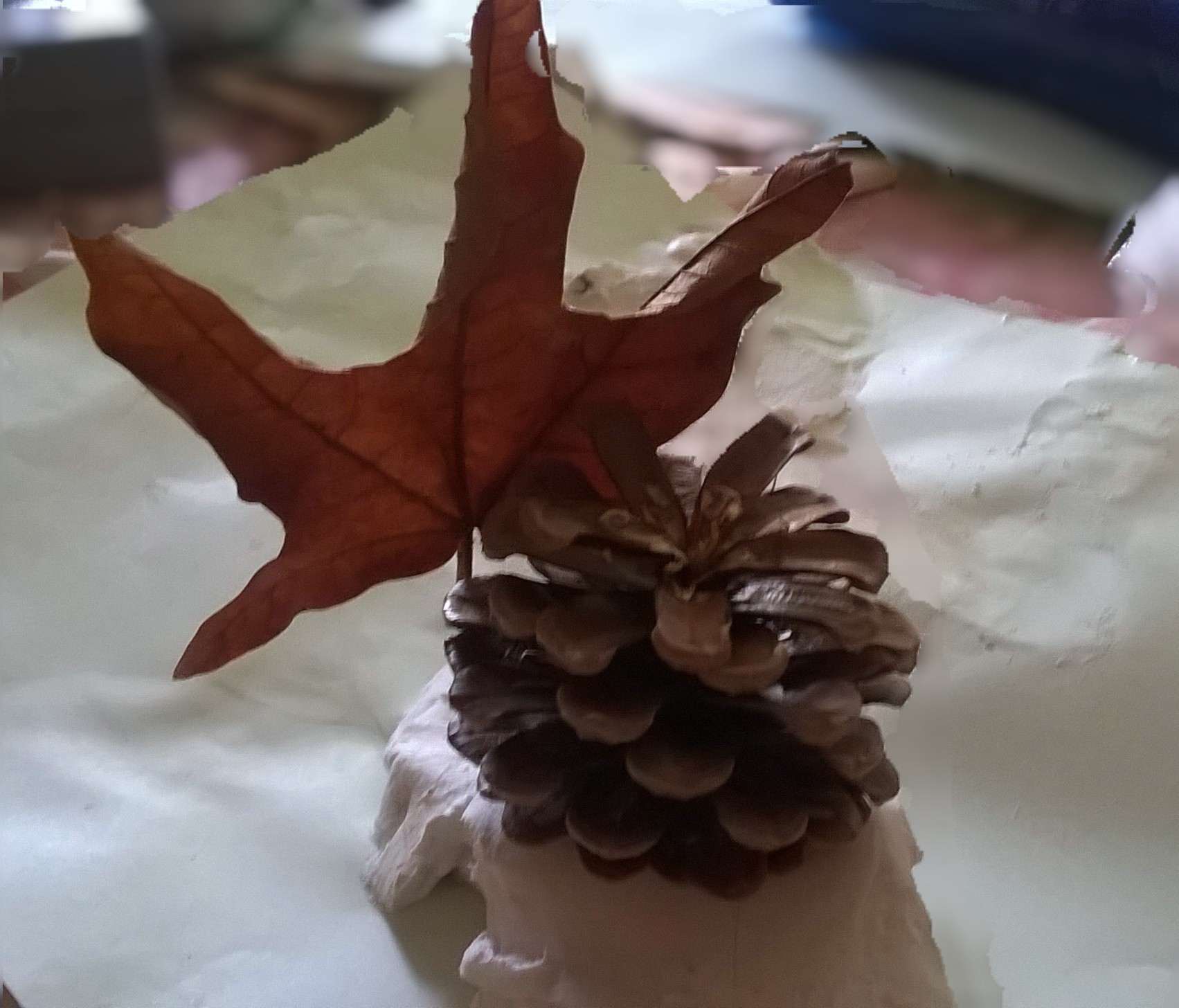
We created our own pictures, starting with the background and adding leaves.  The leaves work better if they are pressed beforehand using a flower press or a heavy book.  Preserve them by laminating before the leaves dry out.

leaf man

Painting

Young children enjoy printing with leaves or painting on larger leaves. You could also try  painting with different types of leaves or dipping the stalks into paint to make marks.  Dried leaves crumbled into paint could also make an interesting texture.

WP_20150924_006

Leaves are perfect for investigating colour mixing.  Give each child a leaf and ask them to try to mix the matching colour.  Younger children could paint the colour onto their leaf, print it on paper or paint around the outline, older children may like to try an observational painting of their leaf. Small square canvases or watercolour paper would make them extra special.

Leaf Rubbing

leaf rubbing

Sometimes young children  find this difficult so experiment with different colours and materials, like crayon, pencil, chalk, pastels or charcoal to decide which makes the most effective rubbing.

Leaf Mosaics, Patterns and Sculptures

Use leaves to create mosaic patterns and pictures. These could be individual or large group projects.

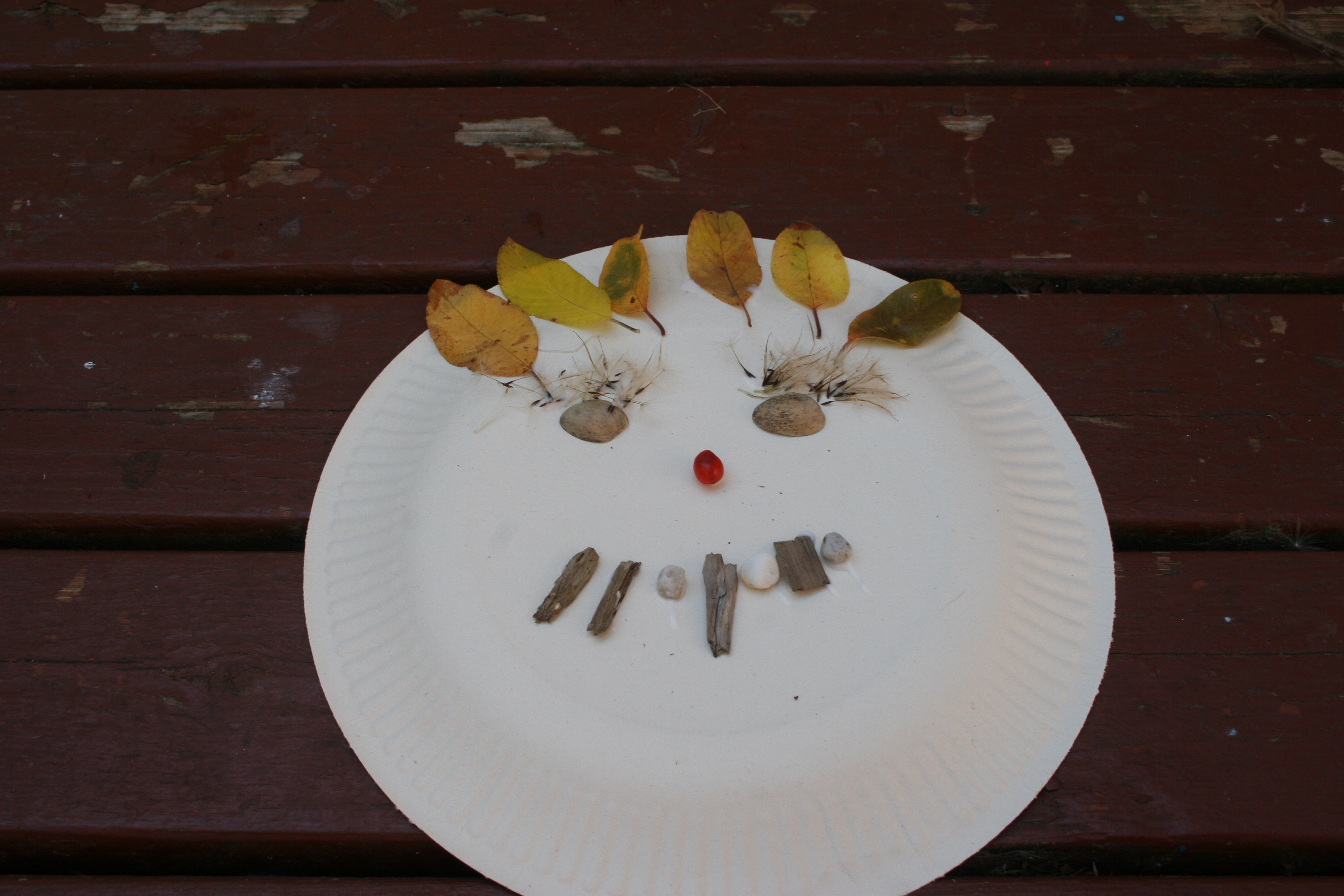
leaf face

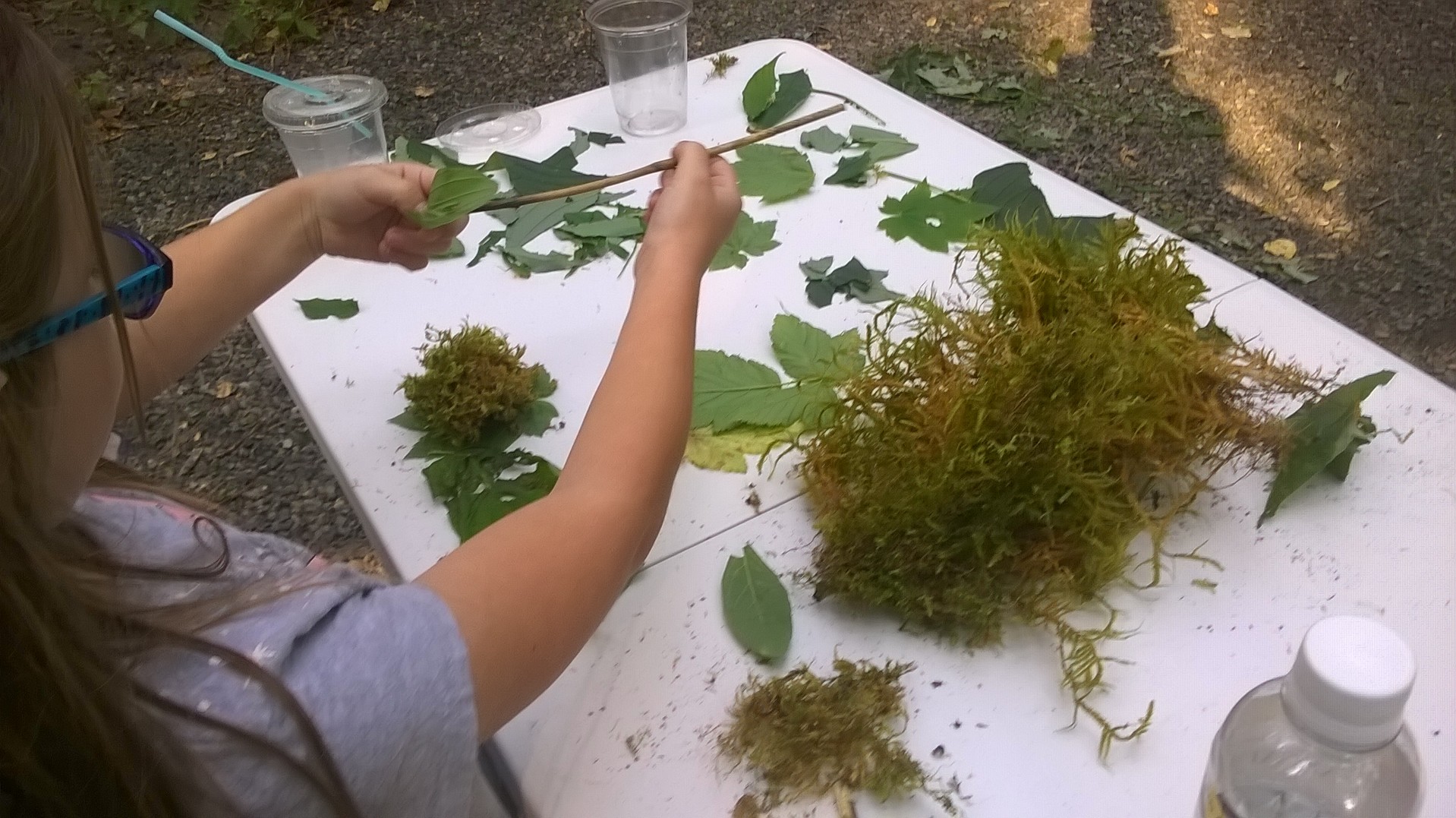
The girls collected leaves on a camping trip and used them to thread onto sticks to create clothes for their stick people.

stick men

Clay

clay and leaves

Leaves  make interesting imprints in clay or they can be used  as a template to cut around. Clay leaves make great bowls, tiles or mobiles.


Sensory Play and Loose Parts

Collect leaves and put them in a sensory bin – investigate what happens to them over time. Add interesting objects hidden amongst the leaves or toy woodland animals and bugs for small world play.

If you have leaves outside how do the children use them as loose parts?

My children built a bonfire……


building a bonfireBuried their feet….

Oct 07 045

and added them to a potion.

potion making


Use them as a Filler

Last Halloween we made spiders to hang on the bushes outside.  The bodies were made from black bags stuffed full with leaves.  You could also use leaves to stuff scarecrows or guys for bonfire night.

Laminate them

laminated leaves

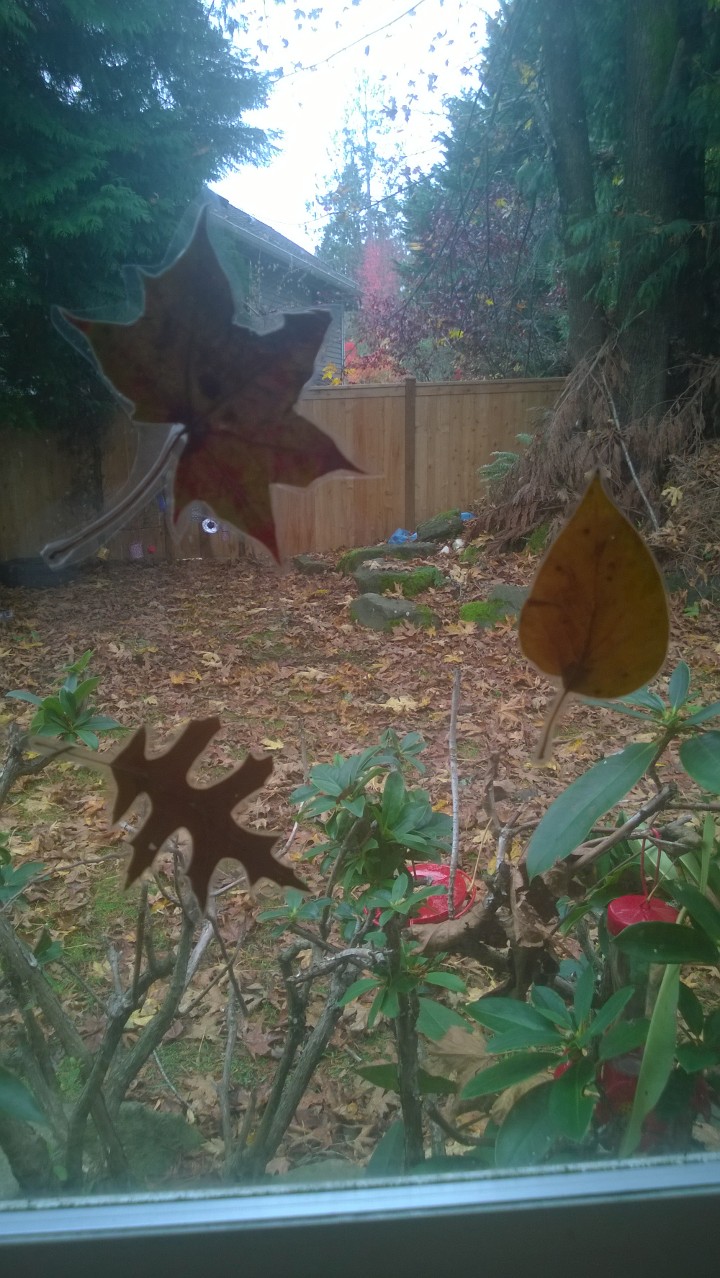
Over a period of time we collected interesting leaves and laminated them.  They looked great on the window and I challenged the girls to find out which trees they belonged to. I think they would also make an eye-catching mobile.    This year we are using the laminated leaves to see if they can find matching leaves in the neighbourhood. Laminated leaves could be used for all kind of things. We have used them as gift tags, to play matching pairs and they look great on the light table.

Leaf Rainbows

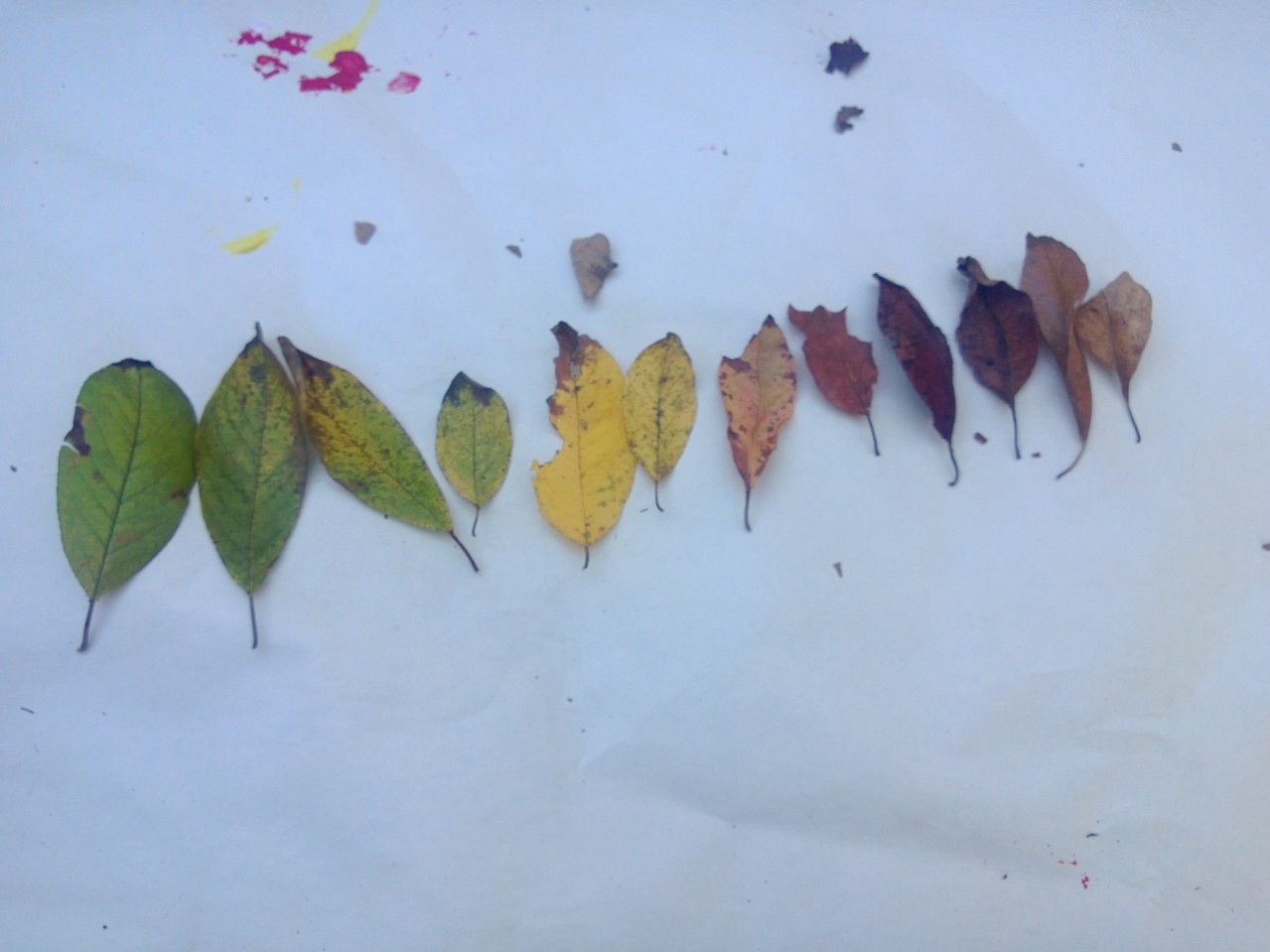
If you collect leaves gradually from the same tree or bush as they change colour you can make a leaf rainbow.

leaf rainbow

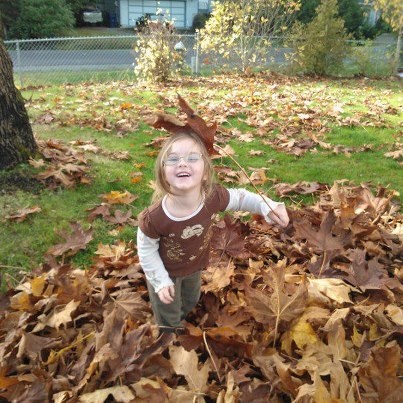
Before you  decide to rake all the leaves away, take a look at this face, I think it says it all.
autumn leaves

Woodland Park Zoo for Under 8’s

zoo offer

When I ask the girls where they would like to go, a popular response is the zoo.  In the UK we were members of Bristol Zoo and visited there regularly.  Having membership made our visits more relaxed, we didn’t have to run around trying to see every animal and if the children wanted to play in the playground all day that was fine too.

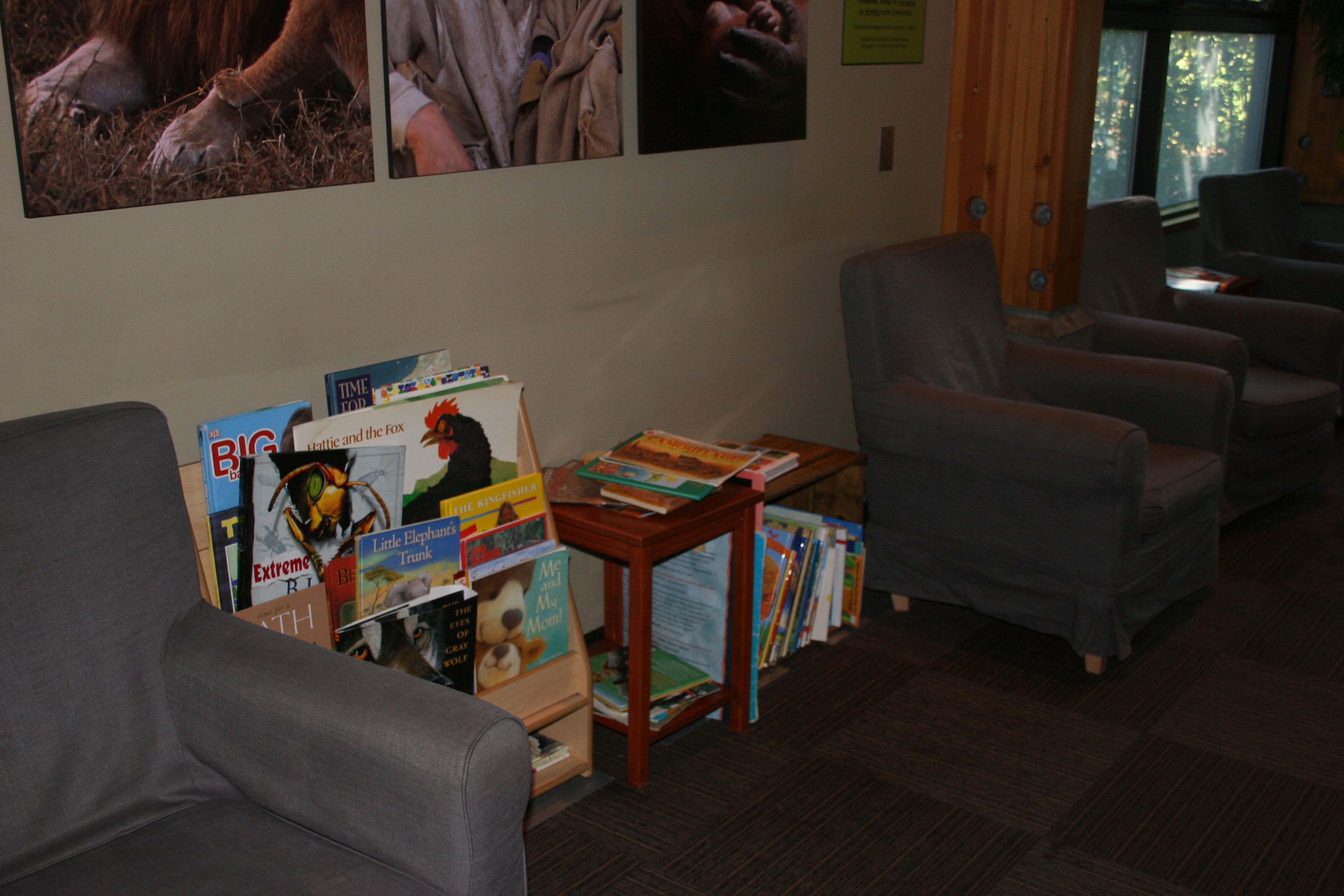
Woodland Park Zoo is more spacious than the zoo back home so we are able to see larger animals. Recently, we were invited to Woodland Park to see some of the activities available  in the Zoomazium  – a nature inspired play space for the under 8’s.  To be honest we have always avoided Zoomazium during previous visits, expecting it to be a large, noisy soft play.  I was pleasantly surprised however, to see a mix of play spaces and activities.  There is a designated space for toddlers, fully enclosed and safe, with a library  area to the side.  The children can also explore the cricket exhibit.

toddler play space
toddler play space
library area
library area
cricket exhibit
cricket exhibit

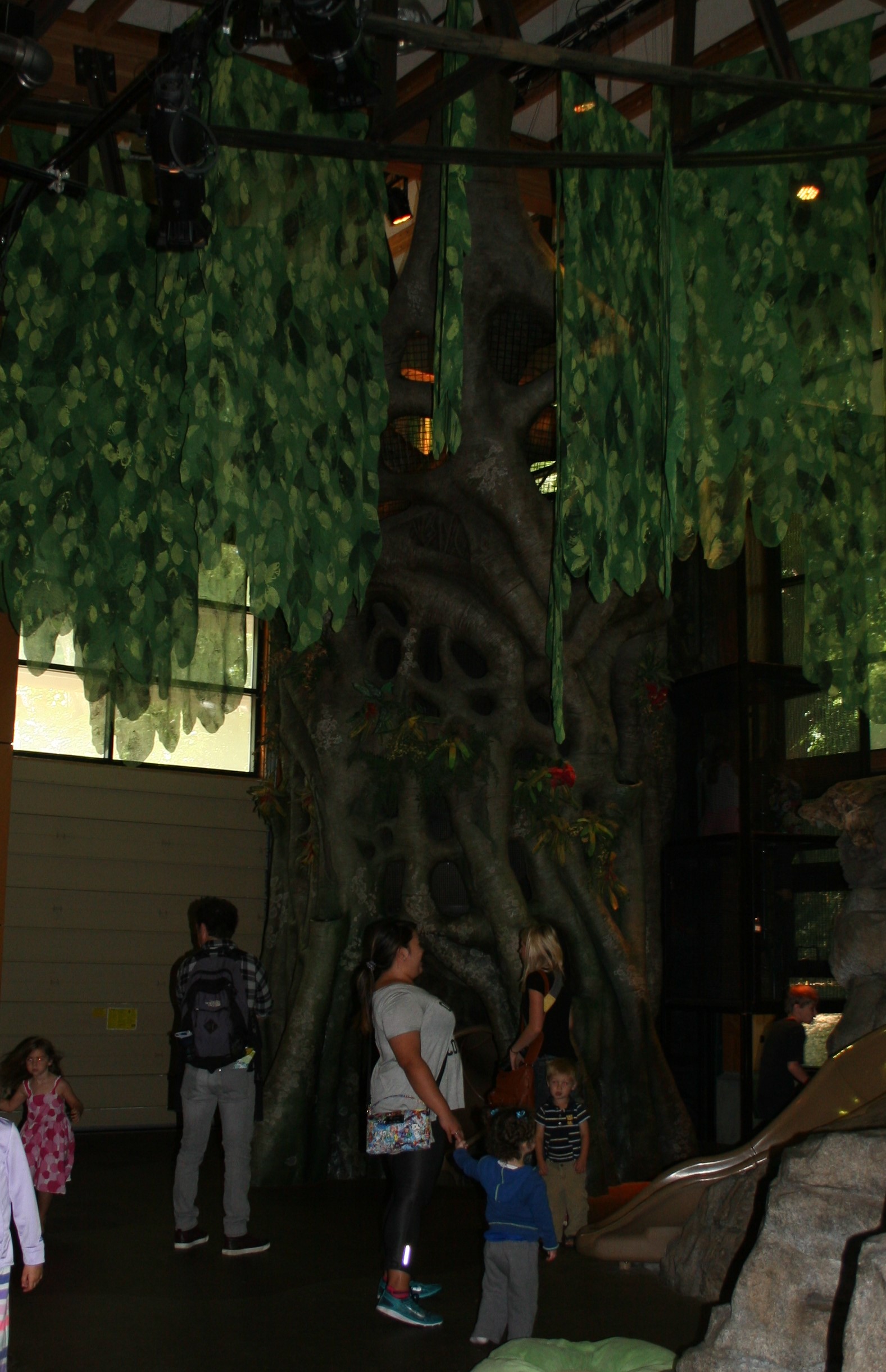
The play area for older children has rope bridges, places to climb and lots of little caves that are perfect for hide and seek.  There are also tables with toys for building, a stage area and a sensory area to explore.

IMG_0756

IMG_0755

Zoomazium is the perfect place to explore if you want to escape the heat (or cold) for a while but it is also a good starting point for your visit to the zoo.  Creature Feature occurs every morning at 10.30 and encourages children to get close to some of the smaller animals at the zoo and learn about them from zoo staff.  Our visitor was an armadillo.

armadillo

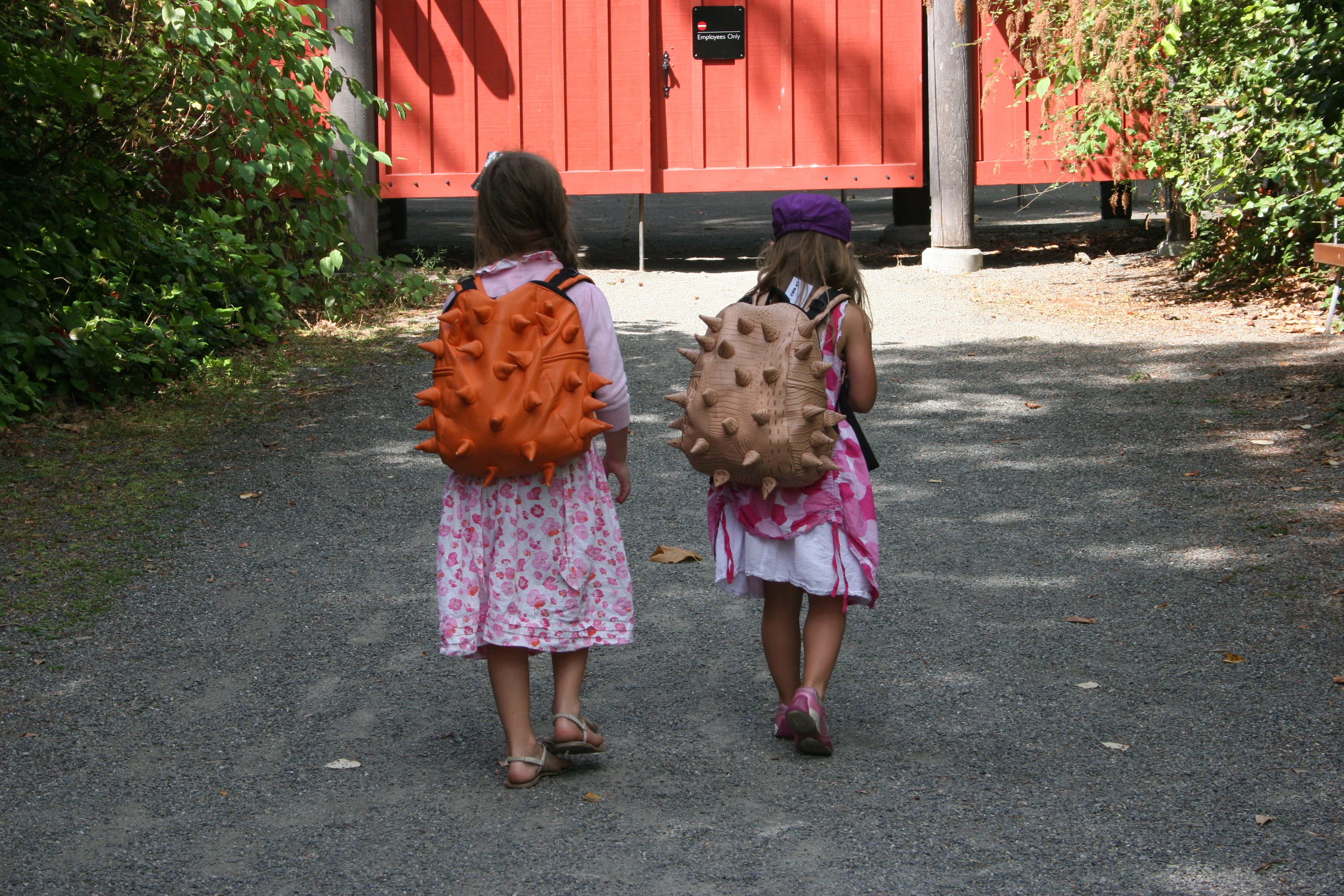
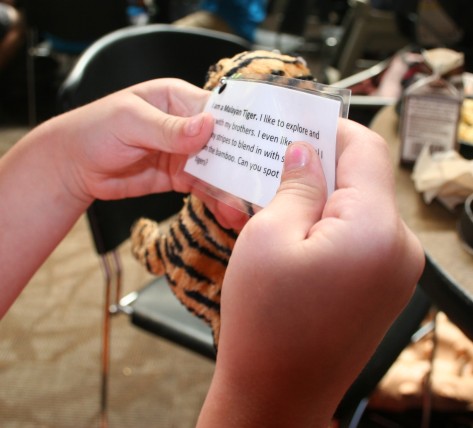
My favourite Zoomazium offering was activity backpacks that the little ones can take with them around the zoo.  Each one has a different theme and they are packed with activities, toys, books, magnifiers and things to look out for during your visit.  After a lot of deliberation,the girls chose one each; the back yard and big cats.

zoomazium backpack

I love the design of the backpacks, they look so cool and we had lots of comments as we wandered around.  The backyard backpack had a number of activities to complete in the backyard of the Zoomazium or  when exploring the rest of the zoo.

Can you find these things?
“This feels smooth”

The big cats backpack was a good starting point for exploring the new Banyan Wilds exhibit.

finding big cat markings

tiger markings
I found a tiger.

Having the backpacks, encouraged us to take it slowly as the girls wanted to stop and take in the contents of their packs.

IMG_0793

IMG_0803

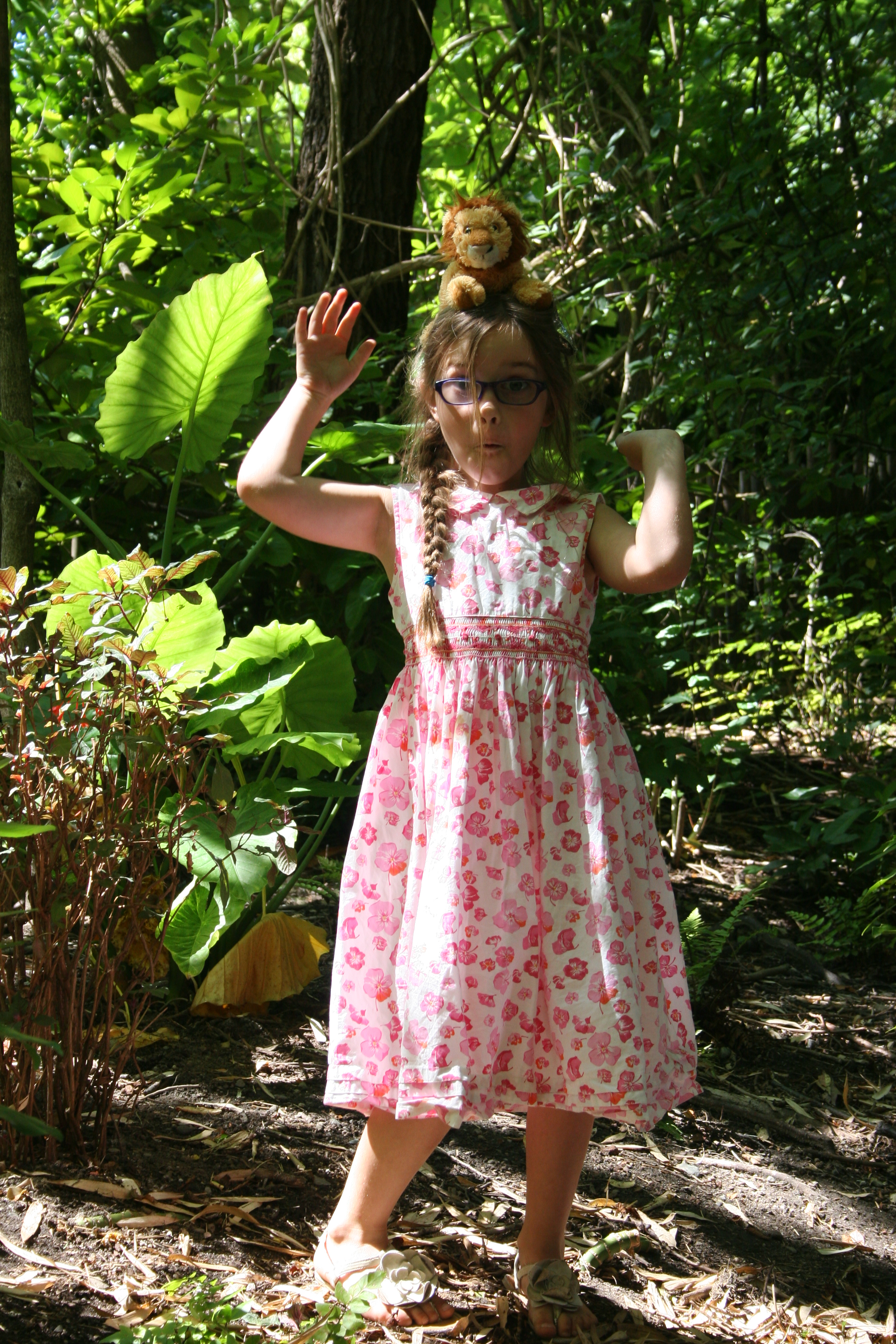
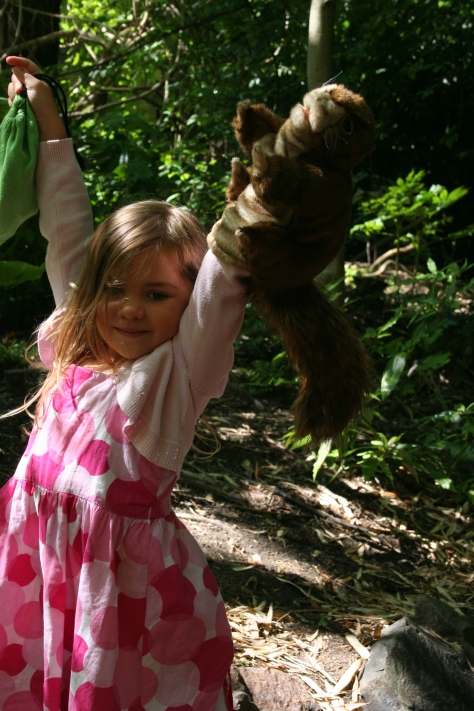
The squirrel puppet from the Backyard pack was a definite favourite and was a constant companion.

IMG_0802Completed activities can be traded for Nature points at Zoomazium’s Nature Exchange.  The points can be exchanged for interesting, rocks, fossils and natural materials on display.  Nature loving children can also create projects at home to earn additional points. Older children are not left out, there are activity sheets to suit all ages. My eldest chose a worksheet relating to the otter exhibit.
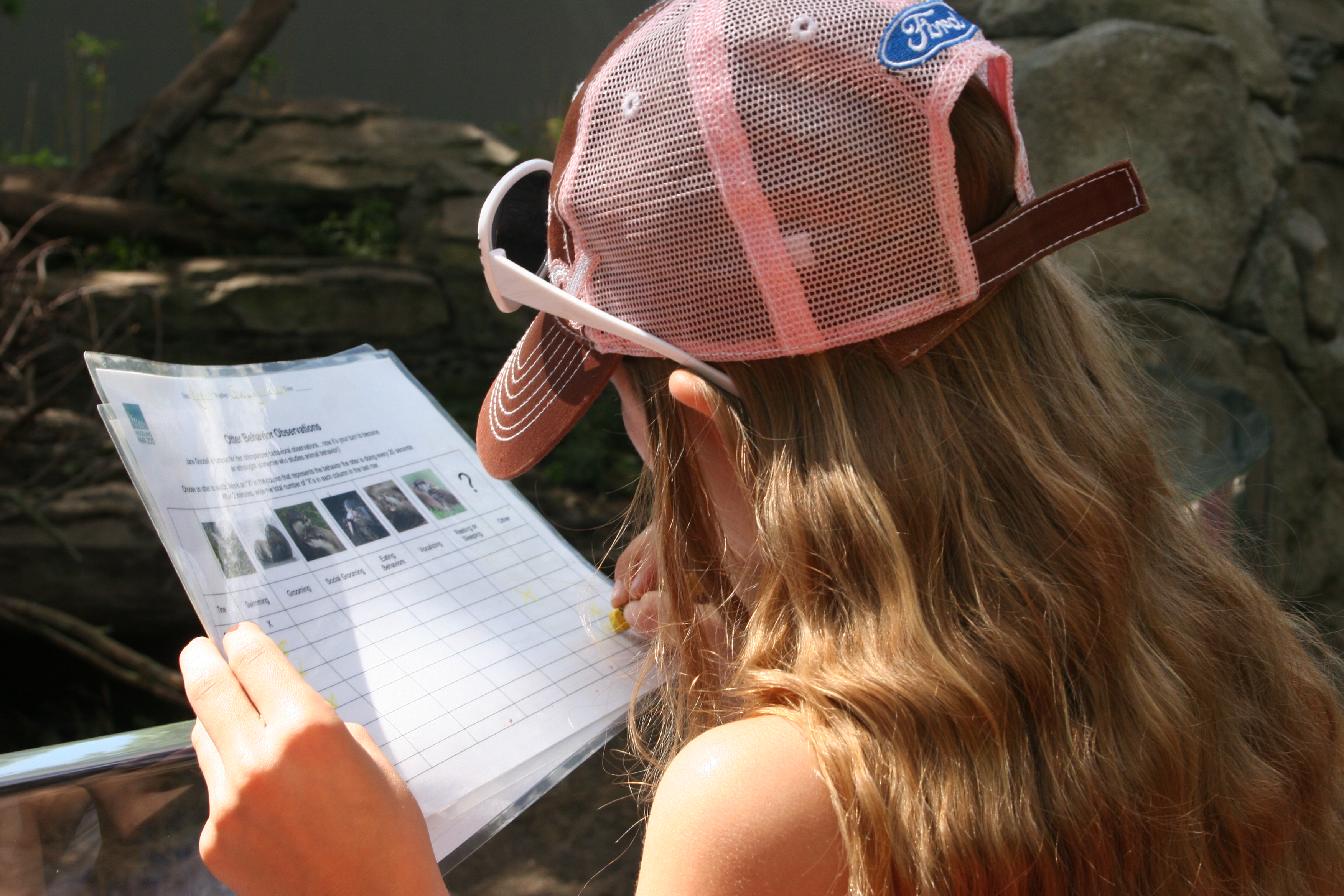
otter exhibit worksheetOur favourite part of the day was having the opportunity to feed animals.  Bird seed on sticks can be purchased for $1 and the birds fly down to feed from your hand.

Feeding the birds

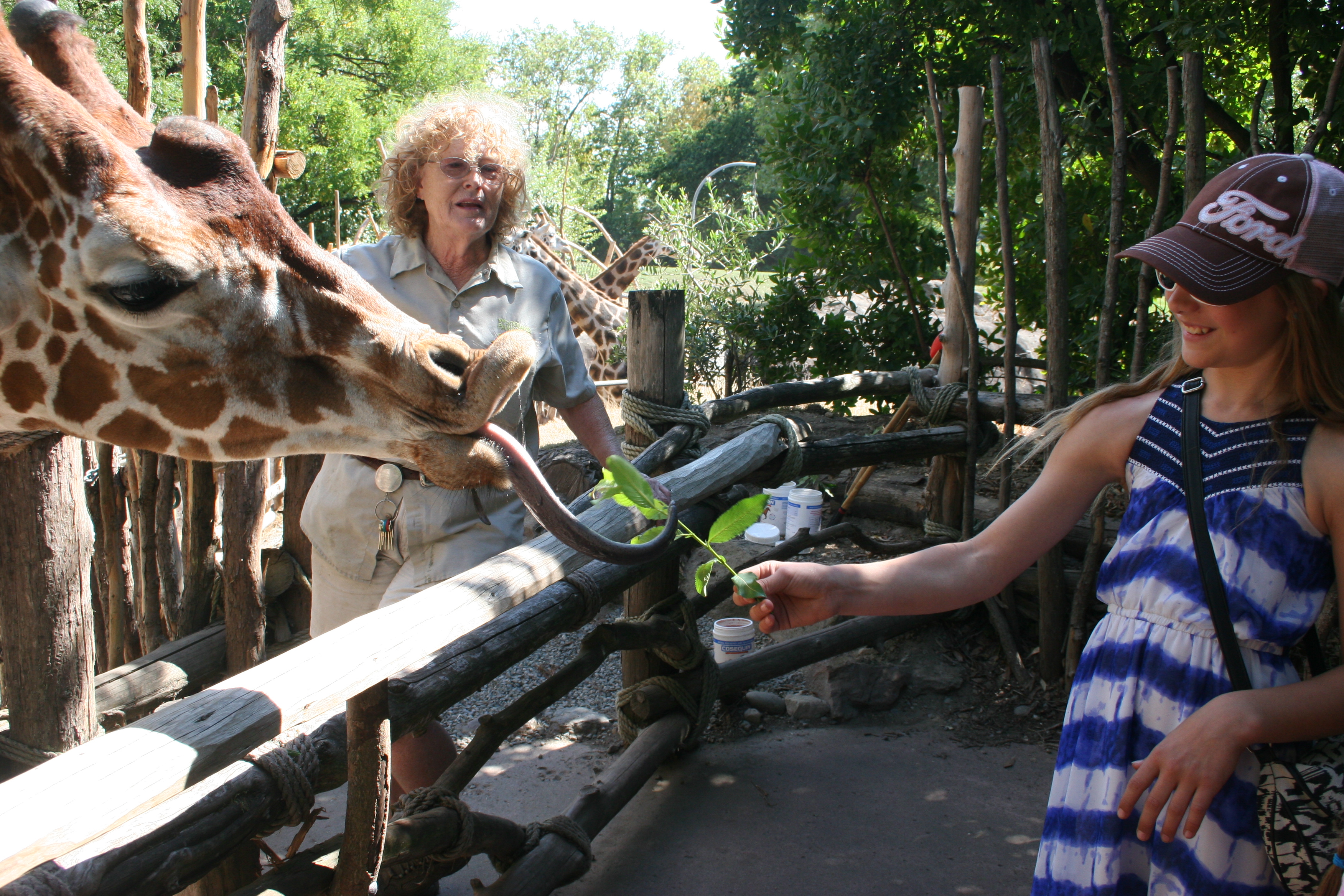
The best experience of all though was getting close to the giraffes and hand feeding them. The keeper was great at encouraging the children to ask questions and it was a truly memorable experience for all that I will definitely do again.  Giraffe feeding is $5 per person and under 5’s go free with a paying adult.

giraffe feeding

A day at the zoo was perfect for my nature explorers.

IMG_0826

Membership Offer

Zoo membership is perfect for families with young children. There are a number of membership options to suit different needs and admission is free for children under 3.

Right from the Start readers can benefit from a special offer.

Quote MOM15 at checkout to receive a 10% discount plus entry into a draw to win 2  giraffe feeding tickets and 2 tickets for a carousel ride.

Disclaimer:  Complimentary tickets for 4 people were received.  All opinions are my own and we were under no obligation to write about our visit.