Category Archives: parenting

Ideas for Playing in the Dark

Whether you’re on a camping trip and staying up late, or it is winter and there aren’t many daylight hours in which to play, the children won’t be able to wait to get out in the dark with these fun play activities. They could also help children who are afraid of the dark discover that darkness can be fun; give them a head torch or flashlight, hold their hand and venture out together.

You will need…

Other items you could use

We find head torches work particularly well for my daughter  with poor eyesight.

Taking torches/flashlights outside is also a great way to observe the weather. Mist looks really eerie under a flashlight and you  can watch  raindrops in in the light rays.

after-dark-playing-in-the-dark2
Games to play

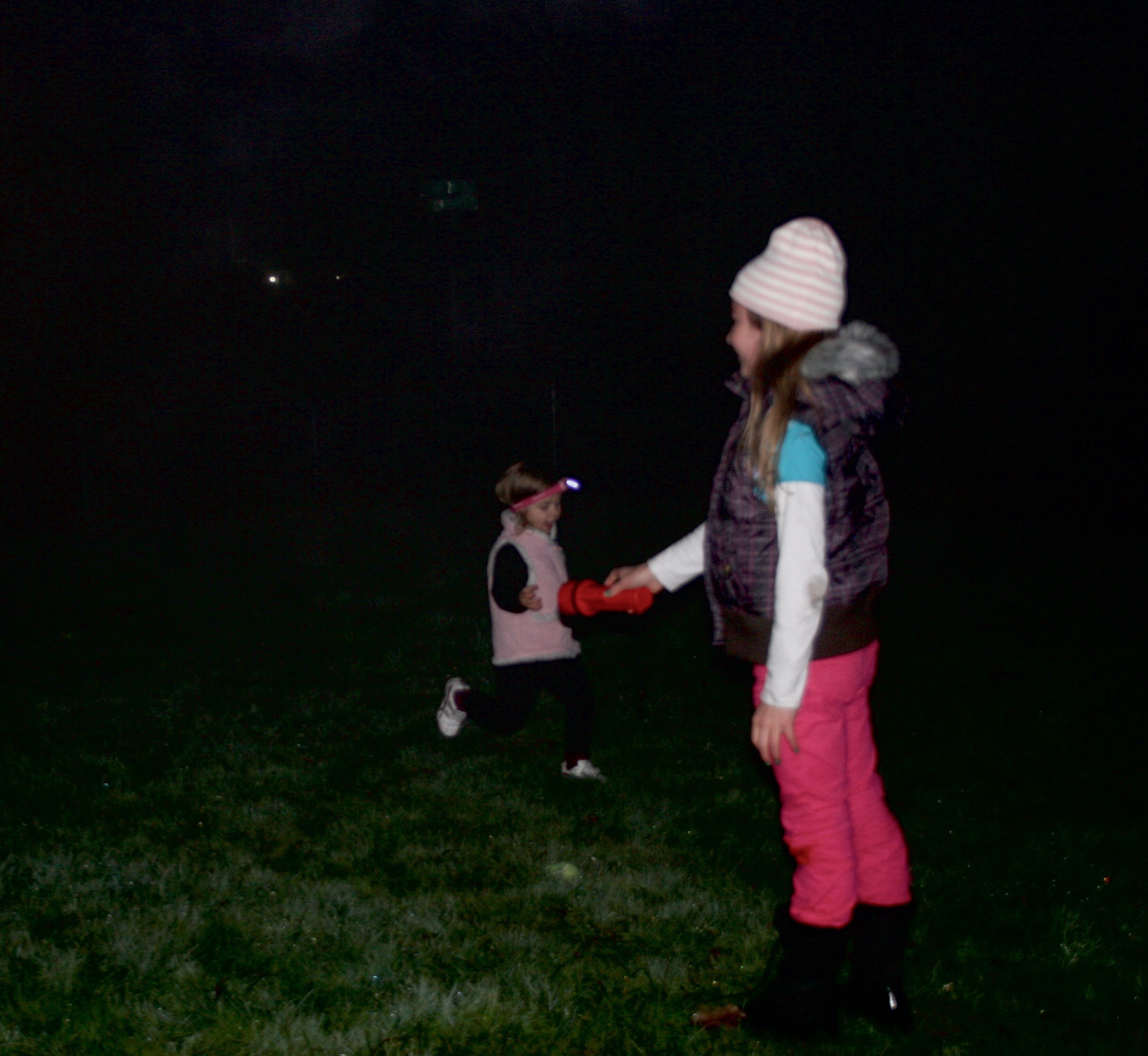
1. Flashlight/torch tag
The children run around, one child has a flashlight/torch and has to tag the other children by shining a light beam at them.

2. Grandmothers footsteps
The children quietly sneak up to the grandmother and if she hears footsteps she shines her flashlight/torch at the culprit and they return to the start. The object is to steal a piece of treasure she has at her side (we’ve used glow in the dark balls or glow sticks) and get back to the start with them without being caught.
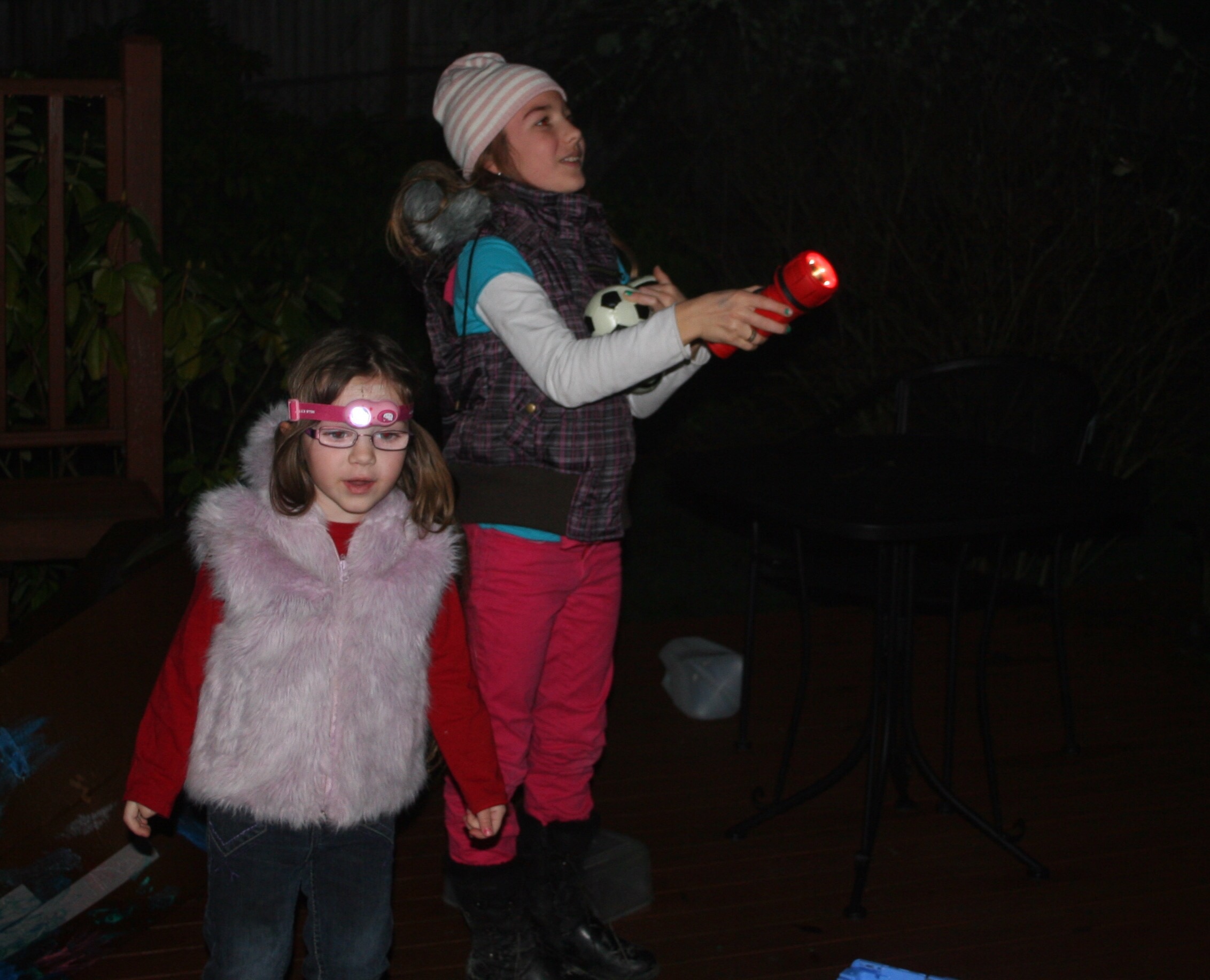

3. Hide and Seek
My children love to play hide and seek so this is a real favourite. Hiding in the dark means you can find so many more great hiding places. The seeker uses their flashlight to find those who are hiding.
4. Glow in the dark water play
IMG_1693

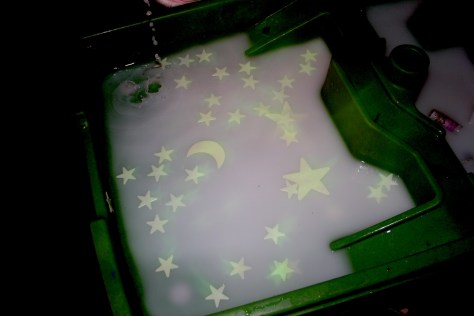
We added glow in the dark paint to  water in our water table (a bowl or bucket would also work) .Drop in some glowing stars and moons, water beads and a variety of containers. Have fun making ‘star soup’.

I also love this idea from active dark, using glow sticks in a pool.

IMG_1694
5. Treasure hunt

IMG_1688
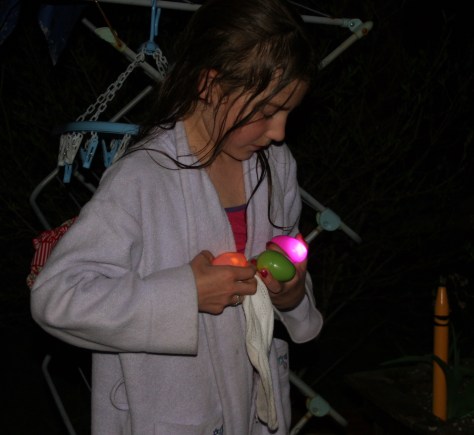
Fill plastic Easter eggs with mini battery operated lights – you can also add water beads for an extra effect. Hide them around the garden and look out for where the lights are shining. My girls also enjoy hiding the eggs  inside their clothes.
IMG_1687


6. Glow in the dark sensory play
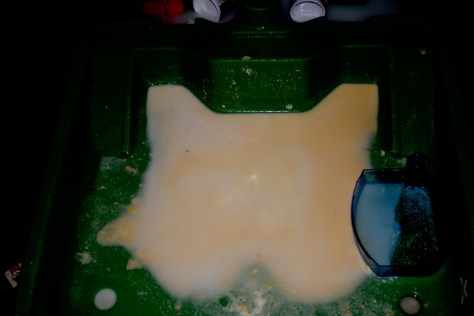
Add glow in the dark paint or pigment powder to goop (corn starch and water), water beads, play dough, shaving foam, or play dough. Make sure to charge it in the light first.
IMG_1697

7. Glow in the dark painting
Paint on black paper with glow in the dark paint – you could put a large sheet on the fence or alternatively, mix the paint with corn-starch and a little water and paint directly onto the ground. It washes away really easily in the rain. We’ve used this to paint hopscotch on the driveway and used  glow in the dark balls as markers.


8. Shadow play
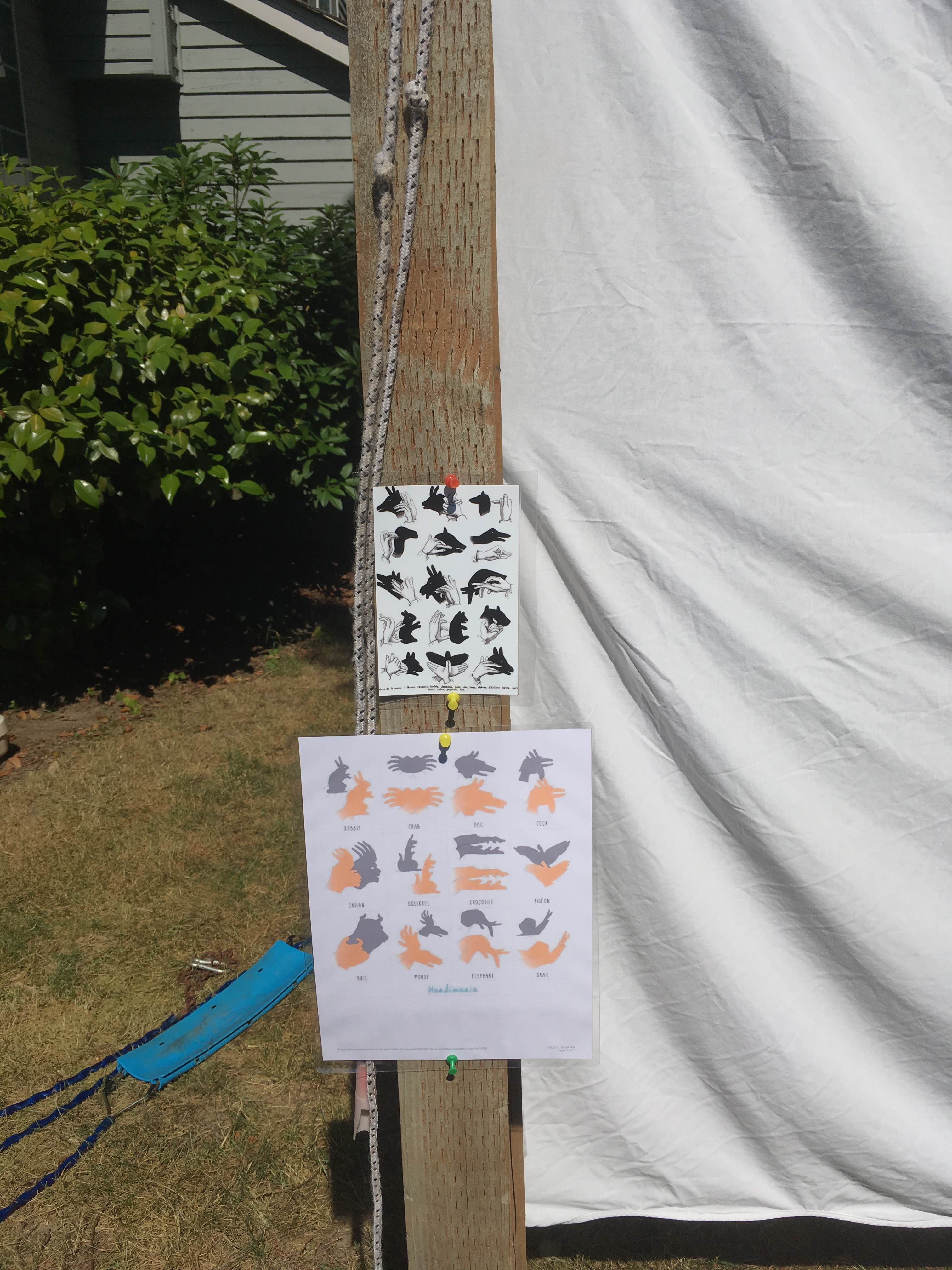
Children love to play with shadows. Use flashlights or outdoor lights to cast shadows onto white walls or even better erect a white sheet between fences or trees and get the children to stand against it making shadows and shapes.
9. Light tables
We made a homemade light table from a translucent plastic box with a black lid. Turn the box upside down and place inside battery operated lights and /or fairy light There are all kinds of activities you can do with a light table . You can place natural materials, glass beads, buttons or candy wrappers on top to make patterns, spread sand or rice on top to make marks or use interesting coloured containers.
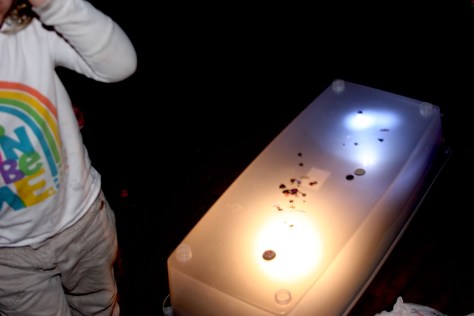
IMG_1695

10. Look at the stars.

On a clear night what could be better than looking at the stars? We printed out a map of the stars but just to look up into the night sky can be awe inspiring.


11. Use glow in the dark balls or light up balloons to play catch or volleyball.

12. Swing glow sticks to see what patterns they can make or build constructions with glow sticks.
 

Meeting a Dragon & Treasure Hunting at Caerphilly Castle

caerphilly castle

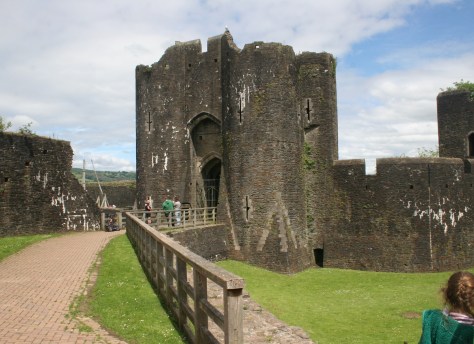
It has been a year since we took an amazing trip home. We had a long list of places and people we wanted to visit and top of the list for our stay in Wales was a castle. Growing up in Wales, I took it for granted that my kids would get to visit historical sites with school. Now, I need to pack all the things they can’t experience here, into our visits home.

caerphilly castle

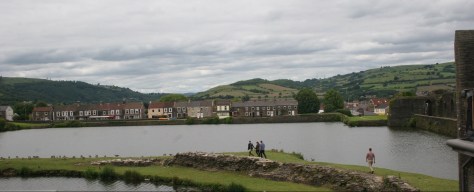
Top of our list for our week in Wales, was a castle. There are so many castles in Wales it was difficult to choose the right one. I considered Castell Coch and Cardiff Castle, but eventually went for Caerphilly Castle, as it was the most traditional of the 3.  I wasn’t certain if it would be too ruinous or if there would be enough there to entertain the kids. As it turned out, it was the kids favourite day out in Wales.

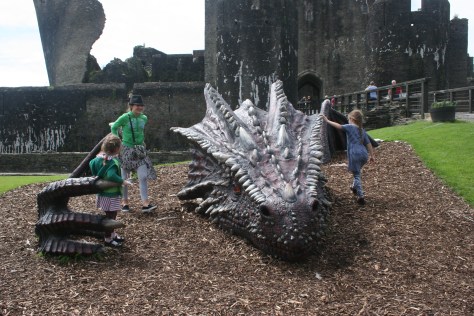
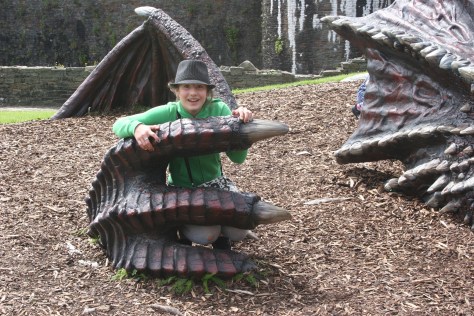
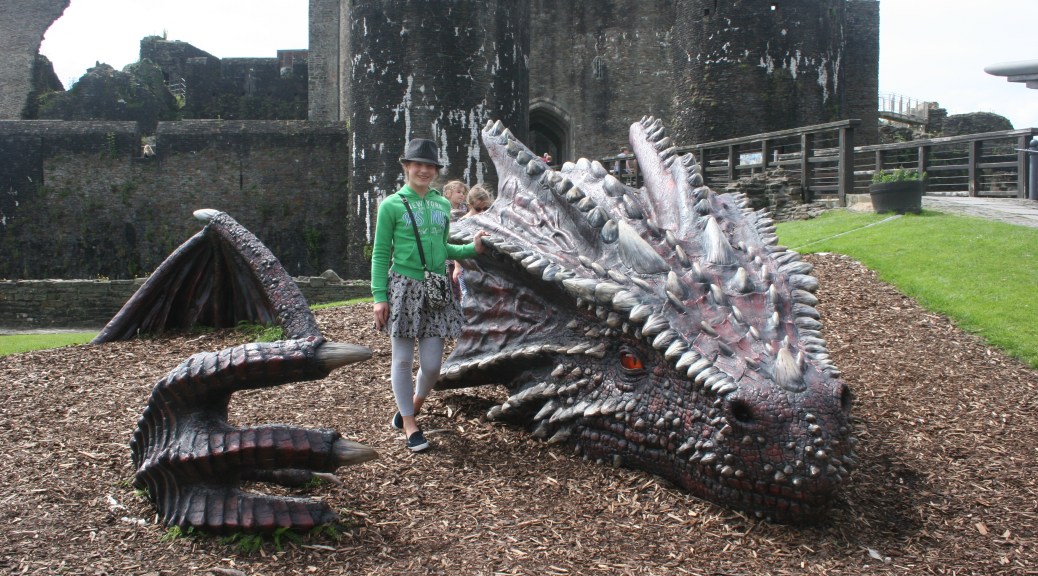
They couldn’t wait to get to the castle as we walked towards it and when they were greeted by Dewi the real Welsh dragon, at the entrance, their excitement mounted.

dragon at caerphilly

Dewi, who first arrived at the castle on March 1st 2016,  is a star attraction at the castle. This May, he flew to Caernavon Castle, to join his sweetheart Dwynwen.  Dwynwen soon  laid two eggs. The eggs hatched into baby dragons Dylan and Cariad, on May 26th and are now taking on summer adventures across Wales. The dragons are an integral part of  Visit Wales’ 2017 Year of Legends, inspiring visitors to discover Wales’ rich folklore. Dewi has returned to his home at Caerphilly.

cadw dragons

Where can you meet Dwynwen and the baby Dragons?

12 -25 June Raglan Castle – Dwynwen and the baby Dragons.

27 June – 9 July  Tretower Court

11 – 30 July  Kidwelly Castle

1 – 13 August  Harlech Castle

15 – 28 Aug  Beaumaris Castle

Treasure Hunting

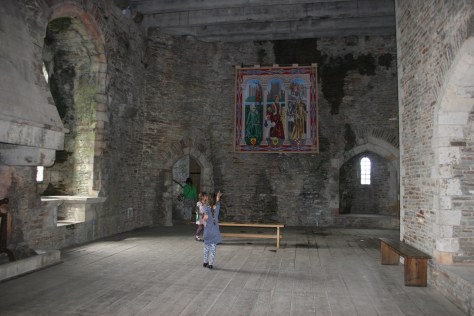
Included in the admission fee (£23.70 for a family ticket admitting 2 adults and up to 3 children under 16)  was a treasure hunt activity. The children visited every part of the castle looking for information to answer to clues that would lead them to the treasure.

caerphilly castle

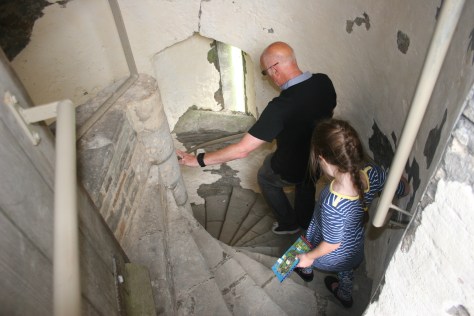
We descended spiral staircases.

stairs caerphilly castle

Walked along balconies.

treasure hunt

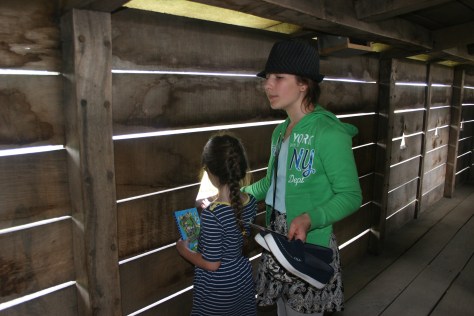
through dark corridors

castle coridoor

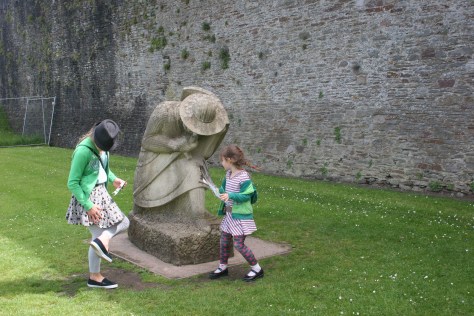
and explored the grounds for clues.

caerphilly castle

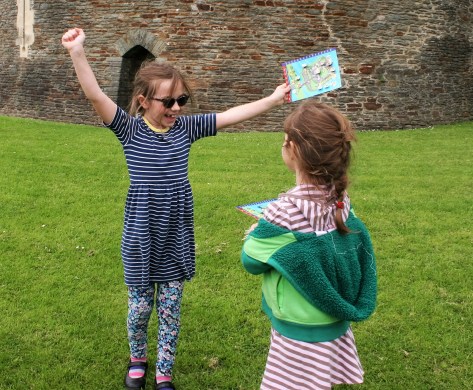
After hours of fun (and a few painful feet from new shoes) we found the treasure.

kids activities caerphilly castle

The children exchanged their treasure hunts for a special prize in the gift shop. We admired the view and said our goodbye’s to Dewi, before heading home.

view from Caerphilly Castle

What is a Dangle?

Disclaimer: contains Amazon Affiliate Link


My kids are captivated by this book, The Art of Drawing Dangles. I’d never heard of dangles before, so what is a dangle exactly?

Dangles, are a from of embellishing lettering by adding charms and patterns that dangle for the letters or shapes.  If you love pattern, design or intricate colouring, you will love dangles.

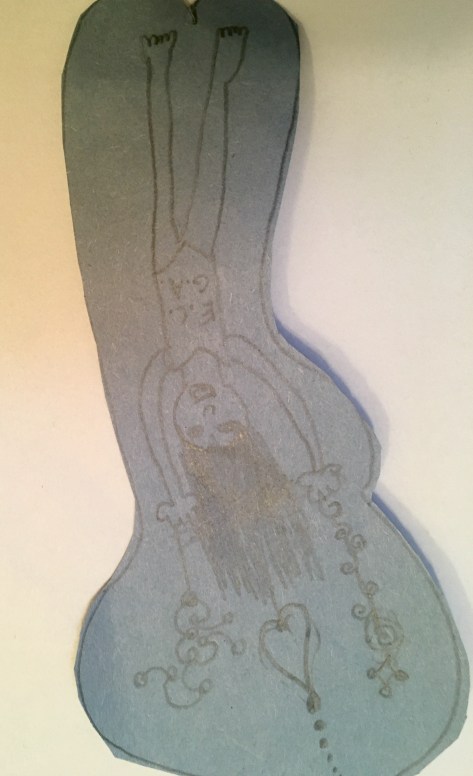
gymnast dangle
gymnast dangle
At first, I thought dangles looked complicated, but my 6 and 8 year old latched onto the book immediately. They followed the step by step designs and used them as inspiration for their own letter designs, patterns and pictures.  Some they coloured with gel pens and watercolour pencils.

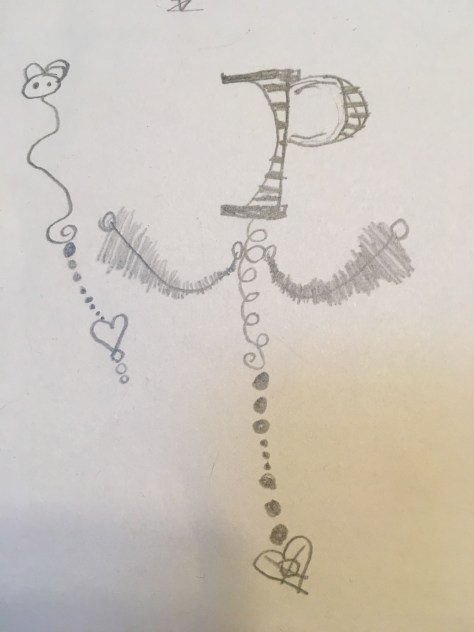
dangle letters
Dangle letters by 8-yr old

My 8-year old exclaimed,
“I love drawing dangles. I just like drawing random shapes that don’t mean anything but look nice. I don’t do their designs (in the book), I do my own.”

To be honest, I’m completely blown away by their creations. These were created within the first few days of using the book; I’m excited to see how their skills and creativity will develop with practice.

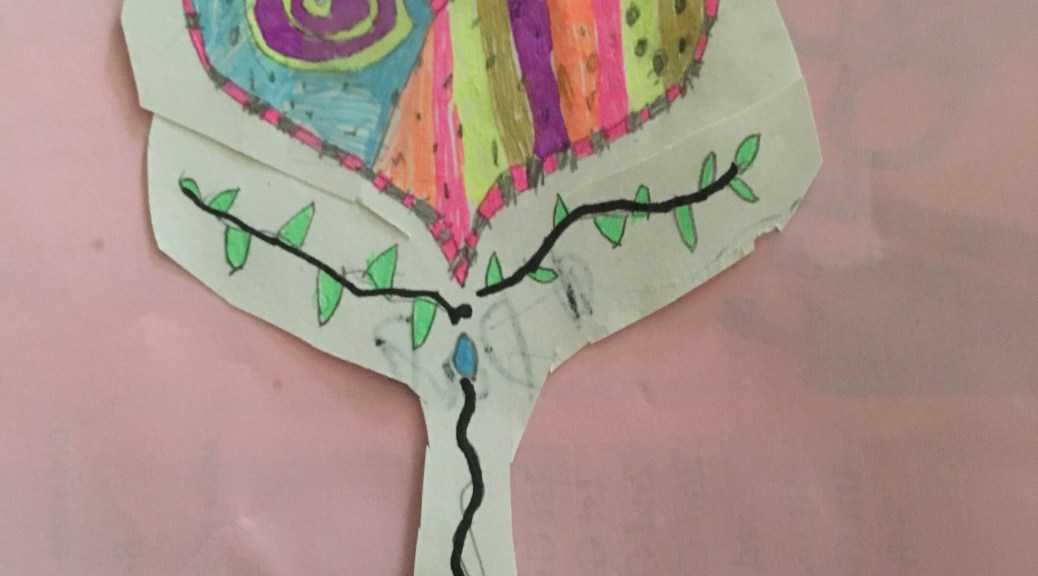
dangle design by 6 year old
Heart design by 6-year old.
.Visit my Amazon associates store for other book recommendations:


Family Friendly Spaces: The Container Park Las Vegas.

container park by dayOn my recent trip to Vegas, I was surprised at the number of people trudging the strip with young children in tow. Though there are things for kids to do in Vegas, museums, shows, the Bellagio fountains and lounging by the pool, I’m pretty sure my kids would soon tire of walking up and down the strip.

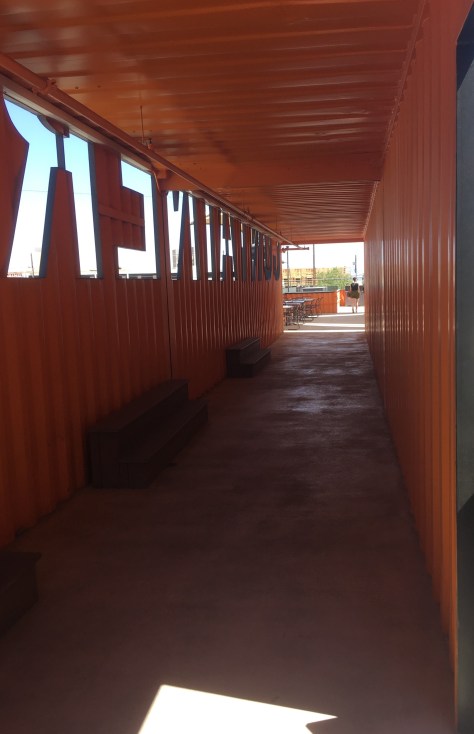

If you visit Vegas with kids and want to get away from the strip, the container park is an exquisitely designed haven in the heart of downtown Vegas.

container park vegas


The container park as the name suggests, is fashioned from shipping containers. The 3 storey’s of shipping containers are transformed into shops, restaurants, bars and cafes.  The container park was built as part of a drive to transform Downtown Vegas and provide affordable spaces for new and small businesses.

container park

For the kids, there is a wonderful independent toy shop, Kappa Toys  whose  owner  is clearly passionate about toys.  I spent a long time in there choosing a perfect gift for my kids.  Another favourite was the vintage clothes shop, Vintage NV. We ate a delicious brunch  at The Perch, on the 2nd storey overlooking the rest of the park .

The Perch
The Perch

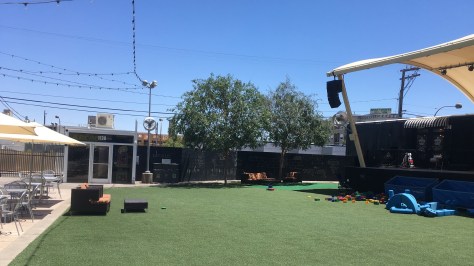
Below the Perch, is an open space with a stage, building materials and chalk boards for the kids.

The play and stage area container park
The stage and play space with comfortable seating for adults

In the centre of the park is a huge, well thought out, children’s playground and outside the playground is another small stage for children’s activities.


By night the container park is transformed into a civilised eating and drinking area, where people sit quietly at the wine or whiskey bar. It shuts down at 11pm so doesn’t attract a rowdy crowd.

container park by night

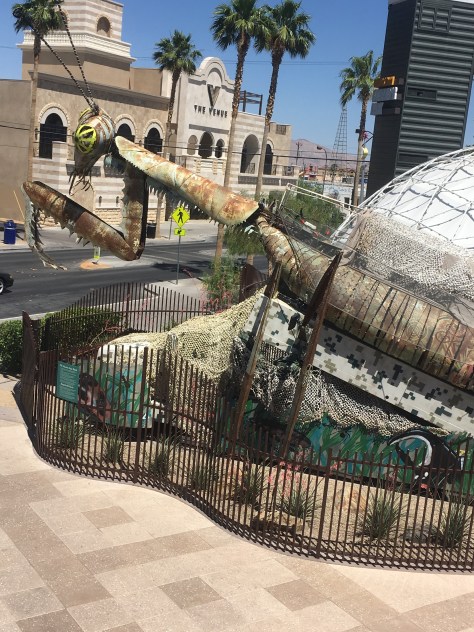
One of the highlights of the container park at night is the animated praying mantis that blows flames in time to music.

I loved the container park, I think every city should have one.

IMG_1338IMG_1350IMG_1351original_url: BC70AD1D-8F61-442D-A8C4-1B3A7C0ECF53

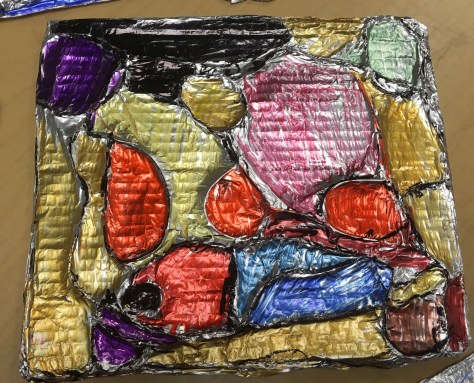
Simple Art Project for Father’s Day

Materials

  • tin foil
  • cardboard
  • yarn/wool or string and/or wire
  • tape
  • sharpies or permanent marker pens.

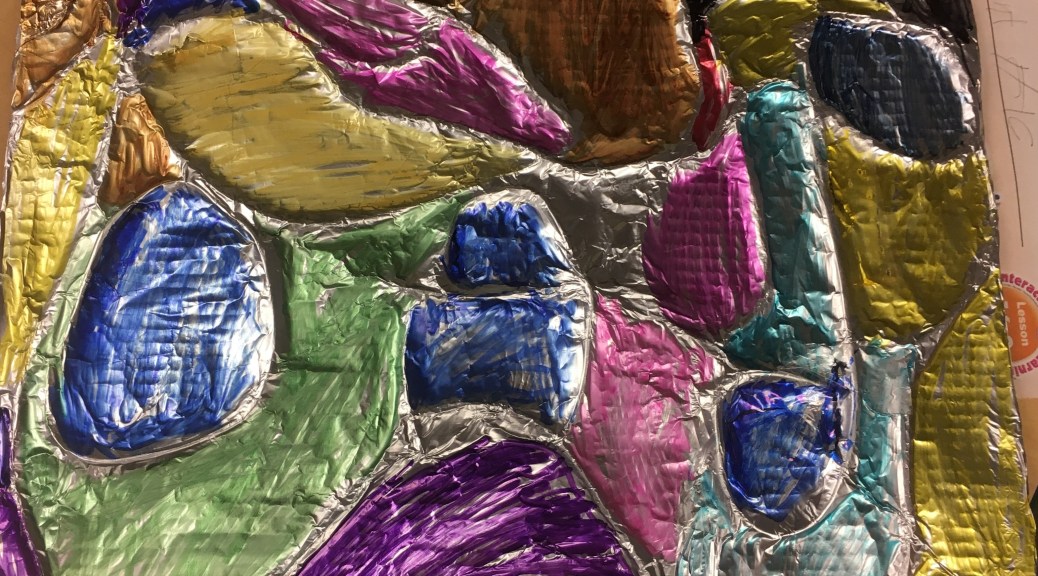
father's day art


Method

  • Make the word DAD with yarn or wire and tape it to your card
  • make a pattern using yarn or string around the word dad and stick it down with glue or tape.
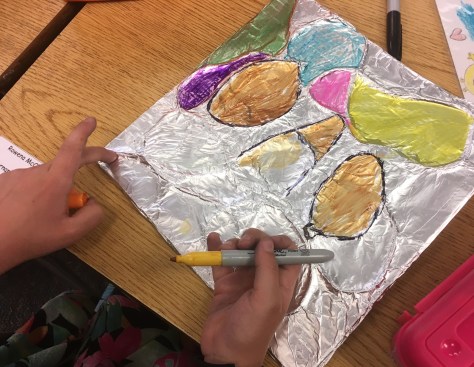
  • Cover the design with tin foil, wrapping it around the cardboard.
  • Smooth the tin foil gently to reveal the pattern beneath
  • Colour the word DAD in one colour (using multiple colours makes it difficult to read)
  • Colour the rest of the pattern, colouring each section in a different colour.


New Books to Inspire Family Crafts

Disclaimer: This post contains Amazon affiliate links.

My family love to create things together but sometimes we need a little nudge of inspiration. These 3 new books from Quarto books  are perfect to inspire ideas that will take us through the summer.

Stick it to ‘Em

Stick it to ‘Em is your invitation to create customized stickers. With just a hint of silly irreverence, this guide includes a list of colorful art tools in addition to easy drawing and lettering techniques and step-by-step tutorials, all designed to get your cheeky creativity flowing. You’ll then be treated to more than 35 pages of stickers, including a selection of fully designed styles to use any way you like, a variety of stickers to color in, and blank stickers to create your own.

IMG_0618

This one was my teenage daughter’s favourite. The beginning of the book teaches how to design stickers using water-colour and she used this as inspiration.  She also took some of the ready-made stickers to decorate her laptop.

IMG_0619

My younger girls liked the stickers that you colour in but may very well be inspired by their big sister’s creations. Some of the slogans on the ready-made stickers are not really suitable for young kids. Though they are meant to be sassy, a few refer to drinking or have acronyms I wouldn’t want my children using, so choose your stickers wisely if you have younger children.

Hand Lettering A-Z

Hand Lettering A to Z is a fun, hands-on book in which artist and calligrapher Abbey Sy presents her creative lettering and invites artists from several countries to contribute alphabets of their own–all unique, all hand drawn. Each alphabet is paired with a collection of phrases to show readers different ways to use the lettering and have fun with it in different languages, including French, Spanish, Irish, Swedish and Portuguese. Readers can use the phrases when making cards, gifts, or embellishing their journals. And unlike calligraphy, hand lettering does not require disciplined study. Hand-drawn lettering is meant to be personal and original, so even beginners can dive in.

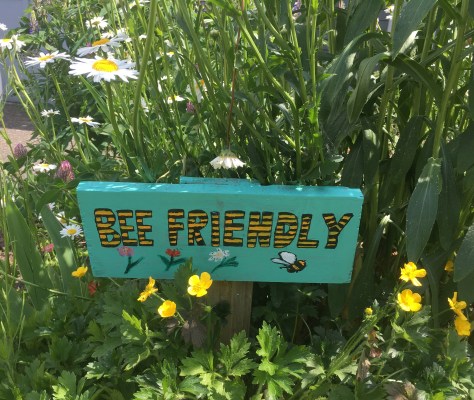
 This one is really useful for us. My kids love to make signs and last year we made some for the garden.

Bee Friendly sign

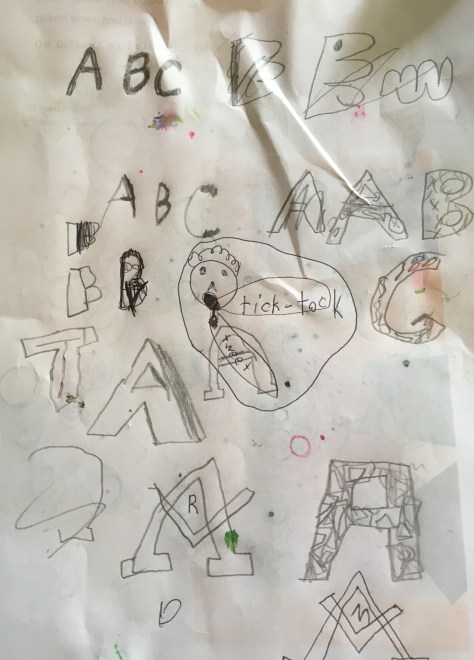
Lettering isn’t always easy without a stencil but this book has given us inspiration to try new ideas and enhance what we have already tried. My 8-yr-old looked through the book and was a little confused as to how we could use it. We went through it together and I explained that the book shows you how to make different fonts step by step and how to add designs to create your own. She tried out a few in black and white to experiment.

hand lettering


Mom & Me Art Journal

This full-color art journal for mums and kids to colour and draw together in is designed to be a sharing experience. Mum and child can write each other letters, draw what scares them, imagine what they want to be when they are grown up, color a scene using only one favorite color, whatever their imaginations lead them to.

Mom and Me: An Art Journal to Share is filled with fun hand-lettering and artwork from Bethany Robertson along with creative prompts from licensed art therapist Lacy Mucklow. Mucklow offers up the best ways to communicate with a child through creating together; how to start an open conversation with your child; questions you can ask that will help generate thoughtful responses; and how to tailor the quality time so it’s still fun and engaging for your child.

I love the concept of this book and the activities inside are really well thought out. My 8-year-old said she couldn’t wait to share it with me.  If I could change anything, it would be the title. Aside from my purely personal dislike of the word mom, I feel that this book is excluding dad’s thus I would have liked it to have been entitled Parent & Me. Perhaps there is a dad version on the way?

The book is designed to be used flexibly.  Topics may be chosen based on issues encountered within your family or simply as a springboard for talking.  Children often find it easier to express feelings through drawing or writing, so the book encourages parents to share experiences together. There is no right or wrong way to use the book. As a mother of 3 children of different ages and very different needs, I think I would spend time individually with each of them but also copy the pages and work with all 3 of them together so we could share different points of view. I also think this might encourage teenagers who might not want to share, as they guide and support their younger siblings.  In a similar way I think some of the activities would work really well in a classroom.

The section on feelings has activities like drawing what makes you happy, sad and angry. These could be appropriate for any age group. Some activities, like drawing your inside and outside self  may be a little abstract for younger children or may need illustrative examples and discussions to explain. Allowing time to talk and share ideas is an important element to this book as I feel some of the concepts are difficult to express, particularly  the in the moment section. I would start with feelings and/ or imagination, particularly with children who worry about presenting their ideas.

What is That White Stuff Flying Around? Co-constructing Knowledge, Sustained Shared Thinking and Seeing the World Through a Child’s Eyes.

Disclaimer the links to books referenced in this post, contain Amazon Affiliate Links.

Many years ago, I attended a training course where we were encouraged to follow the acronym OWLS in our teacher-child interactions.  OWLS stood for

Observe

Wait

Listen

Speak

Children are naturally full of curiosity. Sometimes questions are asked as a way of thinking out loud and sometimes asked directly to obtain an answer from an adult.  In both scenarios, if we follow OWLS we will discover a great deal about the children’s way of thinking and enable them to provide their own hypotheses.

If we are to support, rather than limit, children’s developing understanding, we need to allow them to help us recapture some of the wonder and innocence we have lost and to gain insight into their struggles to make sense of what is often a confusing and worrying world. Teaching is not about imposing our views, concerns or values on others. It is about enabling children to carry out their own investigations and draw their own conclusions. (Margaret Edgington – The Nursery Teacher in Action)

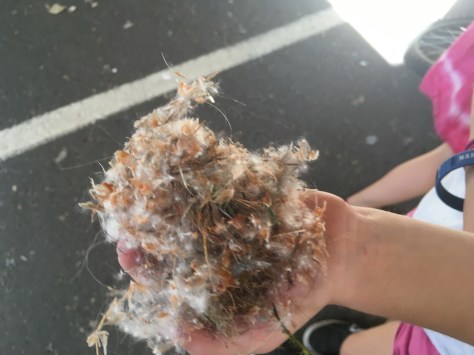
My children watched the fluff flying around the playground and wondered what it was. I’m not sure if they wanted a direct answer from me or a means of discussing possibilities together. I took it as the latter and listened to their thoughts.

The children used their existing knowledge about fairies, clouds, snow and cushion fillers to create hypotheses.  They also borrowed ideas from the familiar story Cloudland by John Birningham to create a new story. Their answers could be a springboard to a project where the children create worlds, stories and characters involving the mysterious fluff.

Jerome Bruner explains that when we see children as thinkers, understanding is fostered through collaboration and discussion. The child is encouraged to express their views to achieve a meeting of minds with others with different views.

As the discussion ensued, the girls used their senses to explore the material and build on what they already know about the world  to find answers. My role was to build an exchange of understanding between the two children and myself, to find the roots of the children’s systematic knowledge.


As we turned the corner we found a clump of the fluffy stuff.

IMG_1376


The children began to construct even more elaborate stories, connecting with worlds they had previously imagined.

Encouraging these moments to develop into projects is described by Carolyn Edwards in The Hundred Languages of Children. She describes the role of the teacher in Reggio Schools.

The teachers constantly pay close attention to the children’s activity. They believe that when children work on a project of interest to them, they will naturally encounter problems and questions they will want to investigate. The teachers’ role is to help the children discover their own problems and questions. At that point, moreover, they will not offer ready solutions but instead help children to focus on a problem or difficulty and formulate hypotheses. Their goal is not so much to facilitate learning in the sense of making it smooth or easy, but rather to stimulate it by making problems more complex, involving or arousing. They ask the children what they need in order to do experiments – even when they realise that a particular approach or hypothesis is not “correct”. They serve as the children’s partners, sustaining the children and offering assistance, resources and strategies to get unstuck when encountering difficulties – Carolyn Edwards.

I wonder how many rich learning opportunities are missed in our school system because there isn’t time to slow down and teach in this way? Perhaps, all the more reason to share these experiences with our children when they are at home.

The children went on to discuss the ‘fluff’ with their friends. One friend told them it comes from a tree and they thought it was Dogwood.  The next question was ‘What is a dogwood tree?’. This will be the next step in their discoveries.

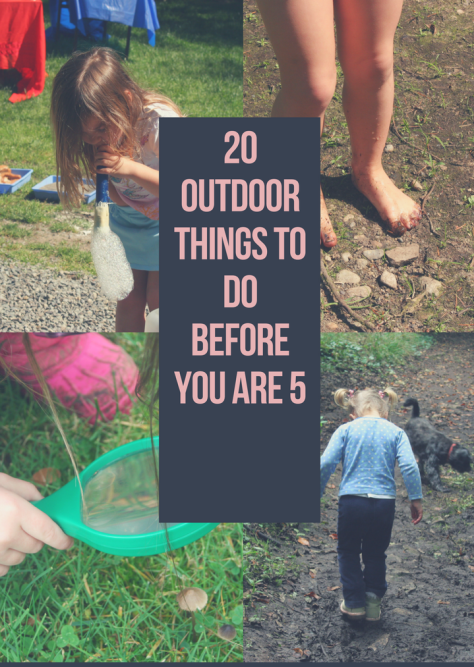
20 Outdoor Things to Do Before You are 5


outdooe pin.pngThese Ideas were originally written for Parentmap in 2013
When my eldest daughter was working through the National Trust’s list of ’50 things to do before you are 11 3/4′.  I was inspired to create a companion list for my younger children.  Some of the challenges on the National Trust list, like picking wild blackberries were easily completed by young children but I felt a list of basic foundational outdoor experiences for babies, toddlers and preschoolers could work alongside it.

I realise that we are fortunate to live in a house with a garden and nature all around us but I tried hard to make the experiences accessible to all, in all weather and without an outdoor space at home. There are many amazing things that young children can experience outdoors, these are the ones I believe are essential .
20 things to do before you are 5.   

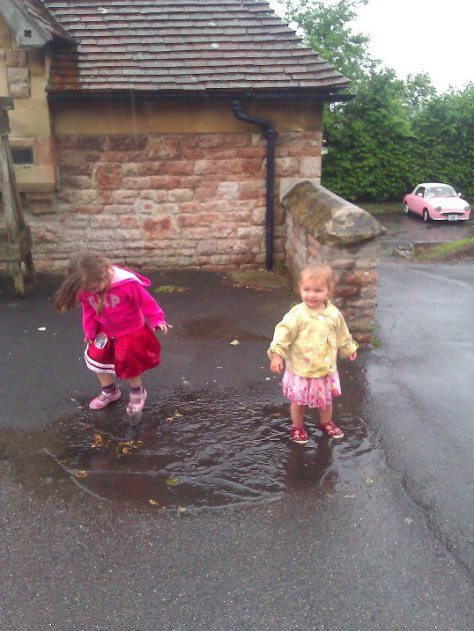
  1. Splash in a puddle:  Put on your rain boots and/or waterproof trousers and splash in puddles large, small and muddy.puddles
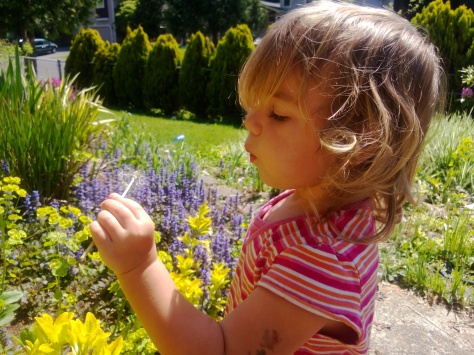
  2. Blow a dandelion clock : counting out the hours of the day as you blow

    blowing a dendelion clock
    child blowing a dandelion clock
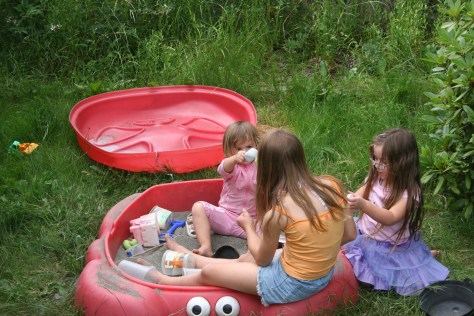
  3. Play in sand: In a sand box, at the park or at the beach. Playing with sand needn’t be limited to building sandcastles. Explore wet and dry sand, fill containers, hide things in the sand, draw in it with a stick or make a dinosaur swamp.

    sand play
    Sand play
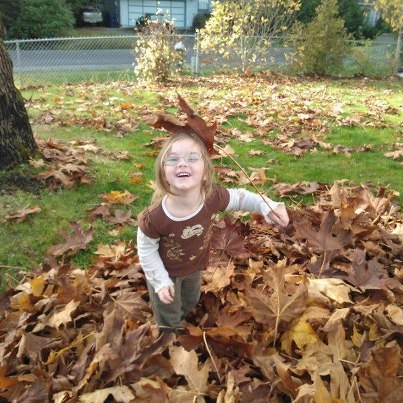
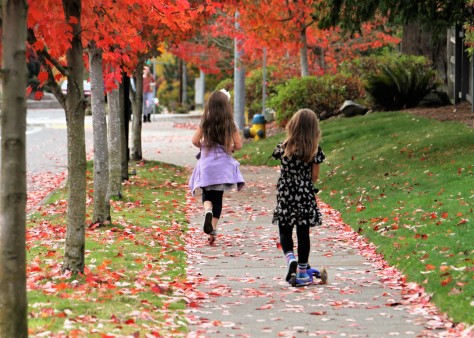
  4. Walk through crunchy autumn leaves: You could also catch some from the trees as they fall, take them home and print with them or make a crunchy collage.autumn leaves
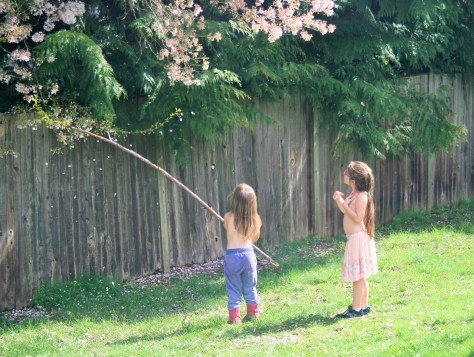
  5. Catch blossom from a tree.blossom
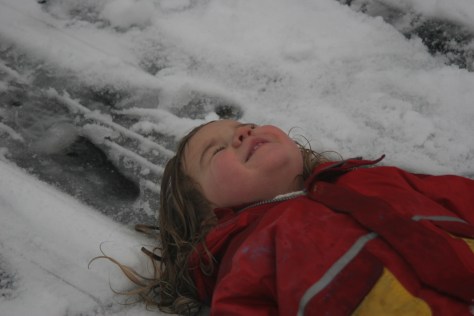
  6. Play in the snow:  If snow is thin on the ground head out to a snow park or if you live in a country where you don’t have snow, set up some icy play in the sunshine.

    lying in the snow
    I just want to lie in it
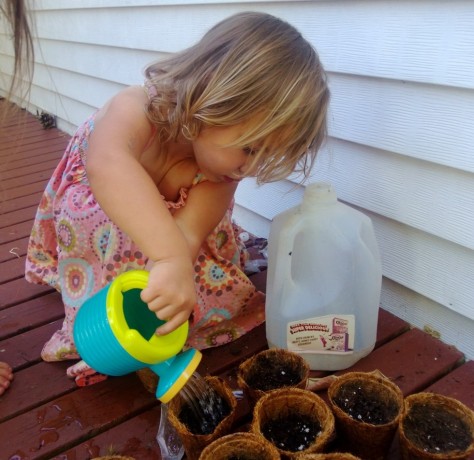
  7. Grow a flower from a bulb or a seed: Guess the colour of the flower that will grow or grow a tall sunflower and measure it as it grows.WP_20130718_004 (2)
  8. Ride a tricycle, bicycle or scooter.IMG_0513
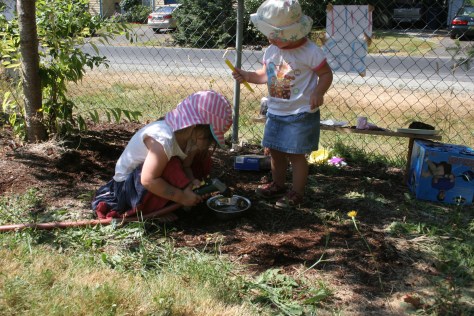
  9. Make a mud pie: You could even build a mud kitchen using old pans and kitchen utensils.mud kitchens
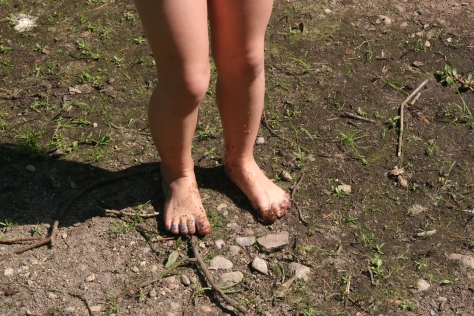
  10. Walk barefoot on grass, mud or sand: Walking barefoot helps children to balance and strengthens muscles in the foot. It is also a great way to stimulate the senses and talk about different textures.IMG_0615
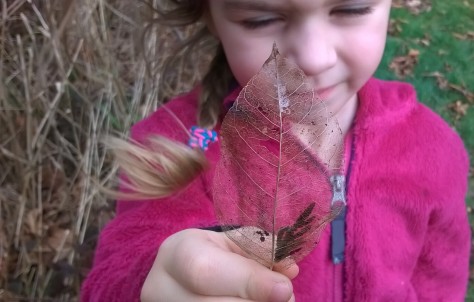
  11. Collect natural materials from the woods, beach or park: Collect shells, leaves, pinecones or seeds. Put double sided tape on a pair of boots or a hat and help the children collect items to stick on. Use them to make pictures, sculptures or for small world play.skeleton leaf
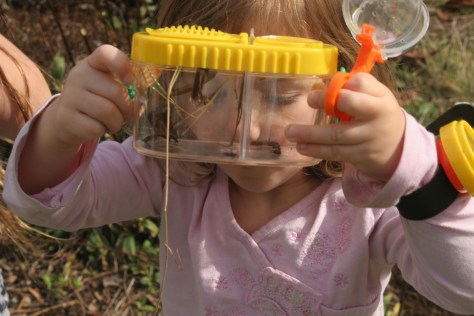
  12. Go on a bug hunt: Dig for worms, look in dark places or watch spider webs wet with dew.

    bug hunting
    I found a beetle.
  13. Play with a stick: Sticks can be swords, fairy wands or pencils. We have a huge collection outside our front door as our only rule is ‘No sticks in the house’.

    Y sticks
    Let’s see how many ‘Y’ sticks we can find.
  14. Go for a walk in the woods.
  15. Paddle barefooted in the ocean, lake or stream: If your budget or location doesn’t allow you to get to the seaside, lake or stream, paddle barefooted in a puddle.paddling
  16. Play Pooh sticks.pooh sticks
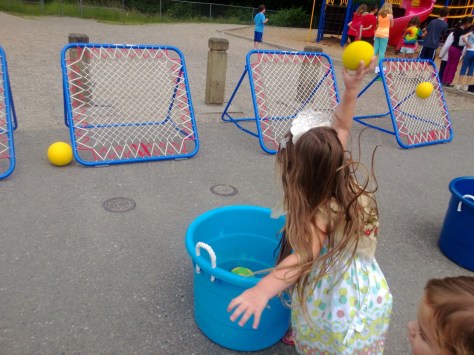
  17. Throw and kick a ball: Start with large balls and as children get older experiment with different shapes and sizes.

    fairground games
    Throw the ball at the trampoline and see if you can bounce it into the tub.
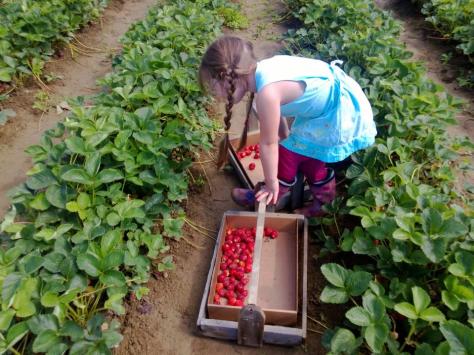
  18. Go fruit picking: At a farm or pick wild berries in the woods or park.strawberry picking
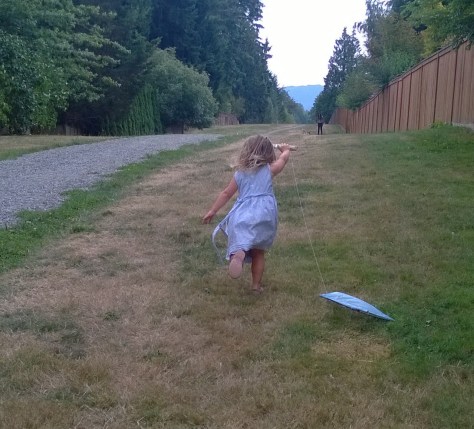
  19. Run in an open space.kite(1)
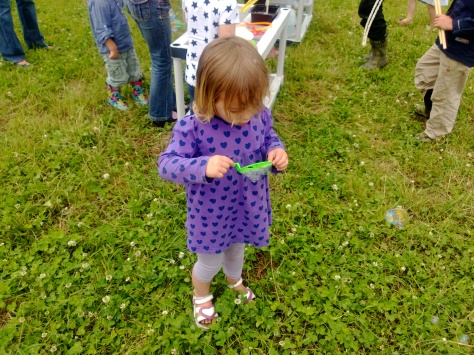
  20. Chase and blow bubbles.
    dr mazes farm
    small bubbles

    My little ones are over 5 now but still their favourite thing to do is climb the tree in our front garden,  make a mud pie or potion (my 8-year-old carried a pot of gooey mud home from school yesterday) or collect and create with sticks, petals and stones.

What would be on your list?


Scrap Workshop:What do children learn from playing with boxes and scrap materials?

Scrap Workshop cover

One of my favourite workshops to lead at a local play centre was scrap workshop.

I liked it because it was suitable for all ages, it was a natural extension to my heuristic play workshops with toddlers and it gave children the freedom to develop both creativity and skills.

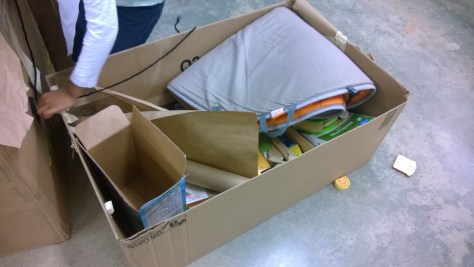
We collected all kinds of scrap materials, large and small and displayed them in separate containers.

Examples of materials

  • boxes
  • tubes
  • plastic containers
  • fabric
  • pipe cleaners
  • beads
  • shells
  • pinecones
  • bottle tops
  • straws
  • netting

Sometimes we would give the children a project

  • make something that moves
  • make something that makes a sound
  • build a replica of the Mayflower

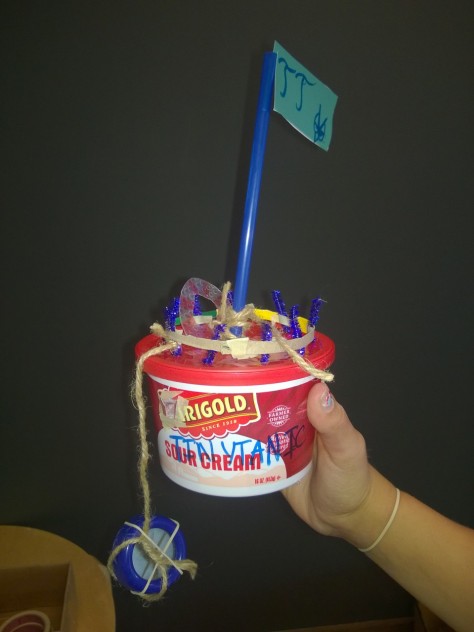
junk boat

or a problem arising from a project or book

  • invent something to help Rapunzel get out of her tower
  • Can you build a house that can’t be blown down
  • How could you be rescued from a desert island?

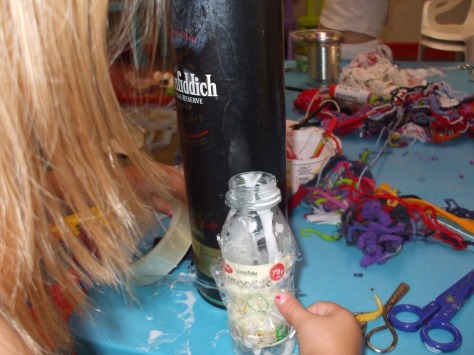
but best of all we would make sure there was plenty of tape, string, scissors and markers and let them create and explore.

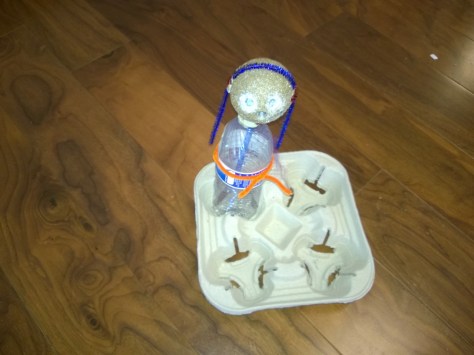
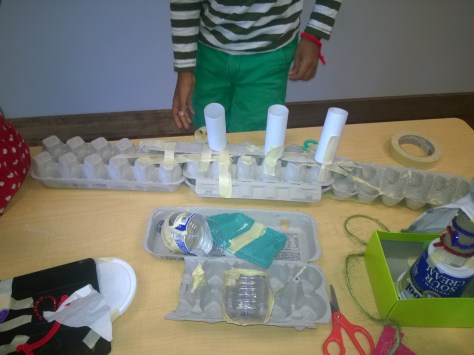
Sometimes they worked on small projects

WP_20140730_012

a boat with an anchor

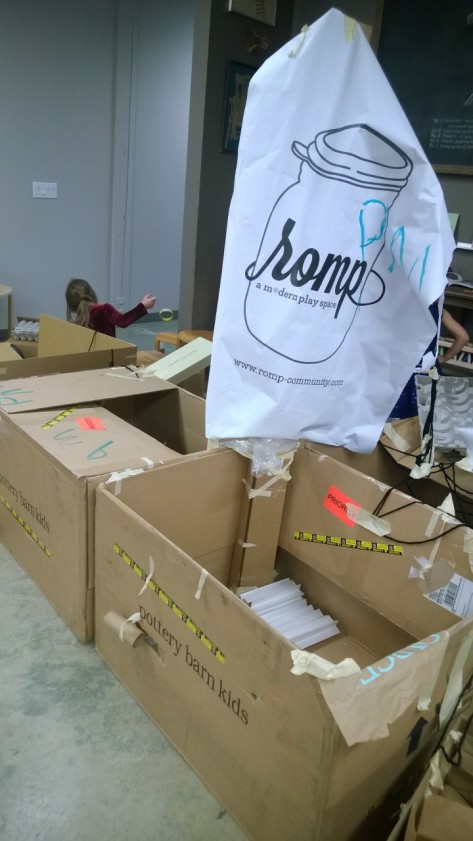
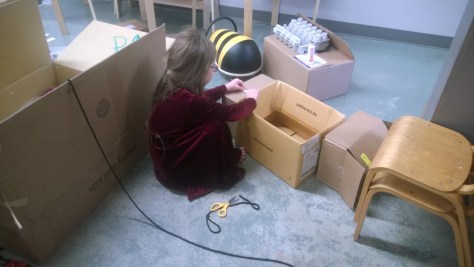
or larger group constructions

building a boat

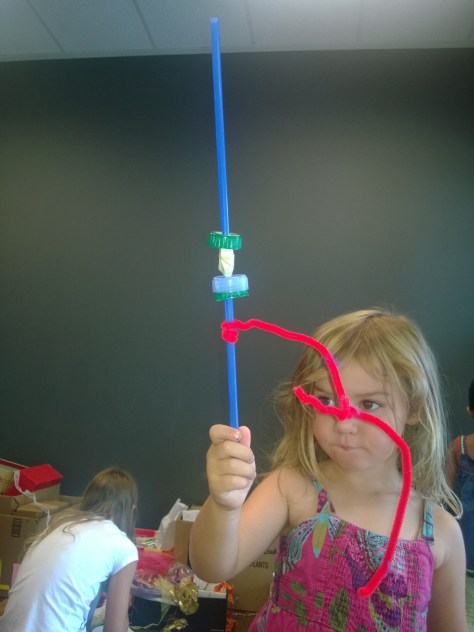
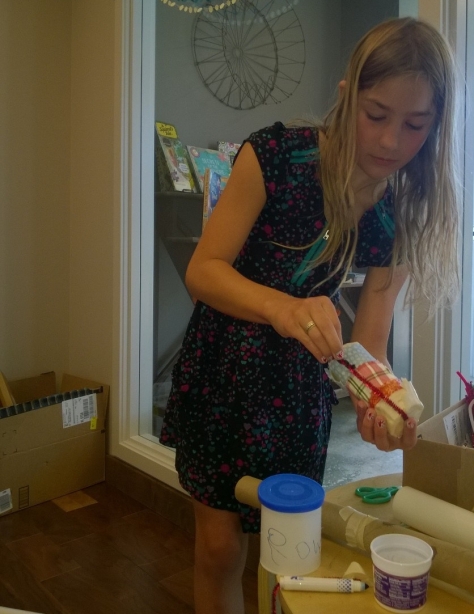
they practised threading

WP_20140820_002

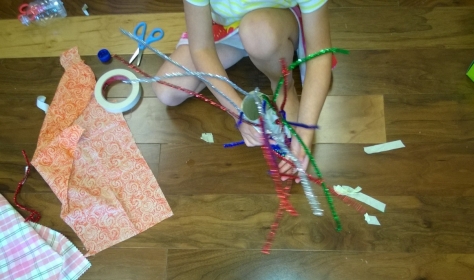
and joining

scrap workshop

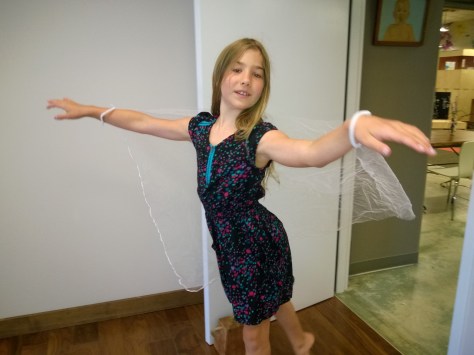
made things for dramatic play

wings

and problem solved

‘ When children engage with people, objects, ideas or events they test things out and solve problems.  They need adults to challenge and extend their thinking. (EYFS 2008 – Active Learning).


scrap workshop
How can you balance 3 boxes without them breaking?
They made choices

Provide flexible resources that can be used in many different ways to facilitate children’s play and exploration’  (EYFS 2008 – Supporting every child).


joining parts of the boat

and tested strategies

WP_20140730_009

they discovered how two different materials could work together

‘ Every child’s learning journey takes a personal path based on their own individual interests, experiences and the curriculum on offer.’ (EYFS 2008 – Supporting every child.)


WP_20140820_004

and nobody asked them “What is it?”

Active learners need to have some independence and control over their learning to keep their interest and to develop creativity.’ (EYFS 2008 – Active Learning).

WP_20140730_013

They worked at a table

WP_20140730_011

or on the floor

WP_20140730_006

and made discoveries using all of their senses.


An open-ended project like this gives plenty of opportunities to observe and work alongside children, guiding them towards their next steps and sharing ideas together.

’ When children have opportunities to play with ideas in different situations and with a variety of resources, they discover connections and come to new and better understandings and ways of doing things.  Adult support in this process enhances their ability to think critically and ask questions’  (EYFS 2008 – Creativity and critical thinking)


filling and emptying

This child wasn’t interested in joining pieces or making anything. They explored filling and emptying.

scrap workshop

This child wrapped and wrapped their construction with tape.  They went on to wrap their hands with string. We provided them with materials they could explore wrapping in more depth – paper sheets, tape, string, ribbons , blankets, paper strips with tubes, poles, boxes, and table legs wrapped in string.

‘ Children need and will respond positively to challenges if they have a good relationship with the practitioner and feel confident to try things out.’ ( EYFS 2008 – Supporting learning).

The children were able to work in mixed ages. The youngest children were 2 and the oldest 10. All the children enjoyed the workshops and learned from and supported one another.

‘ In their play children learn at their highest level’  (EYFS 2008 – Play and Exploration).


Heuristic Play: Activities for Toddlers

TextPicture20170414_1225

I am often asked to suggest art and craft ideas for toddlers. A toddler is not interested in making a product, they enjoy exploratory activities, where they can move around.  I suggest sensory experience where they can use their whole bodies. This might be using art materials like clay or paint but can just as easily be other sensory materials, like ice, water, bubbles, goop, sand or natural materials. I have a sensory play Pinterest board if you are interested in more ideas (I’m happy to have new contributors too, post a comment if you would like to be added).

Another great activity to encourage toddler exploration is heuristic play.

Treasure Baskets (Heuristic Play for Babies)

Treasure baskets are sturdy baskets filled with safe, natural and household objects, which stimulate a baby’s natural curiosity, through their senses.  They are presented to babies to explore from the time they are able to sit. The baby removes things from the basket to investigate the properties of the objects using their hands, mouths and eyes and ears .  The adult’s role is to sit near the baby to offer comfort or support when needed.  Treasure baskets could follow a theme like metal objects, wooden objects or black and white objects. You could choose things your baby is naturally curious about or try new objects.  Always check the safety of the items, make sure they are not small enough to be swallowed, can’t trap little fingers and look out for parts that could break off. Also choose things that can be easily cleaned or replaced at little cost

Suggestions for objects to place in treasure baskets

  • a lemon, lime or orange
  • natural sponges
  • wooden spoons
  • tins with lids or tape the lid down and put something inside to make a sound.
  • empty crisp packets
  • wooden or metal egg cups
  • napkin rings
  • a soft blanket, cloth or scarf
  • large shells
  • A string of large beads
  • laminated photographs
  • a pumice stone
  • large corks
  • wooden nail brush
  • shaving brush
  • small boxes
  • wooden bowls
  • bunch of keys
  • powder puff
  • lavender bags (or fill with other herbs).

What is Heuristic Play?

When young children begin to walk and gain independence they are driven by a natural curiosity and urge to handle things and find out what objects can do.  How often do we find ourselves asking them not to touch, finding that they have pulled things out of cupboards, emptied containers or posted raisins into the DVD player? Heuristic play allows toddlers to freely discover how things work, exploring concepts like posting, stacking and sequencing.

Heuristic Play offers children an opportunity to play freely with a large number of different objects and receptacles in a controlled environment without adult intervention (unless the child requests it). The term was coined by Elinor Goldschmeid and Sonia Jackson – heuristic coming from the Greek word ‘eurisko’ meaning to discover or gain an understanding of.

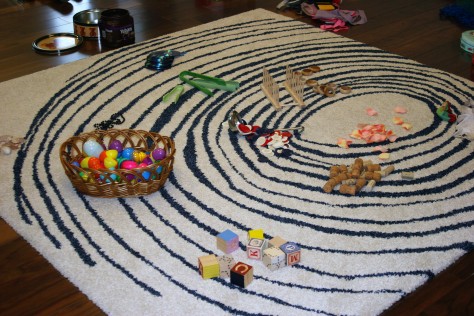
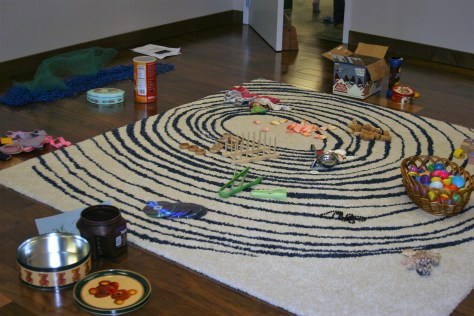
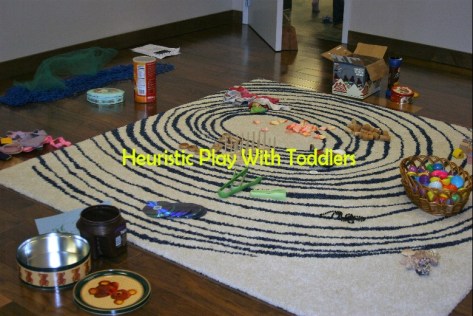
During a toddler session a variety of multi sensory materials (not toys)  are spread around an otherwise empty room, free from all other distractions. Each child is given a selection of containers with which to explore.

heuristic play

The Adults Role

The adults sit quietly around the outside of the room so as not to distract the child’s natural exploration,  they do not direct the play in any way and only support the child if they come to them for help, are distressed or they sense that their child has had enough.

At the end of the session children help to sort the materials putting them back in their correct bags with the support of the teacher. Objects are stored in labelled drawstring bags, for easy storage.

playing with loose parts
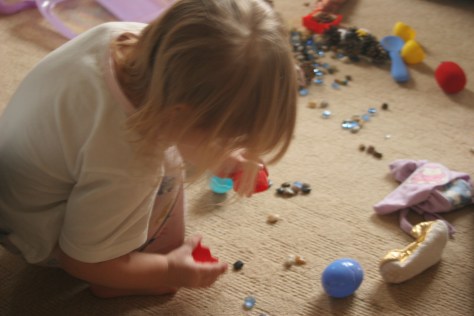
filling eggs with stones and glass beads.

We do not call this ‘tidy up time’ as this is an abstract concept; instead it is merged into part of the experience.

How Do the Children Benefit?

There are many benefits to play of this kind :-

  • Children will be engaged in self-discovery and test hypotheses
  • Cognitive development is strengthened by working out how things work and fit together
  • Develops fine muscle control
  • Develops hand/eye co-ordination
  • Encourages children to make choices
  • There is no right or wrong way to do things therefore it is therapeutic and fully inclusive
  • It sustains children’s natural curiosity
  • Children modify and change what they already know to gain new knowledge
  • Children become absorbed for long periods learning to explore without adult direction.
  • It supports children’s natural ways of learning through schemas.

toddler play activities

Materials I have used during heuristic play sessions

  • shells
  • pinecones
  • conkers
  • tins and boxes
  • poster tubes
  • curtain rings
  • poker chips
  • kitchen roll holders
  • the insides from sticky tape
  • scarves
  • handbags
  • ladles and large spoons
  • plastic fillable eggs
  • baskets
  • cd’s
  • socks
  • strings of beads
  • wooden blocks
  • jam jar lids
  • cotton reels
  • pegs
  • ribbon
  • bunches of keys
  • corks
  • ping-pong balls

 Is Heuristic Play the Same as Loose Parts?

Not really, although they are clearly related.  The main difference is heuristic play is a deliberate attempt to engage children in exploratory play by putting the materials in a room free from all other distractions.  Also the goal is for the children to explore without adult intervention.  In loose parts play the objects are usually part of the pre-school environment and can be used in any way to enhance all aspects of play, the adults normally engage with the children to develop sustained shared thinking.  Children engaged in loose parts play will often explore many of the characteristics of heuristic play and vice versa but they are similar, not the same. Heuristic play will naturally evolve into loose parts play as the children become older.