For those of you who aren’t familiar with the term loose parts, check out my post on the theory of loose parts. In simple terms, loose parts are moveable objects that can be used to create, explore and discover.
Educators often collect loose parts for their environments. Collections include buttons, feathers, beads, coins, shells and seeds. Loose parts are added to clay and dough, left in baskets around the room, used for weighing and measuring, to create art, on light and mirror tables and added to block play. I think though, that sometimes educators over-complicate loose parts. We get so excited about the different things we can provide for the children and the beautiful ways we can present them, that it is easy to forget the true essence of the theory of loose parts.
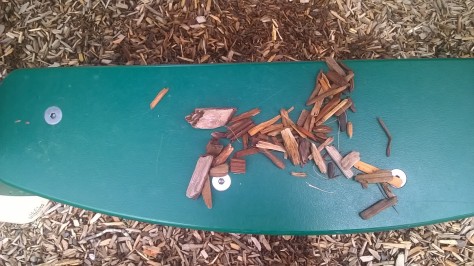
I was reminded as I played with my daughter at the park, that loose parts are everywhere. If we as educators don’t provide loose parts, the children will find them. A brick will become a piece of food, a calculator is a telephone, a sheet will become a cloak or torn paper will be money. Playing with loose parts is the way I played as a child, playing shops with empty boxes or filling empty bottles with leaves, petals, dirt and water. For the child, loose parts are everywhere, they probably don’t call them loose parts but they will find them.
For me the theory of loose parts is an attitude to how children play. It is an acceptance that children may use what is in their environment and make their own choices about what to do with it. Materials do not have to be displayed or stored beautifully, they simply need to be there. The following video illustrates children’s natural ability to find and use loose parts creatively.
I believe that sometimes we try too hard to arrange things for our kids to do and it is important to let them be. There are however, some things that I feel we should introduce our children to. The simple pleasures that we had as kids, are sometimes forgotten and lost. If we are going to teach our children anything, lets preserve simple pleasures like these.
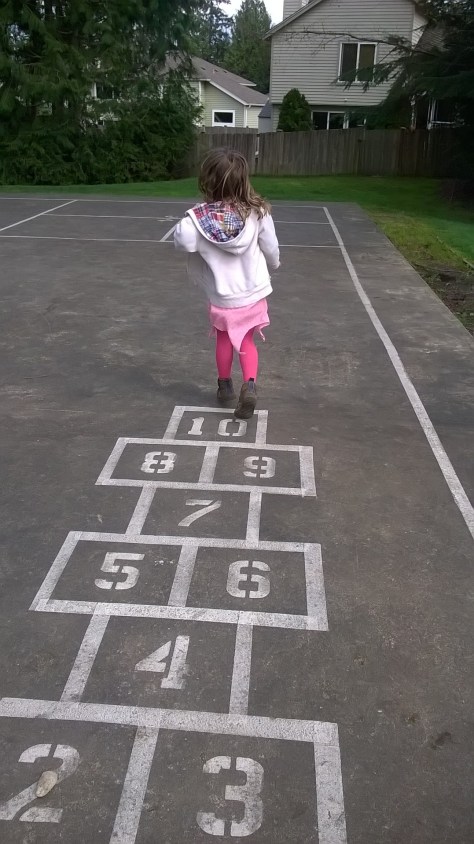
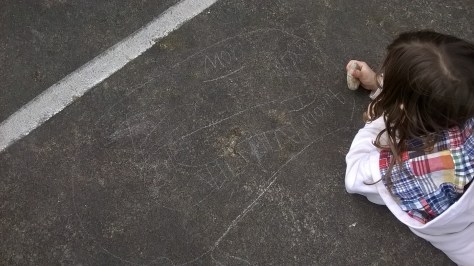
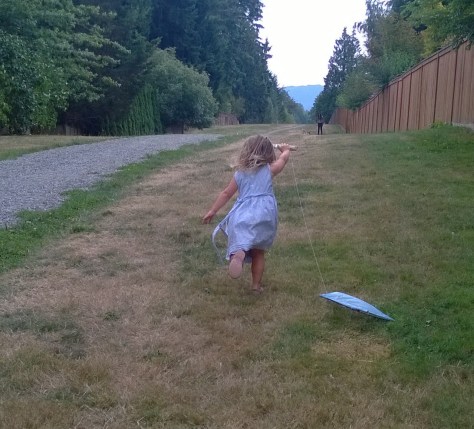
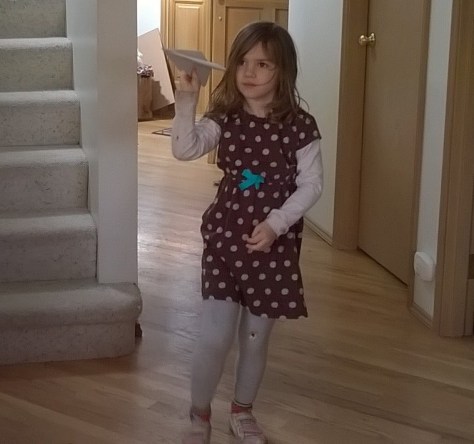
Pooh SticksLearning to play hopscotchChalking with a stoneFlying a kiteBlowing a dandelion clock
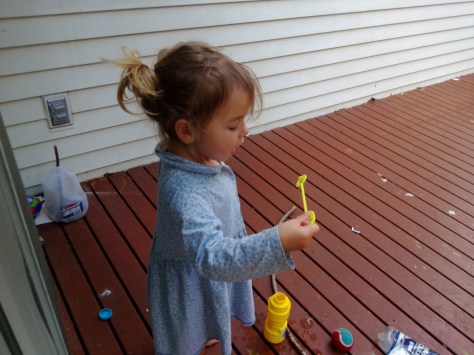
Blowing bubbles
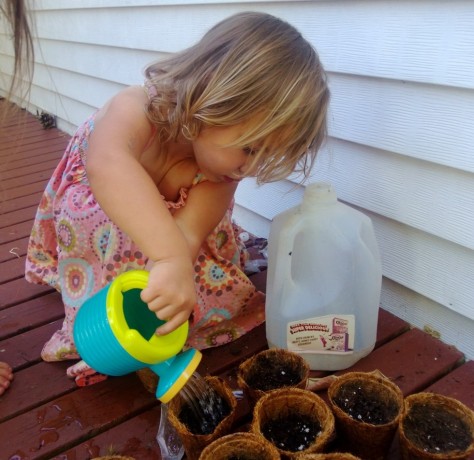
Planting seeds
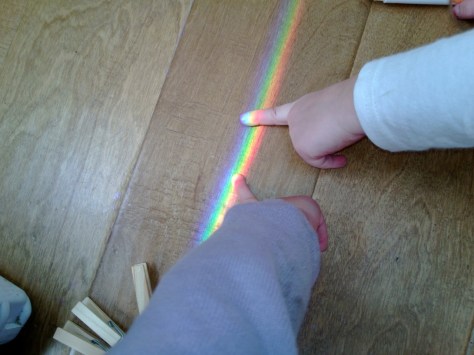
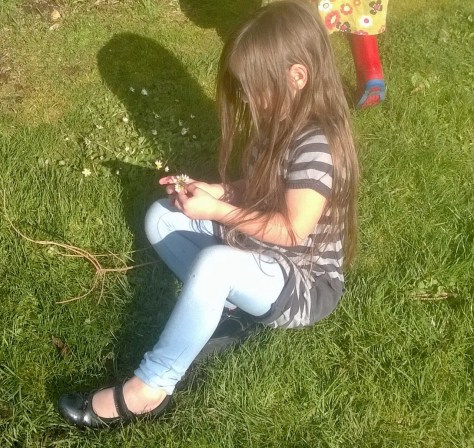
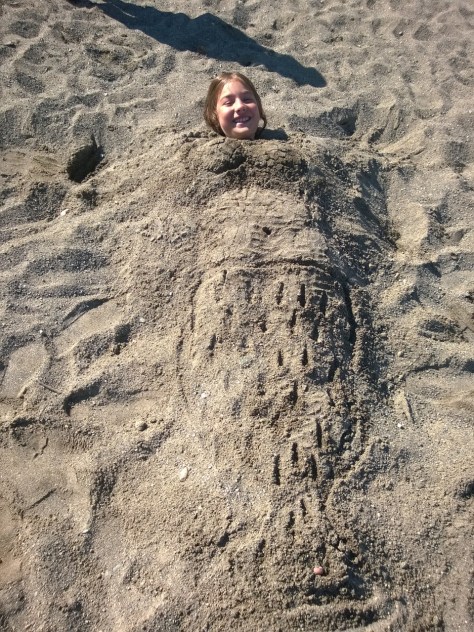
Making a rainbowMaking a daisy chainBurying yourself in sand.
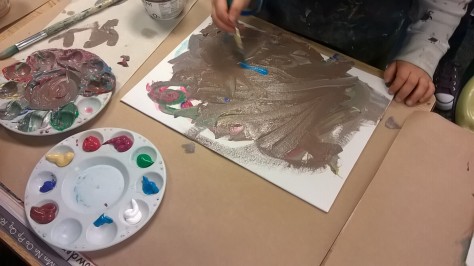
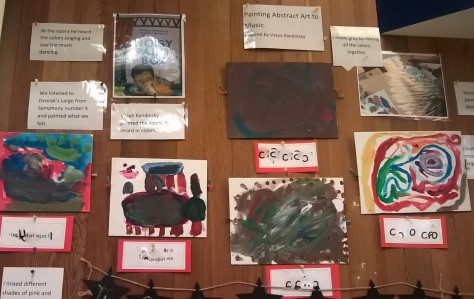
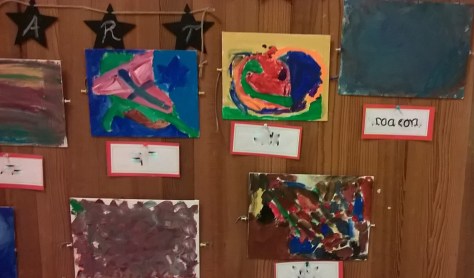
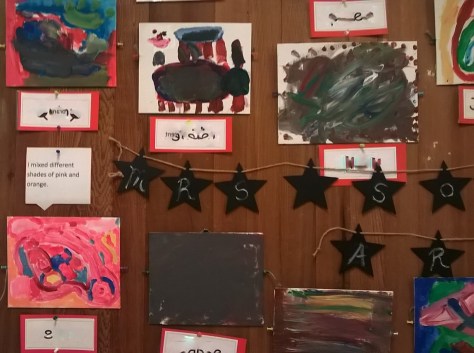
One way to ensure that you don’t end up with a wall of identical paintings is to introduce children to abstract art. We used the book The Noisy Paint Box: The Colors and Sounds of Kandinsky’s Abstract Art as a starting point. The book tells the story of Kandinsky’s ability to ‘see music’ and ‘hear paintings’.
I explained that abstract art is not about creating a particular thing but is about expressing how you feel.
Each child had a pallet of acrylic paints, 2 different sized paintbrushes, a canvas, a pot of water and paper towel to wash and dry the brushes. I showed them how to clean their brushes by washing it in the water and drying it with the paper towel.
The children began when I played the music – I chose a quiet piece to add focus, Dvorak’s Largo from Symphony no. 9.
Some children were engrossed in colour mixing, while others enjoyed layering colours one on top of the other. Some concentrated on texture and others focused on shape and colour.
The strong focus on process lead to an interesting discussion with the teacher after class. We lamented the lack of time children in Kindergarten and beyond, to experiment with paint and the impact this has on their motor development. I always feel my lessons should be in at least 2 parts, one for discovery and process and the another to create a product. I wish there was time for the children to practice skills and develop. My eldest daughter attends a school where the whole curriculum is taught through the medium of visual and performing arts – are there any creative elementary teachers out there doing the same?
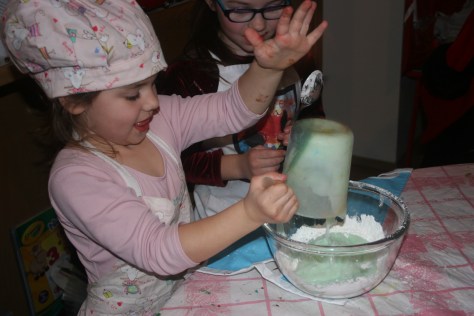
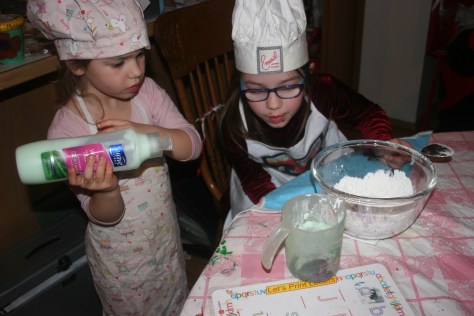
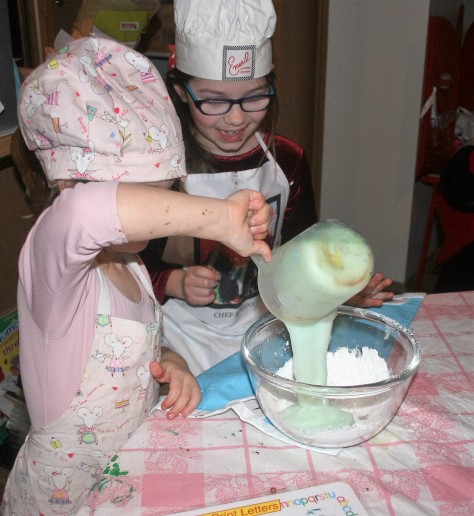
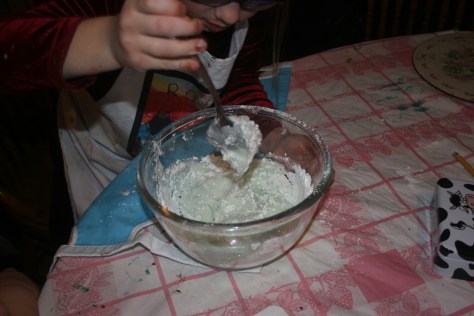
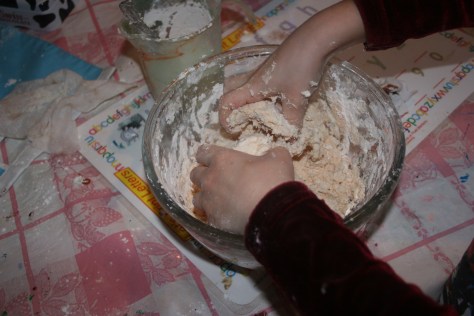
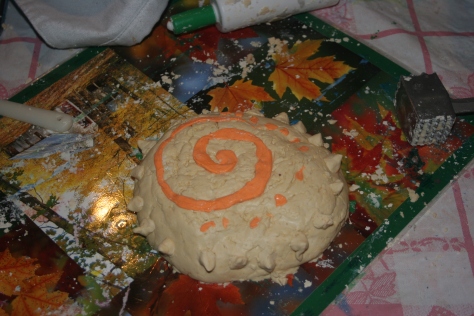
I am terrible at making play dough. For years I have experimented with all kinds of recipes, cold, cooked and microwaved but all of them turn out in a sticky mess within 24 hours. That is until a pre school teacher shared this simple formula with me. Mix 2 cups of corn starch/ corn flour with 1 cup of hair conditioner. Finally a recipe that works!
Feel your skin, it’s really nice and smooth.
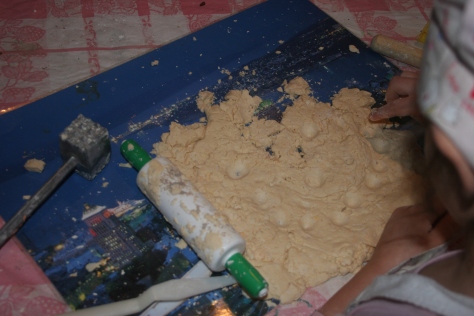
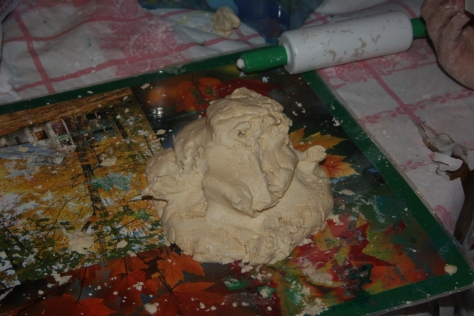
The texture is slightly less firm and more crumbly than standard play dough but it has a lovely silky texture and led to some interesting creations.
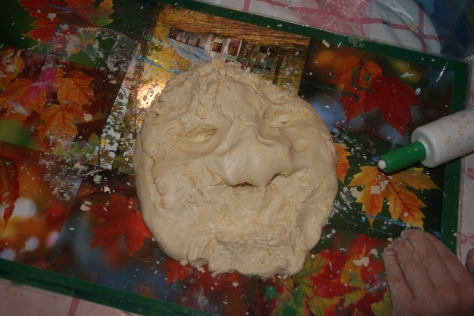
I made a face
Me tooThe first time I made a snowman, it was really good and then I noticed that it kept going down all the time. It’s like a melting snowman.
I added some silly putty to it to make this design
A few weeks ago I went for a walk to the park with my daughter. She likes to climb to the top of the climbing frame and play pirates. The game involves roaming the edges of the park for interesting treasures and on this day, she discovered big rocks. She proceeded to pick them up and roll them down the bank, watching them crash at the bottom. The only other child at the park was a little younger than my daughter and after observing her for a while, she found her own rock. She used all of her efforts to lift the rock and proudly show it to her mum. At which point, she was greeted with a look of horror and her mum quickly took the rock away and ushered her to ‘more suitable’ pursuits.
This kind of reaction is very familiar. When my children were toddlers, other parents would often ask me if my children were okay when they climbed a ladder and slid down the longest slide, as I observed from a distance. I have never been a parent to shadow my child’s every move and rarely feel the need to step in.
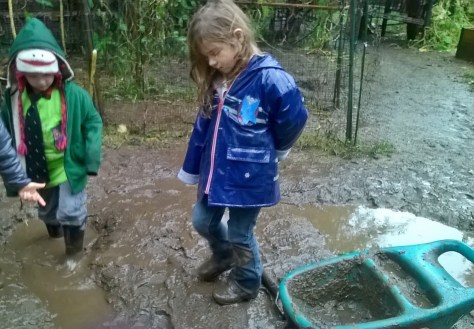
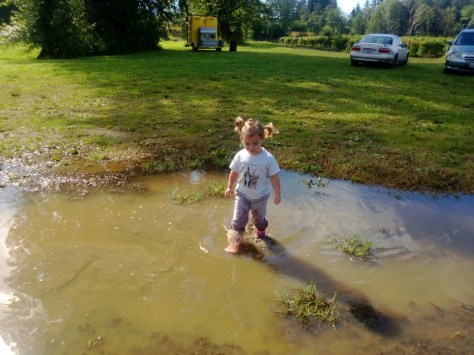
It is always refreshing to find a parent who shares my attitude. On a recent trip to the park with a friend, I was so happy to find someone who not only didn’t bat an eyelid when my eldest started paddling barefooted in the cold wet mud but actively encouraged the others to join in. When the children threw rocks on the ground to see if they would break , she gave them advice on how to do it safely, rather than stopping them because it was too dangerous.
You are my kind of mum friend because you let all these experiences happen.
It’s fun to stand on the roundabout, when we fell, we worked out how we needed to balance to stay on.
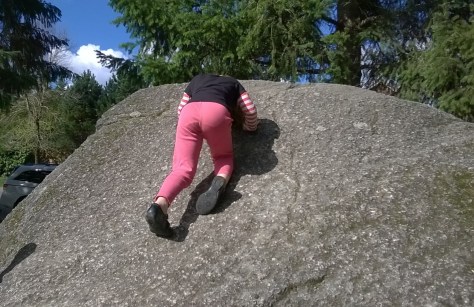
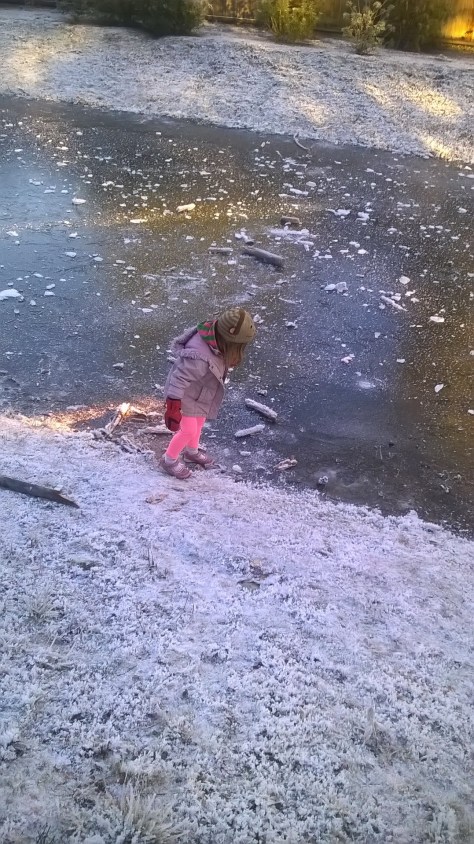
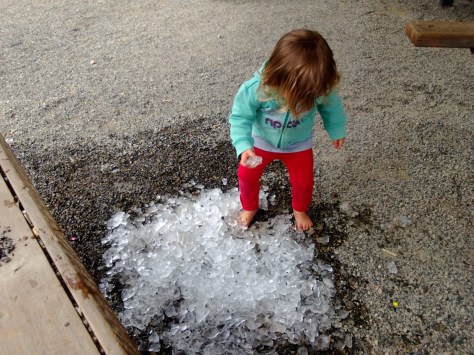
When you are 5 you can climb a big rock without any help.I can test the ice if I stand on the edge and throw sticks to see if it will break.
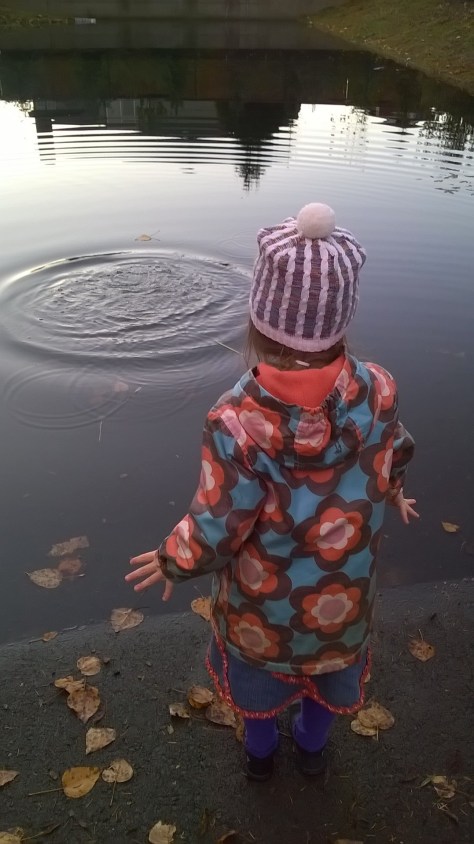
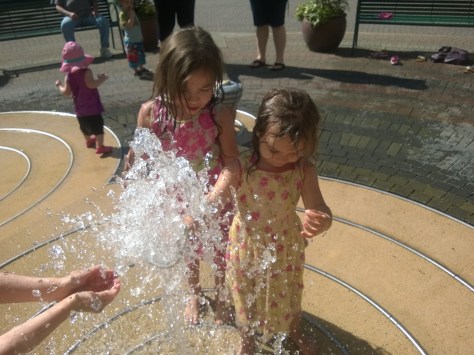
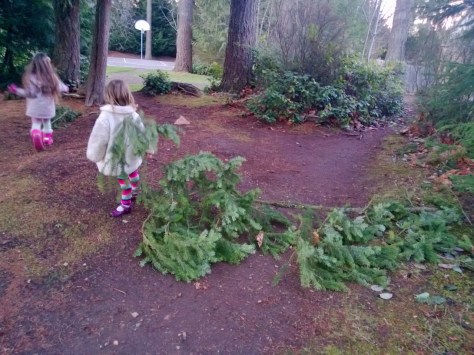
I explore the size of the ripples as I throw stones into the pond. If I get too close I might get wet and the water is cold!Mud is good – the squishier the better!We don’t need a swimming costume to get wet.Who can find the biggest branch?
Don’t tell me it’s cold, I need to feel it!Puddles are the best!
It’s okay to play – even when you’re almost 12.If I ride on my coat, I go faster.It’s okay to remove your shoes and coat when it isn’t quite Spring.
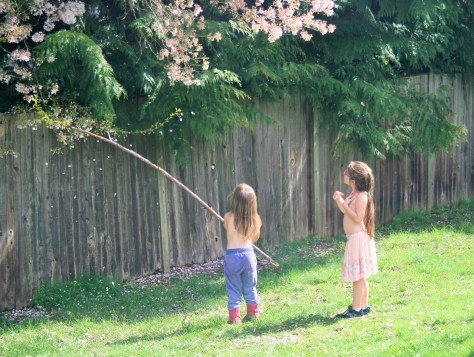
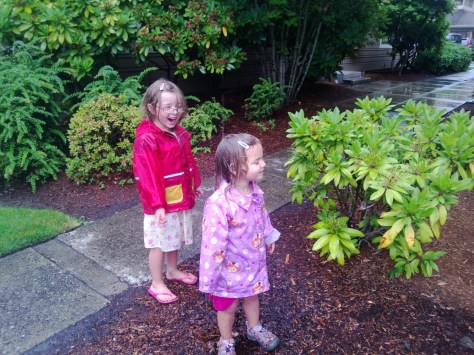
Take off your shirt and play with a stick.I’m going to have a shower. I’m getting very wet, now the rain is staying on me.
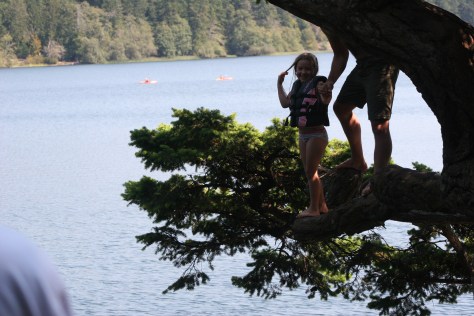
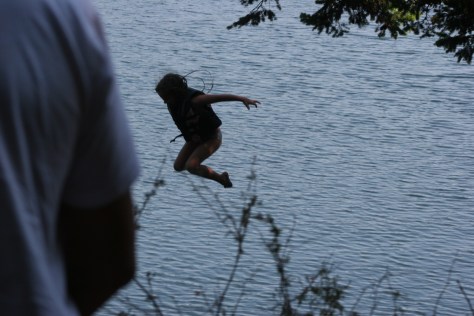
And when you let these things happen, with a little bit of support they will have the courage to jump.
Toy shop shelves are laden with toys claiming to be educational. For toddlers and babies, this usually means something noisy, requiring batteries. I have always held that there is little educational value in such toys. In my experience children play with them for a short period of time before moving on to something else.
Alison Gopnik discusses the manner in which children experiment with toys in her book the Philosophical Baby. A toy that worked by moving levers was presented to a group of 4-year-olds. The adults demonstrated to the first group, how it worked, while the second group were left to work it out for themselves. The second group spent significantly more time playing with the toy than the first, who quickly abandoned it once they understood its function.
Another recent study led by Professor Anna Sosa of Northern Arizona University focused on children between the ages of 10 and 16 months old. She gave families three different kinds of toys to play with; books, traditional toys like stacking blocks and electronic toys. The toys that stimulated most conversation were books, closely followed by blocks. The families playing with the electronic toy shared very little conversation, allowing the toy to do the talking for them.
If you are considering which toys to buy for a young child, these points may help.
The most important resource we can give to babies and toddlers is ourselves. Spend time playing tickling games, singing to them, playing rhyming games, blowing bubbles or rolling a ball.
Other suitable toys for babies and early toddlers include small musical instruments for exploring sound ( saucepans, spoons and homemade shakers work equally well), a treasure basket or board and cloth books.
Think about toys that they will play with for a long time. The best toy investments for our family include magnatiles, wooden blocks, paper and pencil, a magnetic drawing board and play food.
Toys do not need to be expensive. Children can have hours of fun with a balloon, pot of bubbles, home-made play dough or a cardboard box.
The infographic below has many more developmentally appropriate ideas for play.
As an early education consultant, today is a momentous day. Tomorrow is my youngest daughter’s 5th birthday and so, after 11 and a half years, this is the last day I will have children under 5.
A few years ago I looked forward to the day when my children would be growing up but today I am a little sad for all the things I will miss.
Their chubby little faces and hands
2. Watching them play
3. Cute drawings
4. Messy faces
Finished!
5. Thumb suckers
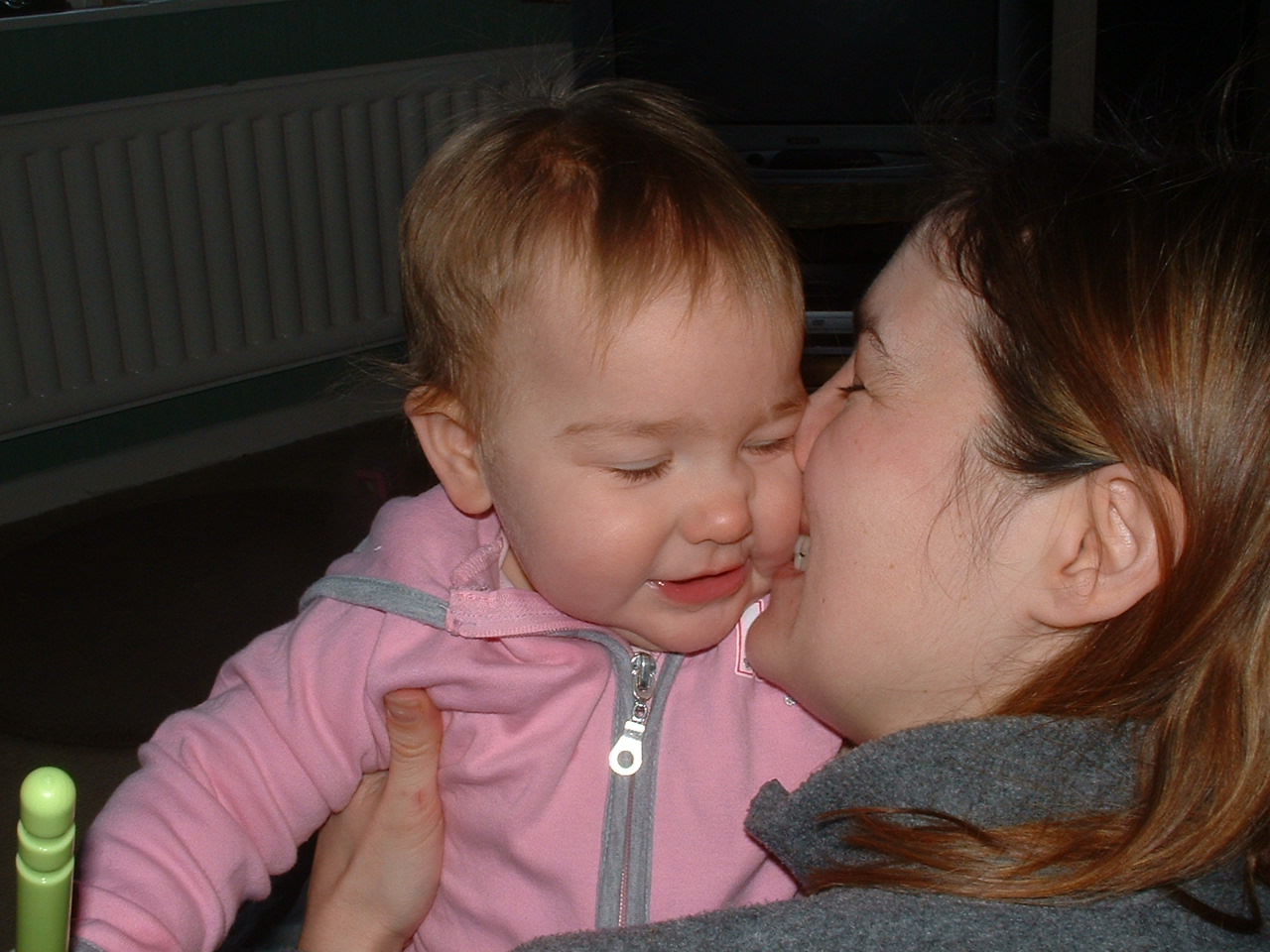
6. Kisses, cuddles and holding hands
7. Having a constant companion
8. Learning to sing
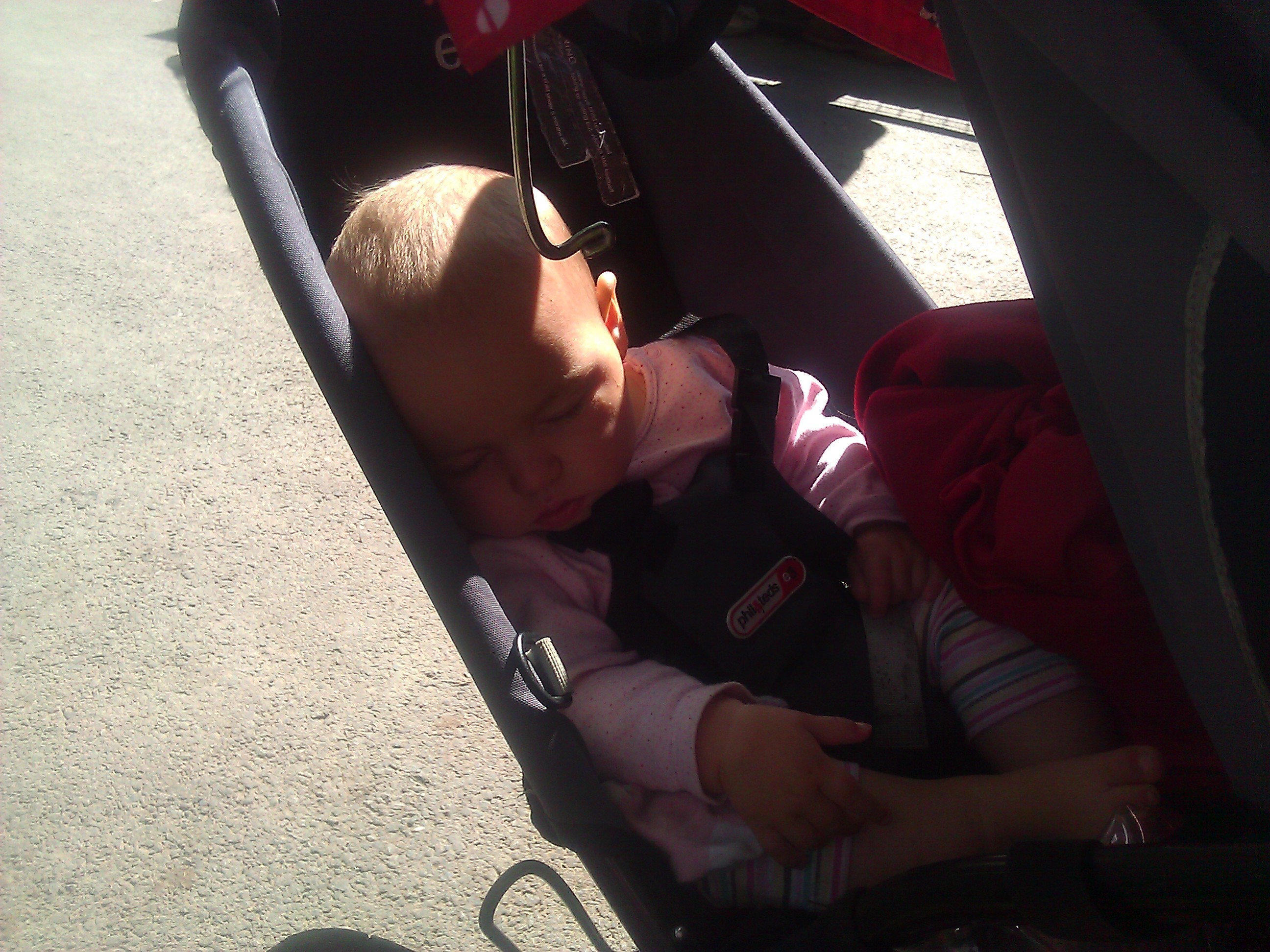
9. Sleeping babies
Had enough now mum
10. Everything about this
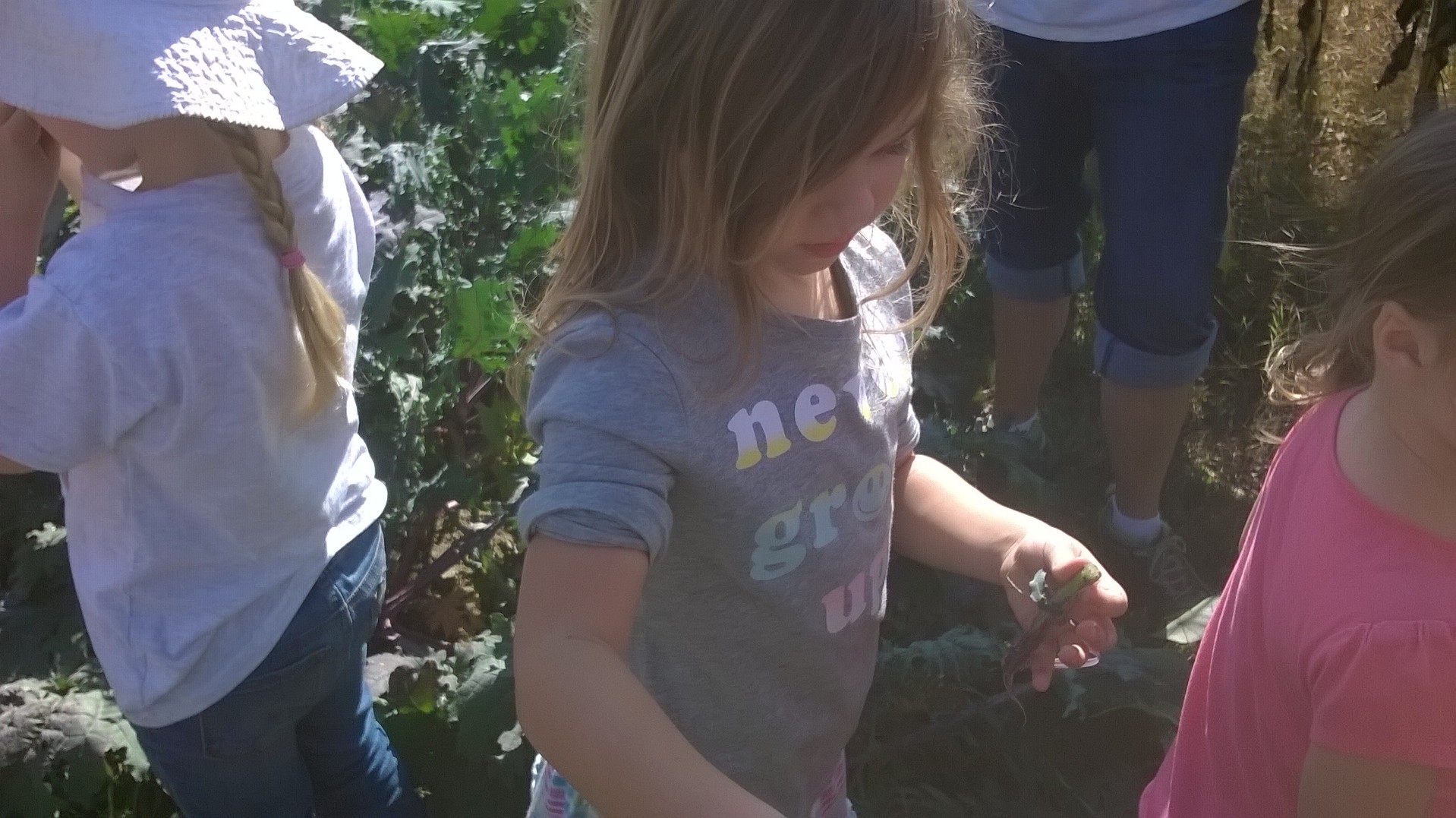
Luckily, I have almost a year before she goes to school, so lots of time left as a pre-schooler. Happy Birthday little one and as your t shirt says ‘Never Grow Up’
One of my favourite Hallowe’en activities as a teacher was creating spells and dancing around the cauldron. The children were transfixed by the iron cauldron that emerged from the kitchen and wondered if it might belong to a real witch. Dressed in witches hats and cloaks, we would imagine fantastical ingredients and create spells that would transform us into dragons, frogs or birds, that would make us fly, shrink or become invisible. It was a fun way to explore rhyme, share ideas and use our imaginations. We left ‘spell books’ in the mark making area and the home corner became a witches cave complete with potion bottles, spell books and jars of bugs, bats and frogs.
My girls love to make potions, so when I told them about it, they loved the idea but wanted to make a real witches brew.
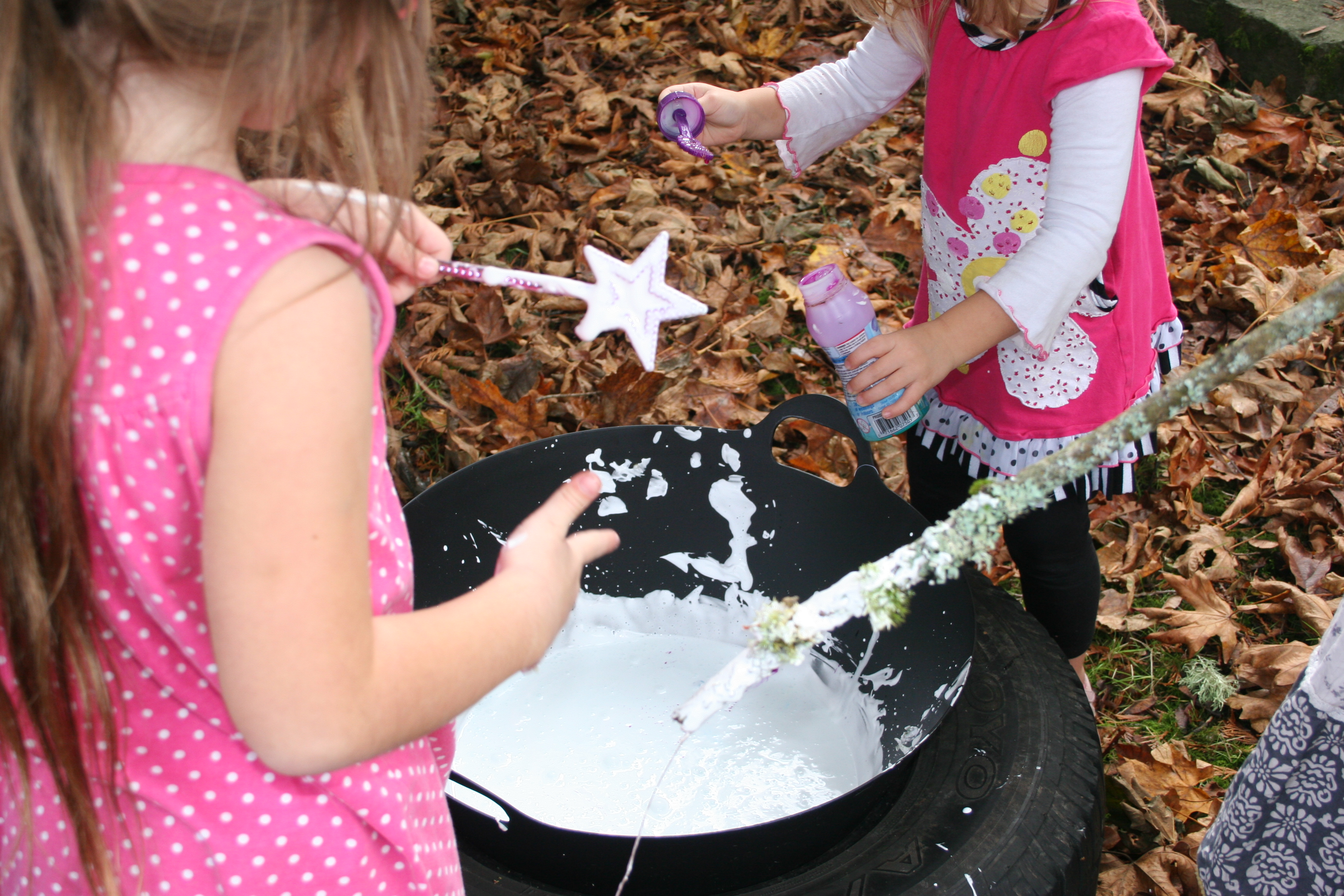
To start, we made wands from tin foil and chose witches hats and capes. Tin foil wands are simple to make if you have limited time; wrap tin foil around a pencil or simply roll and scrunch the foil into your desired shape. If you are more ambitious, make wands from sticks by stripping off the bark, adding ribbons or painting them in special colours. I also like these Harry Potter wands from Red Ted Art
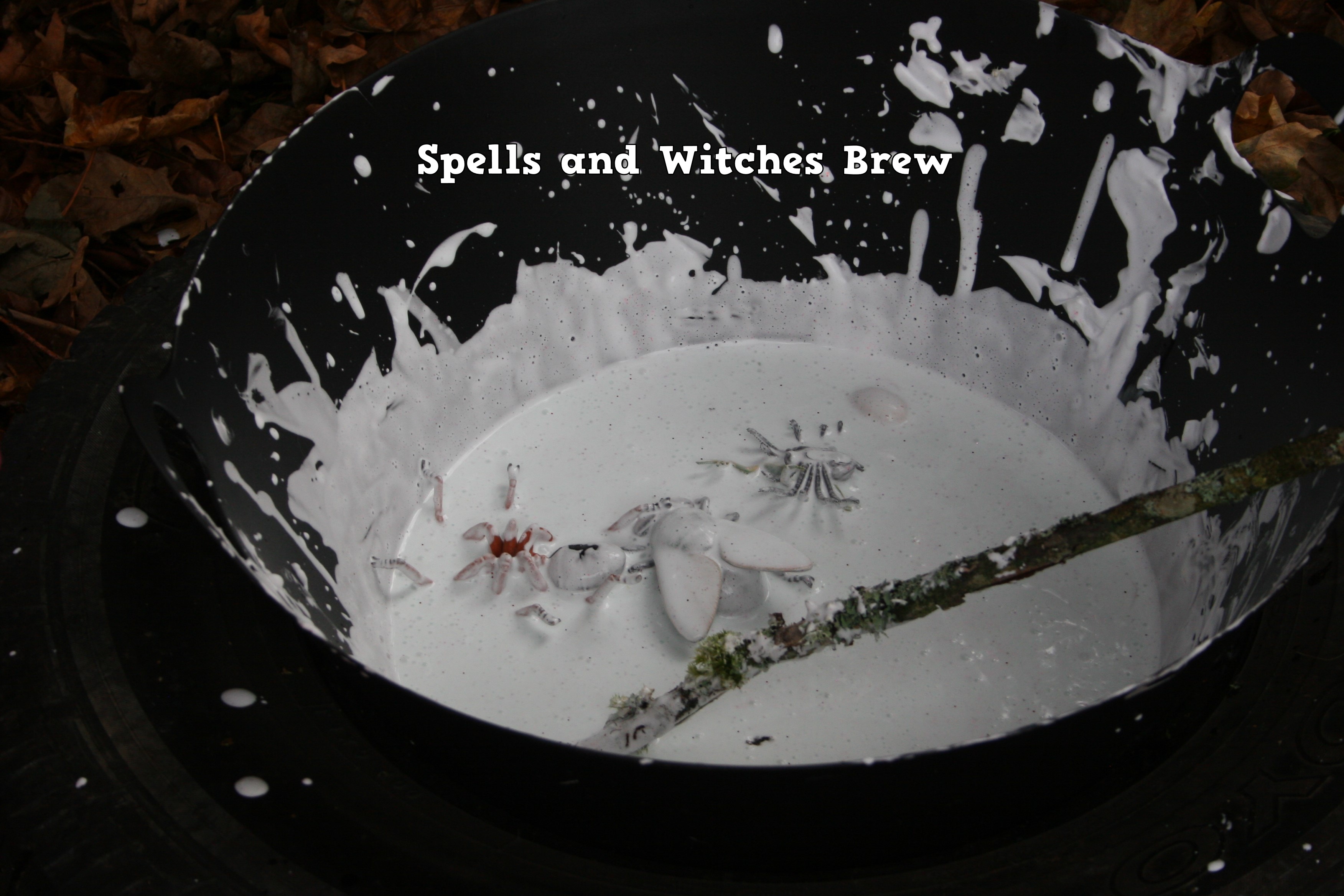
With wands in hand, they chose ingredients to go into the brew. They didn’t think witches and wizards used shaving foam or cornflour to make a spell, so they chose gruesome alternatives. Flour became giant’s dandruff, hair gel was ogre snot and fuzzy balls became warts.
The girls wrote down their ingredients so they could remember the order in which to add them .
It didn’t matter that my youngest is only just beginning to write, she found her own way.
Armed with spells, wands and witches hats, they made their way outside to the cauldron at our potion station. One by one, they tossed the ingredients into the cauldron, stirring it and modifying the quantities until they were satisfied. Then it was time for the spell.
Wibbly wobbly wibbly wog
See the little jumpy frog
Wibbly wobbly wibbly wagon
Turn the frog into a dragon
We looked for the dragon but decided it was hiding amongst the clouds.
The dance around the cauldron resumed with another spell.
Wibbly wobbly wibbly wog
See the little jumpy frog
Wibbly wobbly wibbly wat
Turn my mum into a bat
Thanks girls, I’m not sure I want to hang upside down from a tree.
The potion remained in the cauldron for sometime and became the central point of their witch and wizarding school.
Suggested ingredients for a witches brew
Jello/jelly powder (makes it smell great)
mud
hair gel
shaving foam
flour
glitter
coffee grounds
leaves and petals
plastic bugs
coloured water
baking powder-
Further Ideas
Give the children collection bags and a card with ingredients for a spell, in picture and written format. Ask the children to find the objects they need and place them in the bag.
Give the children a group of objects and ask them one at a time to add a specific number into the brew.
Chant around the caldron and make spells that require the children to make specific movements e.g make us slither like a snake, make us jump or stretch up tall.
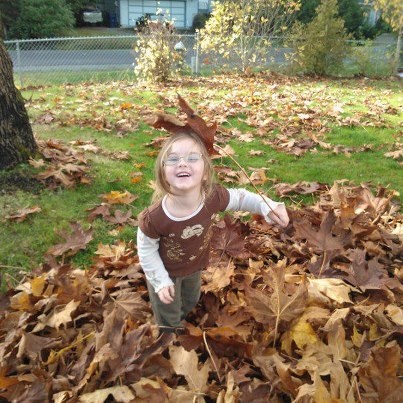
This time of the year my garden is covered in a blanket of leaves. The girls enjoy helping to rake them up but it is a never-ending task. When leaves are plentiful there are many activities that you could take advantage of. Here are a few of our favourites.
Leaf Man
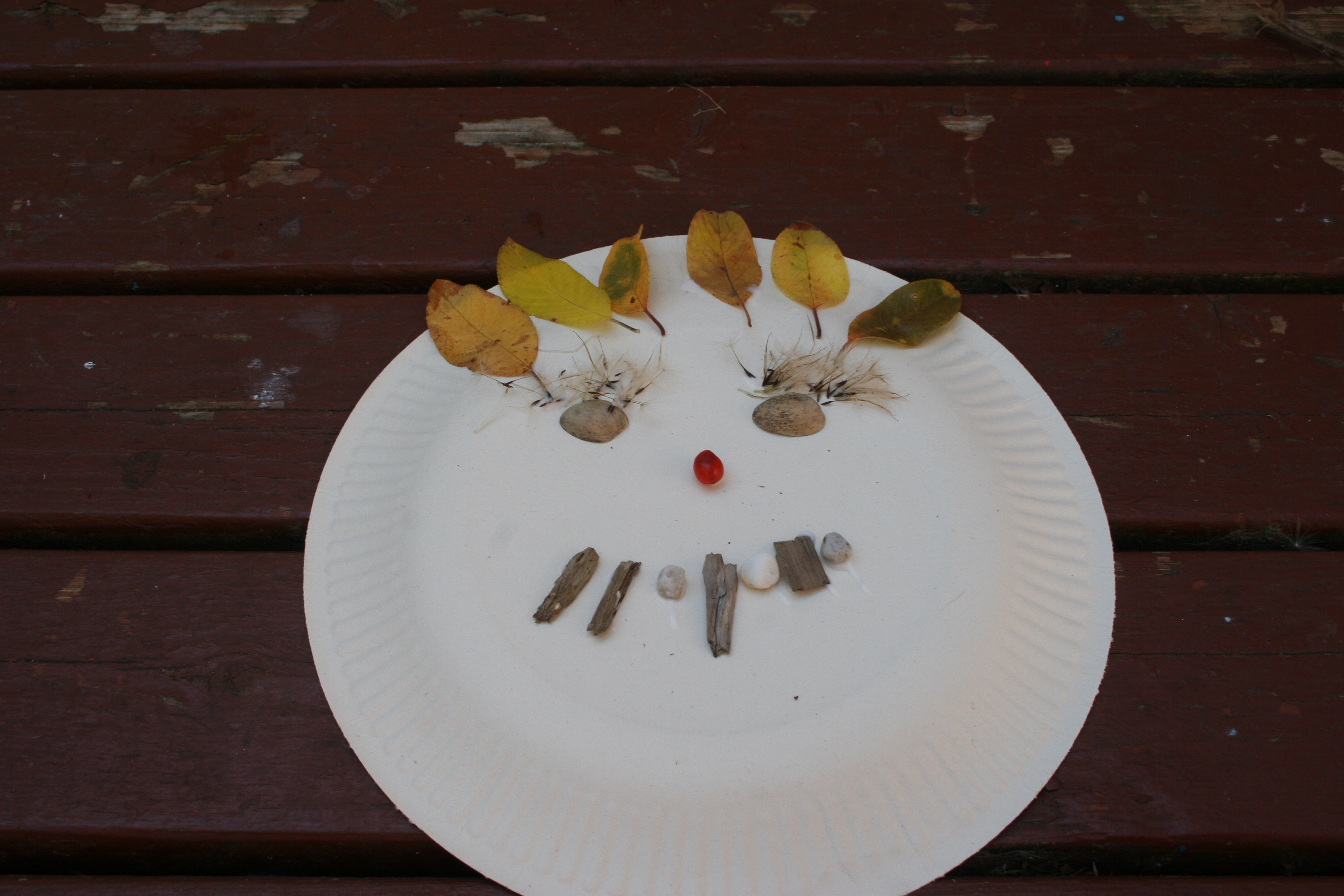
Leaf Man by Lois Ehlert is illustrated with photocopies of leaves that have been arranged to make pictures. We studied the way Ehlert uses coloured paper to create a layered background and leaves and natural materials for the main body of the picture.
We created our own pictures, starting with the background and adding leaves. The leaves work better if they are pressed beforehand using a flower press or a heavy book. Preserve them by laminating before the leaves dry out.
Painting
Young children enjoy printing with leaves or painting on larger leaves. You could also try painting with different types of leaves or dipping the stalks into paint to make marks. Dried leaves crumbled into paint could also make an interesting texture.
Leaves are perfect for investigating colour mixing. Give each child a leaf and ask them to try to mix the matching colour. Younger children could paint the colour onto their leaf, print it on paper or paint around the outline, older children may like to try an observational painting of their leaf. Small square canvases or watercolour paper would make them extra special.
Leaf Rubbing
Sometimes young children find this difficult so experiment with different colours and materials, like crayon, pencil, chalk, pastels or charcoal to decide which makes the most effective rubbing.
Leaf Mosaics, Patterns and Sculptures
Use leaves to create mosaic patterns and pictures. These could be individual or large group projects.
The girls collected leaves on a camping trip and used them to thread onto sticks to create clothes for their stick people.
Clay
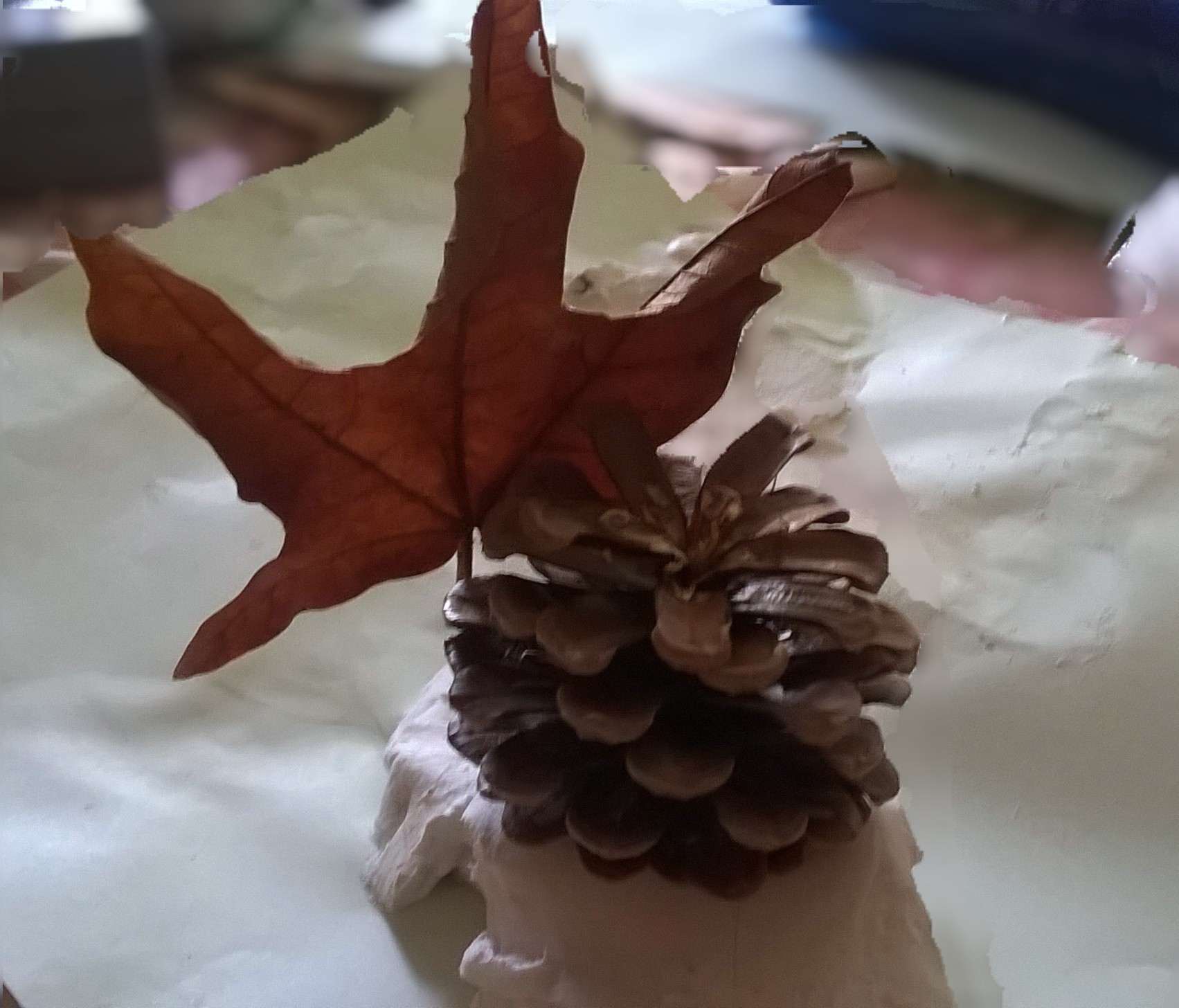
Leaves make interesting imprints in clay or they can be used as a template to cut around. Clay leaves make great bowls, tiles or mobiles.
Sensory Play and Loose Parts
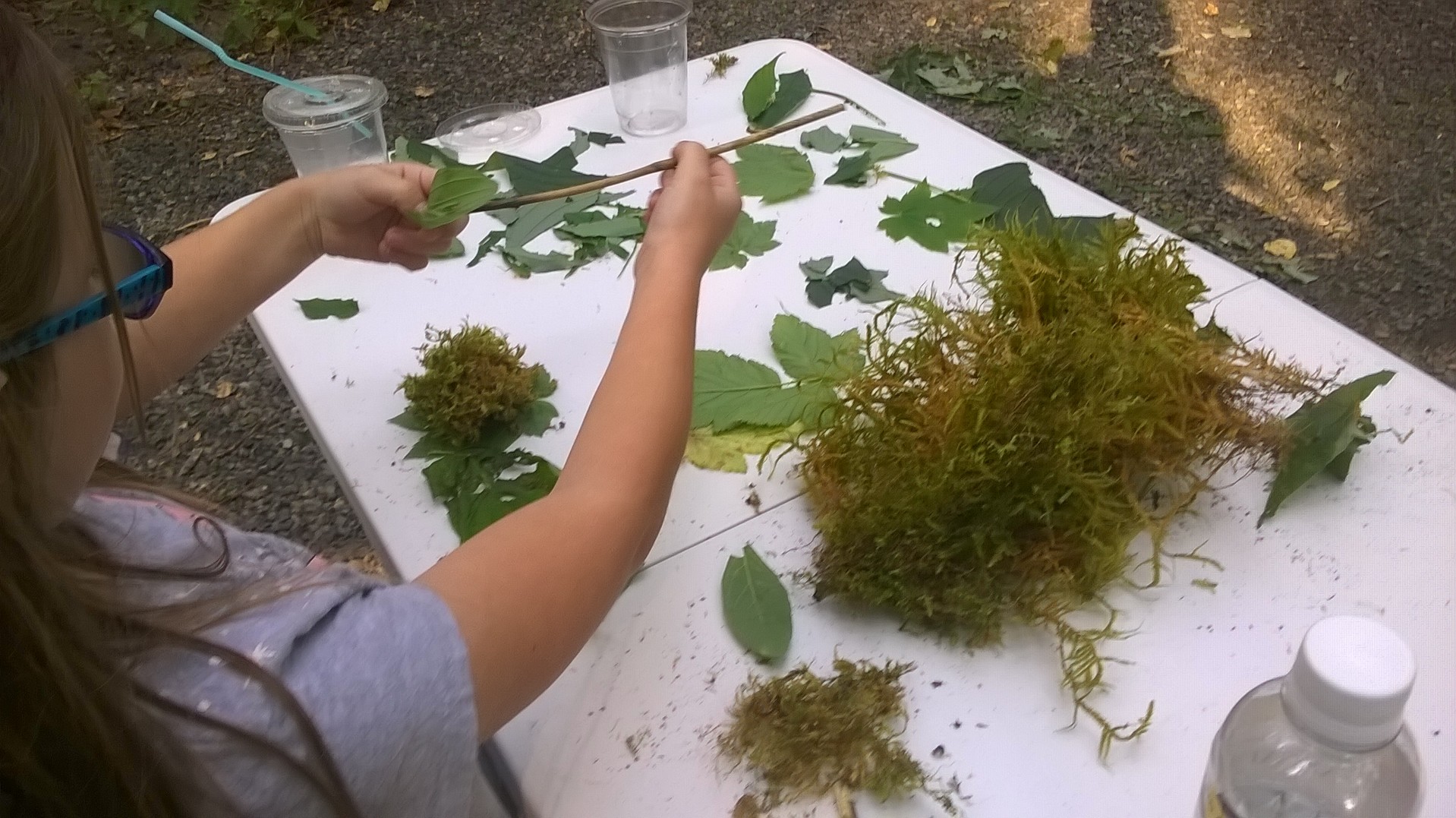
Collect leaves and put them in a sensory bin – investigate what happens to them over time. Add interesting objects hidden amongst the leaves or toy woodland animals and bugs for small world play.
If you have leaves outside how do the children use them as loose parts?
My children built a bonfire……
Buried their feet….
and added them to a potion.
Use them as a Filler
Last Halloween we made spiders to hang on the bushes outside. The bodies were made from black bags stuffed full with leaves. You could also use leaves to stuff scarecrows or guys for bonfire night.
Laminate them
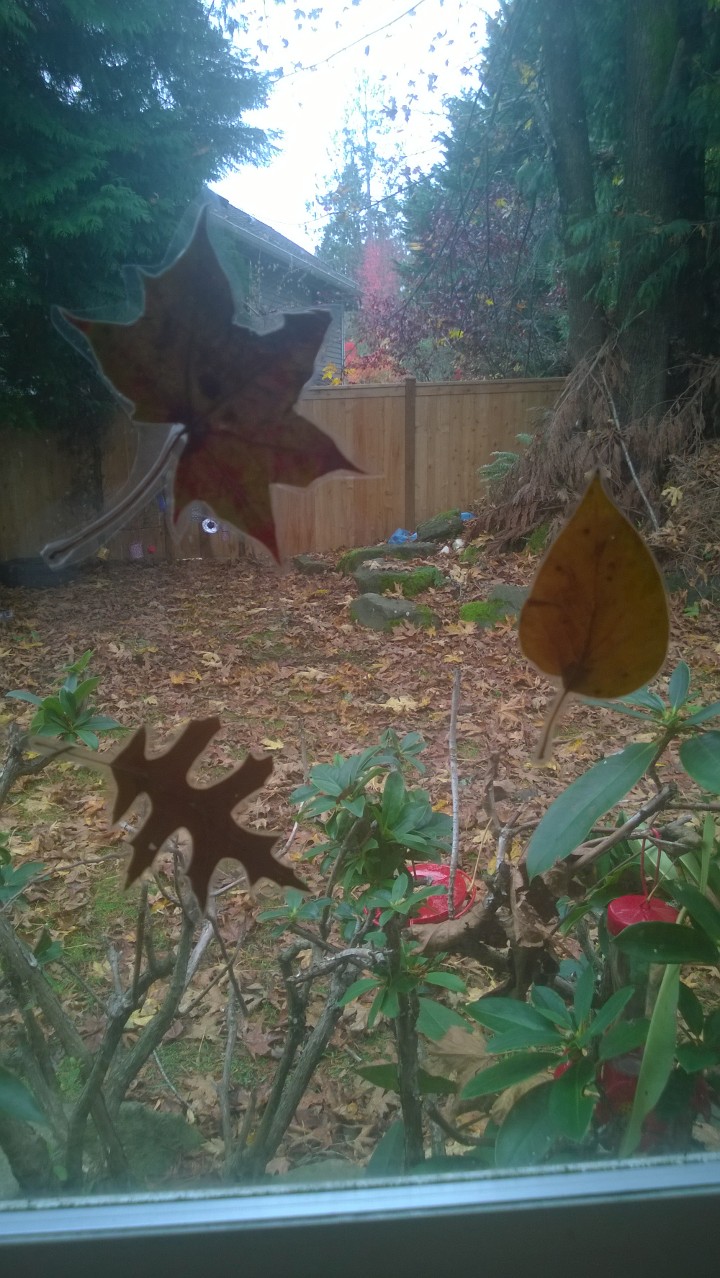
Over a period of time we collected interesting leaves and laminated them. They looked great on the window and I challenged the girls to find out which trees they belonged to. I think they would also make an eye-catching mobile. This year we are using the laminated leaves to see if they can find matching leaves in the neighbourhood. Laminated leaves could be used for all kind of things. We have used them as gift tags, to play matching pairs and they look great on the light table.
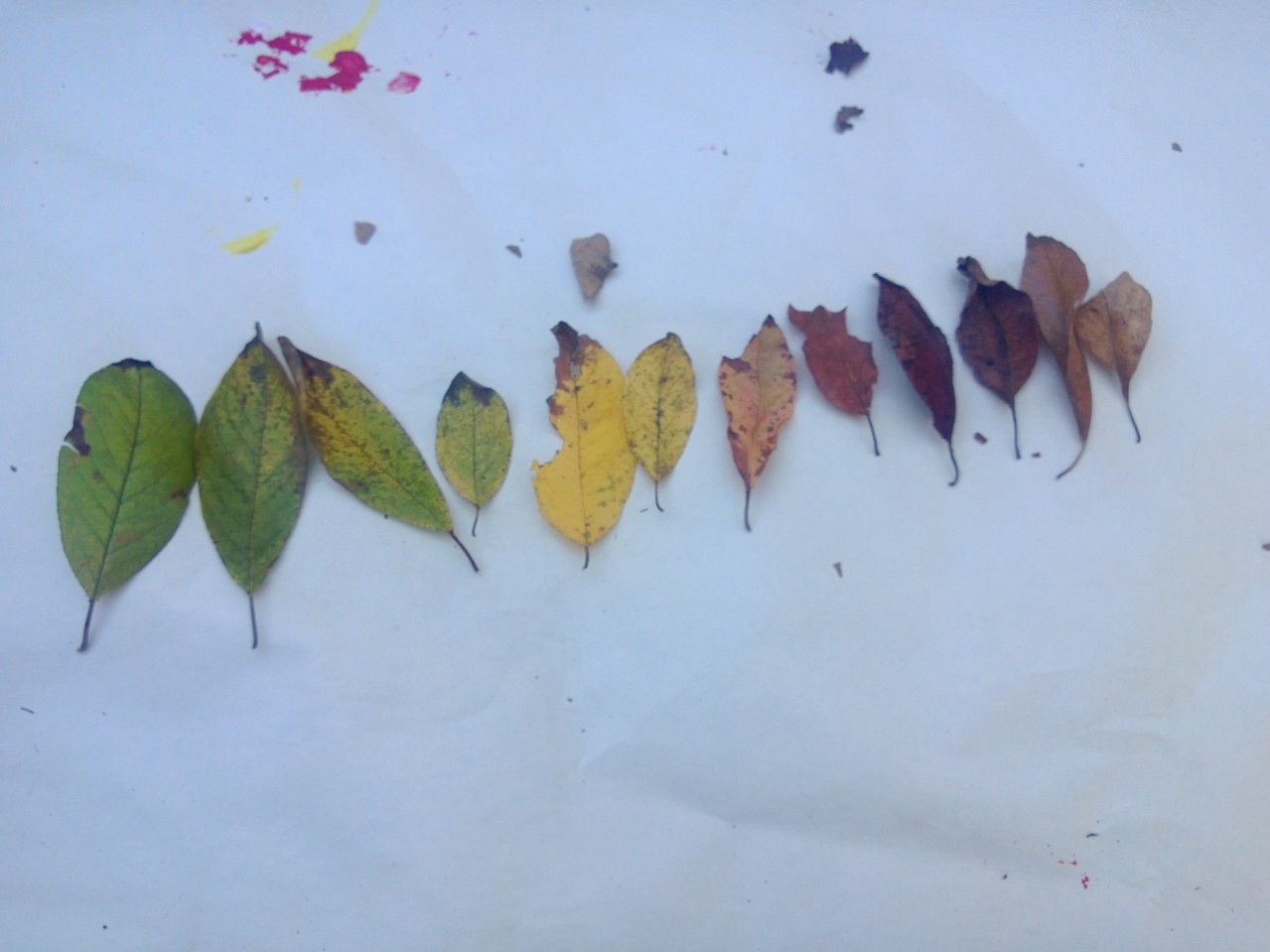
Leaf Rainbows
If you collect leaves gradually from the same tree or bush as they change colour you can make a leaf rainbow.
Before you decide to rake all the leaves away, take a look at this face, I think it says it all.
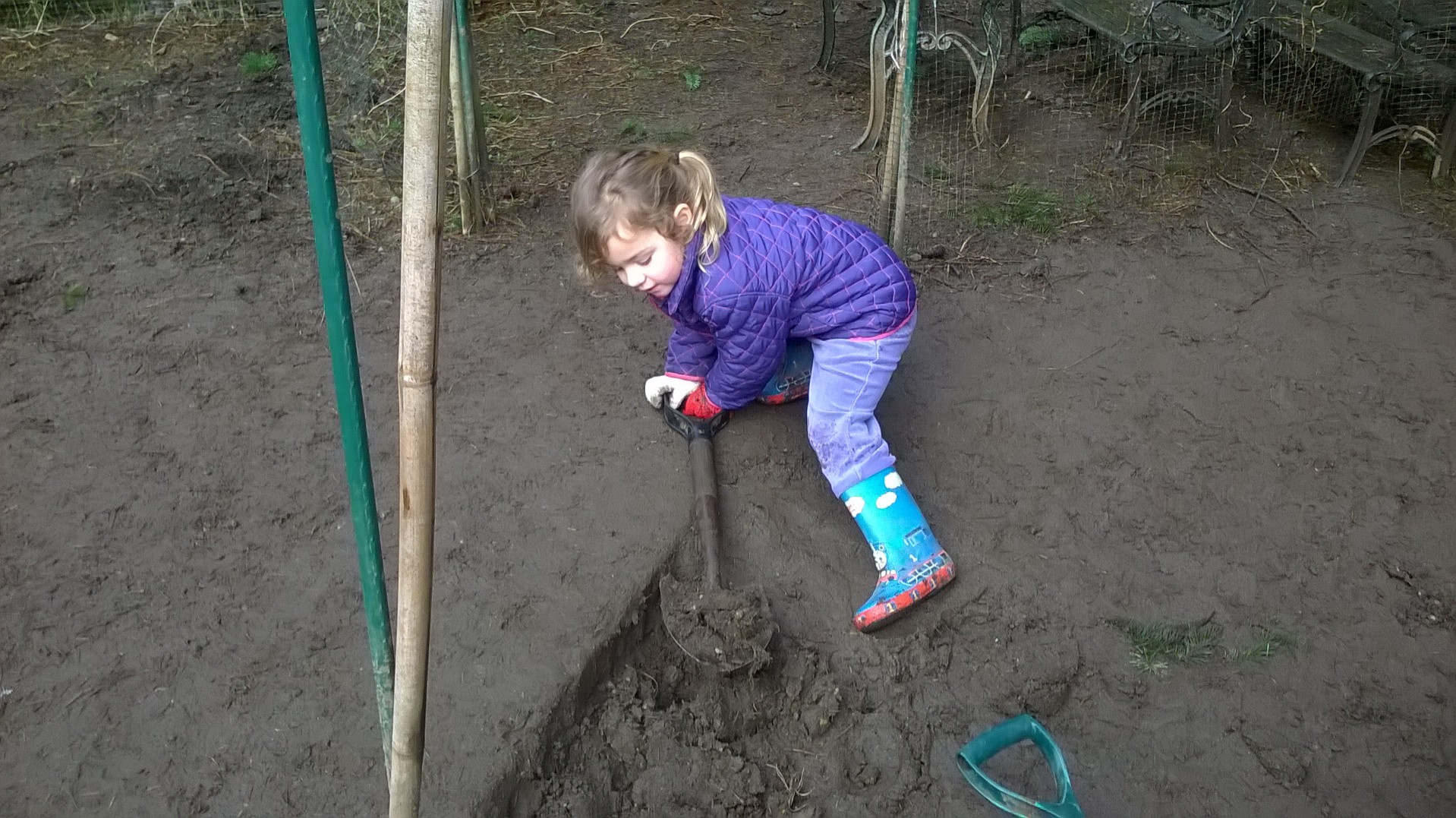
A place where I can kick my shoes off and sink my toes in the mud.
Regular readers will remember that when I moved to the US, I struggled to find a preschool that I was entirely happy with. I became so disillusioned that I decided to home preschool for a year. I’d lost faith of ever finding a preschool that valued play, independence and individuality above academics and rigid schedules until a friend told me of a preschool situated on a farm. The preschool shared my belief that children learn best by doing things that have relevance in their lives through exploring, discovering and creating.
The school is so popular that it was a whole year before I had a chance to visit and see the school for myself. Children were busy pulling apart sunflower heads on the covered deck area whist others moved freely between the different activities indoors and outdoors. The teacher’s enthusiasm and passion for both the children and the setting was evident immediately and a bubble of excitement rose up within me. Our name was put on the waiting list for Sept 2015 but before Christmas a place became available in the co-op class so finally my youngest daughter had the chance to attend. This was perfect as I also had the chance to be involved in this wonderful experience as a parent helper.
There was little doubt in my mind that this was the perfect preschool for my outdoor loving daughter. My expectations were high. I have been fortunate to teach at a highly acclaimed nursery in the UK and to visit the best preschools in my local authority as an advisory teacher. My experience of this school has surpassed all my expectations, I couldn’t have hoped for a more perfect preschool for my daughter and I am only sad that my older daughters didn’t have a chance to go there. After she started, it just seemed to get better. Regularly she would come home covered from head to toe in mud. To some parents this would be horrific but to me it meant she had the freedom to be herself and have fun.
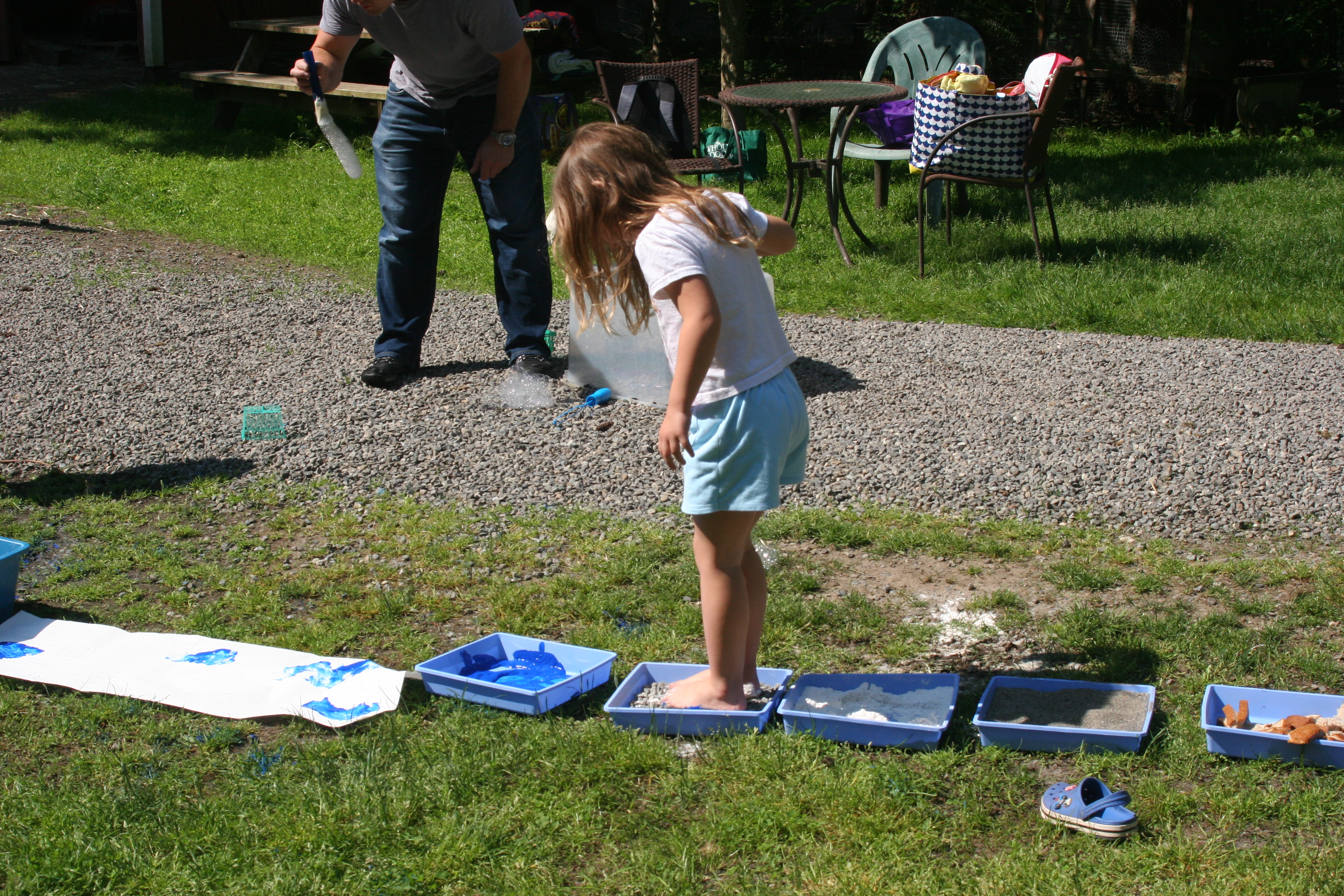
Being a part of the co-op class means that I get to help out once a month. This is the most exciting part for me as I get to join in. I love the covered deck area which enables the children to play outdoors all year. The children explore the whole farm for the 2nd part of the session, mud, water, animals, climbing and balancing. They are actively encouraged to take risks.
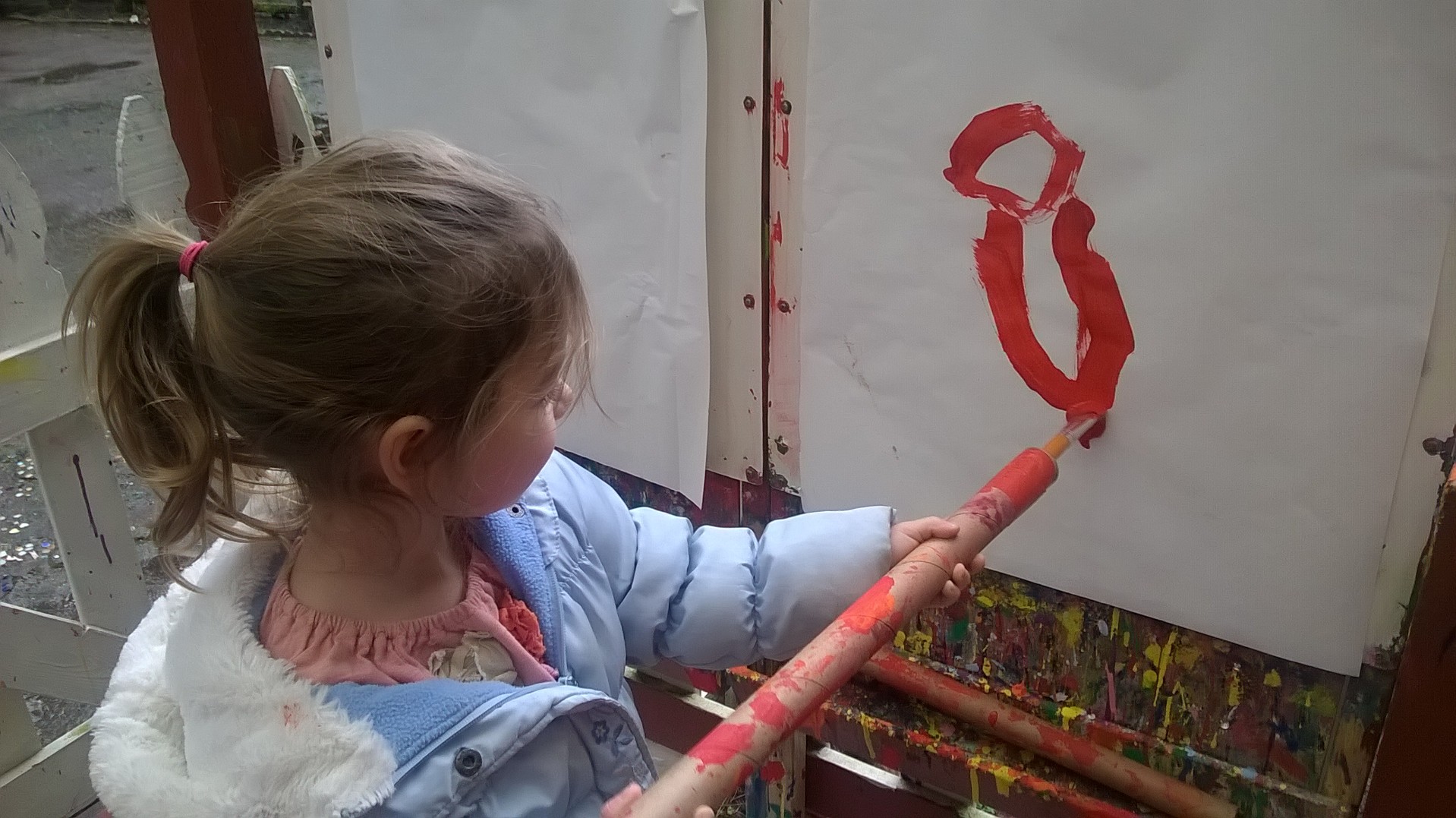
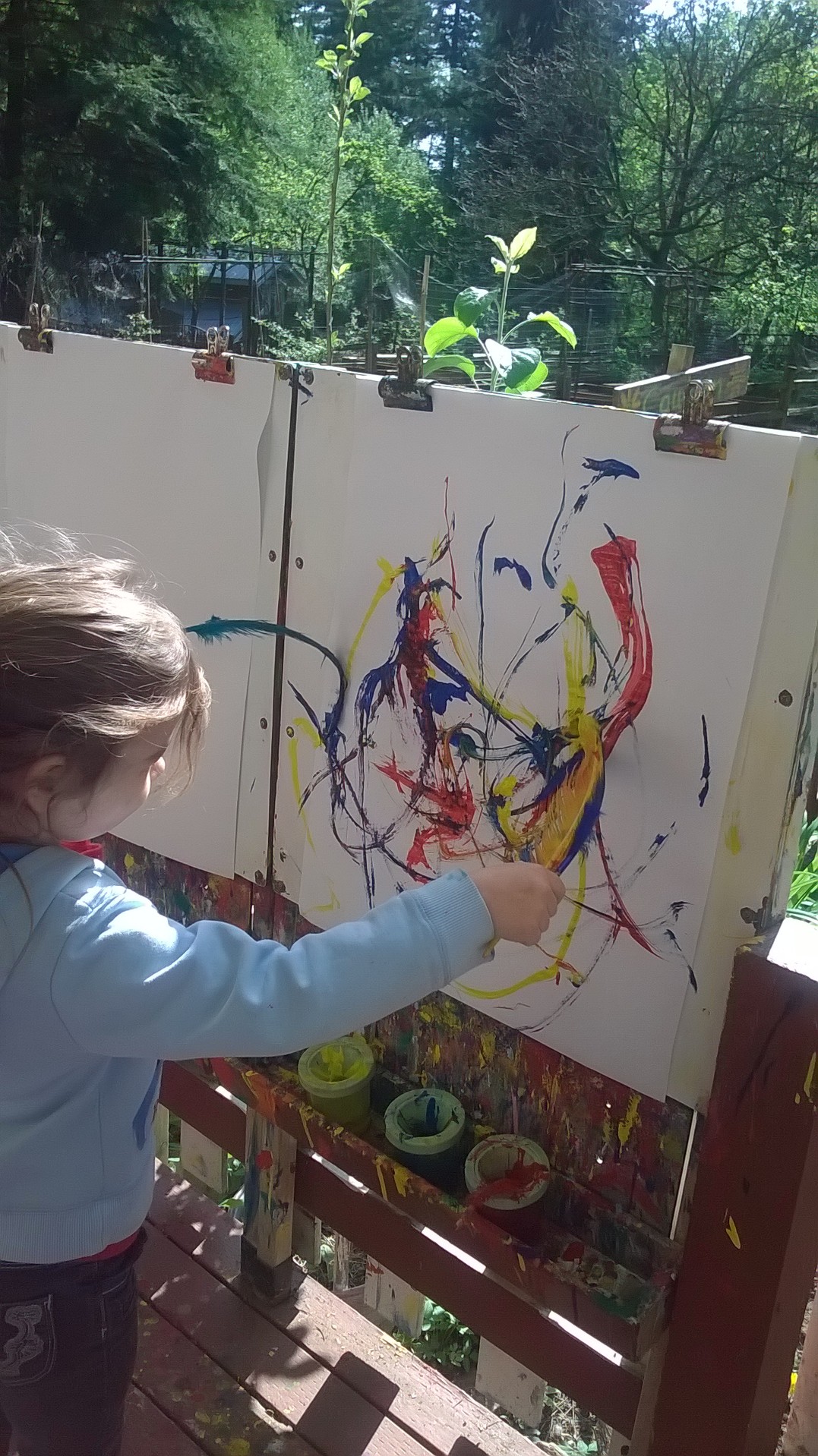
As we arrive my daughter always chooses to paint . She liked this painting activity with paintbrushes placed on extended poles.
Painting with feathers
What makes it so perfect?
1. Children are individuals
Small classes and the dedication and experience of the teacher, mean that she understands each child as an individual. My daughter who is uncomfortable speaking in a group or to unfamiliar adults is given time to think about what she wants to say, often being presented with a question at the start of a session and returning for a response later. The child who hates to get his hands dirty is offered alternative tools and all the materials are open-ended so that children can use them as they see fit.
2.Children are competent
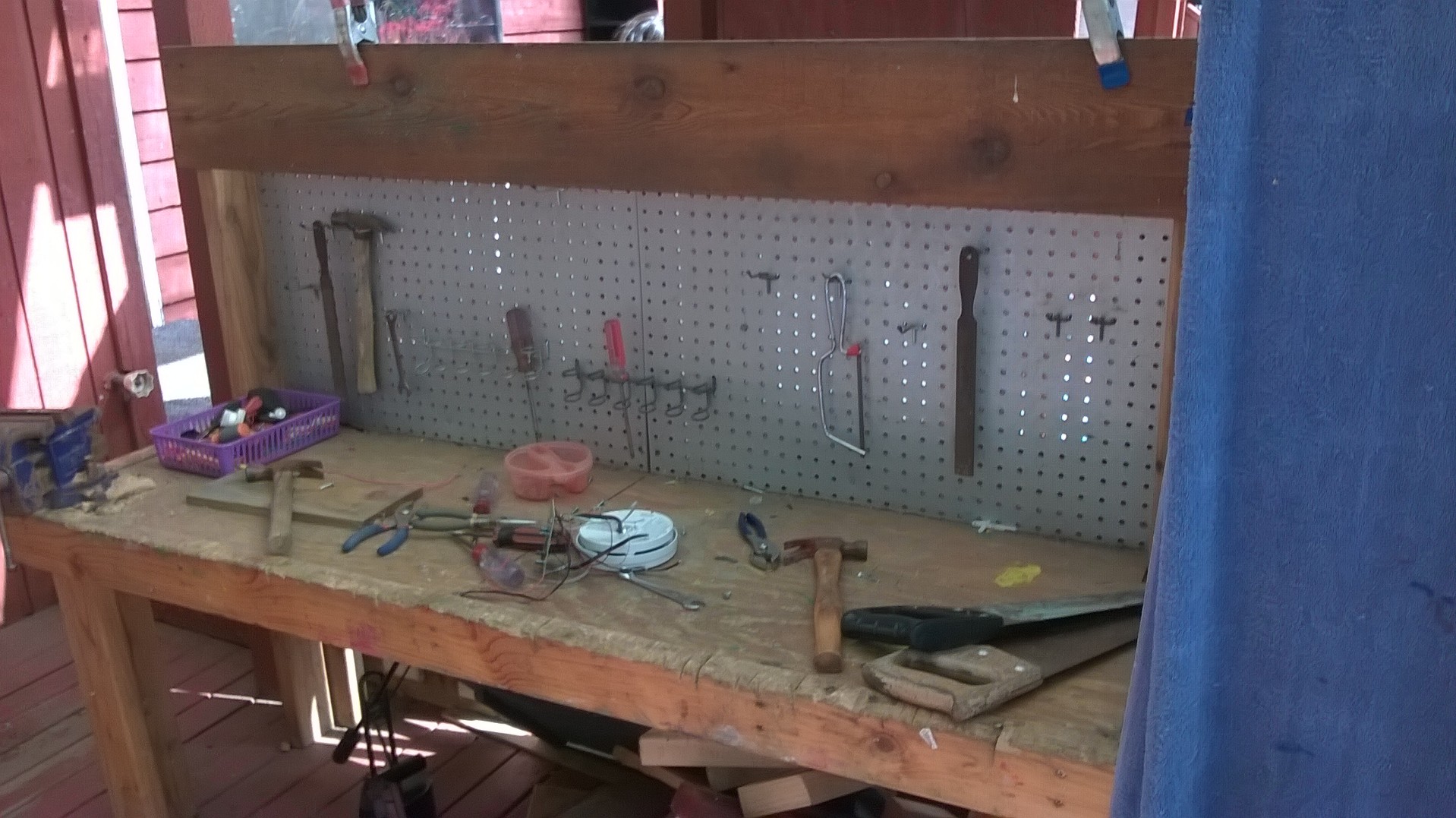
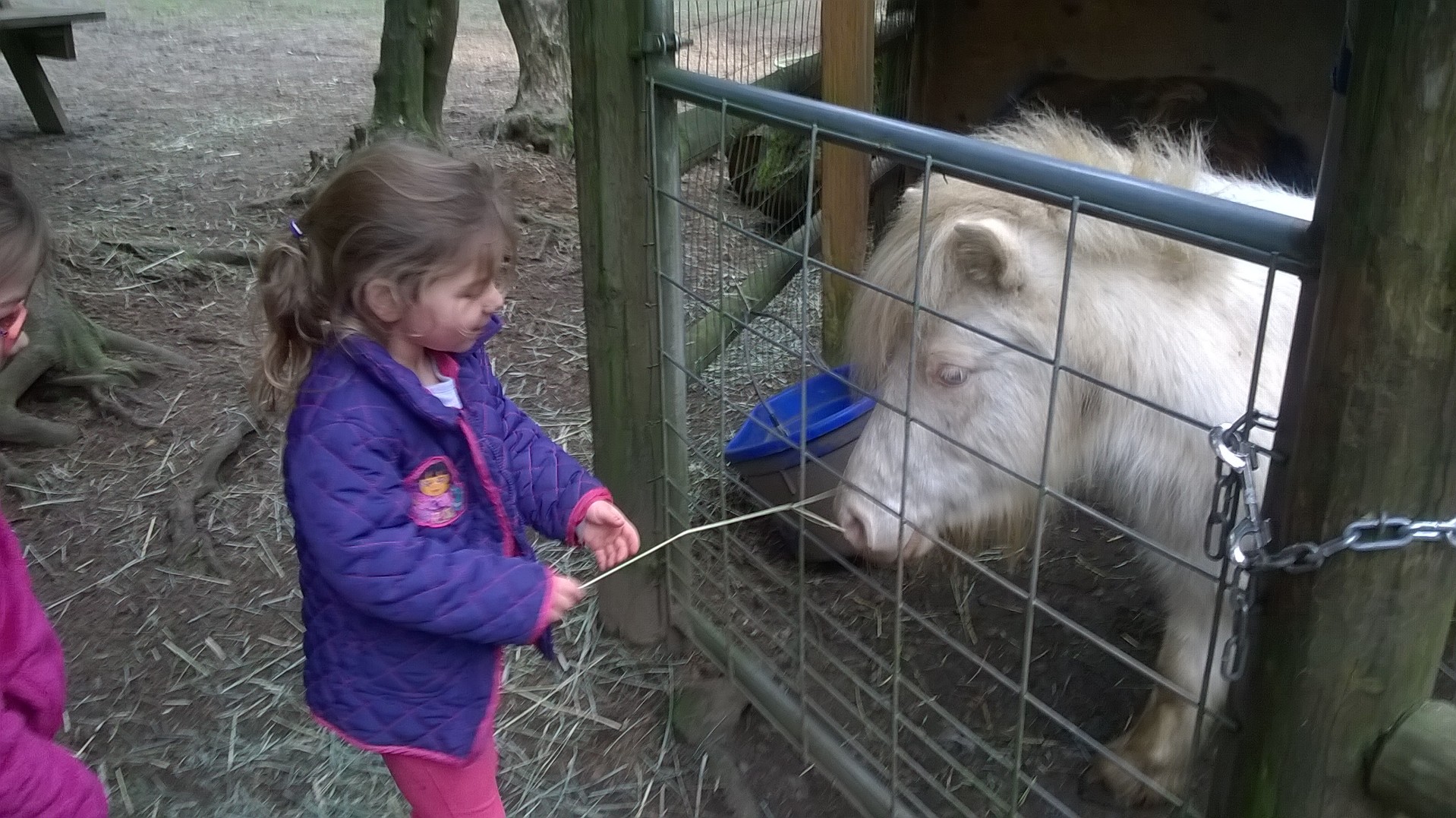
Children are always encouraged to try things for themselves, even when they ask for help they are first encouraged to try. The children are trusted to use adult tools for woodworking and tinkering, peeling vegetables and cooking. The teacher shows them how to use the tools safely and responsibly and thereon in they are trusted with them. The children cook their own green eggs and ham on the tiny stove, they dig with metal shovels, they observe candle flames and peel carrots with a peeler. Outside they are permitted to climb trees, feed the animals, hold guinea pigs and dig in the mud. The children are trusted to handle precious materials like birds eggs, chicks and nests.
This tinker table is always available. I regularly see children sawing pieces of wood placed in the clamps, hammering nails or taking apart electronics with a screwdriver. In the nursery I taught at we had a tool bench with real tools but we weren’t confident enough to leave it out all of the time. I have never seen a child have an accident or do anything dangerous with the tools.
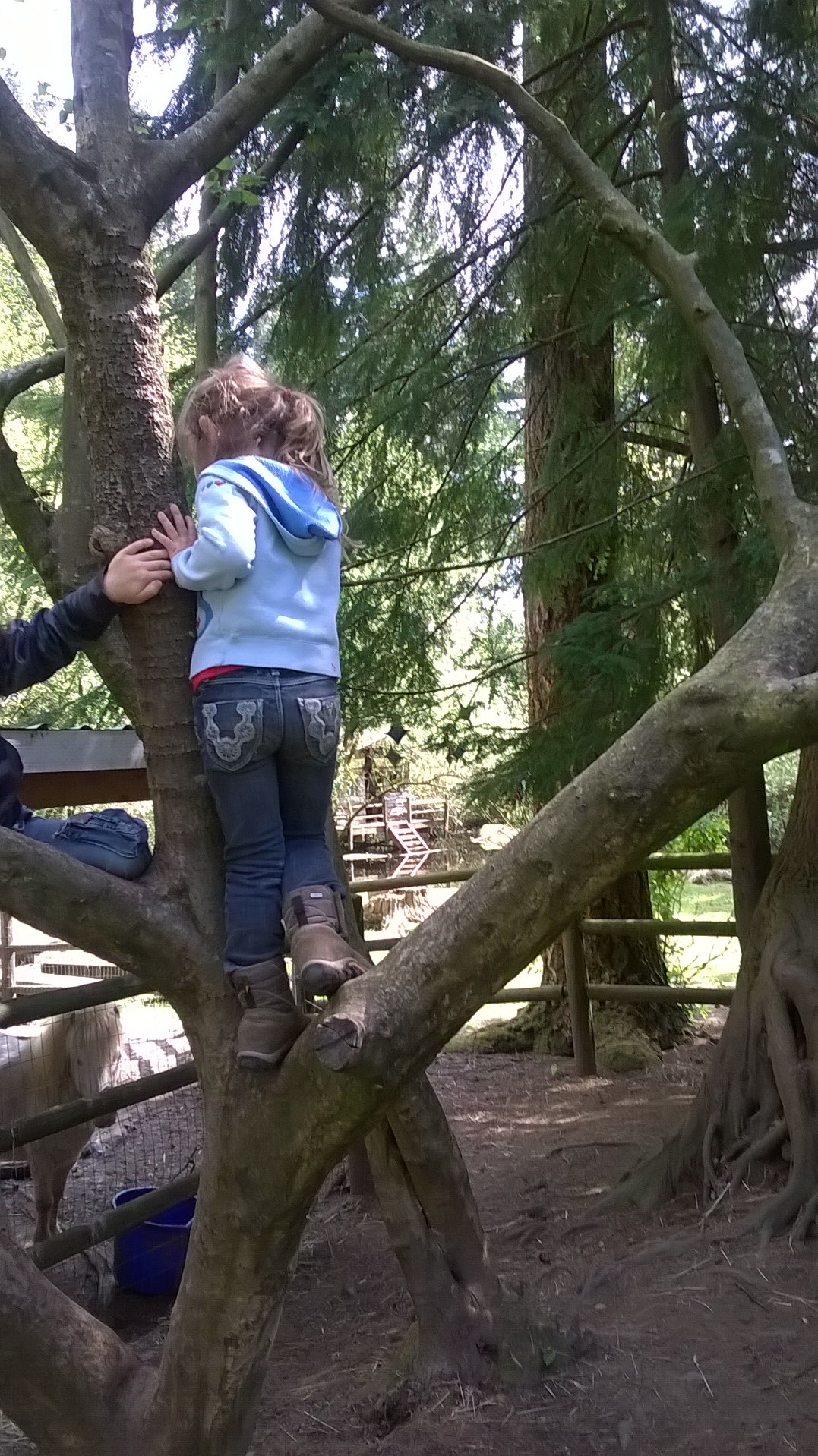
My daughter loves to climb trees – I’m not sure I could find anywhere else where this would actively be encouraged.
3. The Preschool fosters understanding and respect for nature.
Many of the activities involve the natural rhythms of the farm, collecting the produce, understanding the cycles of the plants and learning about the animals and creatures they find.
After the first few sessions, my daughter told me they had unicorns at preschool but that it was too small to have grown a horn yet. A preschool with unicorns? Could it get anymore magical?
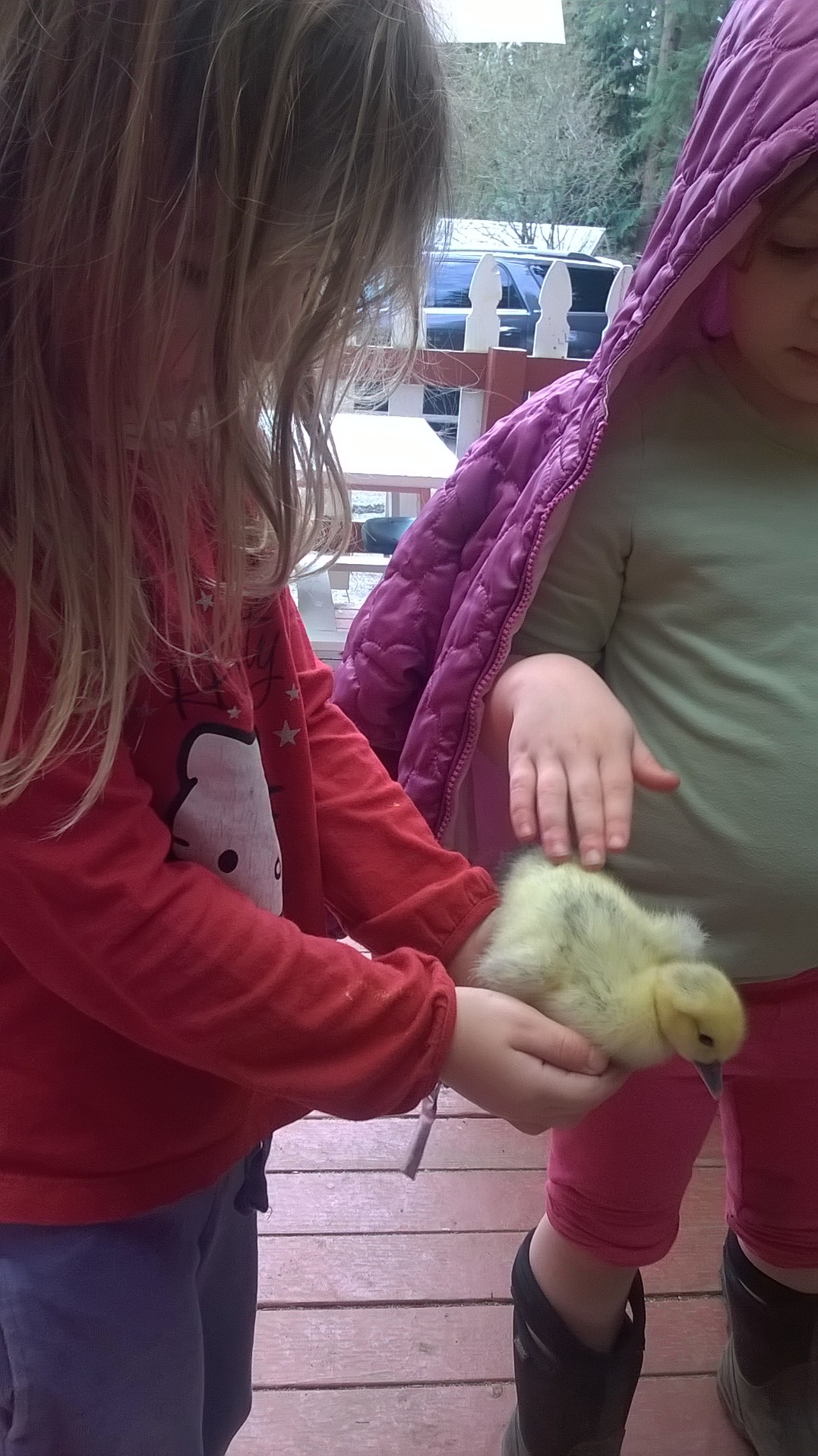
When the duck’s eggs hatched the children were allowed to hold them.
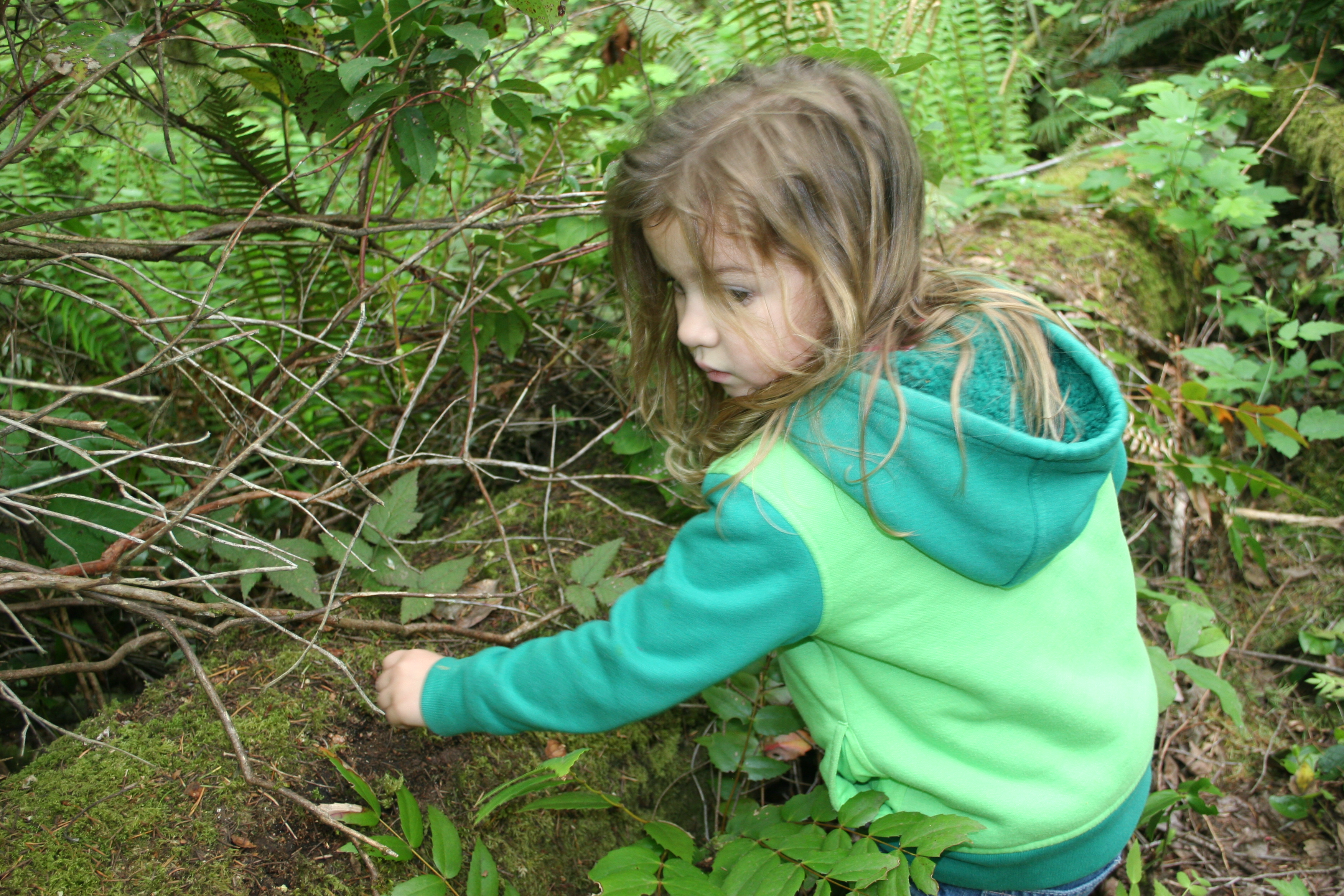
A bug hunt in the woods
4. Children’s thoughts and opinions are important
Each session the children are asked a question and the answers are recorded for parents to read on the wall outside. The children listen to each others responses and discuss them with respect. The children’s choices are respected as they are presented with a number of activities to choose from at leisure. They also have opportunities to choose the songs they will sing and are confident at asking for things. The children are offered a snack, they choose when and if they would like to eat it .
5. They have fun.
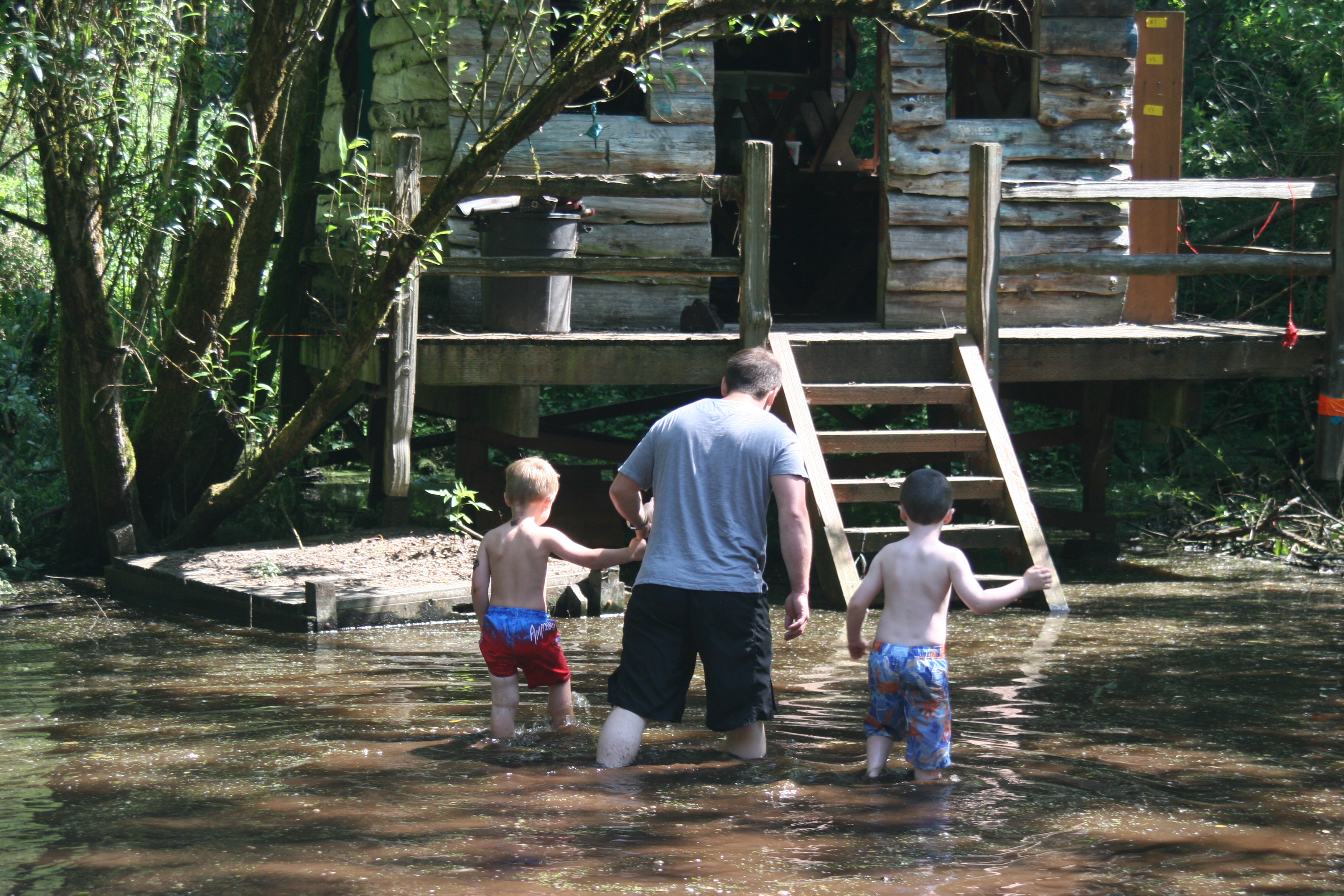
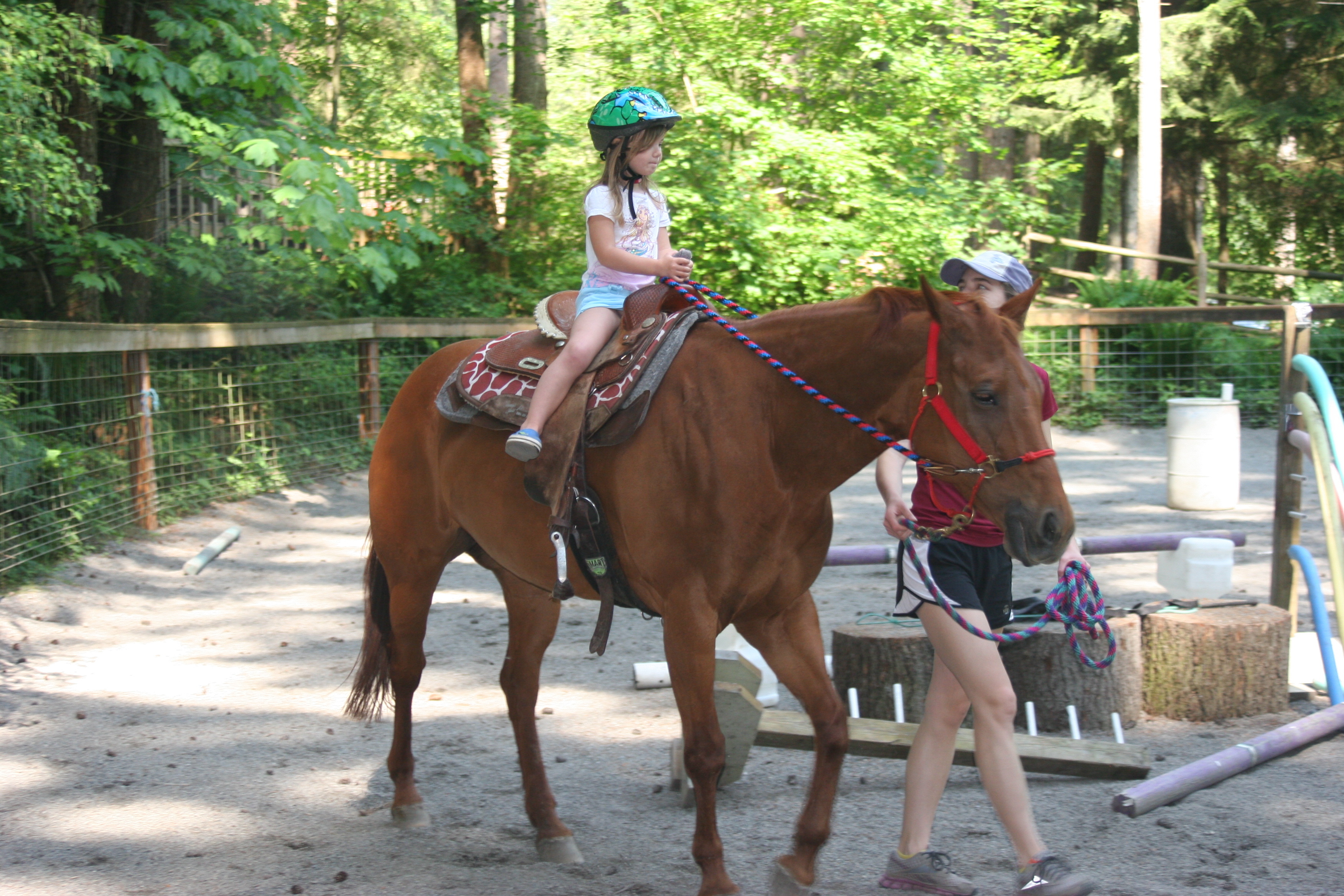
On the last day of school, parents are invited to join the children as they wade in the swamp.
horse riding on the last day of term
.
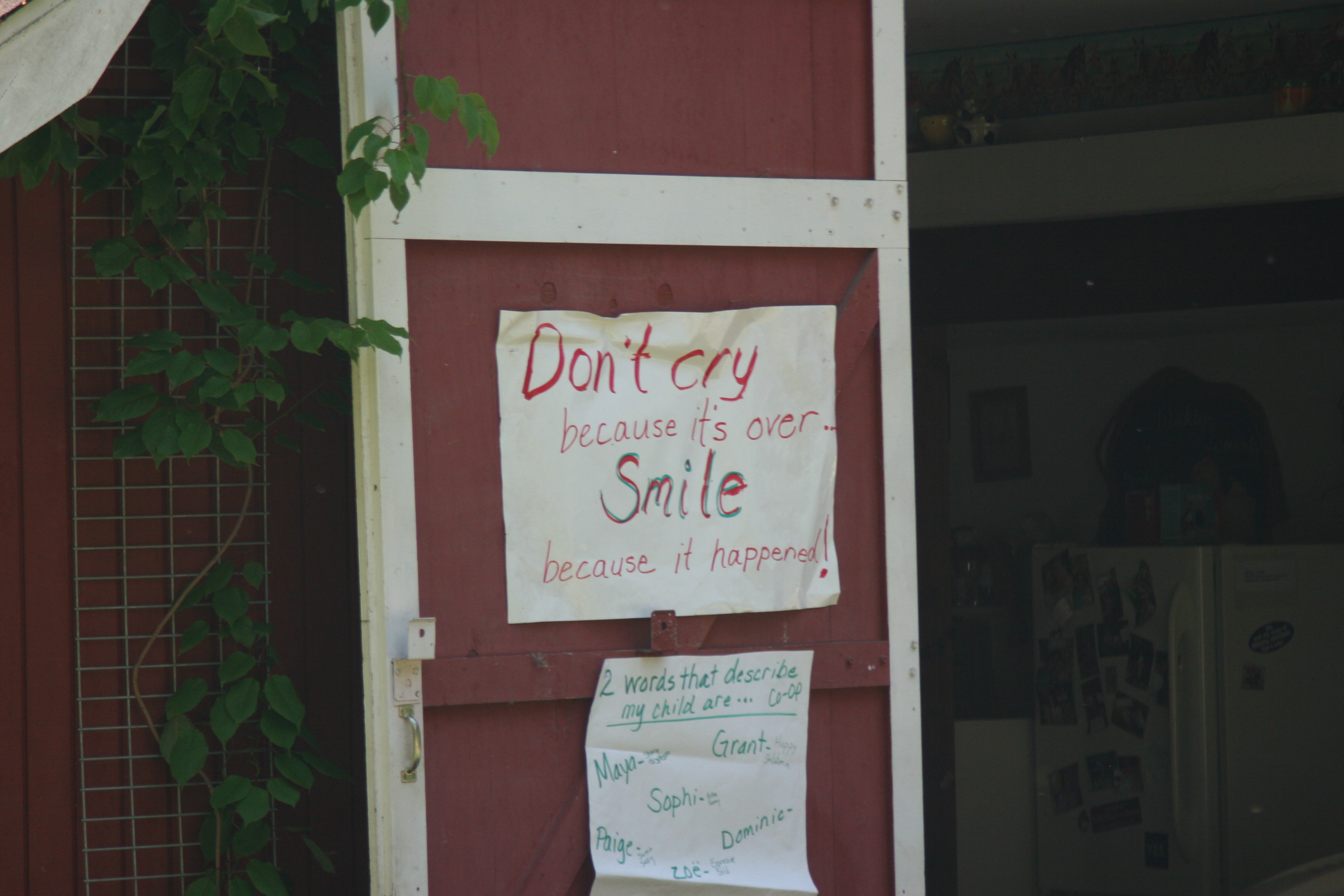
Best of all, I feel that my daughter experiences something here that she would never have the chance to experience elsewhere. I feel so fortunate to have found this preschool and that my daughter has one more year there. When our time is over I will be so sad but I hope I can remember her teacher’s words of wisdom.

 For those of you who aren’t familiar with the term loose parts, check out my post on the theory of loose parts. In simple terms, loose parts are moveable objects that can be used to create, explore and discover.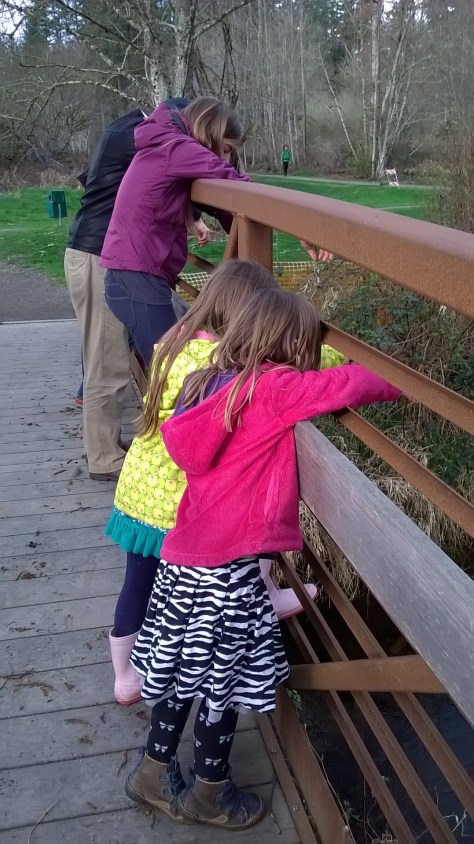

 One way to ensure that you don’t end up with a wall of identical paintings is to introduce children to abstract art. We used the book
  as a starting point. The book tells the story of Kandinsky’s ability to ‘see music’ and ‘hear paintings’.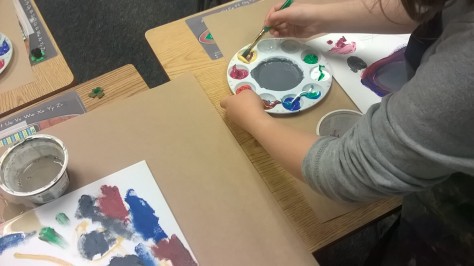
![FullSizeRender [345550]](https://rightfromthestart.blog/wp-content/uploads/2016/03/fullsizerender-345550.jpg?w=474)
![FullSizeRender [345562]](https://rightfromthestart.blog/wp-content/uploads/2016/03/fullsizerender-345562.jpg?w=474)
![FullSizeRender [345556]](https://rightfromthestart.blog/wp-content/uploads/2016/03/fullsizerender-345556.jpg?w=474)
![FullSizeRender [345552]](https://rightfromthestart.blog/wp-content/uploads/2016/03/fullsizerender-345552.jpg?w=474)










 Right from the Start