
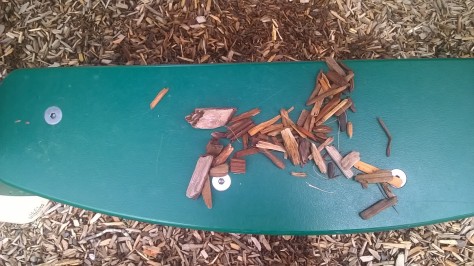
 For those of you who aren’t familiar with the term loose parts, check out my post on the theory of loose parts. In simple terms, loose parts are moveable objects that can be used to create, explore and discover.
Educators often collect loose parts for their environments. Collections include buttons, feathers, beads, coins, shells and seeds. Loose parts are added to clay and dough, left in baskets around the room, used for weighing and measuring, to create art, on light and mirror tables and added to block play. I think though, that sometimes educators over-complicate loose parts. We get so excited about the different things we can provide for the children and the beautiful ways we can present them, that it is easy to forget the true essence of the theory of loose parts.
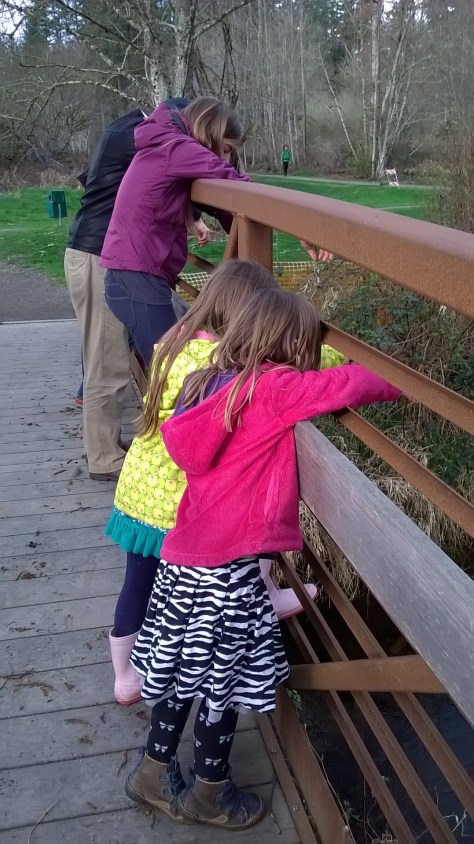
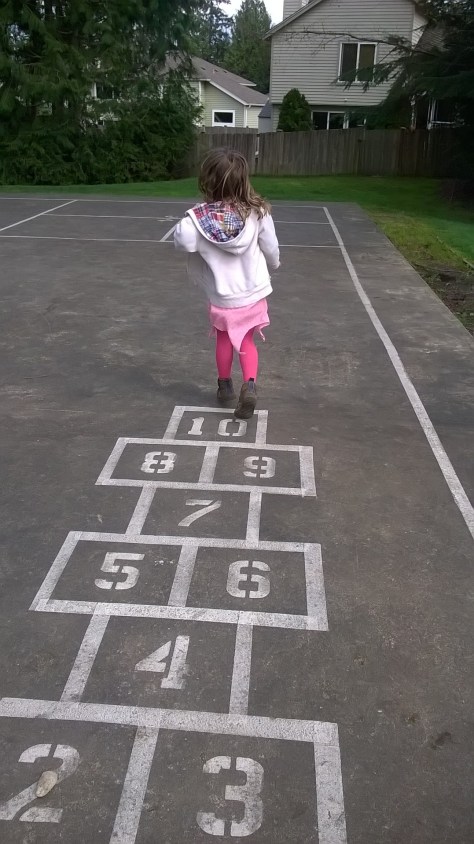
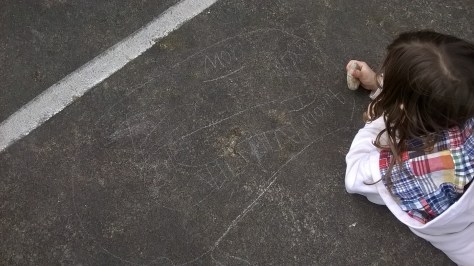
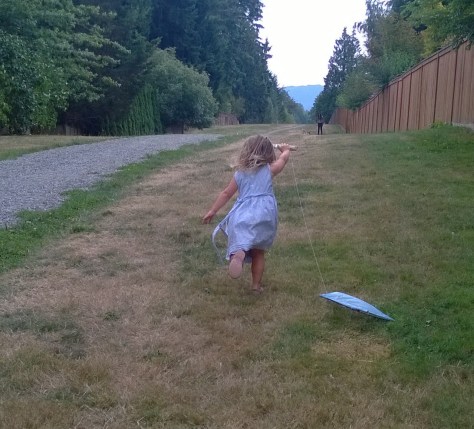
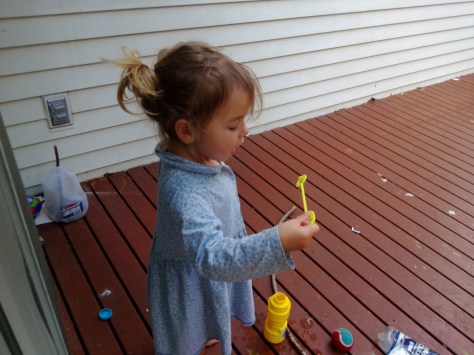
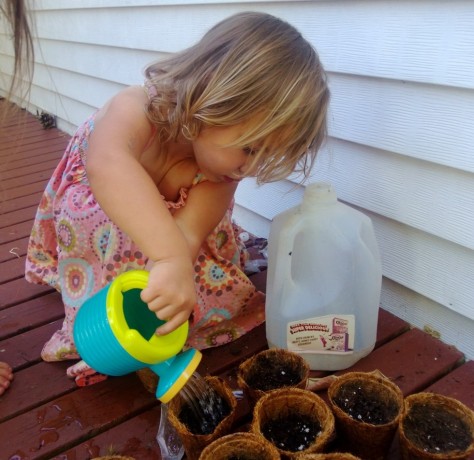
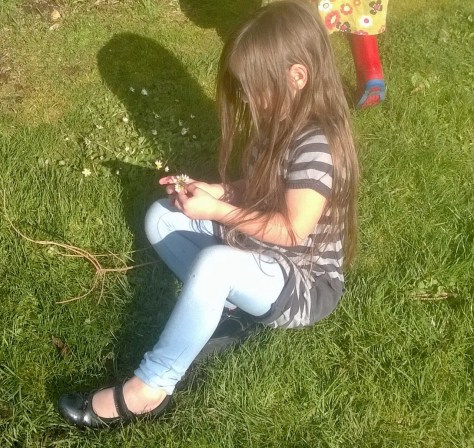
I was reminded as I played with my daughter at the park, that loose parts are everywhere. If we as educators don’t provide loose parts, the children will find them. A brick will become a piece of food, a calculator is a telephone, a sheet will become a cloak or torn paper will be money. Playing with loose parts is the way I played as a child, playing shops with empty boxes or filling empty bottles with leaves, petals, dirt and water. For the child, loose parts are everywhere, they probably don’t call them loose parts but they will find them.
For me the theory of loose parts is an attitude to how children play. It is an acceptance that children may use what is in their environment and make their own choices about what to do with it. Materials do not have to be displayed or stored beautifully, they simply need to be there. The following video illustrates children’s natural ability to find and use loose parts creatively.

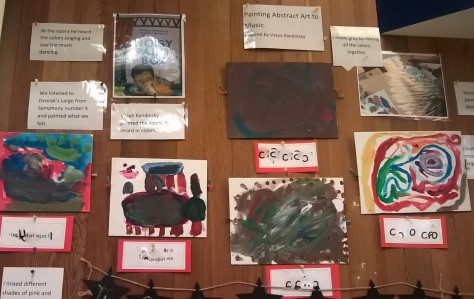
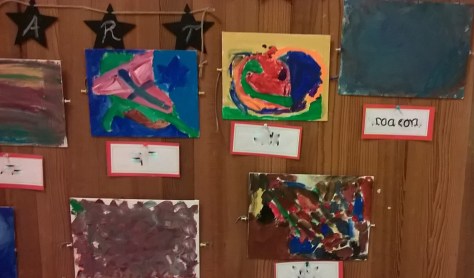
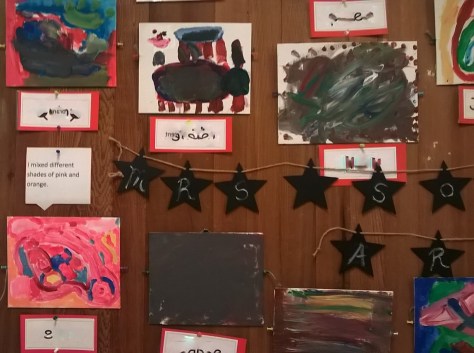
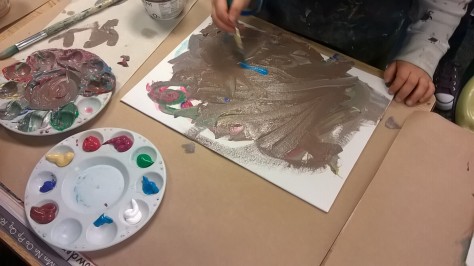 One way to ensure that you don’t end up with a wall of identical paintings is to introduce children to abstract art. We used the book
  as a starting point. The book tells the story of Kandinsky’s ability to ‘see music’ and ‘hear paintings’.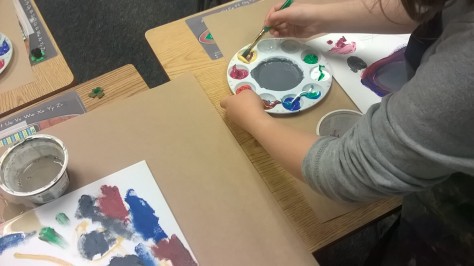







 Right from the Start