All posts by rightfromthestart

What is That White Stuff Flying Around? Co-constructing Knowledge, Sustained Shared Thinking and Seeing the World Through a Child’s Eyes.

Disclaimer the links to books referenced in this post, contain Amazon Affiliate Links.

Many years ago, I attended a training course where we were encouraged to follow the acronym OWLS in our teacher-child interactions.  OWLS stood for

Observe

Wait

Listen

Speak

Children are naturally full of curiosity. Sometimes questions are asked as a way of thinking out loud and sometimes asked directly to obtain an answer from an adult.  In both scenarios, if we follow OWLS we will discover a great deal about the children’s way of thinking and enable them to provide their own hypotheses.

If we are to support, rather than limit, children’s developing understanding, we need to allow them to help us recapture some of the wonder and innocence we have lost and to gain insight into their struggles to make sense of what is often a confusing and worrying world. Teaching is not about imposing our views, concerns or values on others. It is about enabling children to carry out their own investigations and draw their own conclusions. (Margaret Edgington – The Nursery Teacher in Action)

My children watched the fluff flying around the playground and wondered what it was. I’m not sure if they wanted a direct answer from me or a means of discussing possibilities together. I took it as the latter and listened to their thoughts.

The children used their existing knowledge about fairies, clouds, snow and cushion fillers to create hypotheses.  They also borrowed ideas from the familiar story Cloudland by John Birningham to create a new story. Their answers could be a springboard to a project where the children create worlds, stories and characters involving the mysterious fluff.

Jerome Bruner explains that when we see children as thinkers, understanding is fostered through collaboration and discussion. The child is encouraged to express their views to achieve a meeting of minds with others with different views.

As the discussion ensued, the girls used their senses to explore the material and build on what they already know about the world  to find answers. My role was to build an exchange of understanding between the two children and myself, to find the roots of the children’s systematic knowledge.


As we turned the corner we found a clump of the fluffy stuff.
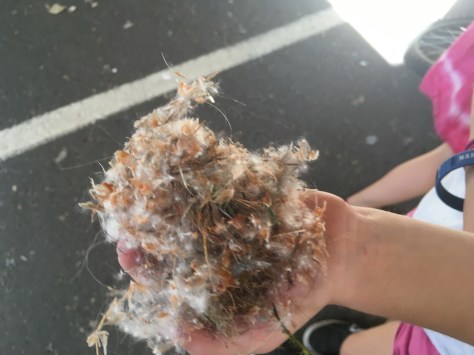
IMG_1376


The children began to construct even more elaborate stories, connecting with worlds they had previously imagined.

Encouraging these moments to develop into projects is described by Carolyn Edwards in The Hundred Languages of Children. She describes the role of the teacher in Reggio Schools.

The teachers constantly pay close attention to the children’s activity. They believe that when children work on a project of interest to them, they will naturally encounter problems and questions they will want to investigate. The teachers’ role is to help the children discover their own problems and questions. At that point, moreover, they will not offer ready solutions but instead help children to focus on a problem or difficulty and formulate hypotheses. Their goal is not so much to facilitate learning in the sense of making it smooth or easy, but rather to stimulate it by making problems more complex, involving or arousing. They ask the children what they need in order to do experiments – even when they realise that a particular approach or hypothesis is not “correct”. They serve as the children’s partners, sustaining the children and offering assistance, resources and strategies to get unstuck when encountering difficulties – Carolyn Edwards.

I wonder how many rich learning opportunities are missed in our school system because there isn’t time to slow down and teach in this way? Perhaps, all the more reason to share these experiences with our children when they are at home.

The children went on to discuss the ‘fluff’ with their friends. One friend told them it comes from a tree and they thought it was Dogwood.  The next question was ‘What is a dogwood tree?’. This will be the next step in their discoveries.

Art Lessons: An Introduction to Clay

I believe clay should be readily available in every early years classroom. For many kindergarten or reception classes this isn’t always possible or practical.  In my daughter’s kindergarten class, I give them an opportunity to experience clay during our art classes in the hope that they will build on it in future years and at home.

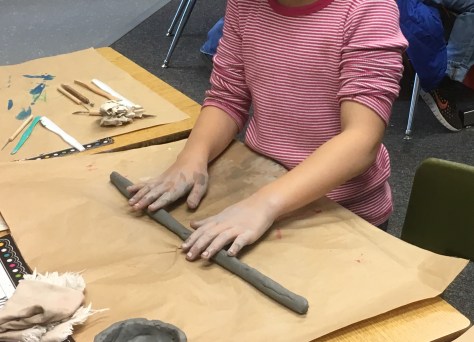
rolling-coil-pot

Before making a product, I feel it is important to explore and understand the properties of clay.  In my own class I would give the children a chance to explore clay with hands, different tools and different sized pieces over a long period of time before creating any finished products.

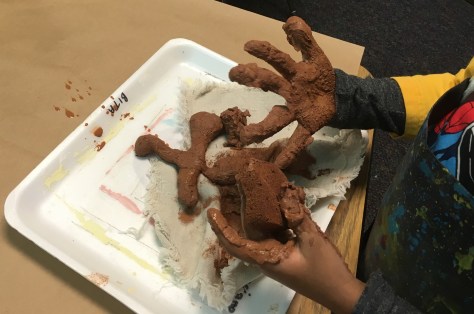
clay exploration
I made a shape. The clay makes my hands messy.

I showed the children a series of pictures of children exploring clay.  Pictures of children climbing on big pieces, rolling great structures, building with blocks of clay and adding objects to clay.  I feel a little sad that we don’t have the opportunity to explore these things ourselves but I want the children to see the many possibilities.

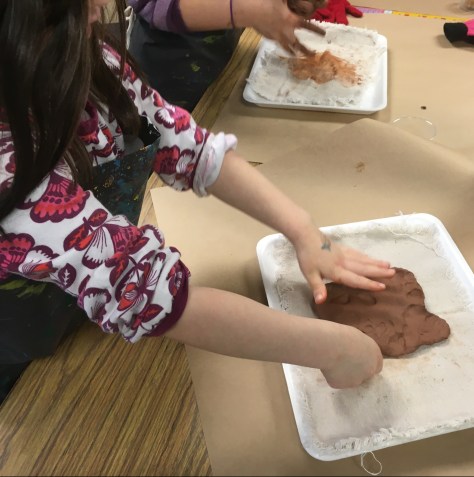
flattening clay
I can squash it flat

The children have a piece of clay to explore. I gave them questions

  • Can you roll the clay into a long shape?
  • Can you squash it flat?
  • Can you make a round shape?
  • How does it feel?
  • Can you make it smooth?

The pieces I gave them came from the scrap bin and they were really wet and sticky.  We talked about how it felt and how it differed from some of the pictures we had seen.

clay a sensory pleasure
For some the wet clay was too messy but others revelled in the feeling of squishing it between their fingers.

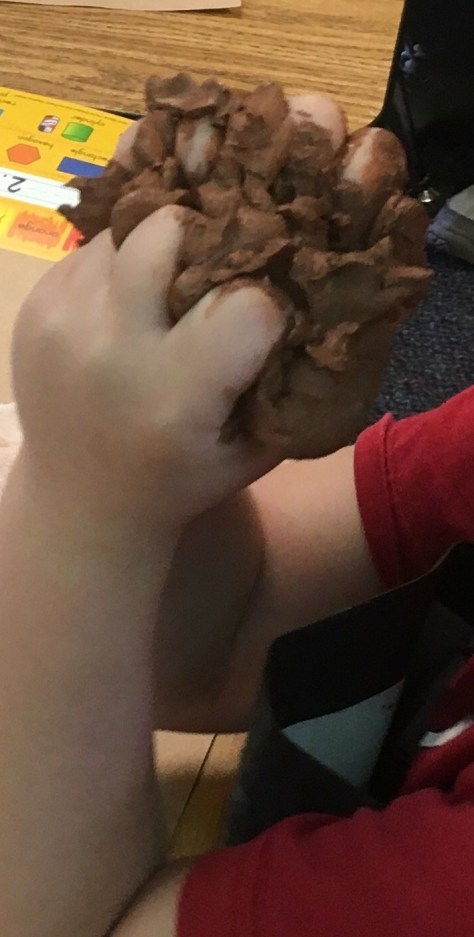
I then showed them how we could use tools and everyday objects to make patterns and textures in the clay.

Suggested objects

  • clay tools
  • shells
  • cocktail sticks/toothpicks
  • bottle tops
  • pine cones
  • mesh
  • stampers
  • straws

The children explored and we put the clay in a bag for the children to take home and explore further at home.

clay
I can make patterns with my fingers

Building on the skills to make a project

In the introductory lesson we had explored the properties of clay and how we could manipulate it and add texture.  We did not touch on how to join clay pieces together as I wanted to keep the project simple and work on pattern and texture.

I pre-rolled pieces of clay for the children to ensure it wasn’t too thin and it wouldn’t break in the kiln.

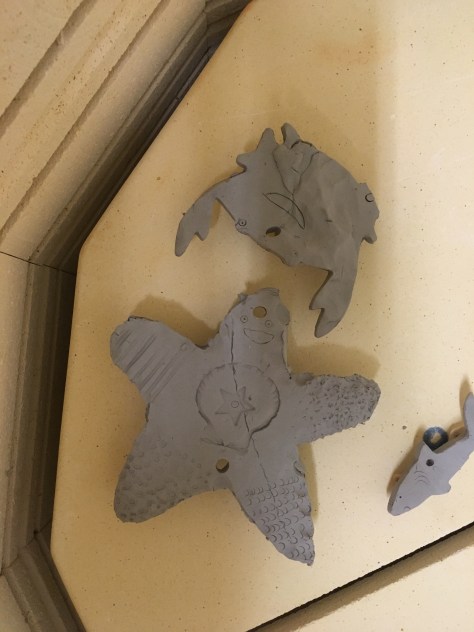
I demonstrated how to cut around a template with a clay tool to make a shape.  The children were given a choice of a fish or a starfish as the finished products were to be displayed in our art walk with a water theme.  I have also created similar projects in previous years with hearts and circles.

IMG_1036

They then used different tools to create different patterns on each section of the fish or starfish.  The smaller animals were cut out using cookie cutters.

The holes were made using straws.  The children learned that by pressing hard they could make a hole but if they pressed lightly it would make a circular pattern, but not go all the way through.

Lesson 2 : Glaze

We are really fortunate in our school to have a kiln and be able to fire projects, as this allows children to go beyond exploring clay and to learn about the requirements of creating lasting projects.

painting glaze

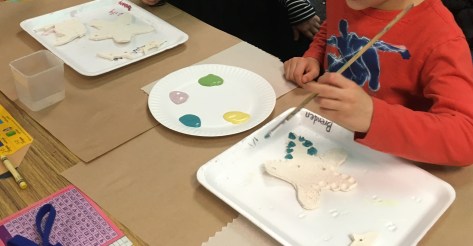
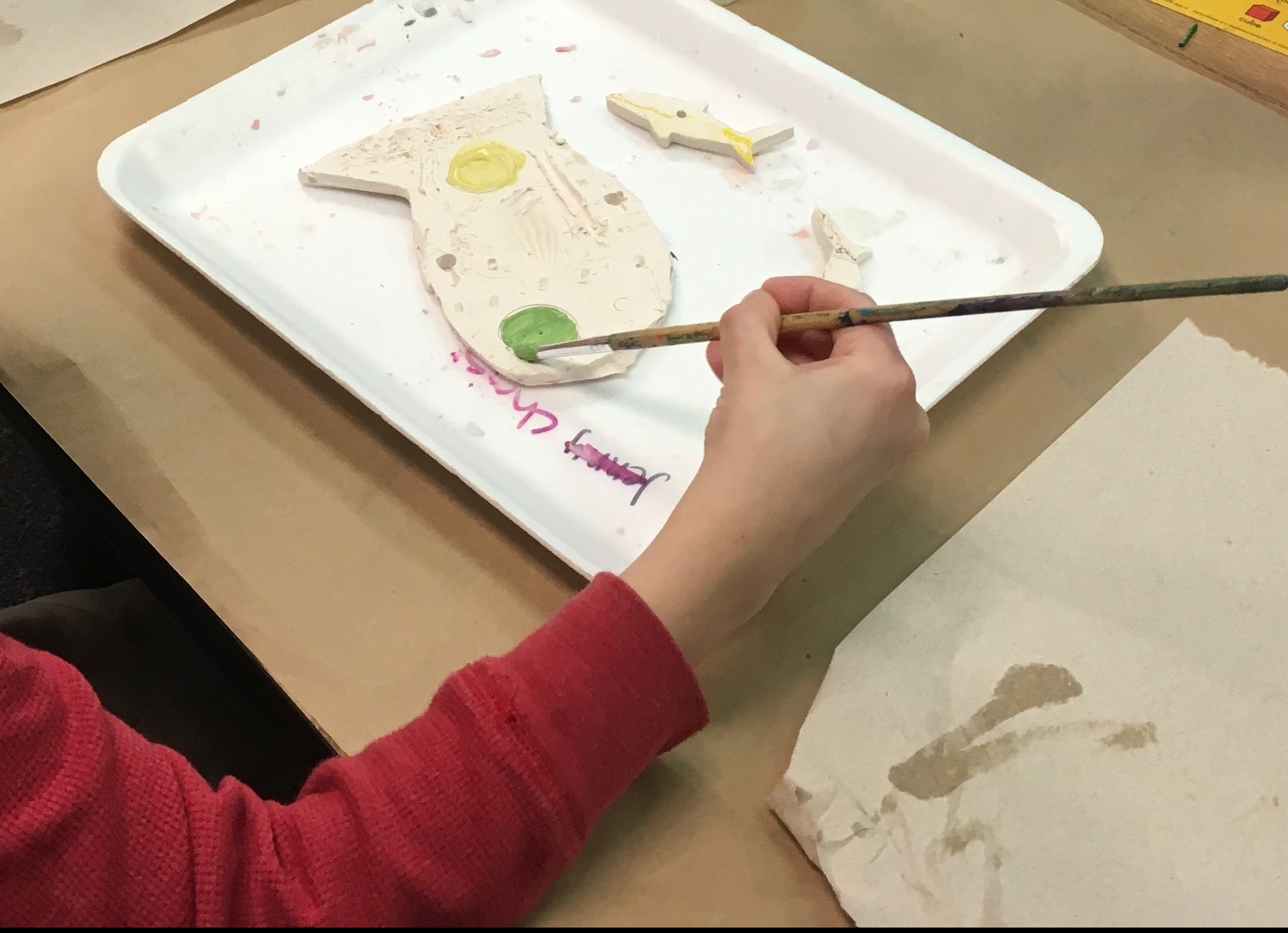
The children painted each section of their project with different colours and patterns.  They were really meticulous in their execution. They painted three layers to make sure the colour coverage was strong. Some children painted different colours for each layer. I would suggest showing children different examples so they can see how different techniques will turn out.

img_1064-e1494963811864.jpg

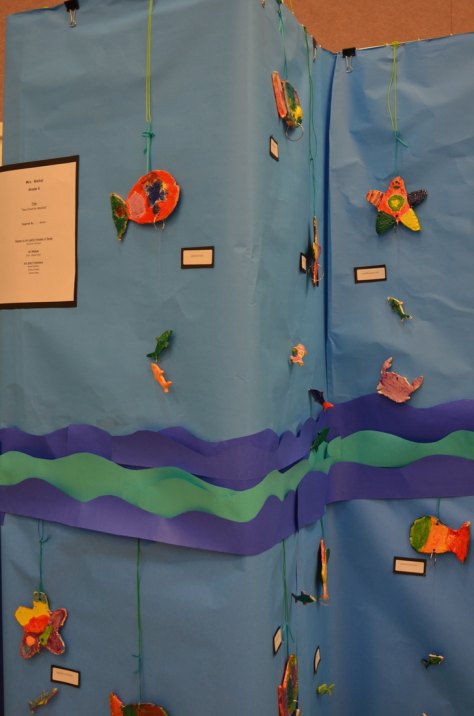
When they came out of the kiln, I made them into mobiles using fishing line and ribbon.

The finished products at the art walk

IMG_1202

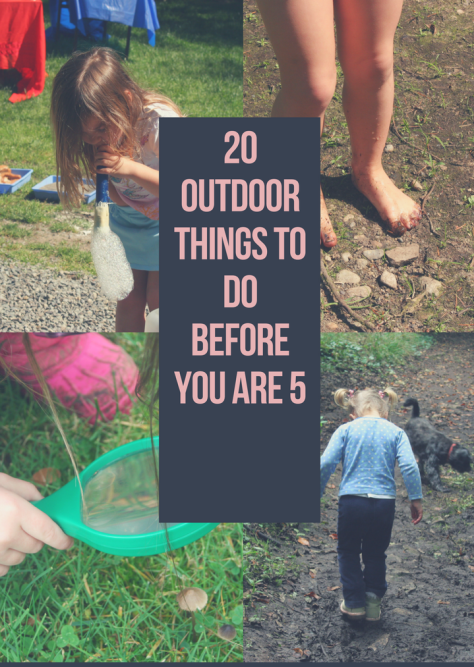
20 Outdoor Things to Do Before You are 5


outdooe pin.pngThese Ideas were originally written for Parentmap in 2013
When my eldest daughter was working through the National Trust’s list of ’50 things to do before you are 11 3/4′.  I was inspired to create a companion list for my younger children.  Some of the challenges on the National Trust list, like picking wild blackberries were easily completed by young children but I felt a list of basic foundational outdoor experiences for babies, toddlers and preschoolers could work alongside it.

I realise that we are fortunate to live in a house with a garden and nature all around us but I tried hard to make the experiences accessible to all, in all weather and without an outdoor space at home. There are many amazing things that young children can experience outdoors, these are the ones I believe are essential .

20 things to do before you are 5.   

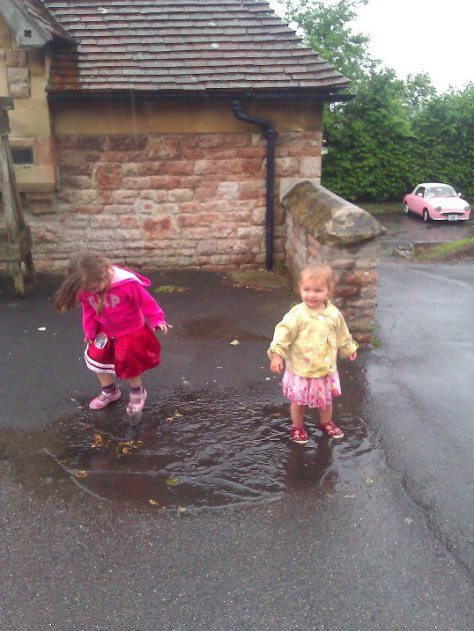
  1. Splash in a puddle:  Put on your rain boots and/or waterproof trousers and splash in puddles large, small and muddy.puddles
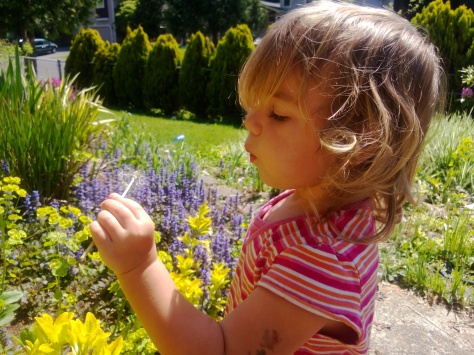
  2. Blow a dandelion clock : counting out the hours of the day as you blow

    blowing a dendelion clock
    child blowing a dandelion clock
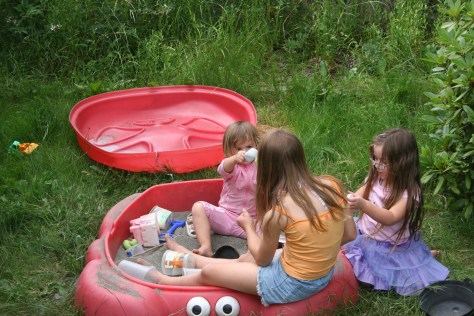
  3. Play in sand: In a sand box, at the park or at the beach. Playing with sand needn’t be limited to building sandcastles. Explore wet and dry sand, fill containers, hide things in the sand, draw in it with a stick or make a dinosaur swamp.

    sand play
    Sand play
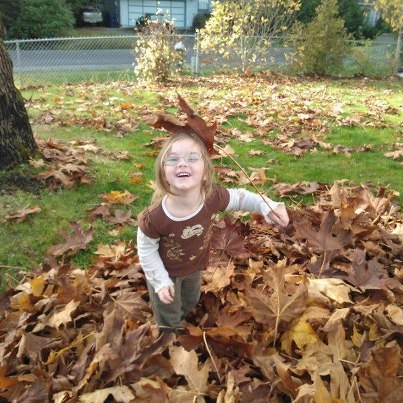
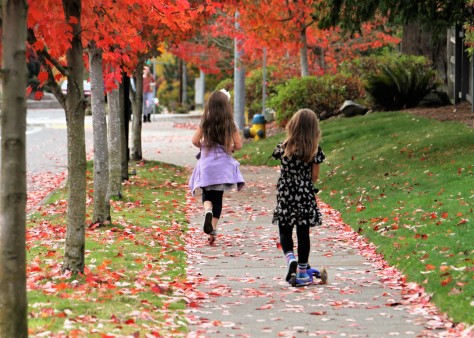
  4. Walk through crunchy autumn leaves: You could also catch some from the trees as they fall, take them home and print with them or make a crunchy collage.autumn leaves
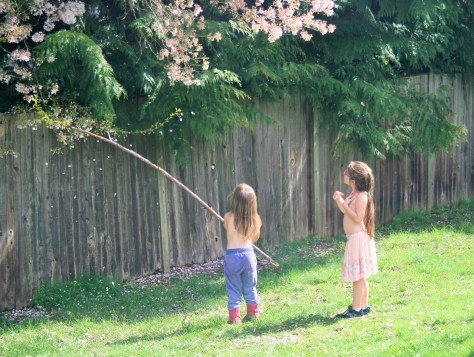
  5. Catch blossom from a tree.blossom
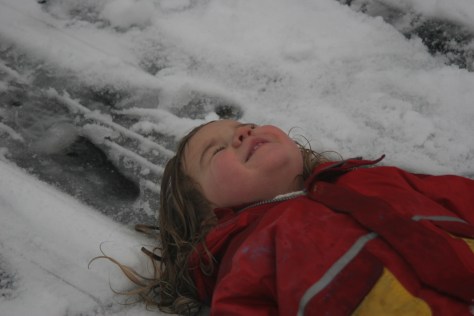
  6. Play in the snow:  If snow is thin on the ground head out to a snow park or if you live in a country where you don’t have snow, set up some icy play in the sunshine.

    lying in the snow
    I just want to lie in it
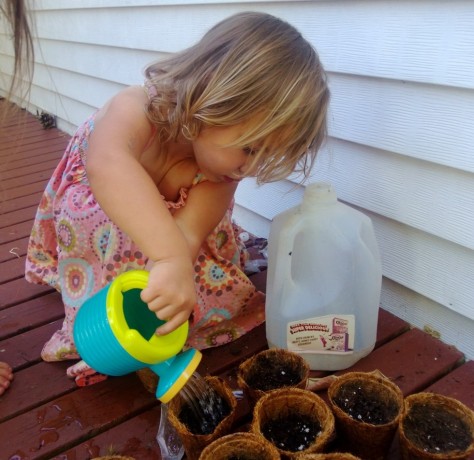
  7. Grow a flower from a bulb or a seed: Guess the colour of the flower that will grow or grow a tall sunflower and measure it as it grows.WP_20130718_004 (2)
  8. Ride a tricycle, bicycle or scooter.IMG_0513
  9. Make a mud pie: You could even build a mud kitchen using old pans and kitchen utensils.mud kitchens
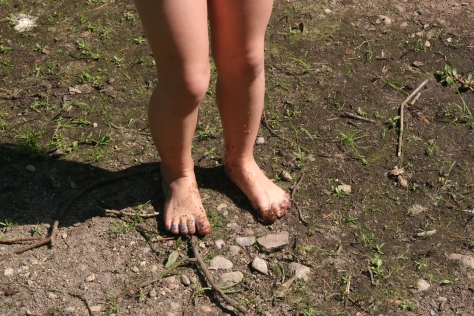
  10. Walk barefoot on grass, mud or sand: Walking barefoot helps children to balance and strengthens muscles in the foot. It is also a great way to stimulate the senses and talk about different textures.IMG_0615
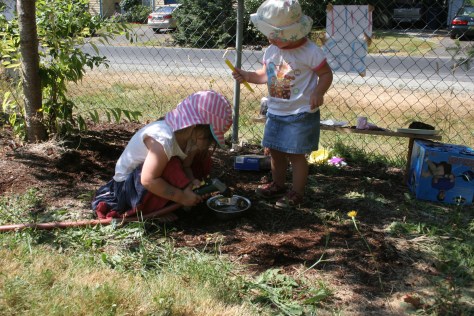
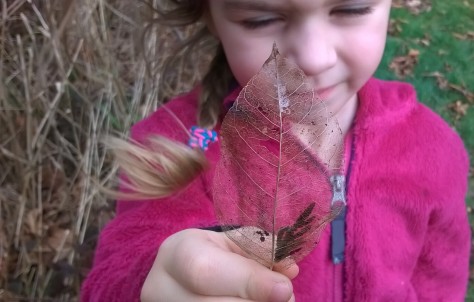
  11. Collect natural materials from the woods, beach or park: Collect shells, leaves, pinecones or seeds. Put double sided tape on a pair of boots or a hat and help the children collect items to stick on. Use them to make pictures, sculptures or for small world play.skeleton leaf
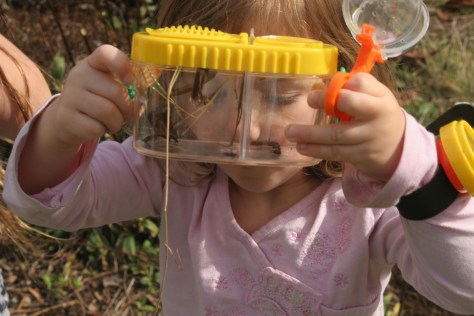
  12. Go on a bug hunt: Dig for worms, look in dark places or watch spider webs wet with dew.

    bug hunting
    I found a beetle.
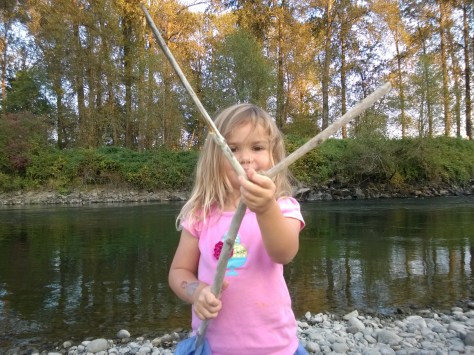
  13. Play with a stick: Sticks can be swords, fairy wands or pencils. We have a huge collection outside our front door as our only rule is ‘No sticks in the house’.

    Y sticks
    Let’s see how many ‘Y’ sticks we can find.
  14. Go for a walk in the woods.
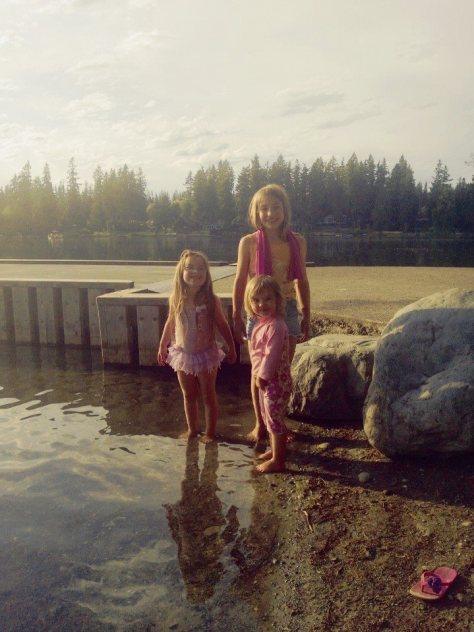
  15. Paddle barefooted in the ocean, lake or stream: If your budget or location doesn’t allow you to get to the seaside, lake or stream, paddle barefooted in a puddle.paddling
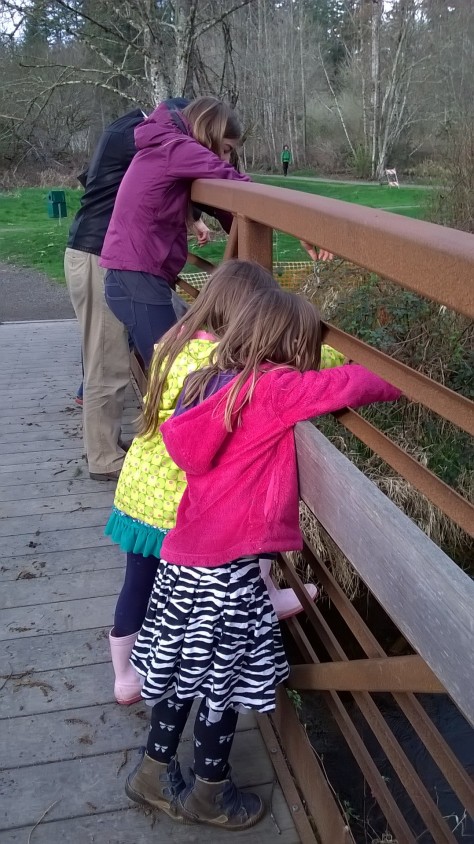
  16. Play Pooh sticks.pooh sticks
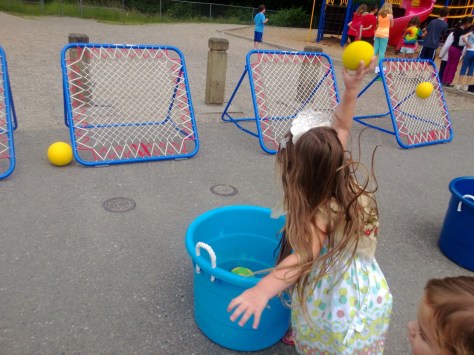
  17. Throw and kick a ball: Start with large balls and as children get older experiment with different shapes and sizes.

    fairground games
    Throw the ball at the trampoline and see if you can bounce it into the tub.
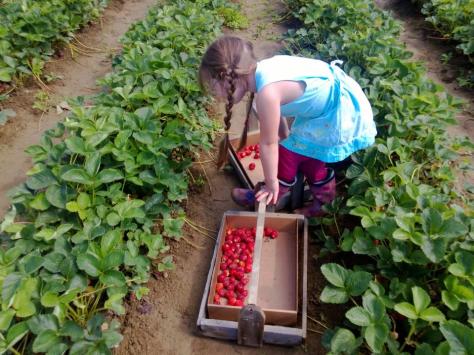
  18. Go fruit picking: At a farm or pick wild berries in the woods or park.strawberry picking
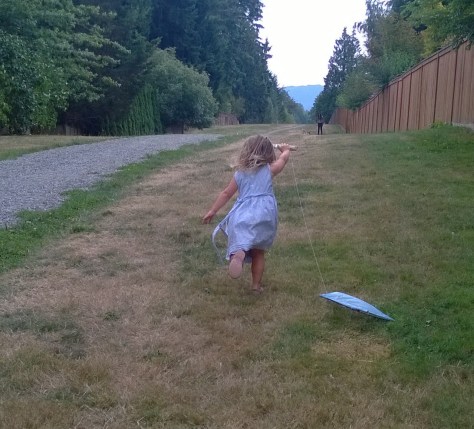
  19. Run in an open space.kite(1)
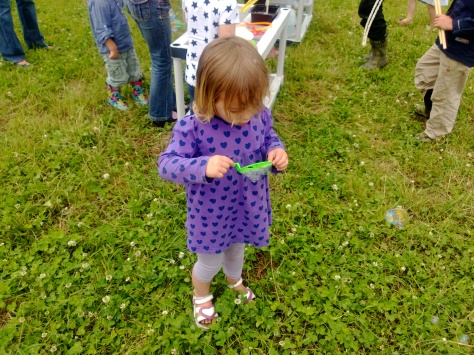
  20. Chase and blow bubbles.
    dr mazes farm
    small bubbles

    My little ones are over 5 now but still their favourite thing to do is climb the tree in our front garden,  make a mud pie or potion (my 8-year-old carried a pot of gooey mud home from school yesterday) or collect and create with sticks, petals and stones.

What would be on your list?


Scrap Workshop:What do children learn from playing with boxes and scrap materials?

Scrap Workshop cover

One of my favourite workshops to lead at a local play centre was scrap workshop.

I liked it because it was suitable for all ages, it was a natural extension to my heuristic play workshops with toddlers and it gave children the freedom to develop both creativity and skills.

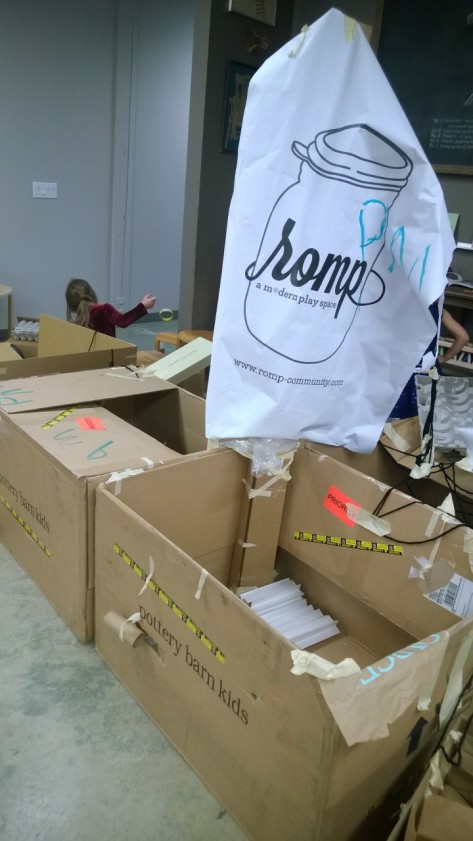
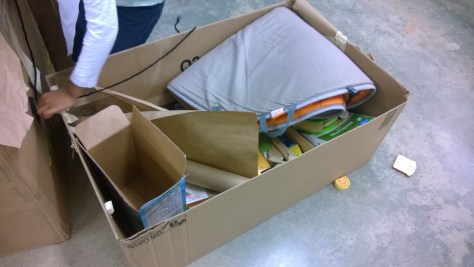
We collected all kinds of scrap materials, large and small and displayed them in separate containers.

Examples of materials

  • boxes
  • tubes
  • plastic containers
  • fabric
  • pipe cleaners
  • beads
  • shells
  • pinecones
  • bottle tops
  • straws
  • netting

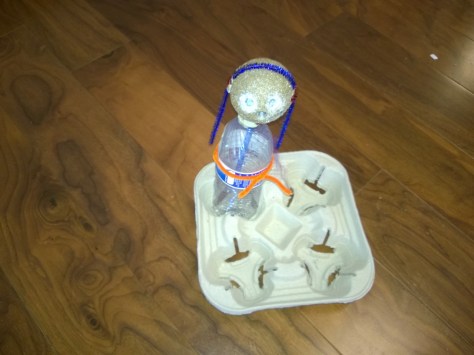
Sometimes we would give the children a project

  • make something that moves
  • make something that makes a sound
  • build a replica of the Mayflower

junk boat

or a problem arising from a project or book

  • invent something to help Rapunzel get out of her tower
  • Can you build a house that can’t be blown down
  • How could you be rescued from a desert island?

but best of all we would make sure there was plenty of tape, string, scissors and markers and let them create and explore.

Sometimes they worked on small projects

WP_20140730_012

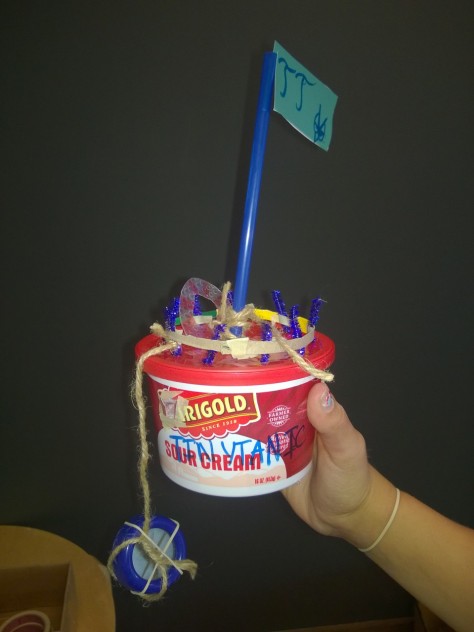
a boat with an anchor

or larger group constructions

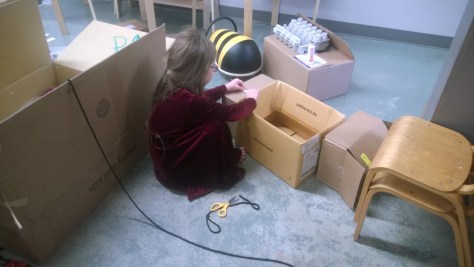
building a boat

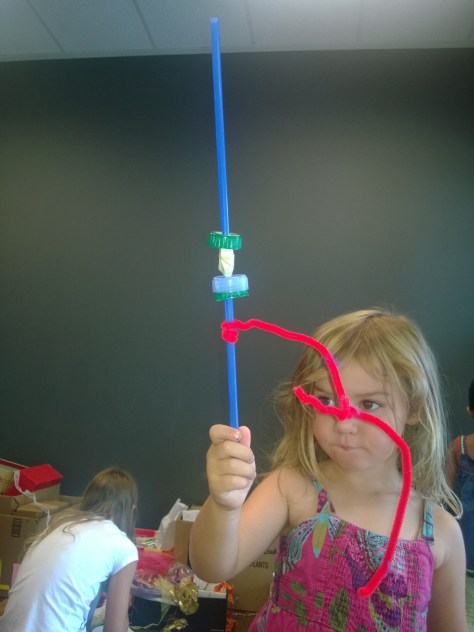
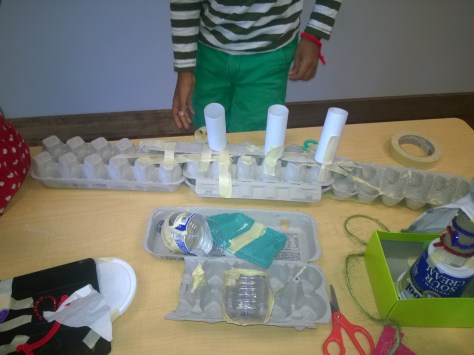
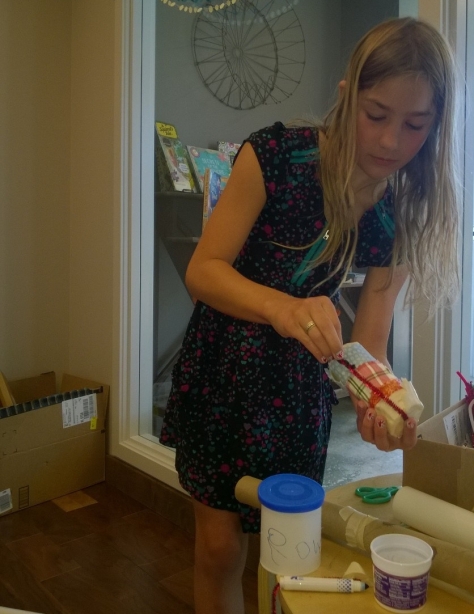
they practised threading

WP_20140820_002

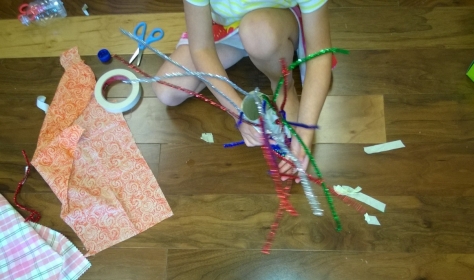
and joining

scrap workshop

made things for dramatic play

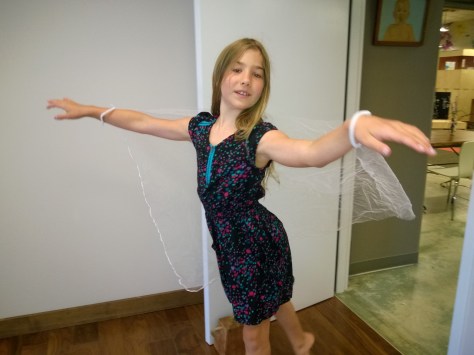
wings

and problem solved

‘ When children engage with people, objects, ideas or events they test things out and solve problems.  They need adults to challenge and extend their thinking. (EYFS 2008 – Active Learning).


scrap workshop
How can you balance 3 boxes without them breaking?
They made choices

Provide flexible resources that can be used in many different ways to facilitate children’s play and exploration’  (EYFS 2008 – Supporting every child).


joining parts of the boat

and tested strategies

WP_20140730_009

they discovered how two different materials could work together

‘ Every child’s learning journey takes a personal path based on their own individual interests, experiences and the curriculum on offer.’ (EYFS 2008 – Supporting every child.)


WP_20140820_004

and nobody asked them “What is it?”

Active learners need to have some independence and control over their learning to keep their interest and to develop creativity.’ (EYFS 2008 – Active Learning).

WP_20140730_013

They worked at a table

WP_20140730_011

or on the floor

WP_20140730_006

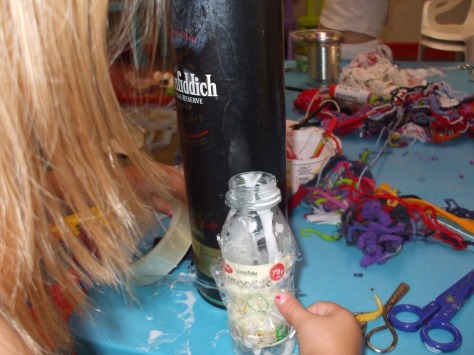
and made discoveries using all of their senses.


An open-ended project like this gives plenty of opportunities to observe and work alongside children, guiding them towards their next steps and sharing ideas together.

’ When children have opportunities to play with ideas in different situations and with a variety of resources, they discover connections and come to new and better understandings and ways of doing things.  Adult support in this process enhances their ability to think critically and ask questions’  (EYFS 2008 – Creativity and critical thinking)


filling and emptying

This child wasn’t interested in joining pieces or making anything. They explored filling and emptying.

scrap workshop

This child wrapped and wrapped their construction with tape.  They went on to wrap their hands with string. We provided them with materials they could explore wrapping in more depth – paper sheets, tape, string, ribbons , blankets, paper strips with tubes, poles, boxes, and table legs wrapped in string.

‘ Children need and will respond positively to challenges if they have a good relationship with the practitioner and feel confident to try things out.’ ( EYFS 2008 – Supporting learning).

The children were able to work in mixed ages. The youngest children were 2 and the oldest 10. All the children enjoyed the workshops and learned from and supported one another.

‘ In their play children learn at their highest level’  (EYFS 2008 – Play and Exploration).


4 Ways to Inspire Kids to Go Outside and Be Active

Disclaimer: No payment was received for writing this post. I received a few small samples of Go Organically Fruit Snacks.

go organically outdoors

May is National Physical Fitness and Sports month and to inspire kids to get outside and be active this spring Go Organically have come up with 4 things to try. I don’t often share content from brands but I liked the ideas in this one and they align very closely to the ways I encourage my family to go outside.

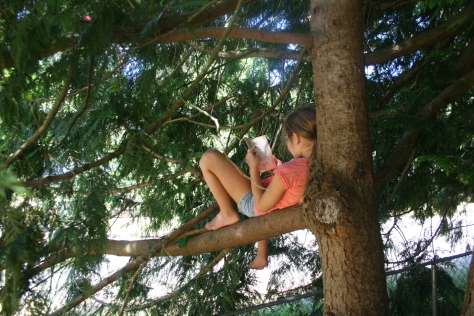
My kids favourite outdoor activity is climbing trees. It’s the first thing they do when they get home from school and I love that it attracts them more than any other activity.It is important to me that my kids get independent playtime outside, but sometimes kids won’t go outside without a little push from an adult.  Here are some simple ideas from Go Organically fruit snacks  if your kids need a little encouragement.

reading in the tree

1.       Gear Up

Make sports equipment easily accessible so you’ll be more likely to use it. Park bicycles near the front of your garage, or keep scooters in the mudroom to inspire impromptu usage. Stash a Frisbee or soccer ball in your car for pick-up games, or “catch up” on the day while playing a quick game of catch in the evenings. The idea is to integrate activity into your everyday life so it becomes a part of your routine.

I love the advice about integrating it into everyday life. We use scooters to go to school everyday, often stop at the pond near school to explore the changing seasons and have skipping ropes near the door so they are easy to grab.

IMG_0513

2.       Play Nature Bingo

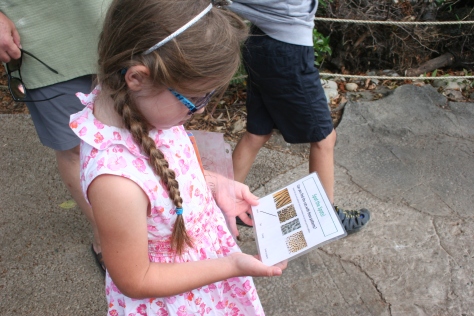
Which family member has an eagle eye for spotting things like squirrels, ant hills or pine cones? To find out, head to your local park—or simply your own backyard—and play an active yet educational game of Nature Bingo. Print out a free online template (we like these for their earthy feel) and try to find as many items as you can, marking off each square as you go.

Nature bingo is always fun. When my girls were younger and struggled to walk back from the park, I would pretend we were pirates and give them a list of “treasures” they had to find or collect .You can also try some of these  woodland activities we enjoyed. They would work equally well in a garden or park.

finding big cat markings

3.       Embrace Old School Games

When we were kids, it was all about classic backyard games like Freeze Tag, Simon Says and Hide-and-Seek. Our favorite? Red Light/Green Light. One child acts as the “stoplight” and stands with his or her back to the crowd across the yard from the other kids. When the stoplight shouts “green light,” the kids move forward and try to be the first to touch the stoplight. At any point, the stoplight may shout “red light!” and turn around. If any of the players are caught moving, they’re out.

Regular readers will know, I think it is really important to teach my kids games from my childhood and other simple games. It will not only preserve these games and rhymes for future generations but it is also an opportunity to play together outside. I recently taught them how to play elastics (French skipping) and we had great fun.

Try out some of my families favourites here.

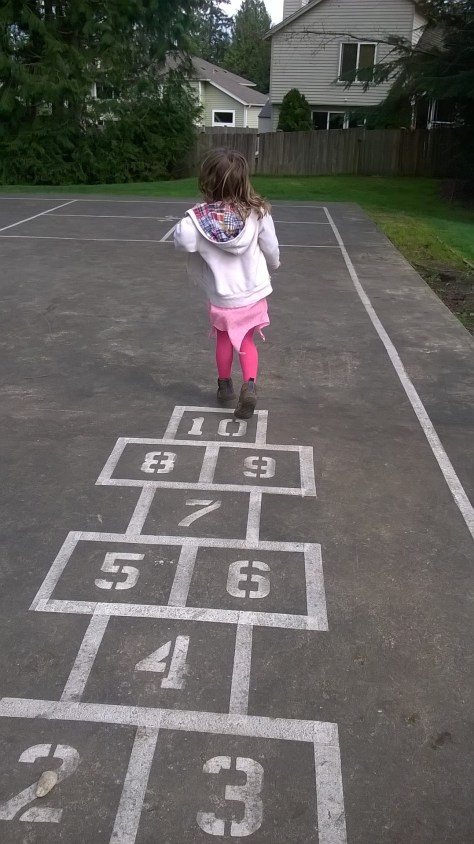
hopscotch

4.       Take a Walk

It sounds so simple, but sometimes it’s nice to get back to basics with regular family walks. Take the dog out together in the morning instead of making it a one-man job. Or work off dinner by hitting the pavement as a family for a sunset stroll. It’s a great way to discover your surroundings, get to know your neighbors, and enjoy quality time as a family while burning off energy. When my youngest was small she hated to walk but loved to see things in our neighbourhood. I bought her a scooter and she used that and never complained.

IMG_1414 - Copy

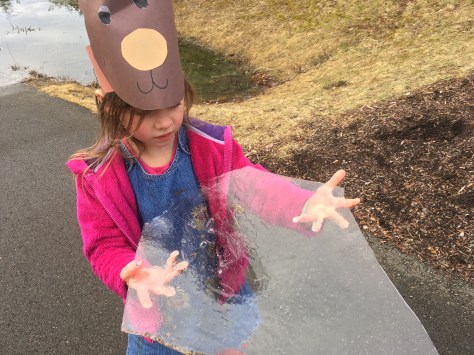
Before my youngest started school, she would ask me everyday if we could go for a walk.  We wouldn’t go far, a quick circuit around the neighbourhood was often enough for her, but she loved to discover things you can only find on foot.  We identified flowers and plants, rescued worms and snails, found caterpillars, ducklings, birds, frogs and salamanders, caught blossom, collected leaves and carried sheets of ice.  My daughter didn’t like to walk far when she was younger but once I bought her a scooter we could go on long walks together.

carrying a sheet of ice

What are your favourite ways of getting outside?

If you like these ideas, and you would like to explore more, below are some of my many outdoor play posts.

Activities with leaves

Inspiration for a low cost outdoor playspace

Ideas for encouraging children to enjoy their natural environment

Water Gun activities

Build a Fairy Garden

 Ideas for playing outside in the Spring

Ideas for playing outside in the rain

Ideas for playing outside in the dark

Ideas for playing in the snow

Children connecting with Nature (discussing the findings of a 3 year study into how connected to nature the UK’s children are)

Loose Parts

Why mud Play is good for children

Finding the alphabet in nature

To find more resources, click on the outdoor play tab above.

Recycling Plastic into Art Inspired by the Washed Ashore Project.


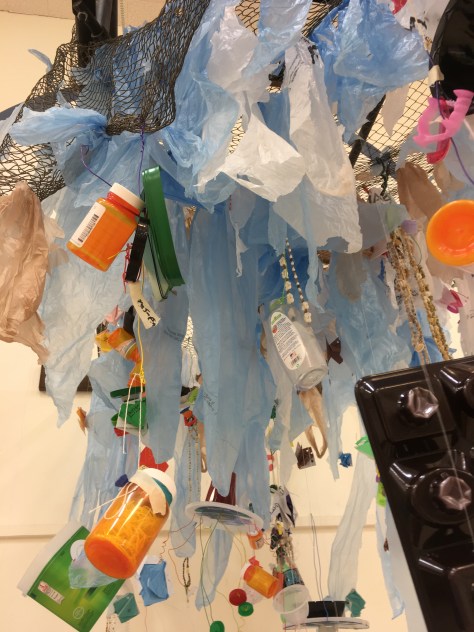
I wanted to make a collaborative, three-dimensional piece for our art walk with 2nd grade.  The theme for this years art walk is water.

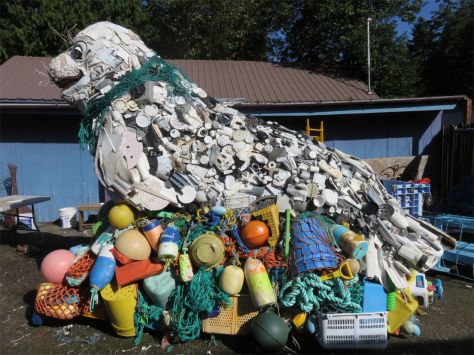
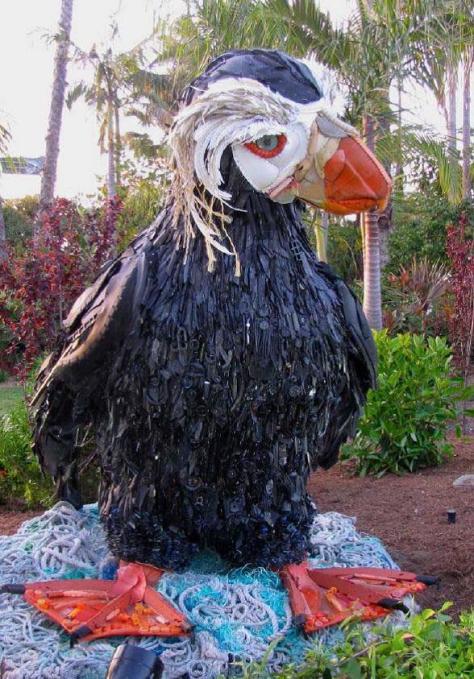
I came across a wonderful project called Washed Ashore . The Washed Ashore project is a joint art and education initiative. Artist Angela Hazeltine Pozzi, worked with hundreds of volunteers to collect plastic washed up onto Oregon beaches, clean it up and turn it into sculptures of sea creatures. The plastic is re-used to create art that represents creatures at-risk from the pollution of ocean plastic.

washed ashore project
Photo credit Washed Ashore

This image immediately struck me as something we could use as inspiration.

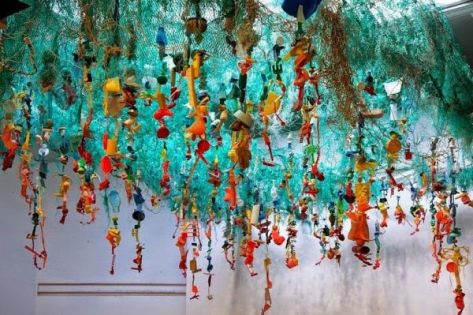
Sea-creature-sculptures-from-waste-by-Washed-Ashore_6
Image credit greenspyke.com

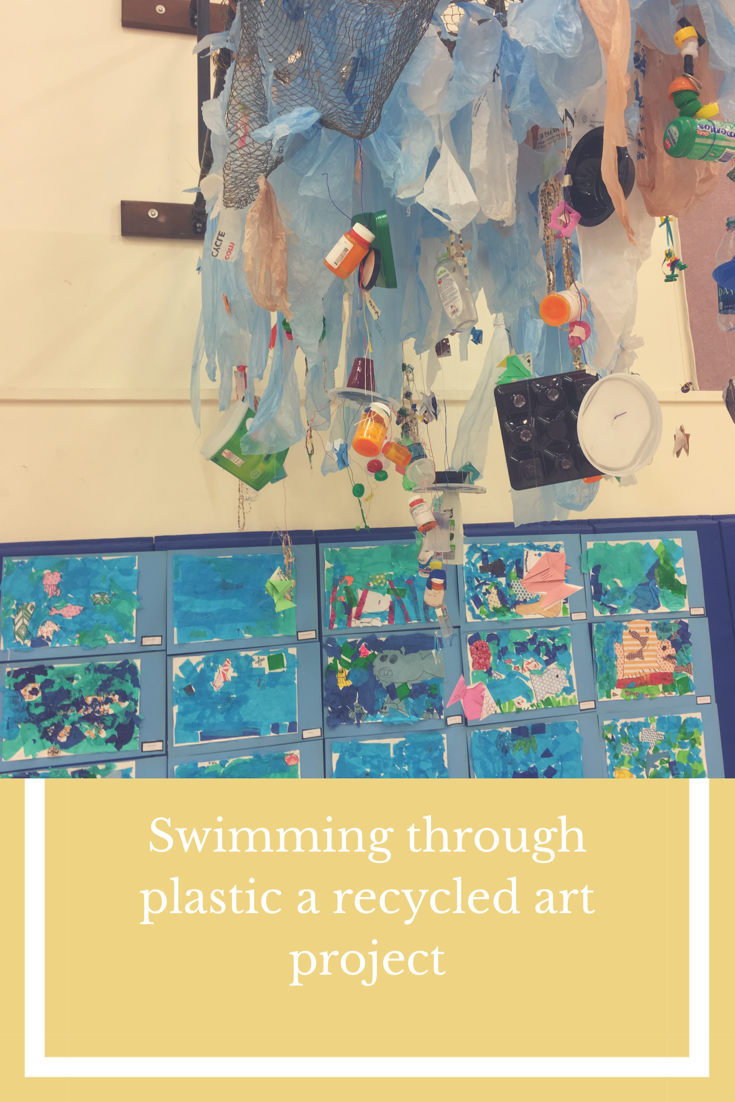
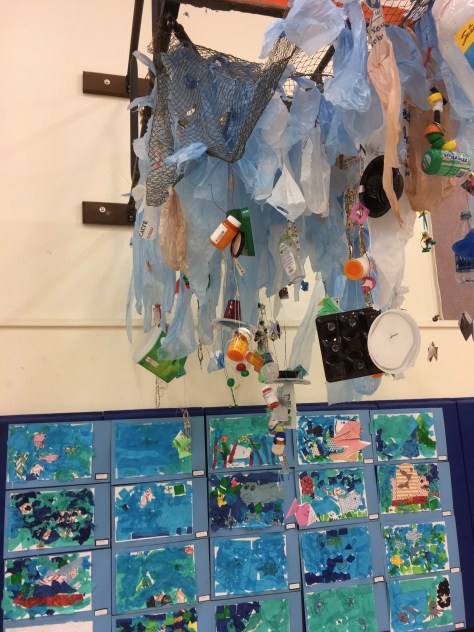
I decided to call our piece “swimming through plastic“, adding origami fish swimming amongst the plastic mobiles .The class have been learning about pollution in social studies this term so this was a perfect project to extend their thinking. The art project was completed in two art sessions.

We began the first lesson with a short video about the Washed ashore project and a discussion about how this linked to their social studies work on water pollution.

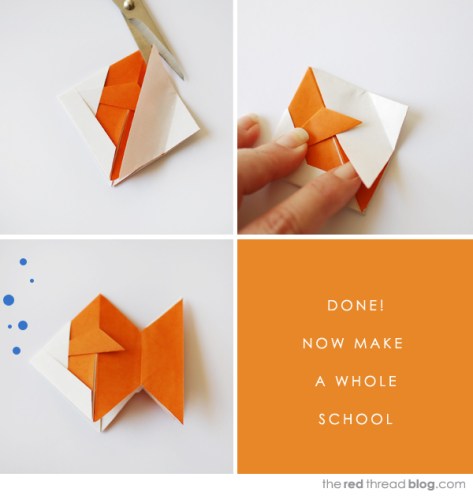
Origami Fish

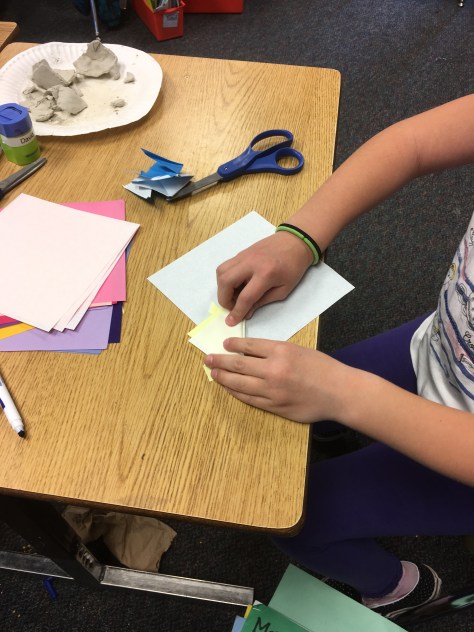
As a whole class, we worked step by step to make a simple origami fish.  We used this origami tutorial from We are Scout. Some children needed help with the final steps of the fish but most could complete it easily.

theredthread_origamifish_steps4

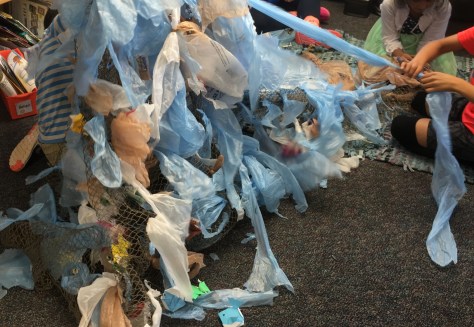
Once the children had made a fish some of the children cut plastic bags into strips and tied them to a decorative fishing net that would act as the base of the piece.


The rest of the class worked on making plastic mobiles.

Plastic Mobiles

We collected plastics from home to make the mobiles. Ideally I would have scoured the beach for debris and used real beach trash, but the weather has been so awful this spring that we didn’t make it to the coast.  I was also a little worried about  hygiene, as I wasn’t sure I would be able to clean the plastic well enough.

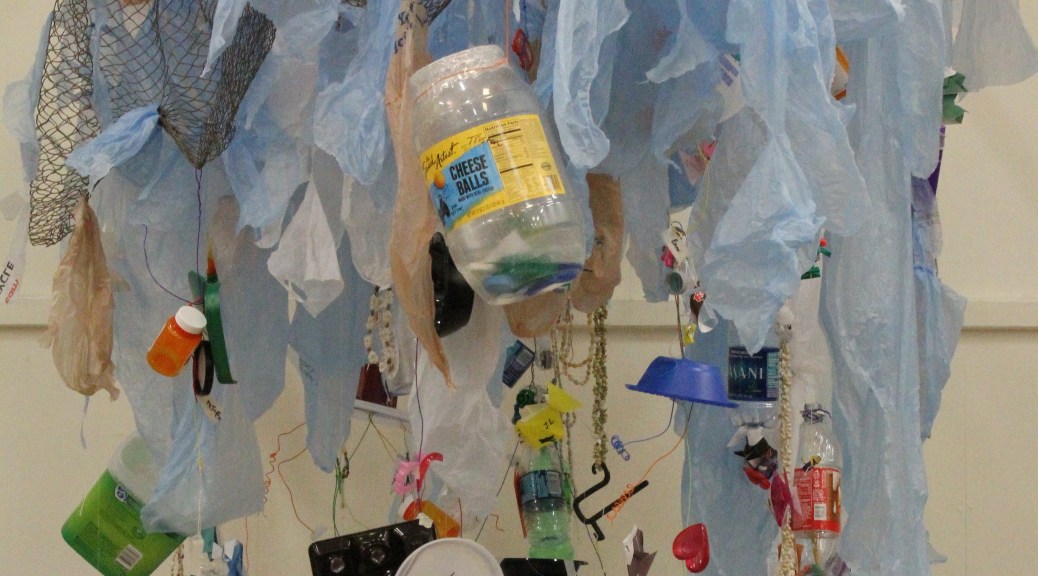
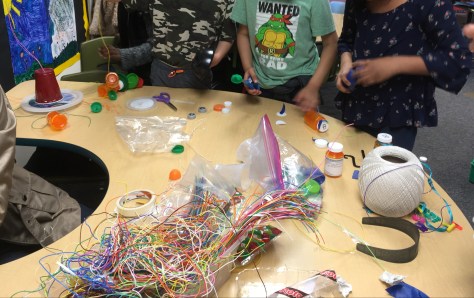
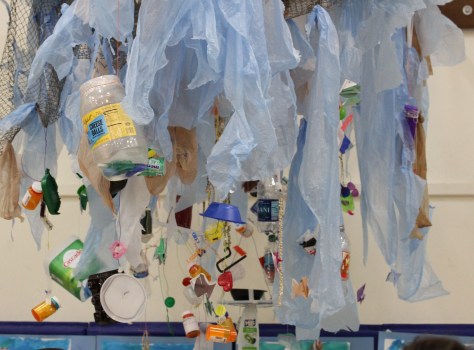
We collected small pieces such as bottle tops and small plastic toys and larger objects like bottles and containers.  The children were given wire, string and tape to fasten the pieces together in any arrangement they wished.

mobiles for swimming through plastic

One child chose to place bottle tops in a plastic tub and fill it with water.  I explained that the water would make it too heavy so we agreed to remove most of the water but leave a small amount, enough for the bottle tops to float.

recycled plastic art project
The water-filled mobile takes pride of place at the front of the display

By the end of the first lesson we had part of the net assembled, one origami fish per child and ten plastic mobiles.

Lesson 2

I wanted to involve the children as much as possible in putting the piece together. Our next art lesson was the day before the art walk so we used this time to assemble it and create more pieces.

tying blue bags to the net
tying the bags and fish to the net

The lesson was split into four stations.

  • origami fish – a small group worked to make more fish
  • tying the fish to line and attaching them to the net – we punched holes into the fish and tied on the thread.
  • cutting strips of plastic bag and tying them to the net – I found more blue plastic bags and the children cut and tied them at different lengths
  • making mobiles from plastic. – this time we provided smaller pieces, that they assembled to make long, lightweight mobiles.

IMG_1191

The Art Walk

IMG_1195

My aim was to make this a piece that could be walked under. To create this, we mounted it around the frame of a basketball hoop with wire.  The fish and mobiles were then attached at the appropriate height.

IMG_1193

We used the children’s underwater collages as a backdrop against the wall.

point defiance

Washed Ashore Exhibit at Point Defiance Zoo and Aquarium

When I was searching for information about the project to share with the children, I was excited to discover that the art pieces will be visiting Point Defiance Zoo and Aquarium from 22nd April, so the children will have an opportunity to see them for themselves.

sebastain james the tufted penguin
photo courtesy of Washed Ashore

Each sculpture is accompanied by an interpretive sign that gives its name, information about the animal it depicts, and an “I Spy”-style list of plastic items that visitors can hunt for among the mountain of trash that Pozzi turned into an appealing sea creature or shore bird.

We’re bringing this exhibit to Point Defiance
Zoo & Aquarium to emphasize our deep
commitment to teaching our visitors that their
daily actions have consequences far beyond
what they might imagine,” said Karen Povey,
the zoo’s Curator of Conservation Engagement.

“We see Washed Ashore as an opportunity for families to learn more about the connection between our actions and the ocean – and do it in a very fun way,” says Andrea Smith , president of the Metro Parks Tacoma Board of Commissioners.
Point Defiance Zoo & Aquarium eliminated the sale of single-use plastic water, soda and juice bottles from its café and vending machines early this year, along with plastic bags in its gift shop and plastic straws and drinking cup lids.

The zoo has been a conservation leader in the Puget Sound region for 112 years, and they are proud to continue that tradition in 2017 with Washed Ashore. The exhibition runs until October 21 2017. I’m hoping to attend in a few weeks time, so watch this space for more insights into this exhibit.

I’m 46 and I’m…. Learning to Dance: How I Found the Confidence to Try

This week, I took a ballet class for the first time in 35 years. Why did I wait so long?


IMG_1203
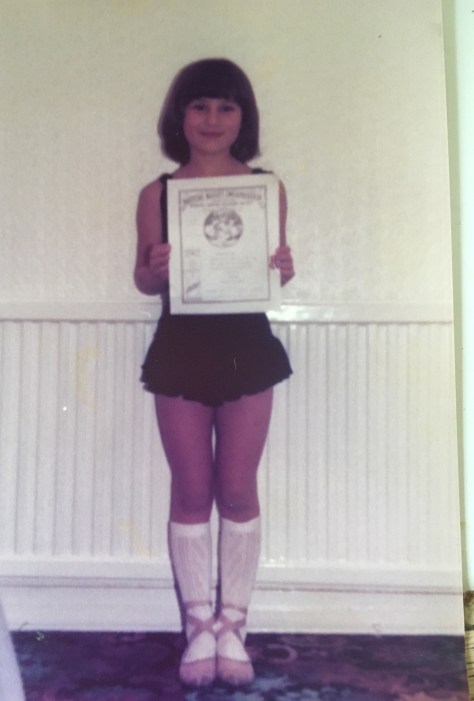
In my ballet dancing days


Believing I couldn’t dance

The last time I took a ballet class I was 11 years old.  My teacher had told me I wasn’t any good, after getting a mediocre grade in my exam and  I never saw myself as a dancer from that point on. I learned basic tap as a teen and was part of the dancing team in one show, but I couldn’t keep up with the girls who still attended dance classes.  With hindsight, I should have found a different teacher and a different type of dance. Soon I was pigeonholed as a singer and actress who could move but not dance.

How it held me back

As a musical theatre performer, this obviously held me back. There were parts I didn’t audition for because I would need to dance and parts I didn’t get because others could dance better than me.  There were bitter disappointments, like the time a director called to say they rated my talent but my dancing wasn’t strong enough for this particular show. My breaking point was a show in which I had to sing in the wings with the old people, because I didn’t pass the dance audition. That was the last musical theatre production I appeared in.


IMG_1206
photo credit Michael McClary


Other obstacles

In my 20’s I tried a few dance classes. Adult tap was fun, until I moved to a different town and the new class made my brain hurt because it was faster paced. I tried a contemporary class but had to travel on the train, which became a pain.  Another class was full of teenagers who had been dancing all their lives and I was completely out of my depth. I really wanted to learn musical theatre dance, but I wasn’t sure what that type of dance was called.  Eventually I gave up trying and resigned myself to never being a dancer.

Perhaps I’ve lived my dance ambition through my kids.  They are all wonderful dancers. I don’t feel like I have pushed them to dance, but perhaps on a subconscious level, I was living my dreams through them.

Now it’s my turn – I’m 46 and I’m trying again.

What changed my mind?

Strangely, it was taking up taekwondo.

IMG_1205

I took up taekwondo three years ago because my whole family attended and I needed a regular activity to make me workout. I really enjoyed the fitness element, as it forced me to push myself to do things I wouldn’t otherwise try.  When I started I couldn’t do a sit up or a press up.  Three years later I could do fifty of each, my weak wrists strengthened and didn’t hurt anymore and hip pain I had been struggling with since my first pregnancy disappeared.

Learning the moves was challenging and sometimes I felt I would never be able to learn the forms or kicks. Over time I began to realise that I was improving, very gradually. I became more flexible, my technique improved and I could remember more complicated poomse.  That’s when it dawned on me.

If I could learn taekwondo in three years, I could apply myself to something I really wanted to learn and in three years time, I could be a dancer.

Finding the Right Class

the studio

As I had discovered in my 20’s, finding the right class as an adult isn’t easy.  It was difficult to find a class during the daytime, when my kids are at school and I have most flexibility. At least this time I knew what kind of class I was looking for.  After watching my daughter at a trial jazz class, it was clear that jazz was the class I had been looking for all these years.

I was so excited when I found a studio that appeared to fit my requirements perfectly.  The Studio, Issaquah, is a dance and yoga studio exclusively for adults. They have a huge variety of classes and class times to suit everybody.   Fear, led to procrastination, but my desire to learn overcame and I booked my first jazz class.

Jazz Class

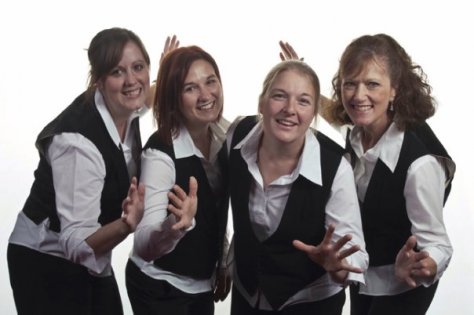
jazz hands

Within minutes, I felt like my 6-year-old self, excited to be at ballet class for the first time.  The studio has a warm, friendly ambience and the people in the class reflect that and were really welcoming. The teacher Megan, is brimming with enthusiasm and energy, which is totally infectious. It was everything I could have asked for and more. A good core workout, a brain workout as I learn new routines and a mixture of fun and  technique; exactly what I was looking for.  It isn’t an easy class and some of the routines tax my brain, but experience has taught me not to give up. I don’t look at my awkward self in the mirror and lose hope anymore, because I know, soon it will become easier.  My body and my brain will learn to do new things, step by step.

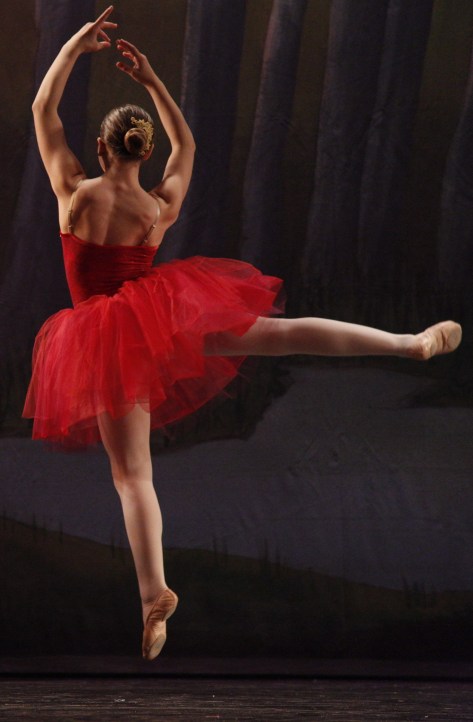
Ballet Class


Erin rearshot
Enter a caption


I  loved it so much I decided to try the beginners ballet class, to help with dance steps, technique and posture. My children found it highly amusing but I think they pictured me strutting around in a leotard or tutu.

Ballet was a busier class but I didn’t feel lost. Again the teacher was friendly and encouraging and everyone in the class was either new to ballet or hadn’t danced since a child. For years I’d felt like the useless one in the group; here I fitted in. I liked the slower pace of ballet, as it helped me keep up with the routines. Many of the exercises and terms were familiar from my childhood, even if I couldn’t quite remember them properly. I thought I would feel like an idiot in a ballet class in my 40’s, but somehow it felt like coming home.

I keep seeing new classes I’d like to try, like the daytime tap class starting in June. Anyone buying me a gift in the future shouldn’t struggle for ideas – keep fueling my dance account and I’ll be happy.  I’m so excited to see how I will improve over time; maybe I’ll even dance in a show again someday?


Disclaimer: All recommendations are personal – no financial incentive was given for writing this post.
 

Heuristic Play: Activities for Toddlers

TextPicture20170414_1225

I am often asked to suggest art and craft ideas for toddlers. A toddler is not interested in making a product, they enjoy exploratory activities, where they can move around.  I suggest sensory experience where they can use their whole bodies. This might be using art materials like clay or paint but can just as easily be other sensory materials, like ice, water, bubbles, goop, sand or natural materials. I have a sensory play Pinterest board if you are interested in more ideas (I’m happy to have new contributors too, post a comment if you would like to be added).

Another great activity to encourage toddler exploration is heuristic play.

Treasure Baskets (Heuristic Play for Babies)

Treasure baskets are sturdy baskets filled with safe, natural and household objects, which stimulate a baby’s natural curiosity, through their senses.  They are presented to babies to explore from the time they are able to sit. The baby removes things from the basket to investigate the properties of the objects using their hands, mouths and eyes and ears .  The adult’s role is to sit near the baby to offer comfort or support when needed.  Treasure baskets could follow a theme like metal objects, wooden objects or black and white objects. You could choose things your baby is naturally curious about or try new objects.  Always check the safety of the items, make sure they are not small enough to be swallowed, can’t trap little fingers and look out for parts that could break off. Also choose things that can be easily cleaned or replaced at little cost

Suggestions for objects to place in treasure baskets

  • a lemon, lime or orange
  • natural sponges
  • wooden spoons
  • tins with lids or tape the lid down and put something inside to make a sound.
  • empty crisp packets
  • wooden or metal egg cups
  • napkin rings
  • a soft blanket, cloth or scarf
  • large shells
  • A string of large beads
  • laminated photographs
  • a pumice stone
  • large corks
  • wooden nail brush
  • shaving brush
  • small boxes
  • wooden bowls
  • bunch of keys
  • powder puff
  • lavender bags (or fill with other herbs).

What is Heuristic Play?

When young children begin to walk and gain independence they are driven by a natural curiosity and urge to handle things and find out what objects can do.  How often do we find ourselves asking them not to touch, finding that they have pulled things out of cupboards, emptied containers or posted raisins into the DVD player? Heuristic play allows toddlers to freely discover how things work, exploring concepts like posting, stacking and sequencing.

Heuristic Play offers children an opportunity to play freely with a large number of different objects and receptacles in a controlled environment without adult intervention (unless the child requests it). The term was coined by Elinor Goldschmeid and Sonia Jackson – heuristic coming from the Greek word ‘eurisko’ meaning to discover or gain an understanding of.

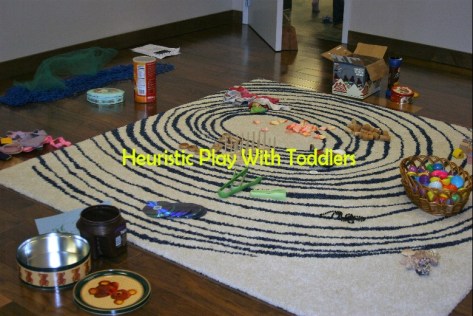
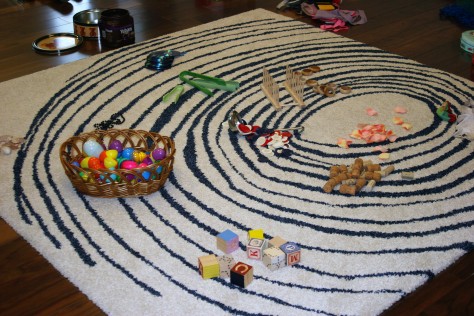
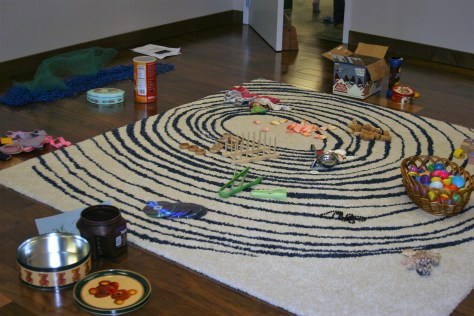
During a toddler session a variety of multi sensory materials (not toys)  are spread around an otherwise empty room, free from all other distractions. Each child is given a selection of containers with which to explore.

heuristic play

The Adults Role

The adults sit quietly around the outside of the room so as not to distract the child’s natural exploration,  they do not direct the play in any way and only support the child if they come to them for help, are distressed or they sense that their child has had enough.

At the end of the session children help to sort the materials putting them back in their correct bags with the support of the teacher. Objects are stored in labelled drawstring bags, for easy storage.

playing with loose parts
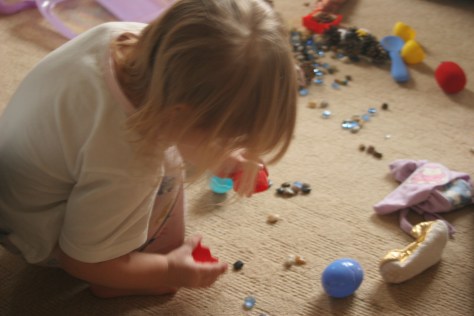
filling eggs with stones and glass beads.

We do not call this ‘tidy up time’ as this is an abstract concept; instead it is merged into part of the experience.

How Do the Children Benefit?

There are many benefits to play of this kind :-

  • Children will be engaged in self-discovery and test hypotheses
  • Cognitive development is strengthened by working out how things work and fit together
  • Develops fine muscle control
  • Develops hand/eye co-ordination
  • Encourages children to make choices
  • There is no right or wrong way to do things therefore it is therapeutic and fully inclusive
  • It sustains children’s natural curiosity
  • Children modify and change what they already know to gain new knowledge
  • Children become absorbed for long periods learning to explore without adult direction.
  • It supports children’s natural ways of learning through schemas.

toddler play activities

Materials I have used during heuristic play sessions

  • shells
  • pinecones
  • conkers
  • tins and boxes
  • poster tubes
  • curtain rings
  • poker chips
  • kitchen roll holders
  • the insides from sticky tape
  • scarves
  • handbags
  • ladles and large spoons
  • plastic fillable eggs
  • baskets
  • cd’s
  • socks
  • strings of beads
  • wooden blocks
  • jam jar lids
  • cotton reels
  • pegs
  • ribbon
  • bunches of keys
  • corks
  • ping-pong balls

 Is Heuristic Play the Same as Loose Parts?

Not really, although they are clearly related.  The main difference is heuristic play is a deliberate attempt to engage children in exploratory play by putting the materials in a room free from all other distractions.  Also the goal is for the children to explore without adult intervention.  In loose parts play the objects are usually part of the pre-school environment and can be used in any way to enhance all aspects of play, the adults normally engage with the children to develop sustained shared thinking.  Children engaged in loose parts play will often explore many of the characteristics of heuristic play and vice versa but they are similar, not the same. Heuristic play will naturally evolve into loose parts play as the children become older.

How we Keep Head Lice Away the Natural Way.

You’ll be very lucky if you manage to escape the school years without at least one case of head lice.  We were lucky until this year when the whole of kindergarten were infested.  We tried stupidly expensive shampoos which worked for a while, but soon I would find an odd one in one of the children’s hair and we would be back to square one.  Combing daily with the nitty gritty comb helped to keep on top of it and I tried spraying their hair with tea tree but they didn’t like the smell.

We have salons locally that specialise in lice removal with a guarantee they won’t return, however at over $100 a head, that wasn’t really an option I wanted to consider.

For months I battled with just keeping on top of things by combing and catching them early until a friend suggested Fairy Tales Rosemary Repel conditioning spray. A blend of organic Rosemary, Citronella,tea Tree and Geranium oils help prevent lice. With all natural ingredients, I didn’t expect it to work, but even when they were running rampant through kindergarten, my daughter remained lice free.  The girls like the smell too, even though there is tea tree in the ingredients, the other fragrances mask it well.

I spray the girls hair every morning before we brush it and it has been a really simple and effective way to keep the lice away.  As a teacher of small children catching head lice is always on the cards, so I will be using it on my own hair too.

We recently used Fairy Tales Shampoo for added protection. My girls hair was beautifully shiny after using it. Fairy Tales offer a whole range of hair products too so I will be looking into those.

Fairy Tales also have other products useful for keeping other bugs at bay. Fairy Tales Bug Bandit – Deet Free, promises to repel fleas, mosquitoes, ticks and biting flies all with a mere spritz.  It is free of harsh chemicals, pesticides, toxins, parabens, sulfates, dairy, gluten and nut free. We haven’t tried this one yet because we haven’t quite hit mosquito season but I’ll definitely try it in the summer, when the girls avoid going out in the evening because they are afraid of being bitten by mosquitoes.

If Bed Bugs are your problem, Fairy Tales also have a Bed Bug Spray without harsh and unsafe ingredients.

Disclaimer: Though I was given sample products, I have purchased and used Fairy Tales products with success before being asked to review their products. All recommendations are based on personal experience. All links are Amazon affiliate links.


Questions to Encourage Sustained Shared Thinking

beachcombing

To be perfectly honest I hate that in my profession they keep inventing new buzz words for age old ways of working and interacting with young children.  It feels to me that it is a way to make some feel superior in their understanding to others.  If you don’t quite get what it means it is quite likely something you are already  naturally doing, but without giving it a name.

‘Sustained shared thinking’ occurs when two or more individuals ‘work together’ in an intellectual way to solve a problem, clarify a concept, evaluate an activity, extend a narrative etc.

Both parties must contribute to the thinking and it must develop and extend the understanding. It was more likely to occur when children were interacting 1:1 with an adult or with a single peer partner and during focussed group work.  The Effective Provision of Pre-School Education (EPPE) Project (2004)

WP_20130621_054

If you are engaged with a child’s play, if you are working together, listening and sharing ideas, if you are helping a child to understand something, you are likely engaged in sustained shared thinking.  Imagine blowing bubbles for a toddler, they watch the bubbles and watch you blow them.  As the bubbles blow away, the bubbles pop and the child continues to look for them.  You might blow a bubble onto their hand so the child can feel it pop or show them how to pop it with their finger.  The child engages in a new game, popping the bubbles for fun. This is sustained shared thinking.

IMG_1329

I often see questions asked about suitable activities to promote sustained- shared thinking.  Any open-ended, creative activity will lend it self to sustained shared thinking – the key is the level of engagement and nature of interaction between teacher and child. Also any genuine discussions you have with the children when you are learning from one another and discussing in depth opinions, thoughts and ideas are examples of sustained shared thinking.  Take time to listen and understand what the children are thinking, before jumping in with our own ideas.

putting on lid

It might be helpful to think of these questions.  If you can use these questions in your interactions with the children then you will be engaging in sustained shared thinking.


Elaborating

That’s really interesting, can you tell me more?

Re-capping

So you think that…..

You started with…..

Offering own experiences

When I was little I thought that….

I like to listen to music when I am busy.

Clarifying ideas

So we think that the sugar will dissolve in hot water?

I think I understand let me just check what you said.

Suggesting

Can I show you another way?

How about if we try this?

Perhaps we need to think about it?

Reminding

Don’t forget that you said the sugar would dissolve in warm water

Let’s just go back to what you did/said/thought.

Encouraging

You thought really hard about where to put the door, now where could you put the windows?

Speculating

If we try this what might happen?

What other ideas might work?

Are there any other possibilities?

Do you think the 3 bears would like Goldilocks to be their friend?

Asking Open Questions

How did you…?     Why does this…..?   What happens next?

What do you think?  Where would you?

Offering Alternative Viewpoint

Let’s pretend we are…… What might we do?

Perhaps Goldilocks didn’t think she was being mean when she ate the porridge?

Disclaimer: these questions came from training delivered by North Somerset early years team but may originate from another source.